The Ultimate Footwear Buying Guide 2026
Choosing the right shoes isn’t just about style—it’s a critical decision that affects your posture, gait, comfort, and long-term foot health. Whether you’re shopping for running shoes, formal footwear, or everyday sneakers, this comprehensive guide will equip you with expert knowledge to make informed decisions that balance comfort, functionality, and value.
Table of Contents
- Why Choosing the Right Shoes Matters
- Step 1: Understand Your Foot Type
- Step 2: Measure Your Feet Correctly
- Understanding Shoe Size Charts and Conversions
- Step 3: Understand Shoe Categories
- Step 4: Materials Explained
- Sustainable and Eco-Friendly Footwear
- Finding the Most Comfortable Shoes
- Step 5: Fit Checklist Before Buying
- Step 6: Online vs Offline Buying
- Common Mistakes People Make
- Frequently Asked Questions
Why Choosing the Right Shoes Matters
The average person walks approximately 7,500 steps daily—that’s roughly 115,000 miles over a lifetime, equivalent to circling the Earth more than four times. Your shoes are the foundation of every step, and the wrong choice carries consequences far beyond simple discomfort.
Health implications of improper footwear extend throughout your kinetic chain: Ill-fitting shoes contribute to plantar fasciitis, affecting 10% of the population at some point in their lives. Inappropriate arch support accelerates conditions like bunions, hammertoes, and metatarsalgia. Poor shock absorption in footwear transfers impact forces upward, contributing to knee osteoarthritis, hip pain, and lower back issues. Research published in the Journal of Foot and Ankle Research indicates that 63% of adults wear incorrectly sized shoes, with women being particularly affected due to prioritizing aesthetics over fit.
Economic considerations are equally compelling: Quality footwear represents an investment, not an expense. A well-constructed shoe costing $150-200 can provide 2-3 years of daily use, while budget alternatives at $40-50 may require replacement every 3-6 months. When calculated as cost-per-wear, premium footwear often proves more economical. Additionally, proper footwear prevents medical expenses—treating plantar fasciitis can cost $500-2,000 in medical visits, orthotics, and treatments.
Performance implications vary by use case: Athletes lose 2-4% performance efficiency in poorly fitting athletic shoes. Professionals spending 8+ hours on their feet report 34% higher fatigue levels in inadequate footwear. For individuals with plantar fasciitis or other foot conditions, appropriate shoe selection can mean the difference between manageable discomfort and debilitating pain.
Expert Insight: Podiatrists recommend replacing athletic shoes every 300-500 miles, dress shoes when soles show significant wear, and work boots annually for daily wear. Signs requiring immediate replacement include: compressed midsoles that no longer rebound, worn tread patterns reducing traction, persistent odor despite cleaning, visible cracks in leather or separation in soles, and consistent discomfort that wasn’t present when new.
Step 1: Understand Your Foot Type
Your foot’s biomechanical structure determines which shoes will provide optimal support, prevent injury, and ensure comfort. Understanding your foot type is the foundation of smart shoe selection.
Flat Feet (Overpronation)
Characteristics: Minimal or no visible arch when standing. The entire sole makes contact with the ground. Affects approximately 20-30% of the population. Often hereditary, though can develop from obesity, pregnancy, or aging.
Biomechanical implications: Flat feet typically cause overpronation—excessive inward rolling of the foot during the gait cycle. This misalignment creates a chain reaction: ankles roll inward, knees rotate internally, and hips compensate with altered positioning. The result is increased stress on joints and connective tissues from feet through the lower back.
Shoe requirements: Stability or motion control shoes with firm medial (inner) support. Look for dual-density midsoles—denser foam on the arch side prevents excessive inward rolling. Structured heel counters maintain proper alignment. Avoid: Heavily cushioned neutral shoes or minimalist designs that lack support structure. Features to prioritize: medial posts, guide rails, progressive diagonal rollbars, and supportive overlays on the midfoot.
Recommended construction: Straight or semi-curved lasts provide better stability than curved lasts. Board-lasting (where the upper is cemented to a flat cardboard board) offers more support than slip-lasting.
High Arch (Supination/Underpronation)
Characteristics: Pronounced arch creates a distinct gap between midfoot and ground. Weight concentrates on heel and ball of foot. Less common than flat feet, affecting 15-20% of the population. Often associated with rigid foot structure.
Biomechanical implications: High arches typically cause supination—insufficient inward rolling, resulting in impact forces concentrated on outer foot edges. This creates poor shock absorption, as the foot doesn’t naturally pronate enough to distribute forces. Increased pressure on heel and forefoot accelerates development of calluses, stress fractures, and ankle instability.
Shoe requirements: Neutral cushioned shoes with maximum shock absorption. Soft, flexible midsoles (EVA or newer foam technologies like Nike React, Adidas Boost) compress effectively to compensate for rigid arch structure. Curved lasts accommodate natural foot shape. Avoid: Stability or motion control shoes that restrict the limited natural pronation you need. Features to prioritize: ample forefoot and heel cushioning, flexible midsoles, and sock liners with arch cushioning.
Orthotic considerations: High-arched feet benefit significantly from custom or over-the-counter arch supports that fill the gap beneath the arch, distributing pressure more evenly across the entire foot surface.
Neutral Arch
Characteristics: Moderate arch height with balanced weight distribution. Natural pronation occurs at healthy 15-degree angle. Represents the biomechanically ideal foot structure, though still only 40-45% of the population.
Biomechanical advantages: Neutral arches provide optimal shock absorption through appropriate pronation without requiring corrective features. Natural foot mechanics distribute impact forces efficiently throughout the kinetic chain.
Shoe requirements: Neutral shoes without stability features provide appropriate support without interference. Focus on intended use rather than corrective features—runners need cushioning and responsiveness, walkers need flexibility, professionals need comfort and durability. You have the widest selection available and can prioritize other factors like terrain, activity level, and personal preferences.
Wide Feet and Narrow Feet
Width classifications matter significantly: Standard width codes include: B (narrow women’s), D (standard men’s/wide women’s), 2E (wide men’s), and 4E (extra wide). Many buyers focus exclusively on length while ignoring width, leading to compressed toes, bunion formation, or heel slippage.
Wide feet considerations: Look for shoes specifically manufactured in wide widths rather than simply sizing up in length, which creates improper heel fit and toe box placement. Brands like New Balance, Asics, and Brooks offer extensive wide width options. Construction features: flexible uppers (mesh rather than rigid leather), minimal overlays, and roomier toe boxes. The “thumb test” should reveal at least 0.5 inches between your widest toe and shoe edge.
Narrow feet considerations: Narrow feet in standard-width shoes create heel slippage, reduced stability, and blisters. Brands like Vionic, Munro, and some European manufacturers cater to narrow feet. Solutions include: lacing techniques that cinch the midfoot (learn proper lacing methods), tongue pads that fill extra volume, or aftermarket insoles that reduce interior space. For persistent shoe bite issues, proper width becomes even more critical.
How to determine your foot type: Perform the “wet test”—wet your foot, step on paper, and examine the footprint. A complete footprint indicates flat feet. A narrow connection between forefoot and heel suggests high arches. A moderate connection indicates neutral arches. Alternatively, examine worn shoe wear patterns: inner edge wear suggests overpronation, outer edge wear indicates supination, and even wear across the sole indicates neutral biomechanics.
Step 2: Measure Your Feet Correctly
Accurate foot measurement is non-negotiable for proper shoe fit, yet it’s where most buyers make critical errors. Your foot size isn’t static—it changes with time of day, age, weight fluctuations, and even pregnancy.
Why Professional Measurement Matters
Feet naturally swell throughout the day as fluid accumulates from standing and walking. This can increase length by up to 0.5 sizes and width significantly. Always measure in late afternoon or evening when feet are at maximum size. Additionally, 60% of people have one foot slightly larger than the other—always fit to the larger foot.
Age-related changes: Adult feet gradually increase in size due to ligament laxity, arch flattening, and fat pad thinning. The average person’s feet grow 1-2 sizes from age 20 to 60. Remeasure annually, especially after age 40 or following significant weight changes (±20 pounds).
The Brannock Device Method
The Brannock Device, that metal measuring tool in shoe stores, provides three critical measurements: heel-to-toe length, arch length (heel to ball of foot), and width. Professional fitting prioritizes arch length over total length, ensuring the shoe’s widest point aligns with your foot’s widest point—crucial for proper weight distribution.
Proper Brannock measurement technique: Stand with full weight on the foot being measured. Heel should be firmly against the back cup. Measure both feet. Note all three measurements (length, arch, width). The arch length measurement is particularly important—if your arch length corresponds to size 9 but your total length measures 9.5, you should buy size 9.5 to ensure proper arch positioning.
At-Home Measurement Guide
For those measuring at home, precision requires the right approach. You’ll need: blank paper larger than your foot, a pen or pencil, a ruler or measuring tape, and assistance if possible (measuring your own foot while standing creates inaccuracies). For detailed step-by-step instructions with visual guides, consult our comprehensive foot measurement tutorial.
Measurement steps:
- Timing: Measure at end of day wearing socks you’ll use with the shoes
- Position: Place paper on hard, flat surface against wall
- Stance: Stand with heel against wall, weight evenly distributed
- Tracing: Have someone trace your foot outline, keeping pen perpendicular to paper
- Length measurement: Measure from heel to longest toe (may not be big toe)
- Width measurement: Measure across widest part of forefoot
- Repeat: Measure both feet, use larger measurement
- Add space: Add 0.5-0.6 inches to length for toe room (about thumb width)
Size Conversion and Brand Variations
Shoe sizing lacks global standardization, creating confusion when shopping international brands. US size 9 doesn’t equal UK size 9 or Euro size 9. Furthermore, sizing varies significantly between brands and even within brand collections. Nike typically runs small; New Balance tends true to size; European luxury brands often run narrow.
Critical conversion insight: Never rely solely on size numbers. Always cross-reference actual measurements in millimeters or inches. A US men’s 9 typically measures 10.5 inches (267mm), but brand variations exist. Consult our detailed US vs UK vs Euro size conversion chart for accurate international sizing.
| US Men’s | US Women’s | UK | EU | CM | Inches |
|---|---|---|---|---|---|
| 7 | 8.5 | 6 | 40 | 25.0 | 9.8 |
| 8 | 9.5 | 7 | 41 | 25.7 | 10.1 |
| 9 | 10.5 | 8 | 42 | 26.7 | 10.5 |
| 10 | 11.5 | 9 | 43 | 27.3 | 10.7 |
| 11 | 12.5 | 10 | 44 | 28.0 | 11.0 |
| 12 | 13.5 | 11 | 45 | 28.7 | 11.3 |
Pro Tip: When shopping online, check customer reviews specifically for sizing feedback. Comments like “runs small, order half size up” or “true to size” from verified purchasers provide invaluable real-world data that size charts can’t capture. Look for reviewers with similar foot characteristics to yours.
Step 3: Understand Shoe Categories
Each shoe category serves specific biomechanical and functional purposes. Using running shoes for formal occasions or dress shoes for athletic activities compromises both performance and longevity. Understanding category-specific features ensures you select footwear engineered for your intended use.
Running Shoes
Biomechanical engineering: Running generates impact forces of 2.5-3 times body weight with each footstrike. Running shoes are engineered specifically to absorb these forces, provide energy return during toe-off, and prevent excessive motion that causes injury. The average runner strikes the ground 1,000+ times per mile—improper footwear multiplies stress exponentially.
Key construction elements:
- Midsole technology: Primary cushioning layer between outsole and foot. Modern options include EVA foam (traditional, lightweight), polyurethane (durable, heavier), TPU foam (responsive, expensive), and branded technologies (Nike React, Adidas Boost, Brooks DNA). Midsole compression over time (300-500 miles) is the primary wear indicator.
- Heel-to-toe drop: Height differential between heel and forefoot, typically 10-12mm for traditional running shoes, 4-8mm for transitional shoes, 0-4mm for minimalist designs. Higher drops suit heel strikers; lower drops encourage forefoot striking.
- Outsole patterns: Strategic rubber placement for traction and durability. High-wear areas (heel strike zone, toe-off point) use carbon rubber; less critical areas use blown rubber for lightness.
- Upper construction: Modern engineered mesh provides breathability, flexibility, and targeted support through internal reinforcements rather than traditional overlays.
Running shoe subcategories:
- Neutral cushioned: Maximum shock absorption for high-arched or neutral feet. Examples: Nike Pegasus, Hoka Clifton, Brooks Ghost.
- Stability: Medial support for mild to moderate overpronation. Examples: Asics Kayano, Brooks Adrenaline, Saucony Guide.
- Motion control: Maximum support for severe overpronation or heavier runners. Examples: Brooks Beast, Asics GT-2000.
- Minimalist: Minimal cushioning, low drop for natural running mechanics. Examples: Altra Escalante, Merrell Vapor Glove.
- Trail running: Aggressive traction, protective plates, water resistance. Examples: Salomon Speedcross, Hoka Speedgoat.
Replacement schedule: Track mileage meticulously. Replace at 300-500 miles regardless of external appearance. Midsole foam compresses invisibly, losing shock absorption while treads still look functional. Many running apps track shoe mileage automatically.
Walking Shoes
Biomechanical distinctions from running shoes: Walking produces heel-to-toe rolling motion with impact forces of 1-1.2 times body weight—significantly less than running. Walking shoes prioritize forefoot flexibility (for push-off during toe-off phase) and lower, more stable platforms rather than maximum cushioning.
Construction differences:
- Flexibility: Walking shoes flex more easily at the ball of the foot, facilitating the rolling motion essential to walking gait. Test by holding heel and toe and attempting to flex—walking shoes bend easily; running shoes resist.
- Heel design: Lower heel height and rounded heel profiles support smooth heel-to-toe transition. Less aggressive heel beveling than running shoes.
- Weight: Generally lighter than running shoes since extreme impact protection isn’t necessary. Reduces energy expenditure during all-day wear.
- Durability: Enhanced outsole durability in high-wear areas since walkers accumulate more ground contact time per mile than runners.
Ideal use cases: Daily commuting, shopping, sightseeing, light hiking on paved trails, recovery days for runners, occupational settings requiring extended standing/walking. Not suitable for: running (insufficient shock absorption), technical hiking (inadequate ankle support), or formal environments.
Formal Shoes
Construction quality indicators: Formal shoe quality is immediately apparent to discerning observers and significantly affects longevity. Understanding construction methods distinguishes disposable footwear from investment pieces.
Goodyear welt construction: The gold standard for dress shoes. The upper is stitched to a welt (strip of leather), which is then stitched to the sole. Benefits: resoleable (extending life to 10+ years), water-resistant channel between layers, superior durability. Identifiable by visible stitching around sole perimeter. Premium brands: Allen Edmonds, Alden, Church’s, Crockett & Jones. Price range: $300-800+.
Blake stitch construction: Upper stitched directly to sole. Benefits: lighter weight, more flexible, sleeker profile. Drawbacks: less water-resistant, more difficult to resole, shorter lifespan (3-5 years). Common in Italian dress shoes. Price range: $200-500.
Cemented construction: Upper glued to sole. Benefits: inexpensive, lightweight, immediately comfortable. Drawbacks: non-resoleable, shorter lifespan (1-2 years), inferior water resistance. Appropriate for: occasional wear, fashion-forward styles, budget constraints. Price range: $50-200.
Leather quality matters:
- Full-grain leather: Top quality. Entire grain retained, develops rich patina, exceptionally durable. Shows natural imperfections (scars, grain variation) proving authenticity.
- Top-grain leather: Surface buffed to remove imperfections, then embossed. Uniform appearance, less character development, good durability.
- Genuine leather: Marketing term for lower-quality leather layers. Acceptable for budget footwear but won’t develop patina or last as long.
- Patent leather: Leather coated with lacquer for high-gloss finish. Formal occasions only, requires specialized care.
Formal shoe styles and appropriate contexts:
| Style | Formality Level | Appropriate Occasions | Key Features |
|---|---|---|---|
| Oxford (Balmoral) | Most Formal | Black tie, business formal, weddings | Closed lacing system, sleek profile |
| Derby (Blucher) | Formal-Business | Business professional, less formal events | Open lacing, slightly more casual |
| Monk Strap | Business-Smart Casual | Business casual, creative industries | Buckle closure, distinctive style |
| Loafer | Business Casual | Smart casual, summer events, travel | Slip-on convenience, versatile |
| Brogue | Smart Casual | Business casual, country settings | Decorative perforations, less formal |
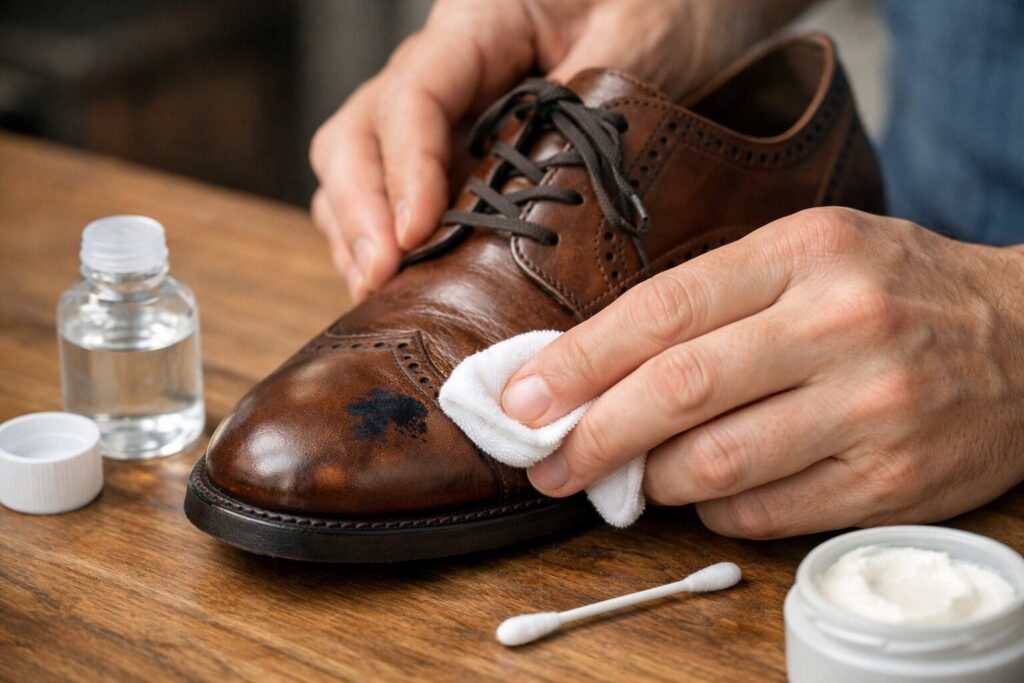
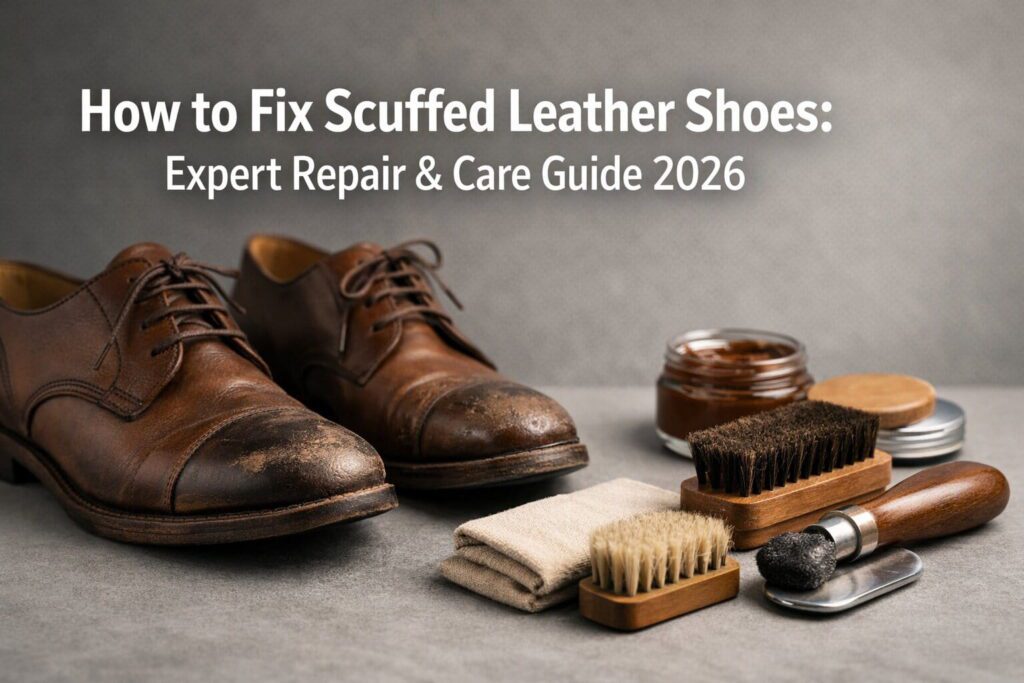
Maintenance extends investment: Proper care multiplies formal shoe lifespan significantly. Essential practices: cedar shoe trees (absorb moisture, maintain shape, prevent creasing), regular conditioning (every 3-6 months), rotation (never wear same pair consecutive days), professional resoling when needed, and proper storage. Learn specialized maintenance like repairing scuffed leather to maintain appearance.
Sneakers (Casual Athletic Footwear)
Evolution from athletic to lifestyle: Modern sneakers blur lines between athletic performance and fashion statement. Originally designed for basketball courts and running tracks, sneakers now dominate casual wardrobes globally, representing a $75+ billion annual market.
Sneaker categories:
- Lifestyle sneakers: Athletic-inspired designs prioritizing aesthetics over performance. Popular models: Nike Air Force 1, Adidas Stan Smith, Common Projects Achilles. Comfort features without technical specifications required for sports.
- Retro/Heritage: Reissues of classic athletic designs. Examples: Nike Air Max, Reebok Classic, Puma Suede. Often feature original colorways and styling with updated comfort technology.
- Fashion/Designer sneakers: High-end interpretations from luxury brands. Balenciaga Triple S, Golden Goose, Gucci Ace. Premium materials, distinctive styling, luxury price points ($400-1000+).
- Performance crossover: Technical athletic shoes worn casually. Running shoes like Nike Pegasus, training shoes like Metcon. Function-first designs adopted for everyday comfort.
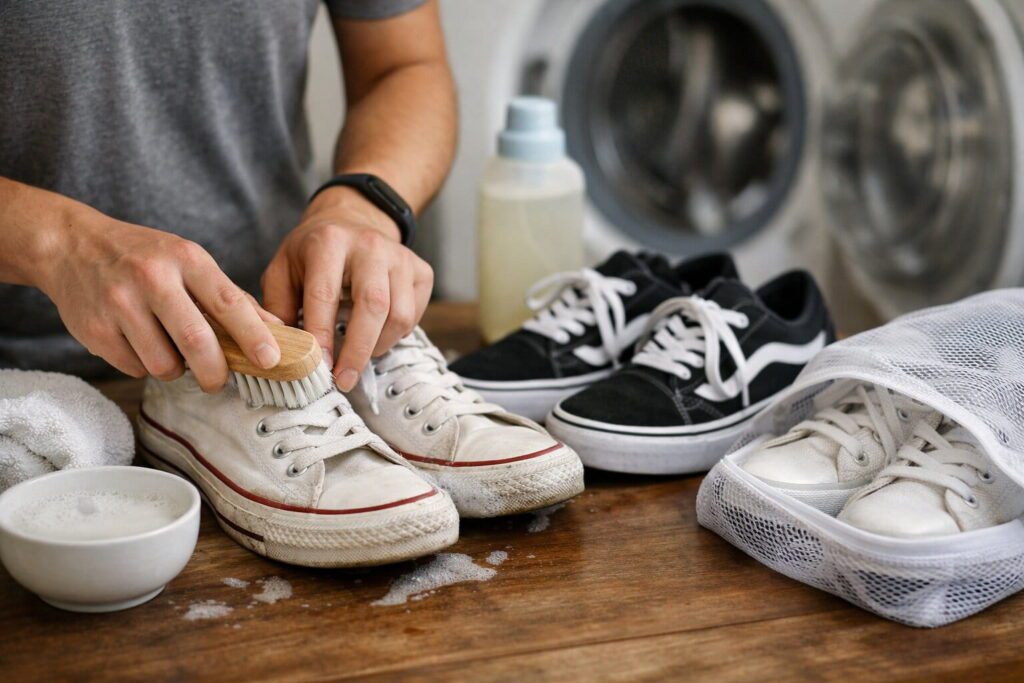
Material considerations for sneakers: Canvas (breathable, casual, requires regular cleaning—see our guide on cleaning canvas shoes), leather (durable, premium appearance, develops patina), suede (luxurious feel, requires specialized care—learn proper suede maintenance), mesh (maximum breathability, athletic aesthetic, specific cleaning requirements), synthetic/vegan alternatives (animal-free, consistent quality, variable durability).
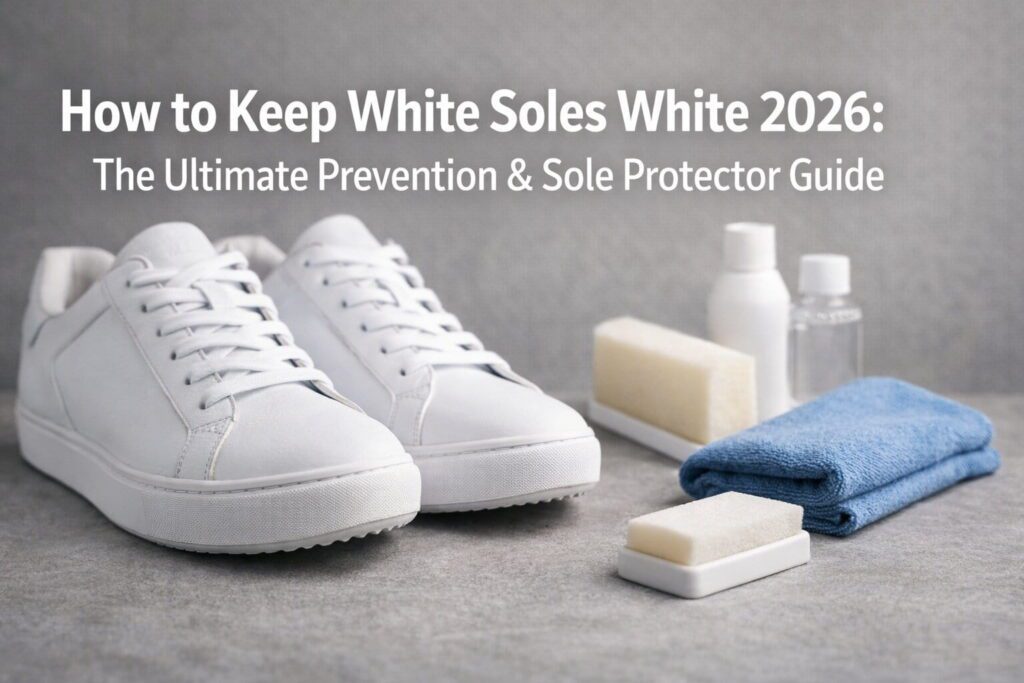
Sneaker maintenance for longevity: White sneakers require specific care protocols—explore our proven toothpaste cleaning method for maintaining pristine appearance. Address common issues like yellowed soles and creasing prevention. For brand-specific concerns, verify Nike authenticity when purchasing premium models.
Boots
Boot category diversity: Boots serve vastly different purposes from rugged work environments to fashion runways. Construction, materials, and features vary dramatically across subcategories.
Work boots: Engineered for protection and durability in demanding environments. Safety features: steel/composite toe caps (ASTM F2413 rated for 75 lbs impact resistance), puncture-resistant midsoles, electrical hazard protection, slip-resistant outsoles (coefficient of friction >0.5), and waterproof membranes. Popular construction: Goodyear welt for resoling capability. Leading brands: Red Wing, Timberland Pro, Wolverine, Caterpillar. Replace annually with daily use or when safety features compromise.
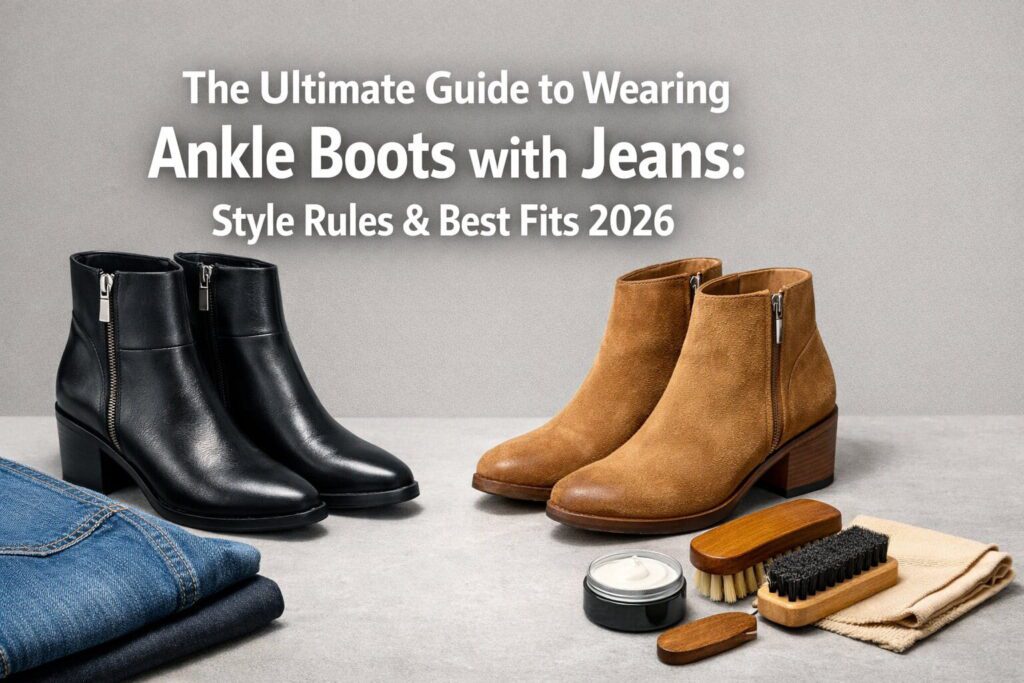
Fashion/Chelsea boots: Ankle-height boots with elastic side panels for easy on/off. Versatile styling from jeans to suits. Quality indicators: full-grain leather upper, leather sole with rubber top piece, Goodyear welt construction. Style guide: pairing ankle boots with jeans.
Hiking boots: Technical features for trail performance. Full-grain leather or synthetic waterproof uppers, aggressive lug patterns (5mm+ depth), ankle support via high-cut design, protective toe caps and heel counters, cushioned midsoles for impact on rocky terrain. Break-in period essential—wear 20-30 hours before extended hikes to prevent blisters.
Winter boots: Insulation (200-400g Thinsulate for moderate cold, 600-1000g for extreme cold), waterproof membranes (Gore-Tex, proprietary alternatives), deep tread for snow/ice traction, tall shafts prevent snow entry. Consider temperature ratings when shopping.
Sandals
Beyond beach footwear: Quality sandals provide legitimate arch support and can serve as orthopedically sound alternatives to closed shoes in warm climates. The presumption that sandals lack support is outdated—modern designs incorporate sophisticated ergonomic features.
Sport sandals: Designed for active use—hiking, water sports, outdoor activities. Features: adjustable straps for secure fit, contoured footbeds with arch support, aggressive traction outsoles, quick-drying materials. Leading brands: Teva, Chaco, Keen, Merrell. Chaco’s signature feature: adjustable straps that customize to your foot shape, plus resoleable outsoles extending lifespan to 10+ years.
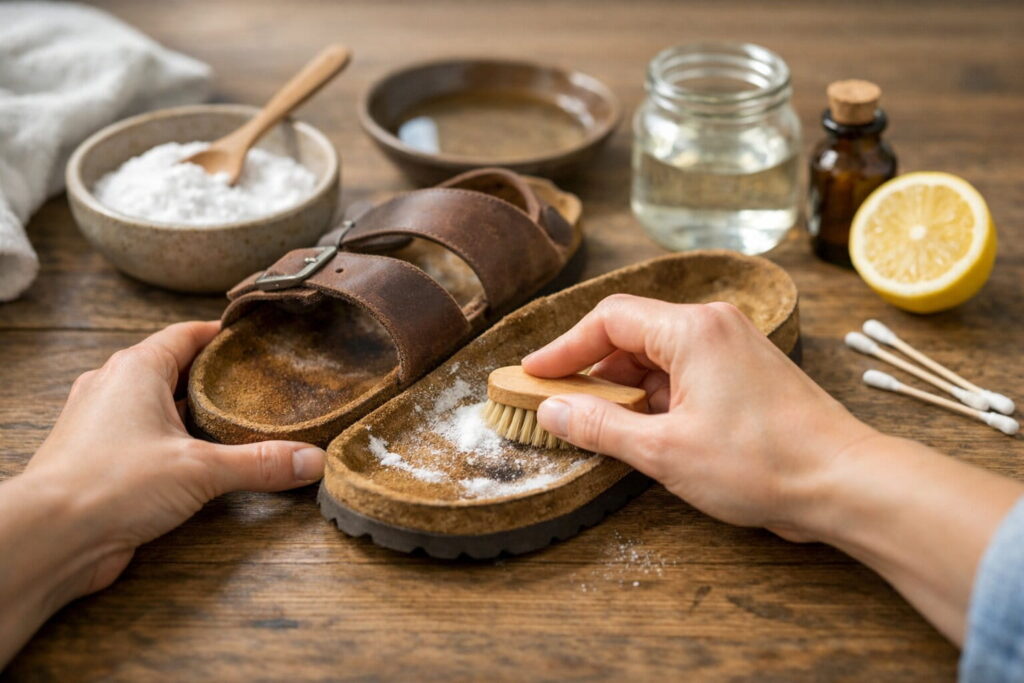
Orthopedic sandals: Prioritize foot health through biomechanical design. Deep heel cups, anatomically shaped footbeds, arch support rivaling athletic shoes, shock-absorbing EVA midsoles. Birkenstock pioneered this category with cork footbeds that mold to individual foot shape over time. Vionic incorporates podiatrist-designed technology originally developed for orthotics.
Dress sandals: Suitable for semi-formal warm-weather occasions. Leather uppers, minimal hardware, refined silhouettes. Women’s options include wedge sandals (provide height without stiletto instability) and gladiator styles. Men’s dress sandals limited to specific casual-elegant contexts—leather flip-flops, minimalist slides.
Sandal fit considerations: Toes shouldn’t overhang front edge, heel should sit centered on footbed without overhang, straps should secure without digging, adequate arch support for intended wear duration. Remember: sandals require same sizing precision as closed shoes.
Safety Shoes
Regulatory compliance: Safety footwear must meet specific standards depending on workplace hazards. Understanding these standards prevents purchasing inadequate protection.
ASTM F2413 standards (North America):
- Impact protection (I/75, I/50): Steel or composite toe caps withstanding 75 or 50 foot-pounds of impact
- Compression resistance (C/75, C/50): Toe protection against static loads of 2,500 or 1,750 pounds
- Metatarsal protection (Mt/75): Guards against impacts to upper foot/instep area
- Puncture resistance (PR): Protective plates preventing penetration from sharp objects
- Electrical hazard (EH): Insulation providing secondary protection against open circuits up to 600 volts
- Conductive (CD): Dissipates static electricity in explosive environments
- Static dissipative (SD): Moderate electrical resistance for electronics manufacturing
Material selection for safety footwear: Steel toes provide maximum protection and durability but add significant weight (8-16 oz per shoe) and conduct temperature extremes. Composite toes (carbon fiber, Kevlar, fiberglass) offer similar protection at reduced weight, don’t conduct temperature, and don’t trigger metal detectors—ideal for security personnel or airport workers. Aluminum toes fall between steel and composite for weight and protection.
Industry-specific requirements: Construction demands puncture resistance, metatarsal guards, and ankle support. Manufacturing requires electrical hazard protection and static dissipation. Food service needs slip-resistant outsoles and easy cleaning. Healthcare prioritizes comfort for 12-hour shifts and liquid resistance. Verify your employer’s specific requirements before purchasing.
Step 4: Materials Explained
Shoe materials determine durability, breathability, water resistance, break-in requirements, maintenance needs, and price. Understanding material properties guides selection based on intended use and climate conditions.
Leather
Types and characteristics:
- Full-grain leather: Premium tier. Complete grain layer intact, develops rich patina over time, exceptional durability (10+ years with proper care), breathable yet water-resistant when treated. Natural surface shows grain variations and minor imperfections proving authenticity. Requires conditioning every 3-6 months. Used in: premium dress shoes, quality boots, designer footwear. Price premium: 50-200% over top-grain.
- Top-grain leather: Surface buffed to remove imperfections, then embossed with uniform grain pattern. More consistent appearance than full-grain, good durability (5-8 years), easier maintenance. Standard for mid-range dress shoes and quality casual footwear. Price point: moderate to mid-premium.
- Corrected grain: Lower quality leather heavily processed to hide imperfections. Plastic-like surface coating, limited breathability, shorter lifespan (2-3 years). Budget category.
- Nubuck: Top-grain leather buffed on the outer surface creating velvety texture similar to suede but more durable. Requires protective sprays and regular brushing. Popular in casual boots and premium sneakers.
Leather advantages: Molds to foot shape over time (personalized fit improving with wear), excellent breathability preventing moisture buildup, natural temperature regulation, resoleable for extended lifespan, prestigious appearance suitable for professional environments, develops attractive patina reflecting wear history.
Leather limitations: Requires regular maintenance (cleaning, conditioning, waterproofing), higher initial cost, longer break-in period (20-40 hours wear for full-grain), vulnerability to water damage without treatment, ethical concerns for some consumers. Specific maintenance: removing ink stains requires specialized techniques.
Suede
Construction and characteristics: Suede is leather’s underside, buffed to create soft napped finish. The fuzzy texture traps dirt easily and shows water stains prominently. Despite these vulnerabilities, suede remains popular for its luxurious appearance and soft feel.
Quality indicators: Premium suede shows consistent nap texture, rich color depth, and resilience when brushed. Lower-quality suede appears patchy, loses nap easily, and fades quickly. Thickness matters—thicker suede proves more durable.
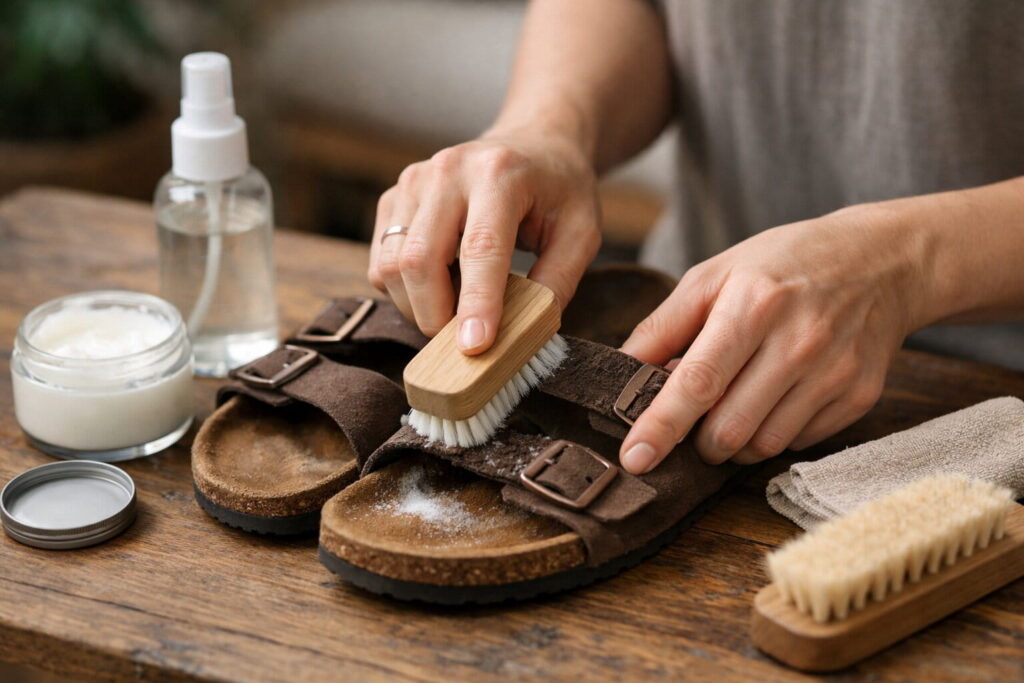
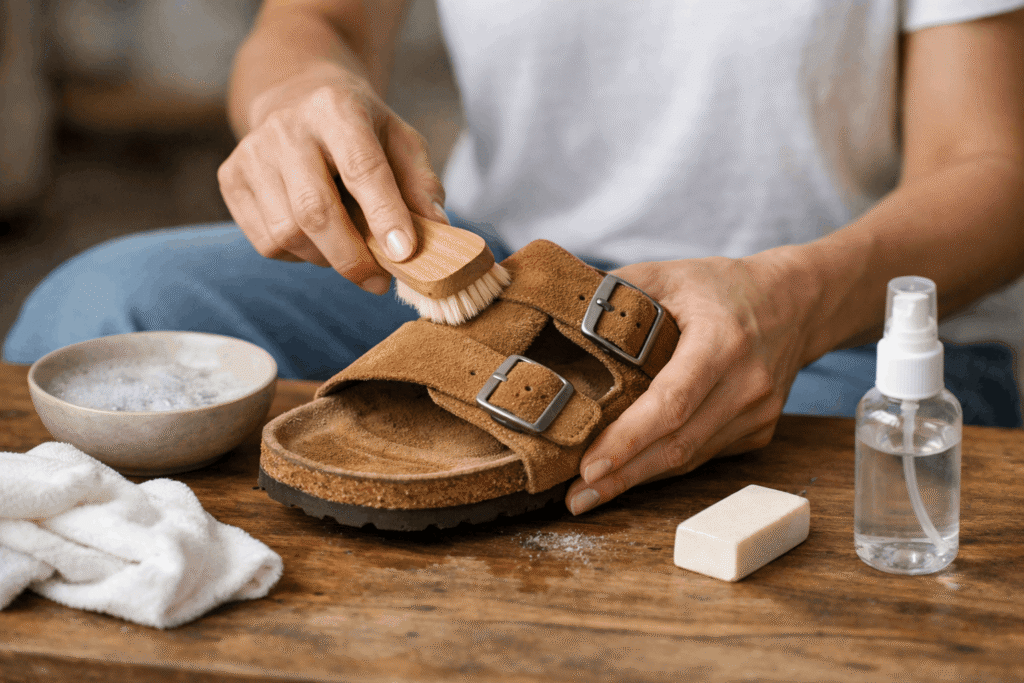
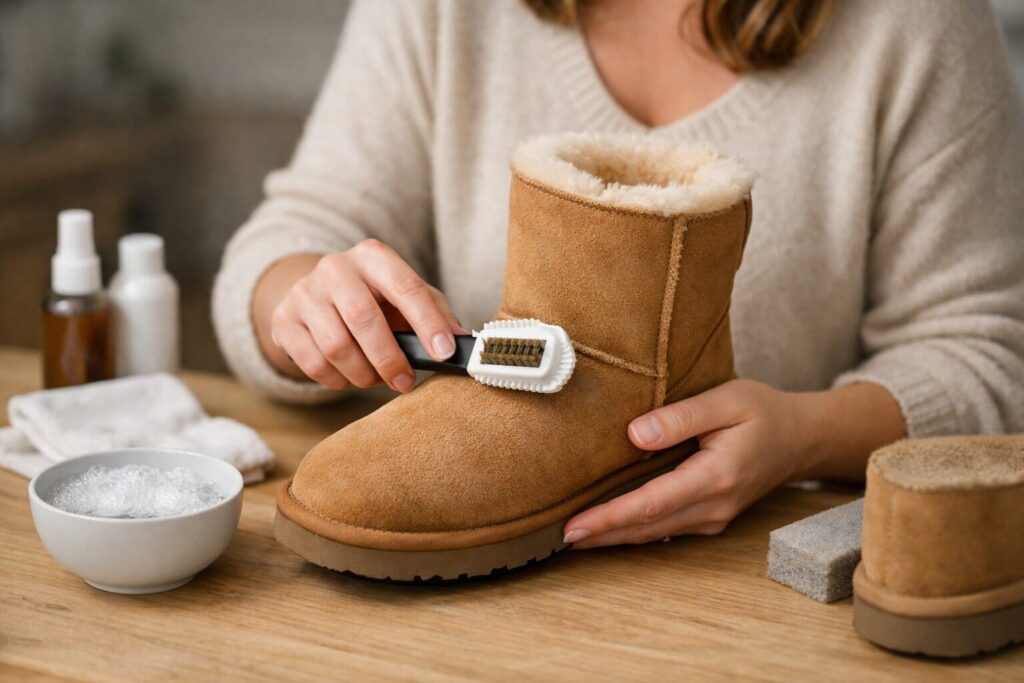
Maintenance requirements: Suede demands preventive care. Apply water and stain protector spray before first wear and reapply monthly. Use suede brush to restore nap and remove surface dirt. Address stains immediately with specialized cleaners. Detailed maintenance: comprehensive suede cleaning guide and oil stain removal.
Appropriate applications: Dry climates, indoor professional environments, casual social settings, fashion-forward styling. Avoid: rainy climates without significant protective treatment, outdoor activities, harsh environments. Seasonal recommendation: fall/winter in dry regions, avoid in spring/summer in wet climates.
Mesh
Engineering evolution: Modern athletic mesh has evolved from simple woven fabrics to engineered structures with zone-specific properties. Different mesh densities in strategic locations balance breathability, support, and durability.
Types of mesh construction:
- Traditional woven mesh: Basic interlaced synthetic fibers. Maximum breathability, minimal structure. Found in budget athletic shoes.
- Engineered mesh: Computer-designed patterns with varied density zones. Tight weave over high-stress areas (forefoot, heel), open weave for breathability. Standard in modern running shoes.
- Knit uppers (Flyknit, Primeknit, etc.): Single-piece knitted construction eliminating seams. Benefits: sock-like fit, reduced weight, minimal break-in, strategic support integration. Premium athletic footwear innovation.
- 3D printed mesh: Emerging technology allowing unprecedented customization and support integration. Currently limited to premium/experimental models.
Mesh advantages: Superior breathability preventing moisture buildup and overheating, lightweight reducing energy expenditure, quick drying (critical for wet shoe recovery), minimal break-in period, lower manufacturing cost translating to consumer savings, easy cleaning (mesh cleaning methods).
Mesh limitations: Limited weather protection (water penetrates easily), reduced durability compared to leather (typical lifespan 300-500 miles for running shoes), minimal structure requires compensatory support features, inappropriate for formal environments, faster degradation from UV exposure.
Best applications: Running, cross-training, hot weather activities, athletic pursuits requiring maximum breathability, casual summer wear. Climate suitability: tropical, desert, temperate summers. Avoid: cold weather, wet conditions, professional settings, rocky terrain without protective overlays.
Synthetic Materials
Common synthetic materials in footwear:
- Polyurethane (PU): Durable, water-resistant, affordable. Used in dress shoe uppers, sandal straps, comfort footbeds. Moderate breathability. Lifespan: 2-4 years before degradation begins.
- Thermoplastic polyurethane (TPU): Enhanced durability and abrasion resistance. Used in overlays, support structures, outsoles. More expensive than standard PU. Resistant to oils and chemicals.
- Polyester: Strong synthetic fiber, quick-drying, resists stretching. Common in athletic shoe uppers, hiking boot panels. Good UV resistance.
- Nylon: Lightweight, extremely strong, abrasion-resistant. Used in technical footwear, hiking boots, running shoe components. Dries quickly after exposure to water.
- EVA (Ethylene-vinyl acetate): Foam material dominating midsole construction. Lightweight, excellent shock absorption, versatile density options. Degrades with compression cycles—primary reason for athletic shoe replacement schedules.
- Microfiber/vegan leather: Synthetic material mimicking leather appearance and feel. Consistent quality without natural material variation, often more water-resistant than leather, lower environmental impact depending on manufacturing, no animal products. Popular in vegan footwear lines. Durability variable—premium microfiber rivals top-grain leather; budget versions peel within months.
Synthetic material advantages: Consistent quality without natural material variations, often lower cost than comparable leather, animal-free for ethical consumers, potentially higher water resistance, less maintenance required, faster break-in or none needed, specialized performance properties (moisture-wicking, antimicrobial treatments, reflective elements).
Synthetic material considerations: Generally less breathable than leather, may not develop attractive patina (synthetic aging often means deterioration), variable durability across quality levels, less prestigious appearance in formal contexts, environmental concerns regarding plastic-based materials and microfiber shedding.
Rubber
Rubber types and applications:
- Natural rubber: Derived from rubber trees. Excellent grip and flexibility, good durability, biodegradable. Used in premium sneaker soles, casual footwear outsoles.
- Carbon rubber: Synthetic rubber with carbon particles added for durability. Harder, longer-lasting, used in high-wear zones (heel strike areas, toe-off points). Slightly reduced grip compared to softer rubbers.
- Blown rubber: Rubber injected with air during manufacturing. Softer, lighter, better cushioning, superior grip. Less durable than carbon rubber. Used in forefoot areas of athletic shoes where grip and cushioning matter more than longevity.
- Specialized rubber compounds: Vibram (Italian company specializing in high-performance outsoles for hiking and mountaineering), Michelin (tire manufacturer technology adapted for shoe outsoles), Continental (another tire company supplying traction technology to footwear brands). These proprietary compounds offer superior grip, especially in wet conditions.
Rubber outsole construction considerations: Full rubber outsoles provide maximum durability and waterproofing but add significant weight. Strategic rubber placement (high-wear areas only) reduces weight while maintaining durability where needed. Tread pattern depth indicates intended use: 2-3mm for road running, 4-5mm for trail running, 6-8mm for hiking boots. Shallow treads wear smooth quickly on rough terrain; deep treads collect mud on pavement.
Material Combination Strategy: Premium footwear often combines materials strategically: leather upper for durability and breathability with synthetic support overlays, mesh panels in non-stress areas for ventilation, rubber outsoles with foam midsoles for optimal cushioning and traction. Understanding these combinations helps you evaluate whether shoe construction matches your needs.
Step 5: Fit Checklist Before Buying
Proper fit cannot be compromised. An expensive, beautifully crafted shoe that doesn’t fit correctly provides less value than a budget shoe that fits perfectly. Use this comprehensive checklist whether shopping online or in-store.
The 10-Point Fit Verification Protocol
1. Toe Box Space (Thumb Width Test)
Press thumb between your longest toe and shoe end. Should have 0.5-0.6 inches (roughly thumb width) of space. This accommodates foot expansion during activity and prevents black toenails, subungual hematomas, and nail bed damage. Common error: buying shoes where toes touch the end, which feels fine initially but causes problems during extended wear or downhill walking.
2. Toe Box Width
Toes should spread naturally without compression. You should be able to wiggle toes freely. If toes feel squeezed or overlap, you need wider shoes or a different style. Compressed toes lead to bunions, hammertoes, neuromas, and circulatory issues. Some pointed-toe formal shoes inherently compress toes—limit wear duration for foot health.
3. Heel Fit Security
Heel should sit snugly in heel counter without slipping during walking. Acceptable heel lift: less than 0.25 inches (6mm) during normal gait. Excessive slippage causes blisters, reduces stability, and indicates wrong size or inadequate heel counter structure. Test by walking briskly and stopping abruptly—heel shouldn’t slide forward significantly.
4. Arch Alignment
Shoe’s arch support should align with your foot’s arch location. Misalignment creates pressure points and reduces support effectiveness. This is why arch length measurement matters more than total length. If shoe’s arch peak sits forward or back of your arch, try different size or style.
5. Width Consistency
Foot should sit centered in shoe without bulging over edges or swimming in excess space. At widest point (ball of foot), there should be minimal but not zero space on sides. If shoe requires significant force to get foot in, it’s too narrow. If foot slides side-to-side, it’s too wide. Many brands offer width options—utilize them.
6. Flex Point Alignment
Shoe should bend at same location your foot bends (at ball of foot, approximately 65-70% down length from heel). Misaligned flex points cause premature fatigue and discomfort. Test by standing on toes—shoe should bend smoothly at correct location. If flex point is too far forward or back, try different size.
7. Pressure Point Assessment
While standing and walking, note any specific pressure points—areas where shoe presses uncomfortably against foot. Some pressure is normal during initial try-on, but sharp or intense pressure indicates fit problems unlikely to resolve with break-in. Common problem areas: outside of little toe, top of foot, back of heel, inside of big toe joint.
8. Sock Compatibility
Always try shoes with socks you’ll actually wear with them. Athletic shoes with athletic socks, dress shoes with dress socks, boots with appropriate sock thickness. Sock thickness significantly affects fit—a shoe that fits with thin dress socks will be too tight with thick hiking socks.
9. Extended Wear Test
In-store: Walk around for minimum 10 minutes. Don’t just stand at mirror. Walk on different surfaces if available—carpet versus hard floor feels different. Squat, climb stairs if possible, test movements you’ll actually perform in these shoes. Online: Wear indoors only (to preserve return eligibility) for 30-60 minutes. Feet shouldn’t hurt or feel significantly uncomfortable after this duration.
10. End-of-Day Timing
Shop for shoes in late afternoon or evening when feet are at maximum size from daily swelling. Shoes that fit perfectly in the morning may be uncomfortably tight by evening. This is particularly important for shoes you’ll wear all day—work shoes, walking shoes, travel shoes.
Additional Fit Considerations
Volume vs. length vs. width: Shoe volume (internal space) is three-dimensional. Some feet are high-volume (thick through the instep and midfoot) even if not technically wide. Others are low-volume (thin throughout) even with standard width. Lacing techniques can adjust volume somewhat (explore lacing methods), but severely mismatched volume requires different shoes.
Break-in reality check: Shoes should be comfortable immediately with minimal break-in. The notion that painful shoes will “break in” is largely myth. Leather shoes soften slightly (becoming 5-10% more flexible), and foam midsoles compress to your foot shape, but fundamental fit problems don’t resolve. If shoes hurt significantly during initial try-on, they’ll continue hurting. Acceptable break-in discomfort: slight stiffness in leather uppers, minor heel friction from new materials (address with shoe bite prevention).
Size variation between activities: You may need different sizes for different shoe categories. Running shoes typically require 0.5-1 full size larger than dress shoes due to forward foot motion and swelling during activity. Hiking boots may need extra width for thick socks. This is normal—don’t assume your “size” is universal across all footwear.
When fit seems impossible: Some foot shapes struggle with standard shoe lasts. Solutions include: custom orthotics that modify shoe’s interior to match your foot, wide-width or narrow-width specialty retailers, brands known for accommodating specific foot shapes (New Balance for wide feet, Altra for wide toe boxes with zero drop, Vionic for narrow feet), or custom-made shoes (expensive but worthwhile for severe fit challenges). If multiple shoe attempts fail, consult a podiatrist—you may have biomechanical issues requiring professional intervention beyond shoe selection.
Step 6: Online vs Offline Buying
The retail landscape has transformed dramatically. Online footwear sales exceeded $30 billion in 2025, yet physical stores retain distinct advantages. Understanding when to use each channel optimizes your buying experience and outcomes.
In-Store Buying Advantages
Immediate fit verification: Physical try-on eliminates sizing uncertainty. You experience actual fit before commitment. Particularly valuable for: first purchase of a brand (unfamiliar sizing), complex foot shapes requiring professional fitting, high-stakes purchases (wedding shoes, performance athletic footwear), and specialty categories (hiking boots, safety shoes, orthotics-required footwear).
Expert assistance: Knowledgeable staff in specialty stores provide gait analysis, foot shape assessment, and appropriate recommendations. Running specialty stores often offer treadmill gait analysis identifying pronation patterns. Quality shoe stores use Brannock devices correctly and understand nuances of their inventory. This expertise is particularly valuable for buyers new to a category or with specific foot conditions.
Tactile evaluation: Photographs can’t communicate material quality, construction robustness, or comfort characteristics. In-person inspection reveals: leather quality by touch and smell, stitching quality and consistency, sole flexibility and construction method, interior comfort of linings and insoles, actual weight (often surprising versus expectations), and real-world color versus screen representation.
Immediate gratification: Walk out with shoes same day. No shipping delays, no concerns about delivery theft or damage, ability to wear immediately for time-sensitive needs. Shopping on a trip? In-store is only practical option.
In-Store Buying Disadvantages
Limited selection: Physical stores constrain inventory by floor space. Typically stock 3-7 shoe options per category versus hundreds online. Size availability particularly problematic—less common sizes (very small, very large, or wide/narrow widths) often unavailable in-store. Specific colorways or limited editions rarely appear in physical retail.
Price differential: Physical retail overhead (rent, staffing, utilities) inflates prices 15-30% versus online retailers. Sales occur less frequently than online flash deals. Price matching policies vary—some retailers match online prices, others don’t.
Time and effort required: Traveling to stores, parking, browsing, trying on, and purchasing consumes significant time. Multiple stores required for comparison shopping. Particular burden in rural areas with limited options.
Sales pressure: Commission-based sales staff may prioritize available inventory over optimal fit. Not universal, but occurs frequently enough to warrant awareness. Pressure to purchase same-day before leaving store versus taking time to consider.
Online Buying Advantages
Comprehensive selection: Online retailers offer hundreds or thousands of options across all sizes, widths, and colors. Rare sizes readily available. Access to international brands not stocked locally. Discontinued or previous-season models often available at discounts.
Price competitiveness: Lower overhead enables 15-40% discounts versus physical retail. Frequent sales, promotional codes, and cash-back programs stack savings. Price comparison occurs instantly across multiple retailers. Historical price tracking tools identify optimal purchase timing.
Convenience factor: Shop anytime, anywhere. No driving, parking, or store hours restrictions. Particularly valuable for: rural residents without local options, disabled individuals for whom shopping is physically challenging, busy professionals unable to shop during business hours, and parents avoiding taking children to stores.
Review aggregation: Customer reviews provide real-world sizing accuracy, durability reports, comfort feedback, and fit recommendations that salespeople won’t share. Verified purchase reviews offer authentic user experiences. Look for reviewers with similar foot characteristics to yours.
Try-at-home programs: Many online retailers now offer home try-on programs—order multiple sizes/styles, try at home, return unwanted pairs free. Zappos pioneered this with 365-day returns; Amazon followed with free returns on shoes. This combines online selection with in-person try-on benefits.
Online Buying Disadvantages
Sizing uncertainty: Brand inconsistency makes online sizing challenging. Reviews help but don’t guarantee fit. Multiple sizes ordering and returning creates hassle. Return shipping costs (if retailer doesn’t offer free returns) quickly erode savings.
Shipping delays: Standard shipping takes 3-7 days; expedited shipping eliminates cost advantage. Time-sensitive needs (event in days, immediate replacement for broken shoes) preclude online purchasing. Holiday seasons extend delivery times unpredictably.
Material uncertainty: Photos don’t accurately convey: actual color (screen variation significant), material quality and texture, construction robustness, or shoe weight. “Leather” could be full-grain or corrected grain—product descriptions often vague.
Return complexity: Even with free returns, process requires: packaging shoes, printing labels, arranging pickup or drop-off, waiting for refund processing (3-10 business days typically). Multiple size ordering means multiple returns. Some retailers charge restocking fees or reject returns if wear signs detected.
Hybrid Strategy: Optimal Approach
Savvy buyers combine both channels strategically:
- Research online, buy in-store: Use online resources to identify top options, read reviews, compare features, then visit store to try leading candidates. Particularly effective for specialty footwear where expert fitting matters.
- Try in-store, buy online: Visit store to identify correct size in specific brand/model, then purchase online for better price. Ethical consideration: this “showrooming” hurts local retailers who provide fitting service you’re utilizing. Consider supporting local stores for complex purchases even if paying slightly more.
- Brand loyalty efficiency: Once you identify brands and models that fit well, repurchase online confidently. If you know Nike Pegasus size 10.5 fits perfectly, buying next year’s Pegasus 43 online in same size is low-risk.
- Leverage retailer policies: Retailers like Nordstrom offer both in-store fitting expertise and online shopping convenience with free shipping and returns across both channels. REI’s membership combines in-store expertise with online selection and annual dividend reducing effective price.
- Timing optimization: Shop in-store for time-sensitive or complex purchases; shop online for replacement pairs of proven models, cost-driven purchases, or rare size requirements.
| Scenario | Recommended Channel | Reasoning |
|---|---|---|
| First running shoe purchase | In-Store (Running Specialty) | Gait analysis and expert fitting critical for injury prevention |
| Replacing proven model | Online | Known size/fit, price advantage, convenience |
| Wedding or formal event | In-Store | Fit must be perfect, material quality critical, immediate need |
| Wide or narrow feet | Online (Specialty Retailers) | Better width selection online than most physical stores |
| Hiking boots | In-Store | Break-in assessment, fit complexity, expert advice valuable |
| Casual sneakers | Either | Lower stakes, familiar sizing makes online viable |
| Safety/work boots | In-Store | Regulatory compliance verification, fit critical for all-day wear |
| Specialty orthotics-required | In-Store (Podiatrist/Specialty) | Professional fitting ensures orthotic accommodation |
Understanding Shoe Size Charts and Conversions
Navigating shoe sizes globally requires understanding that sizing systems lack standardization. What Americans call size 9, Europeans label 42, and the British designate as size 8. This confusion multiplies when shopping international brands or online retailers based in different countries.
Decoding Different Sizing Systems
US sizing (American): Separate scales for men and women, with women’s sizes running approximately 1.5-2 sizes larger than men’s for the same foot length. A US men’s 9 equals approximately US women’s 10.5. Children’s sizing operates on yet another scale, transitioning to adult sizes around age 7-8.
UK sizing (British): Generally runs one size smaller than US sizing. UK sizes maintain consistency between genders more than US sizes. The same UK size number indicates similar actual foot length regardless of gender, though women’s lasts are often narrower.
European (EU) sizing: Based on Paris Point system, where each size equals 2/3 of a centimeter. EU sizes are unisex and mathematically consistent—EU 42 is precisely 2/3 cm larger than EU 41. This makes EU sizing technically most accurate, though still subject to manufacturer variation.
Japanese sizing (JPN/CM): Uses actual foot length in centimeters. Most straightforward system—if your foot measures 26.5 cm, you need size 26.5. Popular in Asian markets and increasingly adopted by athletic brands for precision.
Why sizes vary even within one system: Manufacturers use different “lasts” (foot-shaped molds around which shoes are constructed). Nike, Adidas, and New Balance each use proprietary lasts reflecting their target demographics and design philosophies. Italian luxury brands often run narrow; American athletic brands typically run wider. This explains why you might be size 9 in one brand, 9.5 in another, and 8.5 in a third—all supposedly using US sizing.
Best Shoes for Different Foot Conditions
Specific foot conditions require specialized footwear considerations beyond general fit principles. Understanding which shoe features address your particular condition prevents pain and can accelerate healing.
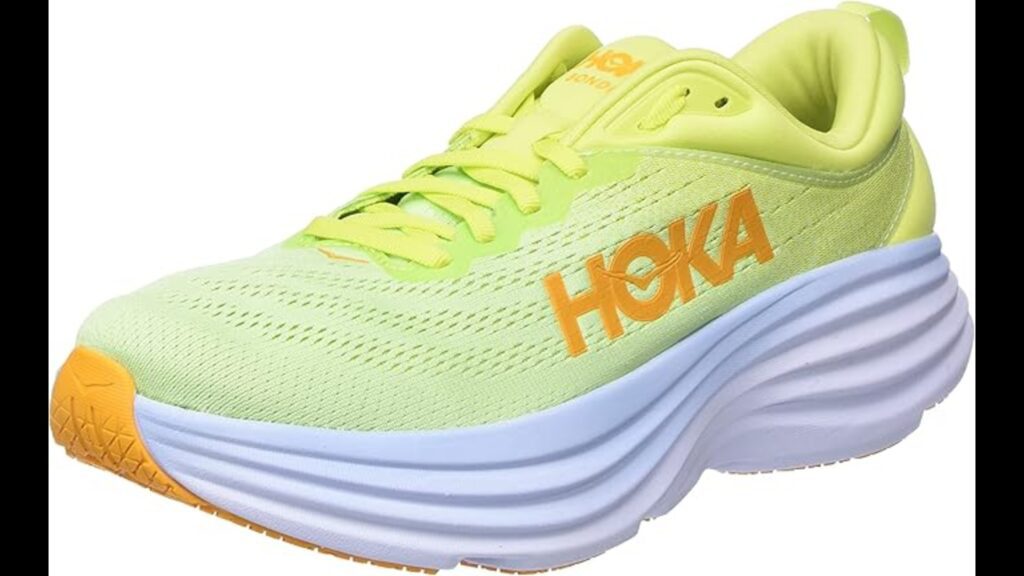
Best shoes for plantar fasciitis: Deep heel cups for stability, firm arch support preventing collapse, cushioned heel areas absorbing impact, rocker-bottom soles reducing strain during push-off phase, and removable insoles accommodating custom orthotics. Leading options include ASICS Gel-Nimbus, Brooks Ghost with orthotic-friendly design, Hoka Bondi for maximum cushioning, and Vionic walker shoes with podiatrist-designed footbeds. For comprehensive guidance, review our dedicated plantar fasciitis shoe selection guide.
Best shoes for flat feet (overpronation): Structured support preventing excessive arch collapse, dual-density midsoles with firmer medial (inner) wedge, straight or semi-curved lasts providing stability, and motion control features. Recommended models: Brooks Adrenaline GTS, ASICS GT-2000, New Balance 860 series. Avoid: minimalist shoes, heavily cushioned neutral shoes without support structure, or completely flat footwear.
Best shoes for high arches (supination): Maximum cushioning throughout, flexible midsoles accommodating rigid arch structure, curved lasts matching natural foot shape, and soft, forgiving materials. Top choices: Nike Pegasus, Hoka Clifton, Saucony Triumph. Avoid: motion control or stability shoes that restrict natural movement.
Best shoes for bunions: Wide toe boxes preventing compression, soft leather or mesh uppers that stretch, minimal seams near bunion location, and adjustable closures (laces or straps). Brands specializing in bunion-friendly footwear: Orthofeet, Propet, Altra (known for wide toe boxes). Stretching existing shoes over bunion areas rarely provides adequate relief—proper width from start is essential.
Best shoes for diabetics: Seamless interiors preventing friction points, extra depth accommodating custom orthotics or foot deformities, non-binding uppers avoiding constriction, cushioned insoles with moisture-wicking properties, and protective toe boxes. Diabetic shoes are prescription items often covered by insurance with physician recommendation. Leading manufacturers: Dr. Comfort, Orthofeet, Propet.
Best shoes for standing all day: Supportive midsoles preventing fatigue, cushioned insoles for shock absorption, slip-resistant outsoles for safety, breathable uppers for all-day comfort, and moderate arch support. Popular among nurses, retail workers, and service industry: Dansko Professional clogs, Brooks Addiction Walker, New Balance 990 series, Hoka Bondi for maximum cushioning.
Athletic Shoe Technologies Decoded
Athletic footwear marketing bombards consumers with proprietary technology names—Boost, React, Fresh Foam, DNA, CloudTec. Understanding what these technologies actually do helps you evaluate whether marketing hype translates to real performance benefits.
Cushioning technologies:
- Adidas Boost: TPU foam pellets providing exceptional energy return (84% vs 60% for standard EVA). Benefits: responsive feel, durability over 500+ miles, consistent performance in cold weather. Trade-off: heavier than standard foam, higher price point.
- Nike React: Proprietary foam balancing softness and responsiveness. Lighter than Boost, 13% more return than standard EVA, better durability than traditional foam. Used in Pegasus and Infinity Run models.
- Brooks DNA: Adaptive cushioning that adjusts to running speed and weight. Firmer during impact for efficiency, softer during slower movements for comfort. Standard in most Brooks running shoes.
- Hoka maximalist cushioning: Oversized midsoles providing 2-3x standard stack heights without proportional weight increase. Benefits: superior shock absorption, stable platforms despite height. Ideal for: recovery runs, high-mileage training, joint issues.
- New Balance Fresh Foam: Single-piece foam midsole with data-driven design. Hexagonal geometry provides targeted zones of cushioning and support. Lighter than traditional dual-density designs.
Stability and motion control:
- Medial posts: Denser foam wedges on arch side preventing excessive inward rolling. Traditional stability approach still effective for moderate overpronators.
- Guide rails (Brooks GuideRails): External support structures guiding foot motion without hard correction. Allows natural movement within safe ranges. More comfortable than traditional motion control.
- Pronation paths (New Balance TruFuse): Geometric midsole designs creating preferred movement patterns through shape rather than density differences. Modern alternative to medial posts.
Traction and durability:
- Continental rubber (Adidas partnership): Tire company technology applied to shoe outsoles. 15-30% better wet traction than standard rubber. Found in Ultraboost and some trail models.
- Vibram outsoles: Italian company specializing in high-performance rubber compounds. Different formulations for specific terrains (MegaGrip for wet traction, XS Edge for climbing precision). Premium hiking and trail running shoes.
- Carbon rubber vs blown rubber: Carbon rubber (harder, more durable) placed in high-wear areas like heel strike zone. Blown rubber (softer, better grip) used in forefoot for traction and cushioning. Strategic placement optimizes both durability and performance.
Sustainable and Eco-Friendly Footwear Options
Environmental consciousness increasingly influences footwear purchasing decisions. The global footwear industry produces approximately 24 billion pairs annually, generating substantial carbon emissions, water pollution, and waste. Understanding sustainable options helps environmentally conscious consumers make informed choices without sacrificing quality or performance.
Materials: Eco-Friendly Alternatives
Recycled materials: Adidas Parley line uses ocean plastic waste in uppers (average 11 plastic bottles per pair). Brands like Allbirds use recycled water bottles for shoe laces and packaging. Nike’s Move to Zero initiative incorporates recycled polyester and foam in multiple models. Performance equivalent to virgin materials in most applications.
Plant-based materials: Piñatex (pineapple leaf fiber leather alternative), mushroom leather (mycelium-based), apple leather (from industrial apple waste), cactus leather (from nopal cactus). These materials provide animal-free alternatives matching traditional leather aesthetics. Durability improving rapidly with each generation—current versions last 2-5 years with proper care.
Organic and natural materials: Organic cotton (grown without pesticides or synthetic fertilizers), natural rubber (sustainably tapped from rubber trees), wool from ethically-raised sheep (Allbirds signature material), cork (renewable, biodegradable, naturally antimicrobial), and hemp (requires minimal water, no pesticides).
Manufacturing Ethics and Transparency
Fair labor practices: Look for B-Corporation certification (rigorous social and environmental standards), Fair Trade certification (ensures living wages and safe conditions), or brands publicly disclosing factory locations and audit results. Patagonia, Veja, and TOMS maintain particularly transparent supply chains.
Carbon neutral production: Some brands offset emissions through verified carbon credit programs. Allbirds achieved carbon neutral certification across entire product lifecycle. Others like On Running invest in renewable energy for manufacturing facilities.
Local production: Domestically manufactured shoes reduce transportation emissions and typically ensure higher labor standards. New Balance produces significant percentage of shoes in USA factories. Premium European brands often manufacture in home countries, though this increases cost substantially.
Longevity and Repair
Buy-it-for-life construction: Goodyear welt dress shoes (resoleable 3-4 times, 10-20 year lifespan), Norwegian welt hiking boots (outdoor equivalent of Goodyear welt), stitched-down construction (used in quality work boots), and Blake stitch (resoleable though less durable than Goodyear). One pair lasting 10 years has dramatically lower environmental impact than five pairs lasting 2 years each.
Repair programs: Darn Tough (sock replacement program), Patagonia Worn Wear (repairs outdoor footwear), Vibram (authorized resoling centers nationwide), and Allen Edmonds (recrafting service restoring dress shoes to like-new condition for fraction of new price). Take advantage of these programs rather than discarding repairable shoes.
Responsible Disposal and Recycling
When shoes truly reach end-of-life, responsible disposal prevents landfill waste. Nike’s Reuse-A-Shoe program grinds old athletic shoes into material for tracks and courts. Soles4Souls distributes gently-worn shoes to people in need globally. Terracycle partners with brands for specialized footwear recycling. For location-specific guidance, consult our guide on shoe recycling programs.
Greenwashing awareness: Not all “eco-friendly” claims are legitimate. Verify certifications through independent third parties. Look for specific, measurable claims (e.g., “30% recycled content” vs vague “eco-conscious”). Investigate brand transparency—legitimate sustainable brands openly discuss both achievements and ongoing challenges rather than presenting perfection.
Finding the Most Comfortable Shoes
Comfort is subjective yet follows objective principles. The most comfortable shoes balance cushioning, support, fit, weight, breathability, and flexibility. However, “comfortable” varies dramatically by use case—comfortable for all-day standing differs from comfortable for running marathons or comfortable for evening events.
Comfort for Extended Standing
Key features: Supportive midsoles preventing arch collapse, cushioned insoles with rebound properties, wider bases for stability, rocker soles reducing fatigue, breathable uppers for all-day wear, and moderate heel height (0.5-1 inch elevation reduces calf strain). Occupations requiring 8+ hours standing (nursing, retail, food service, teaching) benefit most from these features.
Top-rated comfortable work shoes: Dansko Professional (podiatrist-recommended, 1.5-inch heel, rocker sole), Brooks Addiction Walker (maximum support and cushioning), Hoka Bondi (oversized cushioning, lightweight platform), New Balance 990v5 (balanced support and comfort, premium materials), and Skechers Work series (memory foam insoles, slip-resistant outsoles, budget-friendly).
Comfort for Walking
Walking-specific comfort requirements: Flexibility at ball of foot facilitating natural gait, lightweight construction reducing energy expenditure, breathable materials preventing overheating, cushioned yet responsive midsoles, and lower heel-to-toe drops (4-8mm) than running shoes. Walking generates different biomechanical stresses than running—walking shoes optimize for these specific demands.
Most comfortable walking shoes: ASICS Gel-Nimbus (plush cushioning, stable ride), Brooks Ghost (balanced versatility), Saucony Triumph (maximum cushioning without instability), On Cloud (CloudTec cushioning, lightweight), and ECCO Soft 7 (premium leather, anatomical design).
Comfort for Travel
Travel footwear priorities: Slip-on convenience for airport security, packability (compressible without damage), versatility across casual and semi-formal settings, all-day comfort for sightseeing, and quick-dry materials for unexpected weather. Ideal travel shoes serve multiple purposes, reducing luggage weight and volume.
Best travel shoes: Allbirds Wool Runners (machine washable, packable, versatile), Cole Haan ZeroGrand (dress shoe comfort with athletic features), Blundstone Chelsea boots (slip-on convenience, weather resistance, style versatility), Keen Uneek (packable sandal with substantial support), and Vessi waterproof sneakers (completely waterproof, breathable membrane).
Common Mistakes People Make When Buying Shoes
Avoiding these frequent errors saves money, prevents injury, and ensures satisfaction. Many mistakes stem from prioritizing short-term considerations (appearance, immediate cost) over long-term implications (durability, foot health, total cost of ownership).
1. Buying for Appearance Alone
The error: Selecting shoes primarily or exclusively based on aesthetics without considering fit, comfort, or functional appropriateness. Particularly common with fashion-forward designs, trendy sneakers, or formal footwear where style constraints override comfort.
Consequences: Painful wearing experiences, short lifespan due to improper use (wearing fashion sneakers for running), and development of foot problems over time. The most beautiful shoes provide zero value if unwearable.
Better approach: Identify shoes that meet functional requirements first, then select most appealing option within that subset. Compromise on minor aesthetic preferences to gain significant comfort or fit advantages. Remember: comfort becomes increasingly attractive as you age, while aesthetics matter less when shoes hurt.
2. Wrong Timing for Purchase
The error: Shopping in the morning when feet are at minimum size, then wearing shoes all day when feet have swollen. Buying in winter for summer sports or vice versa without accounting for temperature-related foot size variation.
Consequences: Shoes feel perfect in morning, unbearably tight by evening. Particular problem for: all-day work shoes, travel footwear, athletic shoes used during warm weather, and any shoes worn standing/walking for extended periods.
Better approach: Shop in late afternoon or evening (4-8 PM ideal) when feet are near maximum size. Consider seasonal use—feet swell more in heat, less in cold. If buying winter boots in summer, account for thick socks by trying with similar sock thickness or sizing slightly up.
3. Ignoring Width Requirements
The error: Focusing exclusively on length measurement while ignoring width. Attempting to compensate for wrong width by sizing up or down in length, creating improper heel fit and arch misalignment.
Consequences: Bunion development from compressed toes in too-narrow shoes, blisters from heel slippage in too-wide shoes, arch pain from misaligned arch support, and general discomfort during wear. If you frequently feel shoes are “almost right” but something’s off, width mismatch is likely culprit.
Better approach: Measure and know your width. Seek brands offering multiple width options (New Balance, Brooks, Asics, Allen Edmonds). Accept that your width may be less common, limiting style selection—foot health matters more than fashion variety.
4. Believing “They’ll Stretch” or “Break In”
The error: Buying uncomfortable or too-small shoes based on assumption they’ll become comfortable with wear. Particularly common with leather dress shoes or boots where sales staff encourage this belief.
Consequences: Shoes causing pain on day one usually cause pain indefinitely. While minimal softening occurs (leather flexibility increases slightly), fundamental fit problems persist. Spending hundreds on premium shoes that remain unwearable wastes money. Attempting to accelerate break-in through stretching tight shoes provides limited relief for significantly wrong sizes.
Better approach: Shoes should be comfortable immediately with only minor adjustments expected. Acceptable: slight stiffness in new leather that softens within days. Unacceptable: pain, significant pressure points, or size discomfort. If it hurts substantially now, return it. Some stretching can help marginally tight shoes achieve perfect fit, but won’t fix wrong size purchases.
5. Neglecting Activity-Specific Design
The error: Using shoes for activities they weren’t designed for—running in walking shoes, hiking in road running shoes, playing basketball in lifestyle sneakers, wearing fashion boots for work sites requiring safety shoes.
Consequences: Increased injury risk from inadequate support or protection, accelerated shoe degradation, poor performance, and potential safety violations. Running in inadequate footwear significantly increases plantar fasciitis, shin splint, and stress fracture risk. Using non-safety shoes in hazardous work environments risks severe injury.
Better approach: Match shoe category to intended use precisely. If you perform an activity regularly (running 3+ times weekly, hiking monthly, working physical job daily), invest in proper footwear for that activity. One quality specialized shoe outperforms multiple misapplied generalist shoes.
6. Overlooking Replacement Timing
The error: Continuing to wear shoes well past their functional lifespan because they look acceptable externally. Midsole foam compresses and loses shock absorption invisibly while treads still appear usable.
Consequences: Running in compressed shoes increases impact forces on joints by 20-40%, significantly raising injury risk. Walking in worn shoes alters gait patterns, contributing to knee and hip pain. The $30 saved by delaying replacement creates $500+ in injury treatment costs.
Better approach: Track usage metrics (mileage for athletic shoes, months/years for other categories). Replace on schedule regardless of appearance: running/walking shoes at 300-500 miles or 6-12 months, work boots annually with daily use, dress shoes when resoling becomes necessary or leather severely deteriorates. Signs requiring immediate replacement: persistent discomfort, compressed midsole that doesn’t rebound, worn tread reducing traction, or visible structural damage.
7. Prioritizing Price Over Value
The error: Choosing cheapest option without considering durability, leading to frequent replacement cycles. The “cheap boot theory”—poor people pay more in long run by repeatedly buying affordable shoes that fail quickly rather than investing in durable footwear.
Consequences: $50 shoes replaced every 4 months costs $150 annually. $200 shoes lasting 2 years costs $100 annually, plus fewer fit adjustments and superior materials. Beyond economics: cheap shoes often lack adequate support, using inferior materials that don’t breathe or provide proper cushioning.
Better approach: Calculate cost-per-wear rather than upfront price. Consider total cost of ownership including replacement frequency. Invest more in shoes worn daily (work, primary athletic shoes); budget alternatives acceptable for occasional wear (formal events, seasonal footwear). Quality costs more initially but less over time.
8. Inconsistent Maintenance
The error: Neglecting regular cleaning, conditioning, waterproofing, and storage, then wondering why shoes deteriorate rapidly. Leaving shoes wadded in gym bags, never cleaning, and storing improperly accelerates degradation.
Consequences: Leather dries and cracks prematurely, requiring replacement years early. Moisture-related issues like persistent shoe odor develop. Suede stains permanently. Mold growth in damp shoes. Salt stains on winter boots. A $300 investment becomes worthless from neglect.
Better approach: Implement simple maintenance routines: use shoe trees in dress shoes (maintains shape, absorbs moisture), clean regularly using appropriate methods (specialized techniques for different materials), condition leather quarterly, apply water protection to suede and leather, allow 24 hours between wears for drying, and store properly (proper storage solutions). Ten minutes of monthly maintenance extends lifespan years.
9. Ignoring Brand-Specific Sizing
The error: Assuming your “size” is consistent across all brands and styles. Ordering usual size without consulting brand-specific sizing charts or customer reviews addressing fit.
Consequences: Nike size 10 fits differently than Adidas size 10 or New Balance size 10. European brands often run narrow. Some brands (Asics) run small; others (Saucony) run large. Online orders in wrong size require return process, delaying actual shoe receipt by weeks.
Better approach: Research brand-specific sizing before purchasing. Check manufacturer size charts. Read customer reviews focusing on sizing comments. When trying new brands, order multiple sizes if retailer offers free returns. Keep notes on which brands/models fit you in which sizes for future reference. For concerns about authenticity when purchasing premium brands, verify product legitimacy through proper channels.
10. Buying Shoes You Won’t Actually Wear
The error: Purchasing shoes for imagined future activities, aspirational lifestyle changes, or “special occasions” that rarely materialize. Hiking boots for hiking trips that never happen. Running shoes for fitness routines that don’t start. Formal shoes for events you don’t attend.
Consequences: Money wasted on unused footwear taking closet space. Shoes degrade from aging even unworn (glues deteriorate, foam oxidizes). If you do eventually use them, they’ve aged and may perform poorly or require replacement before significant use.
Better approach: Buy shoes for actual current needs, not hypothetical futures. If starting a new activity, begin with minimal investment until commitment proves real. Rent or borrow specialized shoes for one-time events. Use resources like shoe recycling programs to responsibly dispose of truly unused footwear rather than letting them occupy space indefinitely.
Frequently Asked Questions
Additional Resources
This guide provides comprehensive foundation for informed shoe buying. For specific situations, explore our detailed guides on specialized topics including selecting shoes for plantar fasciitis, maintaining various materials and styles, seasonal adaptations, and addressing common footwear problems. Proper shoe selection combined with appropriate maintenance maximizes comfort, performance, and value throughout your footwear’s lifespan.
Final Thoughts: Investment in Mobility and Health
Your relationship with footwear extends beyond simple consumption—it’s a continuous investment in mobility, health, comfort, and quality of life. The average person takes 200 million steps over a lifetime. Each step deserves proper support, appropriate protection, and thoughtful selection.
Quality footwear selection isn’t about spending more—it’s about spending wisely. Understanding your foot biomechanics, matching shoes to actual use cases, prioritizing fit over aesthetics, and maintaining purchases properly creates better outcomes at every price point. A $75 shoe that fits perfectly and receives proper care outperforms a $300 shoe in the wrong size or neglected.
As you implement these principles, remember that footwear needs evolve throughout life. Feet change with age, weight fluctuations, pregnancy, injuries, and activity level modifications. Regular reassessment ensures your footwear continues serving your actual needs rather than outdated assumptions. Measure annually, try new options periodically, and remain open to adjusting brand preferences as your requirements change.
The knowledge you’ve gained here empowers confident decision-making across all footwear categories and purchase situations. Whether you’re selecting running shoes for marathon training, work boots for a demanding job site, or formal shoes for career advancement, these principles guide you toward optimal choices balancing comfort, performance, durability, and value.
Nike, amazon, addidas and more HOME
- What is an Aglet? The Complete Shoelace Tip History & Buyer’s Guide (2026)

- Nike Sabrina 3 “Oregon Ducks” Officially Revealed: A March Madness Must-Cop

- Nike Air Force 1 Low “Dark Sky Blue” Retro Premium: Spring 2026 Release Date & Official Specs
- The Whitaker Group x adidas ‘Do Not Duplicate’ Collection: Ultra-Limited Drops Redefine Authenticity
- Goodyear Welt Explained: Why These Resolable Shoes Last Forever (2026 Guide)
- Willy Chavarria x adidas Superstar “Rose” Core Black: Official Release Date, Price, & Sculpted Toe Cap Details
- Nike LeBron 23 “LeBronto” Release Date: King James Resurrects Playoff Dominance
- Converse SHAI 001 Pink Release: Secure the Boldest Hardwood Drop Before It Sells Out!
- Nike Air Max DN8 “Pink Gaze” Drops March 2026: Official Look & Release Details
- New Balance ABZORB 2000 “Electric Indigo” Released: Official Look & Buyer’s Guide
- The Whitaker Group x Nike V5 RNR Collection: Seven Exclusive Drops Arriving This Season
- Nike Air Foamposite Pro ‘Dr. Doom’ 2026 Release: The 20th Anniversary Marvel Crossover Returns
- Air Jordan 1 Retro High OG ‘Psychic Blue’: Official Release Date, Pricing & Exclusive Accessories
- Vulcanized vs. Cupsole Skate Shoes 2026: The Ultimate Guide to Board Feel vs. Durability
- On LightSpray Cloudmonster 3 Hyper Release Date: The 205g Revolutionary Running Silhouette Arrives
- Audi Revolut F1 Team x adidas Adizero EVO SL “Chalk Pearl” Drops Now: Ultimate Motorsport Performance Sneaker
- Travis Scott x Jordan Jumpman Jack “Green Spark”: Official Release Date & Details
- HOMME PLISSÉ ISSEY MIYAKE CIOCCOLATO: Official Release Date, Price, and Where to Buy the Chocolate-Inspired Silhouette

- Nike Zoom Vomero 5 “Game Royal” Swooshless Drops Spring 2026: Official Images & Release Info
- New Balance 1906U Gator Run “Star Burst”: Official Release Details, Price, & Where to Buy
- ike Air Max Muse “Royal Pulse/Black” Available Now: A Bold Leap in Futuristic Footwear
- Kylian Mbappé x Nike Air Max Plus VII & Mercurial Superfly Drop: Historic 2002 Revival Hits Next Week
- PUMA x JiyongKim V-S1 Collaboration: Release Date & Details for the Deconstructed Football Boot
- Union LA x Fragment Design x Air Jordan 1 Leads Week’s Premier Footwear Drops
- CLOT x adidas Superstar ‘Coffee’ Release: Edison Chen Pours A Premium Earth-Toned Classic
- Mizuno Wave Prophecy Morelia Neo “Silver” Release Date: The Metallic Lifestyle Runner Arrives Soon
- Naruto Shippuden x Converse Japan Collection: Official Release Date, Price, and Detailed Silhouette Specs
- What is EVA Foam? The 2026 Guide to Lightweight Shoe Soles & Comfort
- Thom Browne x ASICS GEL-Kayano 14 Pre-Order Available: Release Date, Price & Official Specs
- ASICS GEL-Kayano 14 “Light Navy” Surfaces: Official Look & Spring 2026 Drop Details
- New Balance Gator Run ‘Star Burst/Sea Salt’ Release Date: The Archival Turf Classic Returns in Premium Suede
- Nike Air Flightposite 3 Retro: The Alpha Project Icon Returns in Spring 2027
- New Balance MADE in USA SS26 Collection Revealed: Secure Your Teddy Santis 992 & 990v4 Drops
- Awake NY x Air Jordan 6 ‘Midnight Navy’ & ‘Playful Pink’: Fall 2026 Release Details & First Looks Revealed!
- Palace x Vans Low 2 Release Date: The Self-Proclaimed ‘Skate Shoe of the Year’ Drops This Week
- New Balance ABZORB 1890 “Faded Black/Utility Green” Drop: Release Date, Price, and Cop Guide
- ASICS Hypersync “Piedmont Grey” Drops Soon: Official Images, Specs & Release Date
- Norda SS26 “Kaleidoscopic” Collection: Cosmic Gradients & Trail Innovations Available Now
- Nike Air Max Plus ‘Black/Blue Crystal’ Drops in 2026: Official Look & Release Details
- Birkenstock 1774 x Thibo Denis “Ensemble” Collection: A Premium Material Masterclass Arrives
- Jacquemus x Nike Moon Shoe Spring 2026: 3 High-Fashion Colorways Revealed!
- ASICS Hypersync “Graphite Grey” Drops March 6: Specs, Price, and Where to Buy
- adidas Adimule ‘Cow Print’ Revealed: Bold Faux-Fur Slip-On Dropping Summer 2026
- Slam Jam x Salomon XA PRO 3D GORE-TEX “White”: Release Date & Where to Buy
- Virgil Abloh Archive Air Jordan 1 High OG “Alaska” 2026 Release: Everything You Need To Know
- Reebok Angel Reese 1 “Unapologetically Angel”: First Look & SS26 Release Info
- Ronnie Fieg x Clarks Originals Bristol Loafer: The 8th St Spring 2026 Drop Arrives Today
- Patta x Nike Air Max 1 Waves ‘Hyper Crimson’: Official Release Details, Price & Spring 2026 Drop
- Derby vs Oxford Shoes 2026: The Ultimate Formal Shoe Guide
- Kobe Bryant x Nike Air Force 1 Low “Cool Grey” Drops Now: The Ultimate Black Mamba Tribute
- How to Dry Birkenstocks Properly: The Ultimate 2026 Care & Rescue Guide
- How to Clean Oiled Leather Birkenstocks: 2026 Ultimate Guide to Care & Conditioning
- How to Clean White Birkenstocks 2026: Removing Stains & Restoring Color
- How to Restore Old Birkenstocks: The Ultimate 2026 DIY Guide to Refurbish Worn Sandals
- Can You Wash Birkenstocks in Washing Machine? 2026 Cleaning & Care Guide
- How to Deep Clean Birkenstocks at Home 2026: The Ultimate Guide to Wash Cork Footbeds Safely
- How to Remove Smell from Birkenstocks 2026: The Ultimate Guide to Deodorize Cork Footbeds
- Nike Total 90 III PRM ‘Light Smoke Gray’ Revealed: Release Date, Price, and Where to Buy the Summer 2026 Drop
- Converse CONS RUNBOUNCE 3itsuka “Strawberry” Drops in Ultra-Limited 300-Pair Run
- URBAN RESEARCH Clarks Wallabee: Exclusive Spring Colorways Releasing Soon
- Khakis x New Balance 2010 ‘Day Tour’: Seoul Exclusive Reimagines the Premium Runner
- Kiko Kostadinov x ASICS ILARGI FF: Boundary-Pushing Tabi Sneaker Drops Feb 23
- Cactus Plant Flea Market x Nike Flea 1 Revival: Corrected Sizing & New Colorways Confirmed for Holiday 2026 Drop
- Best Cleaner for Birkenstocks 2026: The Ultimate Care & Maintenance Guide
- Levi’s x Air Jordan 3 Collection Drops Globally: Release Date, Price & SKUs
- Concrete Boys x Nike Air Force 1 Mid ‘2006 All-Star’ Sample Unveiled by Lil Yachty
- How to Clean Suede Birkenstocks Without Damage: 2026 Care Guide
- Nike GT Future “Warning Label” Unleashed: Metallic All-Star Weekend Exclusive
- Air Jordan 4 RM ‘Pale Ivory/Particle Rose’ Confirmed for Spring 2026 Release
- WTAPS x New Balance 1300 “Tactical Black” Confirmed for February Drop
- How to Clean Birkenstock Footbed Naturally: The 2026 Expert Guide to Remove Stains & Odors
- HOKA Stealth/Tech “Walnut/Cast Iron” Pack: Japan-Exclusive Drop for Speedgoat 2 & Mafate Speed 2

- How to Clean On Cloud Running and Tennis Shoes: The Expert Guide to Keeping Them Fresh
- How to Clean On Cloud Waterproof Shoes Without Damaging Them
- How to Clean White On Cloud Shoes Without Yellowing
- How to Wash On Cloud Shoes in Washing Machine (Safe Step by Step Method)
- 10 Best Running Shoes Under ₹2000 in India (2026 Review: Retailer’s Choice)
- Mizuno WAVE PROPHECY MOC ‘Black’ Releases: A Stealthy Evolution of the Hybrid Icon
- Nike GT Future “Unseen Hours” Channels “Eggplant” Aesthetics in 2026 Release
- Kith x Nike KD 18 ‘Air Max 95 black’ Unveiled: Ronnie Fieg Reveals Ultra-Exclusive Hybrid Silhouette
- Air Jordan 7 “Miro” 2026 Release Date: The Olympic Grail Returns
- JuJu Watkins Debuts Nike LeBron NXXT Gen ‘Silver Lining’ for Summer 2026
- How to Clean Canvas Shoes (Converse/Vans) & Wash Sneakers in a Washer: The 2026 Expert Guide
- How to Recycle Old Shoes in India: The Complete 2026 Sustainability Guide
- How to Remove Ink Stains from Leather Shoes: An Expert’s Guide (2026)
- Master Straight Bar Lacing: The Ultimate Guide for Men’s & Women’s Dress Boots (2026)
- How to Clean Sheepskin Boots (Uggs) at Home in 2026: The Ultimate Suede Brush & Care Guide
- How to Disinfect Second-Hand Shoes in 2026: Complete Sanitization Guide
- How to Disinfect Second-Hand Shoes: A 2026 Guide to Sanitize Used Footwear Safely
- How to Clean White Crocs: The Expert Guide to Restoring Shine (2026)
- How to Remove Oil Stains from Suede Shoes: The Expert Guide (2026)
- Official Look: The Nike Mind 001 “Sail” Brings Zen to the Streets
- How to Clean Mesh Running Shoes (2026 Guide): Expert Tips for White Athletic & Gym Shoes
- The Ultimate Guide to Wearing Ankle Boots with Jeans: Style Rules & Best Fits 2026
- 07 Best Shoes for Plantar Fasciitis in 2026 (Podiatrist Recommended)
- How to Keep White Soles White 2026: The Ultimate Prevention & Sole Protector Guide
- How to Fix Scuffed Leather Shoes: Expert Repair & Care Guide 2026
- How to Clean Insoles of Smelly Shoes (And Whiten Soles): 2026 Expert Guide
- How to Stop Heels from Clicking: The Expert’s Guide to Quiet Walking (2026)
- How to Shorten Long Shoelaces Without Cutting (2026 Guide): Hacks to Hide & Anchor Laces
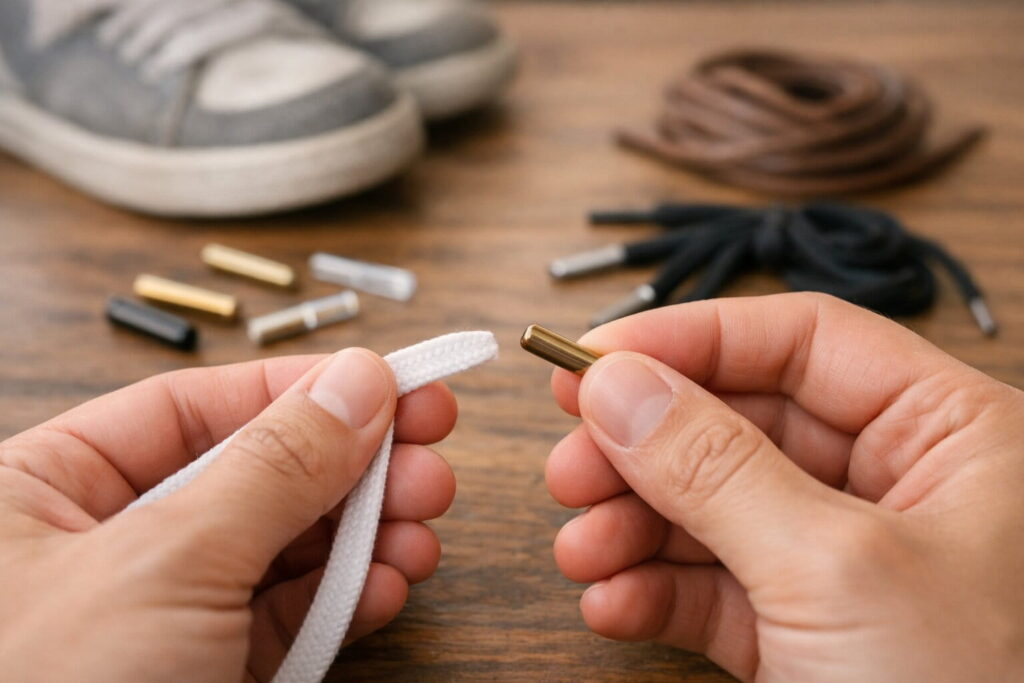
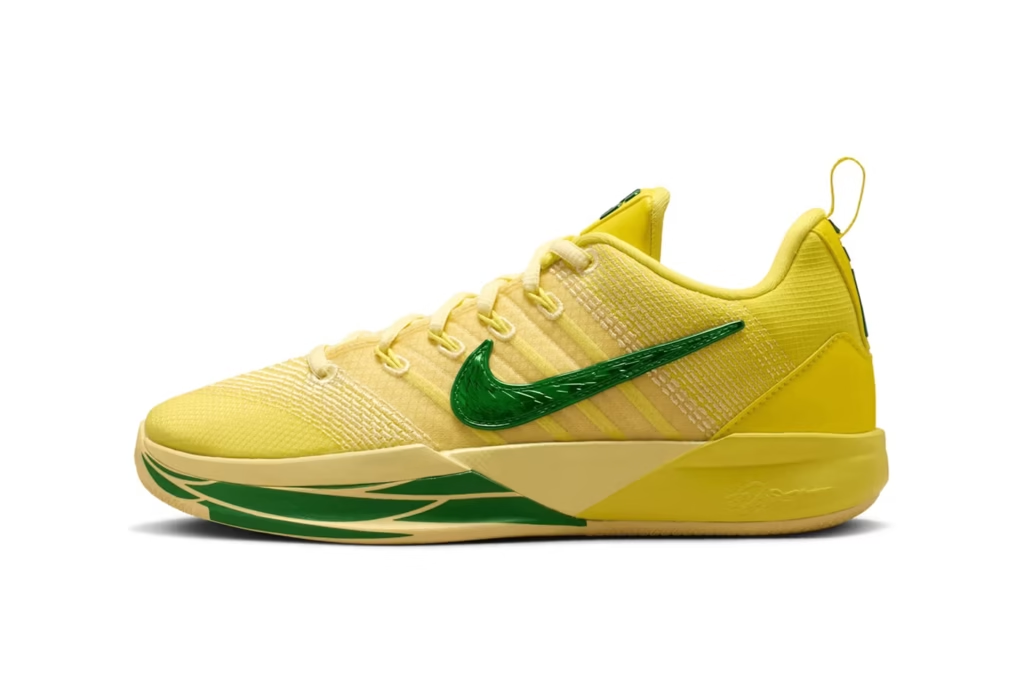
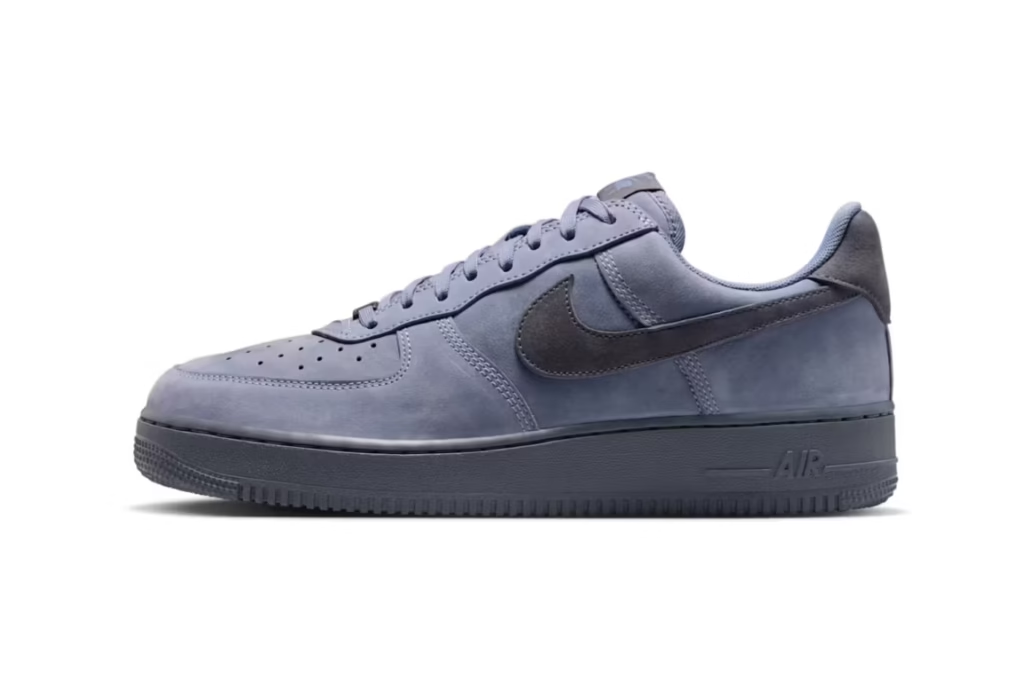
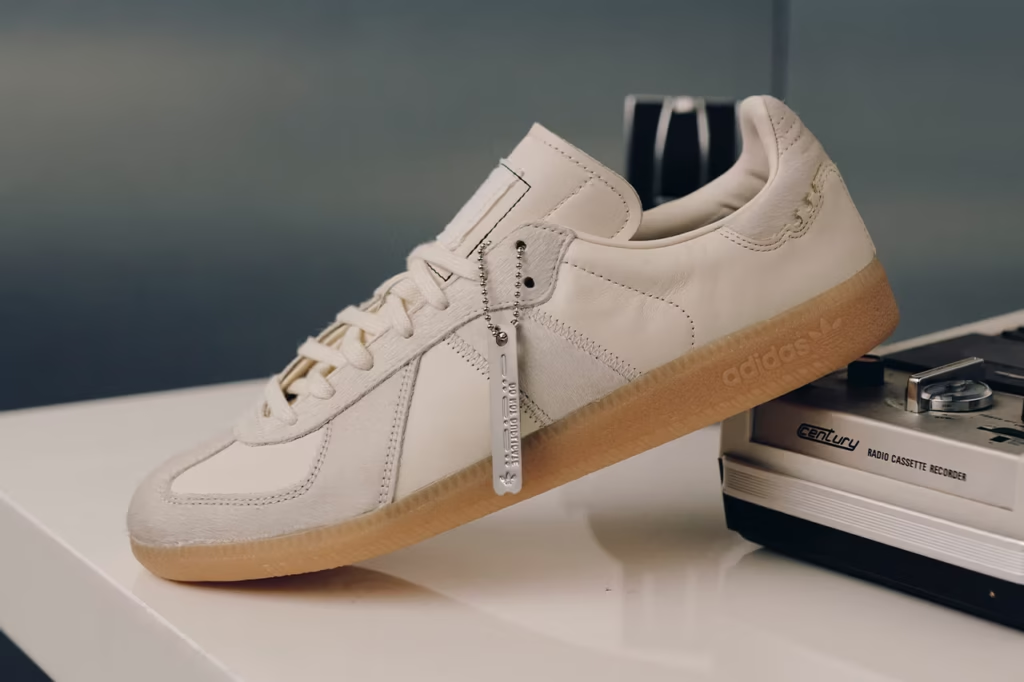
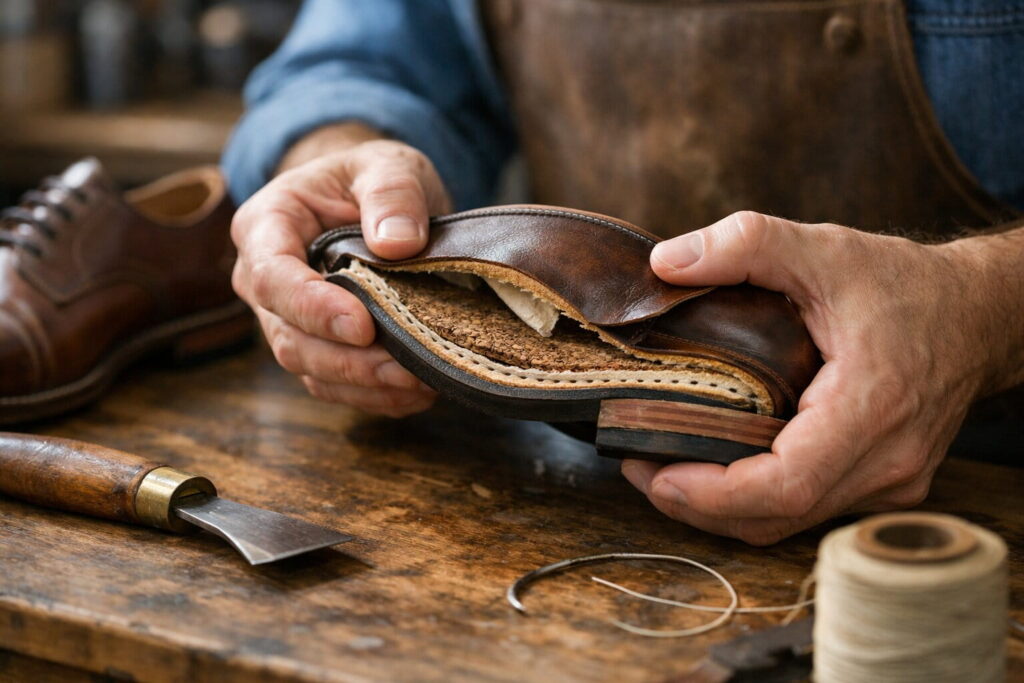
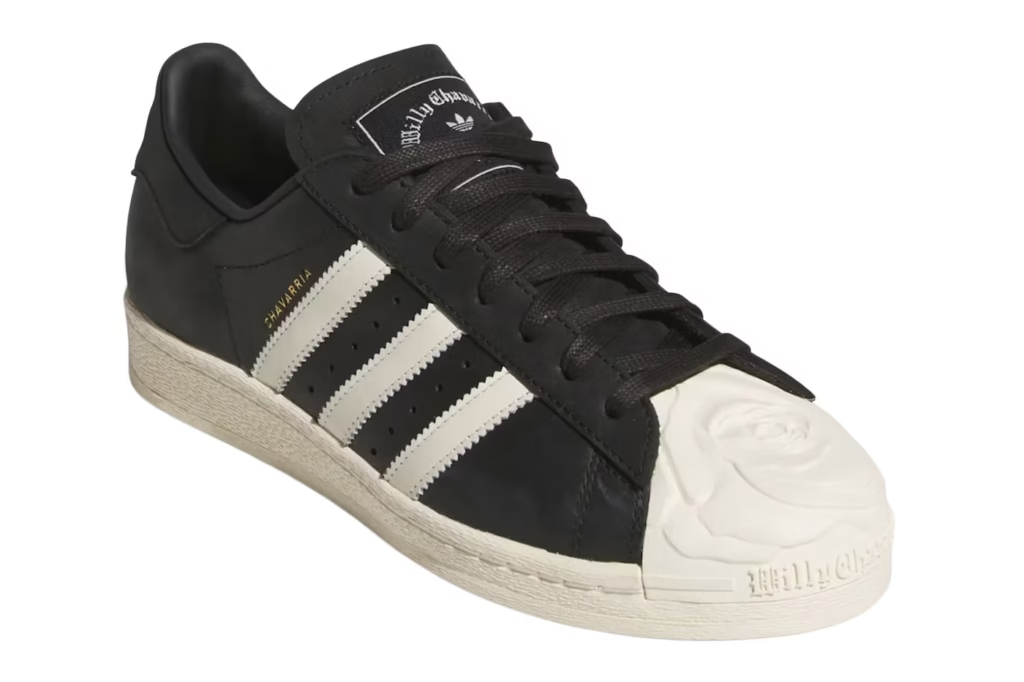
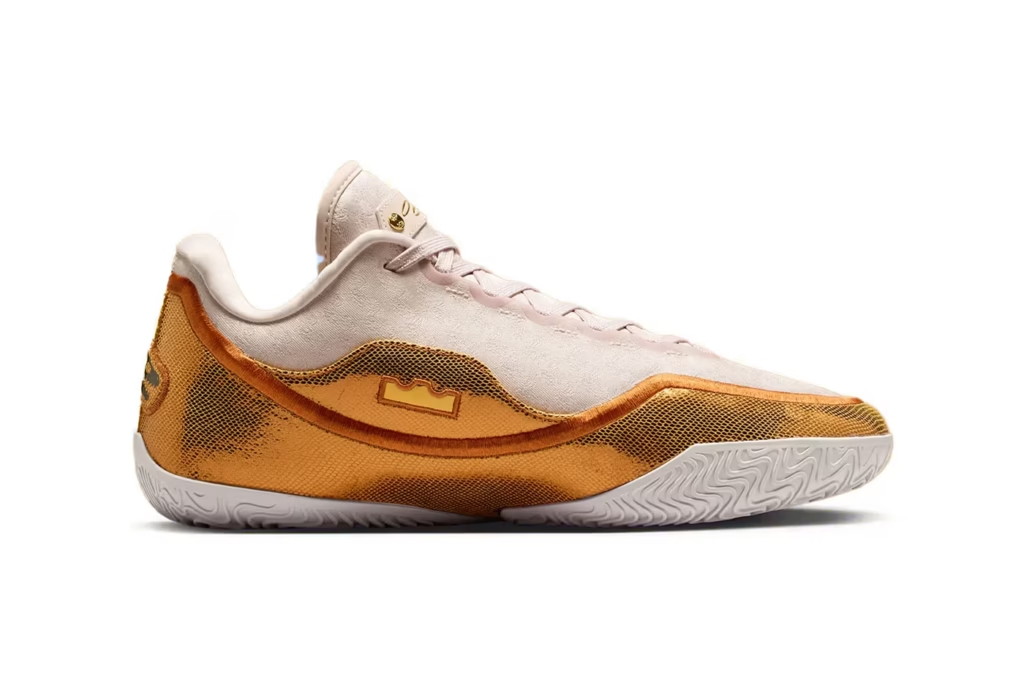
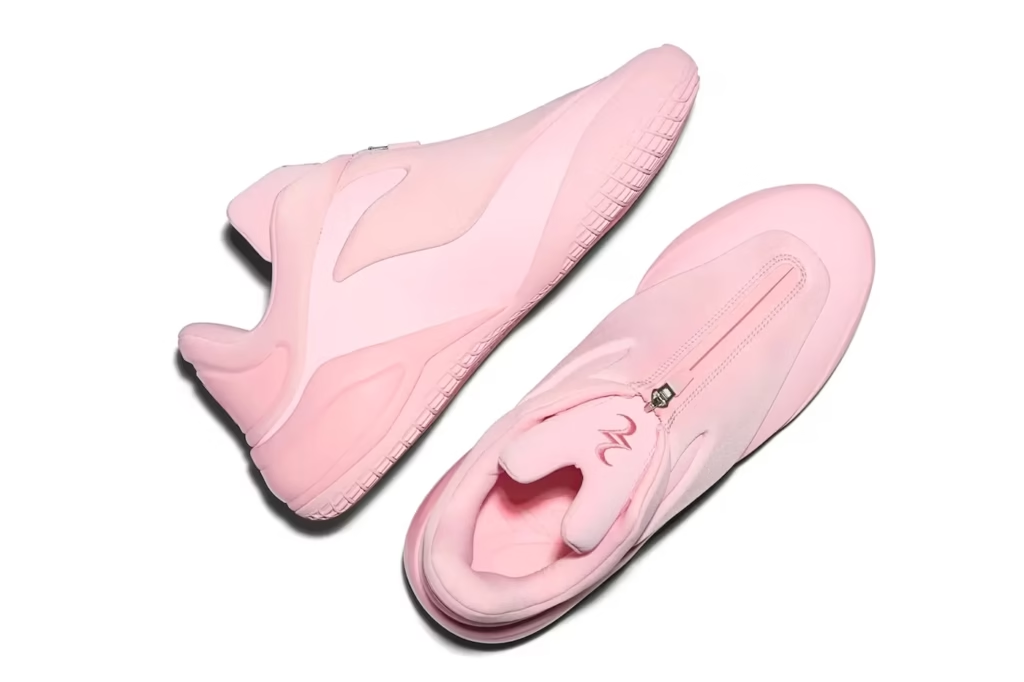
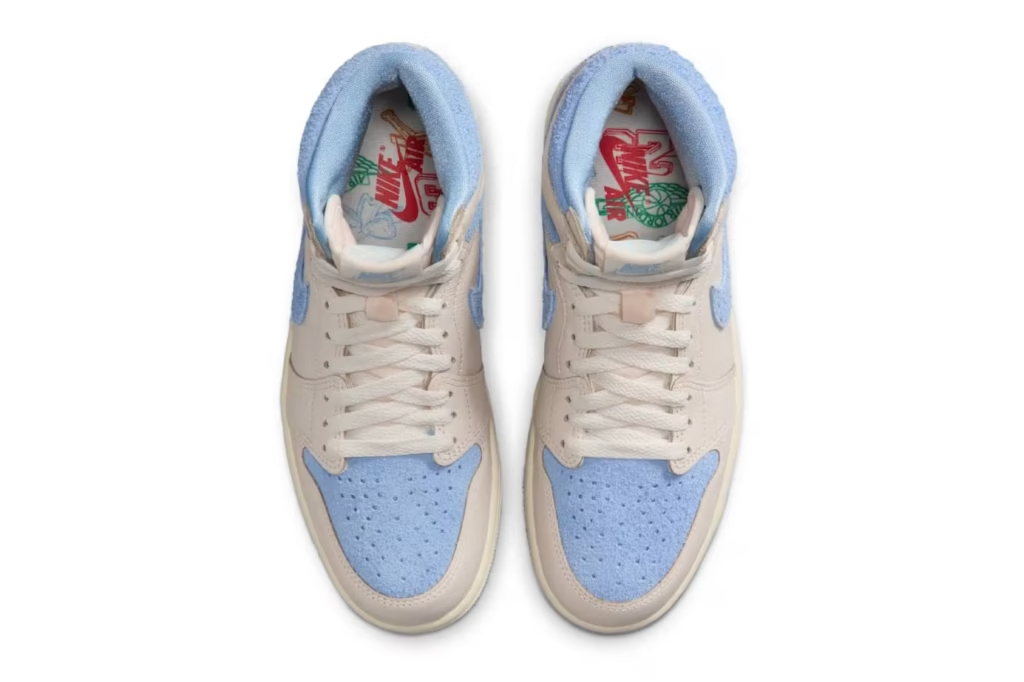
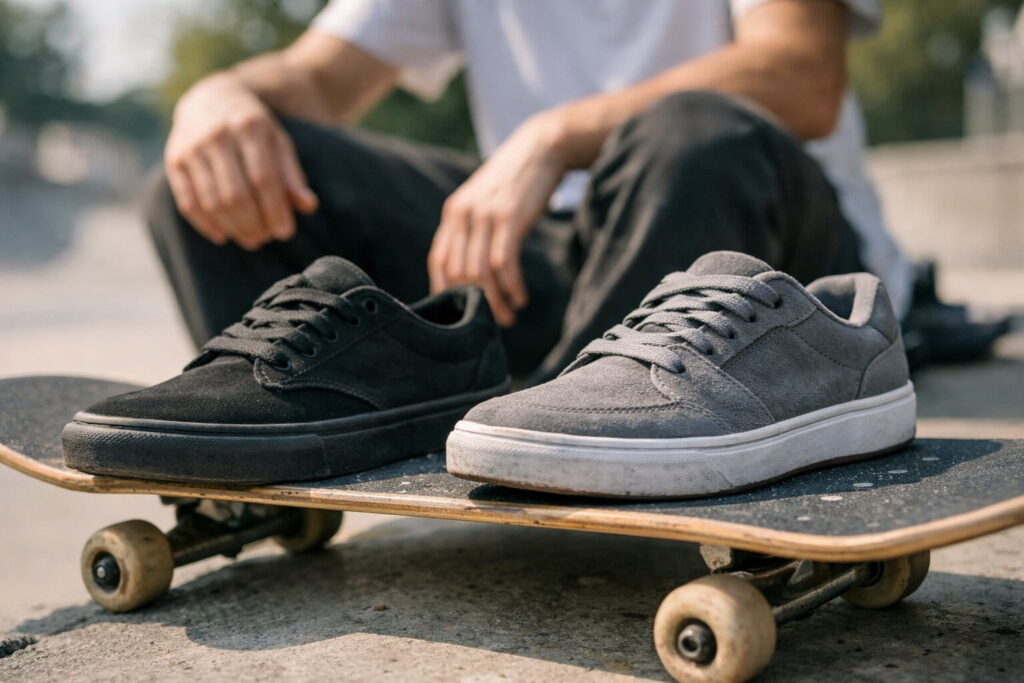
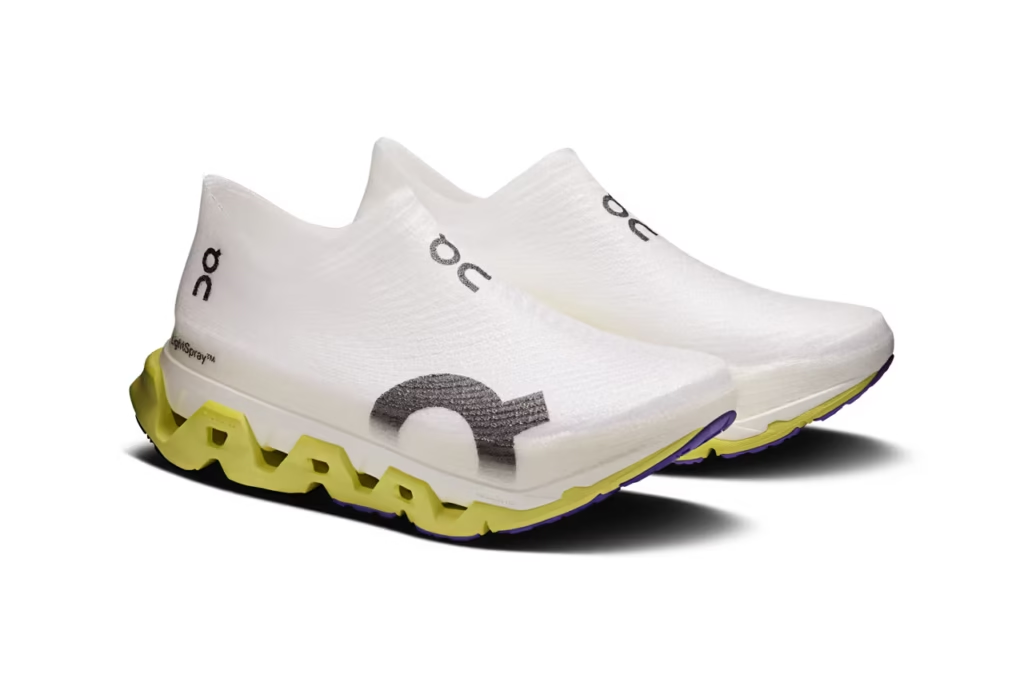
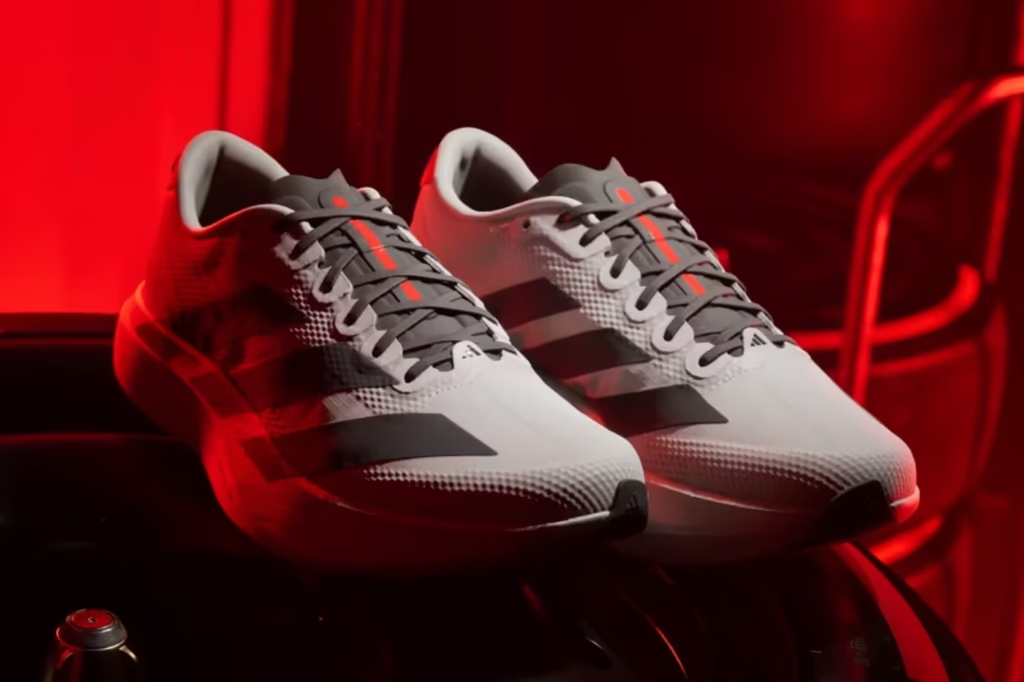
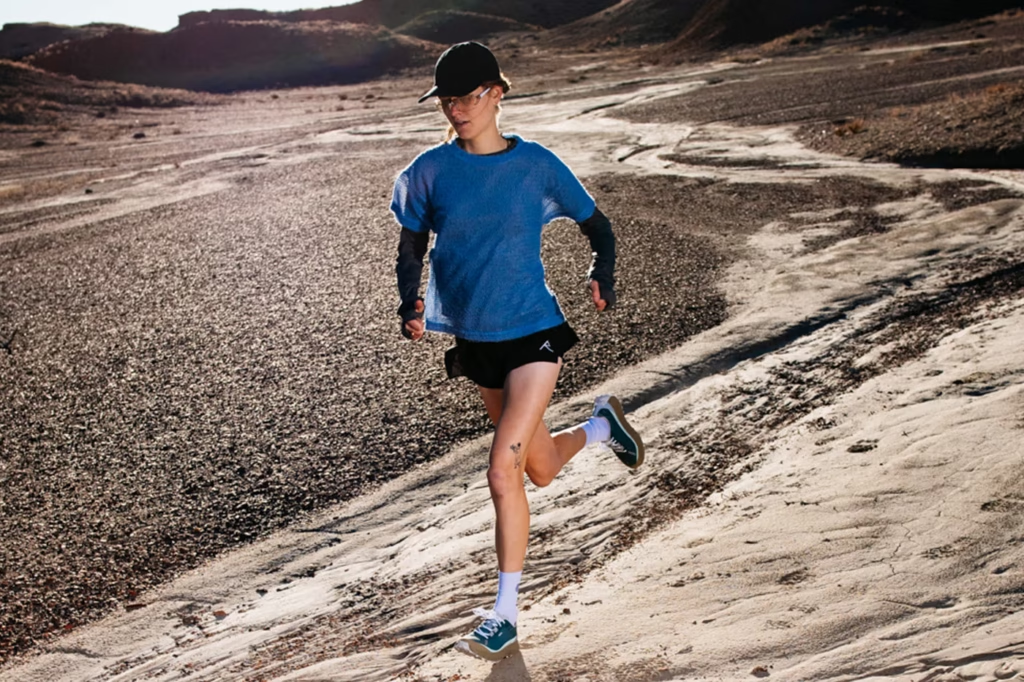
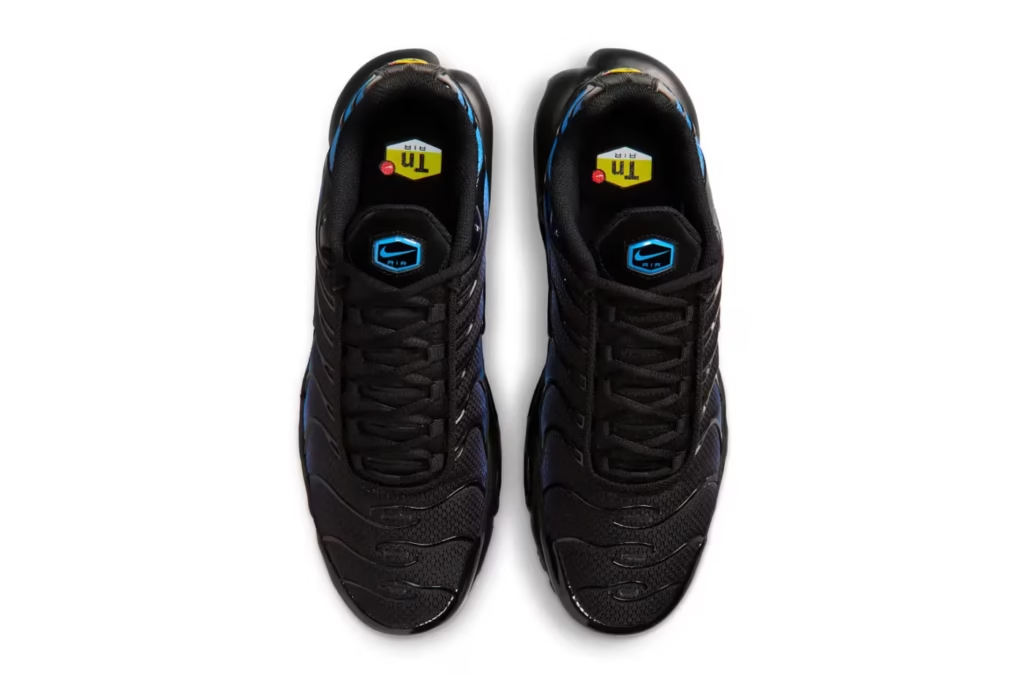
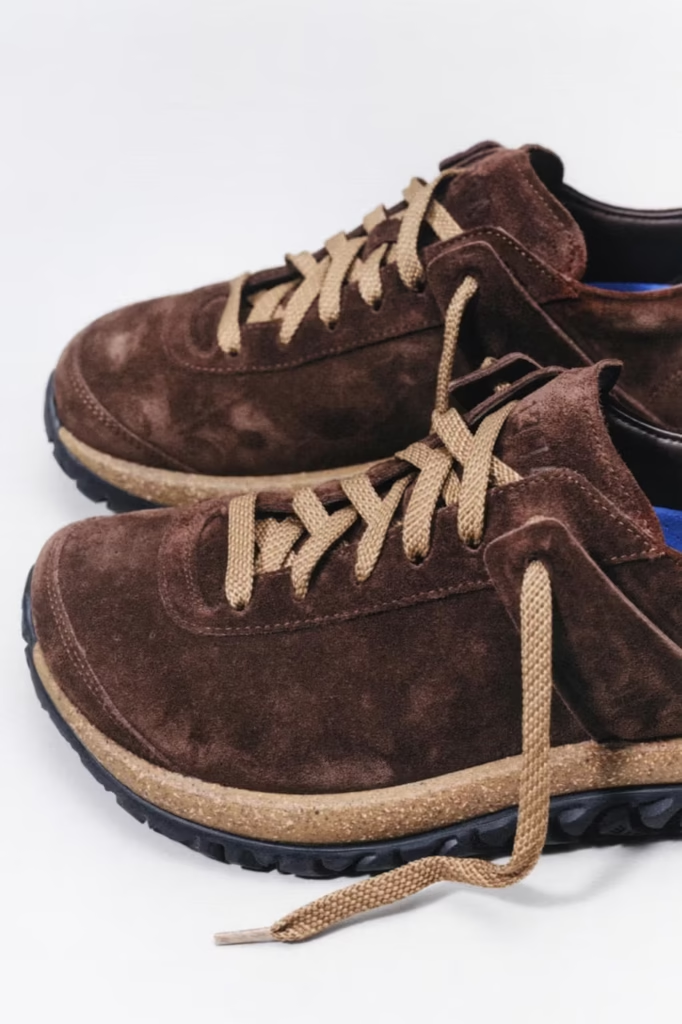
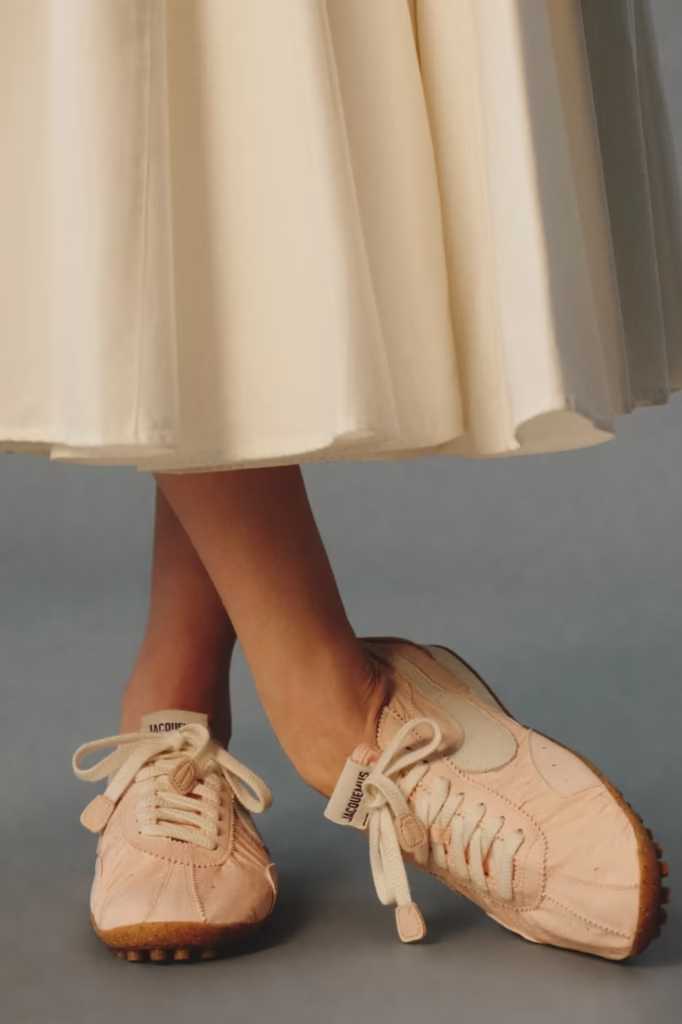
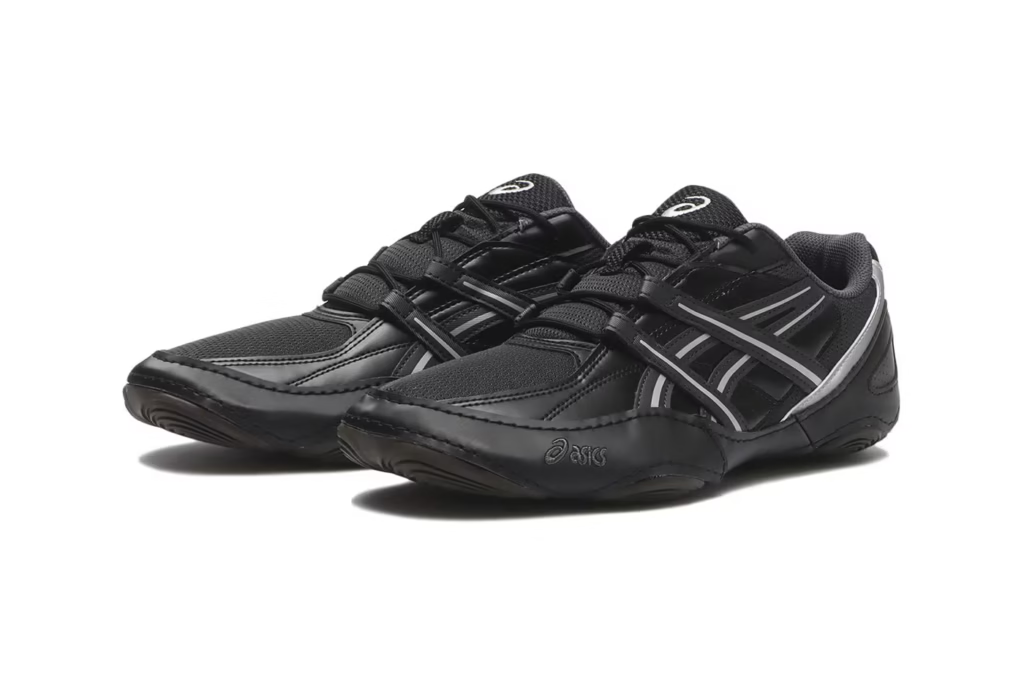
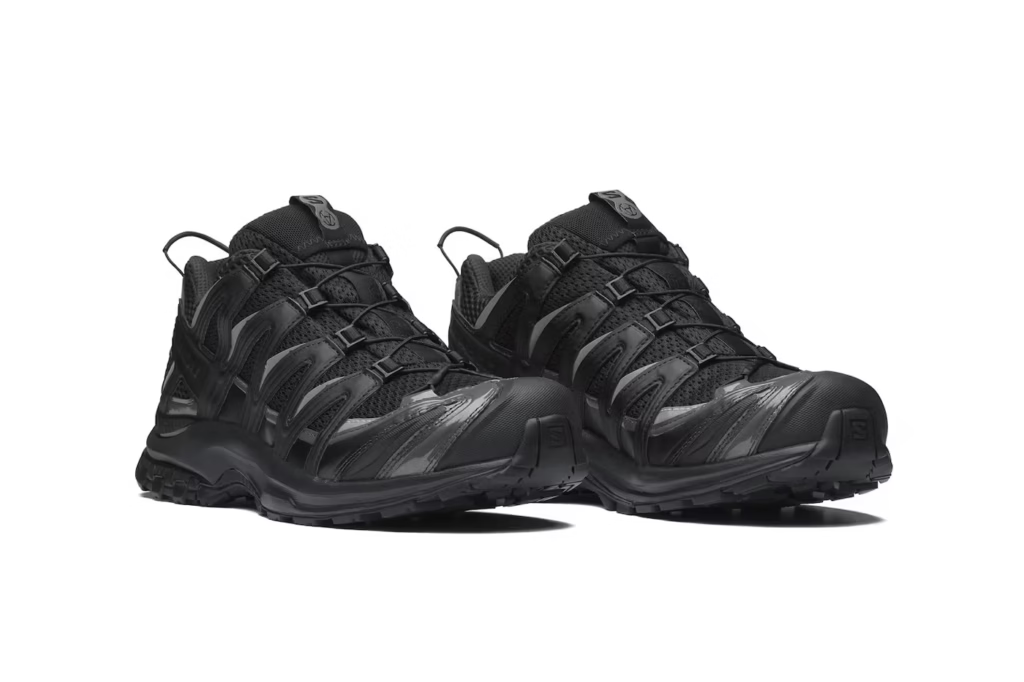
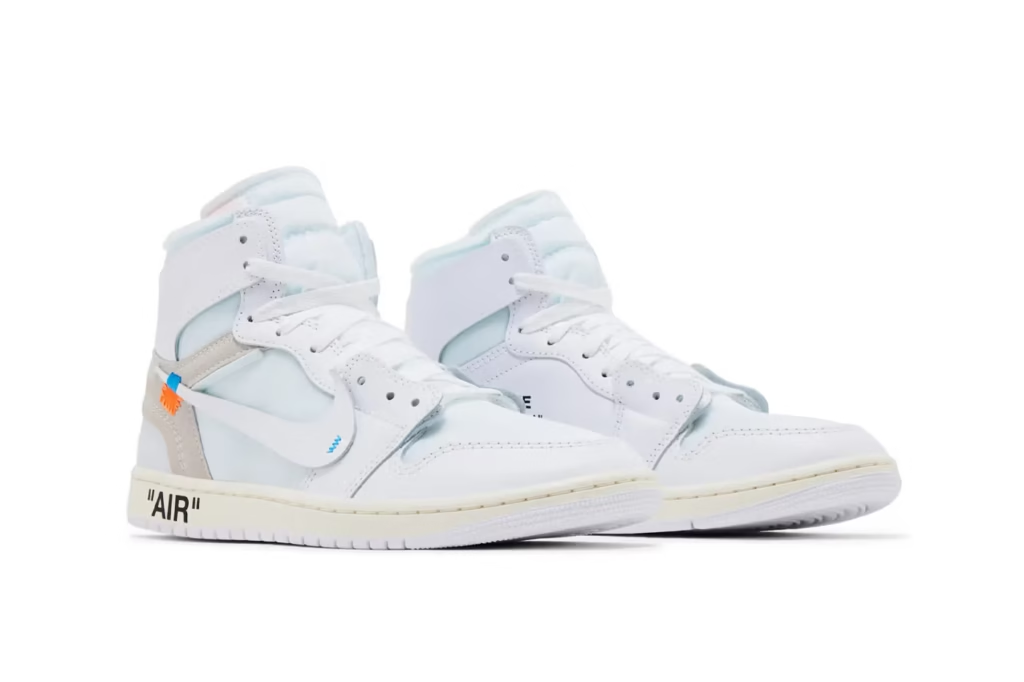
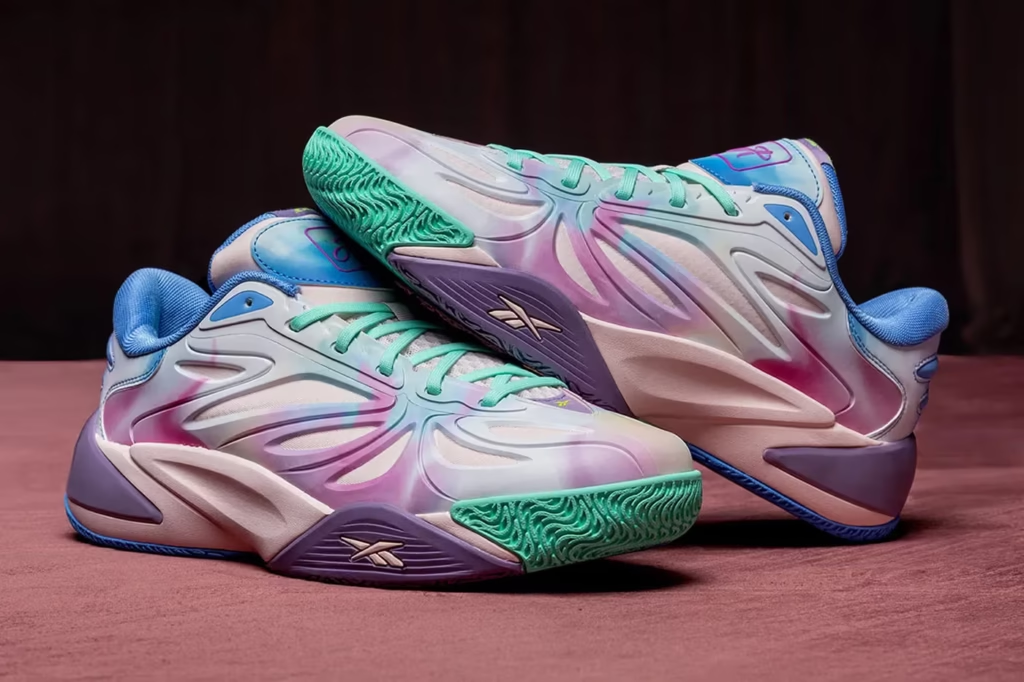
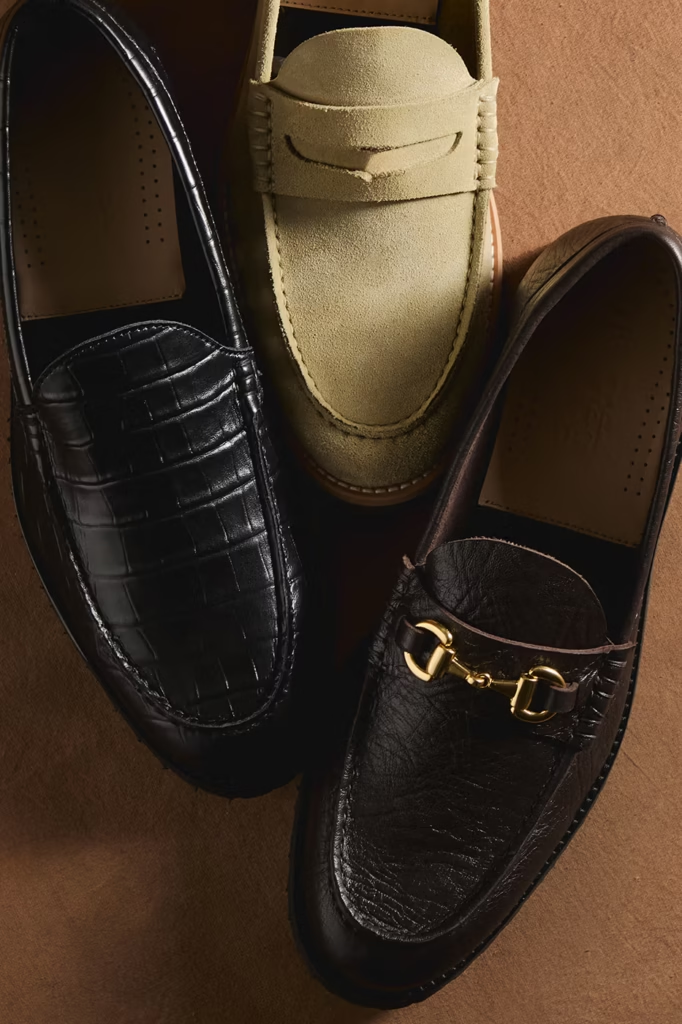
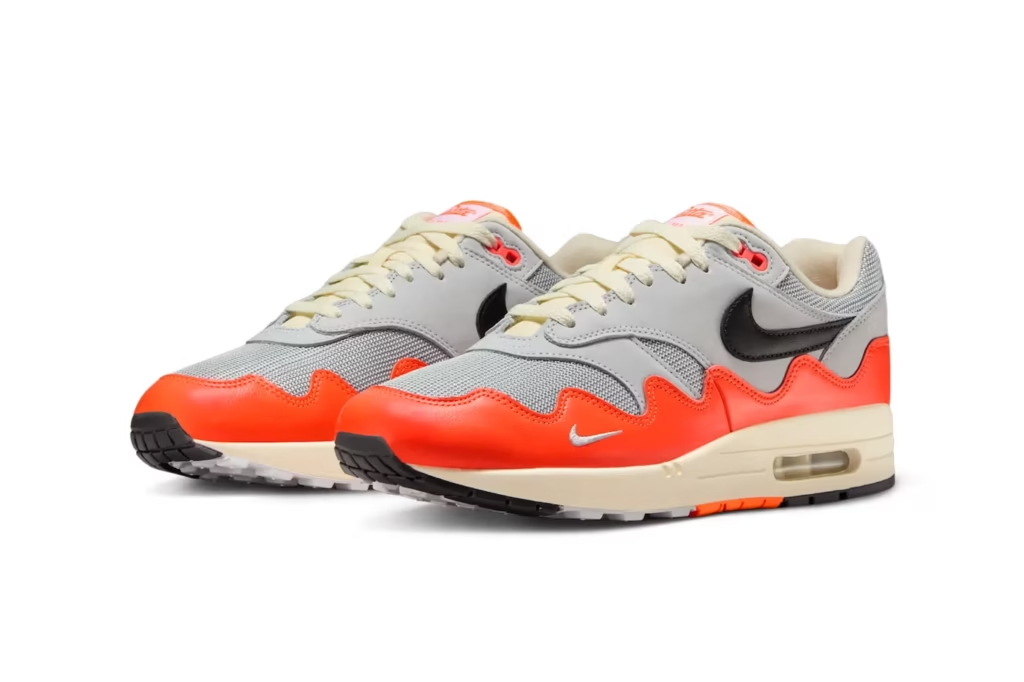
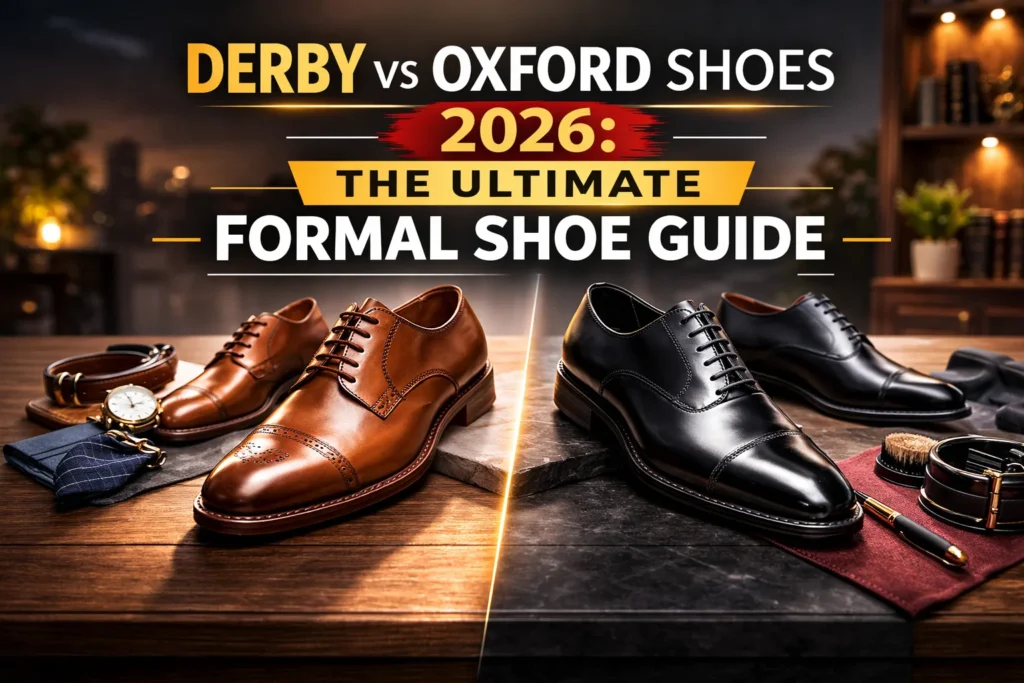
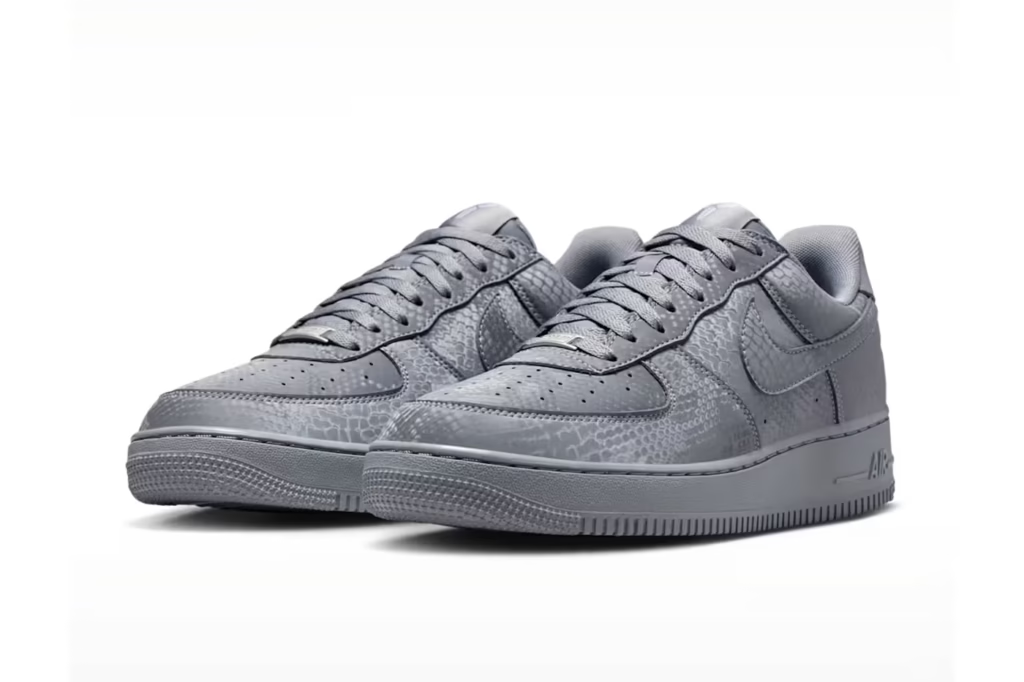
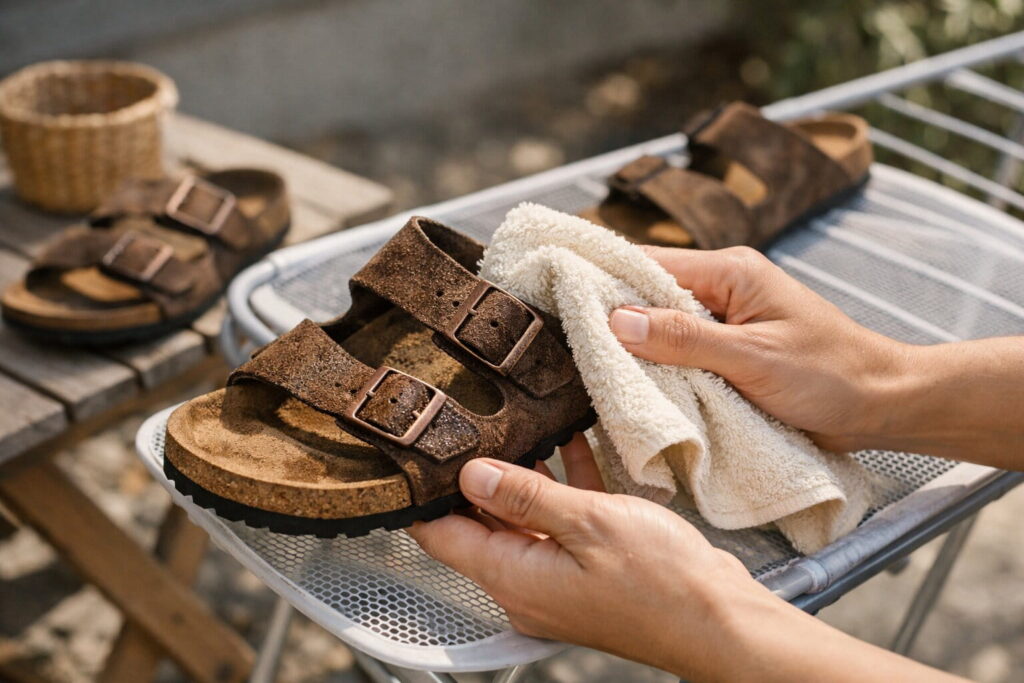
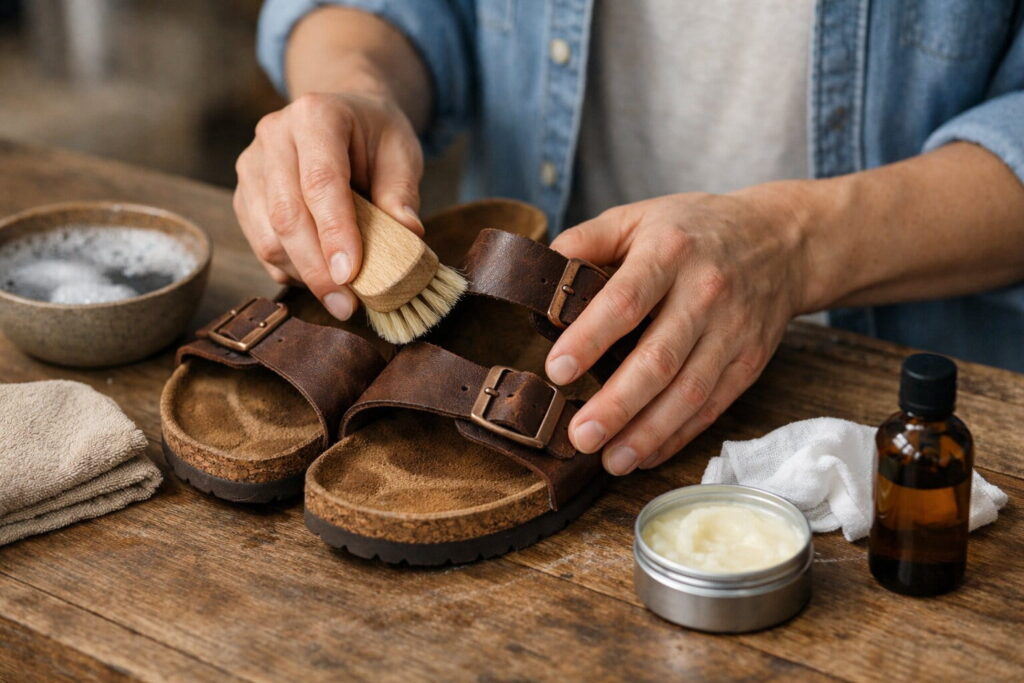
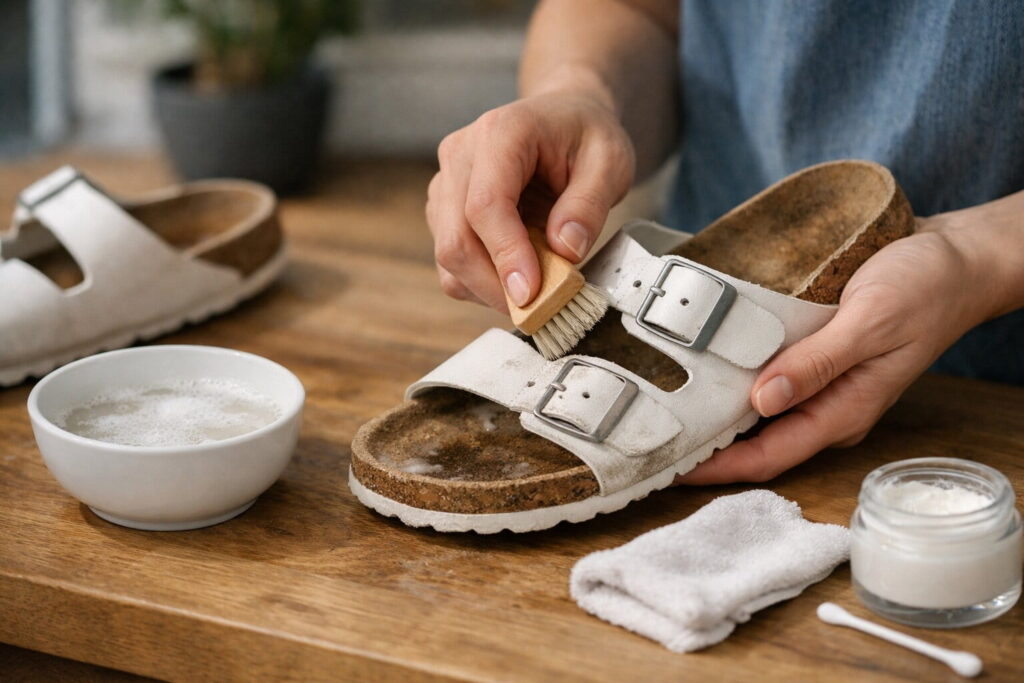
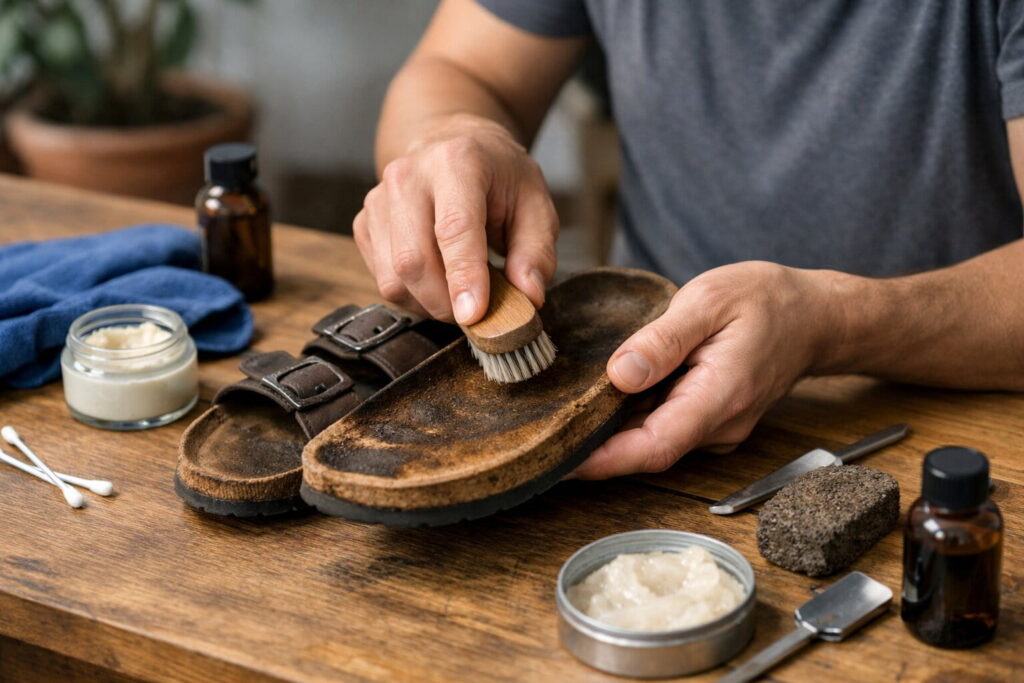
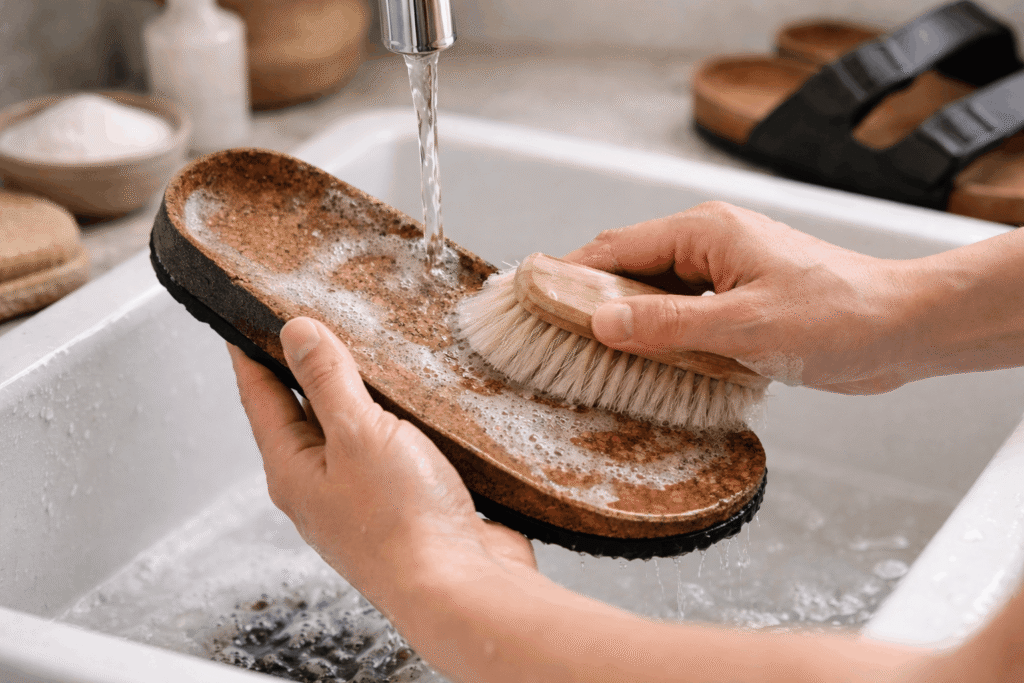
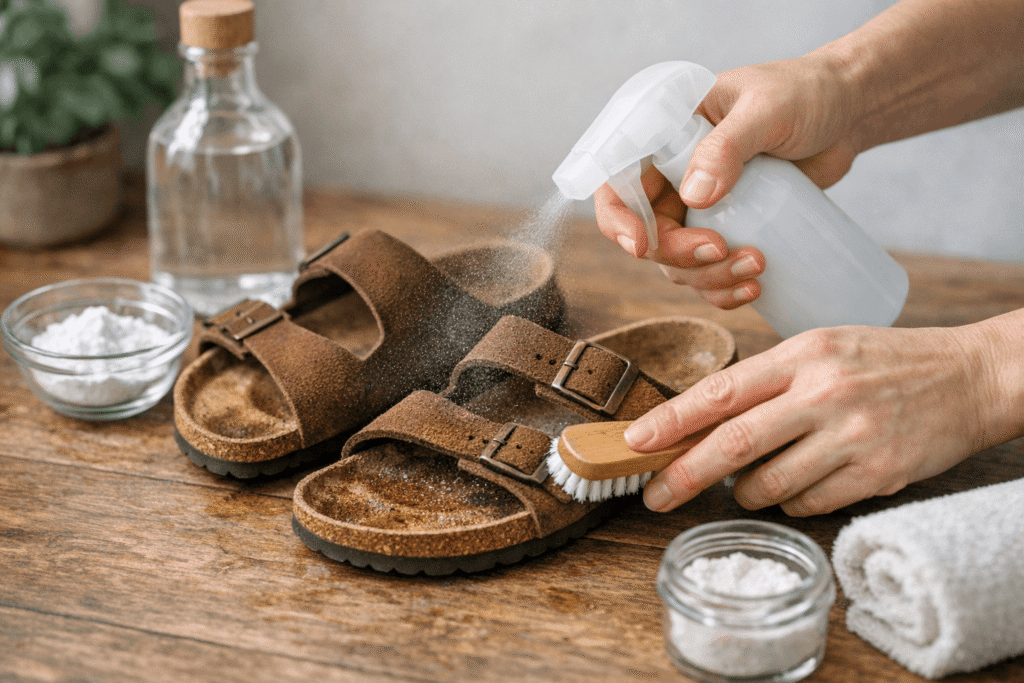
![]Nike Total 90 III PRM Light Smoke Gray Revealed Release Date Price and Where to Buy the Summer 2026 Drop](https://urbanstylefootwear.com/wp-content/uploads/2026/02/Nike-Total-90-III-PRM-Light-Smoke-Gray-Revealed-Release-Date-Price-and-Where-to-Buy-the-Summer-2026-Drop-1024x682.avif "Nike Total 90 III PRM 'Light Smoke Gray' Revealed: Release Date, Price, and Where to Buy the Summer 2026 Drop 58")