
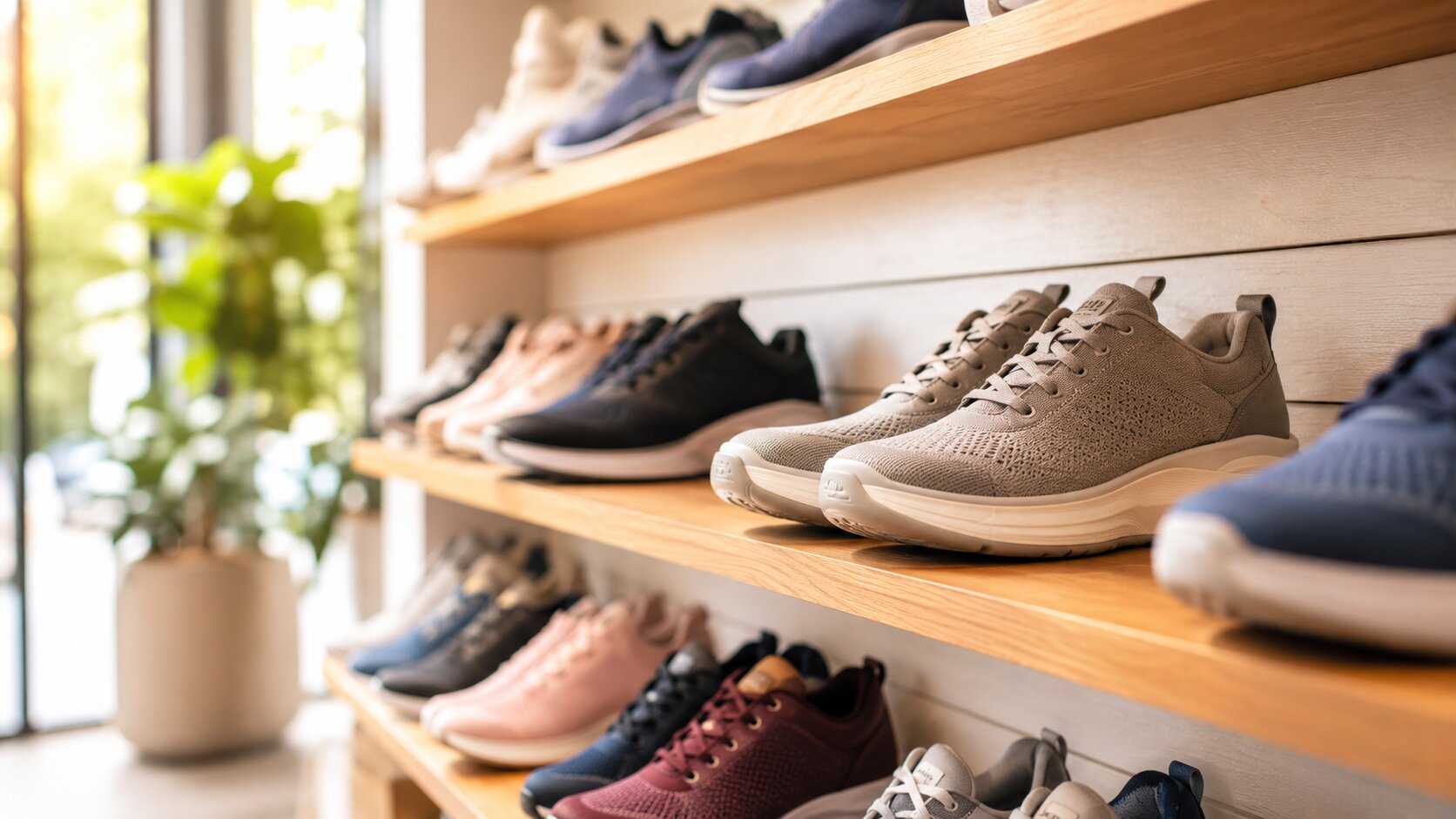
I’ve spent the better part of three decades fitting real shoes onto real feet in stores across the US, and somewhere around year eight I stopped being surprised by how many people walked in holding a printed-out “best shoes for plantar fasciitis” list that told them almost nothing useful. Most of those lists are written by people who’ve never watched a nurse wince through hour eleven of a twelve-hour shift on concrete flooring.
This page is different. It’s the hub for everything we’ve built on plantar fasciitis footwear — the actual mechanics of why certain shoes help, the exact specs worth checking before you buy, and a direct line to every category-specific guide on this site, whether you need running shoes, work boots, slippers, nursing clogs, or something in a wide width. Bookmark this page. Every other plantar fasciitis guide on Urban Style Footwear branches off from here.
- Look for a heel-to-toe drop of 8–12mm, a firm heel counter, a removable insole, and a wide toe box. Anything claiming to “cure” plantar fasciitis on its own is marketing, not medicine.
- Best overall picks: see our Best Shoes for Plantar Fasciitis (Top Picks) guide.
- On your feet all day? Jump to Shoes for Standing All Day or Best Work Shoes.
- Tight budget? Start with Best Plantar Fasciitis Shoes Under $50.
- Wide feet? Go straight to Best Wide Width Shoes for Plantar Fasciitis.
- Look for the APMA Seal of Acceptance as a fast, podiatrist-vetted filter while you shop.
The Top 5 Shoes for Plantar Fasciitis (2026)
In a rush? Here’s what I actually point customers toward in my own store — ranked by who each shoe is really for, not by hype. Tap “Check Price” for current Amazon availability.
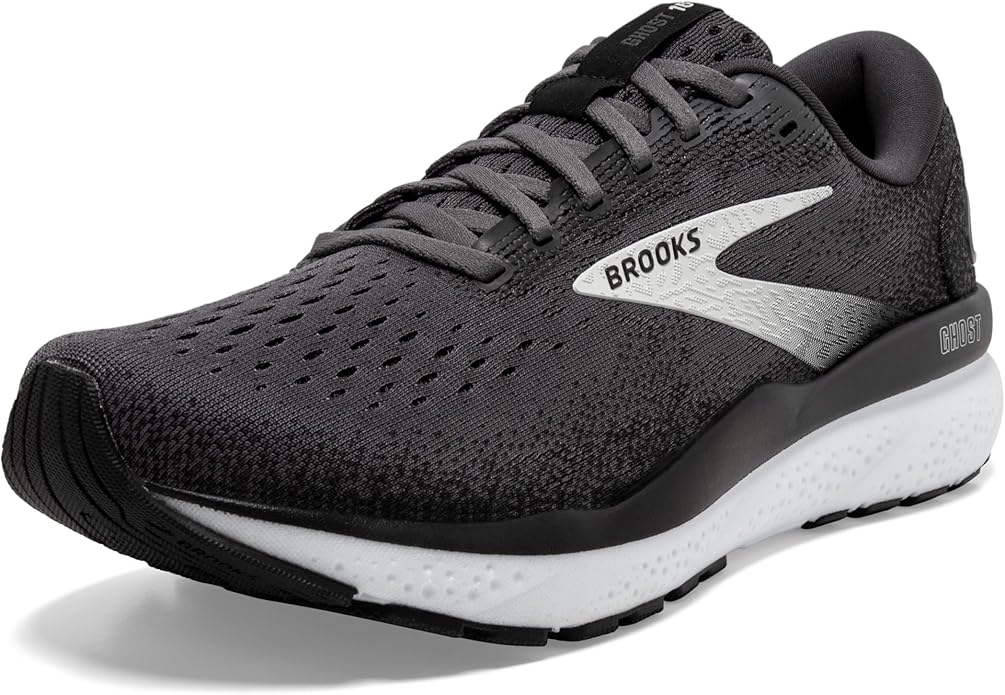
A 12mm drop and a heel that won’t collapse under heavier walkers. The first shoe I hand to a neutral foot — works for about 80% of people.
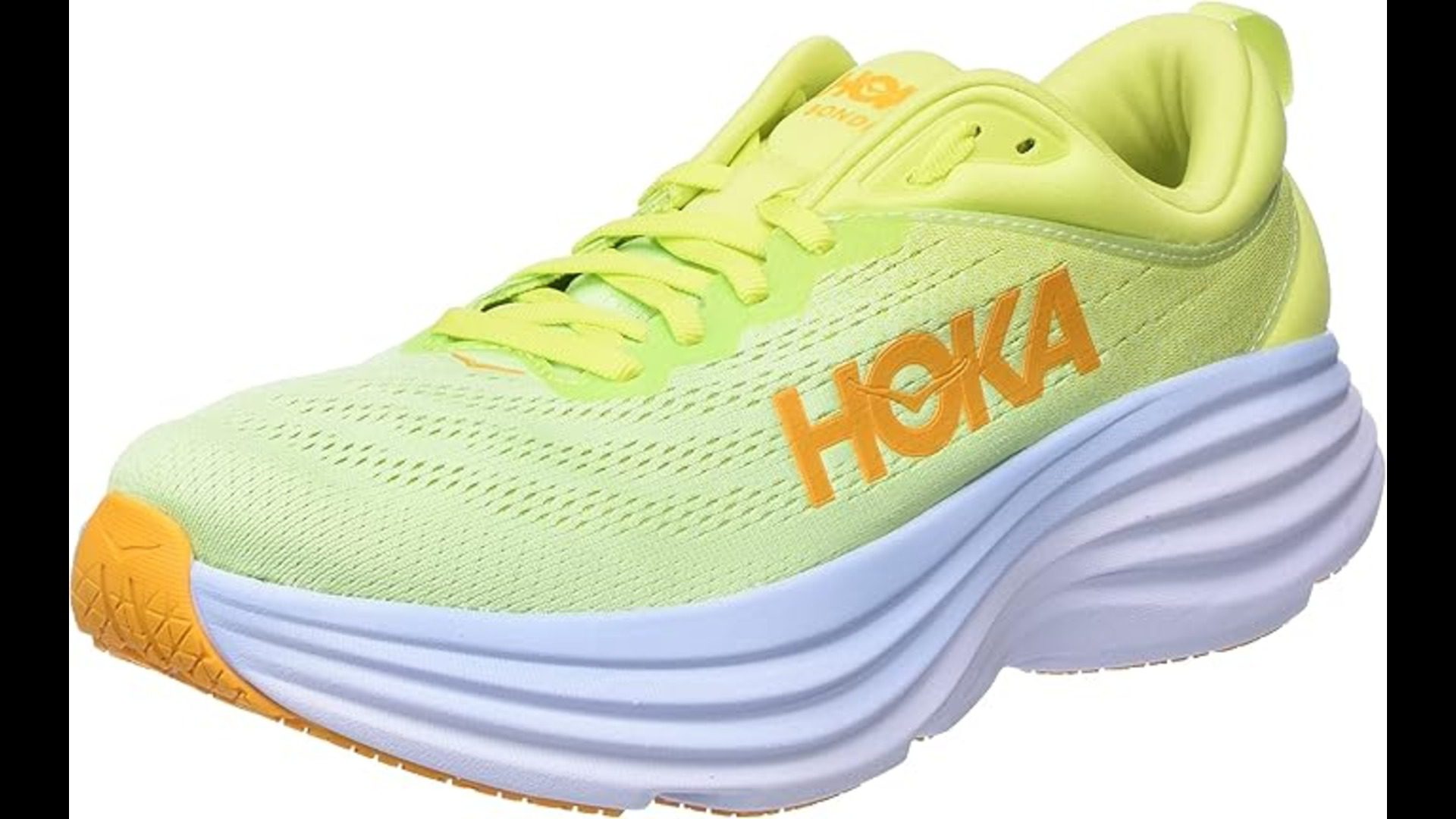
The thickest EVA stack on the market plus a Meta-Rocker sole that does the flexing for you. My go-to for nurses and warehouse staff on concrete all day.
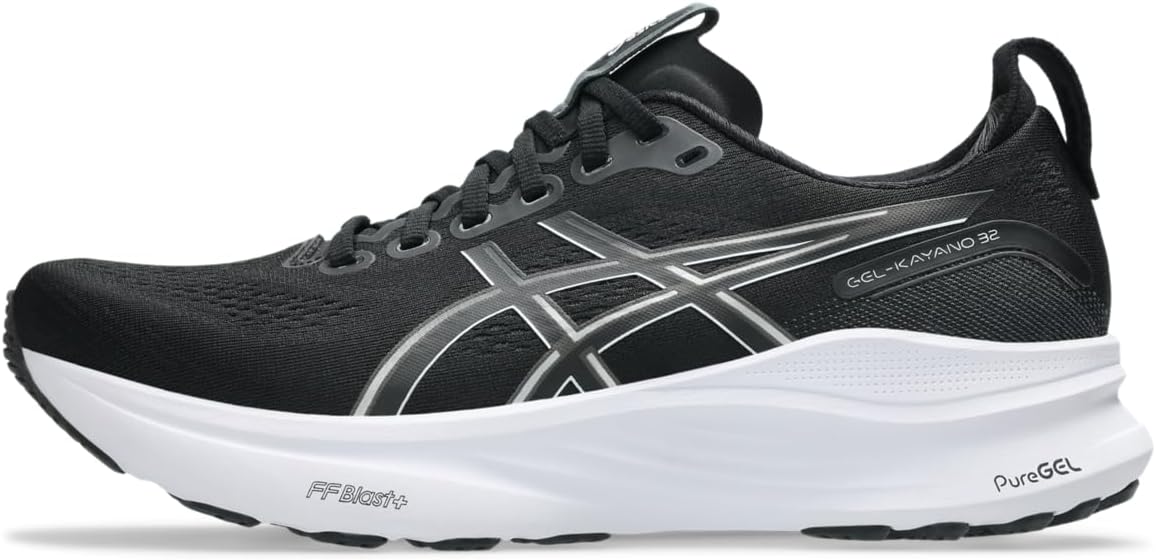
The 4D Guidance System puts firmer foam on the inner arch so it can’t collapse. Grab this one if your ankles roll inward when you walk.
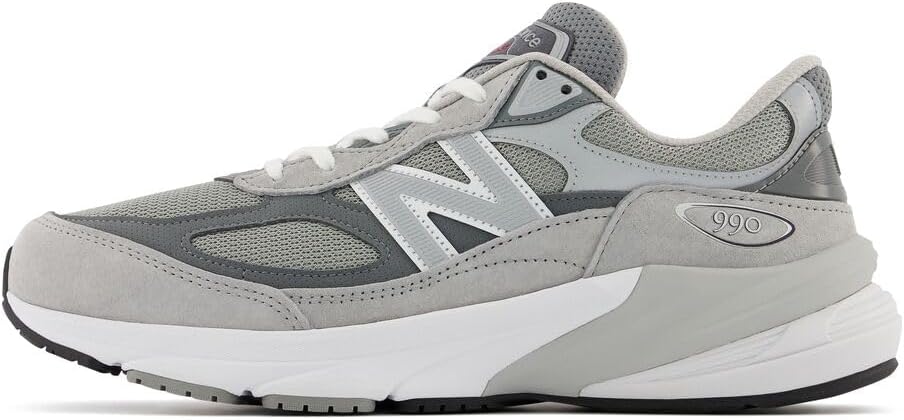
Made-in-USA quality control with sizing up to 6E. Costs more upfront, but it’ll outlast almost everything else on this list by 2x.
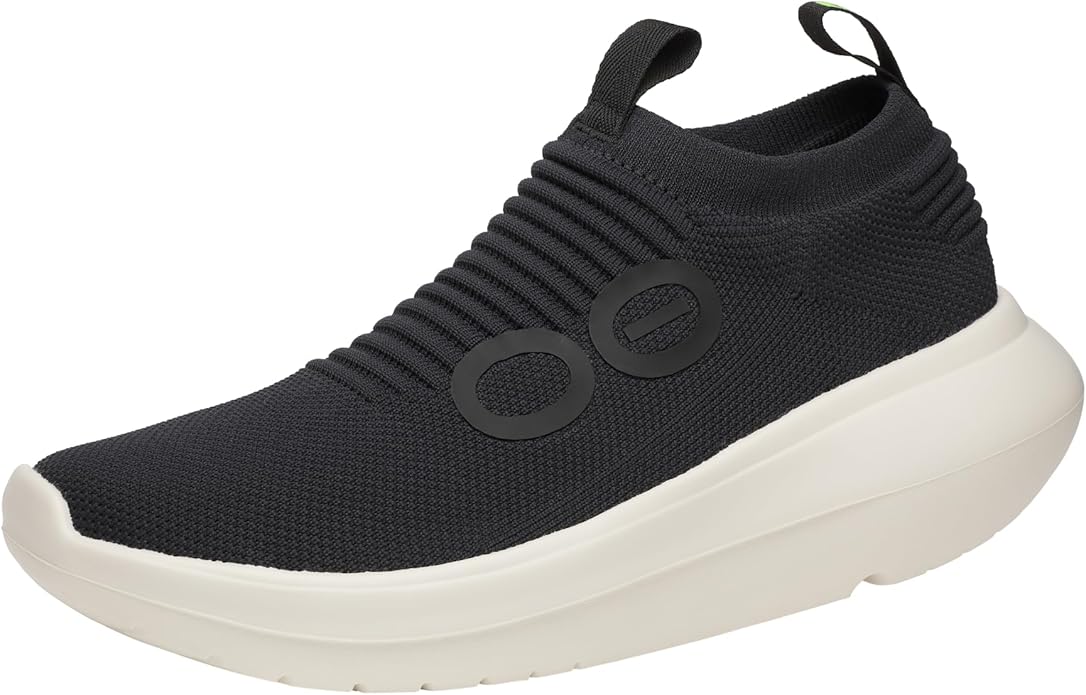
OOfoam absorbs 37% more impact than regular foam. Not for long walks, but the relief is almost instant around the house.
Prices and availability change — verify on Amazon before buying. As an Amazon Associate, we earn from qualifying purchases.
What Is Plantar Fasciitis, Really?
The plantar fascia is a thick band of connective tissue that runs along the bottom of your foot, connecting your heel bone to the base of your toes — think of it like a bowstring holding up the arch. When that tissue gets overloaded from too many hours standing, sudden weight changes, tight calves, worn-out shoes, or just the wear and tear of being on your feet for a living, small tears and inflammation develop near the heel attachment. That’s the sharp, stabbing pain people describe with their first steps in the morning or after sitting for a while.
Shoes don’t cure plantar fasciitis. Nothing on a shelf “cures” it — that’s a job for time, stretching, and often a podiatrist. But the shoes you wear for 8–16 hours a day are the single biggest controllable factor in how much that tissue gets aggravated, which is why getting this one decision right matters so much.
The 6 Features Every Plantar Fasciitis Shoe Needs
Forget the marketing copy. After three decades of fittings, here’s what I actually check before I’ll recommend a shoe to someone dealing with heel pain.
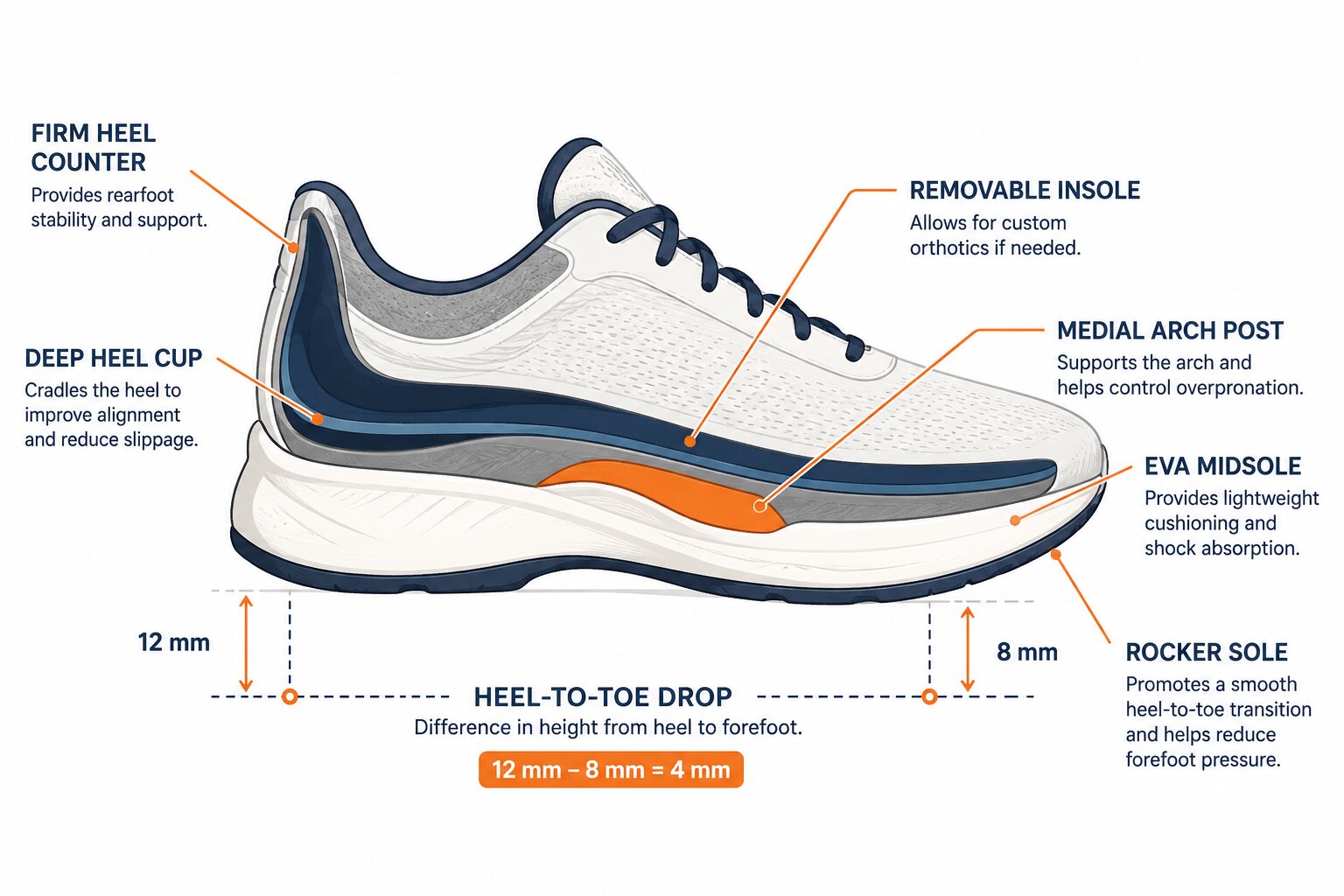
1. An 8–12mm Heel-to-Toe Drop
Heel-to-toe drop is the height difference between the heel and forefoot of the midsole. Drop too low — the 0–4mm range common in minimalist or “barefoot-style” shoes — and you increase tension on the plantar fascia during push-off, which is exactly what you don’t want during a flare-up. For most people with plantar fasciitis, an 8–12mm drop strikes the right balance, gently shifting load away from the heel without overloading the forefoot.
2. A Firm Heel Counter and Deep Heel Cup
Squeeze the back of the shoe between your thumb and fingers. It should resist, not collapse. A soft heel counter lets your heel drift inward with every step — overpronation — which drags the fascia along for the ride. A deep, structured heel cup also helps cradle the heel’s fat pad, which naturally thins out as we age.
3. A Removable, Orthotic-Friendly Insole
Even a great shoe sometimes needs a custom or over-the-counter orthotic layered in. If the factory insole is glued down or paper-thin with no room to swap, you’ve lost a major adjustment lever. This matters enough that we wrote a full breakdown — see Plantar Fasciitis Insoles vs. Supportive Shoes.
4. Midfoot Torsional Rigidity (the “Shank”)
Hold the shoe at both ends and try to twist it like a wet towel. A shoe built for plantar fasciitis should resist that twist through the midfoot. That rigidity — often from a plastic or carbon-fiber shank embedded in the midsole — keeps your arch from collapsing mid-stride, which is one of the most common (and most overlooked) triggers of fascia strain.
5. High-Density EVA Cushioning with a Medial Post
Not all foam is equal. Cheap, low-density EVA compresses fast and stops protecting your heel within weeks. Look for shoes that combine a higher-durometer (firmer) foam wedge under the arch — the “medial post” — with softer cushioning elsewhere. That dual-density setup is the same principle stability running shoes have used for years, and it translates well to walking and work shoes too.
6. A Wide, Rounded Toe Box
Plantar fasciitis rarely travels alone — bunions, neuromas, and hammertoes often come along for the ride, especially after years of narrow shoes. A wide, rounded toe box lets your toes splay naturally, which improves balance and reduces compensatory strain further back in the foot. If this is your main concern, jump to Best Wide Width Shoes for Plantar Fasciitis.
Want the full breakdown with brand-by-brand examples? Read What to Look for in Plantar Fasciitis Shoes (Buying Guide).
Plantar Fasciitis & Footwear: Fast Facts
Often-cited estimate for how many US adults experience plantar fasciitis at some point in their lives, making it one of the most common causes of heel pain podiatrists see.
The heel-to-toe drop range most commonly recommended for plantar fasciitis-friendly footwear.
Roughly how far a pair of supportive shoes lasts before the cushioning compresses and stops protecting your heel — about 6–8 months for daily wear.
The American Podiatric Medical Association’s Seal of Acceptance is reviewed by a council of US podiatrists and is one of the only third-party shoe endorsements worth trusting.
Shop by Category: The Complete Plantar Fasciitis Footwear Hub
This is the part that took the longest to build, and it’s the reason this page exists. Below is every category-specific guide we publish on plantar fasciitis footwear, organized the way I’d actually walk a customer through a store — by shoe type, by who you are and what your day looks like, by brand, and by budget. Pick the card that matches your situation.
Shop by Shoe Type
🏆 Best Overall Picks
Our flagship roundup of the top-rated shoes for plantar fasciitis relief across categories, updated for 2026.
See Top Picks →🏃 Running Shoes
Stability and cushioned trainers with the support runners with plantar fasciitis actually need.
Explore Guide →🚶 Walking Shoes
Everyday walking shoes built for heel pain, long miles, and all-day arch support.
Explore Guide →☀️ Sandals
Arch-supportive sandals and flip-flops that won’t undo your progress all summer.
Explore Guide →👷 Work Shoes
Built for standing on hard floors for 8–12 hour shifts without your heel screaming by lunch.
Explore Guide →👟 Sneakers
Casual, everyday sneakers that still bring real arch support and heel structure.
Explore Guide →🎯 Slip-On Shoes
Easy-on, easy-off styles for bad mornings — without sacrificing structure.
Explore Guide →👞 Dress Shoes
Office-appropriate, formal-looking shoes for men and women that still protect your heel.
Explore Guide →🏠 Slippers
Indoor footwear with real arch support — because bare feet on hardwood is a common trigger.
Explore Guide →💪 Gym Shoes
Cross-training and gym shoes that support lateral movement without flaring up heel pain.
Explore Guide →Shop by Lifestyle & Profession
👩 Women’s Shoes
Our top women’s picks across styles, last shapes, and arch heights for plantar fasciitis.
Explore Guide →👨 Men’s Shoes
The best men’s options for heel pain, from athletic to casual everyday wear.
Explore Guide →↔️ Wide Width
2E, 4E, and extra-wide options for feet that medium-width shoes simply don’t fit.
Explore Guide →🩺 Nursing Shoes
Clogs and athletic styles built for 12-hour shifts on hospital floors.
Explore Guide →⏱️ Standing All Day
Anti-fatigue picks specifically for jobs that keep you upright for hours at a stretch.
Explore Guide →🍎 Teachers
Classroom-friendly shoes that look professional and survive a full school day.
Explore Guide →Shop by Brand
These seven brands show up most often in podiatrist recommendations and carry the APMA Seal of Acceptance across multiple models. We’ve built a dedicated guide for each.
Brooks
GuideRails stability tech that’s a go-to for overpronators with plantar fasciitis.
Explore Guide →New Balance
Wide-width availability and a medial post built into nearly every stability model.
Explore Guide →ASICS
GEL cushioning and dual-density midsoles aimed squarely at heel-strike comfort.
Explore Guide →Saucony
Lighter-weight stability options for people who want support without the bulk.
Explore Guide →Shop by Budget
💰 Under $100
The sweet spot for most shoppers — solid construction without diminishing returns.
Explore Guide →💎 Premium
Top-tier cushioning and materials — and an honest look at whether they’re worth it.
Explore Guide →Buying Guides & Common Questions
What to Look For
The full feature checklist, explained in plain English with brand examples.
Read Guide →Can Shoes Cause Plantar Fasciitis?
Which everyday shoes are most likely to trigger or worsen heel pain.
Read Guide →Insoles vs. Supportive Shoes
Do you need new shoes, better insoles, or both? We break down the math.
Read Guide →How to Choose Shoes
A step-by-step shopping process based on your arch type and foot shape.
Read Guide →Healing Timeline
How long it realistically takes for heel pain to improve once you switch shoes.
Read Guide →2026 Quick-Pick Comparison Table
A fast snapshot of where to start, category by category. Click through to each guide for full reviews, sizing notes, and current pricing.
| Category | 2026 Standout Pick | Why It Works | Best For | Full Guide |
|---|---|---|---|---|
| Overall | ASICS GEL-Kayano 31 | Dual-density midsole + structured heel for all-day stability | Most people with plantar fasciitis | Top Picks → |
| Running | HOKA Bondi 9 | Maximal cushioning with a rockered sole that offloads the heel | Runners with heel-dominant pain | Running → |
| Walking | New Balance Fresh Foam 860v14 | Built-in medial post plus wide/extra-wide width options | Daily walkers, wide feet | Walking → |
| Work / Standing | Dansko Professional Clog | Rigid rocker bottom and slip-resistant outsole for hard floors | 12-hour shifts on concrete | Work Shoes → |
| Wide Feet | New Balance 990v6 | 2E/4E width availability with classic stability platform | 2E–4E width feet | Wide Width → |
| Budget (Under $50) | Skechers Arch Fit line | Built-in arch support at an entry-level price point | First-time supportive shoe buyers | Under $50 → |
| Nursing | Vionic Walker / Dansko XP | Built-in orthotic footbed plus easy-clean materials | Healthcare workers | Nursing → |
Note: featured models reflect current 2026 catalogs at the time of writing and may be superseded by newer versions — always check the linked category guide for the most current recommendation and live pricing.
What the APMA Seal of Acceptance Actually Means
The American Podiatric Medical Association represents thousands of US podiatrists, and its Seal of Acceptance program reviews submitted footwear for design, materials, and support features that promote foot health. A shoe carrying this seal has been evaluated by a panel of podiatrists — it’s not a guarantee that it will resolve your plantar fasciitis, but it’s one of the very few third-party endorsements in footwear that’s backed by actual clinical review rather than marketing budget.
Brands like New Balance, Vionic, Dansko, and Orthofeet carry the seal across multiple models spanning athletic, work, and casual categories — which is part of why they show up so often across our brand-specific guides above.
5 Mistakes I See US Shoppers Make Every Week
- Shopping by brand loyalty instead of specs. “I’ve always worn Nike” isn’t a plantar fasciitis strategy. Check the drop, the heel counter, and the midsole — not just the logo.
- Ignoring width entirely. A huge share of foot pain complaints I saw on the sales floor were actually width problems wearing a heel-pain costume. If your foot is wider than a medium last, start with our wide width guide.
- Expecting insoles to fix an unsupportive shoe. A great insole in a collapsing shoe is like a good mattress on a broken bed frame. See insoles vs. shoes for the honest breakdown.
- Wearing one pair until it’s completely dead. Cushioning compresses gradually — most people don’t notice until the pain creeps back. Rotate two pairs and replace every 300–500 miles.
- Switching to “barefoot” or zero-drop shoes during an active flare-up. Minimalist footwear has its place for some people long-term, but introducing it during a painful flare can make things noticeably worse. More on this in can shoes cause plantar fasciitis.
Frequently Asked Questions
What is the best shoe brand for plantar fasciitis?
There’s no single “best” brand for everyone, but HOKA, Brooks, ASICS, New Balance, Vionic, and Dansko consistently appear in podiatrist recommendations thanks to structured heel counters, dual-density midsoles, and (in several models) the APMA Seal of Acceptance. See our brand-by-brand guides to compare.
What heel-to-toe drop is best for plantar fasciitis?
Most podiatrists and shoe fitters land in the 8–12mm range. Lower drops (0–4mm, common in minimalist shoes) increase strain on the plantar fascia during push-off, especially during an active flare-up.
Can the wrong shoes cause plantar fasciitis?
Worn-out cushioning, unsupportive flats, high heels, and zero-drop minimalist shoes are all commonly cited contributing factors. Footwear alone rarely causes plantar fasciitis, but it’s frequently the tipping point. Full details in can shoes cause plantar fasciitis.
Do I need insoles if my shoes already have arch support?
It depends on your arch height and how aggressive the built-in support is. Some people do well with shoes alone; others layer in an over-the-counter or custom orthotic. We compare both approaches in insoles vs. supportive shoes.
How long does plantar fasciitis take to heal with the right shoes?
Most people see meaningful improvement within a few weeks to a few months of consistently wearing supportive footwear alongside stretching, though timelines vary widely. We cover realistic expectations in how long does plantar fasciitis take to heal.
Are HOKA shoes good for plantar fasciitis?
Generally, yes — HOKA’s thick, rockered midsoles are frequently recommended by podiatrists because they offload pressure from the heel through the gait cycle. Models vary in drop and fit, though, so check our HOKA-specific guide before buying.
What shoes should I avoid with plantar fasciitis?
Flat, unsupportive sandals and flip-flops, high heels, worn-out sneakers past their mileage, and zero-drop minimalist shoes during a flare-up are the most common offenders. Full list in can shoes cause plantar fasciitis.
Should plantar fasciitis shoes be tight or loose?
Snug through the heel and midfoot — so the heel doesn’t slip — but roomy through the toe box so toes can splay naturally. Squeezing into a too-narrow shoe is one of the most common fit mistakes we cover in what to look for in plantar fasciitis shoes.
How often should I replace plantar fasciitis shoes?
For daily wear, plan on every 6–8 months, or roughly every 300–500 miles for athletic shoes. Cushioning compresses gradually, so the loss of support is easy to miss until pain returns.
Final Verdict: Which Guide Should You Read Next?
- If you just want the short answer → Best Shoes for Plantar Fasciitis (Top Picks)
- If you’re on your feet 8+ hours at work → Best Work Shoes for Plantar Fasciitis
- If you run or jog regularly → Best Running Shoes for Plantar Fasciitis
- If you have wide or extra-wide feet → Best Wide Width Shoes for Plantar Fasciitis
- If your budget is under $50 → Best Plantar Fasciitis Shoes Under $50
- If you’re a nurse or healthcare worker → Best Nursing Shoes for Plantar Fasciitis
- If you’re not sure where to start → What to Look for in Plantar Fasciitis Shoes
Medical disclaimer: This content is for informational purposes only and is not a substitute for professional medical advice, diagnosis, or treatment. Persistent heel pain can have multiple causes — heel spurs, fat pad atrophy, nerve entrapment, or stress fractures among them — and should be evaluated by a podiatrist or physician.
