
Best Nursing Shoes for Women 2026 (All-Day Comfort Picks)
✅ Expert Footwear Analysis | 🛒 Amazon US Options | 📅 Updated September 2026
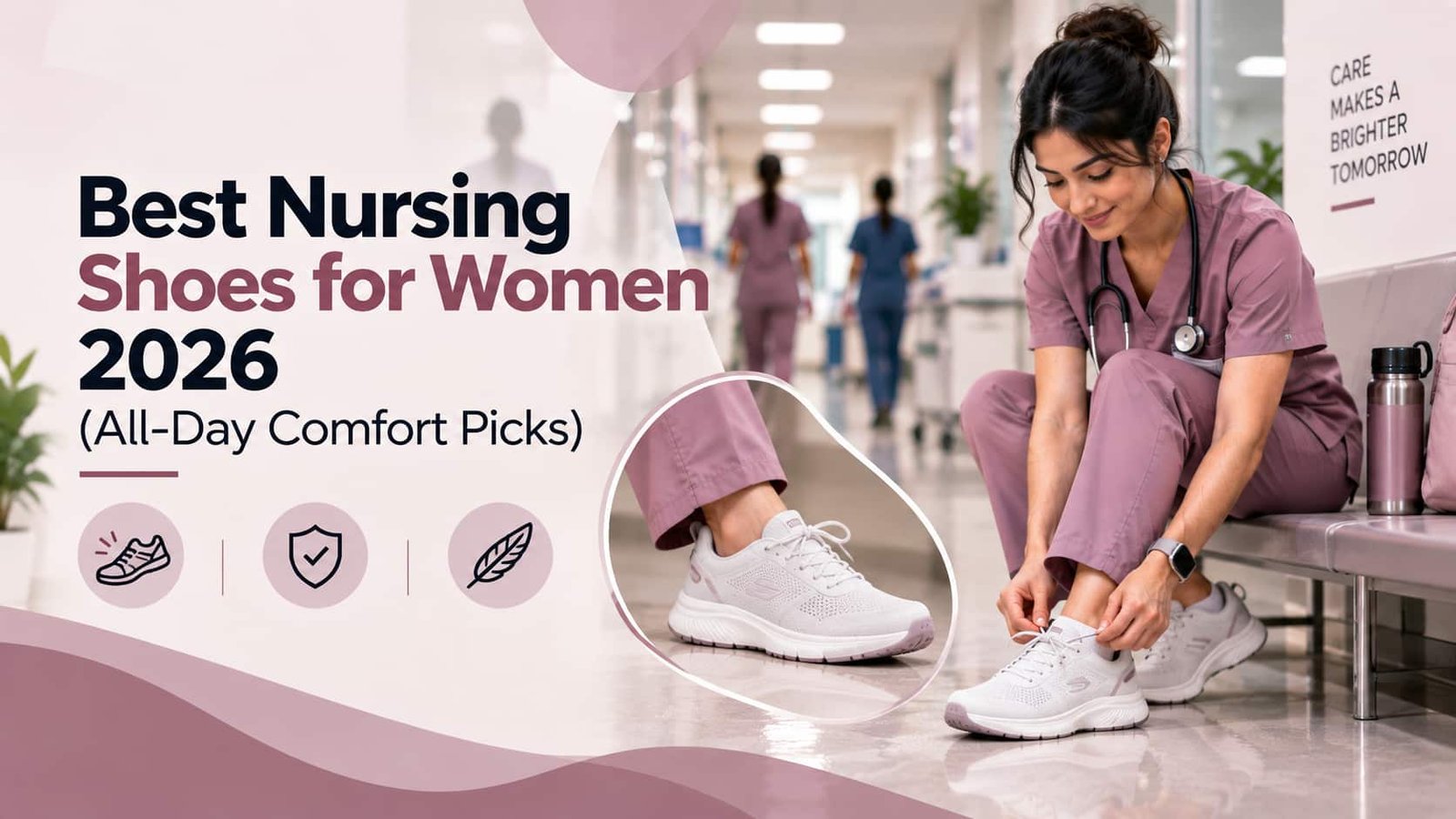
The best nursing shoes for women in 2026 combine slip-resistant outsoles, deep cushioning, and a secure heel fit built for 12-hour shifts on hard hospital flooring. Clogs like the Dansko XP 2.0 and Crocs Neria Pro II suit nurses who stand in place, while cushioned running-style shoes like the Hoka Bondi 9 and ASICS Gel-Nimbus 27 suit nurses who walk long distances during a shift.
A charge nurse on a medical-surgical floor in Houston might spend a 12-hour shift covering six thousand steps between rooms, the med room, and the nurses’ station, almost all of it on polished vinyl tile. A postpartum nurse in a Boston hospital might stand still for long stretches at a bedside instead. Both need footwear that holds up, but the right shoe for one is not automatically right for the other.
Generic sneakers are built for a store aisle or a treadmill, not eight to twelve hours on concrete-backed flooring with spills, fast turns, and constant swelling in the feet by hour six. This guide breaks down what separates real nursing footwear from ordinary comfort shoes, reviews eleven women’s options with verified Amazon data, and points out which shoe fits which kind of shift. For a broader comparison across every footwear category, our main guide to the best shoes for nurses is a useful starting point, and if you’re shopping for a male colleague instead, our guide to the best shoes for male nurses covers the equivalent picks built on a men’s last.
Best Nursing Shoes for Women in 2026
Explore comfortable footwear options for long shifts, extended standing, and everyday hospital walking.
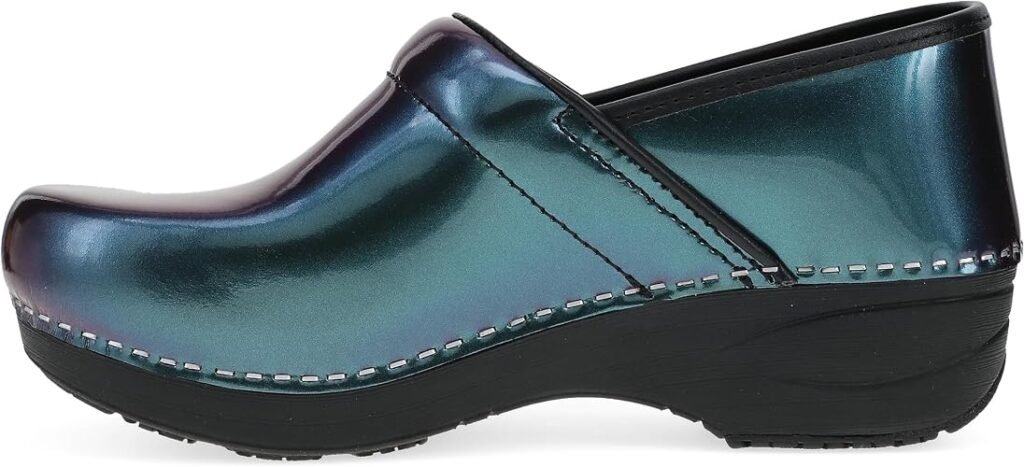
Dansko XP 2.0 Clog
A supportive clog option designed for nurses who spend long hours standing and walking during a shift.
🛒 Check Price on Amazon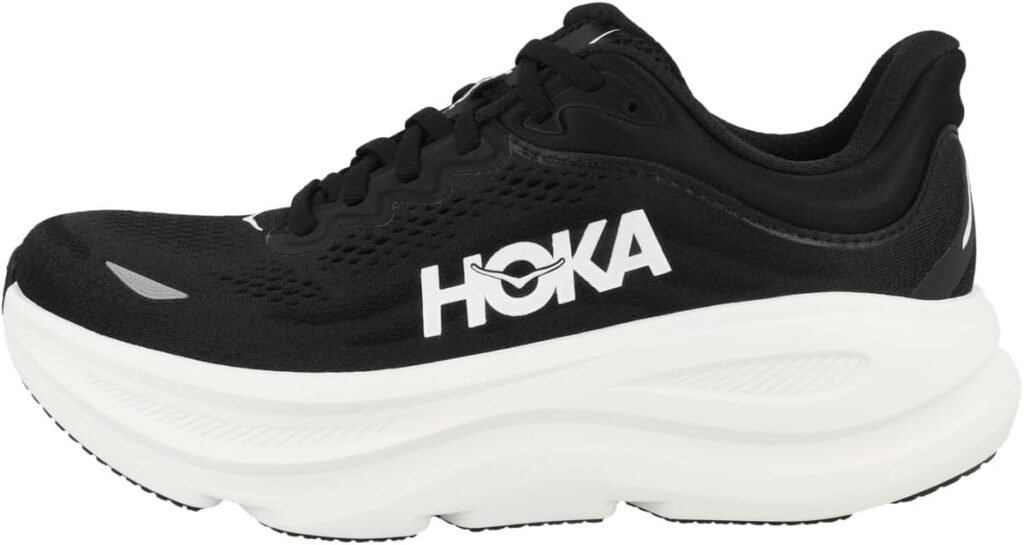
Hoka Women’s Bondi 9
A highly cushioned athletic-style shoe for nurses who spend much of their shift walking or standing.
🛒 Check Price on Amazon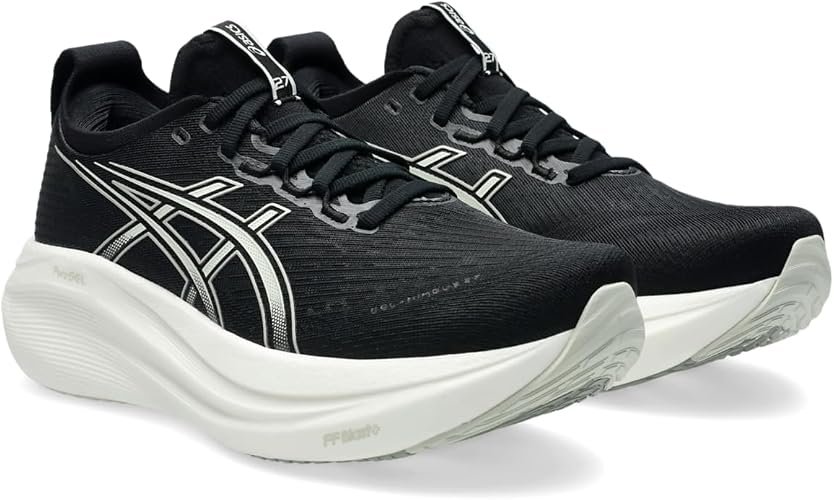
ASICS Women’s Gel-Nimbus 27
A cushioned athletic shoe option for nurses who prefer a running-shoe style during long shifts.
🛒 Check Price on Amazon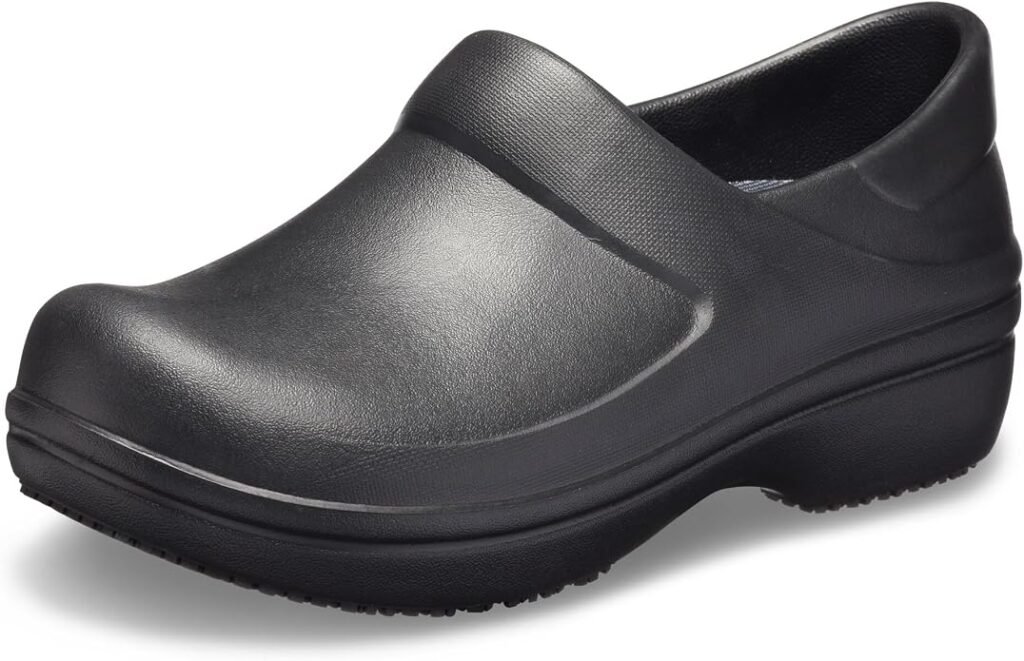
Crocs Women’s Neria Pro II
An enclosed work-clog option suited to nurses looking for a practical shoe style for healthcare settings.
🛒 Check Price on Amazon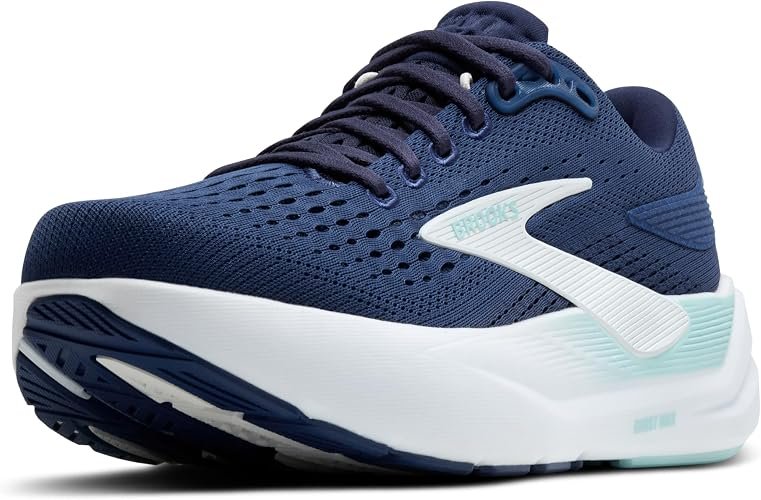
Brooks Women’s Ghost Max 3
A cushioned athletic shoe option for nurses who want a stable-feeling platform for extended walking and standing.
🛒 Check Price on AmazonMore Nursing Shoe Options to Consider
Additional options worth considering based on your preferred shoe style and work needs.
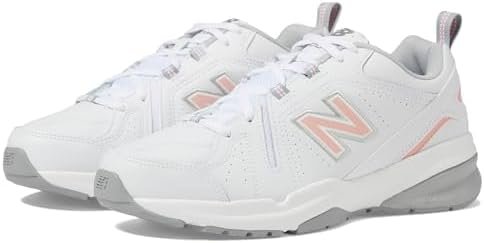
New Balance Women’s 608 V5
A classic trainer option for everyday walking and extended standing.
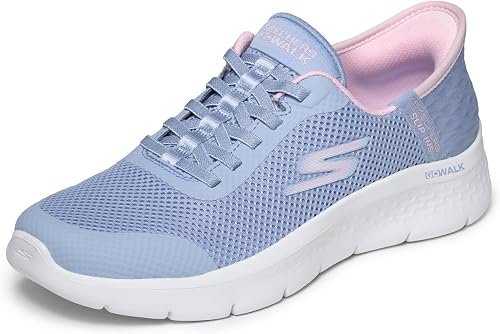
Skechers Go Walk Flex Grand Entry
A slip-in style that can be convenient for easy on-and-off wear.
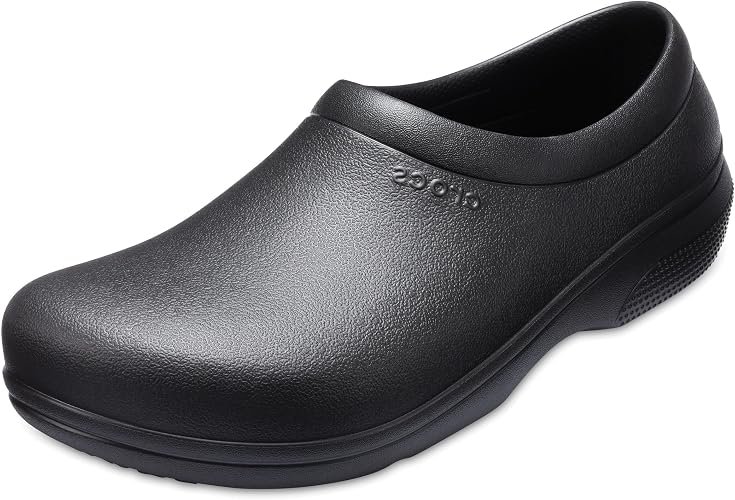
Crocs On The Clock Clog
An enclosed clog option designed with work and healthcare environments in mind.
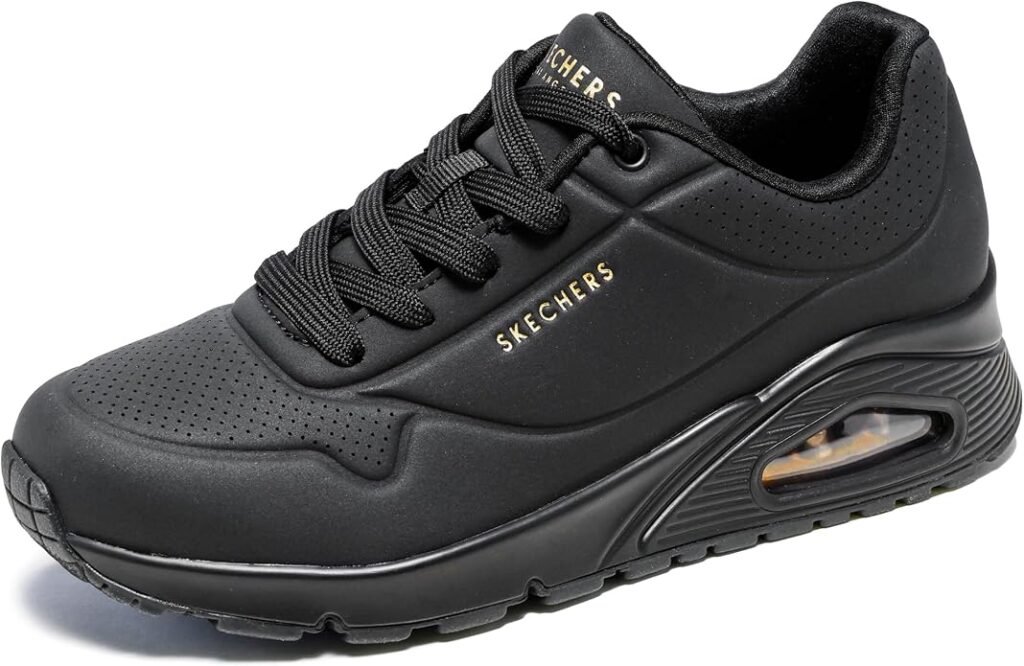
Skechers UNO Stand on Air Sneaker
A casual sneaker option with a cushioned air-based midsole design.
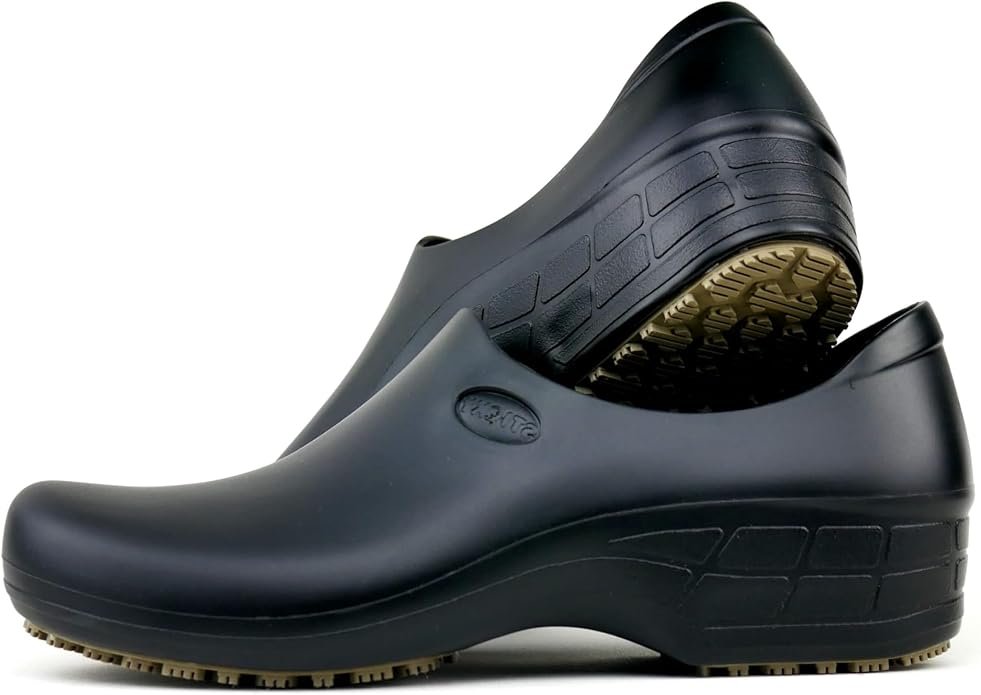
Sticky Nursing Shoes for Women
A work-focused option for nurses looking for an easy-clean shoe style.
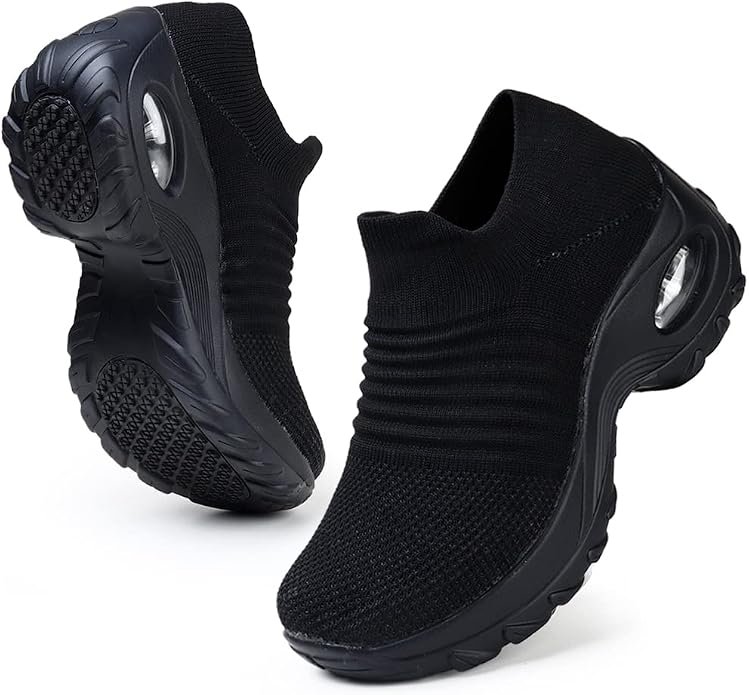
HKR Women’s Walking Shoes
A lightweight slip-on walking shoe option for everyday movement and standing.
What Are Nursing Shoes?
Nursing shoes are work footwear built around slip resistance, closed-toe and closed-heel coverage, and cushioning designed for prolonged standing and walking rather than short bursts of activity. They come in two main constructions: molded clogs and cushioned athletic sneakers. If you’re still weighing the two, our dedicated comparison of clogs versus sneakers for nurses breaks down the tradeoffs in more depth than we can cover here.
The difference from ordinary comfort shoes comes down to the outsole compound, which is formulated for grip on wet or oily tile, and the midsole, which is built to resist compression over an eight to twelve hour shift instead of just a weekend walk.
Why Do Nursing Shoes Matter for Nurses?
A nurse’s shift involves repeated stop-and-start walking, quick pivots between patient rooms, and long periods standing at a bedside or nurses’ station, all on flooring that is harder and less forgiving than a sidewalk. Standard sneakers are not built to absorb that kind of repeated, uneven load. Nurses who spend most of a shift standing in one spot generally need a different cushioning profile than those covering long distances, a distinction we cover in more detail in our guide to the best shoes for nurses who stand all day.
Hospital and clinic flooring is typically vinyl composite tile laid over concrete, which offers almost no natural shock absorption. Spills, cleaning fluid, and fast turns around corners raise slip risk, and the U.S. Occupational Safety and Health Administration lists slips, trips, and falls among the most common causes of workplace injury in environments with wet or uneven flooring, which is exactly why outsole tread pattern and rubber compound carry more weight in nursing footwear than in a casual shoe.
Feet also swell measurably over a long shift, which is why toe-box volume and a secure but adjustable closure, not just overall size, determine whether a shoe still feels right by hour ten. This swelling effect is often more pronounced during pregnancy, which we address directly in our guide to the best nursing shoes for pregnant nurses.
💡 Expert Tip
From 20-plus years fitting work footwear, the single biggest complaint nurses raise about the wrong shoe is not the toe box, it’s the heel. A heel that lifts even slightly during a fast walk down a corridor causes blisters and instability well before the toe box becomes a problem.
What Should Nurses Look For in a Shoe?
Cushioning
Cushioning is the material between your foot and the outsole, usually EVA foam, gel inserts, or a proprietary foam blend like DNA Loft or ULTRA GO. More cushioning reduces impact on hard flooring but can also reduce ground feel and stability, which matters on a fast-paced unit where footing needs to feel secure. Nurses with flat feet or low arches often need a different support profile from the picks here, which our guide to the best shoes for nurses with flat feet addresses directly.
Who needs it most: Nurses who log high step counts, such as ER or telemetry staff. Tradeoff: Maximum cushioning shoes like the Hoka Bondi 9 sit higher off the ground, which some nurses find less stable on a fast pivot.
Slip Resistance
Slip resistance comes from the outsole’s rubber compound and tread pattern, tested against standards like ASTM F2913, the mechanical slip-resistance test the Crocs models on this list are rated against. For a deeper dive into slip-resistant construction across brands, see our guide to the best slip-resistant shoes for nurses.
Who needs it most: ICU, ER, OR, and any unit with frequent fluid exposure. Tradeoff: Very grippy outsoles sometimes feel stiffer underfoot.
Fit and Width
A shoe’s last shape, the mold it is built around, determines whether it fits a narrow, average, or wide foot. Clogs generally offer more forgiving width than lace-up sneakers, which is why brands like Dansko are popular with nurses who have wider feet or need room for orthotics. Our dedicated guide to the best shoes for nurses with wide feet covers width-specific options in more depth, and nurses managing a specific condition should see our guide to the best nursing shoes for bunions.
Who needs it most: Nurses with wide feet, bunions, or swelling by end of shift. Tradeoff: A roomier fit in the forefoot can reduce the locked-in feel some nurses want during fast walking.
Cleanability
Clogs made from a single molded material like Croslite wipe clean in seconds and tolerate exposure to bodily fluids and cleaning agents better than a mesh sneaker upper. Nurses who lean toward a clog specifically may want to compare the full lineup in our guide to the best Crocs for nurses.
Who needs it most: Nurses in high fluid-exposure units. Tradeoff: Molded clogs generally breathe less than a mesh athletic upper.
Breathability
Mesh uppers on the ASICS, Brooks, and Hoka models allow more airflow, which matters for nurses on their feet all day in warmer facilities. If a sneaker silhouette is your priority overall, our guide to the best nursing sneakers rounds up more options in this category.
Who needs it most: Outpatient clinics and long-term care settings with less fluid exposure. Tradeoff: Mesh uppers are harder to wipe clean than molded clogs.
⚠ Common Mistake
A common issue we notice is nurses buying based on looks or a coworker’s recommendation without accounting for their own unit’s flooring and dress code. A shoe that works perfectly for a colleague in outpatient clinic may not meet the closed-heel requirement on a med-surg floor.
Nursing Workplace Considerations
Dress codes vary widely between employers, and some units enforce closed-heel and closed-toe rules strictly for infection control and injury prevention, while others allow backless clogs. Always verify your specific employer or unit policy before ordering, since a shoe that fits every criteria in this guide can still be against a hospital’s dress code.
- ICU and ER: High fluid exposure, frequent quick movement, usually strict closed-heel policies.
- OR: Often requires dedicated shoes that stay in the surgical suite, sometimes with specific slip-resistance documentation.
- Outpatient clinics: Lower fluid exposure, more flexibility for athletic sneaker styles.
- Long-term care and nursing homes: High step counts across large facilities, cushioning and breathability matter more.
Product Reviews
Dansko XP 2.0 Clog
Best For: Nurses who stand for long stretches and want orthotic compatibility.
Why It Works: The padded instep collar and TPU heel counter hold the foot in place while the dual-density footbed with Dansko’s Natural Arch technology adds long-standing support.
Expert Analysis: Based on the supplied specifications, the removable footbed accommodating standard and custom orthotics is the standout feature for nurses managing existing foot conditions. For more clog-specific comparisons like this one, see our guide to the best nursing clogs.
Pros:
- Roomy toe box with padded collar
- Rated for dry, wet, and oily surfaces
- Removable footbed fits custom orthotics
Cons:
- Higher price point than most options on this list
- 1.75 inch heel height may not suit every dress code
Main Tradeoff: The price is well above the clog and sneaker alternatives here, though the orthotic compatibility and support construction justify it for nurses with specific foot support needs.
Who Should Buy: Nurses needing custom orthotic support on long shifts.
Who Should Skip: Nurses on a tight footwear budget who don’t need orthotic compatibility.
Verdict: A dependable, well-supported clog for nurses prioritizing long-term foot support over price.
Hoka Women’s Bondi 9
Best For: Nurses who walk long distances and want maximum underfoot cushioning.
Why It Works: The EVA foam midsole is rated for maximum cushioning level, softening repeated impact from continuous walking on hard flooring.
Expert Analysis: From the shoe’s construction, the flat heel profile and round toe design favor a smooth, cushioned stride rather than sharp lateral cutting. Our dedicated roundup of the best Hoka shoes for nurses covers additional Hoka models built for healthcare work.
Pros:
- Maximum cushioning rating
- Lace-up closure for a secure, adjustable fit
- Round toe design for natural toe splay
Cons:
- Higher stack height feels less grounded to some wearers
- Not water resistant, so less ideal for high fluid-exposure units
Main Tradeoff: The tall cushioned platform trades a bit of ground stability for shock absorption, a fair swap for nurses logging high step counts but not for units needing a lower, more locked-in feel.
Who Should Buy: Nurses on high step count units like ER or telemetry.
Who Should Skip: Nurses who need a fully water-resistant option for fluid exposure.
Verdict: A strong pick specifically for walking-heavy shifts where cushioning matters more than a minimal platform.
ASICS Women’s Gel-Nimbus 27
Best For: Nurses who want a breathable, gel-cushioned running shoe for the job.
Why It Works: The PureGEL technology combined with FF Blast Plus Eco cushioning is built for lightweight, softer landings during repeated walking or light running between rooms.
Expert Analysis: The supplied listing notes this model runs large, which is worth accounting for when ordering.
Pros:
- Gel-based cushioning for softer landings
- Engineered jacquard mesh upper improves breathability
- Currently discounted 33 percent off list
Cons:
- Runs large according to the manufacturer listing
- Not water resistant
Main Tradeoff: The sizing runs large, so nurses should size down or check a fit chart before ordering, since guessing standard size risks a loose, less supportive fit.
Who Should Buy: Nurses who prefer a true running shoe silhouette over a clog.
Who Should Skip: Nurses in units requiring waterproof, fully wipeable footwear.
Verdict: A breathable, well-cushioned everyday pick, provided the sizing is adjusted for the large fit.
Crocs Women’s Neria Pro II
Best For: Nurses in high fluid-exposure units who need waterproof, wipeable footwear.
Why It Works: The Croslite foam construction and waterproof rating mean spills and cleaning fluid wipe off without soaking into the shoe.
Expert Analysis: Based on the supplied data, this model carries ASTM F2913-24 and ASTM F3445-24 certification along with CE and EN ISO 20347:2012 marks, relevant for facilities that require documented slip-resistance standards.
Pros:
- Fully waterproof and easy to wipe clean
- ASTM-certified slip resistance
- Relaxed fit with extra heel room for quick on-off
Cons:
- Relaxed heel fit may feel less locked-in for nurses who prefer a snug shoe
- Lower star rating than most other picks on this list
Main Tradeoff: The listing itself notes the fit runs large, so nurses should size down for a secure fit during long shifts.
Who Should Buy: Nurses in ICU, ER, or OR settings with frequent fluid exposure.
Who Should Skip: Nurses who want the most locked-in heel feel possible.
Verdict: One of the most practical choices here for cleaning and slip resistance specifically.
Brooks Women’s Ghost Max 3
Best For: Nurses who want a stable, wide-base sneaker for long walking shifts.
Why It Works: The wide base and raised sidewalls are built for stability, and the shoe is a certified PDAC A5500 diabetic shoe carrying the APMA Seal of Acceptance.
Expert Analysis: The linear last construction adds interior volume, which the supplied data notes accommodates a variety of foot shapes and orthotics.
Pros:
- APMA-accepted, PDAC diabetic-shoe certified
- Wide, stable base for secure footing
- High-fidelity textile upper for breathability
Cons:
- Not water resistant
- Heavier feel than a minimal sneaker due to the high cushioning stack
Main Tradeoff: The stability-focused wide base trades some of the sleek, lightweight feel of a racing-style sneaker for a more planted, secure ride.
Who Should Buy: Nurses needing diabetic-certified footwear or extra stability.
Who Should Skip: Nurses who want the lightest possible shoe on their feet.
Verdict: A well-supported, medically certified sneaker option for nurses prioritizing stability and foot health documentation.
New Balance Women’s 608 V5
Best For: Nurses who want a durable leather trainer at a lower price point.
Why It Works: The IMEVA midsole paired with an ABZORB heel pad absorbs heel impact, and the suede leather upper holds up to daily wear.
Expert Analysis: Based on the supplied specifications, this is positioned as a cross-training shoe rather than a dedicated nursing shoe, so the cushioning level is more moderate than the Hoka or ASICS options.
Pros:
- Durable leather upper
- Slip-resistant rated
- Lower price point than most picks here
Cons:
- Moderate cushioning level, less plush than dedicated nursing sneakers
- Not water resistant
Main Tradeoff: The price is genuinely lower, but the moderate cushioning means it may not hold up as comfortably as the Hoka or ASICS options across a full 12-hour shift.
Who Should Buy: Nurses on a budget who want a reliable everyday trainer.
Who Should Skip: Nurses working consistently long shifts who need maximum cushioning.
Verdict: A solid value pick, best suited to shorter shifts or as a backup pair.
Skechers Go Walk Flex Grand Entry
Best For: Nurses who want a machine-washable, hands-free slip-in shoe.
Why It Works: The Hands Free Slip-Ins design and Heel Pillow feature let you step in and out quickly without bending down, while still holding the heel securely in place.
Expert Analysis: Based on the supplied data, this is Skechers’ current best-selling women’s walking shoe, and the machine-washable build is a genuine convenience for a job with frequent spills.
Pros:
- Machine washable, air dry
- Air-Cooled Memory Foam insole
- Heel Pillow for secure lockdown without laces
Cons:
- Not water resistant
- Bungee-style closure offers less fit adjustment than laces
Main Tradeoff: The slip-in convenience means less precise fit adjustment compared with a lace-up shoe, a fair tradeoff for speed but worth noting for nurses who need a very specific fit.
Who Should Buy: Nurses who want fast on-off convenience and easy at-home cleaning.
Who Should Skip: Nurses who need a precisely adjustable fit.
Verdict: A practical, easy-clean option with strong review volume behind it.
Crocs On The Clock Clog
Best For: Nurses whose unit requires fully enclosed toe and heel coverage.
Why It Works: The enclosed construction is specifically noted in the listing as aligning with typical workplace safety guidelines that require foot protection.
Expert Analysis: This is a unisex style, so nurses shopping between men’s and women’s sizing conventions should double check the size chart before ordering.
Pros:
- Enclosed toe and heel for dress-code compliance
- ASTM F2913-24 and F3445-24 certified
- Washable EVA build
Cons:
- Unisex sizing requires extra care when ordering
- Lower cushioning level than the sneaker options on this list
Main Tradeoff: The enclosed design meets stricter dress codes but the cushioning is rated moderate rather than maximum, so it suits closed-toe policy compliance more than all-day cushioning needs.
Who Should Buy: Nurses whose facility mandates enclosed toe and heel coverage.
Who Should Skip: Nurses prioritizing maximum cushioning above dress-code coverage.
Verdict: A dependable choice specifically for stricter workplace footwear policies.
Skechers UNO Stand on Air Sneaker
Best For: Nurses who want a fashion-forward sneaker with visible cushioning.
Why It Works: The Air-Cooled Memory Foam insole and Skech-Air visible cushioned midsole provide moderate to maximum cushioning based on the supplied specifications.
Expert Analysis: The wedge silhouette with a hidden heel is styled more casually than a dedicated work shoe, which is worth weighing against a stricter dress code.
Pros:
- Strong review volume with 59,000 ratings
- Visible air-cushioned midsole
- Lace-up adjustable fit
Cons:
- Wedge styling may not suit stricter uniform dress codes
- Not water resistant
Main Tradeoff: The fashion-forward wedge design trades some of the purely clinical look of a dedicated nursing shoe for a more casual sneaker appearance.
Who Should Buy: Nurses whose dress code allows a casual sneaker look.
Who Should Skip: Nurses in units requiring strictly clinical-looking footwear.
Verdict: A comfortable, well-reviewed option best suited to more relaxed dress codes.
Sticky Nursing Shoes for Women
Best For: Nurses on a tight budget who want a dedicated, waterproof nursing-branded clog.
Why It Works: The waterproof upper and outsole combined with a moisture-wicking insole are built specifically for healthcare and food service work, per the supplied listing.
Expert Analysis: The rating and review count are moderate, and the description leans heavily on general claims, so specifications should be verified directly on the listing before purchase.
Pros:
- Waterproof upper and outsole
- Moisture-wicking, absorbent footbed
- Lowest price point among the clog options here
Cons:
- Basic insole cushioning rated moderate rather than maximum
- Lower star rating than the Dansko or Crocs clogs
Main Tradeoff: The low price comes with a more basic cushioning system than the Dansko or Crocs clogs on this list.
Who Should Buy: Nurses who want the lowest-cost waterproof clog option.
Who Should Skip: Nurses who need premium cushioning or orthotic compatibility.
Verdict: A budget-friendly waterproof clog worth considering as a backup or entry-level pair.
HKR Women Walking Shoes
Best For: Nurses who want a lightweight, budget slip-on sneaker.
Why It Works: The stretchable mesh upper and elastic slip-on closure make this an easy on-off option, with a cushioned insole for moderate shock absorption.
Expert Analysis: This model carries the highest review count on the list at over 46,000, though the rating itself sits lower at 4.0, worth weighing against the more specialized options above.
Pros:
- Very high review volume
- Lightweight, breathable mesh
- Lowest price point on this list
Cons:
- Moderate cushioning, not built specifically for medical work
- No slip-resistance certification listed
Main Tradeoff: The low price and light weight come without the certified slip resistance or medical-grade construction found in the dedicated nursing options above.
Who Should Buy: Nurses wanting a lightweight, budget everyday walking shoe for lower-risk settings.
Who Should Skip: Nurses in high fluid-exposure or high slip-risk units.
Verdict: A reasonable low-cost pick for outpatient or lower-intensity settings, not a substitute for certified nursing footwear on demanding units.
Main Comparison Table
| Product | Price | Rating | Reviews | Best For | Key Feature | Main Tradeoff |
|---|---|---|---|---|---|---|
| Dansko XP 2.0 | $169.95 | 4.4 | 14,757 | Orthotic support | Dual-density footbed | Highest price on the list |
| Hoka Bondi 9 | $165.25 | 4.5 | 3,141 | Max cushioning | EVA foam maximum stack | Not water resistant |
| ASICS Gel-Nimbus 27 | $109.95 | 4.4 | 2,793 | Breathable sneaker | PureGEL cushioning | Runs large |
| Crocs Neria Pro II | $37.49 | 4.0 | 24,614 | Fluid exposure | Waterproof, ASTM certified | Relaxed heel fit |
| Brooks Ghost Max 3 | $109.95 | 4.3 | 3,222 | Stability | Wide base, APMA accepted | Heavier feel |
| New Balance 608 V5 | $59.95 | 4.4 | 45,045 | Budget trainer | ABZORB heel pad | Moderate cushioning |
| Skechers Go Walk Flex | $71.66 | 4.4 | 18,135 | Easy clean | Machine washable | Less fit adjustment |
| Crocs On The Clock | $37.49 | 4.3 | 35,891 | Dress code compliance | Enclosed toe and heel | Unisex sizing |
| Skechers UNO Stand on Air | $69.98 | 4.4 | 59,000 | Casual dress codes | Visible air cushioning | Wedge styling |
| Sticky Nursing Shoes | $44.90 | 4.1 | 17,056 | Budget waterproof clog | Moisture-wicking footbed | Basic cushioning |
Decision Matrix
| Nursing Need | Recommended Product | Why |
|---|---|---|
| 12-hour shifts, high step count | Hoka Women’s Bondi 9 | Maximum cushioning absorbs repeated impact |
| Frequent fluid exposure | Crocs Women’s Neria Pro II | Waterproof, ASTM-certified, wipes clean |
| Orthotic or arch support needs | Dansko XP 2.0 | Removable footbed fits custom orthotics |
| Strict closed-heel dress code | Crocs On The Clock | Fully enclosed toe and heel construction |
| Diabetic or stability needs | Brooks Women’s Ghost Max 3 | PDAC-certified, wide stable base |
| Budget-conscious buyers | Crocs Neria Pro II or On The Clock | Lowest price point with certified slip resistance |
| Easy at-home cleaning | Skechers Go Walk Flex Grand Entry | Fully machine washable |
📌 Quick Reminder
Rating and review count reflect general buyer satisfaction, not nursing-specific testing. Read a handful of the most recent reviews on any shoe you are considering, since sizing feedback and durability notes from other healthcare buyers are often more useful than the star average alone.
How to Choose Nursing Shoes
Start with your unit’s dress code and flooring conditions, since those two factors narrow the field faster than personal style preference. From there, weigh cushioning against cleanability, since the two often pull in different directions. For a step-by-step walkthrough of this whole process, see our full guide on how to choose nursing shoes.
- Confirm whether your facility requires closed-heel, closed-toe coverage.
- Identify your flooring and spill exposure level.
- Measure your foot later in the day when feet are naturally more swollen.
- Decide between a clog and a sneaker based on the tradeoffs above.
- Check the specific model’s width options if you have wide feet or bunions.
- Read recent buyer reviews for sizing accuracy before ordering.
Frequently Asked Questions
What are the best shoes for nurses working 12-hour shifts?
Shoes with maximum cushioning and a secure heel hold up best across 12-hour shifts. The Hoka Bondi 9 and Brooks Ghost Max 3 on this list are both built with higher cushioning stacks specifically suited to long, high step-count shifts.
Are running shoes good for nurses?
Running shoes like the ASICS Gel-Nimbus 27 can work well for nurses who walk long distances and prefer a breathable sneaker over a clog. They generally offer less waterproofing than a dedicated clog, so check your unit’s fluid exposure level first.
Do nurses need slip-resistant shoes?
Yes, in most clinical settings. Hospital flooring is often wet from spills or cleaning, and a certified slip-resistant outsole, like the ASTM-rated Crocs options above, reduces fall risk significantly compared with an untested outsole.
Should nursing shoes be waterproof?
Waterproofing matters most for nurses in ICU, ER, or OR settings with frequent fluid exposure. Outpatient or administrative-leaning roles may not need it as much, making a breathable mesh sneaker a reasonable choice instead.
Are clogs or sneakers better for nurses?
Neither is universally better. Clogs generally offer easier cleaning and a roomier fit, while sneakers offer more cushioning options and a more locked-in, adjustable fit through laces.
How should nursing shoes fit?
There should be about a thumb’s width of space at the longest toe, with the heel staying locked in place during a normal walking stride. A shoe that fits well in the morning should still feel secure, not tight, after your feet swell later in the shift.
Do nurses need wide shoes?
Only if you have a naturally wide foot, bunions, or significant swelling by end of shift. Clogs like the Dansko and Crocs options tend to run more forgiving in width than lace-up sneakers.
How much cushioning should nursing shoes have?
That depends on your step count and personal preference for ground feel. Nurses walking long distances often prefer maximum cushioning shoes like the Hoka Bondi 9, while nurses who value a more grounded feel may prefer a moderate cushioning level.
Are expensive nursing shoes worth it?
It depends on your specific need. A premium option like the Dansko XP 2.0 is worth the price if you need orthotic compatibility or specific arch support, but a budget option like the New Balance 608 V5 may perform adequately for shorter or less demanding shifts.
How often should nurses replace work shoes?
There is no universal replacement schedule, since it depends on your weekly hours and flooring conditions. Watch for compressed cushioning, worn tread, or new discomfort as practical signs it may be time for a new pair.
Can nurses wear regular sneakers?
Some can, depending on employer policy, but regular sneakers are not built with the slip-resistance certification or cleanability that dedicated nursing footwear offers. Check your dress code before assuming a regular sneaker will meet requirements.
What should nurses look for in nursing shoes?
Prioritize slip resistance, a secure heel, adequate cushioning for your typical shift length, and cleanability suited to your unit’s fluid exposure level, then narrow further by width and dress code requirements.
👟 Expert Nursing Shoe Tips
- Measure your feet in the evening or after a shift when swelling is at its peak.
- Break in a new pair on shorter shifts before wearing it for a full 12-hour rotation.
- Rotate between two pairs of shoes if your schedule allows, since compressed cushioning needs time to recover between wears.
- Wipe down clogs and washable sneakers after every shift involving fluid exposure.
- Watch for visibly worn tread or flattened cushioning as a sign a pair needs replacing.
- Wear the socks you actually work in when trying a new pair, since sock thickness affects fit.
Final Verdict
If your priority is maximum cushioning for a high step-count shift, choose the Hoka Women’s Bondi 9. If your priority is slip resistance and fluid protection, choose the Crocs Women’s Neria Pro II. If you have wide feet or need orthotic support, choose the Dansko XP 2.0. If your unit requires strict closed-heel coverage, choose the Crocs On The Clock Clog. If you want the lowest price with certified slip resistance, the Crocs options remain the strongest value on this list.
Across every category, the Dansko XP 2.0 stands out as the most balanced overall choice, combining support, orthotic compatibility, and slip resistance in one shoe, though the tradeoff is a higher price than the clog and sneaker alternatives here. There is no single perfect shoe for every nurse. Match the shoe to your specific shift length, flooring, and dress code rather than choosing based on popularity alone. Nurses managing foot pain beyond general fatigue should also check our guide to the best shoes for nurses with plantar fasciitis for options built around that specific need.
Some links on this page are affiliate links. If you purchase through them, this site may earn a commission at no additional cost to you. Our recommendations are based on the product information, footwear characteristics, and buying criteria discussed in this guide, not on the size of the commission.