
Clogs vs Sneakers for Nurses: Which Shoe Type Is Better in 2026?
✅ Expert Footwear Analysis | 🛒 Amazon Options | 📅 Updated October 2026
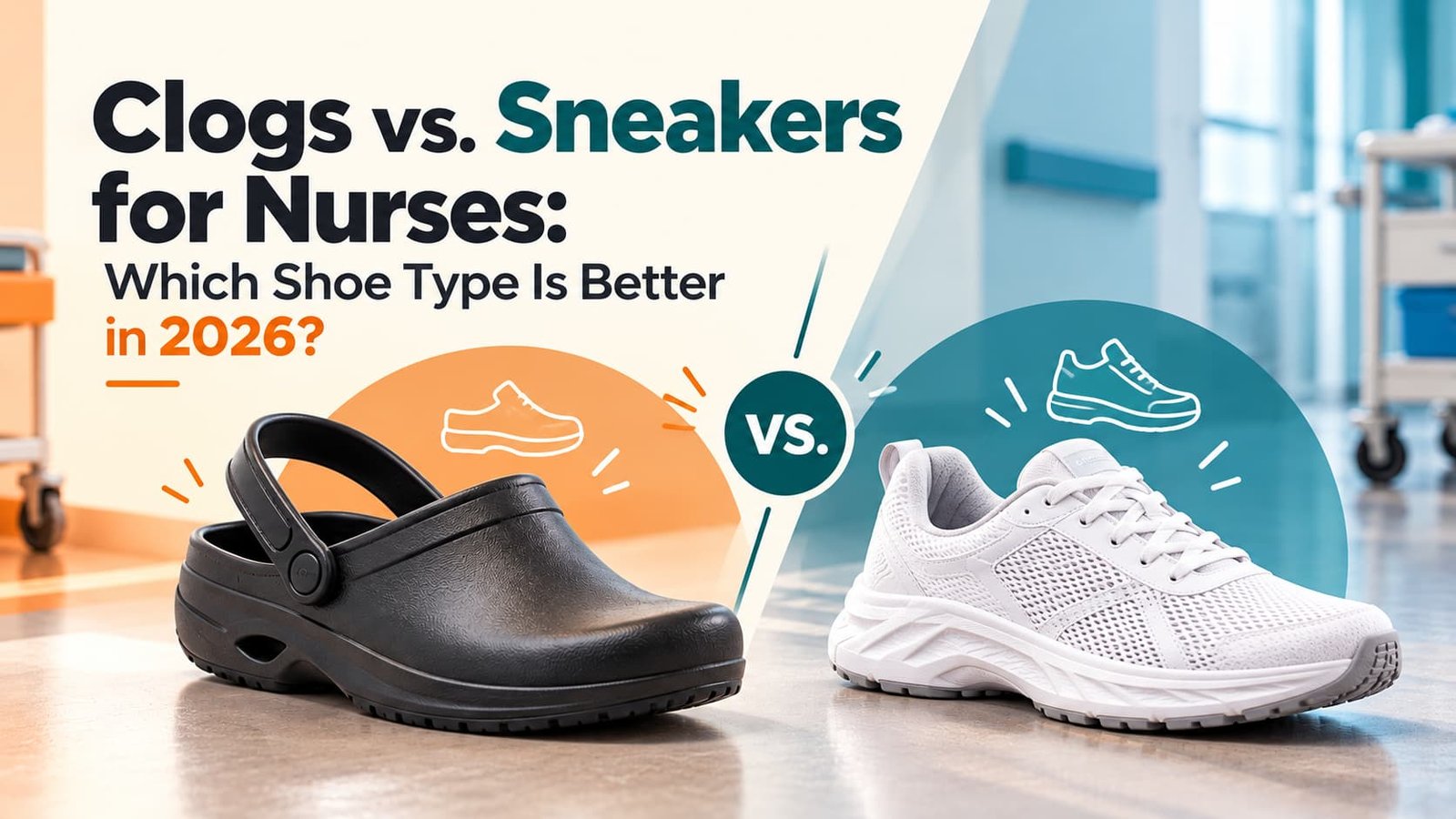
Crocs work clogs usually suit nurses who deal with spills, cleaning and quick shoe changes, because the material wipes clean and the enclosed models carry slip-resistance certifications. Sneakers usually suit nurses who walk long distances and want more cushioning and airflow. Your floor, shift length and dress code should decide.
Quick Summary: Clogs vs. Sneakers for Nurses
Clogs and sneakers can both work for nursing shifts, but the better choice depends on how much you walk, how long you stand, and the safety requirements of your workplace.
Clogs May Suit You If
- You spend long periods standing in one place.
- You prefer a firm, structured sole and a roomy fit.
- You want footwear that is easy to clean.
- Your role allows the style of clog you choose.
Sneakers May Suit You If
- You walk long distances during your shift.
- You need a secure heel for quick movement.
- You prefer cushioned soles and flexible movement.
- You need support for a busy, fast-paced unit.
Top Picks: 5 Crocs and 5 Sneakers
Crocs vs. Sneakers: Top Picks for Nurses
Compare five Crocs styles and five Skechers sneakers, including key features and practical tradeoffs. Ratings and review counts may change.
5 Best Crocs
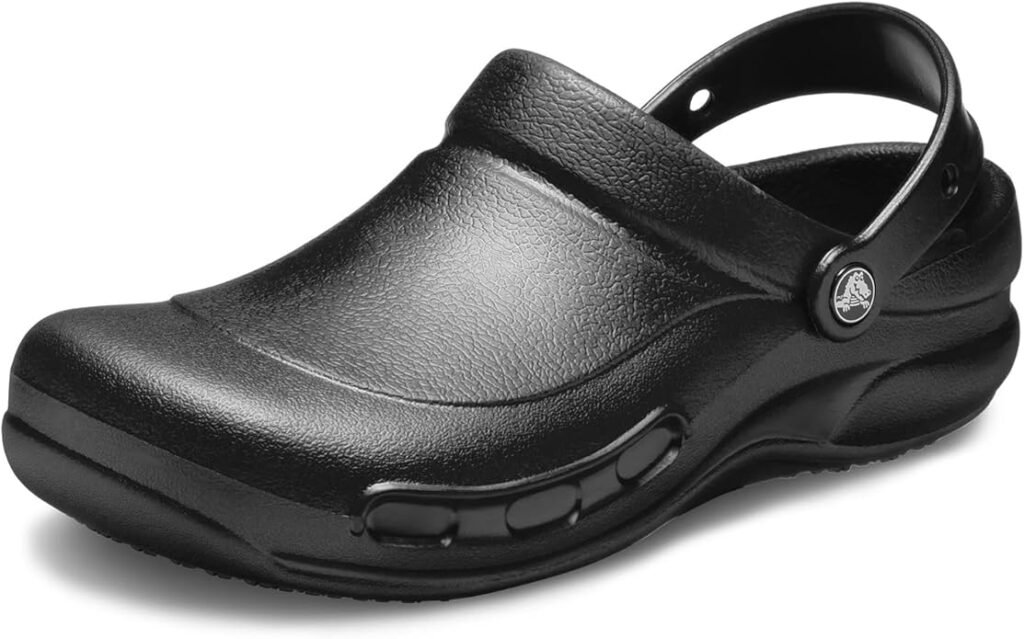 🏆 BEST OVERALL CROCS
An enclosed toe and Crocs Lock tread make this a work-oriented option. Check the brand’s sizing guidance before ordering.
🛒 Check Price on Amazon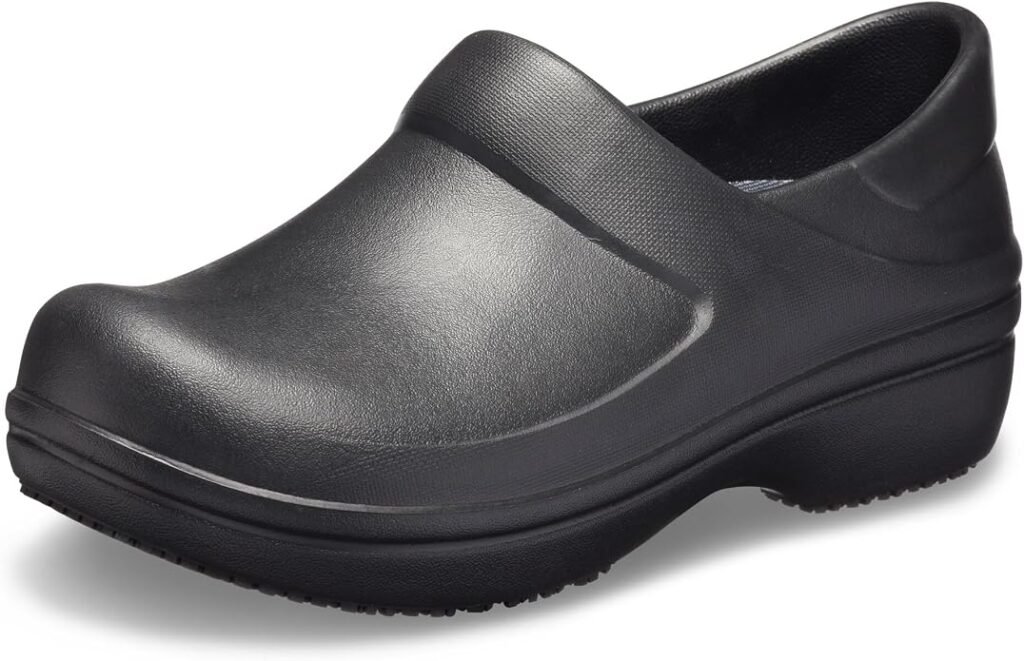 🥾 WOMEN’S WORK CLOG
A women’s work-clog design with a relaxed fit. It may feel too loose for some narrow feet, so check fit carefully.
🛒 Check Price on Amazon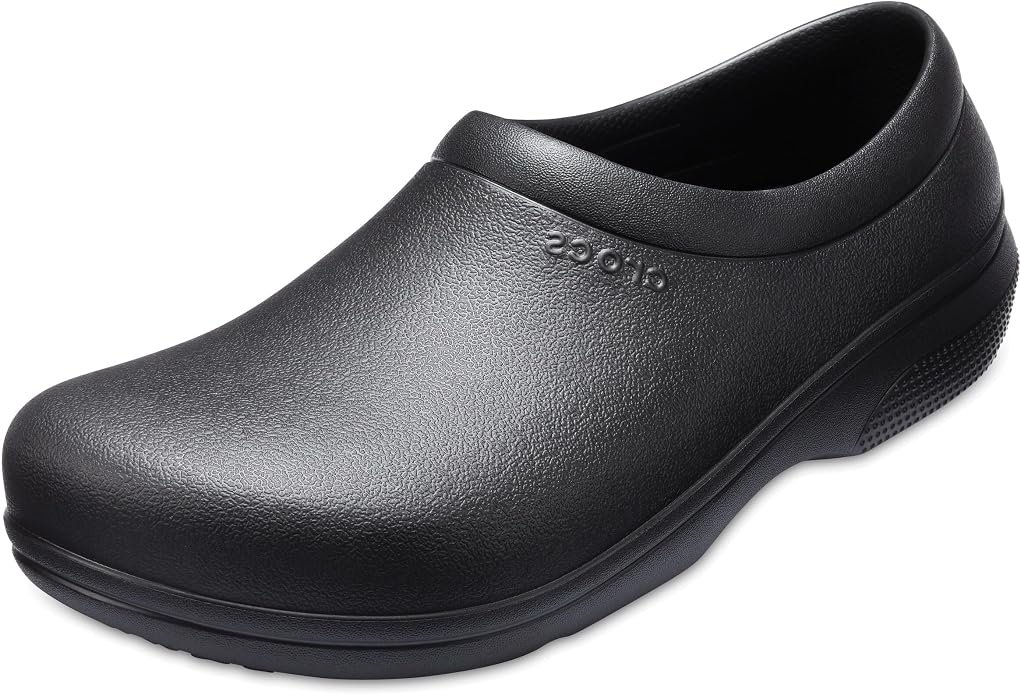 ⏱️ LONG-SHIFT PICK
A work-focused style with cushioning and a strap. Check heel security and fit for the type of movement your shift involves.
🛒 Check Price on Amazon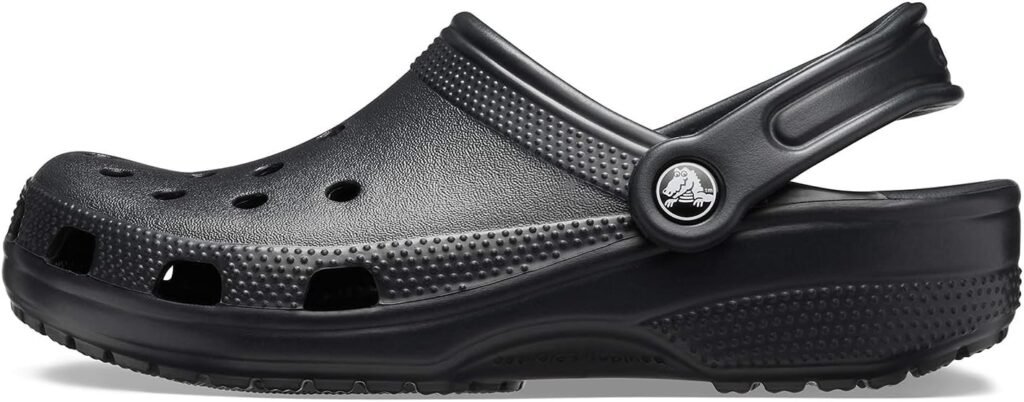 💰 CASUAL VALUE PICK
A lightweight, easy-to-clean casual clog. Do not assume it meets workplace slip-resistance requirements without checking the specific model.
🛒 Check Price on Amazon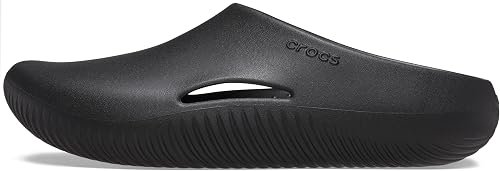 ☁️ RECOVERY PICK
A soft-feeling recovery-style clog that may suit casual wear. Verify workplace requirements before using it for nursing shifts.
🛒 Check Price on Amazon5 Best Sneakers (Skechers)
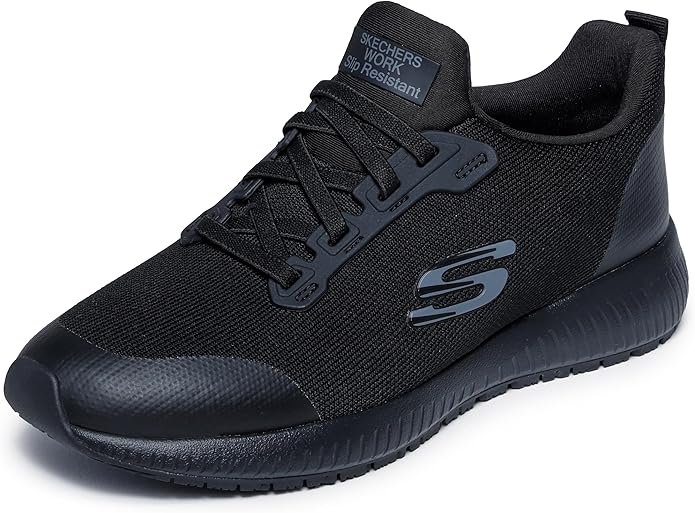 🏆 BEST OVERALL SNEAKER
A work-oriented slip-on with Memory Foam and a relaxed fit. It is not a waterproof shoe.
🛒 Check Price on Amazon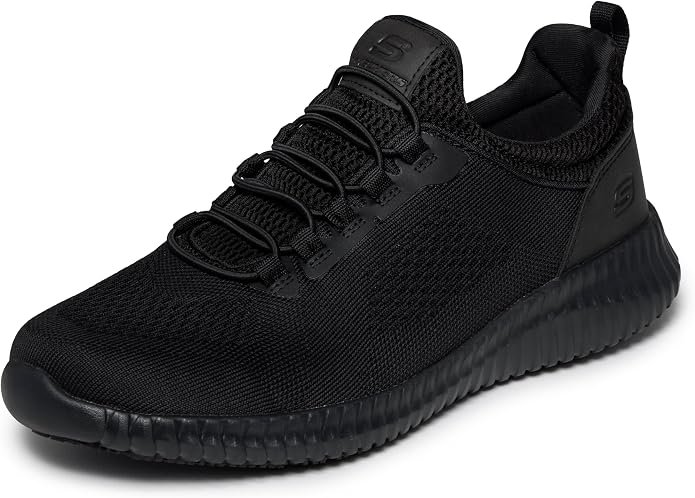 🏥 MEN’S WORK SNEAKER
A slip-resistant work shoe with a relaxed fit and bungee entry. Compare its cushioning and fit with your shift needs.
🛒 Check Price on Amazon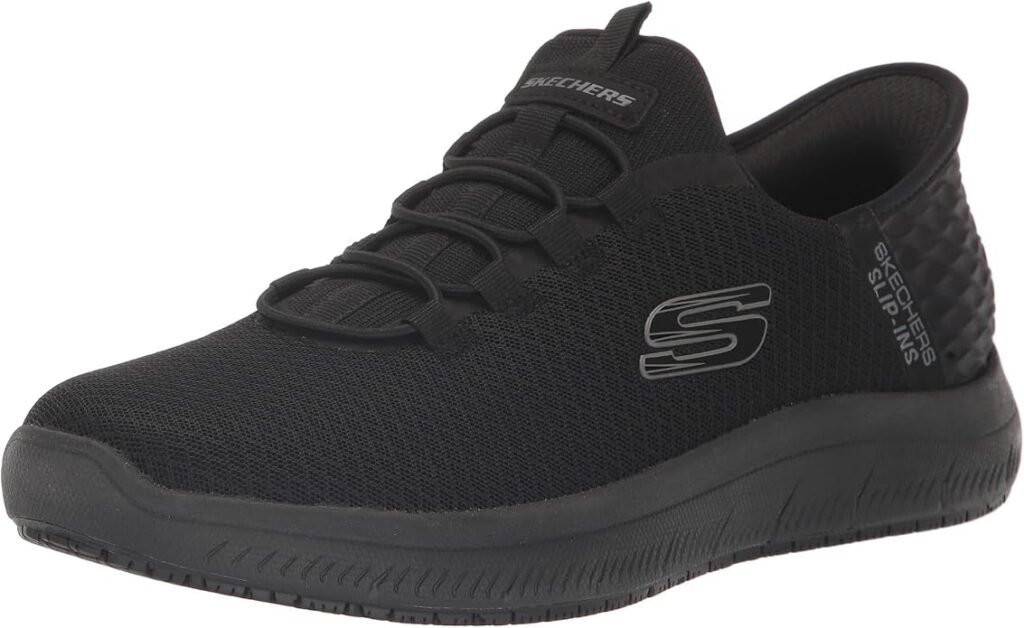 👐 HANDS-FREE PICK
A hands-free entry design with a heel pillow and Memory Foam. Confirm whether its construction suits your work environment.
🛒 Check Price on Amazon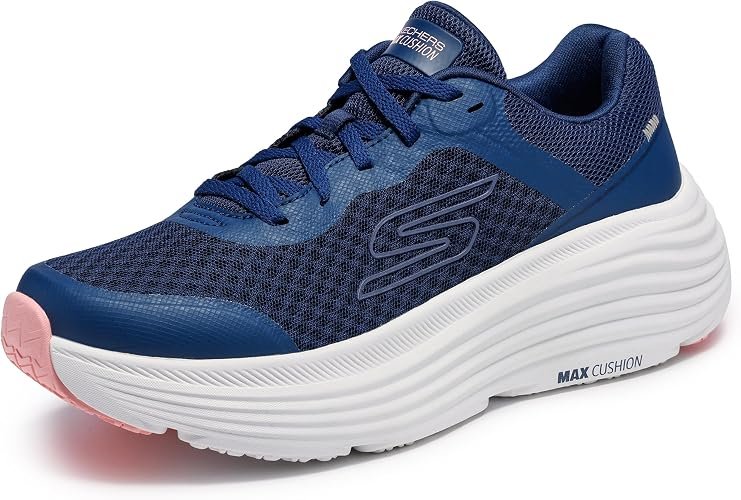 ☁️ CUSHIONED PICK
A cushioned walking shoe with a rocker-style design. It is not necessarily a substitute for a dedicated work shoe.
🛒 Check Price on Amazon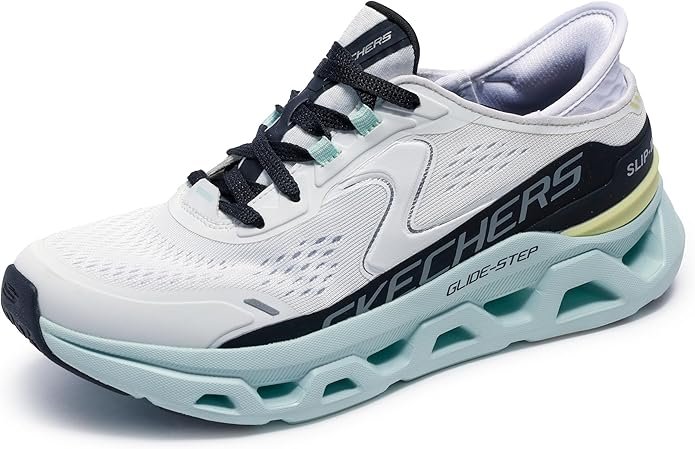 🧼 EASY-CARE PICK
A mesh athletic shoe described as machine washable. Check the specific model’s outsole suitability before wearing it at work.
🛒 Check Price on AmazonWhy Nurses Debate Crocs vs Sneakers
Picture a nurse on hour ten of a 12-hour shift in a Chicago hospital. A spill near the med cart has soaked one shoe, her heel has started to lift, and she is wondering if the clog her coworker wears would have been the better call.
That question comes up on almost every unit. Crocs work clogs promise quick cleanup and slip-resistance certifications. Sneakers promise softer cushioning and a familiar fit. Both can work, and both can fail if they do not match your floor or your dress code.
This guide compares them on the features that matter during a shift: cleanup, cushioning, slip resistance, heel hold, breathability and workplace rules. Then it gives you five Crocs and five Skechers sneakers, with the tradeoff for each. If you are still deciding how to shop, start with our how to choose nursing shoes guide, then come back to compare these two types.
What Crocs Work Clogs and Work Sneakers Are
A Crocs work clog is a molded Croslite clog with a closed toe, a ventilated or enclosed body and a tread built for slick floors. The material is waterproof and wipes clean, and the shoe slips on without laces. The enclosed models, such as the Bistro, On The Clock and Neria Pro II, list ASTM F2913-24 and F3445-24 testing, which cover slip resistance and fluid resistance. ASTM International publishes those standards. Treat a listing’s certification as a manufacturer statement, and ask your employer which standard it requires.
A work sneaker is a closed-toe athletic-style shoe with a cushioned midsole and an upper made of mesh, knit or synthetic material. Skechers work models such as the Squad and Cessnock add slip-resistant outsoles and Electrical Hazard design. Casual models such as the Glide-Step Altus and Max Cushioning Endeavour offer comfort but are not built as dedicated work shoes.
That last point matters. “Sneaker” covers shoes made for a clinic floor and shoes made for a weekend walk. A Crocs work clog is usually a work shoe by design, while a sneaker may or may not be.
Crocs vs Sneakers: Feature by Feature
Cleanup and Fluids
Crocs win here. Croslite sheds fluid, and soap and water cleans it in seconds. Mesh and knit sneakers absorb liquid and take longer to dry. Skechers lists several of its models as machine washable, which helps with everyday dirt but not with a fluid exposure you need to clean right away.
The tradeoff is breathability. Waterproof material holds heat, so feet can feel warmer late in a shift.
Cushioning
Sneakers usually win. Models like the Max Cushioning Endeavour pair a Goga Mat insole with a rocker midsole, and Skechers uses Air-Cooled Memory Foam across its range. Crocs clogs feel lighter and more springy than padded, though the On The Clock and Mellow lean softer.
Foam compresses with use in both types. Judge comfort after a few weeks of wear.
Slip Resistance
The clog format has an edge because the enclosed Crocs models list Crocs Lock tread and ASTM testing. The Skechers Squad and Cessnock list slip-resistant outsoles, while the Max Cushioning Endeavour, Glide-Step Altus and other casual models do not present themselves as work shoes. Slip risk is a floor issue as well as a shoe issue, and the Occupational Safety and Health Administration publishes guidance on slips, trips, and falls that applies to many healthcare settings.
Heel Security and Fit
Crocs run large, and every Crocs listing in this guide tells you to size down. A relaxed fit can leave the heel loose, which is why the Neria Pro II’s extra heel room helps swelling feet and bothers narrow ones. Sneakers with laces or a heel pillow lock the foot in more reliably. Slip-in designs depend on the heel pillow doing its job.
Breathability and Weight
Sneakers with mesh uppers breathe better. Crocs clogs are light, but the solid body can run warm. If you work in a warm unit, ventilation may matter more than the type.
Speed and Convenience
Clogs go on in a second. Slip-ins sneakers such as the Summits Colsin close that gap, since you step in without bending. Laced sneakers take the longest but give the most precise fit.
Who Should Choose Crocs
Crocs suit nurses who work in ICU, ER or procedural areas where fluids are common, nurses whose hospital specifies ASTM-certified footwear, and anyone who changes shoes several times a shift. The Neria Pro II suits women who want a women’s last and arch support. The Bistro is the unisex option with the largest review base.
If your priority is shoes for people on their feet most of the day, compare these with our best nursing clogs 2026 list.
Who Should Choose Sneakers
Sneakers suit nurses who walk long distances between units, work on dry floors and want more padding and airflow. A work-oriented model like the Squad or Cessnock is the safest sneaker choice if your employer asks for slip resistance. Casual models work only where the dress code allows them.
For more sneaker options, see our best nursing sneakers 2026 guide, and for men and women specifically, our best shoes for male nurses and best nursing shoes for women pages.
Nursing Workplace Considerations
Footwear rules vary by employer and unit. Operating rooms, ICUs, emergency departments, outpatient clinics and long-term care can each have different requirements. Some facilities require closed-toe and closed-heel shoes, some restrict materials or colors, and some require certified slip-resistant footwear.
Get your dress code in writing before you buy. A Crocs Classic or Mellow can suit break-room wear and still fail a clinical policy, and a casual sneaker can fail it too.
TOP Crocs Product Details
Tap image to view productCrocs Unisex-Adult Bistro Work Clogs
Key facts: Enclosed toe, waterproof Croslite body and Crocs Lock tread. Check the manufacturer’s current documentation for applicable safety standards.
Best for: Nurses whose workplace requires enclosed, easy-to-clean work footwear.
Main tradeoff: The fit may feel roomy, and the cushioning may feel firm to some wearers.
Tap image to view productCrocs Women’s Neria Pro II Work Clogs
Key facts: Women’s work-clog design with an enclosed toe and Crocs Lock tread. Confirm the current fit and safety specifications on the product listing.
Best for: Wearers who prefer a clog designed for women’s sizing.
Main tradeoff: The relaxed fit may feel loose on narrow feet. Check the size guide before ordering.
Tap image to view productCrocs On The Clock Clog
Key facts: Work-focused clog design with cushioning and a strap. Check the exact model’s heel coverage and outsole specifications.
Best for: Workers who prefer a clog-style shoe and want cushioning for extended wear.
Main tradeoff: The shape and strap may not suit every foot or work environment.
Tap image to view productCrocs Unisex-Adult Classic Clog
Key facts: Lightweight Croslite construction, ventilation ports and a casual clog design. It should not automatically be treated as certified work footwear.
Best for: Casual wear, breaks or settings where this style is permitted.
Main tradeoff: The ventilation openings and lack of verified workplace slip certification may make it unsuitable for some clinical areas.
Tap image to view productCrocs Mellow Clogs
Key facts: A recovery-style clog with a soft-feeling foam construction. Verify the exact model’s materials and outsole details.
Best for: Casual wear or relaxing after a shift.
Main tradeoff: Do not assume it offers the grip, coverage or stability needed for a clinical work environment.
Top Sneaker Product Details
Tap image to view productSkechers Women’s Squad Slip On
Key facts: Slip-resistant outsole, Memory Foam insole, Relaxed Fit, Electrical Hazard design, Scotchgard treatment and stretch laces.
Best for: Nurses who want a work-oriented slip-on sneaker with a roomier fit.
Main tradeoff: It is not waterproof, so consider your workplace’s fluid-exposure requirements.
Tap image to view productSkechers Men’s Cessnock Bungee Slip On
Key facts: Slip-resistant construction, Electrical Hazard design, Relaxed Fit, Memory Foam, bungee entry and a lightweight midsole.
Best for: Nurses who prefer a men’s work sneaker with quick slip-on entry.
Main tradeoff: It is not water resistant and is not specifically a maximum-cushioning model.
Tap image to view productSkechers Men’s Summits Colsin Bungee
Key facts: Slip-ins design, Heel Pillow, Air-Cooled Memory Foam, padded collar and machine-washable construction. Verify the exact listing for work-safety features.
Best for: Nurses who prefer hands-free entry when changing shoes.
Main tradeoff: It is not water resistant, and cushioning preferences vary by wearer.
Tap image to view productSkechers Women’s Max Cushioning Endeavour
Key facts: Goga Mat insole, lightweight midsole, Natural Rocker Technology, engineered mesh and a cushioned design.
Best for: Long walks on dry floors where athletic shoes are permitted.
Main tradeoff: It is not positioned as a dedicated work shoe and is not water resistant. If you have heel pain, see our plantar fasciitis guide rather than assuming cushioning alone is the answer.
Tap image to view productSkechers Women’s Glide-Step Altus
Key facts: Engineered mesh upper, Air-Cooled Memory Foam, Glide-Step midsole, Heel Pillow and machine-washable construction.
Best for: Everyday comfort in workplaces that allow athletic footwear.
Main tradeoff: Its casual athletic design may not meet the footwear requirements of every clinical workplace.
Comparison Table
| Need | Crocs Pick | Sneaker Pick | Which Wins |
|---|---|---|---|
| Fluid cleanup | Bistro | Glide-Step Altus (washable) | Crocs |
| Slip-resistance claims for work | Bistro, Neria Pro II | Squad, Cessnock | Tie, verify your standard |
| Cushioning | On The Clock | Max Cushioning Endeavour | Sneakers |
| Women’s fit | Neria Pro II | Squad | Depends on foot shape |
| Hands-free entry | Any pull-on clog | Summits Colsin | Tie |
| Low price | Classic | Check listings | Crocs |
| Breathability | Mellow (vents) | Mesh sneakers | Sneakers |
How to Decide in Five Steps
- Get the dress code in writing. Note any closed-toe, closed-heel or certification rule.
- Name your worst floor. Fluids and spills point to a Crocs work clog.
- Count walking versus standing. Long walks favor a cushioned sneaker.
- Try shoes on at the end of the day with your work socks. Size down in Crocs.
- Test the heel. Walk briskly. If it lifts, pick another shoe.
For long standing, our best shoes for nurses who stand all day guide covers more options.
Tap the statement closest to your week.
I work near fluids or cleaning most shifts
Start with a closed-back clog with a wipe-clean upper, such as the Crocs Neria Pro II or Dansko Kane.
I walk long distances between units
Start with a cushioned work sneaker with a firm heel counter and a supportive midsole.
I change shoes often and need speed
A pull-on clog or slip-in sneaker saves time. Make sure the heel stays put when you walk quickly.
My feet get hot on shift
Look for ventilation or a mesh upper. Breathable uppers help, but they are harder to wipe clean.
FAQ
Are Crocs or sneakers better for nurses?
Crocs work clogs are usually better for cleanup and certified slip resistance. Sneakers are usually better for cushioning and airflow. Choose by floor, shift length and dress code.
Are Crocs good for nursing shifts?
Enclosed Crocs such as the Bistro, Neria Pro II and On The Clock are built for work and list ASTM testing. The Classic and Mellow are better for casual or off-shift wear.
Do Crocs run large?
The Crocs listings in this guide say so. Most buyers should size down, and women between sizes should check each model’s sizing note.
Are sneakers allowed in hospitals?
Many hospitals allow closed-toe sneakers, and some restrict style, color or materials. Check your dress code first.
Do nurses need slip-resistant shoes?
Many do on hard or wet floors. A listing does not confirm your employer’s standard, so ask your manager.
Which is better for long shifts, Crocs or Skechers?
It depends on the model. Skechers sneakers usually have more cushioning, while the On The Clock offers soft cushioning in a clog.
Are Crocs waterproof?
The Croslite models in this guide are listed as waterproof. Most Skechers sneakers here are not water resistant.
Can nurses wear Crocs with ventilation holes?
Some units restrict vented shoes because fluids can pass through. Check your policy before buying a vented clog.
How often should I replace work shoes?
There is no set schedule. Replace shoes when cushioning flattens, tread wears smooth or the upper cracks.
Final Verdict
- For fluids and certified slip resistance, choose the Crocs Bistro.
- For a women’s fit with arch support, choose the Crocs Neria Pro II.
- For long shifts in a soft clog, choose the Crocs On The Clock.
- For a work sneaker, choose the Skechers Squad (women) or Cessnock (men).
- For maximum cushioning on dry floors, choose the Max Cushioning Endeavour.
No single shoe suits every nurse. If your floors are wet, lean toward Crocs. If your floors are dry and you walk a lot, lean toward a work sneaker. For a full overview, start with our best shoes for nurses.
Affiliate Disclosure
Some links on this page are affiliate links. If you purchase through them, Urban Style Footwear may earn a commission at no additional cost to you. Our recommendations are based on the product information, footwear characteristics, and buying criteria discussed in this guide, not on the size of the commission.