
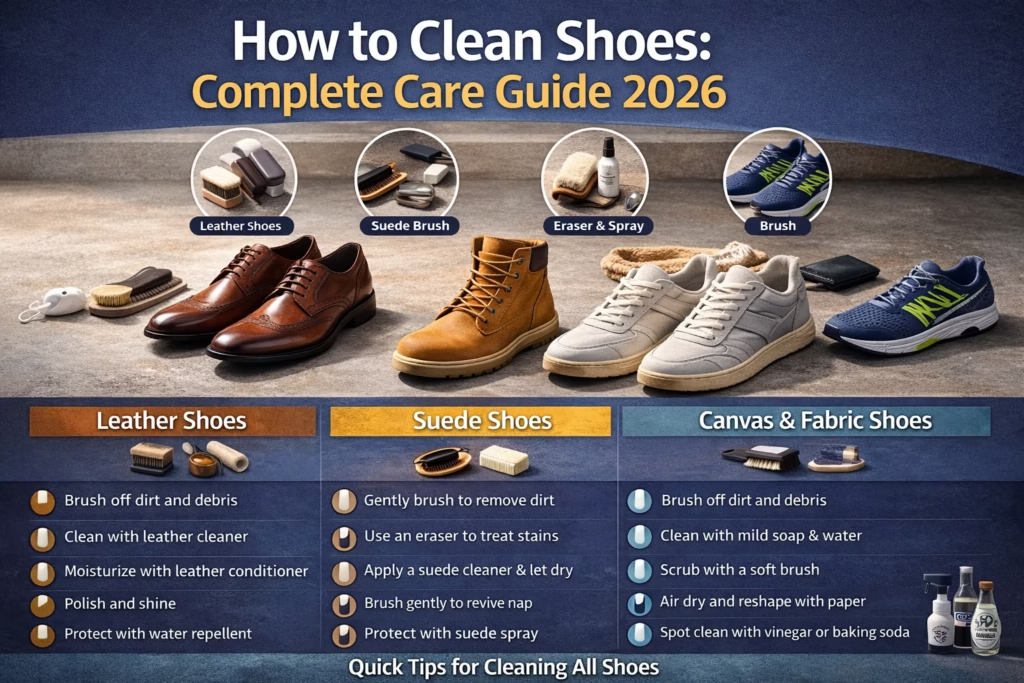
How to Clean Shoes: Complete Care Guide 2026 | Leather, Suede, Canvas & More
Your shoes represent a significant investment—both financially and in the miles they carry you. Whether you’ve spent $50 or $500, proper care extends lifespan by years, maintains appearance, prevents health issues, and saves money by reducing replacement frequency. This comprehensive guide provides expert techniques for cleaning every shoe material, removing persistent odors, waterproofing effectively, solving common problems, and knowing when replacement becomes necessary.
Table of Contents
Why Shoe Care Matters
Financial implications are substantial: Regular maintenance extends shoe lifespan by 200-400%. A $150 pair of leather dress shoes with proper care (cleaning, conditioning, resoling) lasts 5-10 years. Without care, the same shoes deteriorate in 12-18 months. The math is compelling: investing $30 annually in shoe care products versus replacing $150 shoes every year saves $600-1,200 over five years.
Health considerations extend beyond aesthetics: Bacteria and fungi thrive in warm, moist shoe environments. Neglected footwear breeds microorganisms causing athlete’s foot, toenail fungus, and persistent odor. A 2024 study published in the Journal of Foot Health found that shoes worn daily without cleaning harbor 421,000 bacteria per square inch—nine times more than a toilet seat. Regular cleaning eliminates 99% of these pathogens.
Performance degradation affects function: Athletic shoes lose cushioning effectiveness as midsole foam compresses with dirt and sweat infiltration. Proper cleaning and drying between uses preserves shock absorption properties. Running shoes cleaned regularly maintain 85-90% of original cushioning at 400 miles versus 60-70% for neglected pairs.
Environmental impact matters increasingly: The global footwear industry produces 24+ billion pairs annually, with 300 million pairs entering landfills yearly in the US alone. Extending one pair’s lifespan by just one year prevents approximately 30 pounds of CO2 emissions and 8 gallons of water waste from manufacturing replacement shoes. Proper care is environmental responsibility.
Industry Expert Insight: Professional cobblers report that 70% of shoes brought for “repair” actually need proper cleaning and conditioning rather than structural work. Basic maintenance prevents expensive repairs and premature replacement. The most common issue? Dried-out leather from lack of conditioning—a $5 problem that becomes a $50+ repair or total loss.
How Often Should You Clean Shoes
Cleaning frequency depends on shoe type, usage intensity, environment, and material. Following category-specific schedules prevents both under-maintenance (allowing permanent damage) and over-cleaning (accelerating wear through excessive treatment).
Athletic and Running Shoes
Standard usage (3-4 times weekly): Full cleaning every 2-3 weeks. Quick spot cleaning after each muddy or wet use. Inspect weekly for embedded debris in treads or uppers. Detailed maintenance schedule: mesh running shoe cleaning.
Intensive usage (daily running or training): Full cleaning weekly. Rotate between two pairs to allow 24-48 hours drying time between uses. Replace insoles monthly to maintain hygiene and cushioning.
Trail running shoes: Clean after EVERY use. Trail debris (mud, rocks, organic matter) accelerates degradation if left to dry and harden. Immediate post-run cleaning prevents permanent staining and premature material breakdown.
Dress Shoes and Leather Footwear
Daily wear: Quick wipe-down after each use with soft cloth. Deep cleaning and conditioning every 2-4 weeks. Polish weekly for high-shine finishes. Professional techniques: repairing scuffed leather.
Occasional wear (1-2 times weekly): Deep cleaning monthly. Condition every 6-8 weeks. Polish before each wear if appearance-critical events.
Storage/seasonal shoes: Clean thoroughly before storage. Re-condition after 3-4 months in storage. Inspect monthly for mold or degradation.
Casual Sneakers and Canvas Shoes
Regular daily wear: Spot clean as needed (typically 2-3 times weekly). Deep cleaning every 2-4 weeks. Machine wash (if appropriate) monthly. Canvas-specific care: canvas shoe cleaning guide.
White sneakers requiring pristine appearance: Spot clean after every wear. Deep cleaning weekly. Specialized treatments for yellowing prevention. Complete guide: cleaning white sneakers with toothpaste.
Suede and Nubuck Shoes
Regular wear: Brush after each use with suede brush to maintain nap and remove surface dirt. Deep cleaning every 4-6 weeks or as stains occur. Waterproofing spray reapplication monthly. Specialized care: suede cleaning techniques.
Seasonal/occasional wear: Brush before and after each use. Deep clean 2-3 times per season. Waterproof before season start and monthly during use.
Work Boots and Safety Shoes
Daily worksite use: Remove debris after each use. Deep cleaning weekly. Condition leather monthly. Inspect safety features (toe caps, puncture plates) weekly. Replace when safety compromise detected.
| Shoe Type | Quick Clean Frequency | Deep Clean Frequency | Special Treatment |
|---|---|---|---|
| Running Shoes (Regular Use) | After muddy/wet wear | Every 2-3 weeks | Odor control weekly |
| Running Shoes (Daily Use) | After each use | Weekly | Insole replacement monthly |
| Leather Dress Shoes (Daily) | After each wear | Every 2-4 weeks | Polish weekly, condition monthly |
| Leather Dress Shoes (Occasional) | Before each wear | Monthly | Condition every 6-8 weeks |
| White Sneakers | After each wear | Weekly | Anti-yellowing treatment monthly |
| Canvas Shoes | 2-3 times weekly | Every 2-4 weeks | Machine wash monthly (if safe) |
| Suede Shoes | After each wear (brush) | Every 4-6 weeks | Waterproof spray monthly |
| Trail Running Shoes | After EVERY use | After EVERY use | Tread inspection weekly |
| Work Boots | Daily debris removal | Weekly | Condition monthly, safety check weekly |
Over-Cleaning Warning: Excessive cleaning accelerates deterioration. Washing shoes more than once weekly (unless sports/work requires it) strips natural oils from leather, weakens adhesives, and degrades synthetic materials. Clean when genuinely dirty, not on arbitrary schedules.
Essential Shoe Care Supplies
Building a comprehensive shoe care kit requires modest investment ($50-100) but saves hundreds in extended shoe lifespan and avoided replacements. Organize supplies by shoe material for efficiency.
Universal Supplies (All Shoe Types)
- Soft-bristle brush: Removes surface dirt without scratching. Natural horsehair ideal for delicate materials.
- Firm-bristle brush: For outsoles, treads, rubber components. Old toothbrush works for detailed areas.
- Microfiber cloths (pack of 10+): Lint-free, highly absorbent, reusable. Essential for all materials.
- Mild dish soap or shoe-specific cleaner: pH-neutral formulations prevent material damage.
- White vinegar: Natural cleaner and deodorizer. Effective on multiple materials (diluted 1:1 with water).
- Baking soda: Odor absorption, mild abrasive for stain removal, pH neutralizer.
- Shoe trees (cedar): Maintain shape, absorb moisture, prevent creasing, provide fresh scent. Critical for leather dress shoes.
- Newspaper or paper towels: Stuffing wet shoes to absorb moisture and maintain shape during drying.
Leather-Specific Supplies
- Leather cleaner: Removes dirt and oils without stripping leather’s natural moisture. Saddle soap traditional choice.
- Leather conditioner: Replaces oils, prevents cracking, maintains flexibility. Apply every 4-6 weeks for daily-wear shoes.
- Shoe polish (cream and wax): Cream polish for nourishment and color restoration. Wax polish for high shine and protection.
- Applicator brushes and cloths: Separate brushes for each polish color prevent color transfer.
- Leather waterproofing spray: Silicone or wax-based formulations create water-resistant barrier.
Suede & Nubuck Supplies
- Suede brush (brass bristles): Restores nap, removes dirt embedded in texture. Brush in one direction only.
- Suede eraser: Removes scuffs and light stains without liquid cleaners.
- Suede cleaner: Specialized formulation for stains requiring liquid treatment. Test on hidden area first.
- Suede protector spray: Creates stain and water-resistant barrier. Reapply monthly for active wear.
Athletic & Mesh Shoe Supplies
- Mesh-safe cleaner: Low-foaming, quick-rinsing formula prevents residue in mesh weave.
- Soft toothbrush: Reaches mesh texture and tight areas without tearing delicate materials.
- Magic eraser (melamine foam): Removes scuffs from rubber soles and midsoles. Use gently—abrasive action.
- Hydrogen peroxide (3%): Whitening agent for yellowed soles and mesh. Mix with baking soda for paste.
Specialized Cleaning Tools
- Shoe cleaning kit (pre-packaged): Convenient all-in-one options from Jason Markk, Reshoevn8r, or Crep Protect. Include brushes, solutions, and cloths.
- UV shoe sanitizer: Kills 99.9% of bacteria and fungi using UV-C light. Particularly effective for odor-causing microorganisms.
- Shoe washing bags: Mesh bags protect shoes during machine washing, prevent damage from drum impact.
- Boot shapers/stands: Maintain tall boot shape during storage, prevent shaft collapse and creasing.
Cleaning By Material
Material-specific cleaning prevents damage while maximizing results. Using wrong techniques destroys shoes—water on suede causes permanent stains; harsh chemicals on mesh cause disintegration; excessive moisture on leather causes cracking.
Leather Shoes: Complete Cleaning Process
Leather is durable yet requires gentle care. Natural material responds to proper treatment by developing rich patina and lasting decades. Neglected leather dries, cracks, and deteriorates in months.
Step-by-Step Leather Cleaning
1Remove laces and insoles: Clean separately in warm soapy water. Allow to air dry completely before reinstalling.
2Dry brush surface: Use soft-bristle brush (horsehair ideal) to remove surface dust and debris. Brush in direction of leather grain.
3Prepare cleaning solution: Mix small amount of saddle soap or leather cleaner with lukewarm water. Alternatively, create solution of 1 part white vinegar to 1 part water for light cleaning.
4Clean leather surface: Dampen (not saturate) soft cloth with cleaning solution. Wipe leather in gentle circular motions. Work in sections. Avoid soaking leather with excessive water.
5Address stubborn stains: For scuffs and marks, apply small amount of cleaner directly to cloth and work into stain gently. For ink stains, see specialized guide: removing ink from leather.
6Remove cleaning residue: Wipe entire shoe with clean, damp cloth to remove soap residue. Soap left on leather attracts dirt and causes drying.
7Dry properly: Stuff shoes with newspaper to maintain shape and absorb interior moisture. Allow to air dry at room temperature away from direct heat (radiators, sunlight, hair dryers). Drying time: 24-48 hours depending on humidity. Techniques: drying wet shoes safely.
8Condition leather: Once completely dry, apply leather conditioner with soft cloth in circular motions. Allow to absorb 15-20 minutes. Buff excess with clean cloth. Conditioning frequency: every 4-6 weeks for daily wear, every 2-3 months for occasional wear.
9Polish (optional for dress shoes): Apply cream polish matching leather color for nourishment and color restoration. Buff with horsehair brush. For high shine, apply thin layer of wax polish and buff vigorously with soft cloth.
10Protect: Apply leather waterproofing spray in well-ventilated area. Hold 6-8 inches from shoe, spray evenly. Allow to dry 24 hours before wearing.
Critical Leather Care Mistakes: Never saturate leather with water (causes cracking and shrinkage), never use harsh chemicals like bleach or acetone (dissolves finish and dyes), never dry near heat sources (causes irreversible cracking), never skip conditioning (dried leather cracks permanently), and never use shoe polish alone without cleaning first (seals dirt against leather).
Suede & Nubuck: Specialized Care Requirements
Suede and nubuck are leather’s delicate cousins—soft, luxurious, and notoriously temperamental. Water causes permanent staining; improper brushing ruins texture; wrong cleaners discolor material. However, proper care maintains beautiful appearance indefinitely.
Daily Suede Maintenance
After each wear: Brush with suede brush (brass bristles) in one direction to restore nap and remove surface dirt. Brushing prevents dirt from embedding in texture where it becomes difficult to remove. Store with cedar shoe trees if dress shoes.
Dry Cleaning Method (Preferred for Regular Maintenance)
1Brush vigorously: Use suede brush across entire surface. Brush in direction that restores nap (typically heel to toe). This removes 80-90% of surface dirt without liquids.
2Address scuffs: Use suede eraser (looks like pink pencil eraser) on scuffed areas. Rub gently until scuff disappears. Brush area afterward to restore nap.
3Remove embedded dirt: For dirt embedded in nap, use brass-bristle brush more aggressively in multiple directions to lift dirt from texture. Finish by brushing in nap direction.
Wet Cleaning Method (Only When Necessary for Stains)
Water Warning: Use minimal moisture. Never saturate suede. Water causes permanent staining and texture changes. Always test cleaning method on hidden area first.
1Blot fresh stains immediately: Use clean, dry cloth to absorb liquid before it sets. Never rub—blotting only.
2For dried stains: Dampen (barely moist) clean white cloth with white vinegar or specialized suede cleaner. Blot stained area gently. For oil stains: removing oil from suede.
3Absorb moisture immediately: Blot with dry cloth to remove as much moisture as possible.
4Dry properly: Stuff with newspaper, allow to air dry completely at room temperature (24-48 hours). Never apply heat.
5Restore nap: Once dry, brush vigorously with suede brush to restore texture. Brush in multiple directions then finish in nap direction.
6Protect: Apply suede protector spray in ventilated area. Hold 8 inches from shoe, apply thin even coat. Let dry 24 hours. Reapply monthly or after any wet cleaning.
Suede Care Comparison: Professional vs DIY Methods
| Method | Best For | Cost | Effectiveness | Risk Level |
|---|---|---|---|---|
| Dry Brushing Only | Regular maintenance, light dirt | $15 (brush) | High for surface dirt | Very Low |
| Suede Eraser | Scuffs, light marks | $8-12 | High for scuffs | Very Low |
| White Vinegar (Diluted) | Water stains, salt stains | $3 (household item) | Medium-High | Medium (test first) |
| Commercial Suede Cleaner | Stubborn stains, deep cleaning | $12-25 | High | Low-Medium (follow instructions) |
| Professional Cleaning | Severe stains, valuable shoes | $25-50 per pair | Very High | Very Low |
| Suede Protector Spray (Prevention) | New shoes, after cleaning | $10-20 | Very High for prevention | Very Low |
Canvas Shoes: Deep Cleaning Techniques
Canvas is forgiving material that tolerates aggressive cleaning better than leather or suede. Machine washing is often possible, though hand cleaning provides more control and gentler treatment.
Hand Cleaning Method (Recommended)
1Pre-treatment: Remove laces and insoles. Knock shoes together to remove loose dirt. Dry brush to remove surface debris.
2Create cleaning solution: Mix 1 tablespoon mild detergent (dish soap or laundry detergent) with 2 cups warm water. For stubborn stains, create paste of baking soda and water.
3Clean canvas upper: Dip soft brush or cloth in solution. Scrub canvas in circular motions, paying attention to stained areas. Apply baking soda paste to stubborn stains, let sit 10-15 minutes, then scrub.
4Clean rubber soles and toe caps: Use firmer brush with cleaning solution. Magic eraser works excellent for removing scuffs from white rubber.
5Rinse thoroughly: Use clean damp cloth to wipe away all soap residue. Multiple passes ensure no soap remains (soap attracts dirt).
6Dry properly: Stuff with newspaper, air dry in ventilated area away from direct heat and sunlight. Drying time: 24-48 hours.
Detailed canvas care: complete canvas cleaning guide.
Machine Washing Method (When Appropriate)
Machine Washable Canvas Shoes: Basic canvas sneakers, Converse All-Stars, Vans (canvas models), Keds, TOMS. NOT suitable for: canvas shoes with leather trim, delicate embellishments, significant glue bonding, or manufacturer warnings against machine washing.
1Preparation: Remove laces and insoles (wash separately in mesh bag or by hand). Remove loose dirt with brush. Place shoes in mesh laundry bag or pillowcase tied closed.
2Washing settings: Cold water only (hot water damages glue). Gentle or delicate cycle. Mild detergent (half normal amount). Add towels to balance load and provide cushioning. Specific brand guidance: washing Skechers.
3Drying: Never machine dry (heat damages shoes irreparably). Air dry only, stuffed with newspaper, in ventilated area. Drying time: 48-72 hours depending on humidity.
Mesh & Knit: Delicate Material Care
Mesh and engineered knit materials dominate modern athletic shoes. While highly breathable and lightweight, these materials require gentle cleaning to prevent tearing, fraying, or losing structural integrity.
Mesh Cleaning Process
1Dry brush first: Use soft brush to remove dirt before introducing moisture. Brushing wet mesh pushes dirt deeper into weave.
2Prepare gentle solution: Mix small amount of mild detergent with lukewarm water. Never use hot water on mesh (weakens synthetic fibers).
3Clean with minimal moisture: Dampen soft cloth or sponge (not saturated) with solution. Gently dab and wipe mesh. Use soft toothbrush for textured areas, brushing gently in circular motions.
4Rinse residue: Use clean damp cloth to remove all soap. Soap residue in mesh attracts dirt and can cause yellowing.
5Dry thoroughly: Stuff with newspaper, air dry in shaded ventilated area. Never apply direct heat (causes shrinkage and yellowing). Drying time: 24-48 hours. Complete guide: mesh running shoe cleaning.
Mesh Cleaning Mistakes to Avoid: Never use harsh chemicals or bleach (dissolves fibers), never scrub aggressively (tears delicate weave), never wring or twist mesh shoes (deforms structure), never use hot water (causes shrinkage), and never machine dry (heat damage and severe shrinkage).
White Sneakers: Maintaining Pristine Appearance
White sneakers are footwear’s ultimate challenge—gorgeous when clean, obviously dirty when not. Yellowing, staining, and discoloration plague white materials. However, targeted techniques restore brilliant whiteness.
General White Sneaker Cleaning
1Remove surface dirt: Dry brush to remove loose dirt. Attempting to clean without this step spreads dirt and creates mud.
2Create whitening paste: Mix 1 tablespoon baking soda + 1 tablespoon hydrogen peroxide (3%) + 1 tablespoon warm water. Creates mildly abrasive, whitening paste.
3Apply to stained areas: Use old toothbrush to apply paste to yellowed or stained areas. Work in circular motions. Let sit 15-20 minutes for deeper stains.
4Scrub gently: Use toothbrush to scrub paste into material. For canvas: moderate pressure okay. For leather: gentle pressure only.
5Alternative: toothpaste method: White non-gel toothpaste (not colored gel) works as mild abrasive cleaner. Apply with toothbrush, scrub gently, rinse thoroughly. Detailed instructions: toothpaste cleaning method.
6Clean rubber soles and midsoles: Magic eraser excels at removing scuffs and yellowing from white rubber. Dampen slightly, rub over rubber in gentle circular motions.
7Rinse completely: Use clean damp cloth to remove all cleaning products. Residue attracts dirt and can cause yellowing.
8Address yellowed soles: Rubber soles yellow from oxidation. Specialized treatments: whitening yellow soles.
9Dry in shade: Direct sunlight causes yellowing. Dry in shaded, ventilated area with newspaper stuffing.
White Leather Sneaker Specific Care
White leather requires leather-safe cleaning. Use leather cleaner or solution of 1 part white vinegar to 1 part water. Clean with soft cloth, condition after cleaning to prevent cracking, avoid excessive water exposure.
Preventing White Sneaker Yellowing
- Store in darkness: UV exposure causes yellowing. Store in boxes or cloth bags.
- Apply protector spray: Water and stain protector prevents many stains from setting.
- Clean promptly: Fresh stains remove easily; set stains become permanent.
- Avoid bleach: Paradoxically, bleach yellows white shoes through oxidation. Use oxygen-based whiteners instead.
- Dry properly: Never direct sunlight or heat. Both accelerate yellowing.
Other Specialized Materials
Velvet Shoes
Velvet is delicate pile fabric requiring specialized care. Never use water or wet cleaning methods (permanently damages pile). Use soft brush to remove surface dirt, brushing with nap direction. For stains, use velvet-specific cleaner or dry cleaning services. Detailed care: velvet shoe maintenance.
Sheepskin and Fur-Lined Boots
Sheepskin (Ugg-style boots) requires gentle cleaning to preserve fur lining. Use specialized sheepskin cleaner, never saturate material, brush fur while damp to prevent matting, and dry slowly stuffed with paper. Complete guide: sheepskin boot care.
Synthetic Leather and PU
Synthetic leather cleans easily with mild soap and water. More resistant to water damage than real leather. However, cannot be conditioned (no leather oils to absorb). Clean with damp cloth and mild soap, dry with clean cloth, apply silicone-based protector for shine and water resistance.
Patent Leather
Patent leather’s high-gloss finish scratches easily. Wipe with damp soft cloth only (no brushes). For scuffs, use patent leather-specific cleaner or small amount of petroleum jelly applied with soft cloth then buffed. Never use regular leather polish (dulls shine).
Rubber and Plastic Shoes (Crocs, Rain Boots)
Easiest material to clean. Wash with soap and water, use brush for textured surfaces, can use Magic eraser on scuffs, rinse thoroughly, air dry. Some safe for machine washing (check manufacturer guidelines). Specific care: cleaning white Crocs.
How to Remove Odor from Shoes
Shoe odor stems from bacteria feeding on sweat in warm, dark shoe environments. Each foot has 250,000+ sweat glands producing up to 1 pint of sweat daily. Without intervention, bacteria colonies thrive, producing malodorous compounds (isovaleric acid, butyric acid, propionic acid). Effective odor elimination requires both killing bacteria and neutralizing existing odors.
Immediate Odor Prevention Strategies
Moisture management is critical:
- Rotate shoes daily: Never wear same pair consecutive days. Requires minimum 24 hours (preferably 48) to fully dry between wears. Moisture from one wear provides bacterial breeding ground; rotation allows complete drying.
- Remove insoles after each wear: Allows air circulation throughout shoe interior. Insoles harbor most bacteria and sweat.
- Use cedar shoe trees immediately after wear: Cedar absorbs moisture while releasing natural oils that inhibit bacterial growth and provide pleasant scent. Particularly effective for leather dress shoes.
- Wear moisture-wicking socks: Merino wool, bamboo, or synthetic moisture-wicking socks draw sweat away from feet. Cotton socks trap moisture against skin, increasing bacterial growth.
- Apply foot powder before wearing: Antibacterial foot powder absorbs moisture and inhibits bacterial growth. Apply to feet and inside shoes.
Active Odor Elimination Methods
Method 1: Baking Soda Treatment (Most Effective Budget Option)
1Remove insoles from shoes. Sprinkle generous amount of baking soda inside both shoes (2-3 tablespoons per shoe). Shake shoes to distribute baking soda throughout interior. Let sit overnight (minimum 8 hours, 24 hours for severe odor). Shake out baking soda thoroughly before wearing. How it works: Baking soda (sodium bicarbonate) neutralizes acidic odor compounds through chemical reaction and physically absorbs odor molecules.
Method 2: Freezing Method (Kills Bacteria)
1Place shoes in sealed plastic freezer bags (gallon size). Ensure shoes are dry before freezing (moisture creates ice that damages materials). Place in freezer for 24-48 hours. Remove and allow to return to room temperature before wearing. How it works: Freezing temperatures (-10°F to 0°F) kill most odor-causing bacteria. Not all bacteria die (some spore-forming bacteria survive), but typically eliminates 90%+ of odor-causing organisms. Comprehensive guide: instant odor removal techniques.
Method 3: UV Shoe Sanitizer (Technology Solution)
UV-C light (wavelength 254nm) kills 99.9% of bacteria, fungi, and viruses in 15-45 minutes. Insert UV sanitizer devices into shoes, activate for specified duration (varies by device, typically 15-45 minutes). Effectiveness: Scientific studies confirm UV-C germicidal properties. One 2023 study found 99.7% bacterial reduction in 20 minutes. Cost: $30-80 for quality devices. Benefit: reusable indefinitely, treats odor at source (bacteria) rather than masking.
Method 4: Alcohol Spray (Quick Solution)
Mix 1 part rubbing alcohol (isopropyl alcohol 70%) with 1 part water in spray bottle. Add 5-10 drops tea tree oil (optional, natural antibacterial). Spray inside shoes thoroughly, including insoles. Allow to air dry completely (alcohol evaporates quickly, typically 2-4 hours). How it works: Alcohol kills bacteria on contact. Evaporates completely leaving no residue. Tea tree oil provides additional antibacterial properties and pleasant scent.
Method 5: Activated Charcoal Inserts
Bamboo charcoal odor eliminators (pouches or inserts) absorb moisture and odors. Place in shoes after each wear. Reactivate monthly by placing in direct sunlight for 1-2 hours (releases absorbed moisture and odors). Last 1-2 years with proper reactivation. Cost: $10-20 for set of pouches. Advantage: passive odor control, no chemicals, reusable.
Preventive Odor Control
- Wash feet daily: Sounds obvious, but 40% of people don’t wash feet during daily shower. Use antibacterial soap, dry thoroughly between toes.
- Replace insoles regularly: Insoles absorb sweat and harbor bacteria. Replace every 3-6 months depending on use intensity. Cost-effective odor prevention.
- Air out shoes after each wear: Don’t immediately put shoes in closet. Leave in ventilated area for several hours to dry.
- Use antibacterial shoe spray: Commercial sprays (Lysol, specialized shoe sprays) kill bacteria. Spray inside shoes after each wear.
- Disinfect second-hand shoes: Used shoes require thorough disinfection before wearing. Complete process: disinfecting used shoes.
| Odor Removal Method | Effectiveness | Time Required | Cost | Best For |
|---|---|---|---|---|
| Baking Soda | High (85-90%) | 8-24 hours | $3 (box) | Mild to moderate odor, all materials |
| Freezing | Very High (90-95%) | 24-48 hours | Free | Severe odor, most materials (not patent leather) |
| UV Sanitizer | Highest (99%+) | 15-45 minutes | $30-80 (one-time) | Regular prevention, all materials, reusable |
| Alcohol Spray | High (85-90%) | 2-4 hours | $5-10 | Quick treatment, between wears |
| Activated Charcoal | Medium (70-80%) | Ongoing (passive) | $10-20 (lasts 1-2 years) | Prevention, passive ongoing control |
| Cedar Shoe Trees | Medium (60-70%) | Ongoing (passive) | $25-50 (lasts years) | Leather shoes, daily prevention |
| Commercial Deodorizer Spray | Low-Medium (50-70%) | Immediate (temporary) | $5-15 | Quick masking, between thorough treatments |
How to Waterproof Shoes Effectively
Waterproofing prevents water damage, extends shoe lifespan, and maintains comfort in wet conditions. Different materials require specific waterproofing approaches. Proper application creates barrier allowing moisture vapor out (breathability) while preventing liquid water in.
Why Waterproof?
- Prevents water damage: Leather cracks when wet then dried. Suede stains permanently. Canvas develops mold. Water infiltration destroys shoes from inside.
- Maintains comfort: Wet feet create friction (blisters), temperature regulation issues (cold in winter, breeding ground for bacteria), and general discomfort.
- Extends lifespan: Water accelerates all degradation processes. Wet/dry cycles destroy adhesives, weaken stitching, promote mold growth, and cause material breakdown.
- Stain prevention: Many stains are water-based. Waterproofing prevents penetration, allowing stains to be wiped away rather than absorbed.
Waterproofing Methods by Material
Leather Waterproofing
1Clean thoroughly first: Waterproofing seals current condition. Dirt sealed under waterproofing becomes permanent. Clean and dry completely before treatment.
2Condition leather: Dry leather doesn’t accept waterproofing well. Apply leather conditioner 24 hours before waterproofing for optimal absorption.
3Choose waterproofing product: Wax-based (natural beeswax or specialty leather wax) provides maximum waterproofing but may darken leather slightly. Silicone spray offers good water resistance without color change. Oil-based treatments (mink oil, neatsfoot oil) waterproof and condition simultaneously but significantly darken leather.
4Apply in ventilated area: Sprays require good ventilation. Hold can 6-8 inches from shoe, apply thin even coat covering entire surface. Multiple thin coats better than single heavy coat.
5Allow to dry completely: Minimum 24 hours before wearing. 48 hours optimal for maximum protection.
6Reapplication schedule: Every 4-6 weeks for shoes worn in wet conditions. Every 2-3 months for shoes with occasional wet exposure. Always reapply after deep cleaning.
Suede and Nubuck Waterproofing
Suede REQUIRES waterproofing for any outdoor use. Water causes immediate permanent staining on untreated suede.
1Use suede-specific waterproofing spray: Regular leather waterproofing products may discolor or mat suede nap. Suede sprays designed to penetrate without affecting texture.
2Apply to new shoes before first wear: Prevention infinitely easier than stain removal. Treat immediately upon purchase.
3Multiple light coats: Apply 2-3 thin coats, allowing 15-20 minutes drying between coats. Hold spray 8-10 inches from shoe for even distribution.
4Brush after drying: Once completely dry (24 hours), brush with suede brush to restore nap texture if flattened by spray.
5Reapply monthly: Suede waterproofing degrades faster than leather treatments. Monthly reapplication essential for wet-weather wear.
Canvas Waterproofing
Canvas naturally absorbent. Waterproofing transforms casual canvas shoes into light rain-suitable footwear.
Option 1 – Wax method: Traditional, highly effective. Rub beeswax or paraffin wax directly on clean, dry canvas. Use hair dryer on low heat to melt wax into fabric. Creates durable waterproof layer. May stiffen canvas slightly. Complete tutorial: wax waterproofing for canvas.
Option 2 – Silicone spray: Easier application, maintains fabric flexibility. Apply 2-3 light coats allowing drying between coats. Less durable than wax method but easier to reapply.
Option 3 – Nikwax or similar fabric waterproofing: Wash-in or spray-on treatments designed for technical fabrics. Excellent breathability while repelling water. Follow product instructions precisely.
Mesh and Synthetic Waterproofing
Mesh designed for breathability—waterproofing reduces this benefit. However, light water-resistance spray can help in light rain without eliminating ventilation. Use DWR (Durable Water Repellent) spray designed for technical fabrics. Apply very lightly—heavy application clogs mesh and destroys breathability. Accept that mesh shoes aren’t ideal for wet conditions—waterproofing provides only light rain protection.
Waterproofing Success Tips: Test products on small hidden area first (color fastness varies), always clean before waterproofing (dirt prevents proper bonding), apply in thin coats (thick application wastes product and creates uneven coverage), allow full drying time (premature use prevents proper curing), and maintain regular reapplication schedule (protection degrades with wear and cleaning).
How to Store Shoes Properly
Proper storage preserves shape, prevents damage, and extends usable life. Improper storage causes irreversible harm—permanent creasing, shape deformation, mold growth, adhesive failure, and material degradation.
Universal Storage Principles
Location requirements:
- Cool, dry environment: Ideal temperature 60-75°F, humidity 40-60%. Excessive heat causes adhesive failure and material degradation. High humidity promotes mold growth.
- Away from direct sunlight: UV radiation fades colors, yellows white materials, and breaks down synthetic components. Store in boxes, closets, or fabric bags.
- Avoid heat sources: Never store near radiators, heating vents, or other heat sources. Heat dries leather causing cracking, melts adhesives, and warps synthetic materials.
- Adequate ventilation: Enclosed spaces need air circulation preventing mold. Breathable fabric bags superior to plastic (plastic traps moisture promoting mold).
Material-Specific Storage Requirements
Leather Dress Shoes
Use cedar shoe trees: Non-negotiable for quality leather shoes. Benefits include: absorbs moisture from interior, maintains proper shape preventing toe curl and heel counter collapse, prevents permanent creasing in vamp (front upper), releases natural cedar oils inhibiting mold and providing fresh scent, and typical cost $20-40 per pair but lasts decades with care.
Insert shoe trees immediately after wearing: Leather most pliable when warm and slightly moist from wear. Shoe trees inserted immediately prevent creases from setting.
Store in breathable bags or boxes: Fabric dust bags protect from scratches while allowing air circulation. Original boxes work well if ventilation holes present. Never plastic bags (moisture trap).
Condition before long-term storage: If storing seasonally, clean and condition thoroughly before storage. Leather stored dry cracks during storage period.
Athletic and Running Shoes
Clean before storage: Sweat, salt, and dirt accelerate degradation during storage. Always clean and dry completely before storing.
Stuff with paper: Newspaper or plain paper maintains shape during storage. Change paper if it absorbs significant moisture.
Avoid compression: Don’t stack heavy items on athletic shoes. Compressed midsole foam may not fully rebound, reducing cushioning effectiveness.
Store in boxes or open shelves: Boxes protect from dust and UV. Open shelving provides ventilation. Avoid airtight containers.
Boots (All Types)
Use boot shapers or stands: Tall boots collapse without support, creating permanent creases in shaft. Boot shapers (plastic or inflatable) maintain upright position. Alternatives: rolled magazines or pool noodles inserted into shaft.
Zip/lace loosely: Don’t store boots fully zipped or tightly laced. Creates stress points causing material fatigue.
Store upright: Laying boots on sides creates crease points. Upright storage with shapers prevents creasing.
Suede Shoes
Brush before storage: Remove all surface dirt. Dirt left on suede can cause staining during storage.
Apply protector spray: Treat with suede protector before long-term storage. Creates barrier against potential moisture exposure during storage.
Breathable bags essential: Suede particularly susceptible to mold. Never plastic bags. Fabric bags or boxes with ventilation holes.
Stuff to maintain shape: Paper or shoe trees prevent toe curl and maintain silhouette.
Storage Systems and Organization
Rotating shoe racks: Space-efficient, provides ventilation, easy access. Good for 15-25 pairs. Cost: $30-100.
Shelving systems: Custom closet shelving accommodates many pairs. Allows organization by type, color, or season. Cost varies widely ($100-1000+).
Under-bed storage: Utilizes wasted space. Use boxes or specialty under-bed organizers with ventilation. Ensure area dry and clean. Design ideas: shoe storage solutions.
Clear boxes: Visibility without opening. Stack efficiently. Ensure ventilation holes. Cost: $3-8 per box.
Over-door organizers: Space-saving for small closets. Accommodates 12-36 pairs depending on design. Fabric pockets breathable. Cost: $15-40.
Seasonal Storage Best Practices
End-of-season preparation:
- Clean thoroughly removing all dirt, salt, and stains
- Dry completely (24-48 hours after cleaning)
- Condition leather to prevent drying during storage
- Apply protector sprays (waterproofing, stain protection)
- Insert shoe trees, boot shapers, or paper stuffing
- Place in breathable bags or boxes
- Store in cool, dry, dark location
- Inspect monthly for mold or deterioration
Start-of-season retrieval:
- Remove from storage, inspect for damage or mold
- Brush or wipe to remove dust
- Re-condition leather if appears dry
- Replace laces if frayed or discolored
- Air out 24 hours before first wear
- Reapply waterproofing if applicable
Storage Duration Limits: Even properly stored, shoes have shelf life. Adhesives degrade (5-10 years depending on quality), midsole foams oxidize and lose cushioning (3-5 years), and rubber outsoles harden (10-15 years). Vintage or collectible shoes may look good but lack functional properties for actual wear after extended storage.
Common Shoe Problems and Fixes
Even well-maintained shoes develop issues. Many problems have simple solutions preventing expensive professional repairs or premature replacement.
Problem 1: Separated or Detached Soles
Causes: Adhesive failure from age, water exposure, or heat. Manufacturing defects. Excessive wear.
DIY repair: Clean both surfaces (sole and shoe) thoroughly removing old adhesive and dirt. Apply shoe adhesive (E6000, Shoe Goo, or cobbler’s cement) to both surfaces. Press firmly together, clamp or wrap tightly with rubber bands. Allow to cure 24-48 hours before wearing. Step-by-step: sole separation repair.
When to seek professional repair: Complex separations involving midsole layers, entire sole detachment on expensive shoes (professional equipment creates stronger bond), or if DIY attempt fails.
Problem 2: Creased Leather or Synthetic Uppers
Causes: Normal wear at flex points. Improper storage. Shoes too large (excessive material movement). Lack of shoe trees.
Prevention: Use shoe trees immediately after wear. Ensure proper fit (shoes too large crease excessively). Regular conditioning keeps leather supple and crease-resistant.
Removal methods: Stuff shoes tightly with damp towels. Apply steam from iron held 6 inches away (never touch iron to shoe). Gently massage leather as it warms. Allow to dry with shoe trees inserted. For sneakers: removing sneaker creases.
Realistic expectations: Deep creases from extended wear cannot be completely eliminated. Treatment minimizes appearance but doesn’t restore factory-new smoothness.
Problem 3: Broken or Damaged Heels
Causes: Heel caps (plastic or rubber protective covering) wear through to structural heel. Heel tips wear down to unstable heights. Heel blocks crack or break. Stiletto heel stems bend or break.
Emergency repair: For broken heel while out: emergency heel fixes. Temporary solutions include: wrapping with duct tape for structural support, inserting nail or toothpick as splint for small breaks, removing other heel to create matching flats (desperate measure).
Permanent repair: Heel cap replacement: DIY possible with purchased heel caps and strong adhesive. Cost: $5-10 for caps. Heel tip replacement (rubber or plastic tips): Simple DIY, pull off old tip, press on new matching size. Cost: $3-8 for tips. Full heel replacement: Professional cobbler required. Cost: $20-50 depending on heel type.
Problem 4: Clicking or Squeaking Heels
Causes: Loose heel attachment. Air pockets between heel layers. Worn heel cap allowing metal shank contact with ground. Moisture trapped between sole layers.
Solutions: Tighten heel attachment screws if accessible. Apply talcum powder or silicone spray between squeaking layers. Replace worn heel caps. Allow shoes to dry completely if moisture-related. Detailed fixes: stopping heel clicks.
Problem 5: Scuffed or Scratched Leather
Minor scuffs: Rub gently with matching leather conditioner or cream polish. For black leather, permanent marker can disguise minor scratches (test first on hidden area). Magic eraser on light scuffs (gentle—abrasive).
Deep scratches: Clean area thoroughly. Apply leather filler compound (available in multiple colors). Allow to dry, sand smooth with fine sandpaper. Apply matching shoe polish or cream. Complete repair: leather scuff repair.
Problem 6: Tight or Uncomfortable Shoes
Minor tightness in leather shoes: Professional stretching at cobbler ($15-30). DIY stretching with shoe stretcher tool ($20-40, reusable). Wear with thick socks, apply heat from hair dryer, walk until cool (stretches while warm). Stretching sprays and liquids help (soften leather for easier stretching). Guide: shoe stretching methods.
Realistic limits: Can stretch length by maximum half size. Can stretch width by 1-2 widths. Cannot stretch significantly different sizes—buy correct size instead. Synthetic materials don’t stretch well.
Problem 7: Shoe Bite and Blisters
Prevention and treatment: Wear appropriate socks (moisture-wicking, proper thickness). Apply anti-blister balm to friction areas before wearing. Use moleskin or blister prevention tape on problem areas. Ensure proper fit (most blisters from shoes too large or too small). Break in gradually (wear new shoes 1-2 hours daily for first week). Comprehensive prevention: avoiding and treating shoe bite.
Problem 8: Yellowed White Soles or Materials
Causes: UV exposure (oxidation reaction). Chemicals in cleaning products. Age (inevitable yellowing of white rubber and certain plastics). Storage conditions (yellowing accelerates in poor storage).
Treatment: Baking soda + hydrogen peroxide paste applied to yellowed areas, let sit 1-2 hours, scrub with brush. Specialized sole brighteners and whiteners (Sole Bright, Salon Care 40 Volume). Bleach pen for rubber soles only (never on fabric or leather). Complete restoration: whitening yellowed soles.
Problem 9: Stuck Gum or Tar
Removal method: Freeze gum with ice cube until hardened. Scrape carefully with butter knife or old credit card. For residue: apply small amount of peanut butter or cooking oil (breaks down sticky compounds), let sit 5-10 minutes, wipe away. Alternative: WD-40 or Goo Gone on residue (not on leather or suede). Full instructions: gum removal from soles.
Problem 10: Loose or Uncomfortable Laces
Too long laces: Constant re-tying, tripping hazard, dragging on ground collecting dirt. Solutions: different lacing patterns using more eyelets (consumes length), wrapping excess around ankle before tying, or permanent solutions without cutting: shortening laces.
Constantly untying laces: Use different lacing techniques for better hold. Specialized techniques: lacing methods guide and straight bar lacing. Replace slippery synthetic laces with textured or waxed laces that hold knots better.
Problem 11: Faded or Discolored Shoes
Leather: Cream polish in matching color restores appearance. Multiple applications may be needed for severe fading. For complete color change: dyeing canvas shoes (process similar for fabric materials).
Canvas or fabric: Fabric dye (Rit or similar) can restore or change color completely. Follow dye package instructions. Results vary by material composition (natural fibers take dye better than synthetics).
Prevention: Use UV protector sprays, store away from sunlight, avoid prolonged exposure to harsh weather.
When to Replace Shoes
Determining replacement timing balances safety, performance, comfort, and economics. Worn shoes cause injuries, reduce performance, and provide insufficient protection. However, premature replacement wastes money and resources.
Athletic and Running Shoes
Mileage-based replacement: 300-500 miles depending on: runner weight (heavier runners compress foam faster), running surface (concrete more destructive than track or trail), running form (heel strikers wear shoes faster), and shoe quality (premium shoes last toward 500 miles, budget shoes toward 300).
Time-based replacement: 6-12 months for regular use (3+ times weekly) regardless of mileage. Midsole foam degrades from oxidation even without use. Shoes stored 2+ years lose cushioning effectiveness.
Visual and feel indicators:
- Compressed midsole: Press thumb into midsole. Should rebound quickly. Permanent compression indicates replacement time.
- Worn tread patterns: Smooth outsoles provide insufficient traction. Replace when tread depth reduced by 50%+.
- Upper degradation: Tears in mesh, separated overlays, broken lacing systems require replacement.
- Persistent discomfort: New pains (shins, knees, hips) during or after running suggest cushioning failure.
- Visible foam degradation: Midsole foam cracking, crumbling, or showing compression lines indicates end of life.
Dress Shoes and Leather Footwear
Resoleable construction (Goodyear welt, Norwegian welt): These can be resoled 3-4 times over 10-20 year lifespan. Replace when: leather upper severely cracked beyond repair (conditioning doesn’t restore), shape permanently deformed, or cost of repair exceeds 50% of new shoe cost.
Cemented construction: Cannot be resoled economically. Replace when: soles worn through showing midsole or developing holes, sole separation that gluing doesn’t fix, or leather upper cracked extensively (2-4 years typical lifespan with regular wear).
Replacement indicators:
- Sole wear: Leather soles worn to point where walking on smooth surfaces feels uneven or holes developing.
- Heel wear: Heels worn at severe angle causing gait problems. Heel replacement inexpensive ($15-30), do this before sole wears out.
- Cracked leather: Surface cracks are cosmetic and treatable. Deep cracks penetrating through leather thickness indicate replacement (conditioning won’t fix).
- Shape loss: Dress shoes that no longer hold shape even with shoe trees have reached end of life.
- Irreparable damage: Water damage causing permanent staining, deep cuts or tears, or extensive scuffing that polishing doesn’t improve.
Work Boots and Safety Shoes
Safety considerations paramount: Replace immediately if:
- Steel or composite toe cap dented or compromised (provides no protection if damaged)
- Puncture-resistant plate damaged or visible through sole wear
- Electrical hazard rating compromised by metal exposure or sole wear
- Slip-resistant sole worn smooth reducing traction
- Waterproofing failed in wet work environments
- Ankle support compromised in high-cut boots
Time-based for daily use: Annual replacement for daily worksite use in demanding conditions. Every 18-24 months for less intensive use. Never exceed manufacturer’s recommended replacement schedule for safety-rated footwear.
Casual Sneakers and Canvas Shoes
Replacement when:
- Structural integrity compromised (holes in canvas, separated soles, broken eyelets)
- Insole completely compressed providing no cushioning
- Persistent odor despite thorough cleaning and treatment
- Appearance beyond acceptable for intended use contexts
- Comfort degraded to point of causing foot fatigue
Typical lifespan: 1-3 years depending on wear frequency and conditions. Daily casual wear: 12-18 months. Occasional wear: 3-5 years.
Environmental Considerations for Disposal
Responsible disposal options:
- Donation: Gently worn shoes in good condition to charitable organizations (Goodwill, Salvation Army, Soles4Souls).
- Recycling: Nike’s Reuse-A-Shoe program grinds old athletic shoes into material for tracks and courts. Regional programs: shoe recycling in India.
- Upcycling: Repurpose as garden shoes, garage work shoes, or donation to animal shelters (for scent training).
- TerraCycle programs: Specialized recycling for difficult materials.
Never: Place shoes in regular trash if recycling options exist. Synthetic materials persist in landfills for centuries. Rubber and EVA foam don’t biodegrade.
| Shoe Type | Replacement Timeline | Key Indicators | Extending Lifespan |
|---|---|---|---|
| Running Shoes | 300-500 miles or 6-12 months | Compressed midsole, worn tread, new pains when running | Rotate pairs, use for intended purpose only |
| Dress Shoes (Resoleable) | 5-10+ years with resoling | Sole worn through, severe leather cracking | Regular conditioning, shoe trees, resoling when needed |
| Dress Shoes (Cemented) | 2-4 years | Sole separation, hole development, leather degradation | Rotation, regular cleaning/conditioning |
| Work Boots (Daily Use) | 12-18 months | Safety feature compromise, structural damage | Daily cleaning, proper storage, safety inspections |
| Casual Sneakers | 1-3 years | Holes, separated components, persistent odor | Proper cleaning, avoiding overuse in wet conditions |
| Canvas Shoes | 1-2 years (daily wear) | Fabric tears, sole separation, shape loss | Regular washing, avoiding excessive water exposure |
| Hiking Boots | 500-1000 miles | Tread wear, waterproofing failure, ankle support loss | Post-hike cleaning, regular waterproofing, proper storage |
Frequently Asked Questions
Final Thoughts: Investment Protection Through Proper Care
Shoe care isn’t optional maintenance—it’s investment protection that returns value many times over. The small time investment of regular cleaning, the modest cost of quality care products, and the discipline of proper storage practices extend shoe lifespan by years while maintaining appearance, comfort, and function. A $150 pair of shoes maintained properly provides 5-10 years of service—$15-30 annually. The same shoes neglected fail in 12-18 months—$100-150 annually. The difference isn’t trivial.
Beyond economics, proper care respects craftsmanship, reduces environmental impact through extended use, and ensures your footwear performs its intended function whether that’s athletic performance, professional appearance, or simple daily comfort. The techniques in this guide work because they address root causes—preventing rather than treating damage, cleaning rather than hiding dirt, maintaining rather than repairing.
Start with shoes you wear most frequently. Implement one new care practice weekly rather than attempting complete overhaul immediately. Within a month, proper shoe care becomes habit rather than chore. Your shoes—and your wallet—will thank you.
Continue Your Shoe Care Journey
This guide provides comprehensive foundation for maintaining all shoe types. For specific situations, explore our detailed specialized guides covering material-specific care, problem-solving, seasonal maintenance, and advanced techniques. Proper shoe care combined with smart purchasing decisions maximizes value and enjoyment from every pair you own.
Related essential guides: Proper foot measurement, international size conversion, footwear for foot conditions, and protective sole solutions.