
The Complete Shoe Care Guide: How to Clean, Protect & Maintain Shoes
Want another perspective on your shoe-care routine? Ask an AI assistant to summarize this guide for your specific shoe material and cleaning problem.
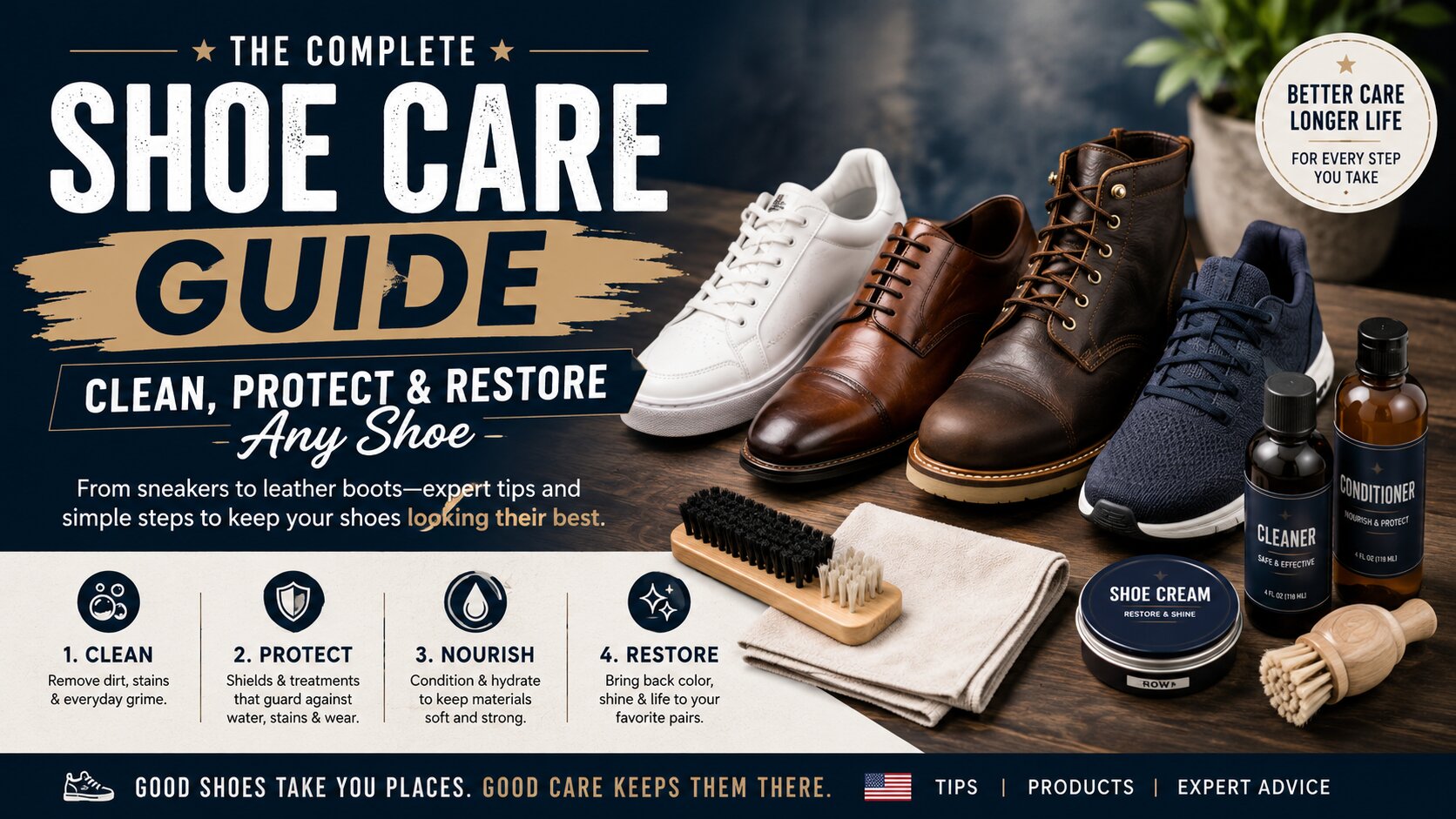
Taking care of your shoes does not require a cupboard full of specialist products or a complicated weekly routine. The most important step is using the right cleaning and storage method for the material.
Mesh running shoes need different treatment from smooth leather boots. Suede should not be cleaned like canvas. And a wet pair should not automatically go into a dryer just because you want them ready the next morning.
This complete shoe care guide explains how to clean, dry, protect, store and maintain common footwear materials, including sneakers, running shoes, leather, suede, nubuck, canvas and athletic footwear.
You will also find practical shoe maintenance tips, common mistakes to avoid, product recommendations and answers to questions people regularly ask about keeping shoes clean and fresh.
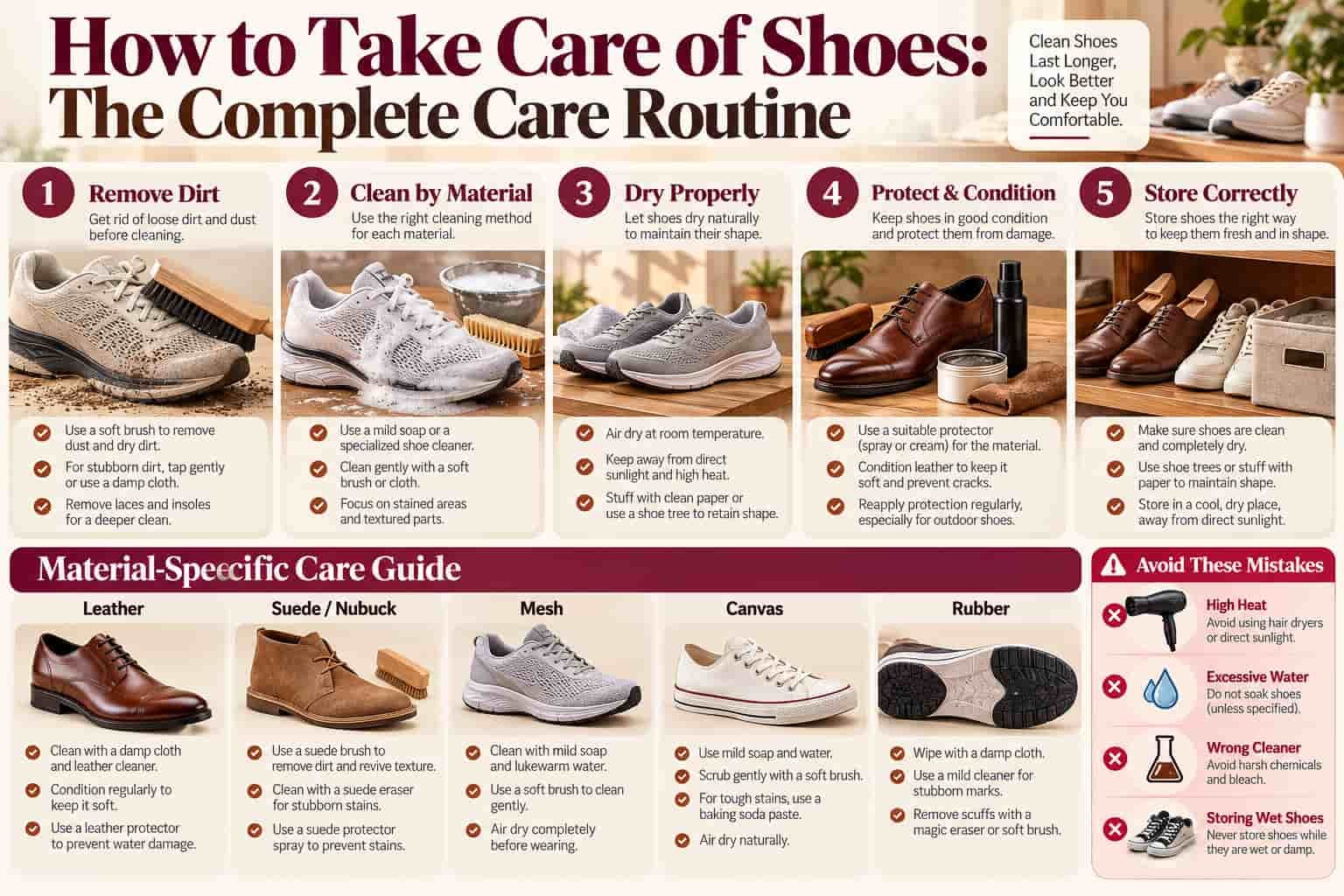
Quick Answer: How Do You Take Care of Shoes?
For most footwear, use this simple routine:
- Remove dirt regularly before it becomes embedded.
- Identify the material before choosing a cleaner.
- Use gentle cleaning methods on uppers.
- Clean the outsole separately from delicate upper materials.
- Dry shoes naturally unless the manufacturer specifically provides another method.
- Protect suitable materials with a compatible protector.
- Rotate frequently worn pairs when possible.
- Store completely dry shoes in a cool, dry and ventilated place.
- Treat stains and damage early rather than allowing them to build up.
- Follow the manufacturer’s care instructions for specialist materials and performance footwear.
The exact process matters because there is no single shoe-cleaning method that works safely for every material.
Why Shoe Care Matters
Shoes collect dust, mud, sweat, salt, oils and moisture during normal use. If that dirt remains on the material, cleaning becomes harder and the footwear can gradually look worn.
Regular maintenance is also about preserving the parts you actually depend on: the upper, outsole, midsole, laces, insole and internal structure.
Current footwear-care guidance from brands reflects this material-specific approach. adidas recommends separating outsole and upper cleaning and using different brush types, while Nike recommends mild cleaning solutions and gentle brushing for running-shoe uppers.
A useful rule is:
Clean according to the material, not according to the shoe’s price.
A $40 canvas sneaker and a $200 leather shoe may require completely different care.
The 30-Second Shoe Care Routine
A quick routine for frequently worn footwear
If you do not have time for a full cleaning session, start here. A few simple steps after wearing your shoes can help keep everyday dirt and moisture from building up.
Remove Loose Dirt
Remove loose dirt with a soft brush.
Wipe Marks
Wipe obvious marks with a suitable cloth.
Remove Wet Mud
Remove wet mud before storing the shoes.
Let Moisture Escape
Let moisture escape before putting shoes away.
Store Correctly
Store somewhere dry and away from unnecessary heat and sunlight.
Why it helps: For frequently worn footwear, this small routine can prevent dirt from building into a much bigger cleaning job.
How to Clean Shoes Properly
Before applying water, soap, conditioner or protector, check what the upper is made from.
Look for:
- Leather
- Suede
- Nubuck
- Canvas
- Mesh
- Knit
- Synthetic leather
- Textile
- Rubber
- Mixed materials
A shoe can contain several of these materials at the same time.
For example, a running shoe may have a mesh upper, synthetic overlays, foam midsole and rubber outsole. Cleaning the rubber outsole more aggressively does not mean you should use the same brush and pressure on the mesh upper.
Basic cleaning sequence
Remove laces → Brush dry dirt → Clean outsole → Clean upper → Wipe excess moisture → Air dry → Reassemble
This general sequence is consistent with current adidas cleaning guidance, which separates preparation, outsole cleaning, upper cleaning, lace cleaning and air drying.
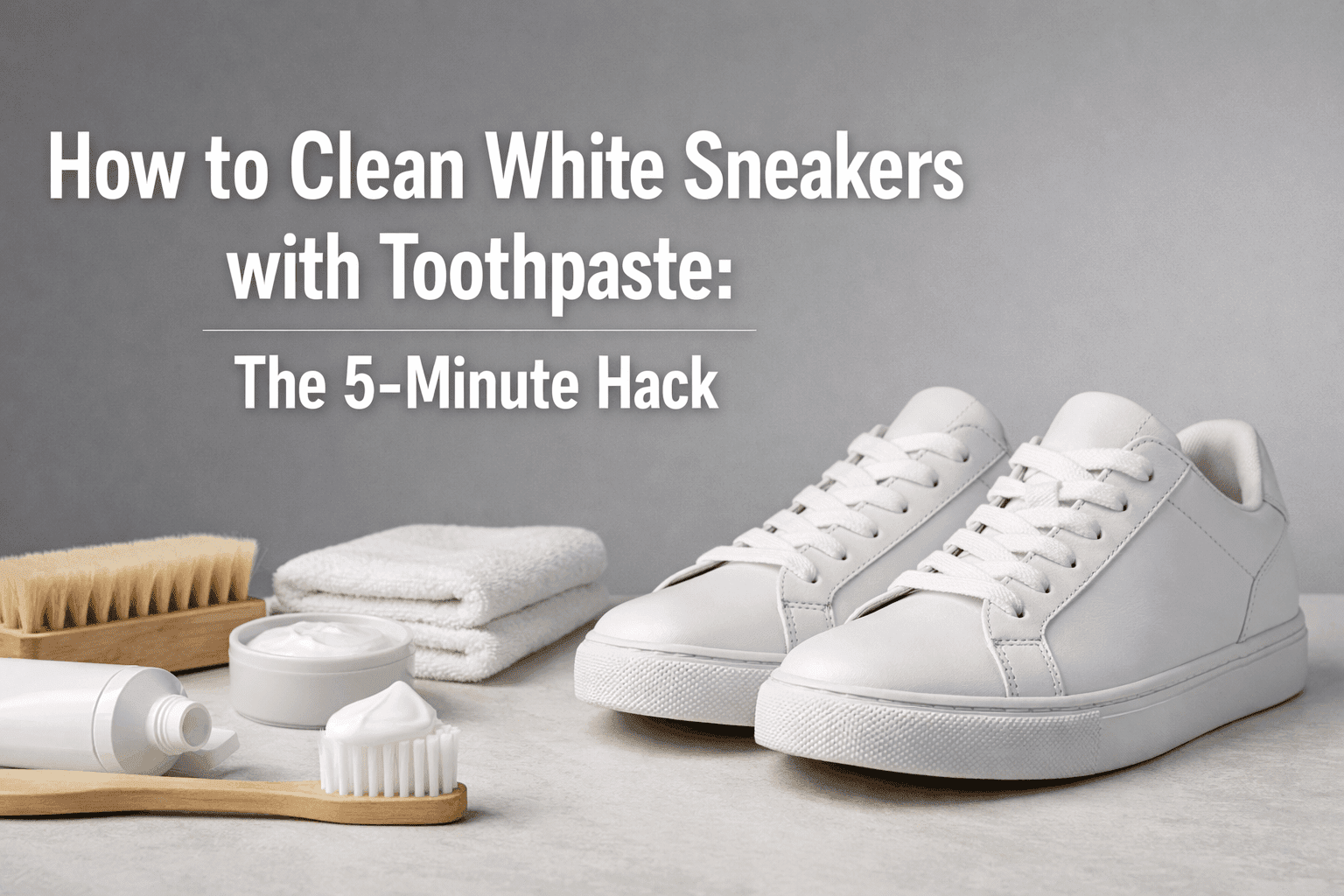
How to Clean White Sneakers
White sneakers show almost every mark, but they are usually easier to maintain when you clean them before dirt becomes deeply embedded.
What you need
- Soft brush
- Microfiber cloth
- Mild shoe-cleaning solution
- Small bowl of water
- Separate brush for the outsole
Method
- Remove the laces.
- Brush away dry dirt.
- Clean the outsole separately.
- Use a small amount of cleaner on the upper.
- Work gently over dirty areas.
- Wipe away excess moisture.
- Allow the shoes to dry naturally.
For mesh, knit and other delicate textiles, avoid aggressive scrubbing.
If you want a dedicated guide, see:
- Best White Sneaker Cleaner
- How to Clean White Sneakers Without Toothpaste
- How to Keep White Sneakers Clean
How to Clean Running Shoes
Running shoes need a slightly different approach because the upper, cushioning and outsole are designed for repeated movement rather than heavy washing.
Start by removing loose dirt with a brush.
Then:
- Remove the laces and insoles if the manufacturer’s instructions allow it.
- Brush the upper gently.
- Clean the outsole and midsole separately.
- Wipe away excess cleaner.
- Allow the shoes to air dry completely.
Nike’s current running-shoe guidance recommends a mild cleaning solution, gentle brushing of the upper and separate cleaning of the soles and insoles.
adidas also provides a running-shoe cleaning method involving brushing, cleaning the outsole and upper, and air drying. It notes that some running shoes can be machine washed under specific conditions, showing why the manufacturer’s instructions should take priority over a universal rule.
For a deeper step-by-step guide:
- How to Clean Mesh Running Shoes at Home
- Can You Wash Running Shoes in a Washing Machine?
- How to Hand Wash Sneakers
Can You Put Shoes in the Washing Machine?
There is no universal yes or no answer.
Some manufacturers allow machine washing for specific models. Others recommend hand washing.
Nike currently advises against putting many shoes in the washing machine and recommends hand cleaning instead.
adidas, on the other hand, provides machine-washing instructions for certain running shoes and specific models.
That means the safest rule is:
Check the manufacturer’s instructions for your exact shoe before machine washing it.
Avoid assuming that because one pair survived a washing machine, every pair will.
Leather, suede, structured shoes and footwear with delicate components deserve particular caution.
How to Clean Leather Shoes
Smooth leather requires a different routine from fabric footwear.
Basic leather-care routine
1. Remove surface dirt
Use a soft brush or cloth.
2. Clean gently
Use a leather-compatible cleaner rather than soaking the shoe.
3. Allow it to dry
Keep the leather away from aggressive heat.
4. Condition when appropriate
A suitable leather conditioner can help maintain the material.
5. Polish if desired
Cream or wax polish can restore colour and shine depending on the finish.
John Lobb recommends using a shoe horn, rotating shoes between wears, allowing cleaned shoes to dry naturally and using conditioning cream as part of leather maintenance.
The Shoe Care Shop’s beginner guide similarly separates leather care into cleaning and conditioning, colour restoration, and optional wax protection.
For more detail:
How to Clean Suede and Nubuck Shoes
Suede and nubuck require more careful handling because their textured surfaces can change appearance when exposed to excessive moisture or aggressive brushing.
For everyday dirt:
- Let wet dirt dry first.
- Brush away loose debris.
- Use a suede-specific brush where appropriate.
- Treat stubborn marks with a suitable suede/nubuck product.
- Allow the shoe to dry naturally.
- Restore the nap with gentle brushing.
Timberland’s current suede-cleaning guidance recommends brushing away excess mud and using an eraser bar for stubborn scuffs.
Reddit’s sneaker-care discussions also repeatedly raise the same practical concern: suede and nubuck should not be treated like ordinary washable fabric. Community advice varies, so manufacturer-specific instructions should take priority.
Related guide: How to Clean UGG Boots at Home
How to Clean Canvas Shoes
Canvas is generally easier to clean than suede or leather, but it can still stain or discolour if you use excessive water or aggressive chemicals.
Try this method:
- Brush off dry dirt.
- Remove the laces.
- Use a mild cleaning solution.
- Work with a soft brush.
- Wipe away excess moisture.
- Allow the shoes to dry naturally.
Do not assume that a white canvas shoe needs bleach. Start with the least aggressive method that can remove the dirt.
How to Clean Rubber Soles
Rubber outsoles can normally tolerate more brushing than delicate uppers.
Use:
- A firmer brush
- Mild cleaning solution
- A damp cloth
- A toothbrush for narrow grooves
Clean the outsole separately so dirt from the bottom of the shoe does not spread across the upper.
For more help:
How to Dry Shoes Safely
Drying is one of the easiest parts of shoe care to get wrong.
After cleaning:
- Remove excess water with a towel.
- Open the shoe as much as possible.
- Remove insoles if appropriate.
- Place the shoes in a ventilated area.
- Allow them to dry naturally.
Avoid unnecessary high heat.
Nike recommends blotting cleaned running shoes with a dry microfiber towel and allowing them to dry thoroughly.
adidas similarly recommends air drying and warns against using a dryer for certain running footwear because heat can damage or deform components.
More guides:
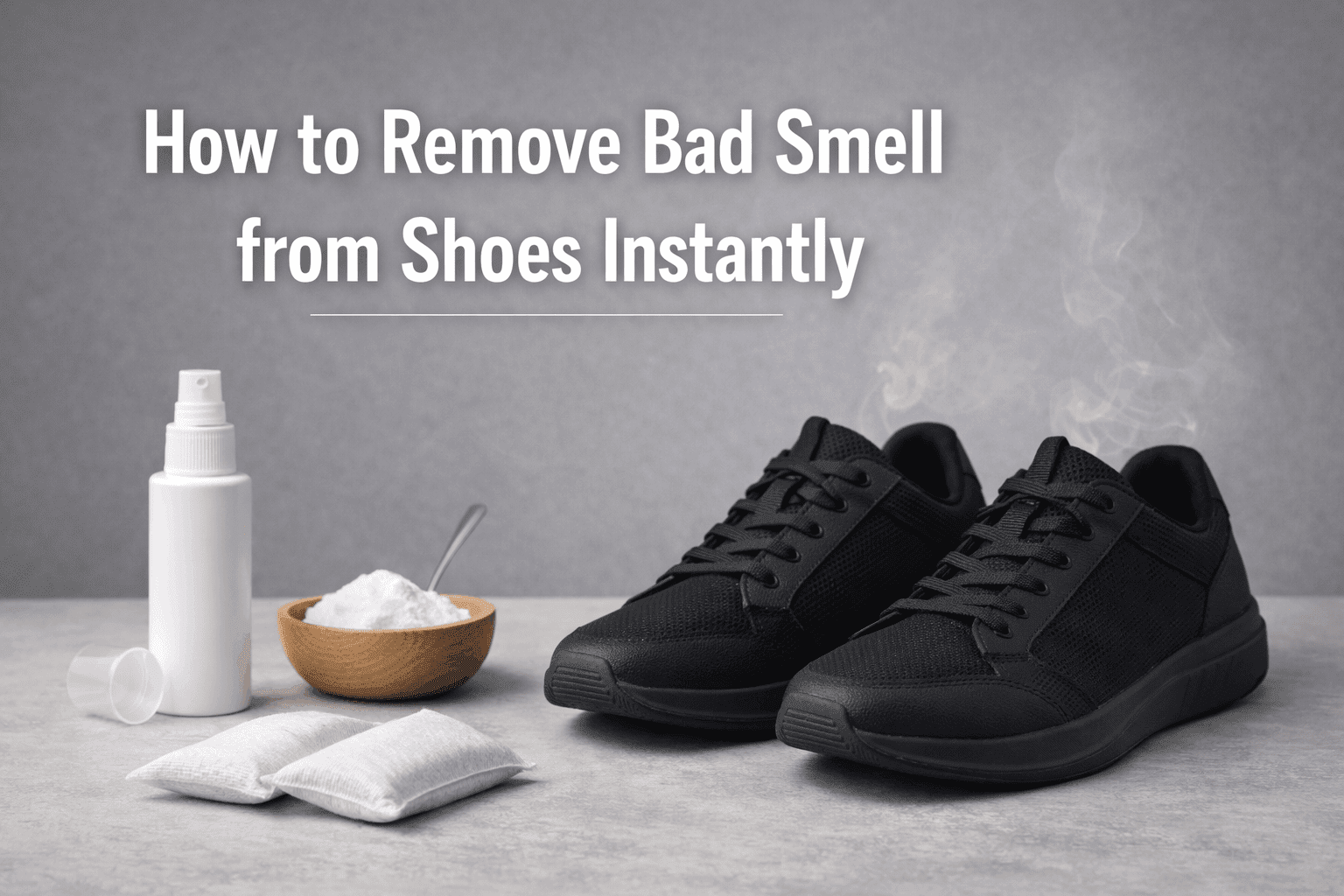
How to Keep Shoes Fresh and Control Odor
Shoe odor is usually connected to moisture, sweat and the internal environment of the shoe.
A simple routine helps:
- Let shoes dry fully between wears.
- Remove and dry insoles when appropriate.
- Avoid storing damp shoes in closed containers.
- Rotate frequently worn footwear.
- Clean the inside when the manufacturer allows it.
- Replace heavily worn or persistently odorous insoles when appropriate.
For persistent odor: How to Get Rid of Shoe Odor and Best Shoe Odor Eliminator
How to Take Care of Shoes When Not in Use
This is one of the strongest opportunities from your GSC data, with 65 impressions for “how to take care of shoes when not in use” at an average position of 74.4.
Before storing shoes for several weeks or months:
Clean them first
Do not store mud, sweat or salt on the footwear.
Dry them completely
Moisture trapped inside closed storage can create unwanted odour and material problems.
Maintain their shape
Use an appropriate shoe tree or insert for footwear that benefits from shape retention.
John Lobb specifically recommends shoe trees and rotating footwear between wears as part of its leather-shoe care routine.
Choose the right storage location
A cool, dry and ventilated environment is preferable to a hot, damp location.
Avoid unnecessary direct sunlight
Long-term exposure can affect certain materials and colours.
For a complete storage guide: How to Store Shoes Properly
How to Protect Shoes From Water and Stains
Protection products can make routine maintenance easier, but they should be matched to the material.
For example, the supplied Crep Protect listing describes its spray as a water- and stain-repellent treatment for materials including leather, suede, nubuck and canvas. The listing also recommends applying it in a well-ventilated area and using two coats. Always test a protector on an inconspicuous area first and follow the product’s current instructions.
A protector is not a guarantee that a shoe will stay completely clean or waterproof.
For leather boots: How to Waterproof Leather Boots
For Timberland footwear: How to Protect Timberland Boots
3 Shoe Care Products Worth Comparing
These products are included based on the product information supplied for this article. Prices and Amazon availability can change by date, seller, size or listing.
Shoe Care Products to Compare
Three practical options for protecting sneakers, caring for leather and building a basic shoe-care kit.
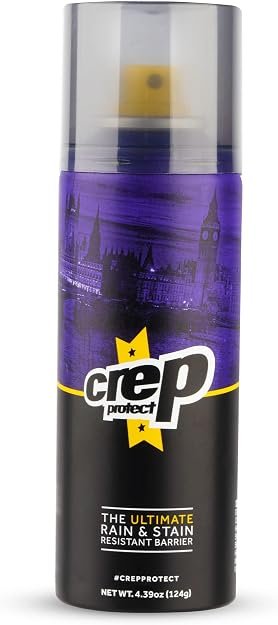
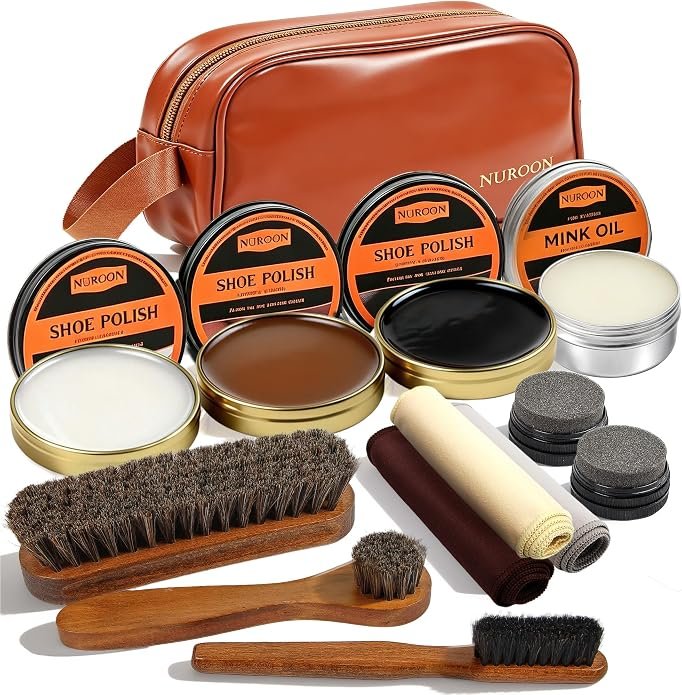
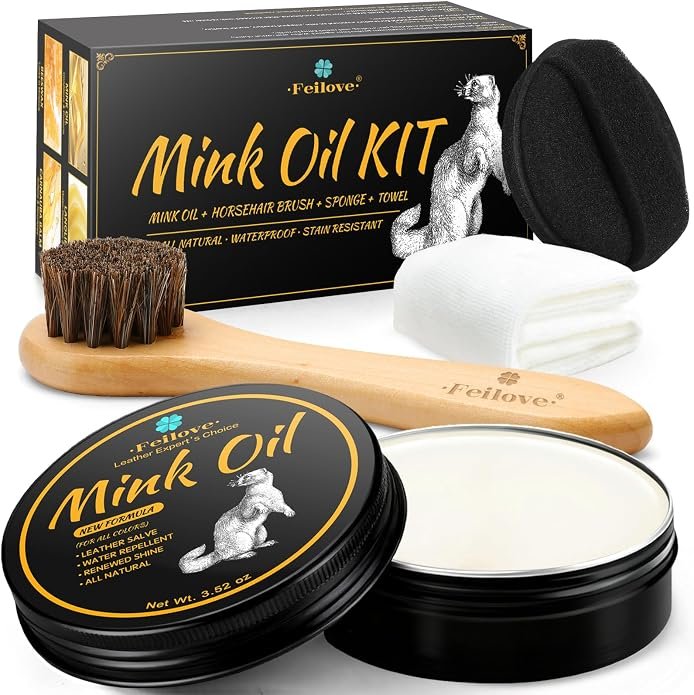
Prices, ratings and availability are snapshots from the supplied Amazon listings and may change. Always check the current listing and material compatibility before purchase.
How Often Should You Clean Your Shoes?
There is no universal schedule.
A better approach is to clean based on wear and visible dirt.
| Shoe type | Basic maintenance | Deeper cleaning |
| Daily sneakers | Brush/wipe when dirty | When stains build up |
| Running shoes | Remove dirt after muddy runs | When upper/outsole needs it |
| Leather shoes | Brush after use | When dirt or dryness appears |
| Suede shoes | Brush regularly | When marks require treatment |
| Canvas shoes | Wipe when marked | When visibly dirty |
| Work boots | Remove dirt after use | When heavily soiled |
For leather footwear, specialist guides generally recommend regular brushing and periodic conditioning rather than constantly applying large amounts of product.
Five Shoe Care Mistakes to Avoid
1. Cleaning every material the same way
A suede upper should not receive the same treatment as rubber.
2. Using too much water
More water does not automatically mean better cleaning.
3. Applying a product without testing it
Test cleaners, conditioners and protectors in a hidden area first.
4. Using high heat to dry shoes
Heat can damage or deform certain materials and components.
5. Storing shoes while damp
Allow footwear to dry properly before long-term storage.
Reddit Questions: What Are Shoe Owners Actually Worried About?
Shoe-care communities repeatedly raise practical questions that are sometimes missing from generic guides.
“Can I put my sneakers in the washing machine?”
The answer depends on the shoe. Reddit discussions show that some users machine wash certain sneakers, while others strongly advise against doing this with leather, suede or nubuck. Manufacturer instructions should take priority over community experimentation.
“How do I clean suede without ruining it?”
The common advice is to start dry: brush away loose dirt, use a suitable suede tool for stubborn marks and avoid aggressively soaking the material. Timberland’s current suede guidance follows a similar approach.
“Why do my shoes still smell after cleaning?”
Cleaning the exterior does not necessarily solve moisture and odour inside the shoe. Insoles and the internal lining may also need attention, provided the manufacturer’s care instructions permit it.
“Do shoe protector sprays really help?”
A protector can help reduce water and stain absorption on compatible materials, but it should not be treated as an invisible force field. The product’s material compatibility, application instructions and reapplication requirements matter.
Quick Shoe Care Decision Tool
What Does Your Shoe Need?
Choose the problem you are dealing with and get a simple next step.
Shoe Care Tips for Long-Term Storage
If you are not going to wear a pair for several weeks or months, do not simply put it into a box immediately.
Use this sequence:
Clean → Dry → Shape → Protect where appropriate → Store
For leather shoes, a shoe tree can help maintain shape and manage internal moisture. John Lobb specifically recommends shoe trees as part of its leather-shoe care routine.
For sneakers and running shoes, focus more on complete drying, ventilation and keeping them away from excessive heat and moisture.
Read:
How to Take Care of Shoes When Not in Use andHow to Store Shoes ProperlyWhen Should You Replace a Pair?
Cleaning cannot restore every shoe indefinitely.
Consider replacing footwear when you notice:
- Significant outsole wear
- Structural separation
- Damaged upper materials
- Permanent loss of useful cushioning
- A compromised heel counter
- Repeated sole separation
- Damage that affects safe or comfortable use
For repairable leather footwear, professional resoling or repair can sometimes extend useful service life. For performance running shoes, replacement decisions should also consider mileage, cushioning condition and how the shoe feels during use.
The goal of shoe care is not to make every pair last forever. It is to get appropriate use from the footwear while maintaining its condition and function.
Our Shoe-Care Evaluation Approach
At UrbanStyleFootwear, our product evaluations combine manufacturer specifications, verified retailer and Amazon listing data, customer feedback, review patterns, and footwear-specific research. We assess shoes across factors such as comfort, fit, cushioning, support, materials, durability, traction, design, and overall value, using multiple sources to provide balanced, practical, and buyer-focused recommendations.
For care advice, we also compare manufacturer guidance, specialist shoe-care resources and real-world footwear discussions before recommending a method or product.
Frequently Asked Questions
What is the best way to take care of shoes?
Clean dirt regularly, use material-specific products, dry shoes properly, protect compatible materials and store them in a cool, dry environment.
How often should I clean my shoes?
Clean them whenever visible dirt builds up or after particularly dirty or wet use. Frequently worn shoes benefit from small maintenance steps between deeper cleans.
How do I keep shoes clean and fresh?
Remove dirt early, allow shoes to dry between wears, clean insoles when appropriate and avoid storing damp footwear.
How do I take care of shoes when not in use?
Clean and dry them completely, maintain their shape where appropriate and store them in a dry, ventilated location away from unnecessary heat and sunlight.
Can I wash running shoes in a washing machine?
Some models can be machine washed, while others should be hand washed. Check the manufacturer’s instructions for the exact model before using a washing machine.
How should I clean suede shoes?
Start with dry brushing. Use a suede-specific brush or eraser for marks and avoid treating suede like washable fabric.
Should I use shoe trees?
Shoe trees can help maintain the shape of suitable footwear and are particularly common in leather-shoe care. They should be appropriate for the shoe and used according to the manufacturer’s or footwear-care specialist’s recommendations.
Can I dry shoes with a hair dryer?
It is safer to avoid unnecessary high heat. Allow shoes to air dry naturally unless the manufacturer provides specific alternative instructions.
How do I remove shoe odor?
Allow footwear to dry fully between uses, clean the interior and insoles when appropriate, improve ventilation and address persistent moisture or odour sources.
How do I protect shoes from rain?
Use a protector that is specifically compatible with the shoe’s material. Test it on an inconspicuous area and follow the product instructions.
Final Shoe Care Checklist
Before putting your shoes away, ask:
✓ Did I remove dirt?
✓ Did I use the correct cleaner for the material?
✓ Did I avoid unnecessary soaking?
✓ Are the shoes completely dry?
✓ Did I deal with stains early?
✓ Are they stored somewhere suitable?
✓ Does the material need conditioning or protection?
✓ Did I follow the manufacturer’s care instructions?
A few simple habits are usually more useful than an aggressive cleaning routine. Brush away dirt regularly, clean according to the material, dry shoes properly and store them correctly.
That is the foundation of good shoe maintenance.
Affiliate Disclosure
Some product links in this article are affiliate links. If you purchase through these links, UrbanStyleFootwear may earn a commission at no additional cost to you. Product prices, ratings, availability and discounts can change, so check the current retailer listing before purchasing.