
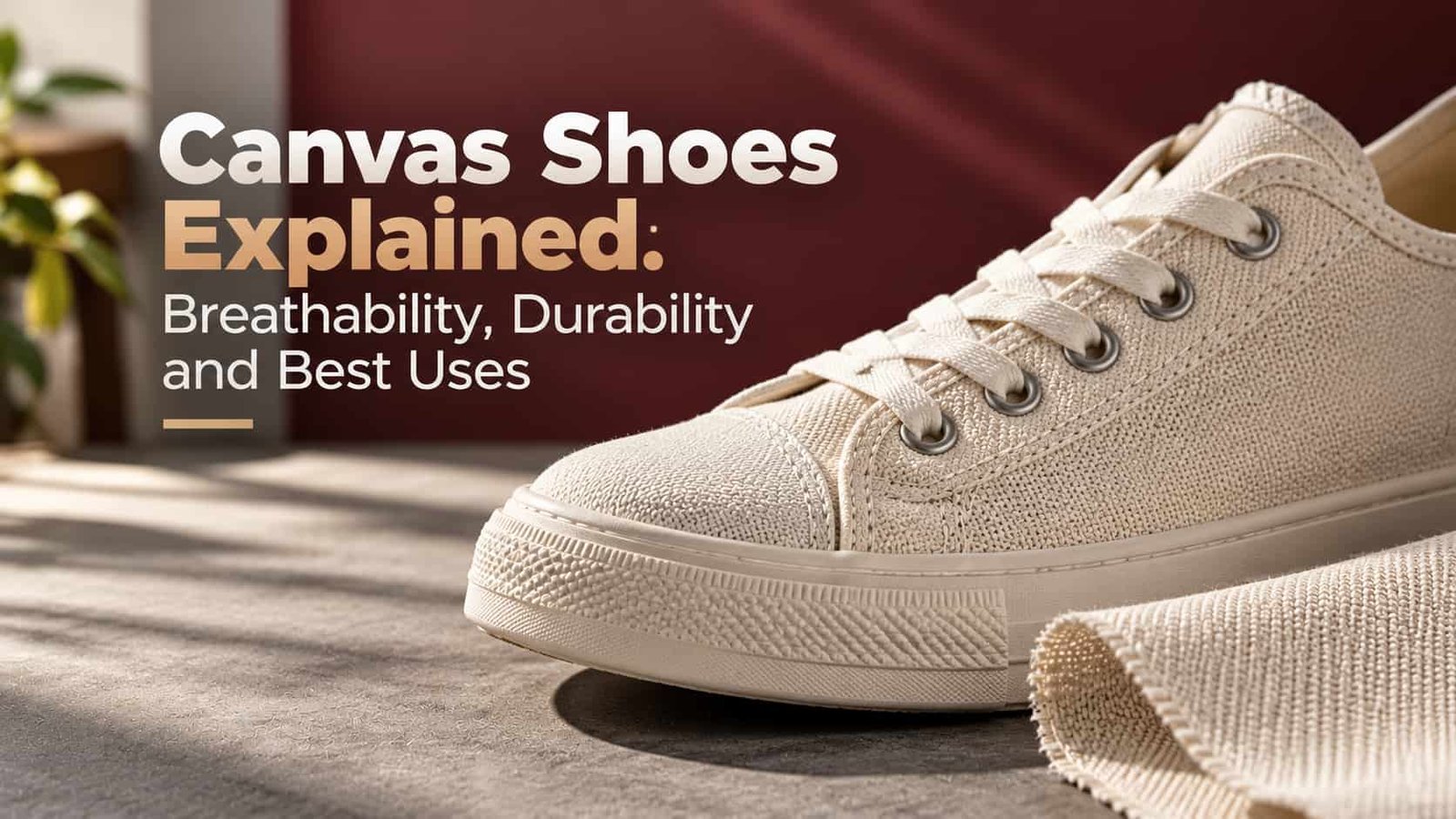
Canvas Shoes Material Explained: Breathability, Durability and Best Uses
Editorial Guide | Footwear Materials |
Summarise this canvas shoes guide with AI
Open an assistant and submit the prefilled request. The assistant reads the page only after you submit it.
- Canvas is a plain-woven cotton fabric, not a leather.
- It breathes well and is light, but absorbs water and is not waterproof.
- Canvas suits casual and warm-weather wear, less so long walks or wet ground.
- Wash gently, remove the laces, and air dry away from heat.
Canvas is a plain-woven fabric, usually made from cotton, that is tightly woven and durable. In shoes it forms the upper, is often paired with a rubber sole, and is prized for being light and breathable. It suits casual, warm-weather and everyday wear. It is not waterproof, and it needs gentler care than leather or synthetic uppers.
Key Takeaways
- Canvas is a fabric, not leather. It is woven, usually from cotton, and it has no animal hide in it.
- The weave gives canvas its strength. Plain weave is simple and tight, and duck canvas is woven tighter still.
- It breathes well but absorbs water. Air moves through easily, but wet canvas stays wet and can stain.
- Care is gentle. Cool washing, air drying and avoiding heat keep canvas from shrinking.
- Canvas suits casual, warm and everyday use. It is less suited to heavy rain, mud or long walking without support.
What Canvas Is
Canvas is a fabric defined by how it is woven, not only by what it is made from. Wikipedia describes it as an extremely durable plain-woven fabric used for sails, tents, backpacks and shoes. Modern canvas is usually made from cotton or linen, and sometimes from polyvinyl chloride (PVC). Historically it was made from hemp, and the word itself is linked to the Latin for “made of hemp.”
That distinction matters because a cotton shirt is not canvas, even though it is also cotton. Canvas is a specific weave, tighter and heavier than an ordinary cotton cloth. For a shoe buyer, the practical point is simple: canvas is a textile, so the shoe’s upper will behave like fabric rather than leather.
For the broader picture of materials in shoes, see the shoe materials guide.
How Canvas Is Woven
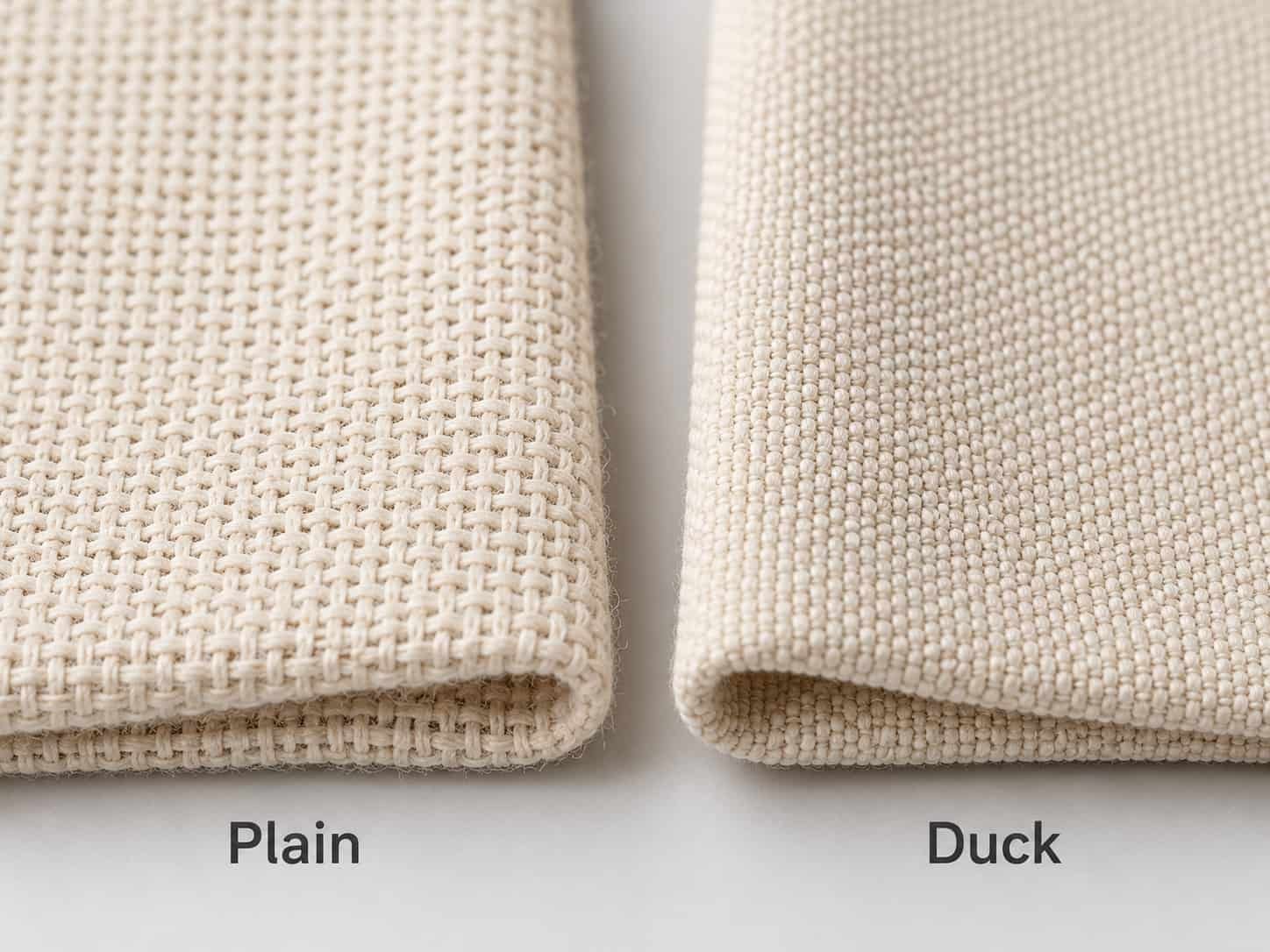
Canvas uses plain weave, the simplest of the three basic weaves. Threads run over and under each other in a criss-cross pattern. Plain weave is easy to produce, strong and fairly rigid. Twill, used in denim, and satin use more complex patterns for softer, more flexible textures.
Two types are generally recognised. Plain canvas is more loosely woven, and duck canvas, from the Dutch word for cloth, is woven more tightly and is heavier. Wikipedia notes that cotton duck is the more economical option and has an even, mechanical weave.
Weight matters too. In the United States, canvas is often described by weight in ounces per square yard, and by a graded number system in which a lower number means a heavier canvas. Shoe makers choose weight to balance comfort, structure and durability.
What the Upper Is Made Of
A canvas shoe usually has a canvas upper, a rubber or synthetic sole and a simple internal structure. Shoe-industry guides describe cotton canvas as the most common upper material, valued for softness, breathability and affordability. Linen canvas is less common, and it wrinkles more easily.
Canvas is often one part of a shoe rather than the whole thing. Makers may add leather trim, rubber toe caps or reinforced heel counters, and the lining may be cotton or synthetic. Check the material information on the product page, because a shoe marketed as canvas may have several materials.
Common canvas shoe styles include low-top and high-top sneakers, slip-ons and espadrilles. Espadrilles pair a canvas upper with a rope or jute sole, so they suit dry, warm days even more than a rubber-soled sneaker does.
The sole is also a major part of how the shoe performs. Most canvas shoes use vulcanised rubber, which is heated with sulfur to make it durable and flexible. Tread pattern and sole thickness influence grip and comfort more than the upper does.
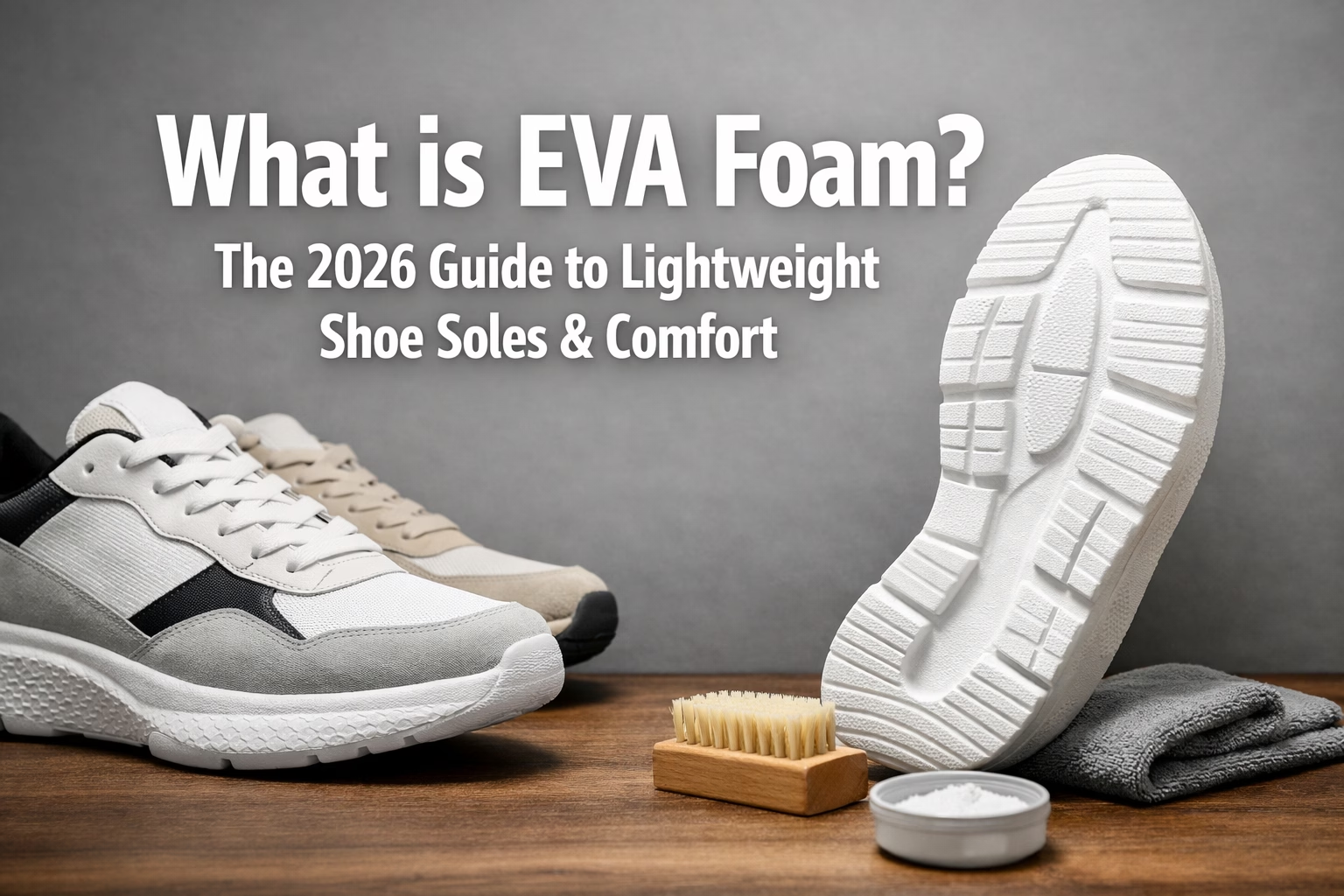
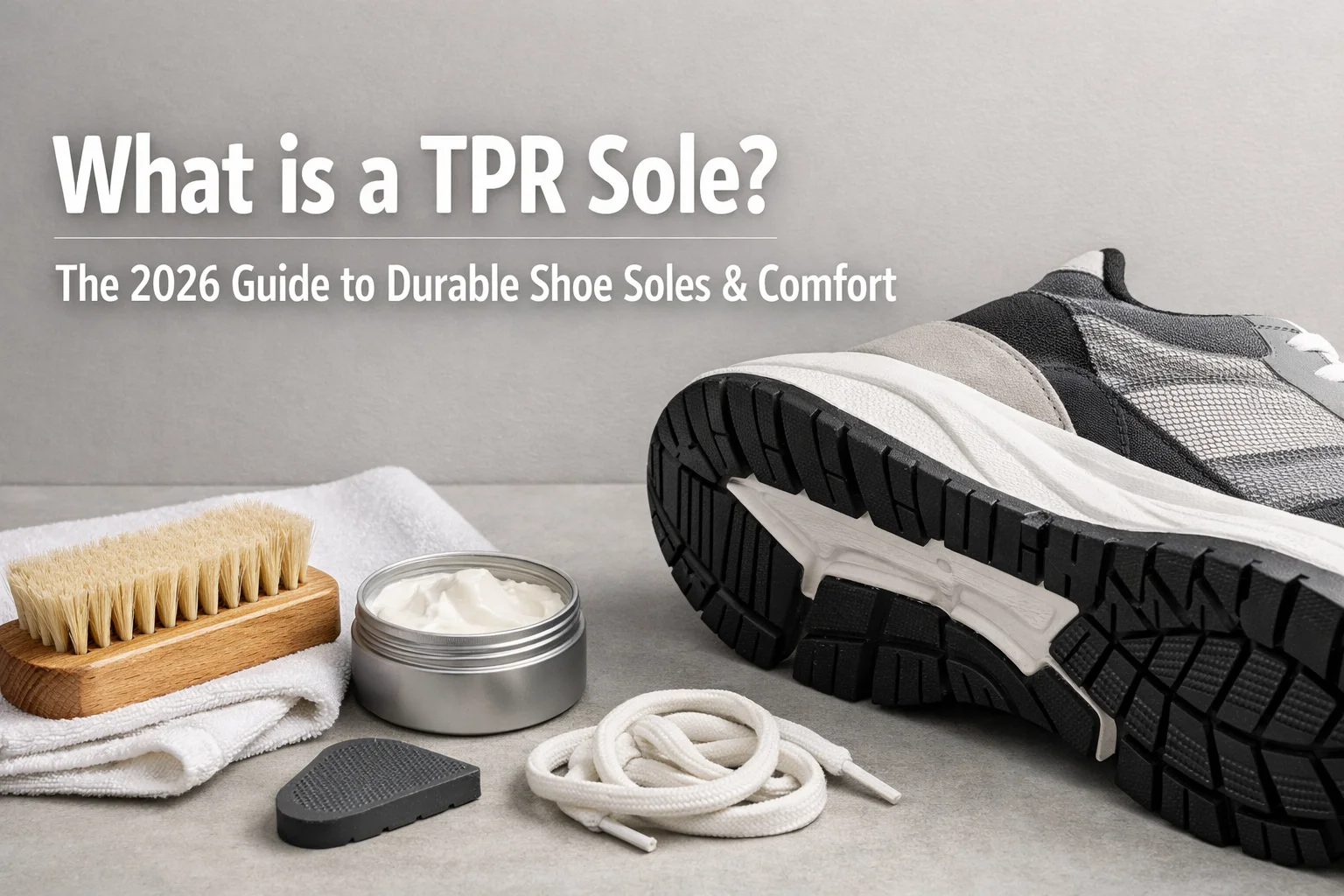
For a deeper look at sole materials, see vulcanised vs cupsole soles, what EVA foam is and what a TPR sole is.
Breathability and Comfort
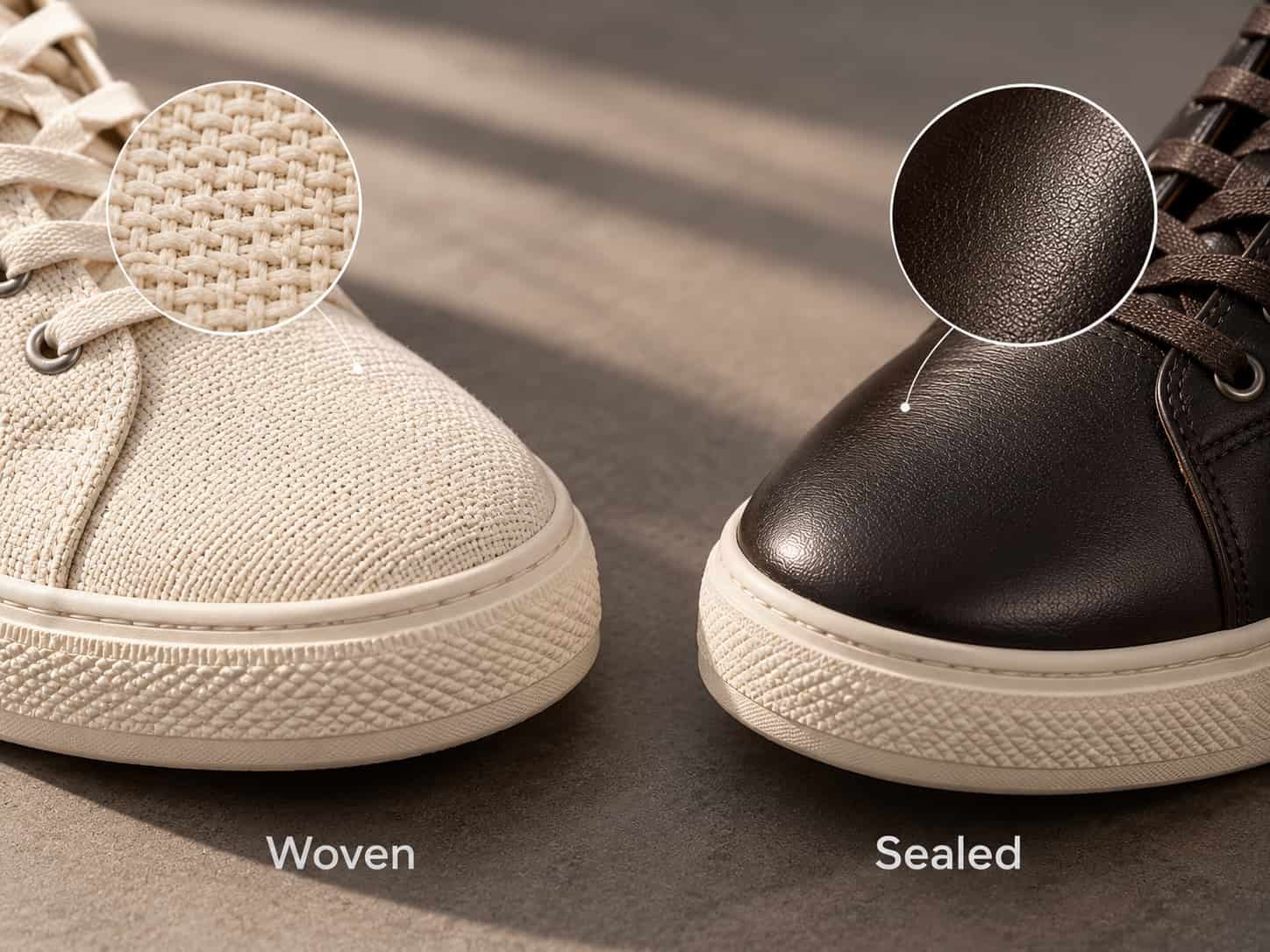
Canvas breathes well because the weave lets air move through the fabric. Compared with coated leather or synthetic uppers that seal the surface, canvas usually feels cooler in warm weather. This is a key reason canvas remains popular for summer and everyday footwear.
Breathability also has limits. Canvas absorbs sweat and moisture, and once damp it can stay damp for a while, especially in humid conditions. A lining that wicks moisture away helps, and drying the shoes properly afterwards matters.
Comfort depends more on fit and support than on the fabric. Canvas is flexible, so it can feel comfortable straight away, but canvas shoes often lack the arch support and cushioning of dedicated walking or running shoes. Guides on walking footwear note that canvas sneakers are generally light and flexible, but they often lack advanced support features.
Durability and Wear
Canvas is durable for its weight. The tight weave resists abrasion, and duck canvas is built for heavy use. Plenty of canvas shoes last for years of casual wear, but durability varies with weave weight, stitching, sole bonding and how often the shoes are worn.
Common wear points include the toe cap, the heel counter and the eyelets. Fraying at the edges, colour fading and sole separation are typical signs of ageing. Sun exposure can fade dyed canvas, and repeated machine washing or heat can shrink it or weaken the glue that bonds the sole.
As a rule, a stitched or well-bonded sole and a heavier canvas will last longer than a light fabric with a glued-on sole. There is no reliable fixed lifespan, so treat any single figure you see online with caution.
In practice, canvas most often gives way in two places. The fabric can split where the shoe flexes at the ball of the foot, and the heel lining can wear through. Rotating two pairs and letting each pair dry fully between wears slows both problems.
Canvas Compared with Mesh, Leather and Synthetics
Canvas is often compared with mesh, the other common breathable upper. Canvas is woven tighter and is usually more structured. Mesh is an open, engineered fabric, typically synthetic, that is lighter and breathes even more freely, but it is less robust against abrasion. For the mesh side of the comparison, see mesh shoes material. Knit uppers sit between the two. They are looped rather than woven, so they stretch more than canvas; see knit shoes material.
| Feature | Canvas | Engineered mesh | Smooth leather | Synthetic (PU/PVC) |
| Made from | Cotton or linen, plain weave | Synthetic yarn, open weave | Animal hide | Plastic-based coating |
| Breathability | Good | Very good | Moderate, depends on finish | Poor to fair |
| Water handling | Absorbs water, stains | Often dries quickly | Usually more resistant | Resists surface water |
| Durability | Good, weight-dependent | Fair | Good to excellent | Fair; coating can peel |
| Care | Gentle washing, air dry | Gentle washing, air dry | Conditioning and polish | Wipe clean |
| Typical use | Casual and warm-weather | Running and gym | Dress and everyday | Budget and vegan |
Canvas is a fabric, so it will not develop a patina the way leather does. It also lacks the repairability of a leather upper on a stitched sole. Its strengths are light weight, breathability and low cost.
Sizing, Fit and Stretch
Canvas stretches only slightly with wear, so buy the size that feels right on the first day. The weave has little give compared with a knit upper, and a pair that pinches in the shop is unlikely to relax into a good fit.
If you have wide feet, look for a canvas shoe sold in wide widths or with a roomier last. A stretchy knit or mesh upper may be easier to live with, because it adapts to the foot instead of pressing on it.
Sizing also differs between brands. Classic canvas sneakers do not always run like sports shoes, so check the maker’s own chart before ordering, such as our Converse size chart and Vans size chart. Try shoes on later in the day with the socks you normally wear.
Water and Weather
Canvas is not waterproof. Untreated cotton canvas absorbs water and can stay damp, and repeated wetting can stain or weaken the fabric. Some canvas shoes are sold with a water-repellent treatment, which can help light splashes, but it wears off and does not make the shoe waterproof.
Canvas works well in dry, warm weather, in towns and on casual days out. In rain or heavy wet ground, it is a poor choice unless you accept that the shoes will need to dry thoroughly afterwards. For a step-by-step method, see our guide to waterproofing canvas shoes with wax.
Can you wear canvas shoes in winter? In cold, dry weather, yes, with thicker socks. Canvas gives little insulation and soaks through in snow, rain or slush, so choose another material for wet winter days. A water-repellent spray or wax only helps with light moisture and needs reapplying.
If canvas shoes get wet:
- Shake off loose dirt and press out surface water gently with a dry cloth.
- Stuff the shoes with paper to help them keep their shape.
- Let them air dry away from direct sun and heat.
- Avoid tumble drying, which can shrink the fabric and weaken the glue.
Pros and Cons
What canvas does well
- Light, flexible and comfortable from the first wear
- Breathes well in warm and dry conditions
- Affordable compared with leather
- Easy to clean with gentle washing
- Versatile, pairing with jeans, shorts and casual clothes
- Available in many styles and colours
Where canvas falls short
- Absorbs water and stains more easily than leather or coated materials
- Offers limited arch support and cushioning for long walks
- Can fade in strong sun
- Can shrink or weaken with heat and aggressive washing
- Not suited to heavy rain, mud or serious outdoor use
Cleaning and Care
Canvas is easier to clean than leather, but it still needs care. Gentle methods preserve shape and colour.
- Brush first. Remove dry dirt with a soft brush before doing anything else.
- Spot clean. Use mild soap, a soft brush and cool water for marks. Test any product on a hidden area.
- Hand wash or gentle machine wash. Remove the laces, place the shoes in a mesh bag, and use a gentle cycle with cool water. Avoid bleach unless the label allows it.
- Air dry. Stuff the shoes with paper to hold their shape and dry them away from heat and direct sun.
- Store well. Keep canvas in a cool, dry place, and let shoes rest between wears.
Avoid tumble drying, hot water and direct heat sources. These can shrink the fabric, weaken glue and fade colour. Wash canvas shoes that are mostly canvas. If the shoes have suede or leather, follow the maker’s instructions, because machine washing can damage those parts.
White and light canvas shows marks fastest, so brush it after each wear and treat stains early. Dark canvas hides dirt better and needs less upkeep.
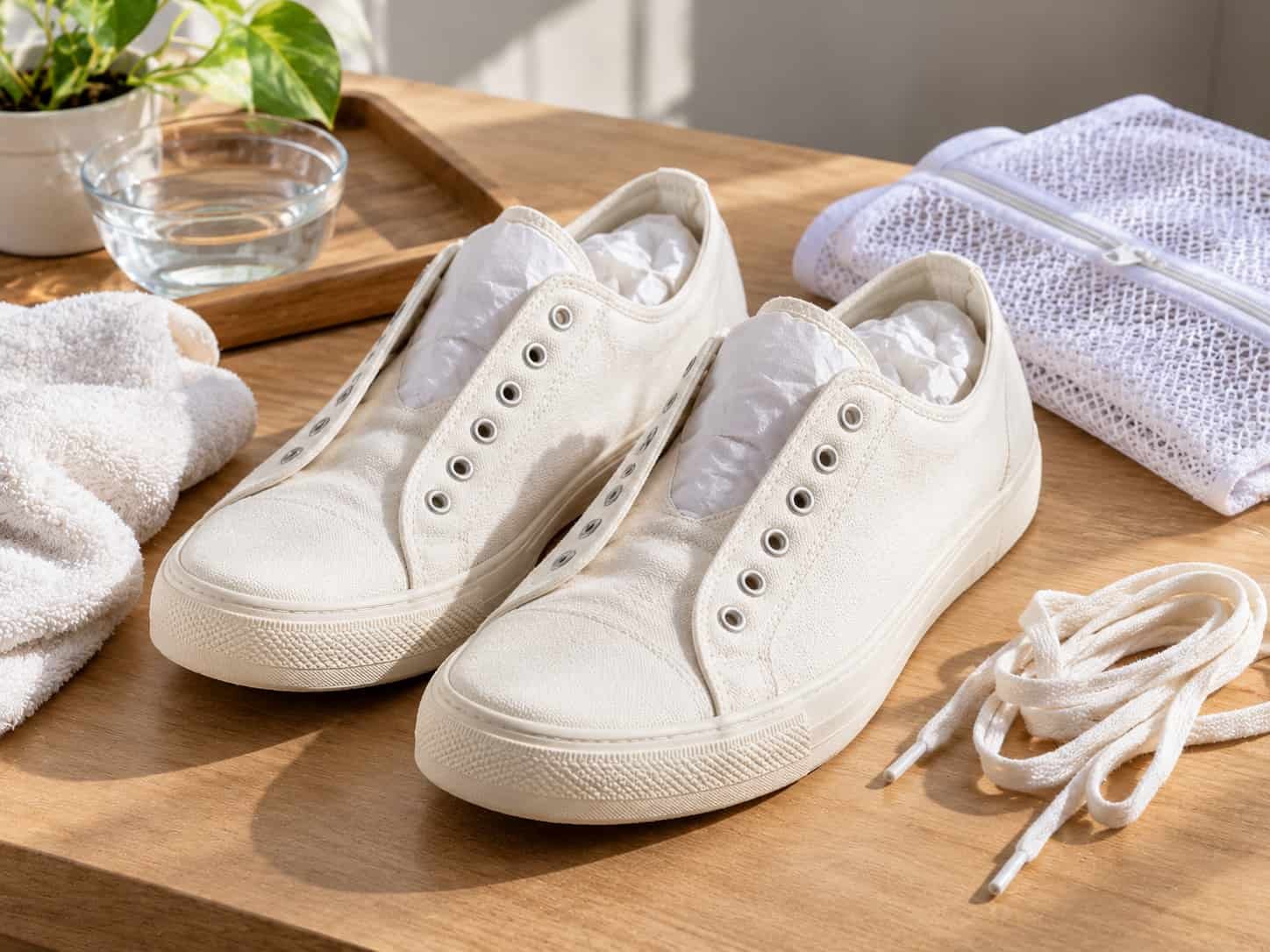
For a full routine across materials, see how to clean shoes and maintain them. For canvas-specific steps, see how to clean canvas shoes. If you are buying Converse or Vans, check the Converse size chart and the Vans size chart first, because canvas stretches very little.
Who Should Choose Canvas
| Your situation | Canvas may suit you if | Consider another material if |
| Climate | Your weather is warm and mostly dry | You face frequent rain or mud |
| Use | Casual, everyday and short walks | Long walks, running or hiking |
| Budget | You want an affordable everyday shoe | You want a shoe to last many years of heavy use |
| Comfort | You want a light, flexible upper | You need firm arch support |
| Care | You can wash and air dry | You want a wipe-clean finish |
| Style | You want a relaxed, versatile look | You need a formal finish |
For help narrowing options by use and style, the shoe finder is a useful next step.
Myths Worth Dropping
- “Canvas is a type of leather.” It is a woven textile, usually cotton.
- “Canvas shoes can go in the washing machine freely.” Gentle machine washing can work, but heat and aggressive cycles can shrink the fabric and weaken the glue.
- “Canvas shoes are waterproof if you treat them.” A treatment helps light splashes but does not make them waterproof.
- “Canvas is always cheap quality.” Heavier, tighter duck canvas can be very durable. Quality depends on the weave, weight and construction.
- “All canvas is the same.” Cotton, linen and blends behave differently.
Frequently Asked Questions
What is canvas shoe material?
Canvas shoe material is a plain-woven fabric, usually cotton, used for the upper of a shoe. It is durable, light and breathable, and it is often paired with a rubber or synthetic sole.
Is canvas real leather?
No. Canvas is a woven textile, not a leather. A canvas shoe has no hide in its upper, though it may have leather trim or a leather part elsewhere, so check the material information.
Are canvas shoes breathable?
Generally yes. The woven structure lets air move through the upper, which makes canvas comfortable in warm weather. Breathability falls when the fabric is wet, and the lining and fit also affect comfort.
Is canvas better than leather?
Neither is better in every case. Canvas is lighter, more breathable and usually cheaper, and it cleans easily. Leather is more water-tolerant, can be repaired and develops a patina. Choose according to climate and use.
Are canvas shoes waterproof?
No. Untreated canvas absorbs water. A water-repellent treatment can help light splashes, but it wears off and does not make the shoe waterproof.
Are canvas shoes good for walking?
They can be good for short, casual walks on flat ground. For long walks, they often lack the arch support and cushioning of walking shoes, so consider the sole and insole before buying.
How do you clean canvas shoes?
Brush off dry dirt, spot clean with mild soap and cool water, or wash gently with the laces removed, in a mesh bag on a cool, gentle cycle. Air dry the shoes, stuffed with paper, away from heat and sun.
Can you put canvas shoes in the dryer?
Avoid it. Heat can shrink the fabric and weaken the glue that holds the sole. Air drying is the safer method.
Do canvas shoes stretch?
Only slightly. Canvas is a tightly woven fabric with little give, so choose a size that fits comfortably from the first wear instead of relying on the shoes to stretch.
Can you wear canvas shoes in winter?
In cold, dry weather, yes, with thicker socks. Canvas offers little insulation and soaks through in snow, rain or slush, so another material is better for wet winter days.
How long do canvas shoes last?
There is no fixed lifespan. A heavier duck canvas with a stitched or well-bonded sole, worn now and then and rotated with another pair, can last for years. Light canvas worn daily may wear through much sooner at the flex point or heel lining.
Is canvas or mesh better for shoes?
It depends on the job. Mesh is lighter and more open, and suits running and gym use. Canvas is tighter and sturdier, and suits casual wear and warm-weather everyday shoes.
Final Thoughts
Canvas is a durable, breathable, woven fabric that suits casual and warm-weather shoes well. It is not waterproof, it absorbs moisture, and it needs gentle care. Its strengths are light weight, comfort and easy cleaning, and its limits are support on long walks and wet conditions.
Before you buy, check the weave, the sole construction and the material breakdown, and be honest about the weather you will face. For the wider picture, start with the shoe materials guide and compare canvas with mesh shoes and knit shoes.
External References
- Wikipedia, “Canvas”: en.wikipedia.org/wiki/Canvas
- Wikipedia, “Vulcanization”: en.wikipedia.org/wiki/Vulcanization
- Rieker, “How to clean canvas shoes: a guide”: rieker.co.uk/blogs/blog/how-to-clean-canvas-shoes-a-guide-by-rieker
- Clorox, “How to wash shoes and kids’ sneakers”: clorox.com/learn/how-to-wash-shoes-and-kids-sneakers