

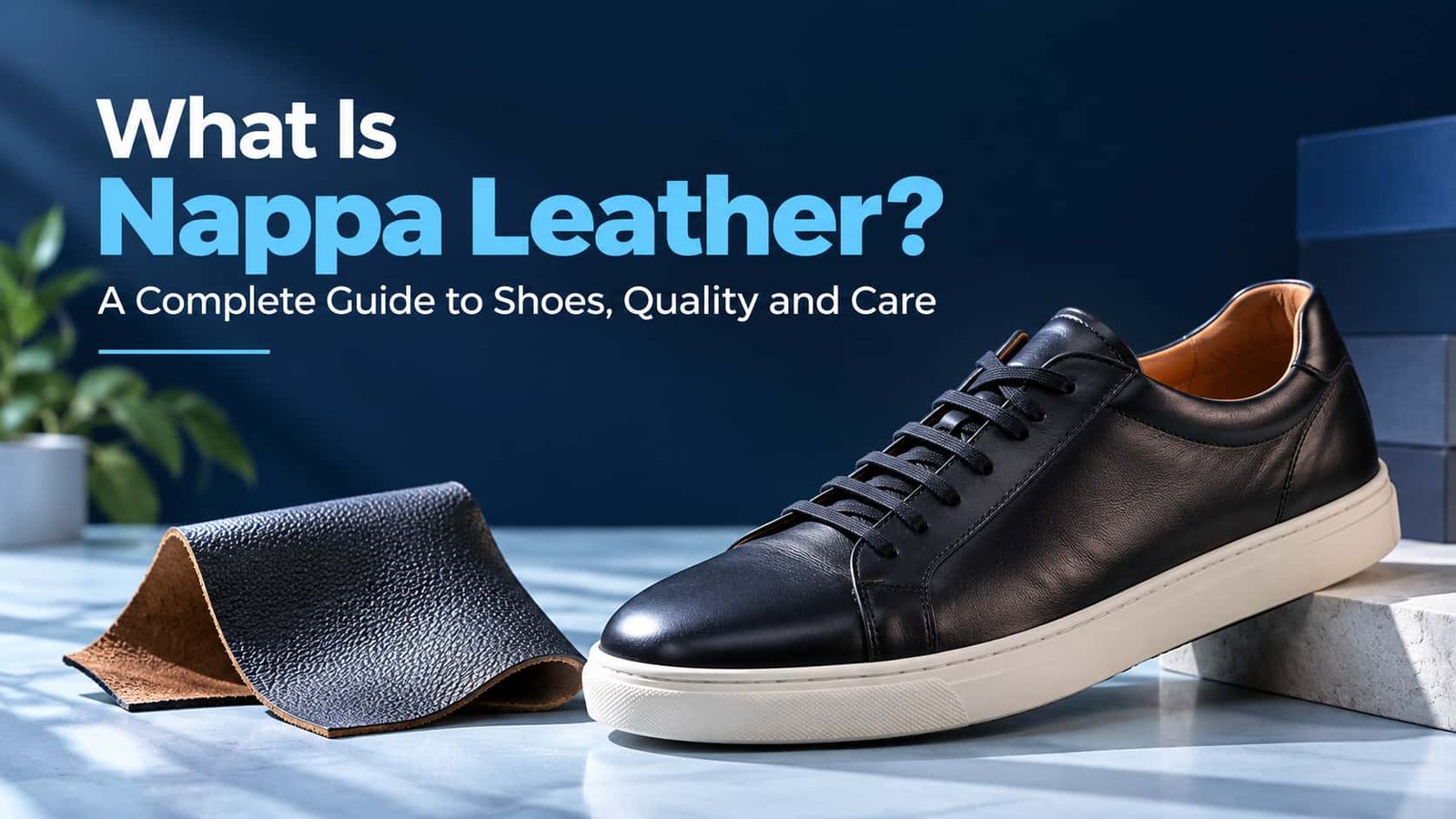
What Is Nappa Leather? A Complete Guide to Shoes, Quality and Care
Get AI Summary
Open an AI assistant to request a summary. The assistant may need you to submit the request or provide the article URL.
Nappa leather is a soft, smooth type of leather commonly used in footwear, handbags, clothing and other leather goods. In the ISO leather vocabulary, Nappa is defined as soft full-grain leather that is dyed through and lightly finished. However, commercial descriptions can vary, so the term alone does not guarantee a particular animal hide, finish, durability level or overall product quality.
Quick Summary: What You Need to Know
- Nappa describes a type or character of leather, not a single animal species. Depending on the product, the material may come from different hides or skins.
- Softness is a defining characteristic. Nappa leather shoes are often chosen for their smooth feel and refined appearance.
- Nappa and full-grain are not mutually exclusive categories. Nappa can be full-grain leather; full-grain describes the preservation of the natural grain surface.
- Care depends on the finish. A lightly finished Nappa leather may need different treatment from a more heavily coated version.
- Nappa does not automatically mean waterproof, stretch-resistant or exceptionally durable. These properties depend on the leather, finish and shoe construction.
- Read the product details before buying. Check the stated material, construction, fit, care instructions and return policy rather than relying on the word “Nappa” alone.
What Is Nappa Leather?
Nappa leather is a soft, smooth leather valued for its supple feel and refined surface. The term has a specific definition in leather terminology, although its use in product marketing can be broader.
ISO 15115:2019, Leather — Vocabulary, defines Nappa as soft full-grain leather that is through-dyed and lightly finished. Through-dyeing means the color is introduced through the leather rather than being limited to a surface color layer. Light finishing helps preserve the material’s natural character, although the precise appearance depends on how the leather is processed.
The German Leather Federation also describes Nappa as soft, smooth leather and distinguishes natural aniline, semi-aniline and pigmented finishes. These differences matter because two shoes described as Nappa can have different levels of visible grain, surface protection and care requirements.
Read the definition in the ISO leather vocabulary and the German Leather Federation’s Leather A–Z.
What does Nappa leather feel like?
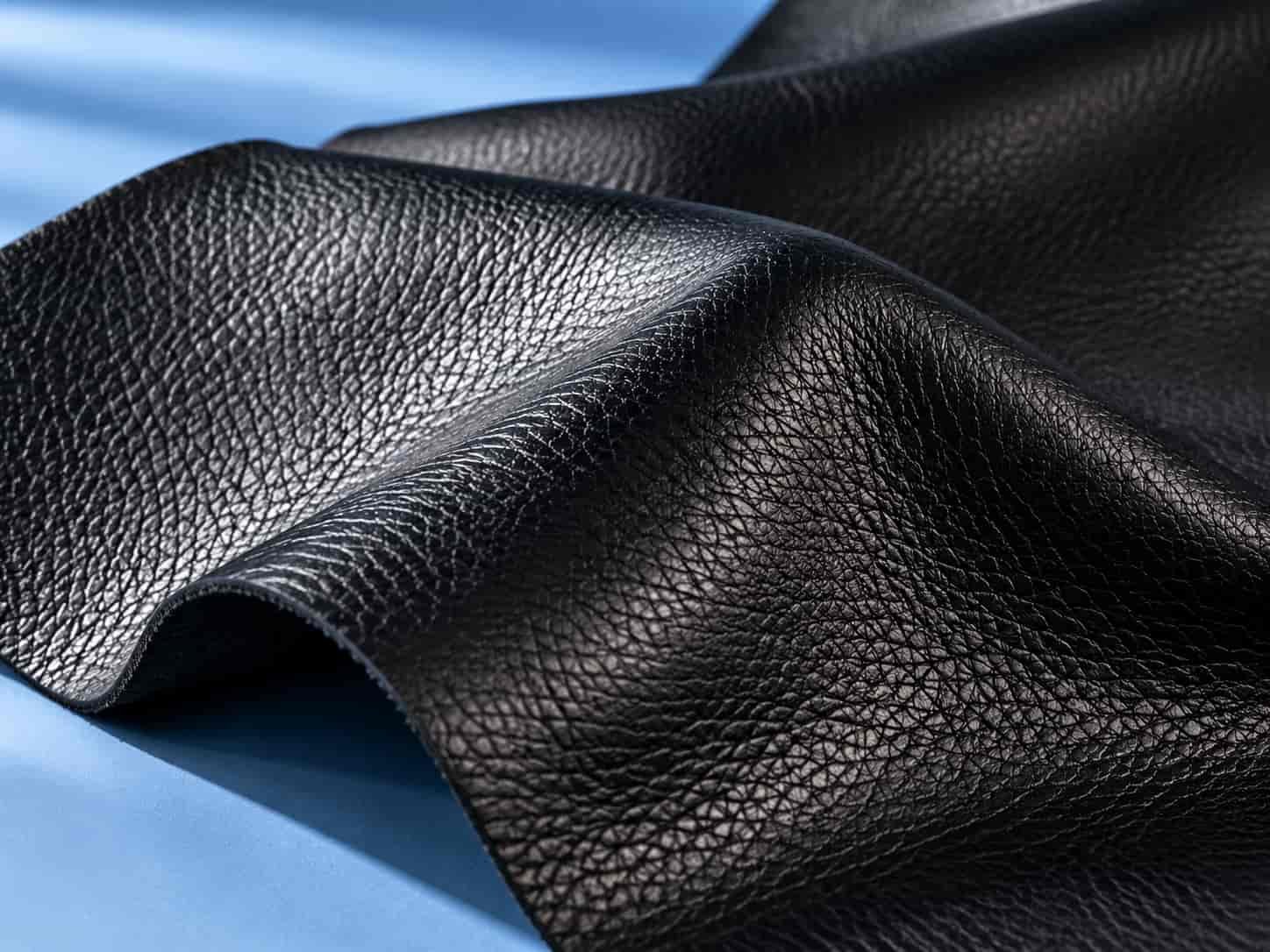
Nappa leather generally feels smooth, soft and pliable. Its exact texture varies by hide, tanning, dyeing and finishing. Some Nappa shoes have a natural grain that remains visible; others have a more uniform surface due to their finish.
The material can feel comfortable against the foot, but softness alone does not guarantee a comfortable shoe. The shape of the shoe, toe-box space, lining, insole, stitching and overall fit still matter.
Is Nappa leather real leather?
Yes, when the product genuinely uses Nappa leather, it is animal hide or skin that has been processed into leather. The term does not mean synthetic leather.
However, a product listing should clearly state what material is used. If a description says “Nappa-style,” “Nappa-effect” or uses other ambiguous wording, ask whether the upper is genuine leather or a synthetic imitation. The material name alone cannot authenticate a particular product.
How Is Nappa Leather Made?
Leather production involves several stages, and the exact process varies between tanneries and products. Nappa leather is associated with a soft, smooth result, but the label does not specify every step used to make it.
A simplified overview includes:
- Hide selection: The tannery selects suitable hides or skins for the intended product.
- Preparation: The raw material is cleaned and prepared for tanning.
- Tanning: The material is treated so that it becomes leather with greater stability and resistance to deterioration.
- Dyeing: Color is introduced into the leather. In the ISO definition of Nappa, it is dyed through.
- Finishing: The surface is treated to achieve the desired appearance and feel. A lightly finished Nappa retains more of its natural surface character than a heavily coated leather.
- Cutting and shoemaking: The leather is cut into upper components and assembled with the lining, insole and sole.
Not every product sold as Nappa follows exactly the same specification. If you need a particular finish or leather grade, check the manufacturer’s material declaration rather than assuming all Nappa is identical.
For a wider overview of leather and other footwear materials, visit Shoe Materials Explained.
What Is Nappa Leather Used For?
Nappa leather is used in footwear and other products where a soft, smooth leather surface is desirable.
Nappa leather casual shoes
Casual shoes made from Nappa leather can suit everyday outfits, depending on their construction and finish. The smooth surface works well with minimalist sneakers, casual lace-ups, loafers and other relaxed styles.
If you are researching 8053 Nappa leather casual shoes, make sure you check the exact model’s material specification. A model name that includes “Nappa” does not establish that every version, color or regional release uses the same materials.
For example, Dr. Martens’ official Nappa leather materials page identifies its Nappa material as cow leather and lists the 8053 Nappa Leather Casual Shoes among its products. Product details can change, so confirm the current listing for the specific color and size before buying.
Nappa leather dress shoes
Nappa can be used in dress shoes where a smooth, refined appearance is wanted. Before choosing it for formal wear, check the finish, color, shape and level of shine. Some Nappa finishes are understated, while others look more polished.
For dress shoes that will be worn frequently, consider construction and maintenance as carefully as appearance. Look for secure stitching, a well-finished upper, a suitable sole and a fit that does not force the leather to crease excessively.
Nappa leather court shoes
The term court shoes is used differently across markets. It may refer to dress pumps or to court-style sports shoes. If you are shopping for a Nappa leather court shoe, confirm the intended use and design rather than assuming the material makes the shoe appropriate for a particular activity.
For sports or court movement, the outsole, grip, support and model-specific construction are more important than the upper material alone.
Nappa leather in other products
Nappa is also used in handbags, gloves, clothing and some automotive interiors. A leather intended for a shoe is not necessarily finished the same way as leather for a handbag or car seat. Care instructions should be selected for the actual product, not merely for the word “Nappa.”
Nappa Leather vs Full-Grain Leather
This comparison is important because the terms describe different aspects of leather.
Nappa describes a soft leather category with a defined finish and dyeing profile in the ISO vocabulary. Full-grain describes leather that retains its entire grain surface, without corrective mechanical removal of that surface.
As a result, Nappa can also be full-grain leather. The terms are not always competing alternatives.
| Feature | Nappa leather | Full-grain leather |
| What the term describes | A soft, through-dyed and lightly finished leather in the ISO definition | Preservation of the entire grain surface |
| Feel | Generally soft and supple | Can range from firm to supple |
| Surface | Often smooth with visible natural grain | Natural grain is retained; appearance varies |
| Finish | Nappa’s defined description specifies light finishing | Can have different finishes |
| Durability | Depends on hide, finish, construction and use | Depends on hide, finish, construction and use |
| Care | Must suit the particular Nappa finish | Must suit the actual finish and product |
| Relationship | Can be full-grain | Can also be Nappa if it meets the definition |
The ISO leather vocabulary defines both Nappa and full-grain leather, making it a useful reference when comparing these terms.
Which is better: Nappa or full-grain leather?
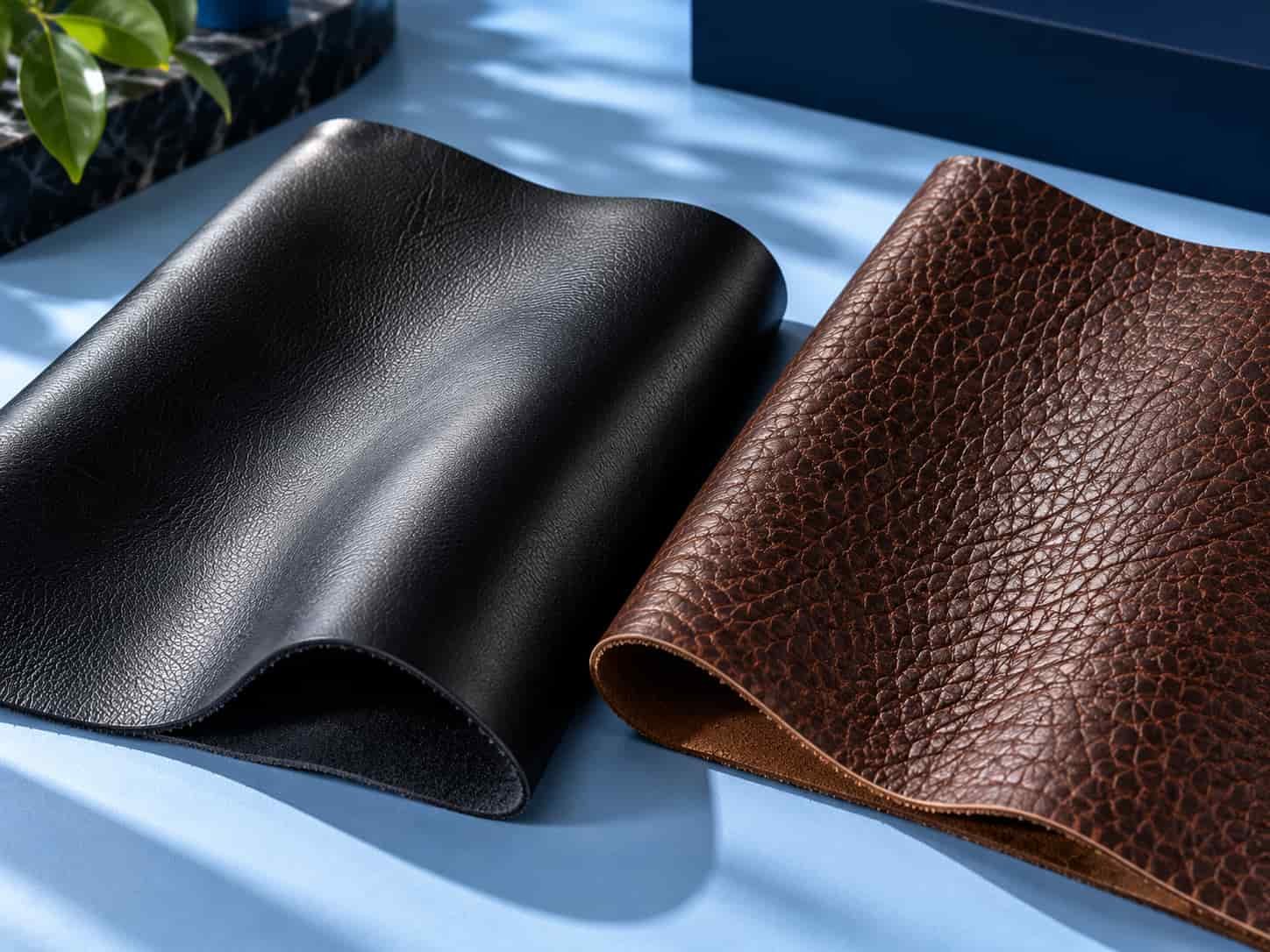
Neither term automatically identifies the better shoe. If you value a soft, smooth feel, Nappa may suit your preferences. If preserving the natural grain is your main concern, check whether the product is explicitly described as full-grain.
For a meaningful comparison, ask about the actual hide, surface finish, thickness, construction and intended use. A well-made shoe in one type of leather can be a better purchase than a poorly constructed shoe in another.
Nappa Leather vs Genuine Leather, Top-Grain and Synthetic Leather
Leather terminology can be confusing because labels sometimes describe a material’s grade, surface, finish or broad commercial category.
Nappa vs genuine leather
“Genuine leather” is a broad term used in retail and does not, by itself, specify the exact grain quality, finish or softness of the material. Nappa gives more information about the leather’s intended character, but a product listing still needs to be checked for accurate material details.
Do not assume that every item labelled “genuine leather” is poor quality, or that every item labelled “Nappa” is automatically premium. Look for clear specifications and assess the finished shoe.
Nappa vs top-grain leather
Top-grain generally refers to leather from the grain side of the hide, often with some surface correction depending on the product. Full-grain leather retains the entire grain surface without corrective mechanical removal.
Nappa and top-grain are not necessarily opposites: the terms can describe different characteristics. If the product’s grain grade matters to you, ask the maker for the precise specification.
Nappa vs synthetic leather
Synthetic leather is made from non-animal materials designed to imitate some appearance or performance characteristics of leather. Genuine Nappa leather is made from animal hide or skin.
Synthetic alternatives may appeal to shoppers looking for a different price point or a non-animal material. Compare the actual composition, surface coating, care instructions and expected use rather than judging solely by how similar the materials look.
Nappa vs patent leather
Patent leather is defined by its glossy, coated appearance. Nappa is associated with softness and a smooth surface, but it does not automatically mean a high-gloss finish.
A shoe could have a smooth appearance without being patent leather. Read the finish description carefully when shine, scuff visibility or cleaning requirements matter.
Are Nappa Leather Shoes Good?
Nappa leather shoes can be a good choice if you want a smooth, soft leather upper and are willing to follow the care instructions for its finish. Whether they are right for you depends on the shoe, the conditions in which you will wear it and your priorities.
Potential advantages
- Soft feel: Nappa is associated with a supple surface.
- Refined appearance: Its smooth finish works well in casual and dress styles.
- Versatile styling: It can be used in sneakers, loafers, lace-ups and other footwear designs.
- Natural surface character: Depending on the finish, visible grain and minor variations may remain.
Potential disadvantages
- Finish sensitivity: Some lightly finished versions can be more susceptible to staining or visible marks than more heavily coated leather.
- Care requirements: The correct cleaner and conditioner depend on the actual finish.
- Variable specifications: The Nappa label alone does not reveal the exact hide, thickness or protective treatment.
- No automatic weather protection: Softness should not be confused with waterproofing.
Is Nappa leather durable?
It can be durable enough for regular use, but the label alone cannot predict how long a shoe will last. Durability depends on the leather’s quality, thickness, finishing, how the shoe is constructed, how frequently it is worn and how it is maintained.
Look at the whole product. Check the upper for even finishing, the stitching for gaps, the lining for neat construction and the sole for suitability to your usual surfaces. Also ask whether the shoe can be repaired if the sole or other components wear out.
Do Nappa Leather Shoes Stretch?
Nappa leather can give or relax with wear, but the amount depends on the type of hide, its thickness, finish, construction and how the shoe fits. Do not assume a tight shoe will stretch enough to become comfortable.
A small amount of settling may occur as a leather upper is worn, but significant pressure on the toes, numbness or pain is not something to ignore. Choose a shoe that fits properly from the beginning.
How to get the right fit
- Check toe room while standing.
- Make sure the widest part of your foot aligns with the shoe’s widest part.
- Look for a secure heel without painful rubbing.
- Try shoes later in the day if your feet tend to swell.
- Follow the brand’s size chart and return policy.
- If a shoe is only slightly snug, ask the manufacturer or a qualified shoe repairer whether professional stretching is appropriate for that specific construction.
Avoid heating Nappa leather or stretching it aggressively at home. Excessive heat and force can damage the finish, distort the shoe or create permanent marks.
How to Clean Nappa Leather Shoes
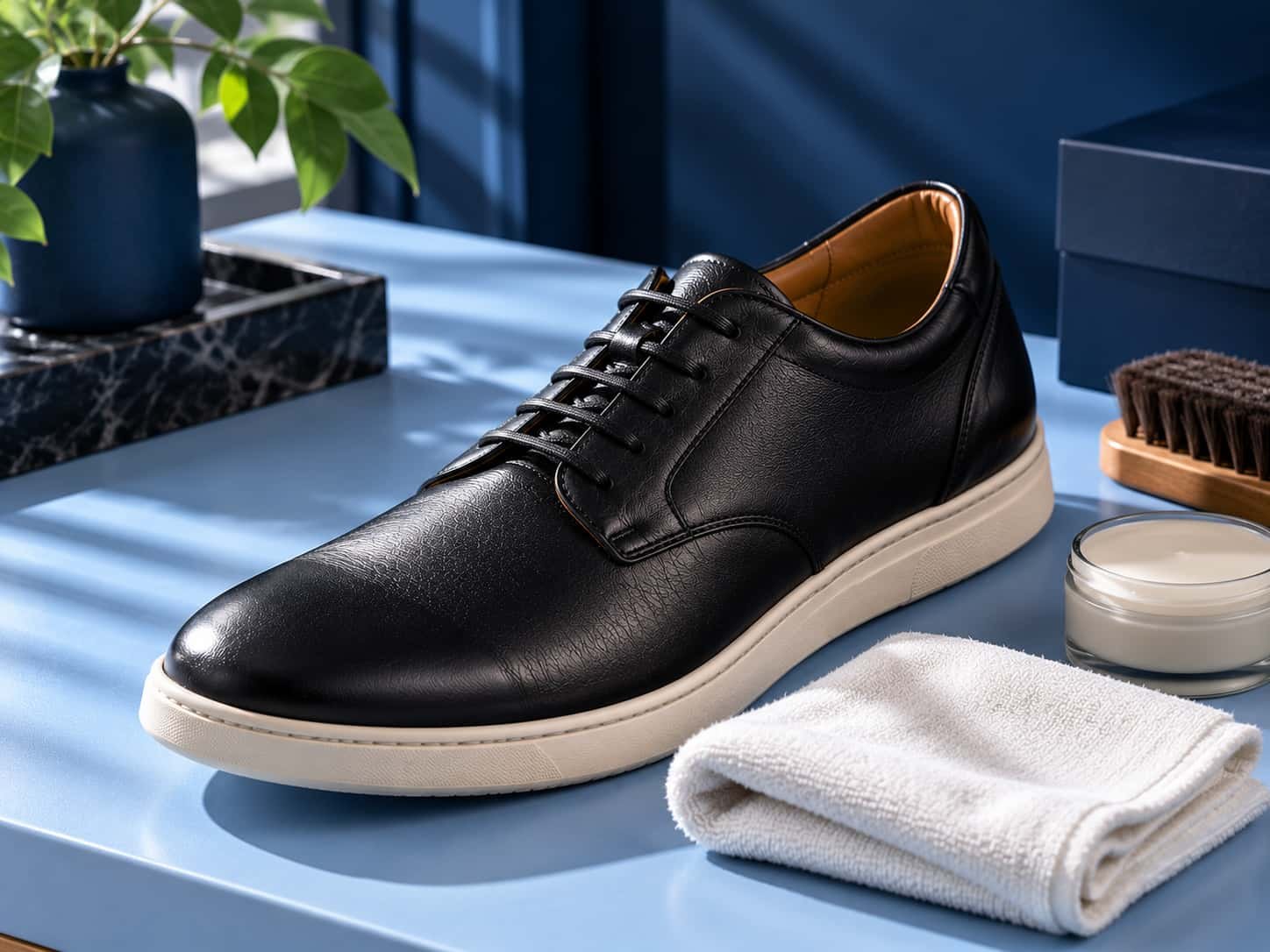
The safest cleaning method depends on the shoe’s finish. A lightly finished Nappa leather may react differently from a coated version. Start with the manufacturer’s instructions and avoid untested household remedies.
Step 1: Remove loose dirt
Let the shoes dry if they are damp. Use a clean, soft cloth or a gentle brush suitable for smooth leather to remove loose dust. Do not scrub aggressively, particularly on light-colored Nappa, where dirt or dye transfer may be noticeable.
Step 2: Wipe gently
For light surface dirt, use a clean cloth that is only slightly damp, if the manufacturer’s care guidance allows it. Wipe gently without soaking the leather or rubbing the same area repeatedly.
The official Dr. Martens Nappa material page is a useful starting point for its named material and linked care guidance. Care directions from one manufacturer should not automatically be applied to every Nappa shoe.
Step 3: Treat stains cautiously
If a mark remains, use only a cleaner that is suitable for the specific leather finish. Test it on a discreet area and allow the area to dry before assessing any change in color, texture or sheen.
For oil, ink, dye transfer or deep stains, professional advice may be safer than experimenting. Some marks cannot be removed without affecting the finish.
Step 4: Let the shoes air-dry
If the leather becomes damp, blot excess moisture with a soft cloth and allow the shoes to dry at room temperature. Avoid radiators, hair dryers, direct intense sunlight and other concentrated heat sources.
Step 5: Condition only if appropriate
A suitable leather cream or conditioner may help maintain the appearance of some Nappa finishes. However, not every product is compatible with every leather. Choose a product recommended for the shoe’s finish, test it first and use it sparingly.
Can you use WD-40 on Nappa leather shoes?
Do not use WD-40 as a leather cleaner, conditioner or waterproofing treatment unless the shoe manufacturer specifically approves that use. It is not a substitute for a leather-care product designed for the material and finish.
Is Vaseline good for Nappa leather?
Avoid using petroleum jelly as a general-purpose treatment for Nappa shoes. It can leave residue, change the appearance or interfere with the intended finish. Use a compatible leather-care product instead.
Can you use dish soap or household cleaners?
Do not assume that dish soap, household sprays, oil soaps or homemade mixtures are safe for Nappa leather. Their ingredients and concentrations vary, and they may affect the color or finish. Use the product maker’s instructions or consult a leather-care professional for difficult stains.
For broader footwear cleaning advice, see Urban Style Footwear’s Complete Shoe Care Guide.
How to Care for and Store Nappa Leather
Regular, gentle maintenance can help preserve the appearance of Nappa leather shoes.
- Remove dust after wearing: Use a soft, clean cloth before dirt accumulates.
- Allow shoes to air out: Give them time to dry naturally between wears.
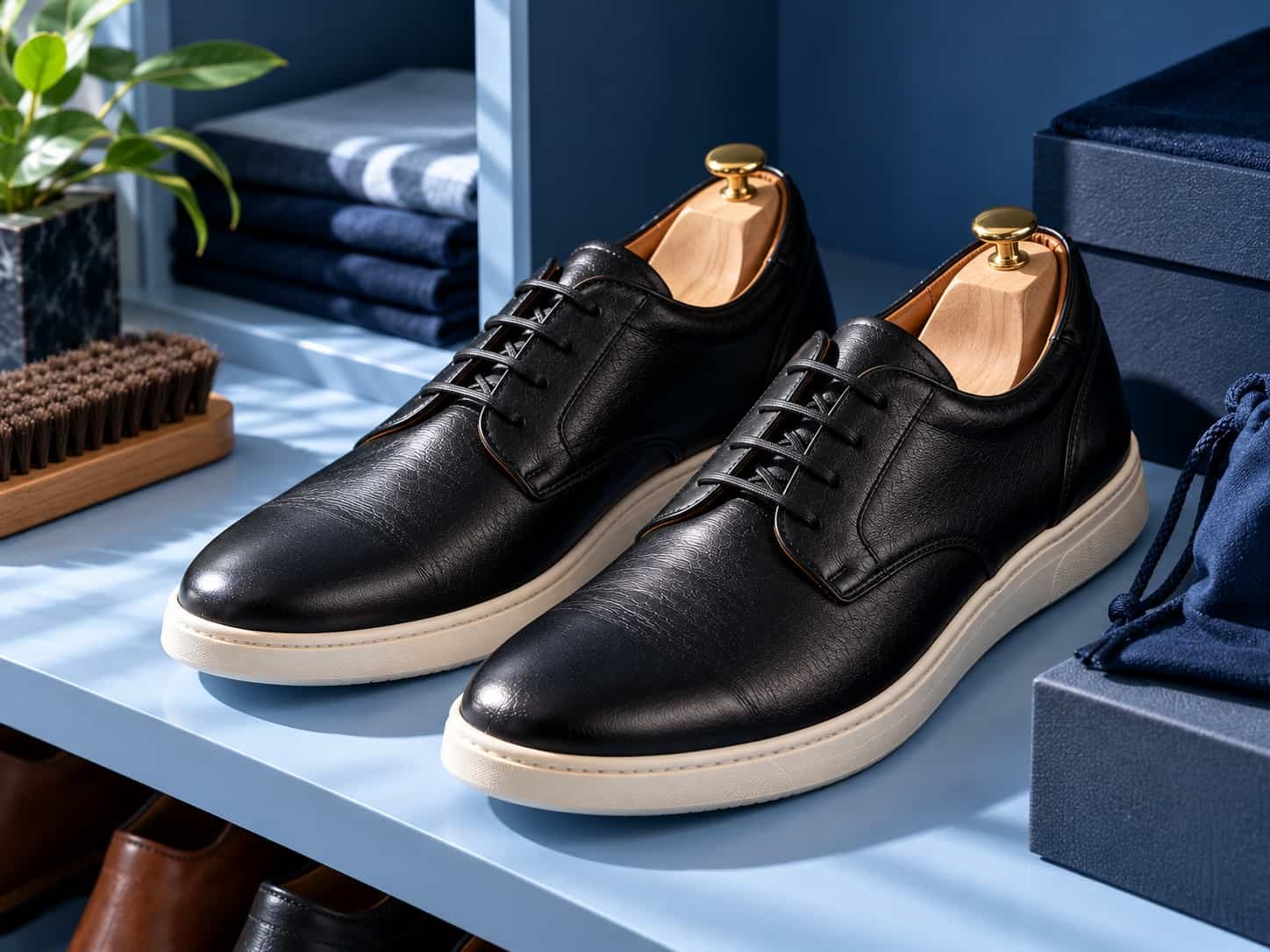
- Use shoe trees where suitable: A correctly sized shoe tree can help maintain shape without forcing the upper.
- Store away from heat and direct sunlight: Excessive heat may dry or distort leather, while strong light can affect some colors.
- Keep shoes separated: Avoid scratches from buckles, rough soles or neighboring footwear.
- Use compatible care products: Check the label and the shoe maker’s instructions before applying creams, waxes or protective sprays.
- Seek help for difficult damage: Professional care may be appropriate for deep stains, peeling finishes or extensive discoloration.
Nappa Leather Care Mistakes to Avoid
Mistake 1: Assuming all Nappa leather is identical
Different hides and finishes require different treatment. Check the exact material specification and care instructions.
Mistake 2: Using too much water
Soaking leather can affect its appearance and structure. For ordinary surface dirt, begin with a soft cloth and minimal moisture where permitted.
Mistake 3: Applying an unsuitable conditioner
A product may be designed for a different leather finish. Test first and use only a compatible product.
Mistake 4: Trying to force a tight shoe to stretch
Heat and aggressive stretching can damage the upper. Choose the correct fit and ask a professional if a small adjustment is appropriate.
Mistake 5: Treating softness as proof of quality
Softness is one characteristic, not a complete measure of shoe quality. Construction, fit, finish and repairability matter too.
Mistake 6: Confusing Nappa with waterproof leather
Nappa does not automatically mean that a shoe is waterproof or water-resistant. If you need protection from rain, check the exact product’s construction and any documented water-resistance claims.
How to Choose Nappa Leather Shoes
Before buying, use this checklist to compare the material and the finished product.
- Confirm the material. Does the product specify genuine Nappa leather, and which parts of the shoe use it?
- Check the finish. Is it natural-looking, lightly finished, pigmented or coated?
- Choose for your routine. Consider whether you will wear the shoes daily, occasionally or mainly for formal events.
- Assess construction. Inspect stitching, lining, sole attachment and finishing.
- Check fit. Make sure the shoe feels secure without painful pressure.
- Read care instructions. Confirm that suitable cleaning products and methods are available.
- Review the return policy. This is particularly useful when buying online or trying an unfamiliar brand.
- Compare the complete shoe. Material, comfort, construction and maintenance are more useful criteria than the Nappa label alone.
If you are comparing a specific product such as 8053 Nappa leather casual shoes, verify the model’s current material description, size availability, color and price on the official retailer or manufacturer page. Do not rely on a search snippet or assume that different versions have identical specifications.
Frequently Asked Questions About Nappa Leather
What is Nappa leather?
Nappa is a soft, smooth leather. In ISO 15115:2019, it is defined as soft full-grain leather that is through-dyed and lightly finished. Commercial descriptions may be broader, so product-specific material details are important.
Is Nappa leather better than full-grain leather?
They are not necessarily competing categories. Nappa can be full-grain. Nappa describes a particular soft leather character and finish profile, while full-grain describes the preservation of the natural grain surface.
Is Nappa leather good for shoes?
It can be a good choice for casual and dress shoes when the material, construction and fit suit the intended use. Check the finish and maintenance requirements before buying.
Does Nappa leather stretch?
It may relax or give somewhat with wear, but the amount varies. A shoe that is significantly too tight should not be purchased on the assumption that it will stretch enough to fit.
What is the best cleaner for Nappa leather?
The best choice is a cleaner compatible with the shoe’s specific finish and approved by the manufacturer. Start with gentle surface cleaning, test any product on a hidden area and seek professional help for difficult stains.
Can Nappa leather shoes get wet?
Avoid unnecessary exposure to water. The result depends on the finish and construction. If the shoes get damp, blot gently and let them dry naturally away from direct heat.
Is Nappa leather real leather?
Yes, genuine Nappa leather is animal hide or skin processed into leather. If the product listing is ambiguous, confirm whether it uses genuine leather or a synthetic imitation.
Does Nappa leather smell?
Leather can have a recognizable smell influenced by tanning, finishing, dyes, storage and packaging. The scent alone is not a reliable way to identify leather quality or authenticity. If a new product has an unusually strong or persistent chemical odor, ventilate it and contact the seller if the smell concerns you.
Can you use WD-40 or Vaseline on Nappa leather?
Do not use either as a default leather-care solution. Choose a cleaner or conditioner designed for the specific leather finish and follow the shoe maker’s instructions.
Is Nappa leather waterproof?
No. The word Nappa does not itself establish waterproof performance. Check the product’s specific construction and any manufacturer-supported water-resistance claims.
Final Thoughts on Nappa Leather Shoes
Nappa leather is worth considering if you prefer a soft, smooth leather upper and want footwear with a refined appearance. However, it is not a guarantee of a particular hide, finish, durability level or weather protection.
The most useful buying decision combines the material specification with the shoe’s construction, fit, care requirements and intended use. Compare the exact product details, follow manufacturer-specific care advice and avoid untested household treatments.
To continue learning, explore Shoe Materials Explained and the Complete Shoe Care Guide.
Sources and Further Reading
- International Organization for Standardization (ISO) — ISO 15115:2019, Leather — Vocabulary. Read the standard vocabulary
- German Leather Federation — Leather A–Z. Read the leather terminology guide
- Dr. Martens — Nappa Leather Materials. View material details
- Kennel & Schmenger — Care Guide. Read shoe-care instructions
- Maison Margiela — Product Care. Read leather care guidance
- Urban Style Footwear — Shoe Materials Explained
- Urban Style Footwear — Complete Shoe Care Guide


