

Where Are Nike Shoes Made? Factories and Countries Explained
Manufacturing Guide | Based on Nike’s FY2026 Annual Report | Updated November 2026
Summarise This Guide with AI
Submit the prefilled request in the assistant of your choice. The assistant reads this page only after you submit it. The summary covers where Nike footwear is made, how the country mix has changed, and how to read a shoe’s origin label.
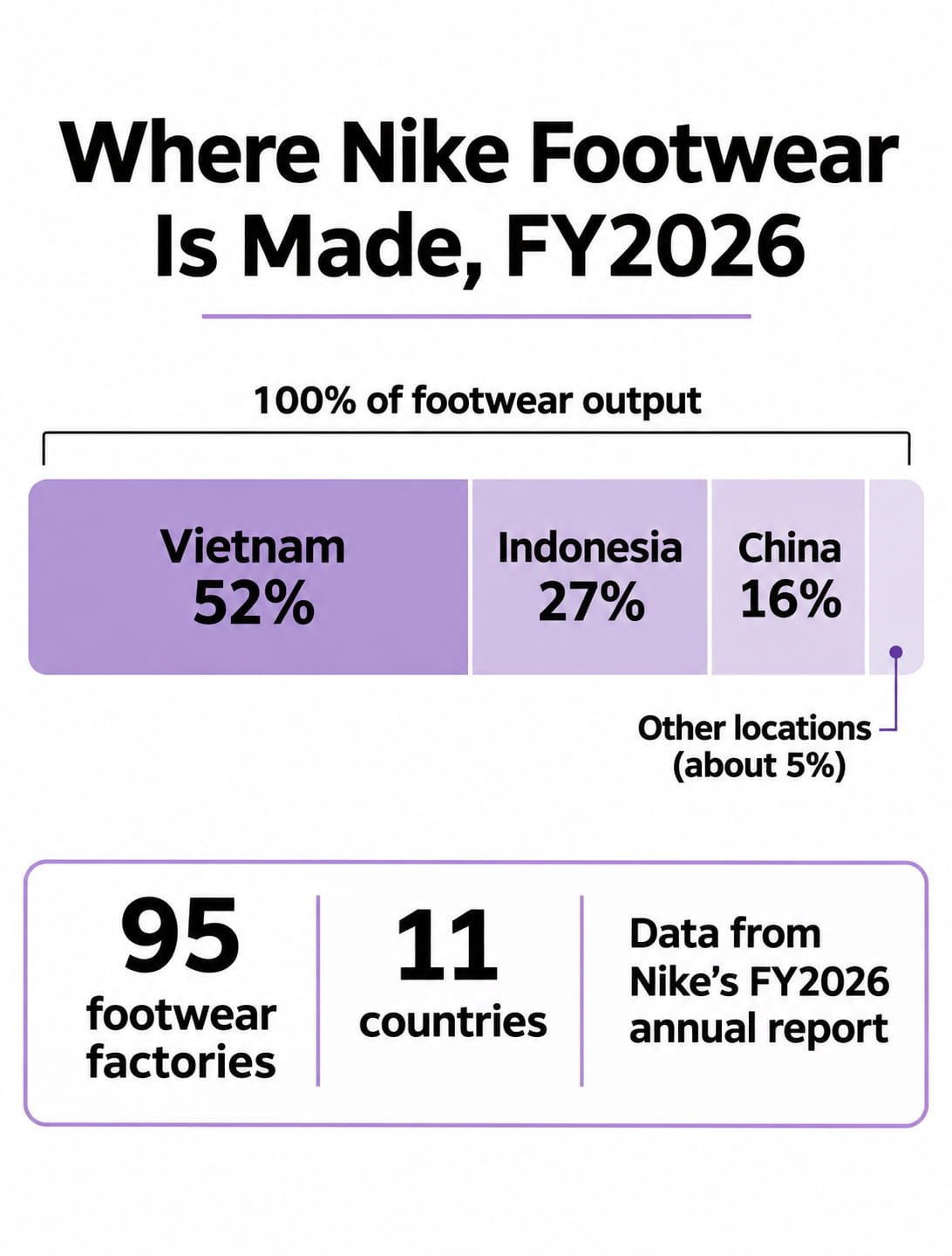
Nike does not make most of its shoes in one place. Its annual filing says nearly all footwear is made outside the United States by independent contract factories. For fiscal 2026, factories in Vietnam produced about 52% of NIKE Brand footwear, Indonesia about 27% and China about 16%.
Key Takeaways
- Nike does not own most of the factories that make its shoes. Independent contract manufacturers run them.
- In its FY2026 filing, Nike reported 95 footwear factories in 11 countries, with Vietnam, Indonesia and China producing about 95% of its footwear.
- The country mix has shifted slowly over the past several years. Vietnam’s share has risen, and China’s has fallen.
- “Made in USA” branding on a model describes design or heritage. It does not mean the pair was made in the United States.
- A shoe’s country-of-origin label is the most reliable clue for a single pair, and the company’s annual filing is the best source for the big picture.
The Short Answer: Who Makes Nike Shoes
Most Nike shoes are made by large contract factories in Asia, with Vietnam as the biggest single country. Nike designs the shoes, sets the specifications, and sells them, while separate companies do most of the cutting, stitching, bonding and final assembly. That arrangement is common across the athletic footwear industry, and it explains why the same model can carry different origin labels depending on the batch.
Two details help make sense of the answer. First, the origin of a pair is not the same as the origin of its parts. A shoe may be assembled in one country using midsoles or cushioning components made in another. Second, Nike’s public numbers describe footwear as a whole, not each model. Use the company-wide figures to understand the supply chain, and use the label to answer the question for one pair.
For background on how the parts fit together, the anatomy of a shoe guide walks through the main layers, and the shoe materials pillar explains the materials used in each.
Nike Does Not Run Most of Its Factories
Nike’s filings describe a supply model built around independent contract manufacturers. The FY2025 annual report says nearly all of the company’s products are manufactured by independent contractors, and that nearly all footwear and apparel products are made outside the United States. Equipment products, which include some sporting goods, are made both in the United States and abroad.
This model has real advantages for a brand that sells in many countries. It lets a company add or move capacity without building and staffing its own plants. It also spreads production across a network of factories, so one disruption does not stop the whole product line. The trade-off is less direct control over each factory, which is why Nike publishes a manufacturing map and a supplier code of conduct.
Nike’s own description of its supply chain says its Tier 1 finished goods suppliers employ more than one million workers across 37 regions and countries. The company also says its strategic suppliers, which make 80% of its product volume across footwear, apparel and accessories, are the focus of its supplier programmes. You can read the company’s current position on the Nike responsible supply chain page.
Contract manufacturing also explains why production can move between countries over time. When wages, tariffs or local conditions change, a brand can shift orders to another factory or country. That is one reason the country mix in the next section has changed gradually.
The Numbers Behind Nike’s Factory Map
Nike’s annual report is the most traceable source for its footwear production. The company reports the number of factories, the countries they operate in, and the share of footwear each country produced. The figures below come from the filings for the stated fiscal years, which run from June 1 to May 31.
| Fiscal year | Footwear factories | Vietnam | Indonesia | China |
|---|---|---|---|---|
| FY2019 | 112 (12 countries) | 49% | 21% | 23% |
| FY2024 | Not stated in this table | 50% | 27% | 18% |
| FY2025 | 97 (11 countries) | 51% | 28% | 17% |
| FY2026 | 95 (11 countries) | 52% | 27% | 16% |
The shares are approximate, and they refer to NIKE Brand footwear. In FY2026 the top three countries together account for about 95% of footwear output. The remaining 5% is spread across other locations, and that figure is derived from the three reported shares rather than stated separately in the filing.
Two other details from the FY2025 and FY2026 reports are worth noting. In FY2025, the largest single footwear factory accounted for about 11% of footwear production. In FY2026, four footwear contract manufacturers each accounted for more than 10% of footwear production, and together they made up about 60%. That concentration matters because a problem at one large factory can affect a big share of supply.
The apparel side of the business looks different. In FY2026, factories in Vietnam, Cambodia and China made about 34%, 15% and 12% of NIKE Brand apparel. This article focuses on footwear, but readers who buy clothing should know that the country mix is not the same.
Why Vietnam, Indonesia and China Dominate
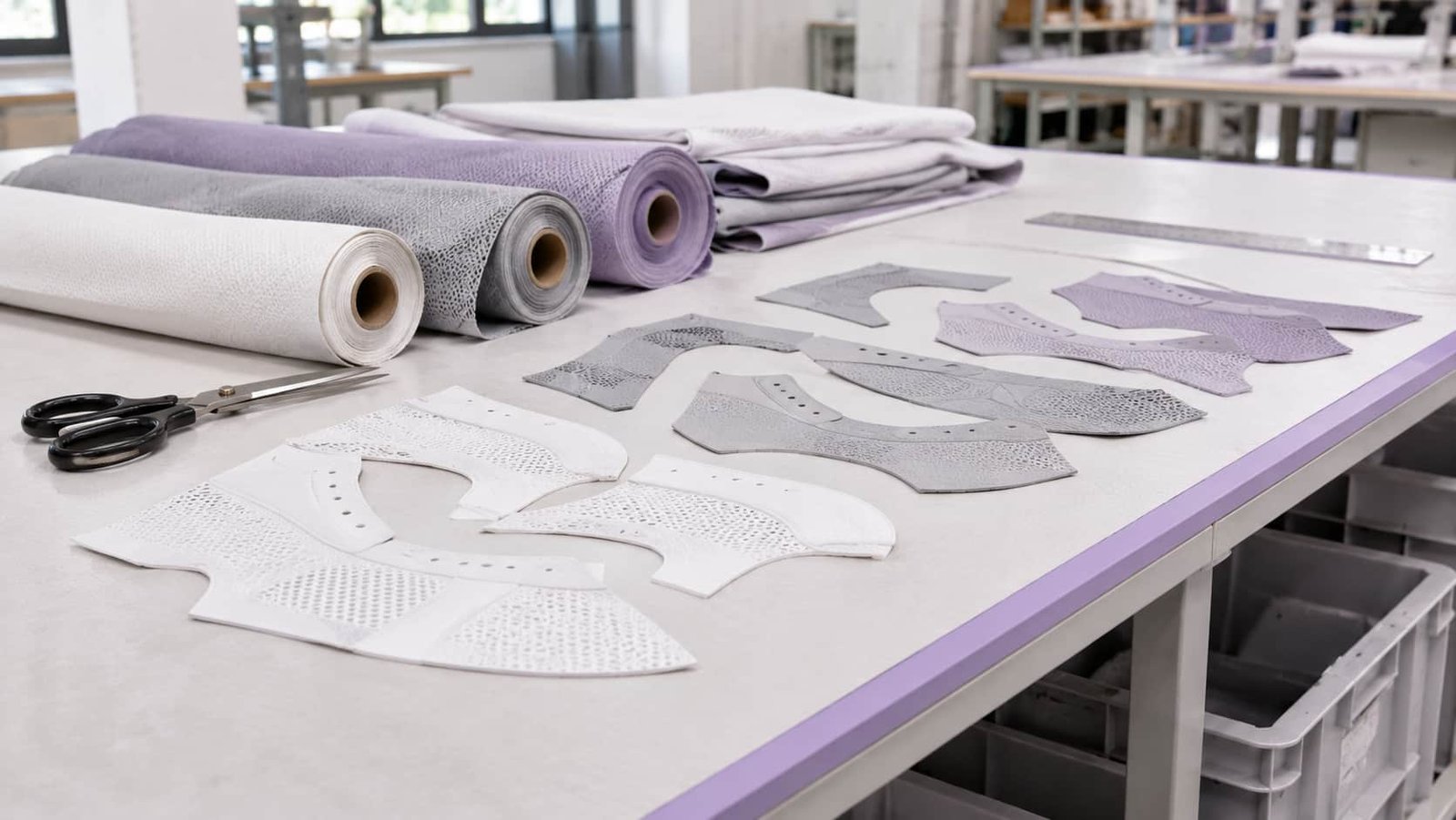
Footwear manufacturing is labour-intensive. Sneakers need cutting, stitching, gluing, lasting and assembly, and these steps are hard to fully automate. Industry analysts have long noted that efforts to automate shoe production have not replaced most hand-based work. That is why production has gravitated toward countries with large, skilled workforces and an established supplier base.
Vietnam has grown into the centre of Nike’s footwear network. The company’s filings show its share rising from about half of footwear output in the late 2010s to just over half in FY2026. A ProPublica report from 2025, which cites Nike’s public manufacturing map, described Vietnam as the country with the most Nike factories and workers, and noted that Vietnam was then the origin of about half of the company’s sneakers. The report also discussed how proposed tariffs could affect workers in countries with large Nike supply chains, including Vietnam, Indonesia and China.
Indonesia has been a steady second source. Its share stayed close to a quarter of footwear output across most of the years in the filings, and rose to 27–28% in the most recent reports. China’s share has been falling, from about 23% in FY2019 to 16% in FY2026. That shift reflects the company’s efforts to spread production across more countries, along with changes in cost, trade rules and supplier choices.
Tariffs are an important variable. A tariff changes the cost of importing a shoe into a given market, which can affect where a brand chooses to make its products. The ProPublica report notes that industry watchers expected production to move toward countries with lower tariffs rather than back to the United States. Readers should treat that as one analyst view rather than a company forecast, and check the latest tariff rules for their own country.
The human side of these numbers is important too. Large supply chains involve many workers, and labour conditions vary by factory and country. Nike’s filings describe its supplier programmes and expectations, and independent reports have raised concerns about working conditions at some suppliers. This guide does not judge individual factories. It describes where production happens and points to the company’s published standards.
Are Any Nike Shoes Made in the USA?
This is one of the most common questions readers ask, and the honest answer has two parts. Nike’s filings say nearly all footwear is made outside the United States. The company also lists “Made in USA” as part of product names and design themes, and that can confuse buyers.
Take the Nike Air Force 1 ’07 LV8 ‘USA’ as an example. The name refers to a patriotic colourway and design concept, which is a naming and styling choice. The product listing on Nike’s Canadian site shows its country or region of origin as Vietnam. That is one listing, and the country can differ by region or batch, but it shows why the name should not be read as an origin claim.
Nike also makes some specialised components in the United States. Its filings describe Air Manufacturing Innovation, a wholly owned subsidiary with facilities near Beaverton, Oregon, and in St. Charles, Missouri, that makes Air-Sole cushioning components and some plastic products. Those facilities are part of the supply chain, but they do not change the fact that most finished footwear is made overseas.
So if you are asking whether a specific pair was made in the United States, check the label. If you are asking whether the brand makes most of its footwear in the United States, the filings say no.
Where Cushioning and Key Parts Come From
A shoe’s origin is not the same as the origin of every part. Nike’s filings list the main materials used in footwear, including natural and synthetic rubber, plastic compounds, foam cushioning materials, natural and synthetic leather, nylon, polyester, and polyurethane films. Most of those raw materials are bought by contract manufacturers in the countries where production takes place.
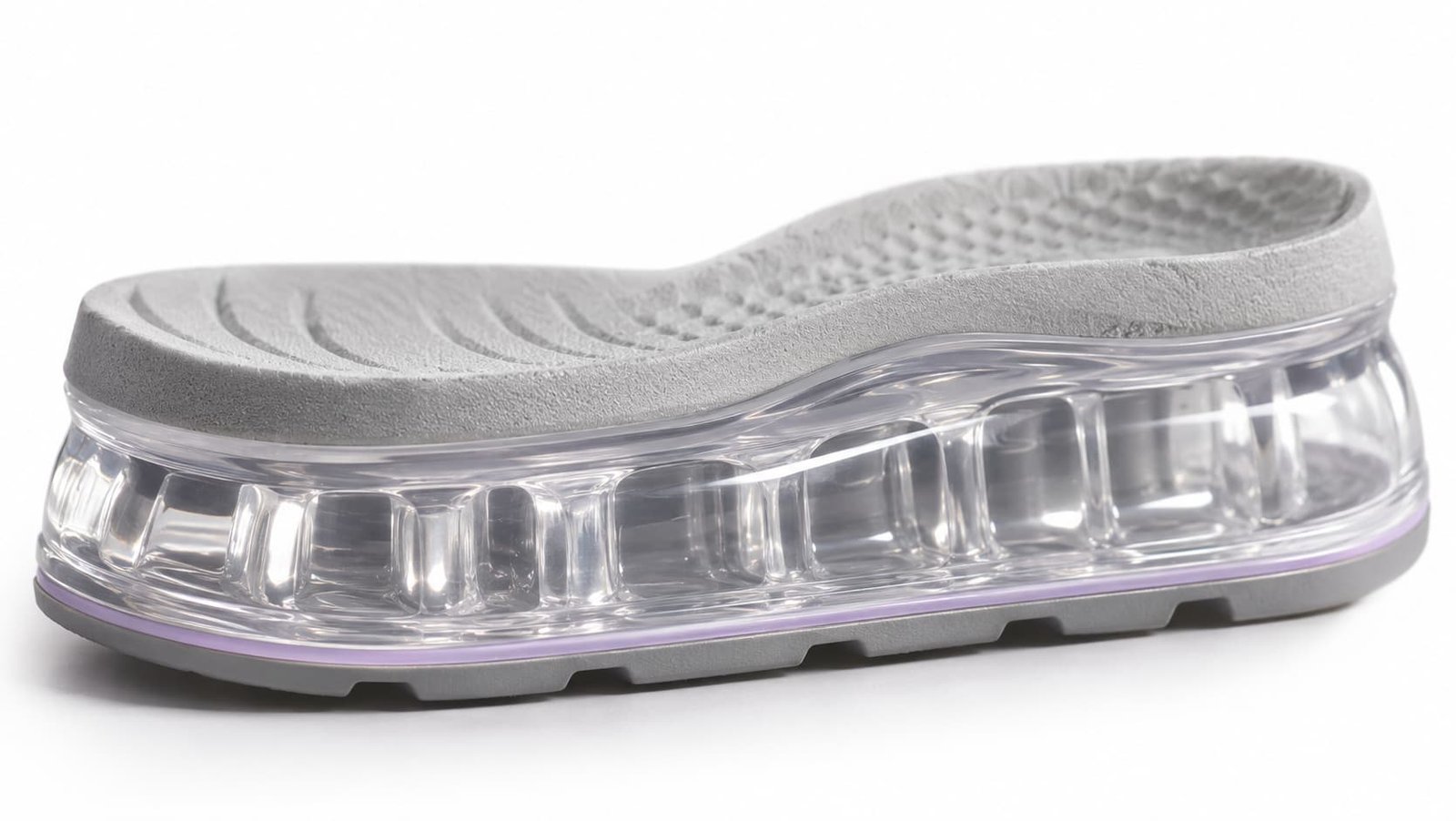
Cushioning is a useful example. Nike’s annual reports describe Air-Sole cushioning components made by Air Manufacturing Innovation in Oregon and Missouri, as well as by contract manufacturers in China and Vietnam. A pair with Air cushioning may therefore combine components from more than one country before final assembly.
This layered sourcing is one reason a single origin claim can be incomplete. The country on the label tells you where the shoe was finished. It does not tell you every place its materials came from. For a closer look at how the midsole is produced, read how midsoles are made. For the foam compounds that sit inside many midsoles, see the guide to running shoe foam and EVA foam.
How to Read a Nike Label
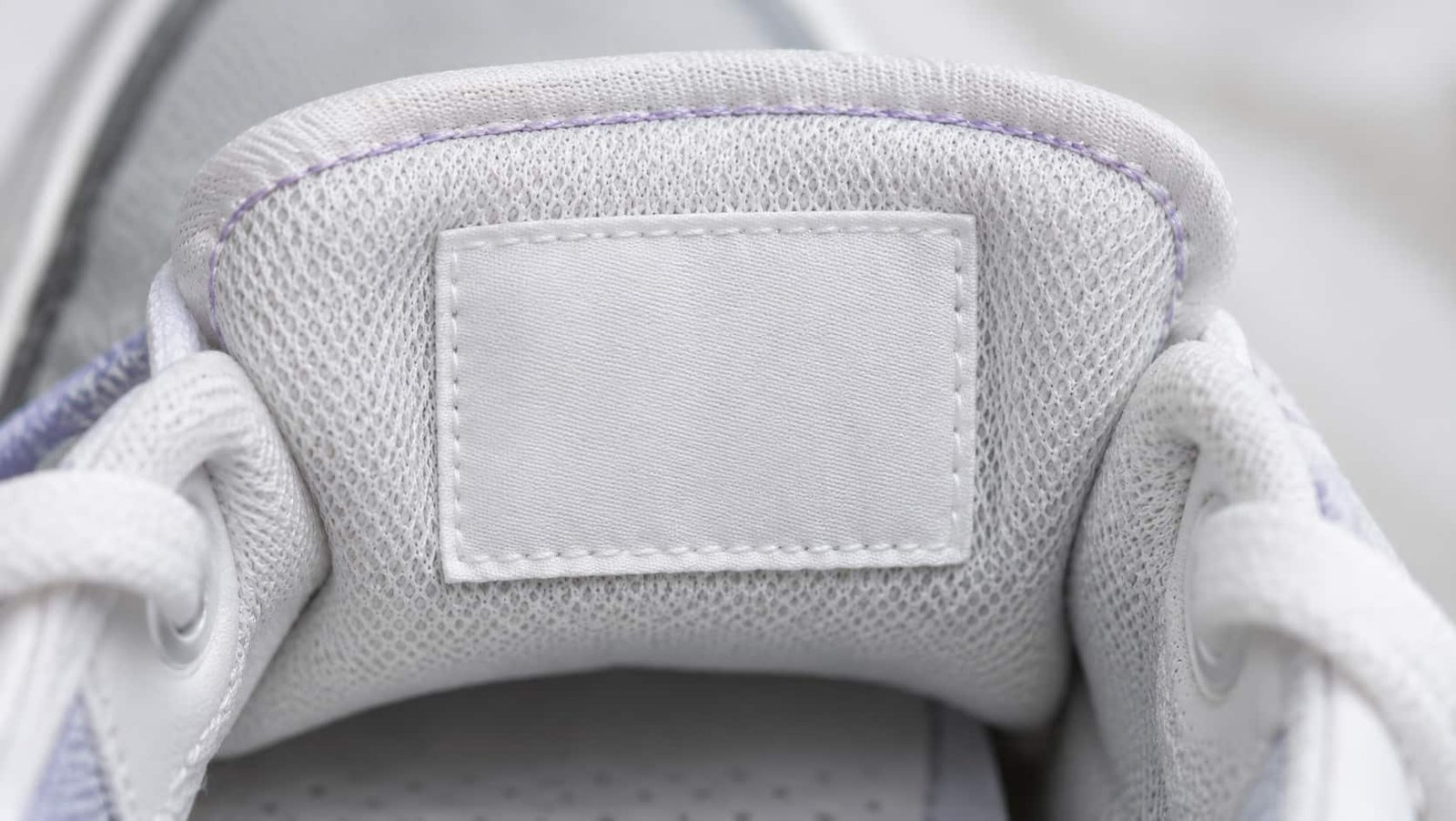
The label inside a shoe, usually on the tongue or lining, shows the country where the pair was made. Here is how to use it well.
Start with the country. The label is the most direct answer for that pair. Note that two pairs of the same model can have different origins, because contract factories and batches vary.
Check the style code. Nike product pages list a style code, which helps you match a pair to a product listing. A retail page that shows the same style code and a country of origin is a useful cross-check.
Do not rely on the model name. Names such as “USA” or “Made in” describe the design, not the place of manufacture. A patriotic colourway or a heritage name does not guarantee US production.
Read the company-wide numbers with care. The filings describe footwear in aggregate. They do not tell you the origin of an individual pair, and they do not show how a given factory treats its workers.
Watch for counterfeits. If a pair seems unusually cheap, or the label looks wrong, check the authenticity steps in the guide to checking Nike authenticity. A counterfeit can carry a fake origin label, so the label is one clue among several.
Practical Decision Guide
The right way to use origin information depends on your goal.
- If you want a pair made in a specific country: Check the label and the product listing for that model. Do not assume that a “USA” name means US production.
- If you are researching the brand’s supply chain: Use the company’s 10-K filings and its manufacturing map. Look at several years to see the trend, and note the difference between footwear and apparel.
- If you care about labour practices: Read the company’s supplier code of conduct and its published sustainability data. A country-level share does not tell you how a particular factory operates.
- If you buy for fit or comfort: Origin is rarely the deciding factor. Fit, materials and midsole design matter more. The Nike shoe size chart helps you compare sizing before you buy.
- If you plan to resell or buy second-hand: Check authenticity first, and use the label as one of several checks.
Common Myths About Nike Manufacturing
Myth: A “Made in USA” model is made in the United States. The name describes design or theme. Check the country-of-origin label on the pair or product listing.
Myth: Every Nike shoe comes from the same factory. Nike works with many contract manufacturers, and one large factory can account for a notable share of output but not all of it.
Myth: Nike owns the factories. Nike’s filings describe independent contract manufacturers. The company designs, specifies and sells the products.
Myth: The country mix is fixed. The shares have moved over time. Vietnam’s share has risen, and China’s has fallen across the reports cited here.
Myth: Origin tells you everything about quality. Origin is one factor. Materials, construction, fit and the specific model matter at least as much.
Frequently Asked Questions
Where are most Nike shoes manufactured?
In its FY2026 annual report, Nike states that factories in Vietnam, Indonesia and China manufactured approximately 52%, 27% and 16% of NIKE Brand footwear. These are the three largest sources.
Are Nike shoes made in China?
Some are. Nike’s FY2026 filing reports that factories in China manufactured about 16% of its footwear, down from about 23% in FY2019. Most footwear comes from other countries, mainly Vietnam and Indonesia.
Are any Nike shoes made in the USA?
The filings say nearly all footwear is made outside the United States. Some specialised cushioning components are made in Oregon and Missouri by a Nike subsidiary. Check the label on the specific pair you are considering.
What percentage of Nike shoes are made in the US?
Nike’s filings do not state a US share of footwear production as a figure. They say nearly all footwear is made outside the United States, which is the most accurate public statement available.
Are Air Jordans made in China?
Origin varies by model and batch, so the label is the only reliable check for a specific pair. Nike’s filings describe footwear production in aggregate and do not list origins by model.
Does “Made in USA” on a Nike shoe mean it was made in the USA?
Not necessarily. Some models use “USA” in the name for design or colourway reasons. Check the country-of-origin label.
Where is Nike’s manufacturing data published?
Nike publishes its manufacturing map and annual reports. The company’s supplier and sustainability pages describe how it lists suppliers.
How can I tell whether my Nike shoes are authentic?
Check the label, the style code, the materials and the stitching, and compare them with official product listings. The authenticity guide covers the main steps.
Conclusion
Nike’s shoes are made mainly by independent factories in Vietnam, Indonesia and China, and the company’s filings show that pattern has held for several years. Use the annual report to understand the big picture, and the label to answer the question for a single pair. A “Made in USA” name does not change where a shoe was made.
The most useful next step is to check the country-of-origin label on the pair you are considering, then compare the model’s materials and fit. For more on how the parts of a shoe are built, read the anatomy of a shoe guide, and for the wider materials picture, browse the footwear knowledge hub.
Sources
- NIKE, Inc. Form 10-K for the fiscal year ended May 31, 2026. U.S. Securities and Exchange Commission. https://www.sec.gov/Archives/edgar/data/0000320187/000032018726000088/nke-20260531.htm
- NIKE, Inc. Form 10-K for the fiscal year ended May 31, 2025. U.S. Securities and Exchange Commission. https://www.sec.gov/Archives/edgar/data/320187/000032018725000047/nke-20250531.htm
- NIKE, Inc. Form 10-K for the fiscal year ended May 31, 2024. U.S. Securities and Exchange Commission. https://www.sec.gov/Archives/edgar/data/320187/000032018724000044/nke-20240531.htm
- NIKE, Inc. Form 10-K for the fiscal year ended May 31, 2019. U.S. Securities and Exchange Commission. https://www.sec.gov/Archives/edgar/data/320187/000032018719000051/nke-531201910k.htm
- NIKE, Inc. Responsible Supply Chain. https://about.nike.com/en/mission/focus-areas/responsible-supply-chain
- NIKE, Inc. Modern Slavery Statement (Australian Modern Slavery Register). https://modernslaveryregister.gov.au/statements/dbp1H28t50CKoZM/pdf
- ProPublica. Nike’s supply chain and the tariff debate, 2025. https://www.propublica.org/article/nike-trump-tariffs-impact-workers-prices
- NIKE, Inc. Air Force 1 ’07 LV8 ‘USA’ product listing (Canada). https://www.nike.com/ca/t/air-force-1-07-lv8-usa-shoes-3N6tb4i2


