
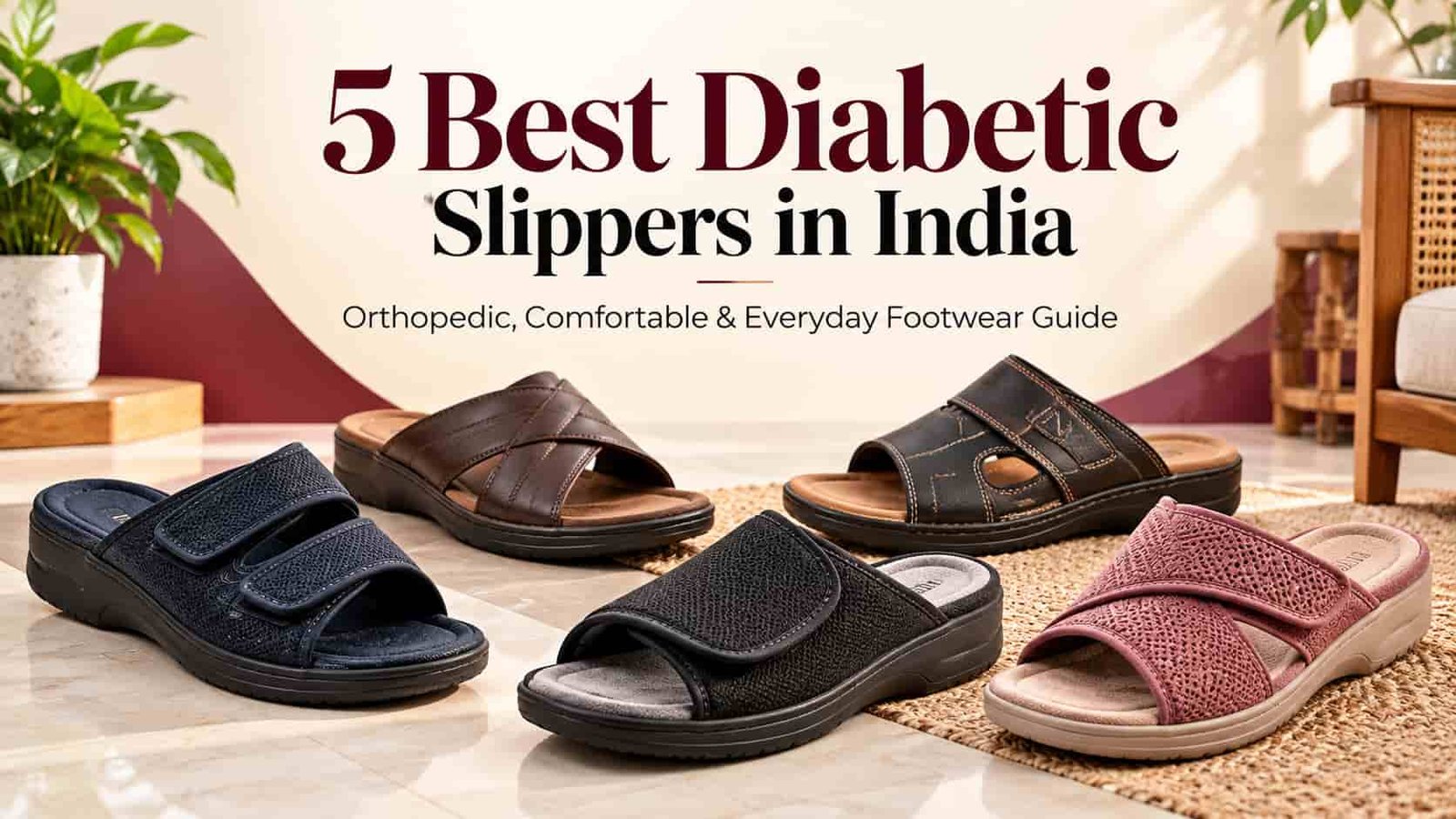
5 Best Diabetic Slippers in India: Orthopedic & Comfortable Picks
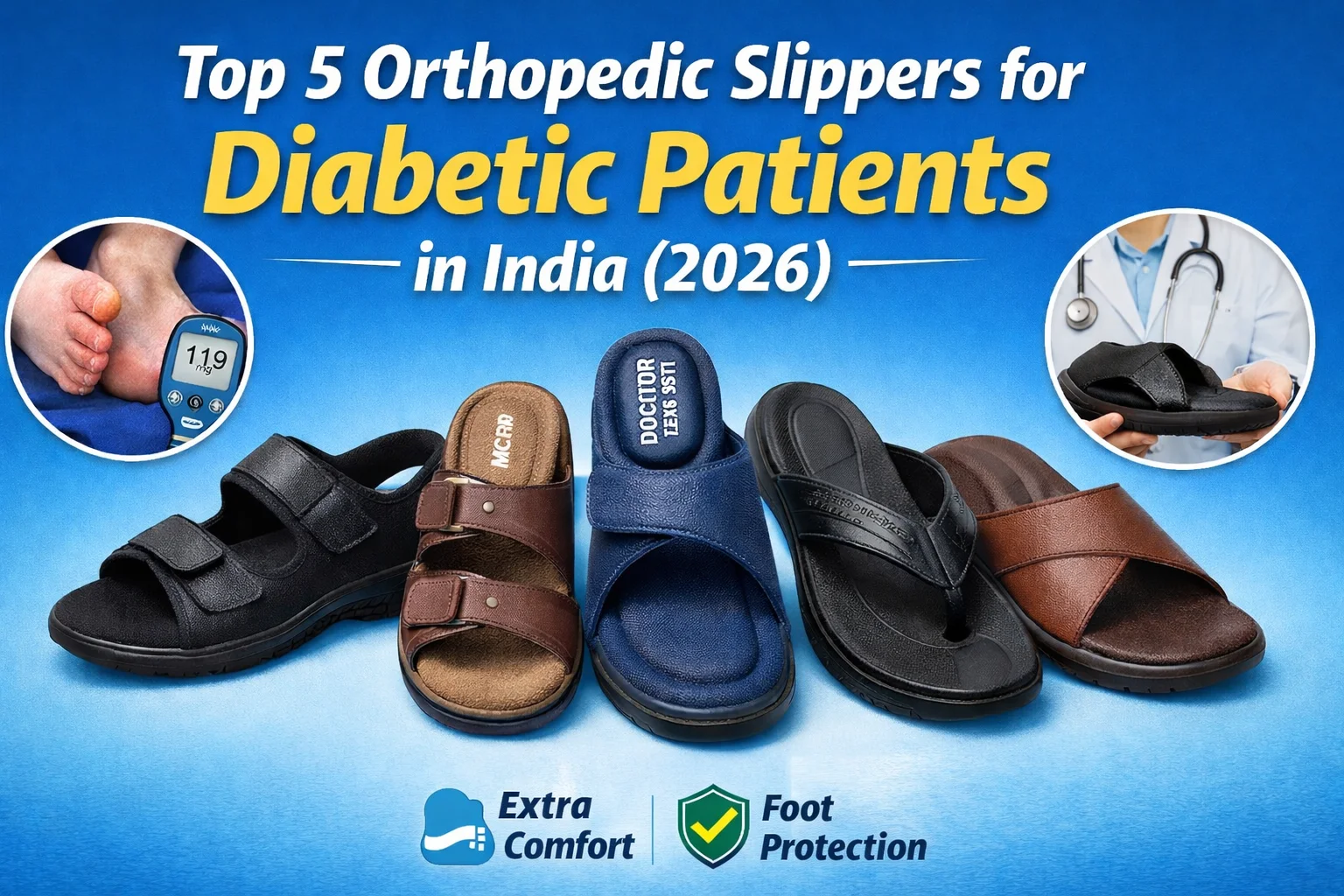
AI Summary: Best Diabetic Slippers in India
This guide compares five diabetic and orthopedic slipper options based on fit, cushioning, adjustability, everyday use and product positioning. The key takeaway is that people with diabetes should prioritize proper fit, adequate toe room, secure fastening and regular foot inspection rather than choosing footwear solely because it is labeled “orthopedic” or “diabetic.”
If you have diabetes, choosing slippers is less about finding the softest footbed and more about avoiding unnecessary pressure, rubbing and poor fit. A suitable pair should fit securely, leave enough room around the toes, provide a stable sole and feel comfortable without creating pressure points.
For people with neuropathy or reduced sensation, the stakes are higher because rubbing or a small object inside a slipper may not be noticed immediately. The CDC recommends well-fitting footwear and checking the feet regularly, while NHS podiatry guidance advises checking both the feet and the inside of footwear for redness, blisters, creases or foreign objects.
If you’re comparing footwear for specific foot problems, our guide to foot pain and supportive footwear explains how different comfort and support needs can affect your shoe choice.
👣 Top 5 Diabetic Slipper Picks
Five options to compare based on comfort, construction, fit and everyday use.
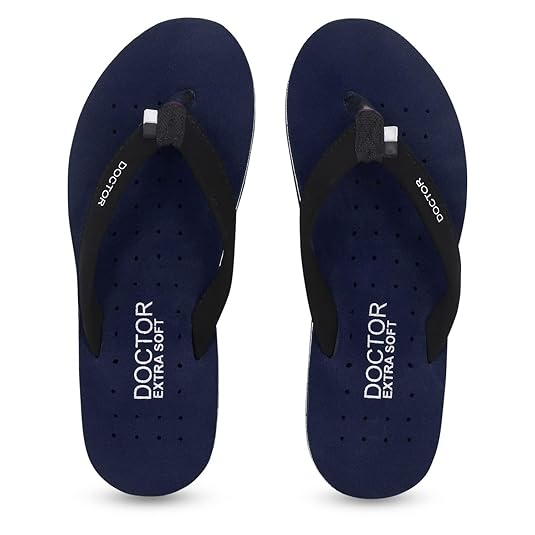
Doctor Extra Soft Orthopedic Slippers for Women
A comfort-focused women’s orthopedic slipper option for everyday indoor use.
🛒 Check Price on Amazon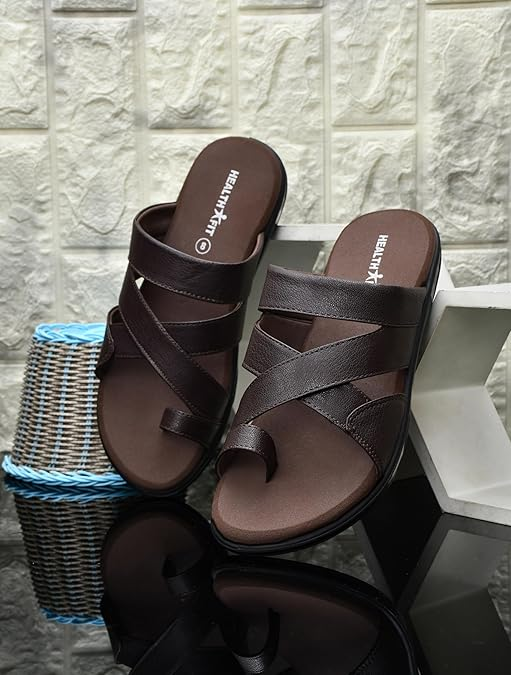
Health Fit Diabetic Orthopedic Footwear
A diabetic-oriented footwear option with an adjustable design for a more adaptable fit.
🛒 Check Price on Amazon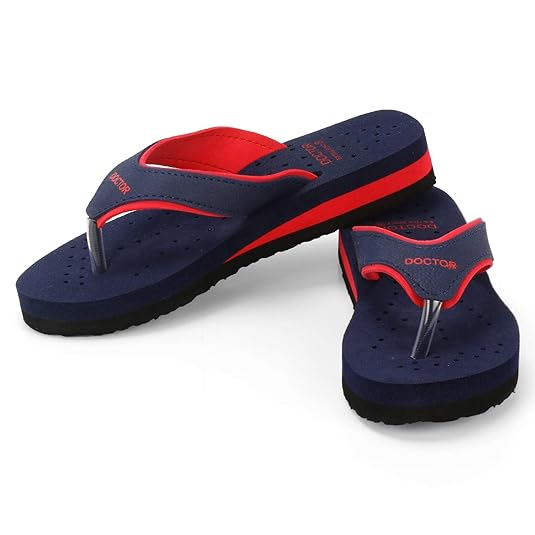
Doctor Extra Soft Men’s D-19 Orthopaedic Slipper
A men’s orthopedic slipper option for everyday comfort, cushioning and daily indoor wear.
🛒 Check Price on Amazon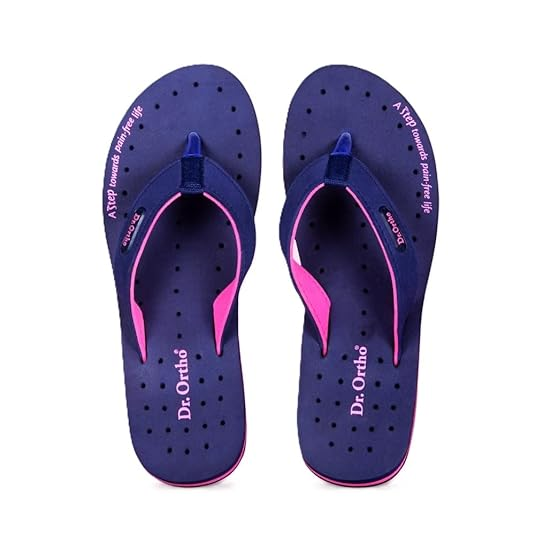
Dr. Ortho Lightweight Slipper / Flip-Flop for Women
A lightweight women’s option for shoppers who prefer a simple slipper for casual home use.
🛒 Check Price on Amazon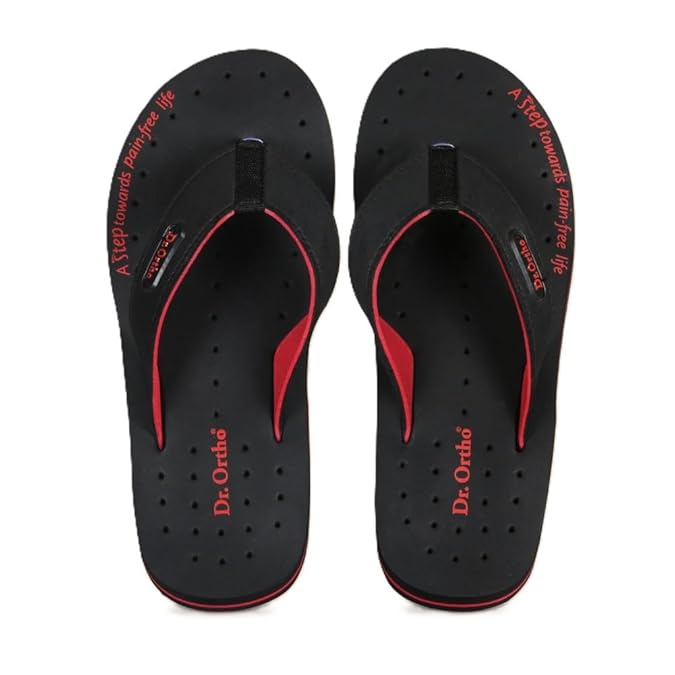
Dr. Ortho Lightweight Slipper / Flip-Flop for Men
A lightweight men’s slipper option for casual indoor wear and everyday home use.
🛒 Check Price on AmazonAffiliate links may earn UrbanStyleFootwear a commission at no additional cost to you. Prices and availability can change on Amazon.
30-Second Answer: Which Diabetic Slippers Should You Consider?
There isn’t one diabetic slipper that works for everyone. The right choice depends on foot width, swelling, sensation, walking needs, indoor/outdoor use and whether you already have a foot problem.
For the five options reviewed on this page:
| Need | Product to consider | Why |
|---|---|---|
| Women’s orthopedic comfort | Doctor Extra Soft Women’s | Soft, comfort-focused slipper option |
| Higher-protection diabetic footwear | Health Fit Diabetic Orthopedic Footwear | MCR-based construction and adjustable fastening |
| Men’s everyday use | Doctor Extra Soft Men’s D-19 | Orthopedic slipper design with anti-skid positioning |
| Lightweight women’s option | Dr. Ortho Women’s | Lightweight design for casual indoor use |
| Lightweight men’s option | Dr. Ortho Men’s | Lightweight everyday slipper option |
Important: These are product-positioning recommendations based on the supplied product information. They are not medical prescriptions, and a product marketed as “diabetic” or “orthopedic” does not automatically make it suitable for someone with an ulcer, severe neuropathy, deformity or other high-risk foot condition.
For people with diabetes who are at risk of foot ulcers, IWGDF guidance emphasizes properly fitting footwear and advises against walking barefoot, in socks alone, or in thin-soled standard slippers.
👣 Which Diabetic Slipper Type Fits Your Needs?
Start with your everyday situation instead of choosing a slipper only because it says “orthopedic” or “diabetic.”
This guide provides footwear information and does not replace advice from your doctor or podiatrist.
How UrbanStyleFootwear Evaluates These Slippers
At UrbanStyleFootwear, our product evaluations combine manufacturer specifications, verified retailer and Amazon listing data, customer feedback, review patterns, and footwear-specific research. We assess shoes across factors such as comfort, fit, cushioning, support, materials, durability, traction, design, and overall value, using multiple sources to provide balanced, practical, and buyer-focused recommendations.
For this guide, we also compare product features with published diabetic-foot-care guidance. We do not treat an “orthopedic,” “diabetic,” or “doctor” label as proof that a product is medically appropriate for every person with diabetes.
This distinction matters because diabetic foot risk varies. Neuropathy, previous ulcers, foot deformity, swelling and circulation problems can change what type of footwear is appropriate.
The Product Reviews
1. Doctor Extra Soft Orthopedic Slippers for Women
The “Shop Owner” Take: When customers first put this slipper on in my store, their immediate reaction is usually a sigh of relief. The top layer of cu1. Doctor Extra Soft Orthopedic Slippers for Women
Best for: Women looking for a soft orthopedic-style everyday slipper.
The Doctor Extra Soft women’s slipper is positioned as a comfort-focused option for everyday use. Based on the product information supplied for this article, its main appeal is cushioning and a softer underfoot feel.
That makes it worth considering for someone who spends a lot of time at home and dislikes hard, thin slippers. However, softness alone should not determine whether a slipper is appropriate for diabetic foot care.
Check the fit around the toes, sides and upper before using it for extended periods. If you have reduced sensation, inspect your feet after wearing new footwear rather than relying only on whether the slipper feels comfortable.
Best suited to: Everyday indoor use where cushioning is the priority.
Potential advantages
- Soft, comfort-oriented construction
- Designed around orthopedic/comfort positioning
- Women’s-specific option
- Suitable for shoppers seeking an alternative to thin flat slippers
Potential limitation
- Fit and pressure points still need to be checked.
- A soft slipper is not automatically appropriate for a high-risk diabetic foot.
2. Health Fit Diabetic Orthopedic Footwear
Best for: People looking for adjustable diabetic-oriented footwear.
The Health Fit model stands out from the softer everyday slippers because the supplied product information identifies MCR construction and adjustable Velcro fastening.
The adjustable closure is particularly relevant when foot volume changes during the day or when a fixed strap feels restrictive. It also gives the wearer more control over fit than a simple fixed thong or slip-on.
However, avoid describing MCR as a “gold standard” or calling this product a medical device unless the manufacturer provides evidence for those claims.
If you already have an ulcer, significant swelling, a deformity or substantial loss of sensation, product descriptions alone are not enough to determine whether this footwear is appropriate.
Best suited to: Shoppers prioritizing adjustable fit and diabetic-oriented construction.
Potential advantages
- MCR-based construction according to supplied product information
- Adjustable Velcro fastening
- Designed specifically around diabetic/orthopedic footwear positioning
- Useful format for feet that need more adjustment than a fixed slipper provides
Potential limitation
High-risk foot conditions require professional footwear advice.
May feel more substantial than lightweight EVA slippers.
🛒 Check Price on Amazon3. Doctor Extra Soft Men’s D-19 Orthopaedic Slipper
TBest for: Men looking for an everyday orthopedic-style slipper.
The D-19 is the men’s option in this group and is positioned around cushioning, support and everyday use.
The existing article describes dual-density EVA and an anti-skid outsole. Those characteristics can be useful when comparing an orthopedic slipper with a basic flat sandal, but they should be treated as product features rather than proof that the slipper prevents diabetic complications.
For bathroom or tiled surfaces, outsole grip deserves particular attention. Diabetes-related loss of sensation can make a minor slip or foot injury more difficult to notice, so the slipper should remain securely on the foot rather than sliding around.
Potential advantages
- Men’s-specific option
- Dual-density EVA positioning in the supplied product information
- Anti-skid outsole
- Suitable for everyday indoor and casual use
Potential limitation
Fixed upper may not suit significant swelling as well as an adjustable design.
🛒 Check Price on Amazon4. Dr. Ortho Lightweight Slipper / Flip-Flop for Women
Best for: Women prioritizing low weight for casual indoor wear.
The Dr. Ortho women’s option is aimed at shoppers who prefer a lightweight slipper rather than a heavier orthopedic design.
That can make it appealing for basic home use. But there is an important distinction for diabetic shoppers: lightweight does not automatically mean safer.
The supplied product is a flip-flop/thong style. If the strap between the toes creates rubbing, redness or pressure, it should not be treated as a suitable choice simply because it feels light.
For anyone with reduced sensation, checking the skin after wearing a new slipper is particularly important.
Potential advantages
- Lightweight design
- Simple everyday format
- Suitable for casual indoor use
- Easy alternative to heavier orthopedic footwear
Potential limitation
Less suitable if the design does not stay securely on your foot.
Toe-post construction may create a friction point for some wearers.
🛒 Check Price on Amazon5. Dr. Ortho Lightweight Slipper / Flip-Flop for Men
Best for: Men wanting a lightweight casual slipper for home use.
The men’s Dr. Ortho model follows the same lightweight concept as the women’s version.
It may appeal to shoppers who dislike heavier orthopedic slippers, but the same fit rule applies: the slipper should not create rubbing, pressure or instability.
If you have neuropathy, don’t judge the fit solely by how the slipper feels while walking. Reduced sensation can make pressure points harder to notice. The CDC recommends checking feet regularly for cuts, redness, swelling, sores, blisters and other changes.
Potential advantages
- Lightweight everyday construction
- Men’s option
- Suitable for casual indoor use
- Simple slipper format
Potential limitation
- Mildly supportive designs may not be suitable for someone needing therapeutic footwear.
- Flip-flop construction can create a toe friction point.
Diabetic Slipper Comparison
| Slipper | Main Strength | Fit Style | Best Use | Watch For |
|---|---|---|---|---|
| Doctor Extra Soft Women’s | Soft comfort | Orthopedic-style | Indoor everyday wear | Check pressure points |
| Health Fit Diabetic | Adjustability | Velcro | Feet needing adjustment | Heavier construction |
| Doctor Extra Soft Men’s D-19 | Cushioning + grip | Fixed upper | Daily indoor use | Less adjustment |
| Dr. Ortho Women’s | Low weight | Flip-flop | Casual home use | Toe-post friction |
| Dr. Ortho Men’s | Low weight | Flip-flop | Casual home use | Toe-post friction |
WHAT ACTUALLY MATTERS IN A DIABETIC SLIPPER?
1. Fit Comes Before Softness
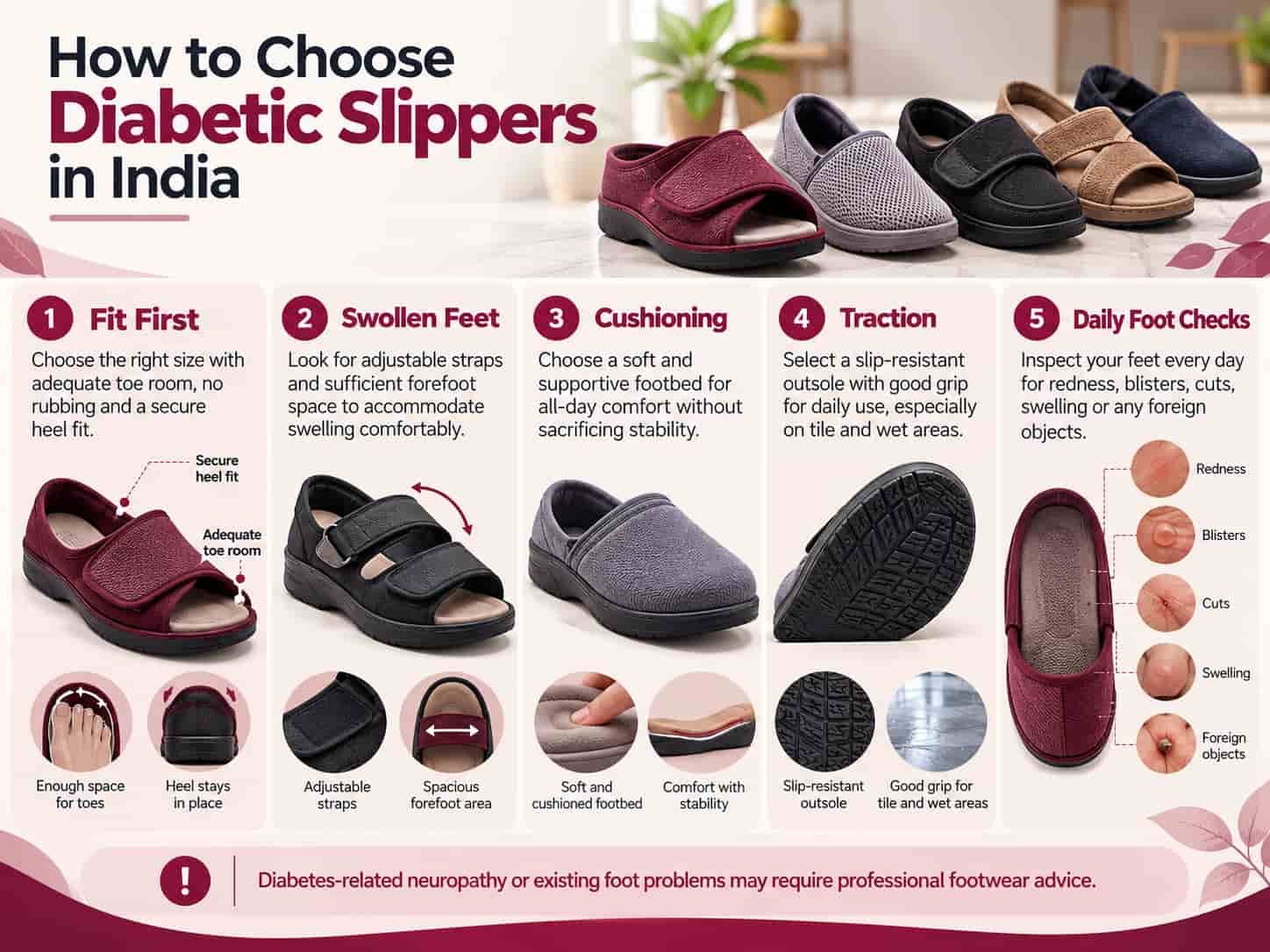
A very soft slipper can still be a poor choice if it rubs against the toes or presses on the sides of the foot.
The CDC recommends well-fitting footwear and suggests trying new footwear later in the day, when feet may be larger. It also recommends breaking new footwear in gradually.
Look for:
- Enough toe room
- No pressure over the top of the foot
- No rubbing around the heel
- No loose movement that makes the foot slide
- A secure closure
- No rough internal areas
If your feet swell, adjustable fastening can be more useful than a fixed strap.
2. Wide Toe Space Is Useful, But “Wide” Is Not a Medical Guarantee
A roomy toe area can reduce crowding, but simply buying a wide slipper doesn’t solve every diabetic foot problem.
Your toes should not be squeezed together, and the upper should not press down on areas that are already sensitive.
A useful practical test is to stand normally in the slipper and check whether the upper touches the toes or creates pressure across the forefoot.
NHS podiatry guidance also emphasizes careful fitting because neuropathy can reduce the ability to feel rubbing or foreign objects inside footwear.
3. Adjustable Straps Can Be More Useful Than Fixed Straps
If your foot size changes throughout the day, a fixed strap can become uncomfortable.
Velcro or another adjustable closure lets you change the fit without replacing the slipper.
This is one reason the Health Fit option deserves separate consideration from the fixed-style slippers in this guide.
4. Cushioning Is Helpful, But More Cushion Isn’t Always Better
The old article treats maximum softness as automatically desirable. That’s too simplistic.
The goal is to combine cushioning with stability, appropriate fit and controlled movement.
A slipper that is extremely soft but unstable may not be appropriate for someone who already has balance problems.
5. Grip Matters on Indian Floors
Bathrooms, polished tiles and wet areas create a different footwear requirement from a dry bedroom floor.
Don’t confuse water resistance with slip resistance. They solve different problems.
- Water resistance concerns how the material handles moisture.
- Slip resistance concerns traction between the outsole and the floor.
OSHA notes that slip resistance depends on the interaction between footwear and the walking surface, and that a single coefficient-of-friction value should not be treated as an absolute guarantee of safety. For readers dealing with heel discomfort, our guide to heel pain when walking covers footwear-related considerations alongside other common causes.
The Buying Guide: 3 Critical Features to Look For
Before we look at the products, you must understand the biomechanics of a genuine diabetic slipper. Do not buy any footwear unless it meets these three criteria.
1. Midsole Foam Type: EVA vs. Authentic MCR
For diabetics, standard memory foam is a trap. It feels great for five minutes but compresses under your body weight. You need EVA Foam (Ethylene-Vinyl Acetate) or Microcellular Rubber (MCR slippers). These materials offer structural integrity. They absorb the micro-shocks of walking on tile or hardwood without flattening out over time.
2. Heel Counter Stability & Drop Height
A good orthopedic slipper should have a slight heel cup—a raised edge around the back that cradles the heel pad. Furthermore, look for a lower drop height (the difference in thickness from the heel to the toe). While a completely zero-drop sole isn’t always necessary, a massive heel wedge will push the foot forward, creating dangerous friction on the toes. You want an even, stable distribution of body weight.
3. Seamless Uppers & Breathability
Friction is the enemy of the diabetic foot. The straps and upper linings must be completely seamless. Any rough stitching or hard synthetic plastics will cause abrasions. Furthermore, the material must be breathable. Fungal infections thrive in hot, sweaty environments, so moisture-wicking linings are non-negotiable.
Is MCR Better Than EVA?
Not automatically.
MCR and EVA are different material approaches, and the overall construction matters more than simply choosing one material name.
The original article says that memory foam is a “trap” and that MCR is the “gold standard.” I would remove both statements because they are too absolute.
Instead, compare:
| Factor | EVA | MCR |
|---|---|---|
| Weight | Usually lightweight | Can be more substantial |
| Flexibility | Often flexible | Depends on construction |
| Cushioning | Depends on density/design | Depends on formulation/design |
| Durability | Product dependent | Product dependent |
| Fit | More important than material alone | More important than material alone |
| Diabetic suitability | Cannot be determined by material alone | Cannot be determined by material alone |
If you’re specifically researching MCR construction, see our MCR slippers guide for a closer explanation of the material and where it fits into orthopedic footwear.
What Indian Buyers Should Consider
Indian homes often have hard tile, marble or stone floors, so the difference between a thin casual slipper and a supportive everyday option can be noticeable during long periods indoors.
Current Indian diabetic-footwear retailers also show a wide range of products, from lower-priced everyday orthopedic slippers to more specialized footwear. For example, PharmEasy’s current diabetic and orthopedic footwear category includes multiple men’s and women’s slipper options across different price points.
StepwiseHealth’s 2026 educational material similarly emphasizes features such as wider toe areas, soft internal materials, adjustable closures and pressure-management considerations when choosing diabetic footwear.
That does not mean every product containing these features is clinically suitable for every diabetic patient. It simply shows what buyers are currently being told to look for in the Indian market.
“Real World” FAQ
1. What exactly are MCR slippers? MCR stands for Microcellular Rubber. It is a specialized, medical-grade rubber used in orthopedic footwear. It offers superior shock absorption, doesn’t compress flat over time, and distributes body weight evenly to prevent pressure ulcers on diabetic feet.
2. Can diabetics wear regular memory foam slippers? We do not recommend standard memory foam. While it feels soft initially, it quickly flattens under pressure, leaving your foot striking a hard sole. Diabetics require EVA foam or MCR for sustained, long-term shock absorption.
3. Are flip-flops safe for diabetic patients? Generally, traditional flip-flops are risky. The thong piece between the toes can cause friction and undetected blisters due to neuropathy. If you choose a flip-flop, ensure it is ultra-soft and monitor the area between your toes daily.
4. How often should I replace diabetic slippers? You should replace diabetic slippers every 6 to 8 months. Once the outsole tread wears smooth or the midsole foam stops rebounding to its original shape, the slipper can no longer protect your foot from impact or slipping.
5. Is EVA foam better than rubber for neuropathy? EVA foam is lighter and more flexible, making it great for reducing foot fatigue. Rubber (especially MCR) is heavier but offers better puncture resistance and longevity. For severe neuropathy, MCR rubber is generally the safer, more protective choice.
Final Takeaway: Choose for Your Feet, Not Just the Label
The best diabetic slipper isn’t necessarily the softest, cheapest or most heavily marketed as “orthopedic.”
Start with fit.
Your toes should have adequate room, the upper should not create pressure, the slipper should stay securely on your foot, and the sole should provide appropriate stability for the surfaces where you use it.
For people with neuropathy or other high-risk foot conditions, regular inspection becomes just as important as the footwear itself. The CDC recommends checking for redness, swelling, blisters, cuts and other changes, while NHS guidance recommends inspecting both the feet and the inside of footwear.
Among the products reviewed here, the Health Fit Diabetic Orthopedic Footwear stands out for its adjustable fastening, while the Doctor Extra Soft and Dr. Ortho options provide different approaches to everyday comfort and weight.
But if you already have an ulcer, significant neuropathy, deformity or another high-risk foot problem, don’t rely on an online product list alone. Ask your healthcare professional whether you need therapeutic footwear or custom insoles.
Affiliate Disclosure: Some links on this page are affiliate links. If you purchase through one of these links, UrbanStyleFootwear may earn a commission at no additional cost to you. Product prices and availability can change, so check the retailer page for the latest information.