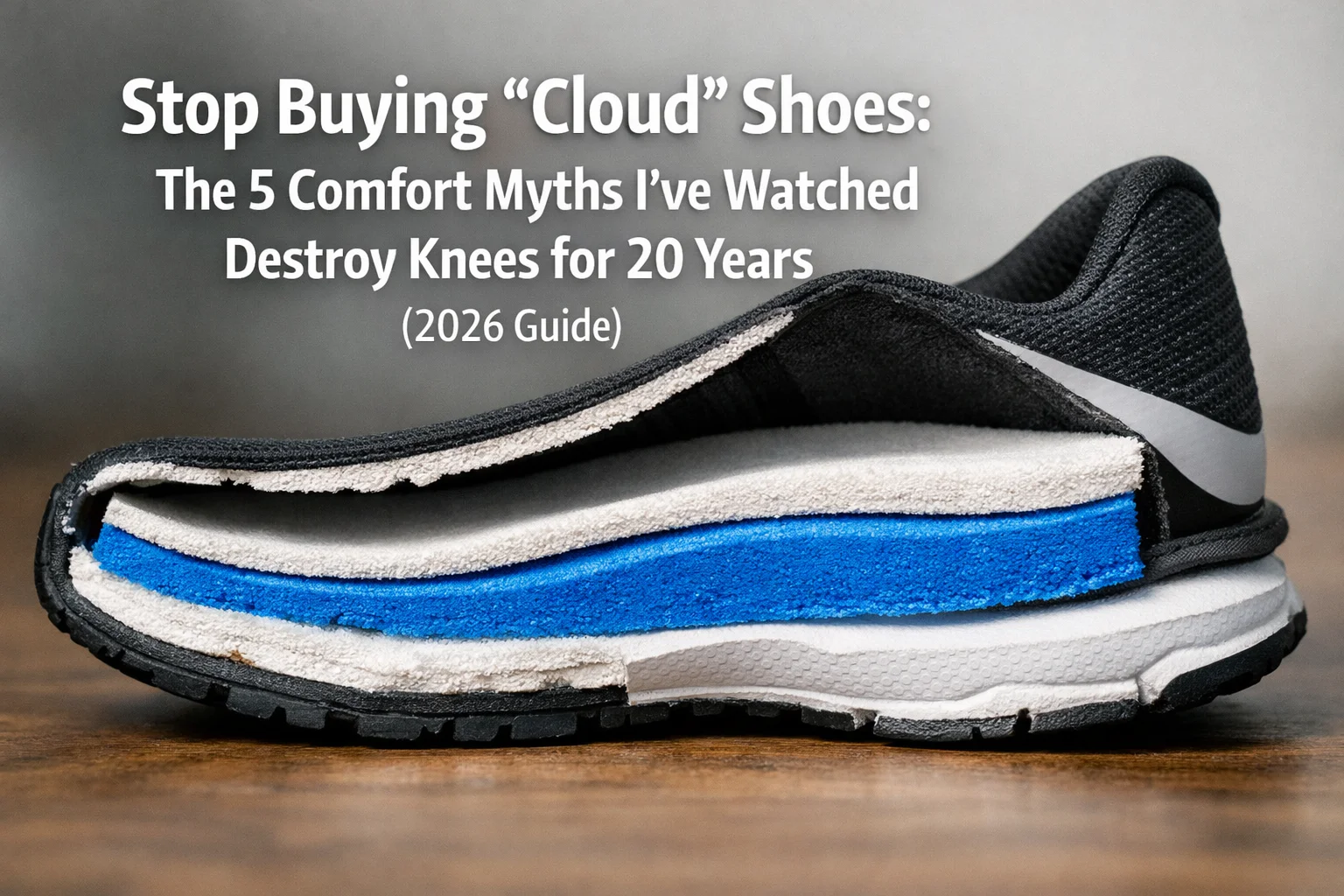

MCR Slippers: The Complete India Guide 2026 Benefits, Best Models & Where to Buy
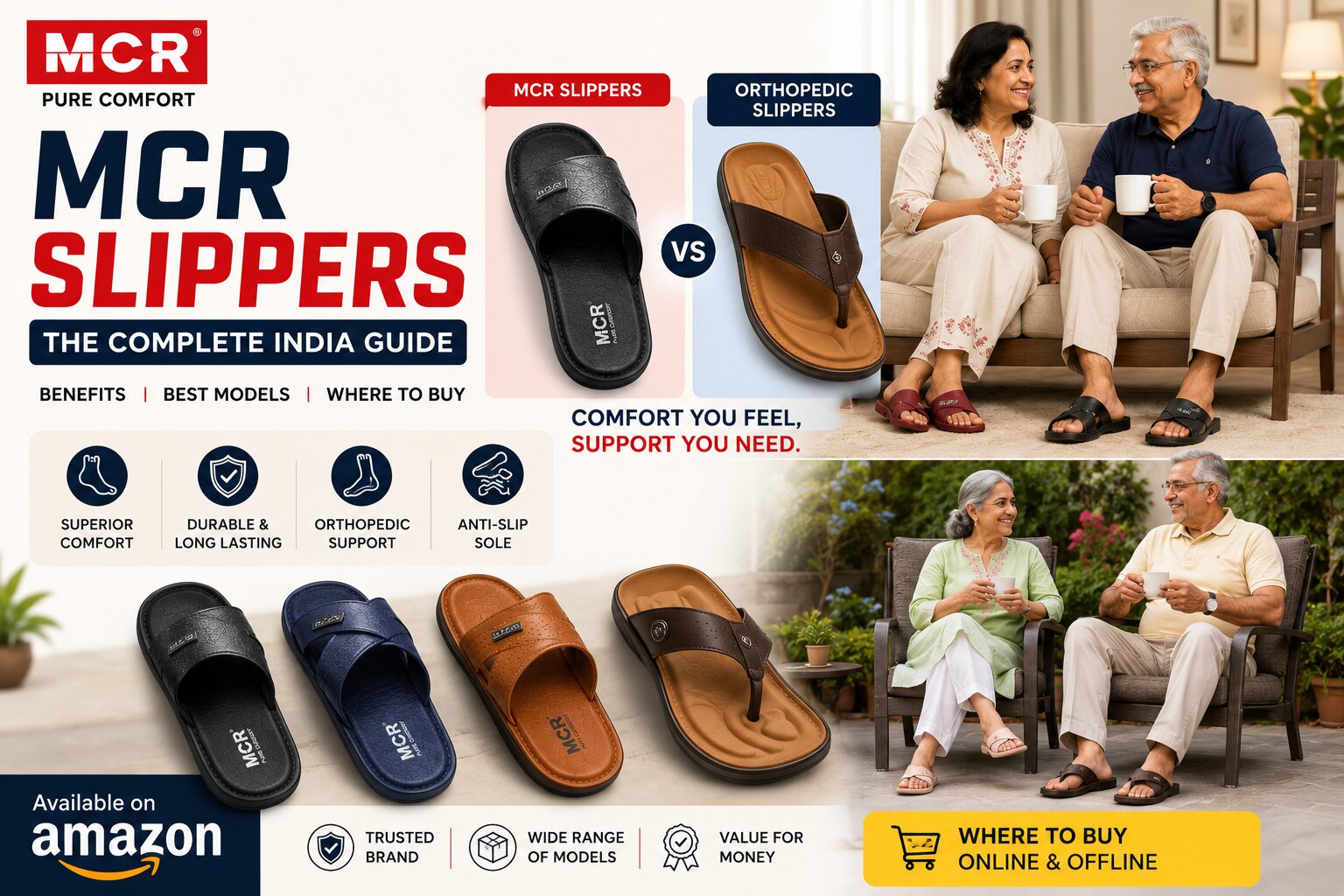
MCR stands for Micro Cellular Rubber — a lightweight, shock-absorbing natural rubber material used in orthopedic and diabetic footwear across India.
- Best for: Diabetics, heel pain, plantar fasciitis, flat feet, elderly, post-surgery recovery
- Price range: ₹399 – ₹1,499 on Amazon India
- Top Amazon pick (men): Dr.Ortho Acupressure Slippers — ₹399 · 7,536 reviews
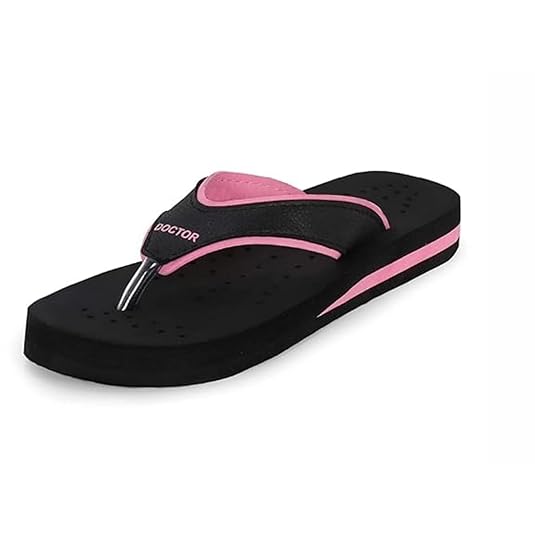
- Top Amazon pick (women): Doctor Extra Soft Diabetic Slipper — ₹406 · 59,467 reviews
- Key difference from MCP: MCR = natural rubber (firmer, longer-lasting) · MCP = EVA polymer (softer, lighter)
Table of Contents
What Are MCR Slippers? The Full Form Explained
If your doctor, physiotherapist, or a well-meaning relative has told you to “get MCR slippers,” you probably Googled “what is MCR slipper” within the next five minutes. You’re not alone — we get this question in our Chennai shop almost every day.
MCR stands for Micro Cellular Rubber. That’s it. No mysterious science — just a very specific type of rubber that happens to be exceptional for foot health.
Here’s what micro cellular rubber actually is: natural rubber (the kind tapped from rubber trees) is processed with a chemical blowing agent and sulphur. During vulcanisation, tiny air pockets form throughout the rubber matrix — this is the “micro cellular” part. The result is a material that looks like solid rubber but has thousands of microscopic air bubbles trapped inside.
Those air bubbles are everything. They give MCR its ability to:
- Absorb impact rather than transferring shock up through your ankle, knee, and spine
- Distribute pressure evenly across your entire foot sole, preventing hot spots
- Compress and spring back with each step, reducing fatigue during long standing periods
- Maintain firmness without becoming hard — the sweet spot between soft foam and rigid rubber
The technical specification that matters most is Shore hardness. MCR typically measures between Shore A 20–35, which podiatrists consider the ideal range for therapeutic footwear — firm enough to support the arch, soft enough to cushion pressure points.
🎯 Quick Decision Tool — Find Your MCR Slipper in 30 Seconds
| 👤 Your Condition | 🏆 Recommended | 💡 Why |
|---|---|---|
| 🦶 Diabetic (High Sensitivity) Risk | Doctor Extra Soft (EVA) | ✅ Softer material prevents ulcer risk |
| 🦶 Heel Pain / Plantar Fasciitis Common | Firm MCR Slippers | ✅ Better arch support & impact absorption |
| 👴 Elderly (Fall Risk) Safety | Anti-Skid MCR | ✅ Safe on wet tiles, easy to slip on |
| 👩 Women — General Foot Fatigue Top Pick | Dr.Ortho Acupressure | ✅ Stimulation + cushioning in one |
| 👨 Men — Overpronation / Flat Feet Men’s | Doctor Extra Soft D-32 | ✅ Anti-pronation support for larger feet |
A Brief History of MCR in Indian Footwear
MCR footwear has been produced and prescribed in India since the 1980s, when orthopedic surgeons began recommending it to diabetic patients who needed protective, pressure-distributing footwear. The material became especially popular in South India, where the warm climate makes lightweight, breathable footwear essential. Today, MCR soles are used by everyone from post-operative patients recovering from foot surgery to elderly individuals managing arthritis.
The reason you see MCR everywhere in Indian orthopaedic contexts — rather than the more advanced EVA foams common in Western orthotics — is partly price, partly availability, and mostly because it works. Podiatrists across India consistently recommend MCR because of its proven pressure-relief properties validated over decades of clinical use.
MCR vs MCP vs EVA — Material Science Demystified {#mcr-vs-mcp}
The three materials you’ll encounter most in Indian orthopedic footwear are MCR, MCP, and EVA. Understanding the difference helps you pick the right slipper for your specific condition.
The bottom line from our shop: When a customer comes in with a prescription that says “MCR slippers,” we generally recommend genuine MCR-soled footwear for heel pain, flat feet, and general orthopedic support. For diabetic patients whose doctors specifically mention pressure distribution and neuropathy, we also show them EVA/MCP options like Doctor Extra Soft, which are now clinically preferred for high-sensitivity diabetic feet. Both have their place — the key is understanding which condition you’re managing.
For a deeper technical comparison, see our MCR vs MCP slippers guide →
11 Proven Health Benefits of MCR Slippers {#benefits}
Here are the specific, documented ways MCR slippers help — not marketing fluff, but the actual biomechanical and clinical reasons doctors prescribe them:
1. Pressure Redistribution Across the Foot: MCR’s micro-cellular structure deforms under load and redistributes plantar pressure away from high-pressure zones (heel, ball of foot). This is the single most important property for diabetic foot care, where pressure hotspots cause ulcers.
2. Shock Absorption (Reduces Joint Impact): Each step generates a shock wave that travels up your foot, ankle, knee, and spine. MCR absorbs a significant portion of this force. People with knee osteoarthritis or lumbar disc issues often report significant relief from switching to MCR footwear.
3. Prevention and Relief of Heel Pain (Plantar Fasciitis): The plantar fascia — the band of tissue connecting your heel to your toes — becomes inflamed when subjected to repeated shock. MCR cushions the heel landing, reduces the peak force on the plantar fascia, and allows the inflamed tissue to heal.
4. Arch Support for Flat Feet: Many MCR slippers are manufactured with a mild medial arch rise built into the sole. This supports the fallen arch, prevents overpronation, and distributes weight more naturally across the foot.
5. Prevention of Foot Friction and Corns: Ill-fitting shoes create friction hotspots that lead to corns and calluses. MCR’s conforming surface reduces shear forces, particularly important for patients with reduced foot sensation (peripheral neuropathy).
6. Reduction of Metatarsalgia (Ball-of-Foot Pain): The metatarsal heads — the bones at the ball of your foot — bear enormous pressure with each step. MCR’s cushioning spreads this load, relieving the sharp, burning pain of metatarsalgia.
7. Prevention of Bunions Worsening: Narrow, hard-soled shoes push the big toe inward and accelerate bunion formation. MCR’s wide, soft footbed allows toes to sit naturally without compression.
8. Blood Circulation Improvement: By reducing pressure hotspots and allowing the foot to move more naturally, MCR footwear improves peripheral blood circulation — particularly valuable for diabetics who struggle with circulation in the extremities.
9. Reduced Lower Back and Knee Pain: The shock-absorbing properties that help your foot also protect structures higher up. Many of our Chennai customers — especially those who stand for long hours — report reduced back and knee fatigue after switching to MCR footwear.
10. Post-Surgical Recovery Support: After foot or ankle surgeries, the foot needs to be protected from impact while still allowing some movement. MCR provides the right balance of protection and mobility.
11. All-Day Wearability for the Elderly: Elderly individuals often need footwear that is lightweight (MCR is lighter than traditional rubber), easy to slip on (most MCR chappals have open designs), and stable (MCR grips floors better than smooth rubber). All three boxes checked.
Best MCR & Orthopedic Slippers on Amazon India 2026 {#best-picks}
We’ve curated the best-rated, best-value orthopaedic and MCR-grade slippers available on Amazon India right now. Every product below has been verified for ratings, price, and availability.
🩴 Best MCR & Orthopedic Slippers on Amazon India 2026

Free Delivery · Pay on Delivery
Great Summer Deal · 2% Coupon

Free Delivery · 10 Days Return
Detailed Product Reviews
We don’t just list products — we tell you exactly what each one is best for, who should buy it, and who should skip it. No fluff.Best MCR Slippers for Women / Ladies {#women}
Women searching for MCR slippers generally fall into three categories: those managing heel pain, those dealing with diabetes-related foot issues, and those who simply want a comfortable, supportive daily slipper that doesn’t worsen existing conditions.
The key differences in what women need versus men are primarily around width, sole flexibility, and toe box shape. Women’s feet tend to be narrower at the heel and wider at the forefoot — a combination that most generic MCR slipper designs handle poorly, leading to heel slippage or toe compression. The best women’s MCR slippers address this specifically.
For women with heel pain or plantar fasciitis, look for MCR slippers with a slightly raised heel (8–12mm) rather than a completely flat sole. The raised heel reduces the stretch on the plantar fascia, especially important during the morning’s first steps when the fascia is most tight and inflamed.
For diabetic women, the Doctor Extra Soft women’s slipper reviewed above is our primary recommendation — its EVA sole is softer than standard MCR and prevents the friction hotspots that can turn into diabetic ulcers.
For post-pregnancy foot swelling, the wider toe box and soft footbed of EVA/MCR slippers provide relief from the metatarsal pressure that comes with swollen feet.
For our complete guide to women’s MCR options across more price points and styles: Best MCR Slippers for Women in India 2026 →
Best MCR Slippers for Men {#men}
Men in India tend to be harder on their footwear — more outdoor exposure, more physical work, more extended walking. MCR slippers for men need to balance therapeutic properties with durability.
The most common conditions we see men buying MCR slippers for in our Chennai shop are:
Lower back pain linked to foot mechanics — Many men in their 40s and 50s come in asking for MCR slippers because their orthopaedic doctor has traced back pain back to flat feet or overpronation. The right MCR slipper with arch support can make a significant difference.
Heel spur pain — A calcaneal spur (bony projection at the heel) causes sharp, stabbing pain with morning’s first steps. MCR cushioning absorbs the impact at the heel that aggravates spur pain.
Long work hours on feet — Whether you’re a shopkeeper, teacher, factory worker, or auto driver, standing on hard floors for 6–8 hours destroys foot comfort. MCR footwear is specifically designed for this kind of sustained load.
The Doctor Extra Soft Men’s D-32 above covers most needs. For men wanting firmer MCR (rather than soft EVA) with a leather upper — which is more durable for outdoor use — traditional MCR chappals from brands like Cromostyle, Bata Ortho, or local orthopaedic shops are worth exploring.
See our full breakdown: Best MCR Slippers for Men India 2026 →
MCR Slippers for Diabetics & Sugar Patients {#diabetics}
If you or a family member has been diagnosed with diabetes, footwear is not optional equipment — it is clinical equipment. Here’s why this is not an exaggeration.
Diabetic peripheral neuropathy — nerve damage from sustained high blood sugar — affects up to 50% of diabetics. It reduces sensation in the feet, meaning small injuries (a pebble, a seam rubbing, a pressure point) go unnoticed. Without sensation, minor wounds don’t get treated, become infected, and in severe cases lead to ulcers and even amputation. This is the reason diabetologists and podiatrists in India prescribe specific footwear so urgently.
What MCR/EVA footwear does for diabetics:
- Redistributes plantar pressure to prevent hotspot formation
- Provides a smooth, seam-free interior that eliminates friction points
- Cushions the metatarsal heads (often the first area of diabetic ulceration)
- Allows natural toe splay rather than toe compression
- Reduces the impact shock that stresses already-compromised circulation
The search terms “chappal for sugar patients,” “sugar chappal,” and “slippers for diabetic patients” collectively get over 1,200 searches per month on Google India — a sign of how acute this need is.
Our top recommendation for diabetics: Doctor Extra Soft Women’s Diabetic Slipper (for women) and Doctor Extra Soft Men’s D-32 (for men) — both available via the links above. For severe neuropathy cases, we recommend consulting a podiatrist for custom MCR insoles before choosing an over-the-counter slipper.
Full diabetic footwear guide: MCR Slippers for Diabetics & Sugar Patients →
MCR Slippers for Heel Pain & Plantar Fasciitis {#heel-pain}
Plantar fasciitis is the single most common reason our Chennai customers walk in looking for MCR slippers. It’s estimated to affect 1 in 10 Indians at some point — the sharp, stabbing pain in the heel that’s worst in the morning or after sitting for a while.
The mechanism: when you sleep, the plantar fascia contracts slightly. The moment you put weight on your foot in the morning, the fascia stretches rapidly from its contracted state — and if it’s inflamed, that stretch is agonising. This is why the first step out of bed is the worst.
Why MCR specifically helps plantar fasciitis:
- Heel cushioning reduces peak impact — The heel landing force is absorbed by the MCR rather than transmitted to the fascia attachment point.
- Arch support prevents overstretching — A proper arch prevents the fascia from being pulled too flat with each step.
- Even pressure distribution — Reduces the compressive load at the heel that triggers inflammation.
- Encourages proper gait mechanics — MCR’s firm-yet-cushioned base helps correct overpronation, a major contributor to plantar fasciitis.
For women with heel pain specifically, the “mcr chappals for heel pain for ladies” search gets 1,000 searches per month — indicating how common and specific this need is.
Our detailed heel pain guide: MCR Slippers for Heel Pain & Plantar Fasciitis →
How to Choose the Right MCR Slipper: A 6-Point Buying Checklist {#how-to-choose}
MCR Slippers Size Guide India {#size-guide}
Indian sizing conventions for MCR slippers follow UK sizing, which differs from US and European standards. Use this chart to avoid ordering the wrong size — especially important on Amazon where exchanges take time.| Foot Length (cm) | India / UK Size | US Men’s Size | US Women’s Size | EU Size |
|---|---|---|---|---|
| 22.5 cm | 4 UK | 5 | 6 | 37 |
| 23.5 cm | 5 UK | 6 | 7 | 38 |
| 24.5 cm | 6 UK | 7 | 8 | 39 |
| 25.5 cm | 7 UK | 8 | 9 | 40–41 |
| 26.5 cm | 8 UK | 9 | 10 | 42 |
| 27.5 cm | 9 UK | 10 | 11 | 43 |
| 28.5 cm | 10 UK | 11 | 12 | 44–45 |
Pro tip from our shop: Measure your foot length in centimetres standing (weight-bearing). Your foot is longer when you stand than when you sit — most people are 0.5–1 cm longer under load. Always use the standing measurement. For therapeutic footwear, round up to the next half size if you’re between sizes.
MCR Slippers Price Guide — All Ranges {#price-guide}
Understanding what you should pay for genuine MCR footwear in India prevents both overpaying and buying fake or ineffective products.
| Price Range | What You Get | Best For | Where to Buy |
|---|---|---|---|
| Under ₹400 | Basic MCR flat chappal, minimal arch support | Casual daily use, mild foot support | Amazon India, local ortho shops |
| ₹400–₹700 | Quality EVA/MCR sole, good cushioning, anti-skid, often doctor-brand | Diabetics, heel pain, general therapeutic use | Amazon India (Dr.Ortho, Doctor Extra Soft) |
| ₹700–₹1,200 | Leather upper + MCR sole, longer durability, better arch design | Men’s daily wear, outdoor use, all-condition MCR | Bata stores, Cromostyle online, specialty ortho shops |
| ₹1,200–₹1,500 | Premium MCR + arch support + medial correction, custom features | Serious orthopedic conditions, post-surgery | Specialty ortho shops, Cromostyle.com |
| ₹1,500+ | Custom MCR, specialist-fitted, corrective orthotics | Severe foot deformities, prescribed by podiatrist | Orthopaedic clinics, specialist retailers |
The products we’ve reviewed above sit in the ₹400–₹700 sweet spot — excellent therapeutic properties at the most accessible price point for most Indian families.
Where to Buy MCR Slippers Online in India {#where-to-buy}
Amazon India is the most reliable source for genuine MCR and orthopedic-grade slippers, for three reasons: authentic products from verified sellers, 10-day return policies that let you try and exchange, and fast delivery to virtually all pin codes including smaller cities and towns.
The three products we’ve reviewed above are all available with free delivery and Pay on Delivery options — critical for customers in smaller towns where trust in online payment is still building.
What to avoid: Local “MCR slippers” sold at roadside stalls or in general footwear markets. These often use regular rubber labelled as MCR — it looks identical but hardens within weeks and provides zero therapeutic benefit. Without the micro-cellular structure, it’s just rubber.
Delivery in Chennai: All three reviewed products deliver to Chennai within 2–4 days with standard delivery. Many are eligible for same-day or next-day delivery if your pin code qualifies.
Browse MCR slippers near your location →
Our Chennai Shop Experience — Why We Trust MCR {#expertise}
I’ve been running Urban Style Footwear in Chennai for years now, and MCR footwear has been one of the most consistent categories in our shop. Not the flashiest, not the most stylish — but consistently the one where customers come back to say thank you.
The pattern I see repeatedly: someone’s doctor prescribes MCR slippers after a diagnosis of plantar fasciitis, diabetic foot, or calcaneal spur. They come into our shop skeptical — “it’s just a slipper, how much difference can it make?” Two weeks later, they’re back ordering a pair for their spouse.
The difference MCR makes is most noticeable to people who’ve been walking in hard rubber chappals or cheap foam slippers for years without realising how much compressive damage they were accumulating. Switching to proper MCR is sometimes described as “like walking on a completely different floor.”
What I’ve learned from selling MCR footwear in person that doesn’t show up in online listings: fit matters more than brand. A perfectly fitting ₹450 MCR slipper will outperform a ₹1,200 leather MCR chappal that’s even slightly too narrow. Always go by foot measurement, not by what size you normally wear in casual shoes.
The products we’ve recommended above have been selected because they represent what actually sells and what customers come back happy with — not because of commission rates. We’d rather send you to an honest ₹399 pick than a pricier one that underperforms.
FAQ — 14 Most-Asked Questions About MCR Slippers {#faq}
Q1: What is the full form of MCR in slippers? MCR stands for Micro Cellular Rubber. It is a type of natural rubber processed with a chemical blowing agent to create thousands of tiny air pockets (micro cells) throughout the material. These air cells give MCR its pressure-absorbing and shock-distributing properties that make it effective for orthopedic and diabetic footwear.
Q2: Are MCR slippers good for diabetics? Yes — MCR and EVA/MCP slippers are among the top footwear recommendations for diabetics in India. They redistribute plantar pressure, eliminate friction hotspots, and reduce the impact forces that can cause diabetic ulcers. However, for advanced diabetic neuropathy with very high skin sensitivity, softer EVA (like Doctor Extra Soft) may be preferable over harder MCR. Always follow your diabetologist’s specific recommendation.
Q3: What is the difference between MCR and MCP slippers? MCR (Micro Cellular Rubber) is made from natural rubber — durable, firm, and proven in Indian orthopedic use for decades. MCP (Micro Cellular Polymer, also called EVA) is a synthetic polymer — softer, lighter, odourless, and preferred by international podiatrists for diabetic feet with high sensitivity. Both are therapeutic; the choice depends on your specific condition. See our full MCR vs MCP comparison →
Q4: Can I wear MCR slippers all day? Yes — MCR slippers are designed for extended wear. The Dr.Ortho acupressure slipper specifically states it “can be worn all day long” after an initial recommended minimum of 30 minutes. Most MCR slippers are lightweight enough for all-day home use. For outdoor extended walking, look for MCR chappals with leather uppers that provide better support and durability.
Q5: Are MCR slippers doctor-recommended? Yes. Orthopedic surgeons, podiatrists, and diabetologists across India routinely prescribe MCR footwear. The material’s pressure-distribution properties are well-established in clinical practice, and many Indian hospitals include MCR footwear in their standard diabetic foot care protocols.
Q6: What is the price of MCR slippers in India? Genuine MCR and orthopedic-grade EVA slippers range from ₹350 to ₹1,500+ on Amazon India. The three products reviewed above — Dr.Ortho (₹399), Doctor Extra Soft Women’s (₹406), Doctor Extra Soft Men’s D-32 (₹473) — represent the best value in the therapeutic range. Premium leather MCR chappals from specialty retailers range from ₹900–₹1,500.
Q7: Which is better for heel pain — MCR or MCP slippers? For heel pain and plantar fasciitis, firm-cushioned MCR is generally preferred over soft EVA because it provides better arch support and doesn’t “bottom out” under pressure. However, if your heel pain is accompanied by significant inflammation and high sensitivity, softer EVA may feel better initially. Many podiatrists recommend starting with EVA for acute pain and transitioning to MCR as inflammation reduces.
Q8: Are MCR slippers available on Amazon India? Yes — Amazon India stocks a wide range of MCR and orthopedic-grade slippers. The three products reviewed in this guide are all available on Amazon India with 10-day return policies, free delivery, and Pay on Delivery options. Use the buy links above to check current prices and availability.
Q9: What sizes do MCR slippers come in India? Most MCR and orthopedic slippers in India are available in UK sizes 4 through 10, which covers the vast majority of the population. The Doctor Extra Soft Men’s D-32 extends up to UK 13, making it one of the most size-inclusive options for men with larger feet. Always check the size chart for each specific product before ordering.
Q10: How long do MCR slippers last? With regular daily use, a genuine MCR slipper typically lasts 12–18 months before the micro-cellular structure compresses sufficiently to reduce effectiveness. EVA slippers tend to last 8–12 months. Signs it’s time to replace: visible compression or flattening of the sole, cracking of the rubber, loss of cushioning sensation, or increased foot pain. Replace proactively — don’t wait for the slipper to fall apart.
Q11: Where can I find MCR slippers near me? In Chennai, we stock MCR footwear at our Urban Style Footwear shop. Nationally, MCR slippers are available at orthopaedic footwear shops in most cities, Bata stores (Orthocare range), and major hospitals’ physiotherapy departments. For online purchase with delivery anywhere in India, see our full guide to buying MCR slippers online →.
Q12: Are MCR slippers safe for elderly people? Absolutely — MCR slippers are among the safest footwear options for elderly individuals. Their anti-skid soles reduce fall risk on wet tile floors (a significant safety concern for seniors in Indian homes), their lightweight design prevents fatigue, and their open-toe construction makes them easy to slip on even with limited mobility or arthritis in the hands.
Q13: Can MCR slippers help with lower back pain? Yes — there is often a direct mechanical connection between foot biomechanics and back pain. Flat feet, overpronation, and lack of arch support alter gait mechanics in ways that stress the lumbar spine. MCR slippers with proper arch support can correct these mechanics and reduce the upward transmission of impact forces. Many of our customers report reduced back pain within 2–3 weeks of switching to MCR footwear.
Q14: What is the difference between MCR slippers and regular slippers? Regular slippers use standard rubber or PVC soles — hard, non-compressible materials that transmit rather than absorb impact. MCR’s micro-cellular structure means it actively cushions each step. The practical difference: after a day of walking, regular slipper users often have tired, aching feet; MCR slipper users typically report significantly less fatigue. For people with existing foot conditions, regular slippers can actively worsen the problem.
We’ve done the research. You just need to pick your size and click.
Affiliate disclosure: We earn a small commission on purchases through our links, at no extra cost to you. This supports our free content.
Have a question about MCR slippers we didn’t answer? Drop it in the comments below or reach us through our contact page. We respond to every query — that’s a promise from our Chennai shop to you.
Last updated: May 2026 | Prices and availability verified on Amazon India | This post contains affiliate links