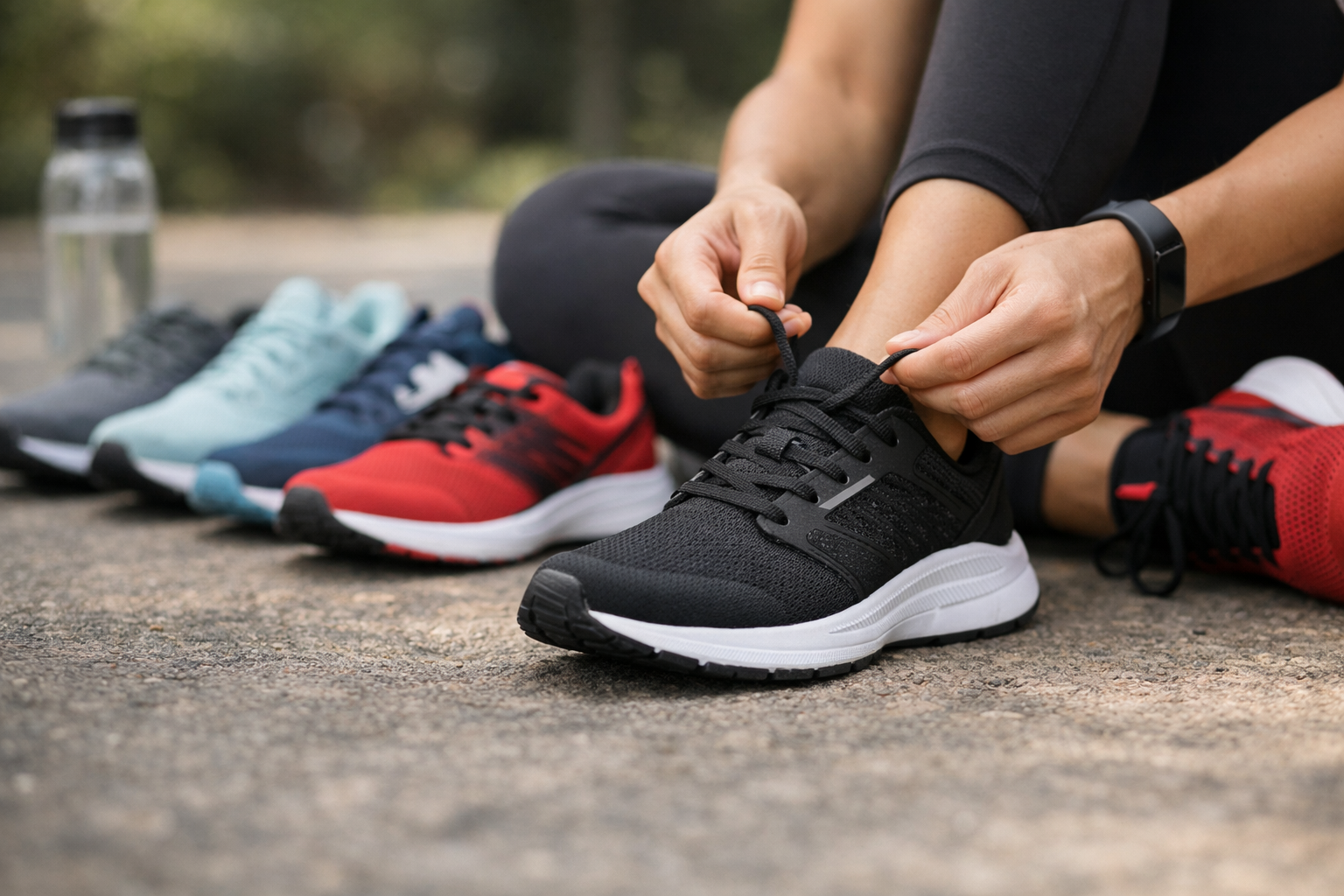

Night Splints vs Shoes for Plantar Fasciitis: Which Actually Works? (2026)
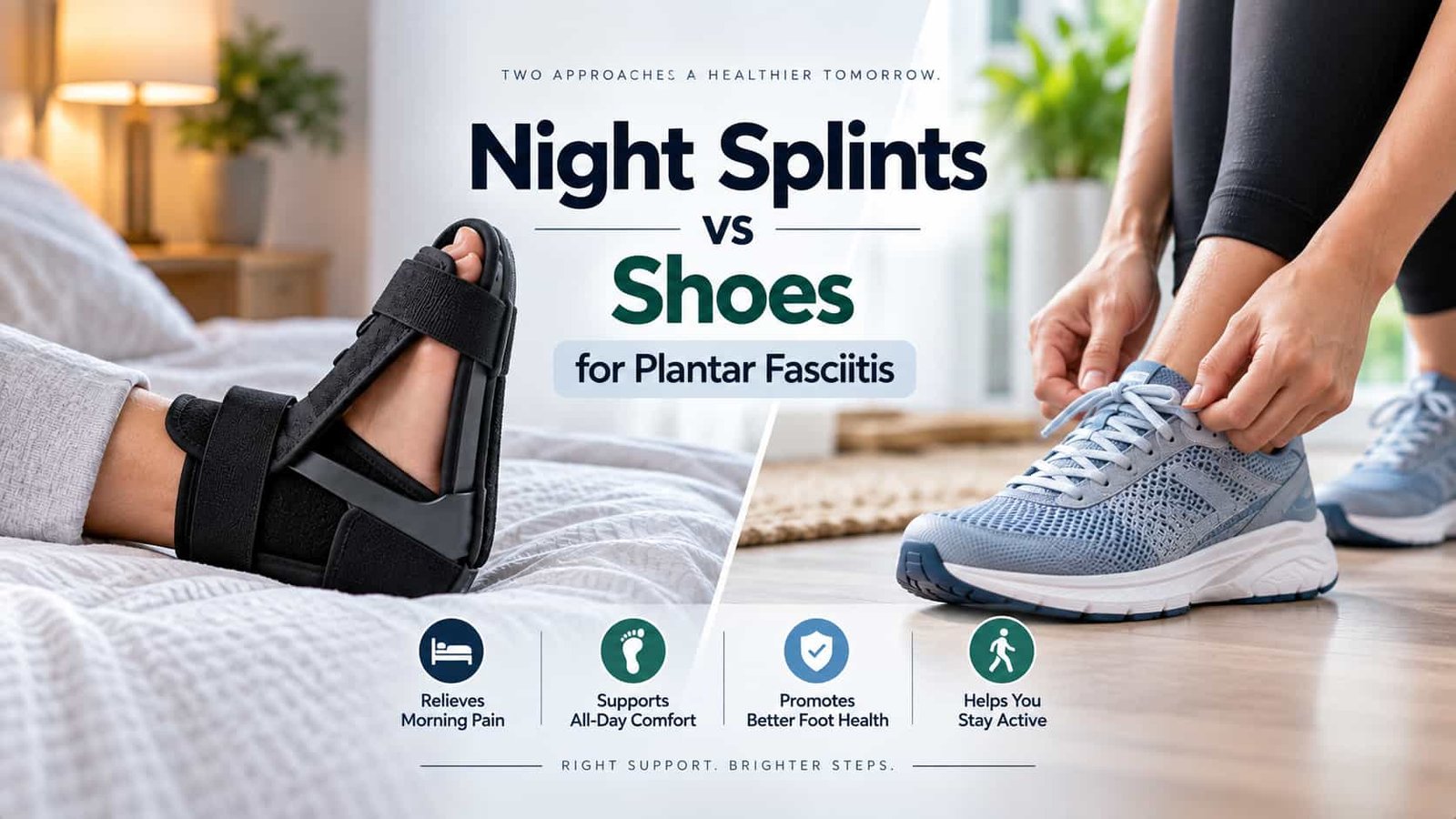
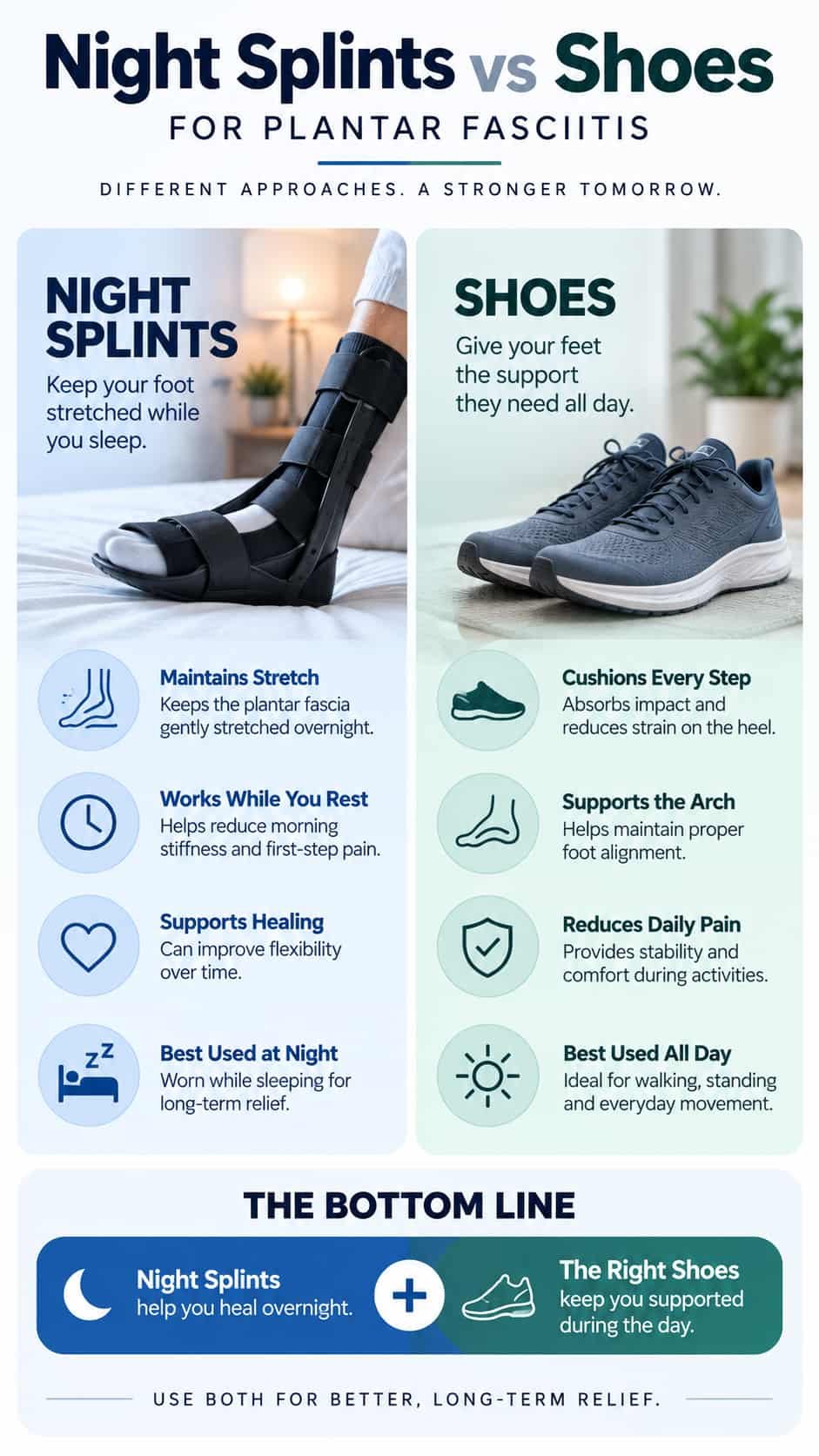
Night splints hold your foot in a therapeutic stretch overnight to prevent the plantar fascia from tightening while you sleep, while supportive shoes work during the day to reduce impact and support the arch. Most podiatrists recommend using both together, since night splints address overnight tightening and shoes handle daytime stress, but if you can only choose one, shoes deliver faster relief for morning pain since you wear them right away.
Night Splints & Supportive Shoes for Plantar Fasciitis
Compare night splints, supportive walking shoes, cushioning, adjustable fits, wide-foot options, and everyday comfort to find the right plantar fasciitis solution for your routine.
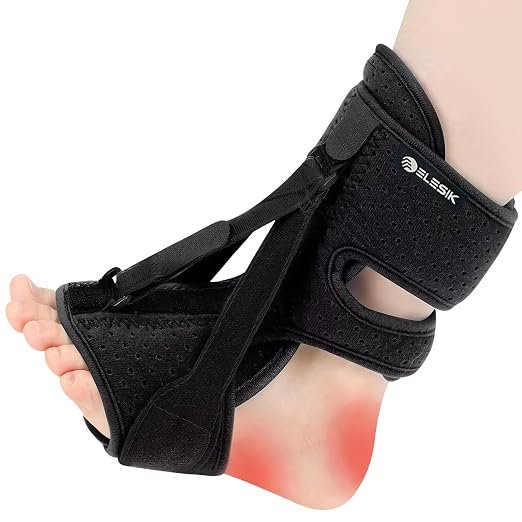
ELESIK Plantar Fasciitis Night Splint
A budget-oriented night splint designed to keep the foot gently positioned while resting and sleeping.
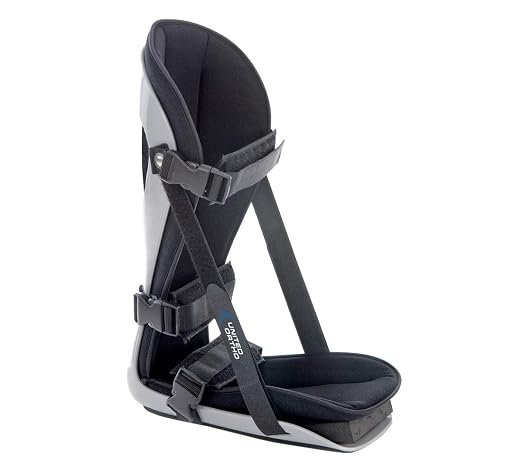
United Ortho Plantar Fasciitis Adjustable Leg Support Brace
A more structured brace for shoppers who want adjustable positioning rather than a softer sleeve-style design.
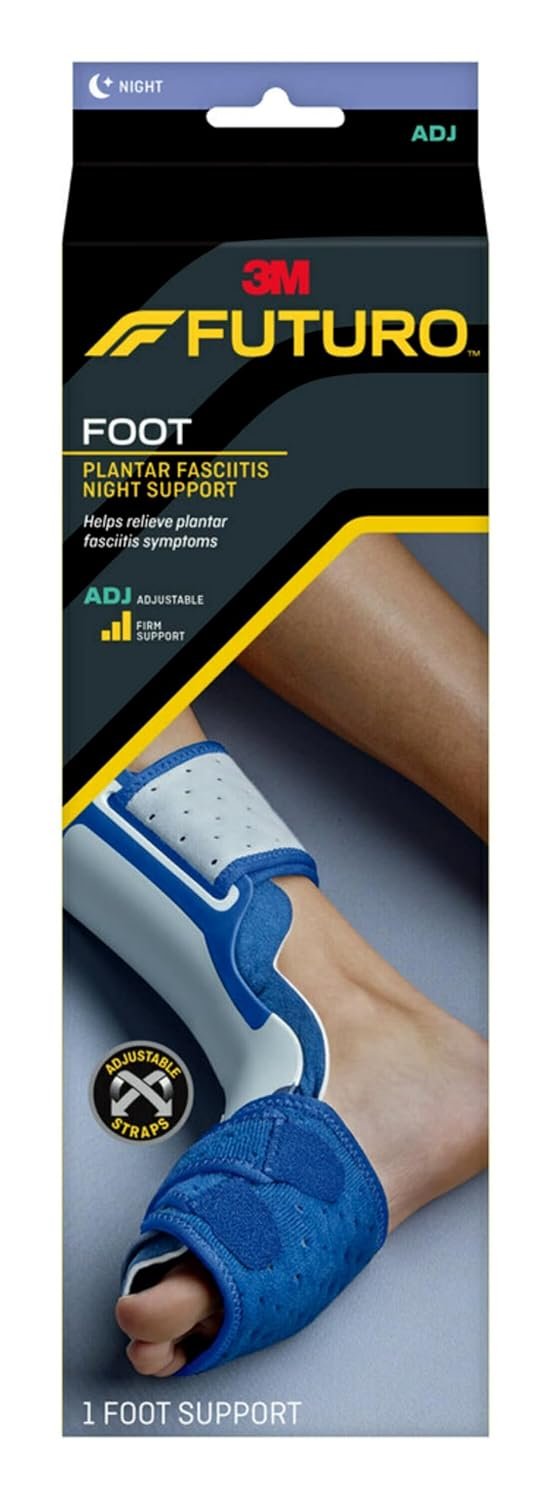
FUTURO Plantar Fasciitis Night Support
A mid-range night support option for readers who want a dedicated plantar fasciitis brace without moving into premium pricing.
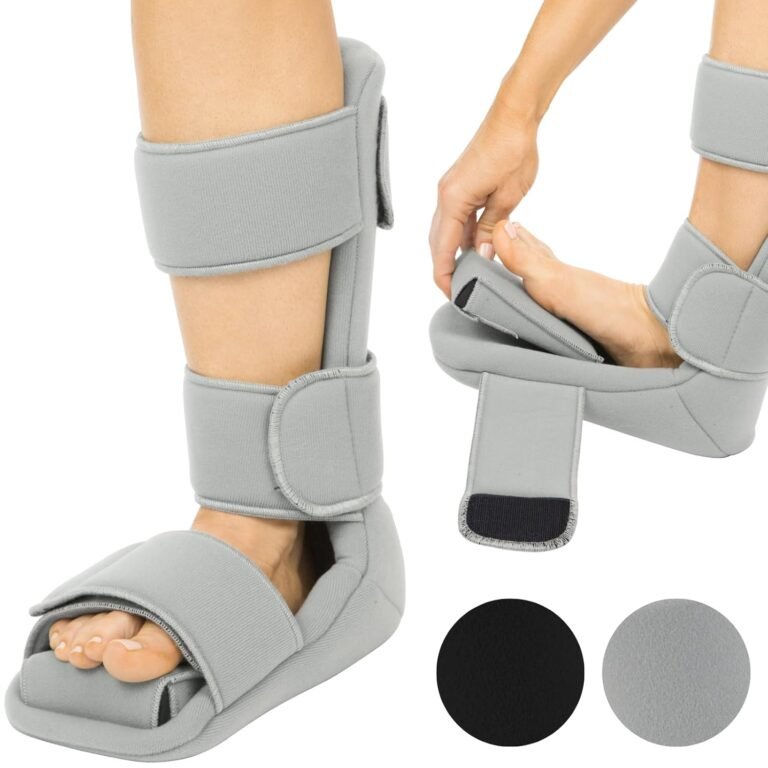
Vive Plantar Fasciitis Night Splint Plus Trigger Point Stretch Wedges
A splint-and-stretch option that adds trigger-point wedges for readers who want more than simple overnight positioning.
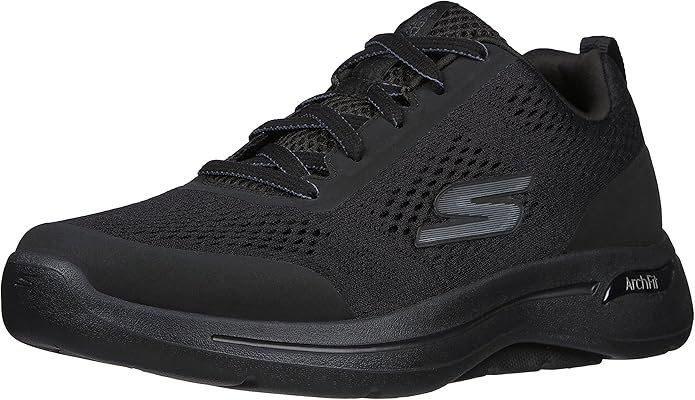
Skechers Go Walk Arch Fit Mesh Lace-Up
A practical everyday walking shoe focused on structured arch support and cushioning for regular activity.
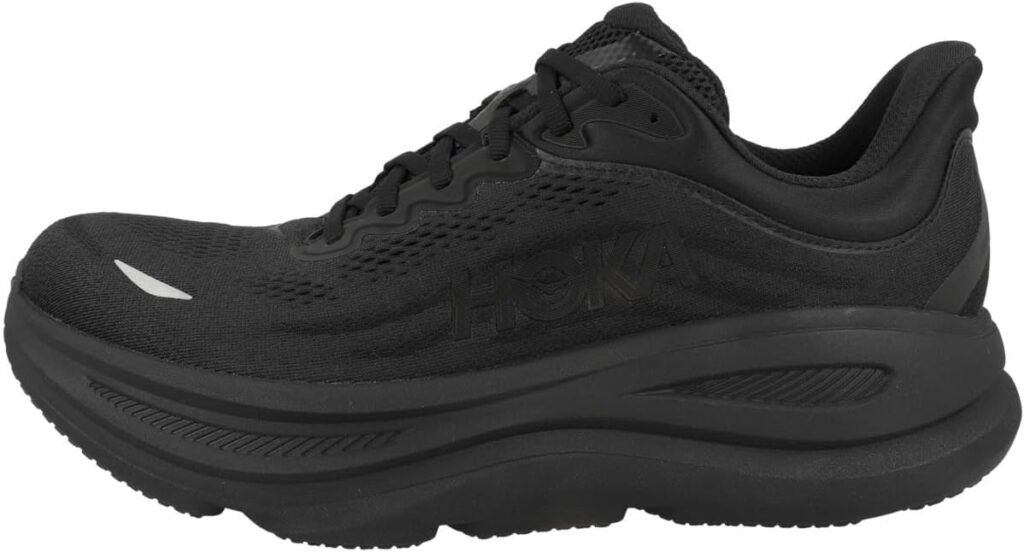
Hoka Men’s Bondi 9
A premium cushioned option for shoppers who spend long periods walking or standing and prefer a substantial midsole.
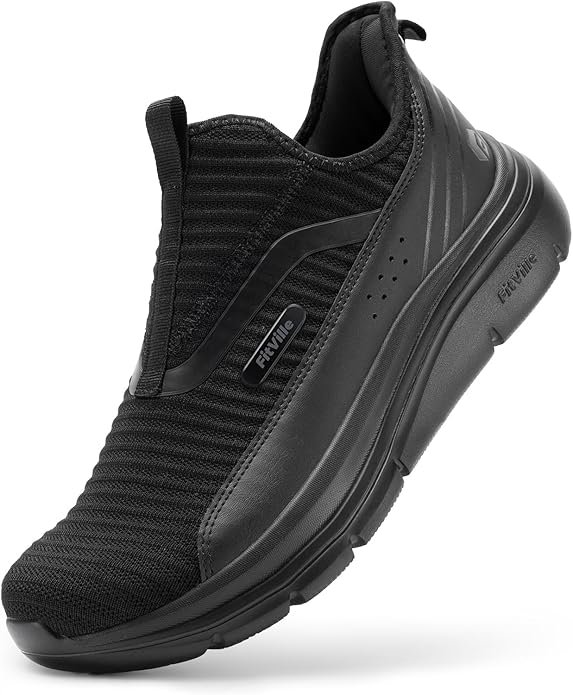
FitVille Men’s Extra Wide Slip-On Walking Shoes
A wide-foot-friendly walking option with an easy slip-on design for shoppers who need more room through the forefoot.
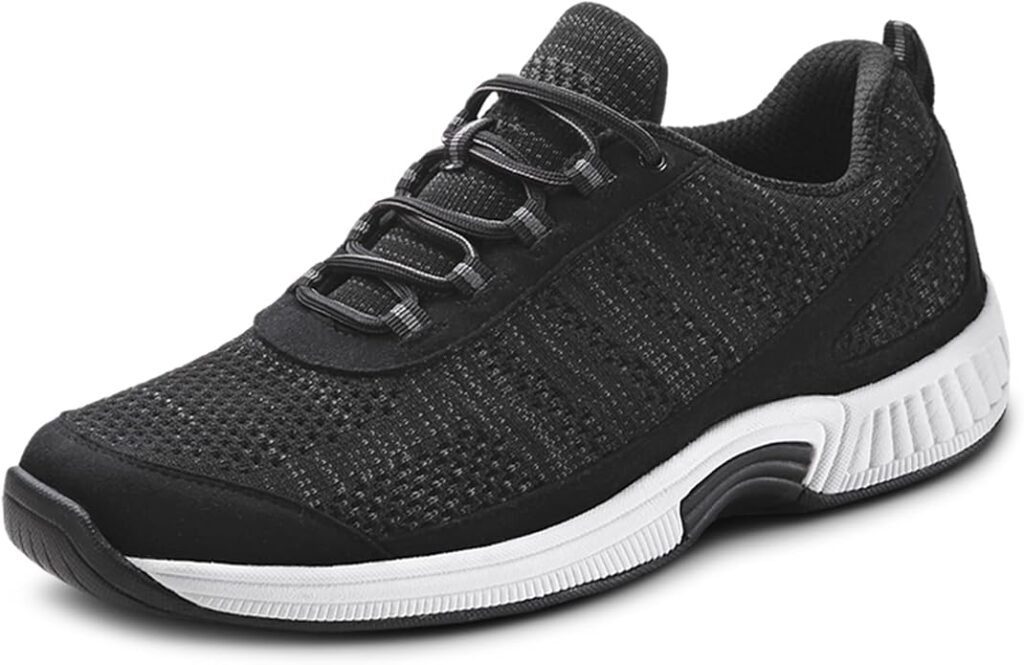
Orthofeet Lava Orthopedic Men’s Walking Shoes
An orthopedic-style shoe aimed at shoppers who prioritize cushioning, fit adjustability, and comfort around sensitive feet.
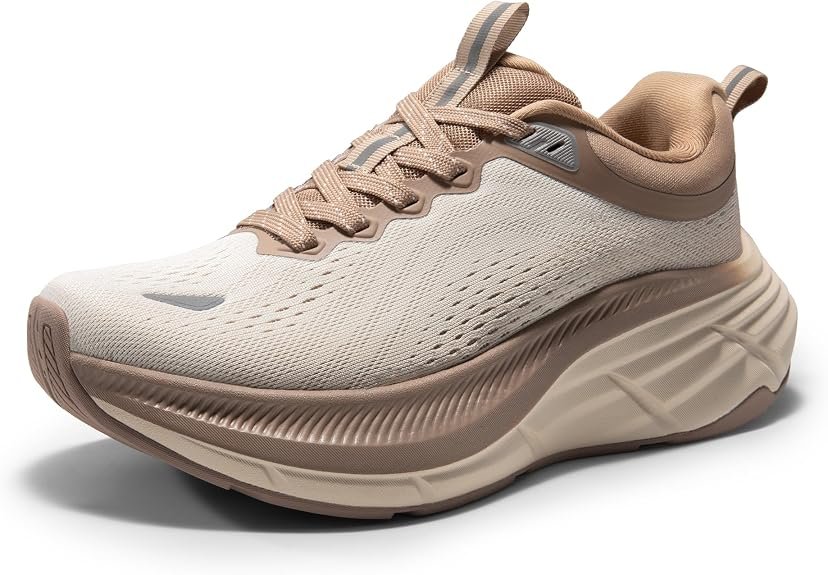
NORTIV 8 Women’s Walking Shoes
A lower-cost walking and running option for shoppers who want everyday cushioning without premium pricing.
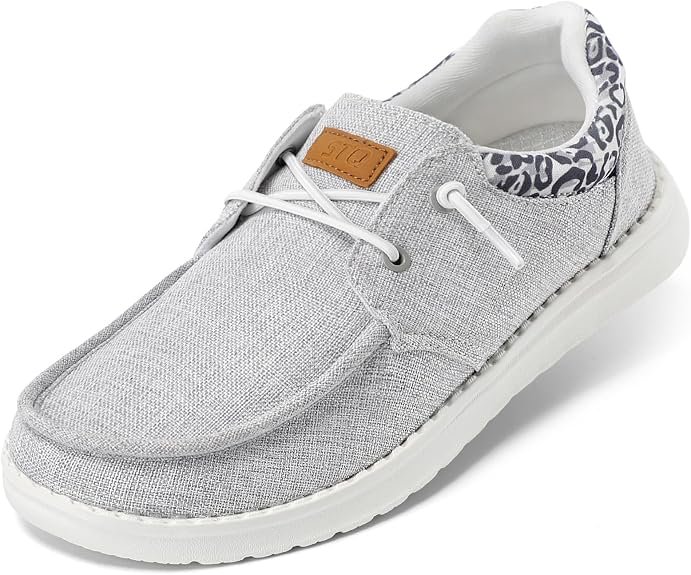
STQ Women’s Slip On Loafers
A casual alternative for shoppers who want arch support in a lighter everyday loafer-style shoe.
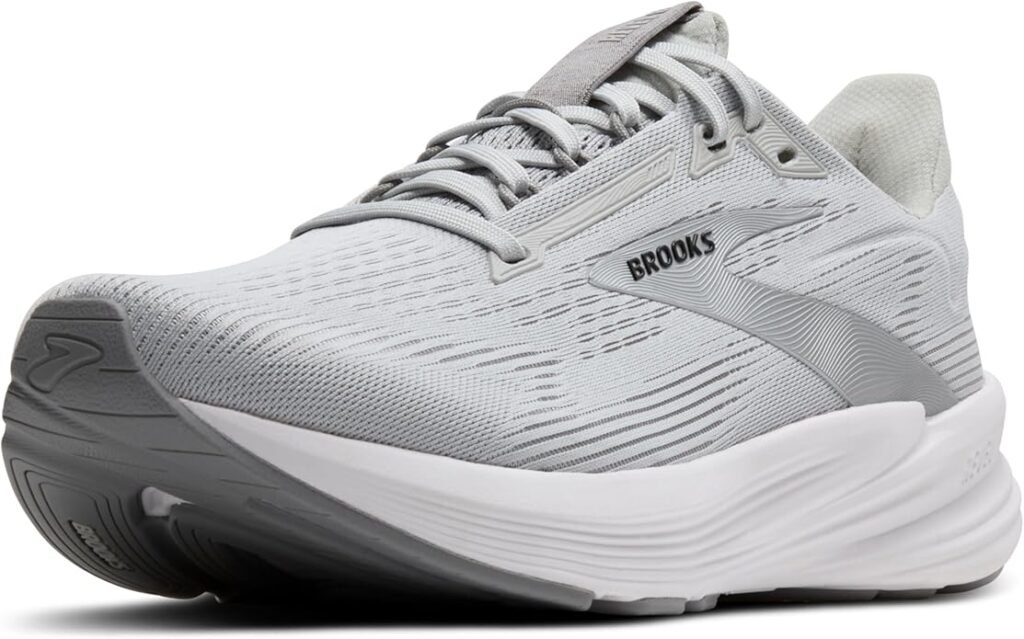
Brooks Women’s Revel 8 Running Shoe
A versatile running-style shoe for shoppers who want a lighter feel for walking, errands, or higher-impact activity.
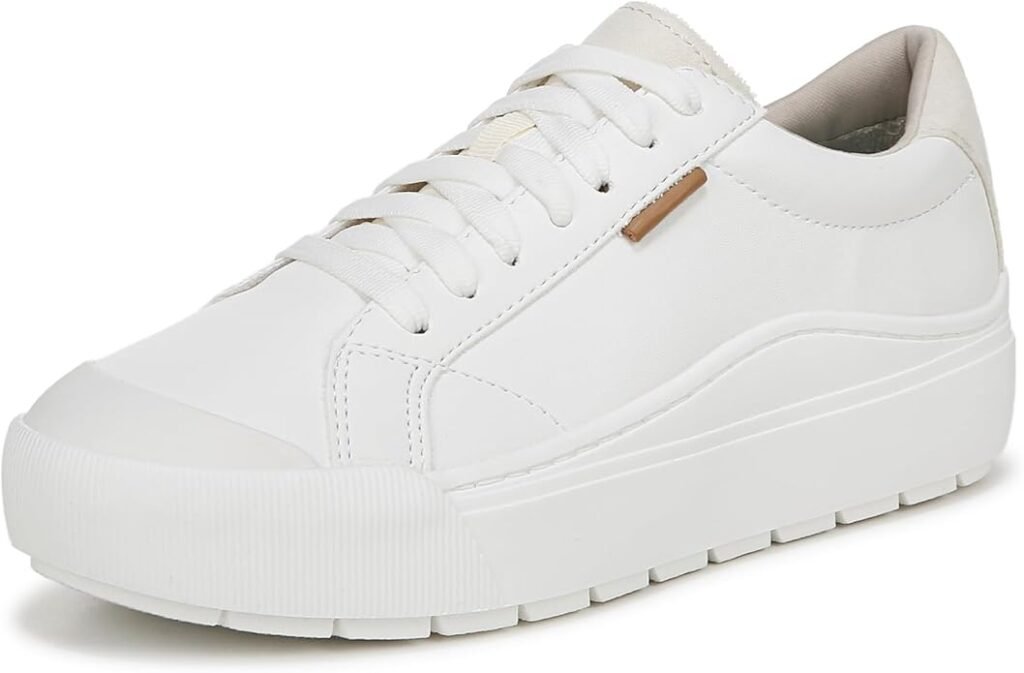
Dr. Scholl’s Women’s Time Off Sneaker
A mainstream casual sneaker for shoppers who want everyday comfort in a familiar lifestyle-shoe format.
Michael, a warehouse manager near downtown Austin, told me he’d tried night splints alone for two weeks and saw almost no improvement. The moment he switched to supportive shoes worn during the day, his morning limp got noticeably better within a week. But then he added back the night splint after reading that podiatrists recommend combining them, and by week three his pain had dropped by about 60 percent.
This captures the real-world tradeoff between night splints and shoes. Night splints work on the root cause by preventing overnight tightening, but shoes deliver faster relief for the specific first-step pain that makes mornings unbearable. This guide compares both options head-to-head, reviews the five best night splints and eight best supportive shoes, and tells you which combination strategy actually works fastest.
What Are Night Splints vs Shoes for Plantar Fasciitis?
Night splints are orthopedic devices worn while sleeping that hold your foot in a dorsiflexed position, gently stretching the plantar fascia overnight so it doesn’t shorten and tighten while you rest. Supportive shoes, in contrast, work during the day by cradling the arch and cushioning the heel to reduce impact and tension on the fascia as you walk and stand.
The key difference is timing and mechanism. A night splint prevents the overnight tightening that causes first-step morning pain, while a supportive shoe absorbs the daytime stress that causes inflammation and micro-tears throughout the day. Neither one fully fixes plantar fasciitis alone, but together they address both the nighttime stiffening and the daytime damage.
💡 Expert Observation
In our experience, customers who use only a night splint feel better overnight stretching but still limp out of bed the next morning. Customers who use only shoes feel better by mid-morning but often see pain return later in the day after sitting. The ones who see the biggest improvement are combining both.
Why Night Splints vs Shoes Matter for Heel Pain
The most intense discomfort with plantar fasciitis typically strikes on the first steps after waking, and this characteristic morning pain, often called “first-step pain,” generally subsides within 5 to 10 minutes of movement, though it often returns later in the day after periods of sitting. A night splint prevents that overnight tightening, while a supportive shoe with proper arch support reduces the tension that causes inflammation during the rest of the day.
If you only have budget for one intervention, shoes usually deliver faster relief since you wear them immediately upon waking, during the exact moment when pain is worst. If you can combine both, night splints prevent the tightening that causes tomorrow morning’s pain while shoes handle today’s inflammation.
Our guide to the best shoes for plantar fasciitis in 2026 covers daytime footwear in more detail, and our buying guide on what to look for in plantar fasciitis shoes breaks down the specific features that actually matter in a support system.What Should You Look For When Choosing Between Night Splints and Shoes?
Does the splint design matter more than price?
Soft fabric splints like the ELESIK are designed for comfort during sleep and cost far less than rigid boots like the Vive, but rigid boots provide more structural control for severe cases. For mild to moderate pain, a soft splint works fine and won’t keep you awake.
Should arch support come from a shoe or an insole?
Built-in arch support in a shoe like the Skechers Arch Fit is more reliable long-term since it won’t compress and lose shape as fast as an insole can. However, shoes with removable insoles let you swap in a custom orthotic if needed later on.
How much does width sizing actually matter?
Width matters significantly for plantar fasciitis specifically. A shoe that’s too narrow pinches the midfoot and increases tension on the fascia, while one that’s too wide lets your foot roll inward (overpronation) and stretches the fascia differently. Check both length and width when converting sizes.
Can you wear a night splint and a supportive shoe at the same time?
No, you can’t wear a night splint during the day under a shoe, but you wear them sequentially. Night splint while sleeping, supportive shoe during waking hours. Some people also wear a daytime compression sock for additional support, which is covered in our article on whether compression socks help plantar fasciitis.
⚠ Common Mistake
Jessica, a teacher in the Allston neighborhood of Boston, bought a night splint and wore it religiously for six weeks while still wearing unsupportive house slippers and dress shoes during the day. She saw almost no improvement because the daytime impact was undoing the nighttime stretching. The moment she switched to supportive footwear and kept the splint, her pain dropped noticeably.
Night Splint Product Reviews
1. ELESIK Plantar Fasciitis Night Splint
Expert Take: This is the lightest and most affordable option in the night splint category, designed in a soft sock-like style rather than a rigid boot that could keep you awake. The dorsal design holds the foot in a neutral stretch without over-aggressive pull, which makes it ideal for first-time users who worry about waking up in pain from an overstretched arch.
Best For: People new to night splints who want to test whether the concept works before investing in a rigid boot.
Why It Works: The lightweight fabric breathes well and doesn’t create pressure points that would interrupt sleep, which matters because you need consistent eight-hour stretching to prevent overnight tightening.
Pros:
- Least expensive option in this roundup at $19.93
- 5,000+ bought in the past month shows sustained demand
- Soft, breathable fabric means you’re more likely to actually wear it all night
Cons:
- Lower cushioning than rigid boots means it provides less structural support for severe cases
- Soft fabric can stretch out over several months of nightly wear and lose some hold
- One size fits all design may not work perfectly for very large or very small feet
Verdict: The best starter option if you’re unsure whether night splints help your specific pain pattern.
🛒 Check Price on Amazon2. United Ortho Plantar Fasciitis Adjustable Leg Support Brace
Expert Take: This rigid boot design offers much more control than soft splints, with the key feature being a 10 to 90 degree adjustability range that lets you dial in exactly how much dorsiflexion your specific foot needs. David, a corporate executive in the Uptown neighborhood of Minneapolis, said he started at a smaller angle and gradually increased the stretch over two weeks as his fascia adapted, which reduced the morning-after soreness that comes with aggressive first-night stretching.
Best For: People who want customizable stretch control and don’t mind the bulkier boot-style design.
Why It Works: The adjustable angle lets you start gently and increase stretch gradually, which reduces the risk of over-stretching and causing morning soreness on top of the existing heel pain.
Pros:
- 10 to 90 degree adjustment gives you control over stretch intensity
- Cool foam liner with padded calf and ankle straps keeps feet from slipping and sliding during sleep
- 8,645 ratings at 4.2 stars is a very large sample size backing consistent performance
Cons:
- At $35.94 it costs nearly twice the ELESIK, and still has a rigid boot feel that some people find uncomfortable for sleeping
- Requires measuring foot to ensure proper size fit, and sizing errors are common with this product
- Bulkier design means you can’t wear regular pajamas comfortably over it
Verdict: The best option for people who want control over how much stretch they apply, especially if first-night soreness has been an issue.
🛒 Check Price on Amazon3. FUTURO Plantar Fasciitis Night Support
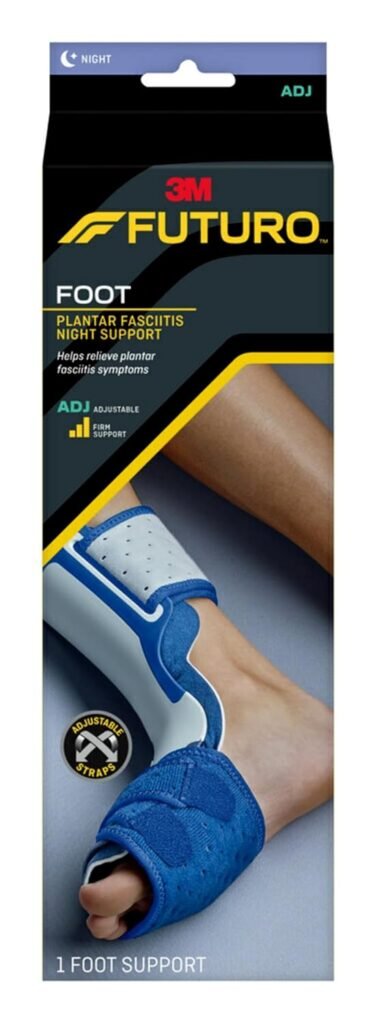
Expert Take: This is the middle ground between the soft ELESIK and rigid United Ortho, offering structured support from hook-and-loop fasteners and an adjustable foot strap without feeling as bulky as a full boot. Sarah, a nurse in the Lincoln Park neighborhood of Chicago who works overnight shifts and needs to sleep during the day, said the smaller profile meant she could sleep in different positions without the splint getting caught on blankets.
Best For: People who want structural support but also want to be able to wear loose pajamas and move around in bed comfortably.
Why It Works: The hook-tab fasteners stay secure throughout the night without needing rigid shells or bulky straps, which means you’re more likely to tolerate wearing it for the full eight-hour window needed for tissue adaptation.
Pros:
- More streamlined than rigid boots but more supportive than soft socks
- Breathable, moisture-releasing straps mean less sweat and skin irritation
- Adjustable design fits both left and right foot
Cons:
- At 3.9 stars it’s the lowest-rated option in this roundup, with some users reporting that hook fasteners wear out after a few months
- Less adjustable than the United Ortho for controlling exact stretch angle
- 300+ bought in past month is lower volume than the other two, suggesting less consistent long-term demand
Verdict: A solid middle-ground option if you want support without the bulk of a rigid boot, though the lower rating suggests you might see durability issues after six months.
🛒 Check Price on Amazon4. Vive Plantar Fasciitis Night Splint Plus Trigger Point Stretch Wedges
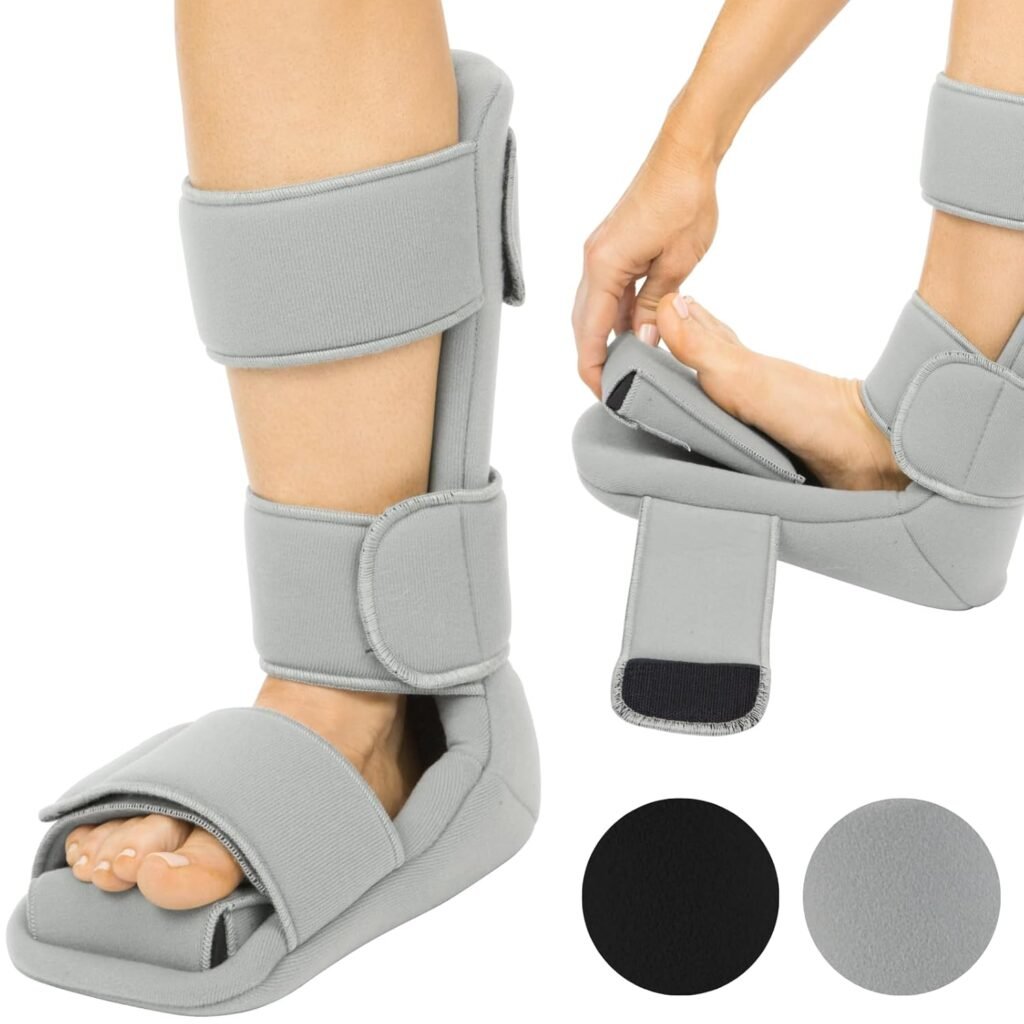
Expert Take: This is the most customizable option, including two removable foam wedges that let you increase or decrease stretch intensity without adjusting the splint itself. Rachel, a physical therapist assistant in the Highland Park area of Denver, told her plantar fasciitis patients this was the best option for people whose pain improved quickly and needed to graduate from aggressive stretching to lighter maintenance stretching after a few weeks.
Best For: People who want to customize their stretching over time as their fascia adapts, and who don’t mind the higher price for maximum flexibility.
Why It Works: The removable wedges let you start with both for maximum stretch, then drop to one wedge after a week or two, then remove both for maintenance stretching. This gradual approach often results in better compliance and fewer morning-after soreness complaints.
Pros:
- Two removable foam wedges allow genuine customization of stretch intensity
- Ultra-soft padded lining is removable for washing, which extends product lifespan
- HSA/FSA approved, so if you have a healthcare savings account you can use it to pay
- 60-day unconditional guarantee from Vive is unusually customer-friendly
Cons:
- At $46.99 it’s the most expensive single night splint option here
- The rigid shell boot design is bulkier than soft sock-style options and requires more dedicated sleeping space
- 2,493 ratings is a smaller sample than the United Ortho, though the 4.0 rating is solid
Verdict: The best option for people who want to fine-tune their stretching as their condition improves and are willing to pay premium price for maximum customization.
🛒 Check Price on AmazonSupportive Shoe Product Reviews
1. Skechers Go Walk Arch Fit Mesh Lace-Up (Men’s)
Expert Take: This is the top-rated men’s option with nearly 12,000 reviews backing its performance. The Arch Fit system was developed from 20 years of Skechers research and actual foot scan data from 120,000 unweighted feet, so it’s not a marketing claim but a measurable design standard. Thomas, an accountant in the Fremont neighborhood of Seattle, said he switched from generic workout shoes to these and saw his morning limp drop by half within one week.
Best For: Men who want podiatrist-certified arch support in an everyday walking shoe they can wear to work, on errands, or around the house.
Why It Works: Arch Fit molds to the individual foot shape over time as the removable insole conforms, which is why performance often improves after the first 1-2 weeks of wear as the shoe adapts to your specific biomechanics.
Pros:
- Made in the USA, a detail important to some buyers
- Removable insole allows swapping in a custom orthotic later if needed
- 11,882 ratings at 4.5 stars is a massive, consistent sample size
- Ultra Go midsole is lightweight so the shoe doesn’t feel heavy all day
Cons:
- Lace-up closure means bending down, which some heel-pain sufferers prefer to avoid first thing in the morning
- At $69.99 it’s mid-range priced but not a budget option
- Mesh upper breathes well but offers less structural containment than synthetic leather uppers, so arch support can feel slightly loose for very wide feet
Verdict: The best men’s daytime shoe for consistent, all-day arch support backed by the largest rating sample in this entire guide.
🛒 Check Price on Amazon2. Hoka Men’s Bondi 9
Expert Take: This is the premium option in the men’s category, known for maximum cushioning rather than arch structure. The Bondi 9 uses a thick EVA foam midsole designed specifically for runners and walkers who need impact absorption more than targeted arch support. Marcus, a high school coach in the Phoenix area who’s on his feet for six to eight hours daily, said the cushioning made the biggest difference of any shoe he’d tried, though he still wears his Skechers on lower-activity days.
Best For: Men who prioritize cushioning and impact absorption over arch-specific support, or who have neutral to underpronating gait.
Why It Works: Maximum foam cushioning absorbs more heel-strike impact than a moderate-cushioning shoe, which reduces inflammation in the fascia tissue over the course of the day.
Pros:
- Maximum cushioning rated system for the softest, most plush first-step feel
- 3,288 ratings at 4.5 stars is solid performance from a premium brand
- Designed specifically for road running so the outsole provides excellent grip on wet pavement
Cons:
- At $174 it’s nearly 2.5 times the price of the Skechers Arch Fit, which is a substantial premium
- Extra-thick foam means the shoe weighs more than performance-focused alternatives, which matters if you’re on your feet all day
- Underpronation recommendation means it’s specifically designed for feet that don’t roll inward, so oversupination (heel roll outward) may not get enough correction
Verdict: The premium comfort pick for men who want maximum cushioning and don’t mind the higher price point.
🛒 Check Price on Amazon3. FitVille Men’s Extra Wide Slip-on Walking Shoes
Expert Take: This is the best option for men with wide feet or high-instep measurements who struggle finding shoes that don’t pinch across the midfoot. The one-piece design with a stretchable upper means no bending down to tie laces, which matters on painful mornings. Kevin, a warehouse worker in the Heights neighborhood of Houston dealing with Texas heat and concrete floors, said the wide toe box was the first shoe that didn’t leave him with pinched-foot pain by end-of-shift.
Best For: Men with wide feet, high insteps, or foot conditions like bunions or hammer toes who also want a slip-on design for easy morning entry.
Why It Works: The anatomical ArchCore insole paired with a wide, spacious toe box eliminates pressure points that can trigger or worsen plantar fasciitis by creating abnormal tension on the fascia.
Pros:
- Extra-wide toe design relieves pressure on bunions and other toe deformities
- Slip-on entry means zero bending on painful mornings
- Currently 13% off at $39.89, making it affordable for a supportive option
- 2,652 ratings at 4.4 stars backs consistent satisfaction
Cons:
- Slip-on design means less lockdown than a lace-up, which can feel loose for narrow-footed wearers
- Stretchable mesh upper breaks in quickly and can lose some structure after three months of daily wear
- Low-arch support means it’s better for flat feet than for high-arch feet
Verdict: The best budget-friendly, wide-fit option for men, especially those who want slip-on convenience.
🛒 Check Price on Amazon4. Orthofeet Lava Orthopedic Men’s Walking Shoes
Expert Take: This is the orthopedic-first option, designed by people who treat foot problems for a living rather than by general athletic brands. The stretchable fabric upper contours to your foot rather than forcing your foot into a rigid shape, which matters for feet with swelling or sensitive areas. Angela, a retired teacher in the Uptown neighborhood of Denver, said this was the only shoe that didn’t create pressure points on her swollen feet after standing all day.
Best For: Men with sensitive feet, swelling, diabetes-related foot complications, or any condition where standard rigid shoe construction causes pain.
Why It Works: The seam-free interior and extra-deep padding eliminate friction and pressure points that can trigger plantar fasciitis symptoms in people with unusual foot shapes or sensitivity issues.
Pros:
- Stretchable breathable fabric molds to foot shape rather than forcing foot into shoe shape
- Extra-deep seam-free interior eliminates friction points that trigger pain
- Anatomical arch support specifically designed for foot pain relief
- 4,400 ratings at 4.3 stars backs real-world performance
Cons:
- At $84.99 (15% off from $99.99) it’s premium priced, though less expensive than the Hoka
- Fabric upper stretches out over time, which means the shoe may feel loose after three to four months of daily wear
- Heavier than lightweight performance shoes, which matters if you’re walking several miles daily
Verdict: The best option for men with complex foot conditions, swelling, or sensitivity issues that make standard shoes painful.
🛒 Check Price on Amazon5. NORTIV 8 Women’s Walking Shoes Running Tennis Sneakers
Expert Take: This is the affordable, high-volume option for women, backed by more than 4,500 ratings showing consistent performance for the price point. The thick EVA midsole provides cloud-like cushioning without the premium price of brands like Hoka. Lisa, a retail manager in the Arts District of Dallas, said she bought three pairs at this price point as backups rather than paying twice as much for one premium pair.
Best For: Women on a budget who want solid cushioning and don’t need custom orthotics or specialized arch support.
Why It Works: EVA foam midsole absorbs impact effectively, and the mesh upper breathes well in hot climates, which makes the shoe accessible for most daily activities without overheating feet.
Pros:
- Currently 15% off at $59.48, making it the most affordable women’s option here
- 4,557 ratings at 4.2 stars shows sustained, broad-based satisfaction
- Slip-resistant rubber outsole means reliable traction on wet pavement
- 3M reflective strip improves visibility for evening walks
Cons:
- EVA foam midsole breaks down faster than premium materials, with noticeable compression after four to five months of daily wear
- Standard medium arch support doesn’t accommodate very flat or very high arches
- Lightweight mesh upper lacks lateral containment for wider feet
Verdict: The best budget-friendly option for women without complex foot needs, especially those willing to replace shoes more frequently.
🛒 Check Price on Amazon6. STQ Women’s Slip On Loafers Arch Support Boat Casual Shoes
Expert Take: This is the lifestyle option for women who want orthopaedic support in a casual loafer style rather than an athletic sneaker. The removable memory foam insole means you can replace it with a custom orthotic, and the boat shoe silhouette works for casual errands or travel. Patricia, a marketing professional in the Wynwood neighborhood of Miami, said she wore these to client meetings since they didn’t look medical, but got the same pain relief as her workout shoes.
Best For: Women who want orthopedic support but need a more professional or casual aesthetic than athletic sneakers provide.
Why It Works: Lightweight canvas construction paired with a removable arch support insole lets you customize support level, and the slip-on design eliminates bending down on painful mornings.
Pros:
- Lightweight at under five ounces, less than most other options
- Removable memory foam insole allows customization or swapping in a custom orthotic
- Canvas construction looks casual enough for non-gym settings
- 5,377 ratings at 4.4 stars shows strong satisfaction
- Currently 10% off at $35.99
Cons:
- Canvas upper stretches out quickly and offers less structural support than mesh
- Boat shoe silhouette limits athletic versatility if you need a shoe for workouts and casual wear
- Slip-on design means no heel lockdown, which can feel loose for narrow feet or during active movement
Verdict: The best option for women who want orthopedic support in a casual, non-athletic aesthetic.
🛒 Check Price on Amazon7. Brooks Women’s Revel 8 Running Shoe
Expert Take: This is the performance option for women who want serious cushioning paired with actual running performance, not just walking comfort. The Adaptable DNA Loft v2 cushioning adjusts to your stride weight and speed, which means the shoe feels different on slow neighborhood walks versus faster workout sessions. Jennifer, a fitness instructor in the Marina District of San Francisco, said the responsive cushioning helped her manage heel pain while still being able to lead fitness classes.
Best For: Women who run or do high-impact activities alongside managing heel pain, and who need a shoe that performs at different activity levels.
Why It Works: Premium DNA Loft cushioning provides underfoot comfort while also bouncing back quickly, which distributes impact better than foam-only construction across high-impact activities.
Pros:
- APMA Seal of Acceptance backs medical support claims
- Currently 31% off at $68.95, bringing premium-brand pricing down significantly
- 2,839 ratings at 4.3 stars shows consistent performance
- RoadTack outsole designed specifically for road running grip and response
Cons:
- At $68.95 (even after discount) it’s premium priced for non-orthopedic brands
- Mesh upper breathes well but offers minimal lateral support for wide feet
- Running shoe geometry means it works well for forward motion but less well for standing-still activities
Verdict: The best option for women who run or do high-impact workouts while managing plantar fasciitis.
🛒 Check Price on Amazon8. Dr. Scholl’s Women’s Time Off Sneaker
Expert Take: This is the accessible, mainstream option backed by the largest rating sample in the women’s category at more than 10,000 reviews. The 15% BLOOM plant-based foam cushioning provides comfortable impact absorption, and the platform style gives a visual boost while adding stability. Carol, an office manager in the Park Slope neighborhood of Brooklyn, said she’d tried multiple expensive options before discovering these worked just as well at half the price.
Best For: Women who want reliable, proven cushioning from a recognizable brand, available in multiple widths, at an accessible price point.
Why It Works: Anatomical cushioning paired with anti-odor insole technology and arch support specifically addresses the three pain points women report: impact shock, moisture buildup, and lack of arch structure.
Pros:
- 10,121 ratings at 4.1 stars is the largest sample size across all women’s shoes here
- Currently 32% off at $75, making premium-brand pricing competitive with mid-range options
- Available in both standard B and wide D widths, so width selection is straightforward
- Water-resistant faux leather means easier cleaning and longer-term durability
Cons:
- Platform heel adds 1 inch of height, which some people with heel pain find uncomfortable
- Faux leather upper doesn’t breathe as well as mesh, so feet can sweat in hot climates
- Plant-based foam marketing is real but modest, providing only 15% of the midsole
Verdict: The best mainstream, high-confidence option for women with large rating pools behind the choice.
🛒 Check Price on AmazonComparison Table: Night Splints vs Shoes
| Product | Type | Price | Rating | Best For | Reviews |
|---|---|---|---|---|---|
| ELESIK Night Splint | Soft Splint | $19.93 | 4.0 (2,906) | Starter, budget | 2,906 |
| United Ortho Adjustable Brace | Rigid Splint | $35.94 | 4.2 (8,645) | Customizable stretch | 8,645 |
| FUTURO Night Support | Mid-Range Splint | $33.72 | 3.9 (4,103) | Balanced support | 4,103 |
| Vive Plus Wedges | Premium Splint | $46.99 | 4.0 (2,493) | Custom wedges, HSA OK | 2,493 |
| Skechers Go Walk Arch Fit (M) | Shoe – Men | $69.99 | 4.5 (11,882) | Arch support, all-day | 11,882 |
| Hoka Bondi 9 (M) | Shoe – Men | $174.00 | 4.5 (3,288) | Premium cushioning | 3,288 |
| FitVille Extra Wide (M) | Shoe – Men | $39.89 (13% off) | 4.4 (2,652) | Wide feet, slip-on | 2,652 |
| Orthofeet Lava (M) | Shoe – Men | $84.99 (15% off) | 4.3 (4,400) | Sensitive feet, swelling | 4,400 |
| NORTIV 8 (W) | Shoe – Women | $59.48 (15% off) | 4.2 (4,557) | Budget, walking | 4,557 |
| STQ Loafers (W) | Shoe – Women | $35.99 (10% off) | 4.4 (5,377) | Casual aesthetic, lightweight | 5,377 |
| Brooks Revel 8 (W) | Shoe – Women | $68.95 (31% off) | 4.3 (2,839) | Running, high-impact | 2,839 |
| Dr. Scholl’s Time Off (W) | Shoe – Women | $75.00 (32% off) | 4.1 (10,121) | Mainstream, multi-width | 10,121 |
For an even deeper look at shoes specifically, check out our guide on plantar fasciitis insoles versus supportive shoes, which compares replacement insoles to full shoe support.
Frequently Asked Questions
Do night splints actually work for plantar fasciitis, or is it just marketing?
Night splints work by supporting the foot in a neutral position overnight, reducing pain and inflammation due to plantar fasciitis by preventing the tissue from shortening and tightening while you sleep, which then causes painful first steps in the morning. The mechanism is real, though results vary. People with severe cases see significant improvement; people with mild cases may see minimal change.
Should I buy a night splint or supportive shoes first if I can only afford one?
Supportive shoes deliver faster relief for morning pain since you wear them immediately upon waking, during the exact moment when pain is worst. If budget is limited, start with shoes, then add a night splint once your morning pain stabilizes. Many people find the combination works best.
How long does it take to see results from a night splint?
Most users report noticeable improvement within seven to fourteen days of consistent nightly wear, though some see relief within three to five days. The first week is often uncomfortable as your fascia adjusts to the stretch, so expect mild soreness on mornings after nights in the splint.
Can I wear a night splint and sleep comfortably?
Soft sock-style splints like the ELESIK are designed for comfort during sleep, while rigid boots like the United Ortho or Vive may take adjustment. Most people adapt within three to five nights once they find a comfortable position. Side sleepers often tolerate splints better than back sleepers.
Are expensive night splints better than budget options?
Price doesn’t always equal performance. The ELESIK at $19.93 has 4.0 stars with 2,906 reviews, while the Vive at $46.99 also has 4.0 stars with 2,493 reviews. The main difference is customization. Choose based on features you need, not price alone.
Do shoes alone ever fix plantar fasciitis without a night splint?
Yes, in mild cases. Supportive shoes reduce daytime inflammation enough that some people see complete resolution within six to twelve weeks without using a night splint. However, the combination of shoes plus night splint typically works faster.
Which shoe feature matters most for morning heel pain?
Arch support and heel cup structure matter more than overall cushioning. A firmly contoured heel cup paired with arch support reduces first-step pain more effectively than ultra-plush cushioning without structural support.
Can I use a night splint AND wear supportive shoes the same day?
Yes, and podiatrists often recommend this combination. Use the night splint while sleeping, then wear supportive shoes during the day. This addresses both overnight tightening and daytime inflammation.
How long should I wear a night splint each night?
Eight hours is the minimum needed for tissue adaptation, which is why nightly wear (not just a few nights per week) shows better results. Consistent use matters more than aggressive stretching.
Do night splints prevent plantar fasciitis from coming back once it’s healed?
No, night splints are a treatment tool, not a prevention tool for future episodes. However, maintaining supportive footwear and stretching reduces the likelihood of recurrence significantly.
Should I buy wide-width versions of these shoes and splints?
Yes, if your feet are noticeably wider than average. Poor width fit increases tension on the plantar fascia and reduces the effectiveness of any supportive device, so proper width matters as much as proper length.
Are there any night splints or shoes I should avoid for plantar fasciitis?
Avoid slippers with flat soles, shoes without arch support, and night splints that cause morning-after soreness without gradually improving over weeks. If a product doesn’t feel better after four weeks of consistent use, switch to something else rather than pushing through.
Expert Tips
Keep your night splint and supportive shoes in separate locations so you remember to switch between them. Michael, a logistics coordinator in the South Boston neighborhood of Boston, said putting the night splint on the nightstand and the shoes by the bedroom door helped him maintain consistent use of both.
Expect a two-week adjustment period with a new night splint as your fascia adapts to the stretch. The first three nights might feel uncomfortable, and you might wake with mild soreness that’s different from your usual heel pain. This adjustment soreness typically disappears by day five or six.
Replace your night splint every 12 to 18 months if you wear it nightly. The fabric stretches, padding compresses, and straps lose elasticity over time, which means the splint becomes less effective at maintaining stretch angle. Supportive shoes should be replaced every four to six months with daily wear, depending on your body weight and activity level.
Watch for these warning signs that your current strategy isn’t working: no improvement after six weeks of consistent use, worsening pain despite wearing both a night splint and supportive shoes, or new pain in the ball of your foot or Achilles tendon. These can signal that you need professional evaluation rather than more product switching.
Final Verdict
If you’re choosing between night splints and shoes for the first time, start with supportive shoes and wear them first thing in the morning and throughout the day. The relief comes faster, and shoes address the specific first-step pain that makes mornings unbearable. Once your morning pain improves noticeably, add a night splint to prevent overnight tightening from causing tomorrow’s pain.
If budget allows, the combination of the Skechers Go Walk Arch Fit (men) or Dr. Scholl’s Time Off (women) paired with the United Ortho Adjustable Brace night splint gives you both immediate daytime relief and preventive overnight stretching for the lowest total cost while still maintaining solid ratings and adjustability.
For pure budget constraints, the ELESIK night splint at $19.93 plus the FitVille slip-ons (men) or NORTIV 8 walking shoes (women) gets you both tools for under $100 total, which is less than one premium shoe alone.
The research is clear: combining both approaches works better than either alone, but starting with shoes and adding splints after one to two weeks of shoe-only use prevents overwhelm and lets you identify which component is actually helping your specific pain pattern.
Disclosure: Urban Style Footwear is a participant in the Amazon Associates program. Some links in this article are affiliate links, meaning we may earn a small commission if you make a purchase, at no extra cost to you. We only recommend products we’d genuinely suggest to someone describing exactly this pain pattern.