
Why Do Sneaker Soles Turn Yellow? The Science of Oxidation & Sole Care (2026)
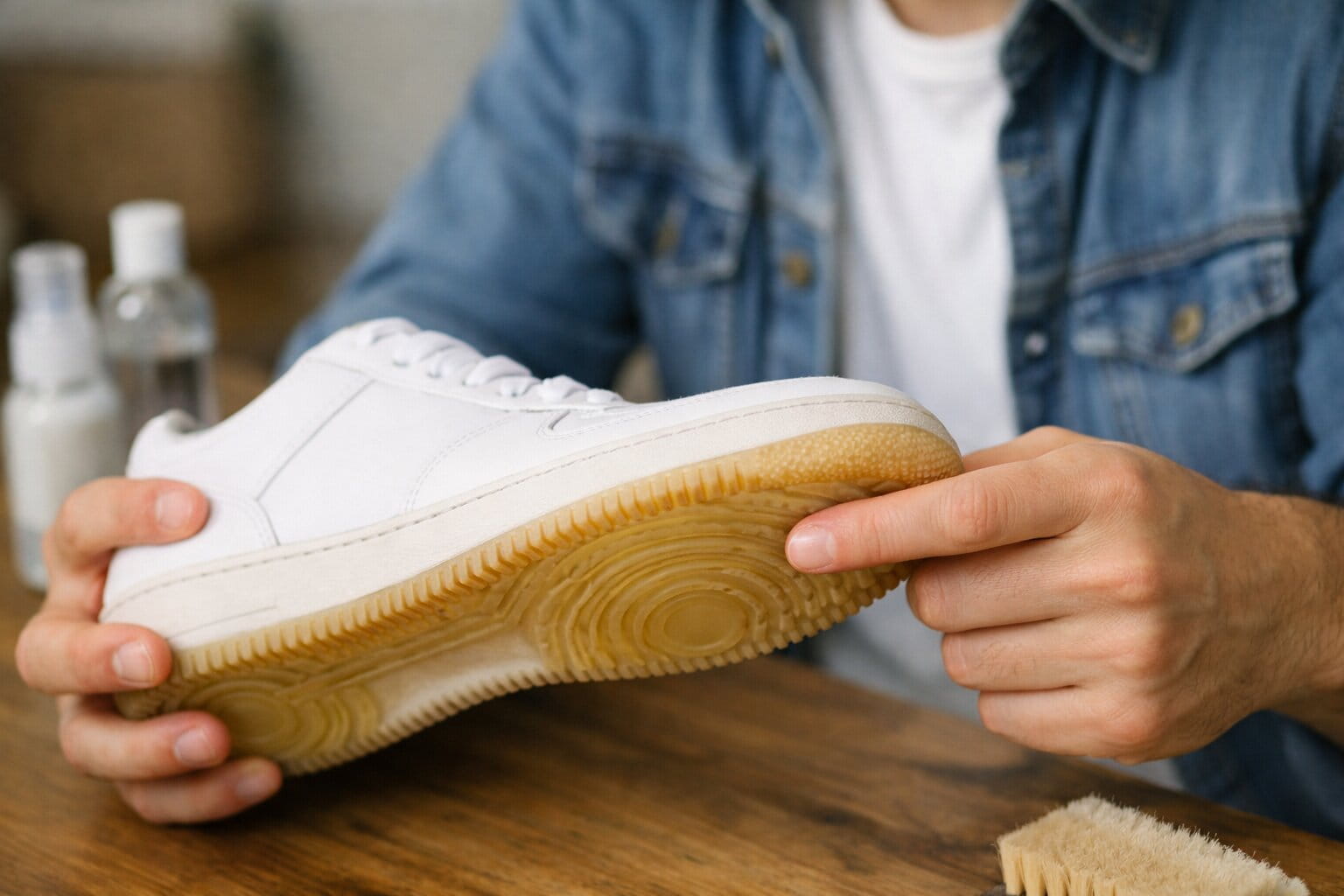
We’ve all been there. You invest in a pristine pair of white sneakers or a highly anticipated drop with icy, translucent soles. You treat them like royalty, wear them to the office or while traveling, and meticulously wipe them down. But a few months later, that crisp white or icy blue has morphed into a murky, unpleasant yellow.
If you’ve spent any time on Sneakerhead Reddit or footwear TikTok, you’ve probably seen the memes. Someone posts a picture of their fresh kicks, and the top comment is always a joke about how they’ll look like they stepped in a puddle of Mountain Dew in three weeks. It’s a universal footwear problem that frustrates buyers worldwide, from daily commuters to hardcore collectors.
But why does this happen? Is it poor hygiene, cheap materials, or something unavoidable? Today, we are diving deep into the actual science behind yellowing soles, separating internet myths from material reality.
⚡ TLDR: The Quick Answer
Sneaker soles turn yellow primarily due to oxidation, a natural process where the chemical reaction rubber and synthetic plastics undergo when exposed to oxygen and ultraviolet (UV) light breaks down their polymer chains. This degradation causes a yellow tint. Dirt, sweat, and improper storage significantly accelerate this unavoidable aging process.
🧪 Why This Topic Matters (And Why Online Buyers Get Frustrated)
It doesn’t matter if you’re walking the streets of London, commuting in New York, or traveling through Tokyo—the elements are out to get your shoes. One of the most common mistakes buyers make worldwide is assuming that keeping shoes in a dark closet will completely stop them from aging.
When people buy shoes online, they often prioritize looks and immediate fit over long-term material stability. Then, when the yellowing starts, they assume the brand scammed them with a “fake” or defective product.
Having managed a physical footwear store for over two decades, I’ve handled thousands of customer inquiries. I’ve seen frustrated buyers bring back three-month-old shoes demanding refunds because the soles “changed color.” The truth is, it usually isn’t a manufacturing defect. It’s chemistry. Understanding this saves you money, helps you set realistic expectations when shopping online, and teaches you how to prolong the life of your favorite pairs.
🔬 The Science of Yellow Soles: What Exactly Is Happening?
To stop the yellowing, you first need to understand the science of yellow soles. It boils down to a few key environmental factors interacting with the materials on your feet.
1. Oxidation on Shoes Explained
Oxidation is a chemical process where a substance loses electrons because it interacts with oxygen. Think of how a sliced apple turns brown when left on the kitchen counter, or how a piece of iron forms rust. The exact same concept applies to your shoes.
When the synthetic polymers in your shoe soles are exposed to the oxygen in the air, their molecular structure begins to slowly break down. Oxidation on shoes is a completely natural, unavoidable process. You can slow it down, but you cannot stop oxygen from existing.
2. The Chemical Reaction Rubber Undergoes (UV Degradation)
While oxygen sets the stage, Ultraviolet (UV) light is the catalyst that speeds everything up. The chemical reaction rubber and polyurethane undergo when blasted by the sun’s UV rays is called photo-oxidation.
UV light possesses enough energy to break the chemical bonds within the rubber’s polymer chains. When these bonds break, the material absorbs different wavelengths of light, reflecting back a yellowish hue to our eyes. This is why the shoes you leave sitting by a sunny window will yellow twice as fast as the ones kept in a box.
3. Sweat, Dirt, and Acidity
Your feet have roughly 250,000 sweat glands. As you walk, work, or travel, sweat—which is mildly acidic—seeps into the porous materials of the shoe. Combined with street grime, oils, and bacteria, this creates a micro-environment that accelerates the degradation of the rubber and foam.
🧵 Do All Materials Yellow? A Deep Dive into Sole Compositions
Not all shoes age the same way. The rate at which your sneaker yellows depends heavily on what it’s made of. Let’s break down the common materials used in modern footwear.
| Sole Material | Primary Use-Case | Vulnerability to Yellowing | Effect on Comfort/Durability |
| Clear/Icy Rubber | Premium lifestyle sneakers | High (Shows instantly) | Hardens slightly over years |
| Standard White Rubber | Casual, skate, court shoes | Medium (Turns creamy) | Very durable, retains grip |
| EVA Foam | Running, walking, daily wear | Low to Medium (Grime-based) | Compresses over time |
| PU (Polyurethane) | Boots, retro midsoles | High (Oxidizes deeply) | Prone to crumbling (hydrolysis) |
| TPR | Budget casual shoes | Medium to High | Remains relatively stable |
| TPU (Thermoplastic Polyurethane) | Icy/translucent soles | High | Becomes brittle over time |
EVA (Ethylene Vinyl Acetate): This is the lightweight, squishy foam used in most running and walking shoes. EVA is incredibly comfortable for long hours but is highly porous. It absorbs dirt easily and will yellow over time, though usually more from grime than pure oxidation.
TPR (Thermoplastic Rubber): Often used in budget-to-midrange casual shoes. TPR is durable and offers a great balance of price vs. value. However, it is highly susceptible to UV degradation. If untreated, white TPR will turn yellow relatively quickly.
PU (Polyurethane): Found in the midsoles of many premium hiking boots and classic retro sneakers. PU offers amazing support, but it suffers from a condition called hydrolysis (crumbling due to moisture) and will aggressively yellow as it oxidizes.
Vulcanized Rubber: Think of classic skate shoes. It’s heavy, durable, and resists yellowing better than translucent materials, but the white rubber sidewalls will eventually oxidize and take on a creamy, vintage tint.
Translucent / “Icy” Soles: These are a mix of synthetic rubbers and plastics (often TPU). Because they are clear, the structural breakdown (oxidation) is immediately visible. They are the biggest victims of the yellowing effect.
💡 Insider Pro-Tips: What Retailers Know (But Rarely Tell You)
After unboxing, inspecting, and storing thousands of pairs of shoes over the years, you pick up a few industry secrets regarding shoe care and longevity.
- The Silica Gel Secret: Those little “Do Not Eat” packets in your shoe box? Keep them. They absorb ambient moisture, which slows down the hydrolysis and oxidation processes.
- The Display Shoe Curse: If you are buying the last pair in a physical store—the display model—check the soles carefully. The shoe that was sitting under the store’s fluorescent or halogen lights for three months is already halfway through its photo-oxidation journey compared to the one kept in the dark stockroom.
- Material Shortcuts: Budget brands often skip UV-resistant clear coats on their rubber soles to save pennies per unit. If a deal online seems too good to be true for a white sneaker, be prepared for rapid yellowing.
- Airtight Storage: For long-term storage, consider using airtight containers or vacuum-sealed bags with silica gel packs to minimize oxygen and moisture exposure.
🚫 Common Mistakes to Avoid When Cleaning Soles
If you panic when you see the first signs of the science of yellow soles taking effect, you might end up destroying your shoes entirely. Avoid these global missteps:
- Using Household Bleach: This is the #1 mistake. Bleach is a harsh chemical that actually accelerates the breakdown of rubber polymers. It might look white for a day, but it will rapidly turn a burnt orange/yellow afterward.
- Machine Washing and Sun-Drying: Throwing shoes in the washer and leaving them on the balcony in direct sunlight to dry is a recipe for disaster. The intense UV exposure on wet rubber fast-tracks the chemical reaction rubber fears most.
- Wearing Icy Soles in Wet Grass: The acidity and moisture in wet grass/soil cling to the sole, trapping bacteria and accelerating degradation.
- Storing in Humid Areas: Leaving shoes in a damp garage, a hot car trunk, or a humid basement invites both mold and rapid oxidation.
🛠️ Quick Fixes & Curiosities
- Can baking soda and vinegar reverse yellow soles? It can clean surface grime and brighten the shoe, but it cannot reverse chemical oxidation.
- Do sole protectors stop yellowing? They prevent dirt and wear, but clear protectors do not block 100% of UV rays, meaning oxidation still slowly occurs.
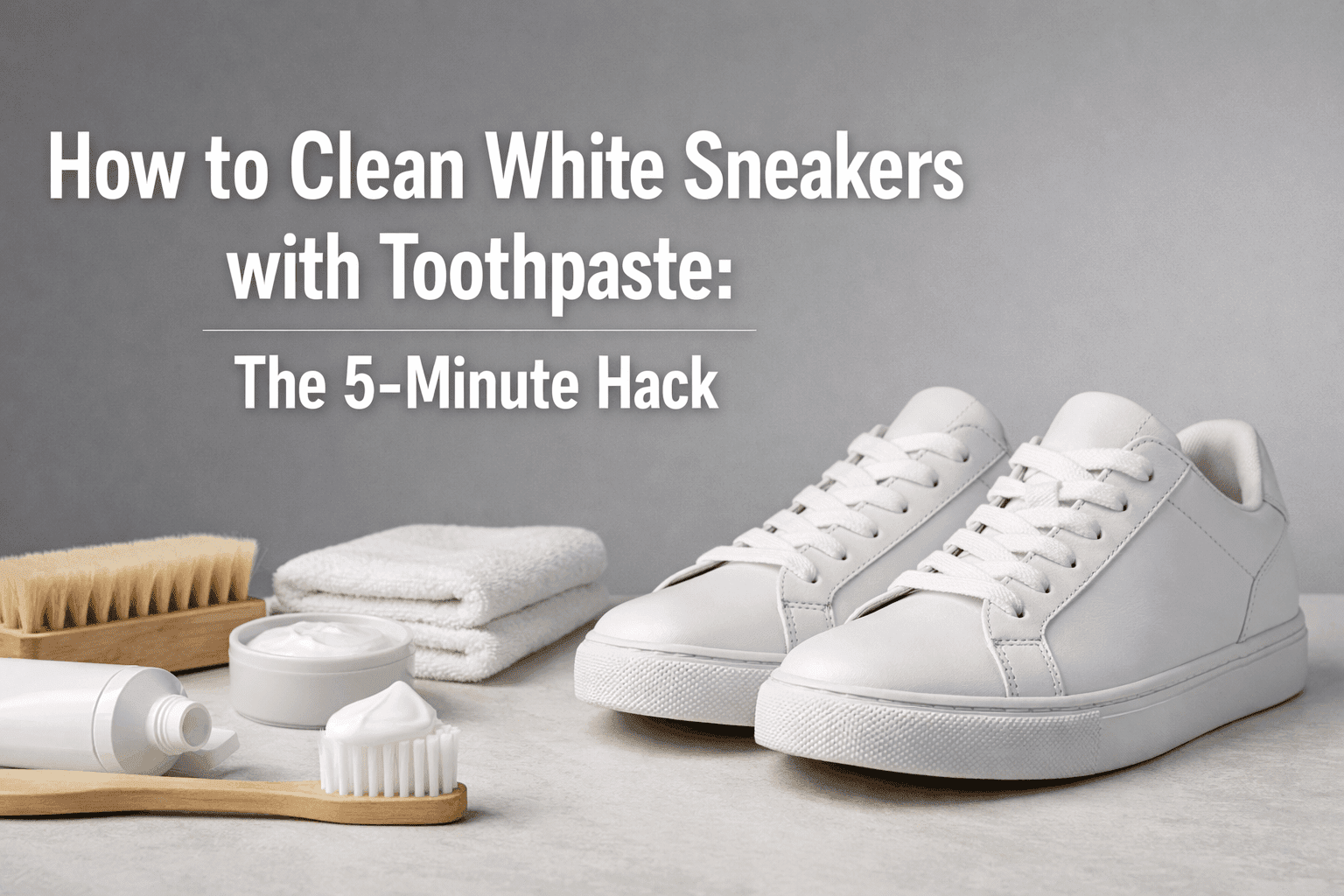
- Does toothpaste whiten rubber? Whitening toothpaste acts as a mild abrasive to remove top-layer dirt, but it won’t fix deeply oxidized rubber.
- Why do only the edges of my soles turn yellow? The edges are the parts exposed to ambient air and light while sitting in your closet, while the bottom is shielded by the floor.
- Are “vintage” yellow soles in style? Yes! Many brands now pre-yellow their soles straight from the factory to capitalize on the “neo-vintage” aesthetic.
🧼 How to Fix Yellow Soles (Step-by-Step)
If your soles have already yellowed, don’t despair. Here are the most effective methods to restore them.
Method 1: The Baking Soda & Hydrogen Peroxide Paste (DIY)
This is the most accessible and cost-effective method.
- Clean the Soles: Wash the soles thoroughly with mild soap and water to remove surface dirt.
- Make the Paste: Mix 2 tablespoons of baking soda with 2 tablespoons of 3% hydrogen peroxide into a thick, spreadable paste.
- Apply: Use an old toothbrush to work the paste over the entire yellowed sole.
- Let It Sit: Leave the shoes for 30 minutes. During this time, the paste pulls the yellowing and deep grime to the surface.
- Scrub & Rinse: Scrub the soles again with the toothbrush, then rinse away the leftover paste and blot dry with paper towels.
Method 2: Professional Sole Brighteners (For Stubborn Oxidation)
For severe yellowing, professional products like Angelus Sole Bright or salon-grade 40 Volume Creme Developer are more effective.
- Clean & Prep: Thoroughly clean the soles and tape off the upper to protect it from the solution.
- Apply the Product: Apply a thin, even layer of Sole Bright or 40 Volume Creme Developer to the yellowed areas.
- UV Activation: Wrap the soles in clear plastic wrap and place them in direct sunlight or under a UV lamp for 1–6 hours. The UV light activates the peroxide to reverse the oxidation.
- Rinse & Repeat: Remove the wrap, rinse thoroughly, and repeat if necessary.
⚠️ Warning: Always wear gloves and work in a well-ventilated area when using hydrogen peroxide or salon developers. Avoid contact with colored or sensitive materials.
🛡️ Prevention: How to Stop Soles from Yellowing
Prevention is easier than restoration. Here’s how to keep your soles white for longer:
- ✅ Store shoes in a cool, dry, dark place away from direct sunlight and heat sources.
- ✅ Use silica gel packs inside storage containers to absorb moisture.
- ✅ Clean shoes regularly before dirt and grime can build up and bond with the material.
- ✅ Apply a UV-protective spray or sneaker protector to create a barrier against UV rays and dirt.
- ✅ Rotate your footwear to reduce wear and allow shoes to fully dry between wears.
- ✅ Air-dry shoes naturally away from direct sunlight—never use heat.
📚 Complete Shoe Care Guide – Topic Deep Dives
This pillar page supports dedicated in-depth articles on every shoe care topic relevant to sneaker enthusiasts. Explore each section below.
Best Sneaker Cleaning Kits India 2026
Using the right cleaning products makes all the difference. Harsh chemicals can accelerate yellowing, while pH-neutral cleaners safely remove dirt without damaging materials. Professional kits often include soft brushes and microfiber cloths designed for delicate sneaker uppers.
→ Read Full Guide: Best Sneaker Cleaning Kits India 2026
How to Store Sneakers for Longevity
Proper storage is the single most effective way to prevent yellowing. Airtight containers, silica gel packets, and UV-protective display cases can significantly extend the life of your collection. Avoid clear plastic boxes that let in light—opt for opaque storage instead.
→ Read Full Guide: How to Store Sneakers for Longevity
Best Sole Protectors & Anti-Yellowing Sprays
Sole protectors create a physical barrier between your shoes and the elements. While they don’t block 100% of UV rays, they prevent dirt and grime from bonding to the rubber—reducing one of the key accelerants of yellowing.
→ Read Full Guide: Best Sole Protectors & Anti-Yellowing Sprays India
FAQ — People Also Ask About Sneaker Yellowing & Oxidation
1. What causes oxidation on shoes?
Oxidation is caused by the exposure of rubber and synthetic polymers to oxygen in the air, resulting in the breakdown of the material’s chemical structure. This natural chemical reaction causes the polymers to degrade and reflect light differently, creating a yellowish tint on the surface of the sole.
2. Can I permanently stop my icy soles from yellowing?
No. You can slow it down with proper storage, temperature control, and UV avoidance, but the natural chemical reaction cannot be permanently stopped. Even shoes kept in boxes will eventually yellow due to ambient oxygen exposure over many years.
3. Does UV light make shoes turn yellow faster?
Yes. Ultraviolet light aggressively breaks down the polymer chains in rubber and plastics, exponentially speeding up the yellowing process. This is why shoes left near windows or in direct sunlight yellow significantly faster than those stored in dark, cool places.
4. Is a yellowed sneaker sole still safe to wear?
Usually, yes. Mild to moderate yellowing is purely cosmetic and doesn’t affect the structural integrity of the shoe. However, if the rubber has become hard, brittle, or cracked, it loses traction and should be replaced for safety reasons.
5. How do professional restorers un-yellow shoes?
They use high-volume hydrogen peroxide creams (like salon developer) painted onto the sole, wrapped in plastic, and exposed to controlled UV light to temporarily reverse the oxidation. The UV light activates the peroxide, which breaks down the yellowed compounds and restores the original color.
6. Will keeping shoes in a plastic bag prevent yellowing?
Zip-loc bags can slow down oxidation by limiting oxygen exposure, but if any moisture is trapped inside the bag, it can cause the shoe materials to rot or crumble. Always include silica gel packets inside sealed bags to absorb residual moisture.
7. Why do my white foam midsoles turn yellow?
Foam midsoles (like EVA) turn yellow primarily due to the absorption of dirt, acidic sweat, and environmental grime, compounded by slow oxidation. The porous nature of EVA allows contaminants to penetrate deeply, making it harder to clean than solid rubber soles.
8. Does shrink-wrapping sneakers stop oxidation?
Shrink-wrapping with a few silica gel packets inside is the best way for collectors to delay oxidation, as it removes almost all ambient oxygen and moisture. However, even this method doesn’t stop the process entirely—it simply slows it down significantly.
9. Are some brands immune to yellowing?
No brand is completely immune. However, higher-end brands often mix expensive UV stabilizers and anti-oxidant chemicals into their rubber compounds, meaning they will stay icy or white much longer than budget brands. Premium materials and manufacturing processes significantly delay the onset of yellowing.
10. Should I just buy shoes with black soles?
If you want to completely avoid the visual headache of the science of yellow soles and oxidation, opting for black, gum, or dark-colored outsoles is the most practical, stress-free choice for everyday wear. Dark colors hide oxidation entirely, making them ideal for daily commuters.
11. Can baking soda and vinegar reverse yellow soles?
It can clean surface grime and brighten the shoe, but it cannot reverse chemical oxidation. Baking soda acts as a mild abrasive to remove dirt, while vinegar helps dissolve mineral deposits. Neither can reverse the molecular breakdown that causes yellowing.
12. Do sole protectors stop yellowing?
They prevent dirt and wear, but clear protectors do not block 100% of UV rays, meaning oxidation still slowly occurs. Sole protectors are most effective at preventing grime and abrasion, which are secondary causes of yellowing, but they don’t stop the primary chemical reaction.
13. Does toothpaste whiten rubber?
Whitening toothpaste acts as a mild abrasive to remove top-layer dirt, but it won’t fix deeply oxidized rubber. It’s a temporary cosmetic fix that can brighten the surface but won’t address the chemical degradation below.
14. Why do only the edges of my soles turn yellow?
The edges are the parts exposed to ambient air and light while sitting in your closet, while the bottom is shielded by the floor. The sides and edges receive more UV exposure and oxygen circulation, making them yellow faster than the sole bottoms.
15. Are “vintage” yellow soles in style?
Yes! Many brands now pre-yellow their soles straight from the factory to capitalize on the “neo-vintage” aesthetic. What was once considered a flaw has become a sought-after design feature in the sneaker community.
16. Does sweat make shoe soles yellow faster?
Yes. Your feet have roughly 250,000 sweat glands. Sweat is mildly acidic and seeps into the porous materials of the shoe. Combined with bacteria and oils, sweat creates a micro-environment that accelerates rubber degradation and yellowing.
17. Can I wear yellowed sneakers in the rain?
It’s generally fine, but be careful. Yellowed rubber that has oxidized may become more brittle and lose some of its grip. Wet conditions on smooth surfaces could be more slippery, so exercise caution and consider replacing heavily degraded soles.
18. How long does it take for soles to turn yellow?
It varies greatly depending on the material. Cheap TPR soles can yellow within 2–3 months of regular outdoor use. Premium rubber with UV stabilizers may take 1–2 years. Icy/translucent soles often show signs of yellowing within 4–6 months due to their transparency.
19. Are yellow soles a sign of fake sneakers?
Not necessarily. While counterfeit sneakers often use lower-quality rubber that yellows faster, genuine sneakers from premium brands also yellow over time. The rate of yellowing, rather than the presence of yellowing itself, is a better indicator of authenticity.
20. What’s the best way to store sneakers long-term?
Store in a cool, dry, dark place in their original box. Add silica gel packets to absorb moisture. For valuable collections, consider airtight containers or vacuum-sealed bags. Never store shoes in clear plastic boxes that let in light, and avoid attics or garages with temperature fluctuations.
🏪 From the Stockroom: Real-World Testing & Credibility
You don’t spend two decades in the footwear industry without seeing every possible variation of shoe decay. We’ve handled, tested, and inspected countless pairs across every price point. Through thousands of customer interactions and hands-on material testing, one truth remains constant: you cannot fight nature, but you can manage it.
Our insights into foot health, material science, and global usability aren’t pulled from thin air—they are born from watching how different tread patterns, foam densities, and rubber compounds hold up to actual human wear over years. A shoe is meant to be worn, and a little yellowing is simply a sign of a shoe that has lived its intended life.
🔄 Restore or Replace: What’s Your Next Step?
If your favorite pair is too far gone, don’t stress. There are amazing products available to help you de-oxidize them (look for “sole brighteners” that use hydrogen peroxide and UV light to reverse the chemical reaction).
However, if the rubber has hardened to the point where they are no longer safe or comfortable for your daily commute, it might be time to upgrade.
- Check today’s best-rated casual shoes on Amazon
- See top-reviewed walking shoes from trusted global brands
- Compare prices and find UV-resistant footwear online
Disclaimer: As an affiliate, we may earn a small commission from qualifying purchases made through our links, at no extra cost to you. This helps us keep testing and writing about footwear!