
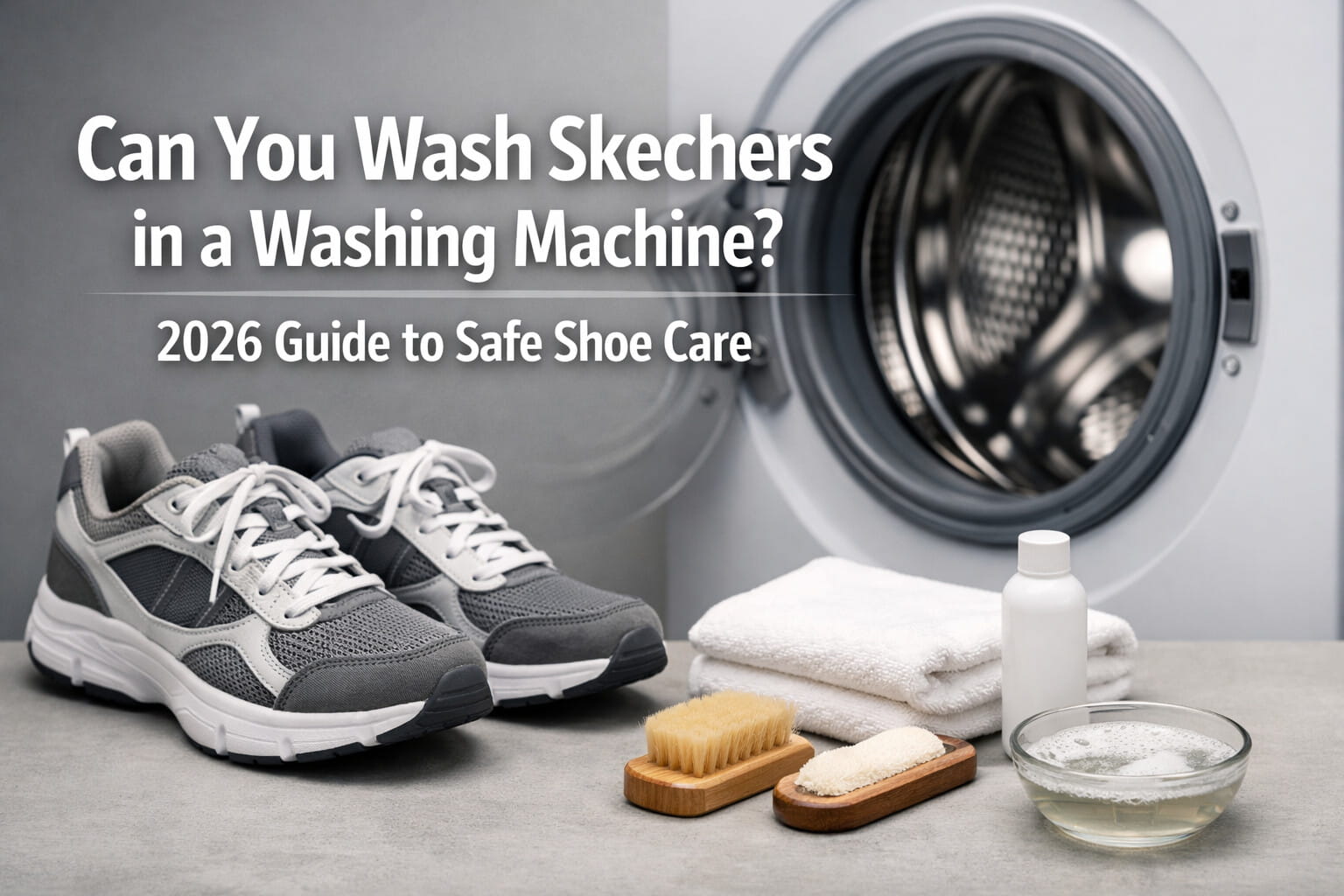
Can You Wash Skechers in a Washing Machine? 2026 Safe Care Guide
TL;DR: The Quick Answer
Yes, you can wash many Skechers in a washing machine, but not all of them. Always check the shoe tongue or box for the “Machine Washable” icon.
- Safe to Wash: Most mesh, knit, and fabric “Go Walk” or “Go Run” series
- Do NOT Wash: Light-up shoes (Skech-Air), Suede, Nubuck, or Full-Grain Leather
- The Golden Rule: Use a gentle cycle, cold water, place shoes in a laundry bag, and ALWAYS air dry. Never put shoes in the dryer; heat destroys the glue and shrinks the EVA soles.
The Dirty Shoe Dilemma
We all know the feeling. You bought that crisp, comfortable pair of Skechers or casual sneakers a few months ago. They were perfect—lightweight, bouncy, and pristine. But after a few muddy walks, a spilled coffee, or just the daily grind of city commuting, they look tired. They smell a bit “off.” And you are standing in front of your washing machine, wondering, “Can I just throw these in and hope for the best?”
In my 20+ years running a physical shoe store, I have seen thousands of pairs of shoes returned or brought in for repair. I have seen shoes that looked brand new after a wash, and I have seen expensive pairs completely ruined—soles peeled off, fabric shrunken, and lights short-circuited—because the owner did not follow the rules.
While modern footwear technology has come a long way, making shoes machine washable is a specific engineering choice, not a universal standard. In this guide, I am going to share the exact advice we give our customers on the shop floor. We will cover how to identify if your Skechers are safe to wash, how to clean suede shoes, and how to remove the smell from shoes effectively.
The “Skechers Rule”: How to Know If Yours Are Safe
Skechers has been a pioneer in creating strictly “Machine Washable” lines, but they also make high-end leather and delicate suede boots. You cannot treat them all the same.
1. Check for the Icon
Skechers is very good at labeling. Look at the box your shoes came in or the tag on the tongue of the shoe. If you see a “Machine Washable” icon (usually a small washing machine symbol), you are green-lit to wash them.
Pro Tip: The little tag inside your shoe is your first line of defense. It will usually say “Machine Washable” or have the machine wash symbol. If it does not, or if it has a care symbol suggesting dry cleaning only, do not machine wash that pair.
2. The Material Test
If you do not have the box, look at the materials:
| Material | Machine Washable? | Why |
| Nylon / Mesh / Canvas | ✅ Generally safe | Designed for gentle washing |
| Suede / Nubuck | ❌ NEVER | Water ruins the nap, leaving it hard and stained |
| Full-Grain Leather | ❌ NEVER | Leather needs hydration, not saturation |
| Light-Up / Battery Operated | ❌ NEVER | Water corrodes batteries and wiring |
| Memory Foam | ⚠️ Caution | Retains water; must dry completely to prevent mold |
Step-by-Step Guide: How to Wash Skechers Safely
If your shoes are eligible for a bath, do not just toss them in loose. The tumbling action can damage the machine drum and the structure of the shoe. Follow this “Shop Standard” method.
Step 1: Preparation
- Remove the laces. Laces often get tangled or do not get clean inside the knots. Put them in a separate mesh bag.
- Remove the insoles if they are removable. Washing insoles separately ensures they dry faster and do not trap bacteria.
Step 2: The Pre-Clean
- Knock off the heavy chunks of mud. If you put muddy shoes in the washer, you are just making mud soup.
- Use an old toothbrush to scrub the sidewalls of the soles.
Pro Tip: This is the best time to address how to clean whites of shoes. If your white soles are yellowing, mix a little baking soda and toothpaste and scrub the rubber rim before the machine cycle. The machine will rinse it off, leaving them sparkling.
Step 3: Bag It
- Place one shoe in an old pillowcase or a specialized laundry mesh bag.
- This prevents the shoes from banging violently against the glass door of your washing machine (and saves your ears from the noise!).
- For extra protection, throw a couple of old towels into the drum with the shoes. The towels act as buffers.
Step 4: The Wash Cycle
- Detergent: Use standard liquid laundry detergent. Avoid powder (it can clump in the mesh).
- Temperature: COLD WATER ONLY (below 30°C/86°F). High heat can warp the EVA foam soles.
- Speed: Low spin or “Delicate” cycle.
- Avoid: Do not use bleach or fabric softener.
Step 5: The Drying (Crucial!)
DO NOT USE THE DRYER. I cannot stress this enough. The heat from a tumble dryer does two things:
- It reactivates the glue, causing the sole to separate from the upper.
- It shrinks the foam cushioning, making the shoe tight and uncomfortable.
How to dry correctly:
- Stuff the wet shoes with white paper towels or newspaper (be careful with ink transfer on light shoes).
- This absorbs moisture from the inside and helps the shoe keep its shape.
- Place them in a shaded, airy spot at room temperature.
- Avoid direct sunlight, which can yellow white fabrics.
- Air drying typically takes 10 to 24 hours depending on humidity.
Dealing with Delicate Materials: Suede and Leather
Many people ask me how to clean suede shoes when they get dirty. If you wash suede Skechers in a machine, they will come out stiff as a board and likely discolored.
The Suede Protocol:
- Dry Brushing: Use a suede brush or a clean toothbrush. Brush in one direction to lift dust.
- The Eraser Trick: For scuff marks, use a specialized suede eraser (or a clean white pencil eraser). Rub gently to lift the mark.
- Vinegar for Stains: If there is a stubborn stain, dip a cloth in white vinegar and lightly dab (do not soak). It will smell for a minute but evaporates quickly.
- Waterproofing: Always spray new suede shoes with a protector spray before wearing them.
For Leather Skechers:
- Use a damp cloth with mild soap for the upper, and a toothbrush for the soles.
- Wipe clean with a damp cloth to remove soap residue.
- Apply leather conditioner to keep the material hydrated.
How to Remove the Smell from Shoes (Without Washing)
Sometimes the shoes are not dirty, they just… smell. This is usually caused by bacteria breeding in sweat trapped in the foam. You do not always need a full wash to fix this.
Here is how to remove the smell from shoes effectively:
| Method | How It Works | Best For |
| The Freezer Method | Place shoes in a sealed Ziploc bag and freeze overnight | Killing odor-causing bacteria |
| Baking Soda Bomb | Fill old socks with baking soda, knot ends, stuff into shoes for 24 hours | Absorbing moisture and odors |
| Essential Oils | Put a few drops of tea tree oil on insoles | Natural antifungal and fresh scent |
| Rotate Your Shoes | Do not wear the same pair two days in a row | Preventing “swamp foot” environment |
Comparison: Washing Methods
| Method | Best For | Risk Level | Effort |
| Machine Wash (Cold/Gentle) | Mesh runners, Canvas slip-ons, Synthetic knits | Medium (If instructions ignored) | Low |
| Hand Scrub (Brush & Soap) | White sneakers, delicate detailing, glued insoles | Low | High |
| Specialist Suede Cleaning | Suede boots, Nubuck loafers | Very Low | Medium |
| Spot Cleaning (Wipes) | Light dust, leather uppers | Low | Very Low |
Common Mistakes to Avoid
- Using Fabric Softener: Never use fabric softener on athletic shoes. It leaves a waxy residue that clogs the breathable mesh and reduces moisture-wicking ability.
- Washing Laces In-Shoe: This leaves dirt trapped under the eyelets and prevents the tongue from getting clean.
- Ignoring the “Glue Line”: If you see the glue starting to yellow or peel at the edges before washing, do not put them in the machine. The agitation will finish the job and separate the sole completely.
- Bleach Overload: Bleach can turn white rubber soles yellow and degrade the stitching. Use oxygen-based cleaners (like OxiClean) instead.
- Using Hot Water: Hot water is the enemy of elastic and adhesives. Always use cold water.
Common Mistake
Many people assume that because a shoe is synthetic, it is indestructible. This is false. Synthetic materials still have glue and foam that can be damaged by heat and harsh chemicals.
Expert Tips from the Shop Floor
In my years of retail, I have noticed that customers who use shoe trees (or even just stuff the toes with paper) when the shoes are drying extend the life of the shoe shape by years.
Additional Retailer Insights:
- EVA Foam: EVA is that white, squishy material in the sole. It is full of tiny air bubbles. Heat collapses these bubbles. If you dry your shoes in heat, you lose the bounce.
- Memory Foam: Memory Foam is a polyurethane base. It retains water like a sponge. If you wash Memory Foam insoles, you must ensure they are 100% dry before wearing them, or mold will grow inside the sole.
- Silica Gel Packets: Save the silica gel packets that come with new shoes. Place them in stored shoes to absorb moisture and prevent odors.
Expert Tip
If you are washing machine-washable shoes, throw a couple of old towels into the drum with the shoes. The towels act as buffers, preventing the shoes from banging loudly against the drum, which protects both your expensive appliance and your footwear[reference:74].
Interactive Washing Assistant Tool
Skechers Washing Assistant
Answer a few questions to find out if your Skechers are machine washable and get personalized care instructions.
Frequently Asked Questions
1. Is it safe to wash Skechers in the washer?
Yes, provided they are synthetic/mesh and not leather or light-up models. Use cold water and low spin.
2. How long do Skechers take to dry?
Air drying typically takes 10 to 12 hours depending on humidity. Never rush it with a heater.
3. Will washing shoes ruin the washing machine?
It can if they are heavy or loose. Always use a laundry bag and wash with towels to balance the load.
4. How do I clean Skechers that are not machine washable?
Use a damp cloth with mild soap for the upper, and a toothbrush for the soles. For suede, use a dry brush only.
5. Can I use dish soap to wash shoes?
Yes, mild dish soap is actually better than harsh laundry detergents for hand washing shoes as it cuts through grease without damaging glue.
6. How often should I wash my sneakers?
Only when necessary. Over-washing degrades the materials. Spot clean when possible; machine wash maybe once every 2-3 months.
7. Can I wash Skechers with lights?
Absolutely not. Water will corrode the batteries and wiring within the sole. Clean these with a damp cloth only.
8. Why did my Skechers shrink in the wash?
You likely used hot water or put them in the dryer. Heat causes the synthetic fibers and foam soles to contract.
9. How do I clean muddy Skechers?
Let the mud dry first. Bang the soles together to remove dry dirt, then brush off the rest. Only wash once the heavy soil is gone.
10. Do I need to remove insoles before washing?
It is highly recommended. It ensures a deeper clean and faster drying time.
Conclusion
Washing your Skechers in a machine is safe for many styles, but only if you follow the rules. Always check for the “Machine Washable” icon first. Use cold water, a gentle cycle, and a laundry bag. And most importantly, always air dry your shoes.
By following this guide, you can keep your favorite Skechers looking and smelling fresh without damaging them. Remember, proper care extends the life of your shoes and protects your investment.
Ready to upgrade or replace your Skechers?
- Check today’s best-rated walking shoes on Amazon
- Compare prices on the latest Skechers collections
- Browse specialized suede cleaning kits to protect your investment
Related Articles
- How to Clean Birkenstock Footbed Naturally
- Why Do Sneaker Soles Turn Yellow? The Science of Oxidation
- How to Store Shoes to Prevent Fungus and Mold
- How to Fix a Broken Heel While Walking
Disclosure
We may earn a small commission at no extra cost to you when you purchase through our affiliate links. This does not influence our recommendations—we only suggest products we would use ourselves.