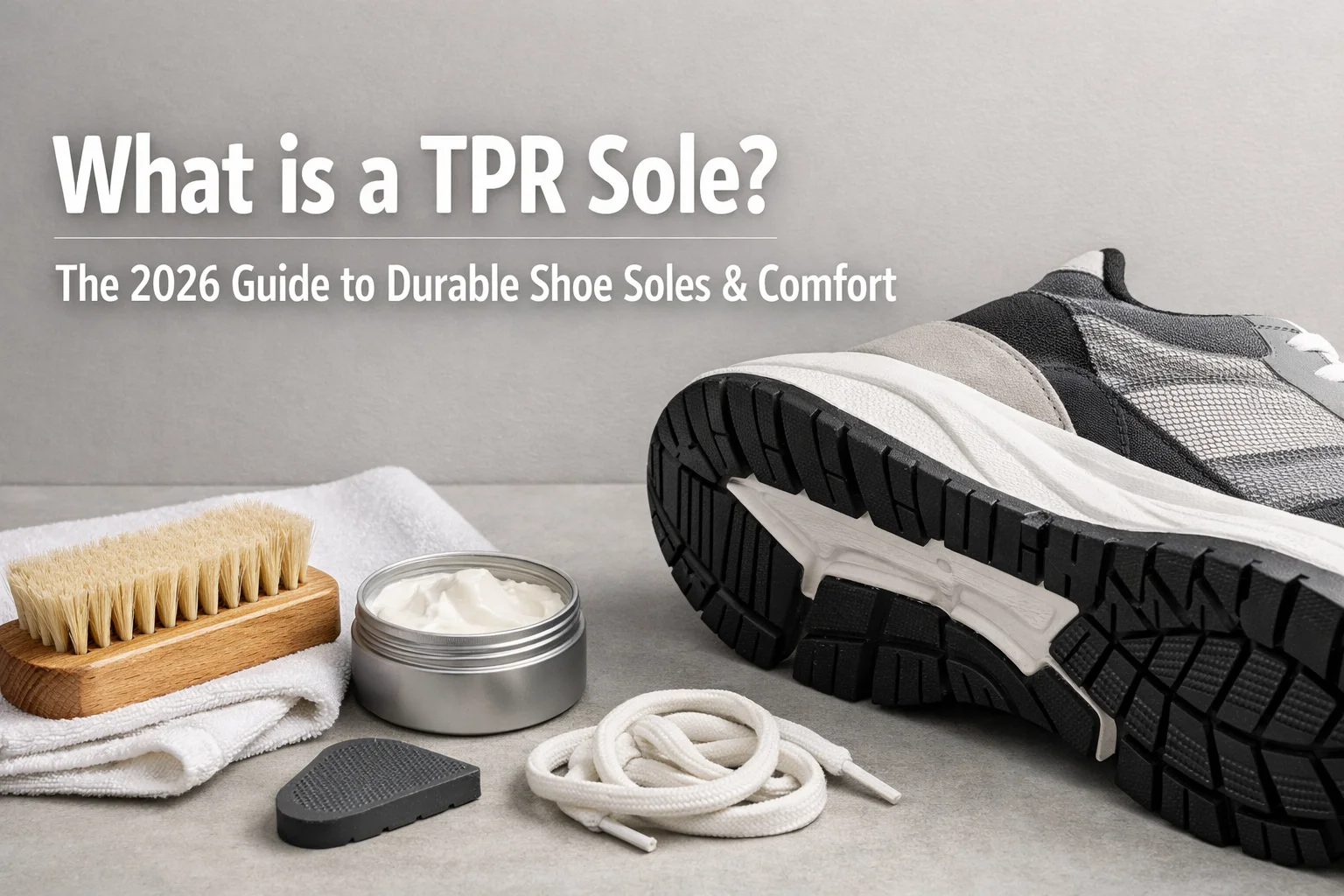

ZoomX vs Boost: Which Running Foam Wins?
Summarise this ZoomX vs Boost guide with AI
Open an assistant and submit the prefilled request. The assistant reads the page only after you submit it.
Quick answer: ZoomX and Boost are proprietary midsole foams from Nike and adidas, not interchangeable materials. Neither is a universal winner. Nike describes ZoomX as a lightweight, highly responsive foam, and adidas describes Boost as an energy-returning foam. The better choice depends on your running style, your body weight, your budget and whether you want the feel of a specific shoe. Compare the individual shoes, not only the foam names.
Key takeaways
- “ZoomX vs Boost” compares two proprietary foam systems, not two shoes. Many searches mean the Ultraboost shoe, and that is a different question.
- Each brand’s foam is built into a range of shoes, so the same foam can feel different in a racing shoe and in a daily trainer.
- Neither foam’s performance figures for energy return, weight or lifespan are verified in this article. Treat brand and forum claims as opinions until you see test data.
- Fresh Foam, from New Balance, is a third option, and it sits in a different part of the market.
- Shoe fit, weight, drop and outsole design often matter as much as the foam.
- Try shoes on, run a few steps on your usual surface, and compare the specific models you are considering.
ZoomX and Boost Explained
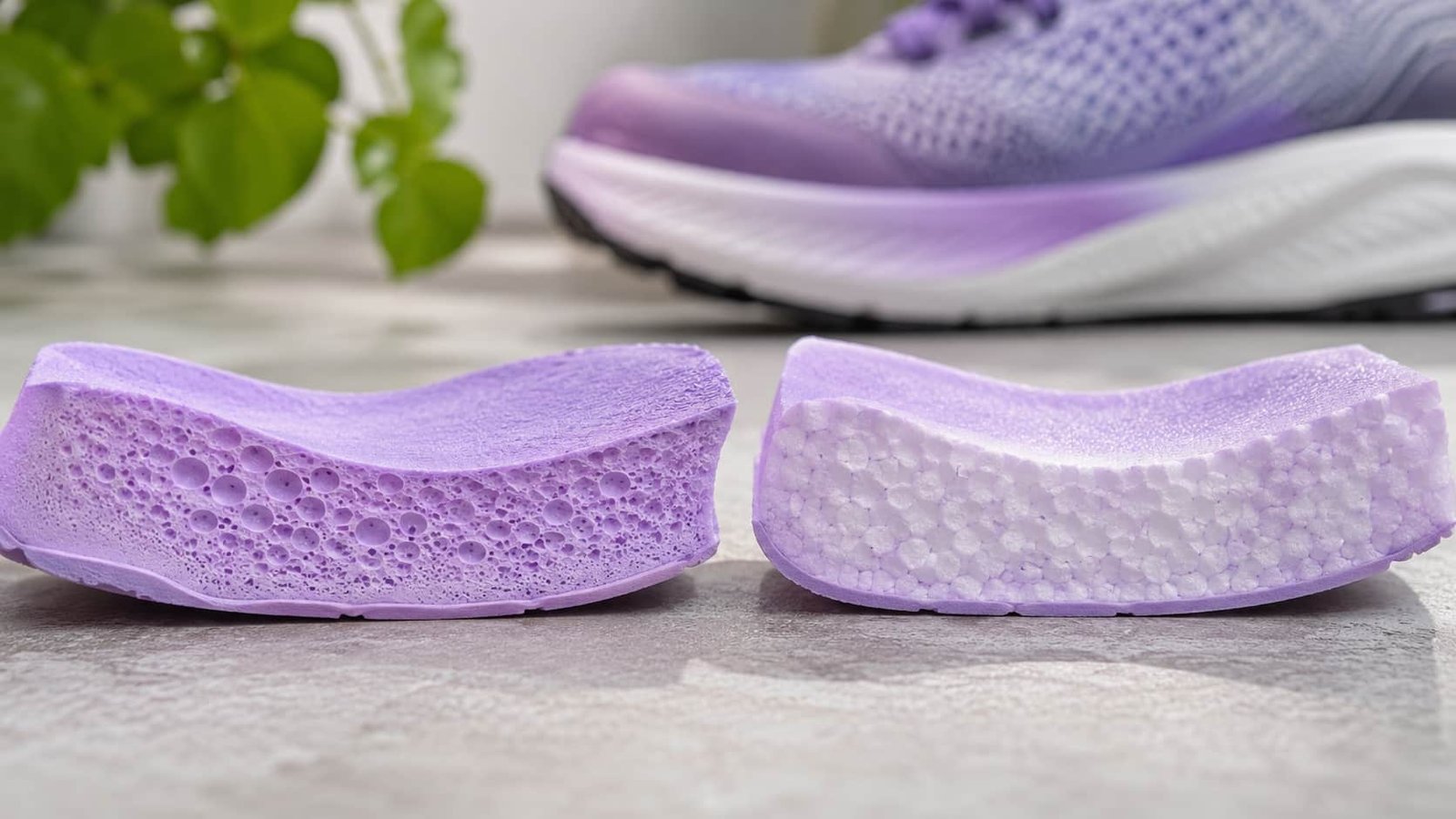
ZoomX is Nike’s premium foam, and the brand uses it across a range of running shoes. Nike describes the material as lightweight and highly responsive. Our Nike ZoomX foam guide covers the material in more detail, and Nike’s own technology pages are the primary source for the brand’s claims.
Boost is adidas’s foam technology, built from a foamed thermoplastic material in small pellets that are fused into a midsole. adidas describes it as a foam that returns energy, and it has been used across many adidas running and lifestyle shoes. Our adidas Boost foam guide covers the technology, and adidas’s technology pages are the primary source for its claims.
Both are proprietary. Neither is a generic EVA or TPU, and each brand’s version has been modified over time. That is one reason comparing them by name alone can mislead.
What “ZoomX vs Boost” Usually Means
When people search this phrase, they usually mean one of three things.
The first is the foam: they want to know which material will feel better or last longer. This is the subject of this article.
The second is the shoe: many searchers are comparing a specific model, such as a Nike ZoomX shoe against an adidas Ultraboost, which is a shoe line that uses Boost foam. A shoe comparison depends on far more than the foam, including upper, fit, weight, drop and outsole.
The third is the brand: some searches ask which company is better, or which is more expensive. Those questions depend on values and budgets, and this article does not rank the brands.
If you are comparing shoes, read the foam section first, then look at the full model. For a broader view of how foam families differ, the running shoe foam guide covers EVA, TPU, PEBA and supercritical foams.
ZoomX Versus Boost Head to Head
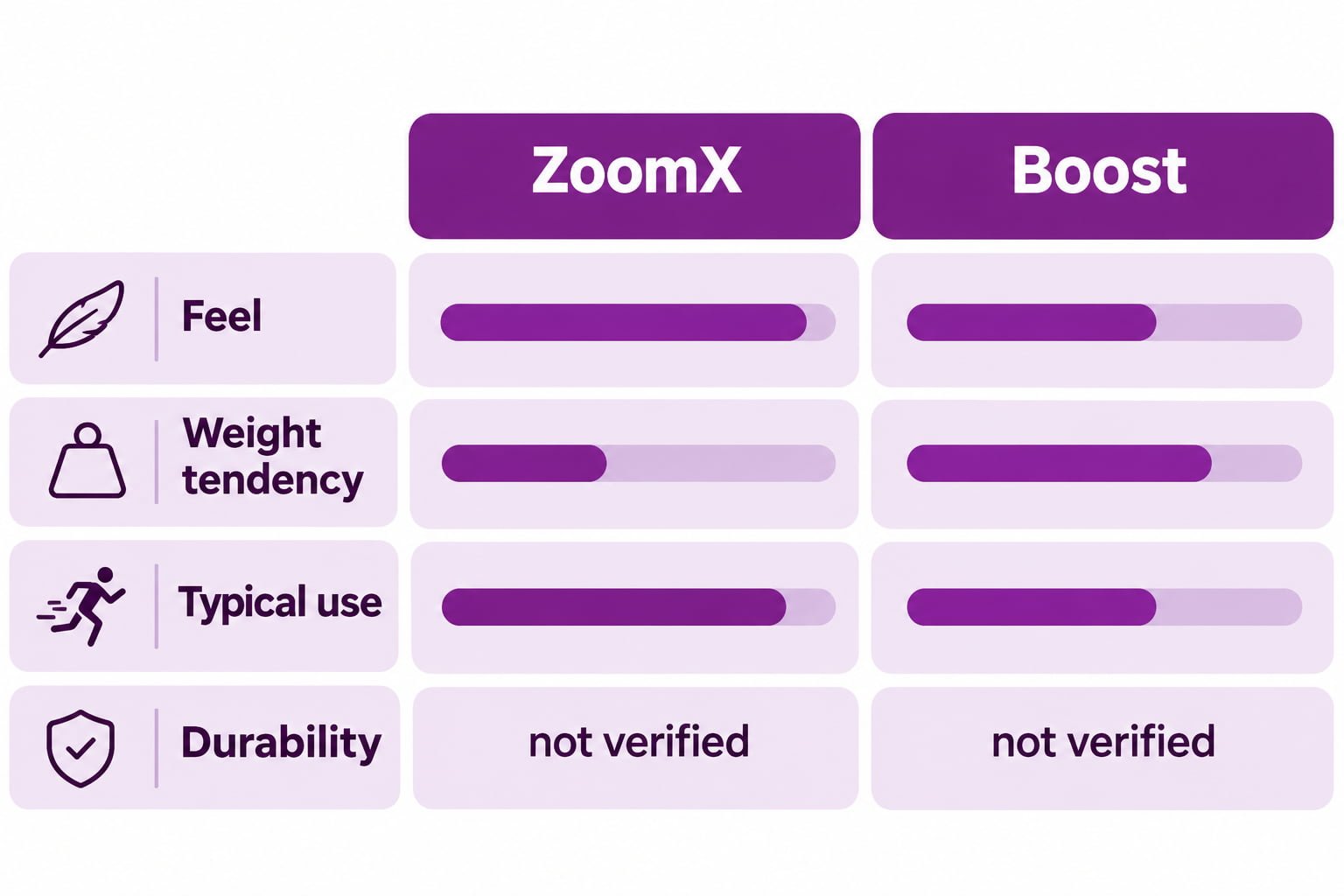
The table compares the two foams on the points readers usually ask about. It is an editorial summary of how each brand describes its material and how the foams are typically used. It does not contain verified test measurements.
| Factor | Nike ZoomX | adidas Boost |
|---|---|---|
| Brand description | Lightweight, highly responsive foam | Energy-returning foam built from fused pellets |
| Typical use in the range | Often in performance and racing-oriented models | Used across running and lifestyle models |
| Feel (general tendency) | Often described as springy and light | Often described as soft and bouncy |
| Weight tendency | Often light in performance models | Varies by model; often heavier than racing-focused foams |
| Durability | No verified figure in this article | No verified figure in this article |
| Best for | Runners who want a light, responsive ride | Runners who want a soft, energy-returning ride |
The table shows how the brands present their foams, not how they perform in an independent test. For a shoe-level comparison, the Boost versus Lightstrike comparison and the ZoomX versus React comparison cover related pairings on the site.
Where Fresh Foam Fits
Fresh Foam is New Balance’s foam system. It appears in a wide range of models, and it sits in a different part of the market from both ZoomX and Boost. In most comparisons, Fresh Foam is positioned for a softer, more everyday ride, though individual models vary.
The site’s Fresh Foam X page covers the foam in detail, and the Fresh Foam X versus FuelCell comparison explains how New Balance’s two main systems differ.
Choosing among the three depends on the shoe more than the foam. A Fresh Foam daily trainer and a ZoomX racing shoe have different jobs, even though both are “foam.” Start with the use you want, then compare models that match it.
How the Foams Feel When Running
Feel is subjective, and it changes with weight, stride, pace and surface. The general tendencies are these.
ZoomX is often described as springy and light, with a responsive feel at faster paces. Runners who prefer a quick, lively ride often describe it that way. Some find it firm on slow, easy runs.
Boost is often described as soft and bouncy, with a cushioned feel that many runners find comfortable over longer distances. Some find it less responsive at fast paces than racing foams.
These are tendencies, not guarantees. The same foam can feel very different in two shoes because the upper, the geometry and the outsole change the ride.
To test the feel, run a short loop on your usual surface in each model. Note how the shoe feels on the first kilometre, the middle, and the last, because foams can change as they warm and compress. The shoe finder tool can help you narrow models by activity before you test.
Are ZoomX Shoes Good for Walking?
This is one of the most common questions in this cluster, and the honest answer is that it depends on the model. Some ZoomX shoes are built for speed and light racing, and they may feel firm or stiff for slow walking. Other ZoomX-equipped shoes are designed for everyday use and may suit walking well.
Check three things before using a running shoe for walking:
- The model’s intended use. Racing shoes and daily trainers are built differently.
- The fit. A shoe that is comfortable for a short run may not fit well through a full day of walking.
- The weight and flexibility. Very light or very stiff shoes can feel different on long walks.
If you have foot pain or a condition that affects walking, see a qualified clinician rather than choosing a shoe on foam alone. The American Podiatric Medical Association publishes general foot health and footwear guidance.
Are the Foams Worth the Price?
Price is a question of value, and value depends on what you need. A premium foam may suit a runner who wants a specific feel for training or racing. A less expensive foam may suit someone who wants a comfortable everyday shoe.
Price often reflects the whole shoe, not only the foam. Upper materials, design, retail margins and product timing all affect cost. Compare the full model at the price you can pay, and check whether a lower-priced model in the same family meets your needs.
We have not verified any price, availability or discount in this article, and prices change often. Check the retailer or brand’s site for current figures.
Durability, Wear and Replacement
Foam wears through compression over time, and the rate depends on body weight, mileage, surface, storage and care. Lighter, more responsive foams may compress differently from softer, denser ones, but neither point has been measured here.
Signs that a shoe’s cushioning may be worn:
- The shoe feels flatter or less responsive than when new.
- Creasing or compression lines appear across the midsole.
- The heel or forefoot feels unevenly cushioned.
- New aches appear after runs that used to feel comfortable.
These are prompts to assess the shoe, not diagnoses. If pain persists, see a qualified clinician. The running shoe lifespan guide covers when to replace shoes in more detail.
A practical habit is to rotate two pairs if you run often. That spreads compression across two midsoles, which is a sensible approach regardless of the foam.
Cleaning and Caring for Performance Foam
Performance foams are sensitive to heat and harsh cleaning, so gentle care protects both the foam and the upper.
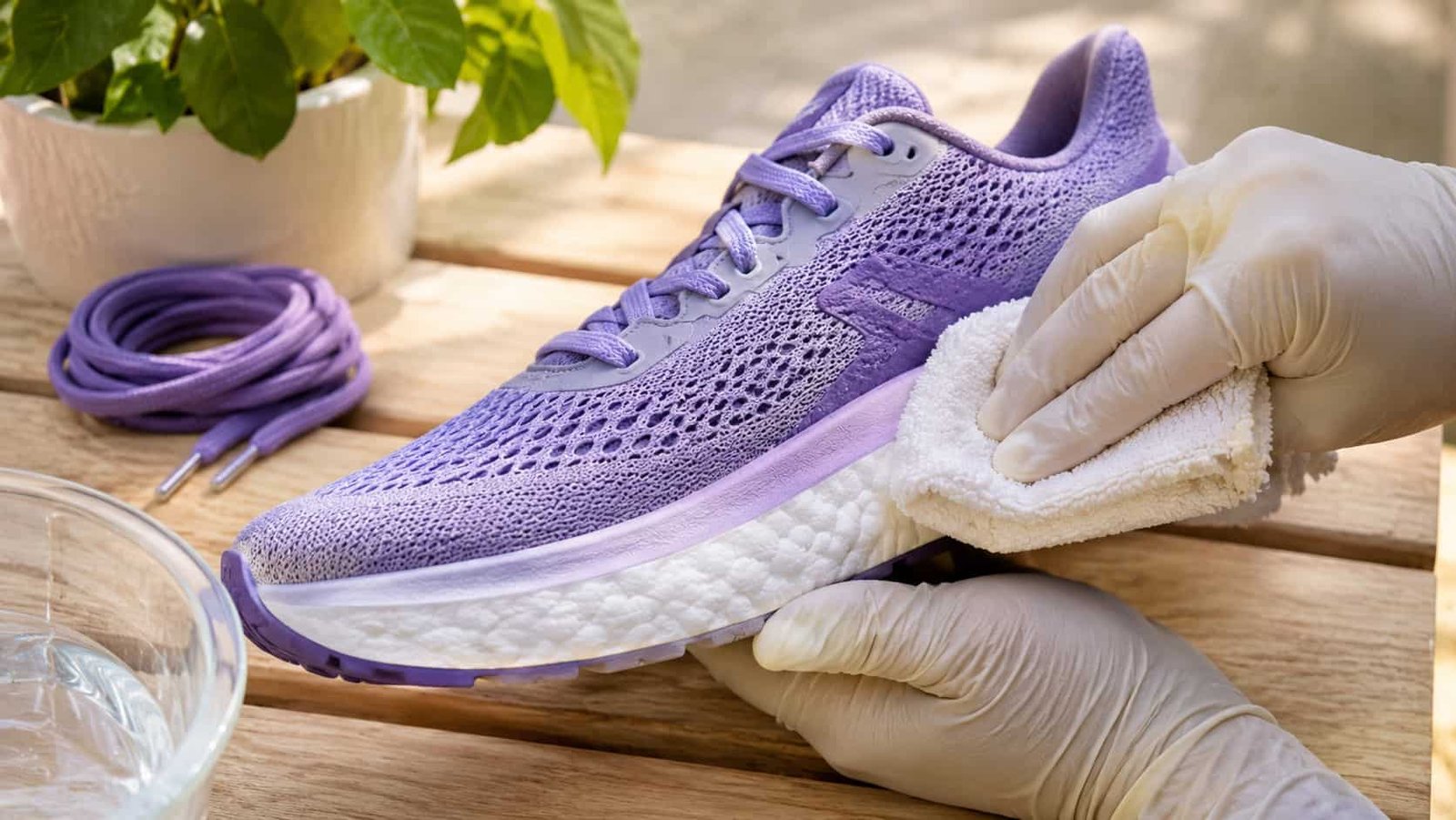
- Remove the insoles and laces.
- Brush off dry dirt with a soft brush.
- Use mild soap and lukewarm water on a cloth. Do not soak the shoe.
- Wipe away soap residue with a damp cloth.
- Stuff the shoe with paper to hold its shape and air-dry at room temperature.
Warnings:
- Do not put running shoes in a washing machine or tumble dryer.
- Keep shoes away from radiators, heaters, hairdryers and car dashboards.
- Avoid strong solvents on foam, and test any product on a hidden area first.
The shoe cleaning and maintenance guide covers care for other materials.
A Practical Decision Guide
Use this sequence to decide between ZoomX and Boost, or to choose any performance foam.
- Decide the job. Racing, daily training, walking or casual wear each point toward a different model.
- Compare models, not only foams. Look at the full shoe, its weight and its intended use.
- Check the fit. Try shoes on, and wear them with your usual running socks.
- Test on your surface. A short run on your usual route tells you more than a store floor.
- Set a budget. Compare models at the price you can pay, and consider the cost of replacing shoes.
By reader type:
- Runners who want a light, lively ride for faster sessions: Look at ZoomX-equipped models in the range, and test them on a short run.
- Runners who want a soft, cushioned ride for long distances: Look at Boost-equipped models, and check the fit for long sessions.
- Runners who want a softer everyday ride: Fresh Foam models may be worth comparing.
- Walkers: Choose for fit and intended use, not the foam name alone.
- Anyone with foot pain: See a qualified clinician before relying on a product.
The how we test shoes methodology page explains how we approach footwear evaluation. We have not run lab tests or wear trials for this article, and we do not claim first-hand testing of either foam.
Myths Worth Dropping
Myth: ZoomX is always better than Boost. Each foam suits different runners and models. A foam can be the right choice for one runner and the wrong one for another.
Myth: Boost and Ultraboost are the same thing. Boost is the foam technology. Ultraboost is a shoe line that uses it, and the shoe’s other features matter too.
Myth: Forum consensus proves performance. Forum threads and social posts reflect individual experience. They are useful for seeing what runners notice, but they are not controlled testing.
Myth: A premium foam guarantees a better shoe. Price reflects many factors, and a lower-priced model may suit you better.
Myth: Foam performance figures are standard across brands. Brands measure and describe their foams differently. Compare claims with caution, and look for independent testing where it exists.
Frequently Asked Questions
What is the difference between ZoomX and Boost?
ZoomX is Nike’s foam, which the brand describes as lightweight and highly responsive. Boost is adidas’s foam, described as energy-returning and soft. They are different proprietary systems, and each feels different across models.
Is ZoomX better than Boost?
Neither is better for everyone. The right choice depends on your running style, your body weight, your budget and the specific shoe. Test the models you are considering.
What is the difference between Boost and Ultraboost?
Boost is the foam technology, and Ultraboost is a shoe line that uses it. A comparison of the two shoes depends on far more than the foam.
Are ZoomX shoes good for walking?
Some are, and some are not. Racing-oriented models may feel firm for slow walking, while everyday models may suit it well. Check the model’s intended use and fit.
Is Fresh Foam a good alternative?
It can be, depending on the model and what you need. Fresh Foam sits in a different part of the market, and it is worth comparing with the model you have in mind.
How long do ZoomX and Boost foams last?
No verified lifespan figure applies to either foam in this article. Wear depends on load, mileage, surface and care. Replace shoes based on how they feel and how your body responds.
Why do people compare ZoomX and Boost on Reddit and forums?
Runners share experiences in those communities. Forum views are useful for understanding what runners notice, but they are not controlled testing and should be weighed against your own trial.
Can I machine wash running shoes with these foams?
Avoid it. Machine washing and tumble drying can damage the foam and adhesives. Clean gently by hand and air-dry at room temperature.
Verdict
ZoomX and Boost are both proprietary foams, each with its own character. ZoomX is described by Nike as light and responsive, and Boost is described by adidas as soft and energy-returning. Neither is a universal winner. The better foam is the one that suits your running, your body and your budget, in a shoe that fits you well.
Before you buy, decide the job you want the shoe to do, compare full models rather than foam names, and test the shoes on your usual surface. For more on the foam families, begin with the running shoe foam guide, and for materials across footwear, the shoe materials pillar is the best starting point.
Sources
- Nike. Technology pages for ZoomX foam, for the brand’s own description of the material. https://www.nike.com
- adidas. Technology pages for Boost, for the brand’s own description of the material. https://www.adidas.com
- American Podiatric Medical Association. Foot health and footwear guidance. https://www.apma.org/