

How to Remove Oil Stains from Suede Shoes: The Expert Guide (2026)
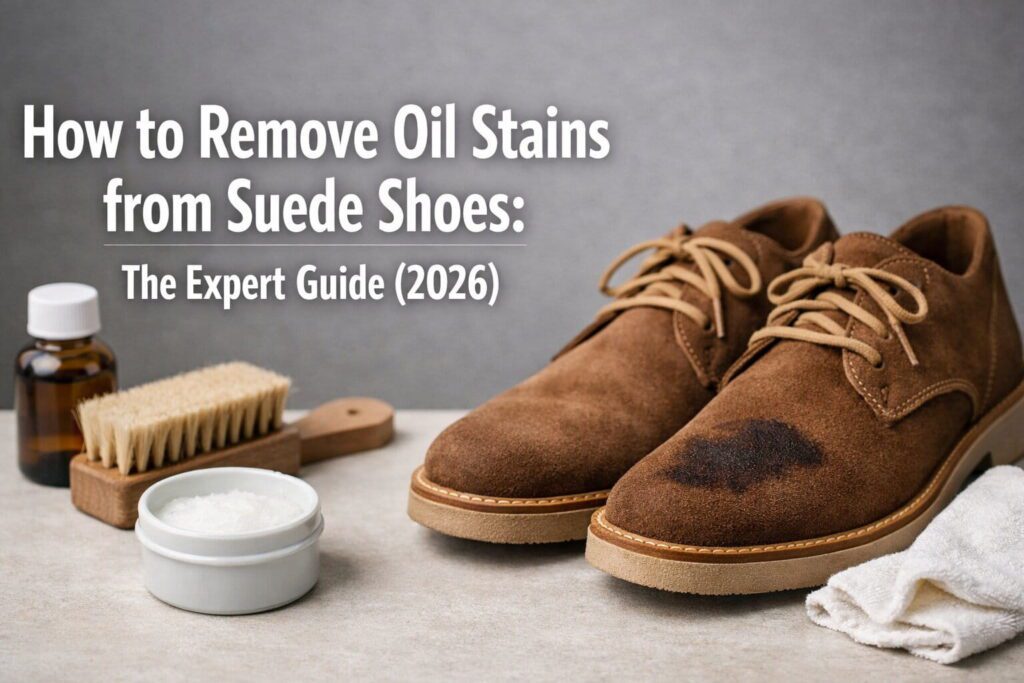
There is a specific kind of heartbreak that happens when a drop of burger grease, olive oil, or mechanic’s fluid hits a pair of pristine suede boots. Unlike smooth leather, which you can often just wipe down, suede acts like a sponge. It absorbs the liquid instantly, darkening the nap and leaving a mark that looks permanent.
In my 20+ years of running a shoe store and handling thousands of pairs of footwear—from high-end Italian loafers to rugged work boots—I have seen customers try everything to fix this. I’ve seen people ruin $200 boots by scrubbing them with dish soap and water (please, don’t do this).
The good news? Oil stains on suede are not a death sentence for your shoes.
Whether you are rocking delicate beige desert boots or hardy hiking gear, this guide covers the exact steps on how to remove oil stains from suede shoes. We will look at household remedies that actually work, the professional tools you need, and the specific suede cleaning techniques I’ve used to save countless pairs over the last two decades.
TL;DR: The Quick Answer
How to remove oil from suede: The golden rule is to keep the shoe dry. Do not use water.
- Blot the fresh stain immediately with a clean paper towel to lift surface grease.
- Apply a generous pile of cornstarch or baby powder to the stain and let it sit for 12–24 hours to absorb the oil.
- Brush away the powder using a dedicated brush for suede or an old toothbrush.
- If the stain remains, use a suede eraser or a specialized suede boot cleaner to lift the residue.
Why This Matters: The “Suede Anxiety” is Global
Suede is a beautiful material. It’s soft, flexible, and adds texture to an outfit that standard leather just can’t match. However, it is also essentially leather with the tough outer skin removed (or reversed), leaving the porous fibers exposed.
In my shop, I frequently see a pattern: a customer buys their first pair of real suede shoes, wears them to a dinner or a bar, drops a single fry, and then panics. The internet is full of bad advice—telling you to use baking soda pastes (which can bleach the leather) or vigorous scrubbing (which kills the nap).
Understanding the right way to perform suede cleaning isn’t just about aesthetics; it’s about protecting your investment. Good suede shoes aren’t cheap. Whether you are in London, New York, or walking the dusty streets outside my shop in Chennai, the chemistry of suede remains the same. Oil binds to the fibers, and you need to draw it out, not wash it out.
The Science of the Stain: Why Oil is Suede’s Enemy
Before we fix it, you need to understand what is happening. Suede has a “nap”—those tiny, fuzzy fibers that stand up. When oil touches suede, it mats these fibers down and creates a dark spot because the oil changes the way light reflects off the leather.
To fix it, we have a two-part mission:
- Extraction: Pull the oil out of the porous leather.
- Restoration: Lift the nap back up so the texture matches the rest of the shoe.
Method 1: The Absorbent Powder Method (Best for Fresh Stains)
This is the method I recommend to 90% of my customers because it is low-risk and uses items you likely have in your kitchen.
What you need:
- Cornstarch (Corn flour) or Talcum Powder (Baby powder)
- A clean microfiber cloth
- A brush for suede (or a clean, soft toothbrush)
The Steps:
- Blot, Don’t Rub: If the stain is wet, press a paper towel against it. Never rub, as this pushes the oil deeper into the leather.
- The Powder Pile: Pour a small mountain of cornstarch directly onto the stain. You want to cover it completely.
- The Waiting Game: Leave the shoes in a dry place for at least 12 hours (overnight is best). The powder acts as a wick, drawing the moisture and oil up out of the leather.
- Dust Off: Gently brush away the powder.
- Inspect and Repeat: If the stain is fainter but still there, repeat the process. I once saved a pair of tan nubuck boots that took three rounds of cornstarch to clear completely.
Method 2: The Mechanical Approach (Using a Suede Eraser)
If the powder method didn’t get everything, or if the stain is older and dried in, you need friction. This is where an eraser on suede becomes your best friend.
What is a Suede Eraser? It looks like a standard school eraser but is made of a crumbly rubber compound designed to lift dirt from the fibers without damaging the leather.
How to use it:
- Take the block and rub it firmly over the stain.
- The eraser will crumble—this is normal. The crumbs clump up and lift the oil particles with them.
- Apply more pressure than you think you need, but stop if you see the color of the leather fading significantly.
- Once the stain is gone, use your brush to sweep away the rubber debris and reset the nap.
Pro Tip: If you don’t have a specific suede eraser, a standard white pencil eraser (the white polymer kind, not the pink rubber ones) can work in a pinch for small spots.
Method 3: The Solvent Solution (Vinegar or Alcohol)
Use this only if the dry methods fail. Water leaves water spots on suede, but white vinegar and rubbing alcohol (isopropyl alcohol) evaporate much faster, reducing the risk of water damage.
The Steps:
- Dampen a clean cloth with white vinegar or rubbing alcohol. It should be slightly damp, not dripping wet.
- Gently rub the stained area.
- Let it dry completely. The shoe might smell like a salad for an hour, but the smell will vanish.
- Once dry, take your brush for suede and vigorously brush back and forth to bring the soft texture back.
Method 4: The Heavy Duty Option (Suede Boot Cleaner)
Sometimes, home remedies aren’t enough. If you have a large stain or a very expensive pair of shoes (think heavy suede Chelseas or high-end sneakers), investing in a dedicated suede boot cleaner kit is the safest route.
These shampoos are formulated with the right pH balance to clean leather without drying it out.
How to use commercial cleaners:
- Brush the shoe first to remove loose dirt.
- Apply the cleaner (usually a foam) to a brush, not directly to the shoe.
- Scrub the entire shoe, not just the stain.
- Why? If you wet just one spot with cleaner, you might get a “water ring.” Cleaning the whole shoe ensures an even color when it dries.
- Stuff the shoe with paper towels to hold its shape and let it air dry away from direct sunlight.
The Tool Kit: Why You Need a Brush for Suede
If you own suede shoes, owning a brush is mandatory. In my shop, I wouldn’t let someone buy a pair of suede loafers without offering them a brush. It’s like buying a car and not owning a hose.
There are two main types you’ll find online:
- Crepe Brushes (Rubber): These look like gummy ribbons. They are gentle and excellent for soft, delicate suede. They grab surface dust and reset the nap.
- Wire/Nylon Brushes: These often have brass bristles in the center. They are aggressive and meant for “rugged” suede (like work boots) or for reviving a nap that has gone completely bald and flat.
Retailer Insight: Always brush in one direction to remove dirt, and then brush back and forth to fluff the fibers up (the “nap”) after cleaning.
Comparison: Which Method Should You Use?
Here is a quick breakdown based on my experience dealing with customer repairs.
| Method | Best For | Risk Level | Cost |
|---|---|---|---|
| Cornstarch / Powder | Fresh, wet oil stains | Low (Safest) | Very Low |
| Suede Eraser | Dried spots, small scuffs | Low | Low ($5-$10) |
| Vinegar / Alcohol | Stubborn, set-in stains | Medium (Test first) | Low |
| Suede Boot Cleaner | General grime + oil, full cleaning | Low | Medium ($15-$25) |
| Dish Soap & Water | NEVER DO THIS | High (Ruins texture) | Low |
Pro-Tip Section: Insider Secrets from the Shoe Bench
After decades of handling footwear, here are a few things most blogs won’t tell you:
- The “Steam” Trick: If you have cleaned the stain but the suede looks flat or hard, hold the shoe about 6 inches above a pot of boiling water (steam). Let the steam hit the suede for 10 seconds, then brush it. The heat and moisture open the pores and fluff the nap instantly.
- The Prevention Hack: The moment you buy suede shoes, buy a water and stain repellent spray (often containing nanotechnology). Spray them before you wear them. It creates an invisible barrier that makes oil bead up rather than soak in, giving you time to wipe it off.
- Don’t Rush the Dry: Never put suede shoes near a heater, radiator, or use a hair dryer to speed up the process. Heat shrinks leather and cracks the glue holding the sole. Patience is free; new shoes are expensive.
Common Mistakes to Avoid
- Rubbing Wet Oil: As mentioned, rubbing a fresh oil drop just spreads it from a 1mm dot to a 1cm smudge. Blot only.
- Using Colored Cloths: When cleaning, always use a white towel. Alcohol or vinegar can leech dye from a colored cloth and transfer it onto your beige boots.
- Ignoring the Soles: When you are focusing on the upper, don’t forget the edge of the sole. Oil often drips down and settles in the stitching where the suede meets the rubber. Use a toothbrush to clean this crevice.
People Also Ask (PAA)
Can I use baking soda to clean suede shoes? Yes, baking soda works similarly to cornstarch to absorb oil, but be careful with dark suede as it can leave a white residue if not brushed out thoroughly.
Does dish soap ruin suede? Dish soap effectively cuts grease, but mixing it with water creates a solution that can stain suede and stiffen the leather fibers. Avoid it unless using a specific “foam” technique.
How do you get dried oil out of suede? For dried oil, re-activate the stain slightly with a specialized suede eraser or a small amount of vinegar, then brush vigorously to lift the particles.
Can I put suede shoes in the washing machine? Absolutely not. The water saturation will ruin the leather structure, shrink the fit, and likely dissolve the glues holding the shoe together.
How often should I condition suede? Unlike smooth leather, you don’t “condition” suede with creams. Instead, use a renovating spray or waterproofer once a month if you wear them daily.
Expert Conclusion & Next Steps
Removing oil stains from suede requires patience more than expensive tools. Start with the dry powder method—it has a high success rate and zero risk. If that fails, move to the eraser on suede or a dedicated suede boot cleaner.
As someone who has seen beautiful shoes thrown away because of a simple pizza drip, I urge you to try these methods first. Suede is resilient; it just needs the right touch.
Ready to protect your investment? Don’t wait for the next stain. Check out the top-rated shoe care essentials online:
- Browse Best Selling Suede Brushes & Eraser Kits
- Compare Prices on Waterproofing Sprays
- See Top Rated Suede Cleaning Shampoos
FAQs
- What is the best home remedy for oil on suede? Cornstarch or baby powder is the best home remedy. It is absorbent and non-abrasive, soaking up the oil without damaging the delicate nap of the leather.
- Does vinegar remove oil stains from suede? Yes, white vinegar can help break down oil. It acts as a mild solvent. Apply it lightly with a cloth, let it dry, and then brush the suede to restore the texture.
- Can you use a suede eraser on oil stains? Yes, a suede eraser is excellent for dried oil stains. It works by mechanically lifting the oil-soaked fibers and crumbling them away, revealing fresh suede underneath.
- How long should I leave cornstarch on suede? You should leave cornstarch on the stain for at least 12 hours, preferably 24 hours. This gives the powder enough time to draw the oil out of the pores.
- Will water ruin suede shoes? Water can stain suede and flatten the nap, but it doesn’t “ruin” it permanently if treated correctly. However, you should never use water to clean an oil stain, as oil and water don’t mix.
- What kind of brush is best for suede? A crepe brush (rubber) is best for daily maintenance and soft nap. A brass wire brush is best for removing mud or reviving tough, matted suede on work boots.
- Can I use hydrogen peroxide on suede? It is risky. Hydrogen peroxide can act as a bleaching agent. While it might remove a stain, it will likely lighten the color of the suede, leaving a pale spot.
- How do I get old grease stains out of timberlands? For rugged boots like Timberlands, use a stiff suede brush to remove dirt, then apply a specialized suede shampoo or a vinegar solution. Follow up with a nubuck waterproofing spray.
- Why did my suede turn hard after cleaning? Suede usually turns hard if it got too wet and dried too quickly. Use a brush to vigorously massage the fibers, or use steam to soften the leather back up.
- Is nubuck cleaned the same way as suede? Yes, nubuck is very similar to suede (though the nap is shorter). You can use the same oil-removal techniques, including cornstarch and suede erasers, on nubuck footwear.
Pingback: How to Clean White Crocs: The Expert Guide to Restoring Shine (2026)
Pingback: How to Disinfect Second-Hand Shoes in 2026: Complete Sanitization Guide