
Best Mid Range Nursing Shoes ($75-$120) for Long Shifts in 2026
✅ Expert Footwear Analysis | 🛒 Amazon Options | 📅 Updated October 2026
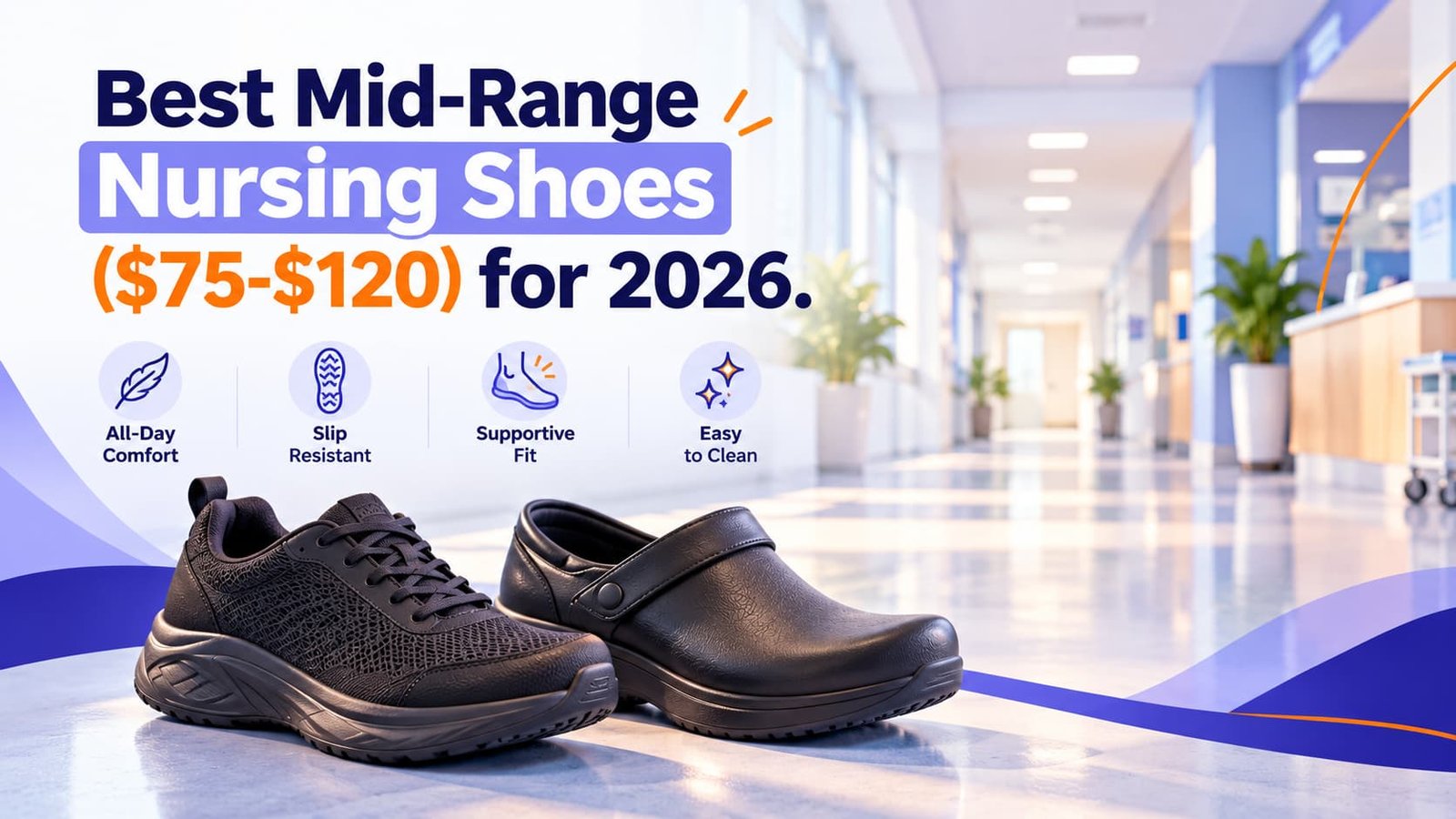
The best mid-range nursing shoes priced between $75 and $120 balance cushioning, slip resistance and fit for 8 to 12 hour shifts. Strong options include the Skechers Max Cushioning Elite SR for maximum cushioning, the Dansko Kane for easy cleaning, and the Alegria Keli as a lower-priced professional clog.
Consider a nurse finishing a 12-hour shift on a medical-surgical floor in Chicago. Her feet ache by hour nine, the toe box of her old sneakers presses on her forefoot, and a spill near the med cart left her shoes damp. Spending a little more can buy better cushioning, a sturdier outsole and a roomier fit, but the price alone does not guarantee any of those things.
This guide covers six nursing shoes priced between $75 and $120 on Amazon US. We look at where the extra money tends to go, which features matter on hard and wet floors, and which shoe suits which kind of shift. Prices and ratings reflect what was listed at the time of writing and may change.
TL;DR: Top Picks Between $75 and $120
 🏆 BEST OVERALL
Skechers Women’s Max Cushioning Elite SR Sneakers
The strongest all-round pick for long standing shifts. Not water resistant, so spill-heavy units may need a clog.
🛒 Check Price on Amazon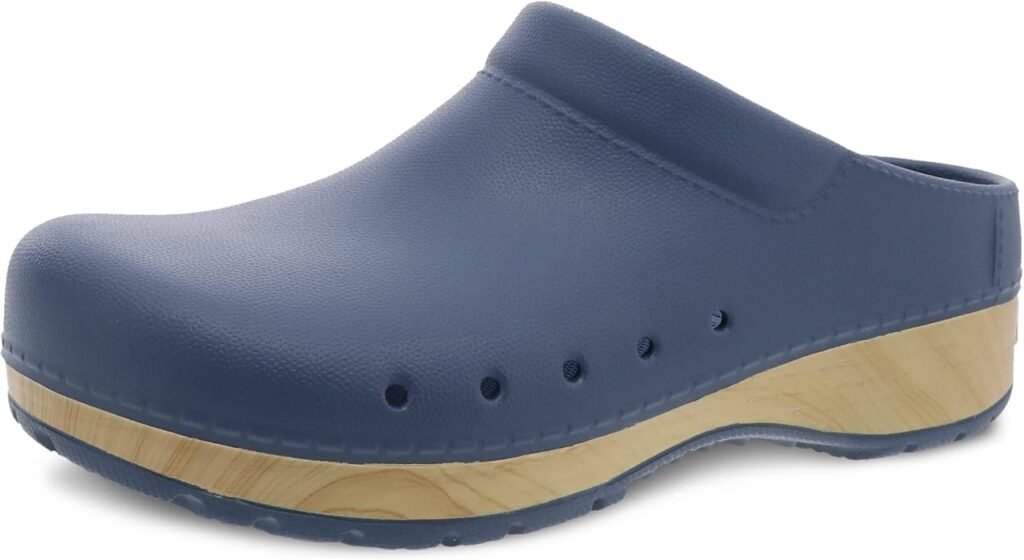 🧼 EASY-CLEAN PICK
Dansko Kane Slip-On Mule Clog for Women
Built for quick cleanup, with a footbed you can remove and dry. Not water resistant, and the mule heel is less secure than a closed clog.
🛒 Check Price on Amazon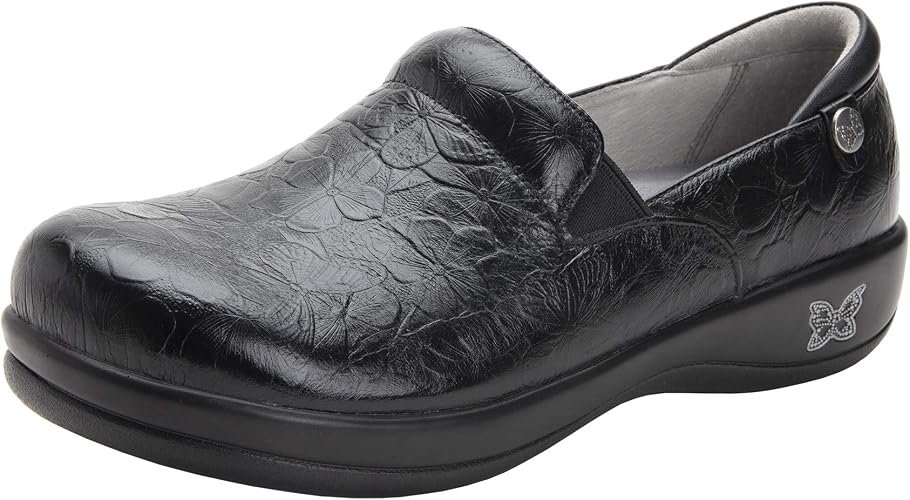 💰 BEST VALUE
Alegria Women’s Keli Professional Clog
The lowest price in this range, with a leather upper and removable cork and memory foam footbed. The mule heel is less secure than a clog.
🛒 Check Price on Amazon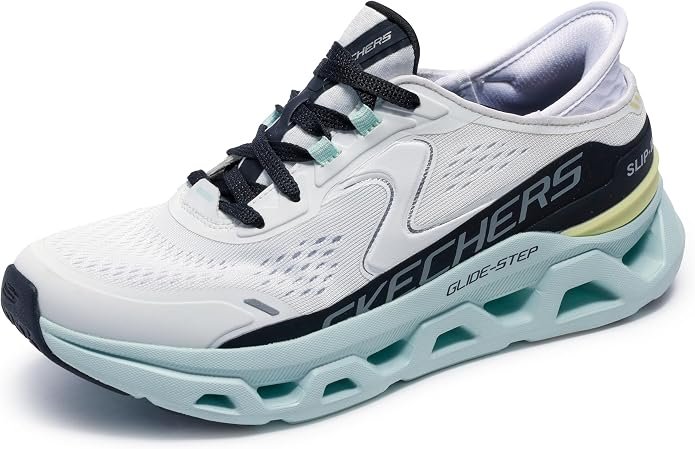 👟 BEST SNEAKER
Skechers Women’s Glide-Step Altus Sneaker
The highest-rated sneaker in this range, with easy slip-in wear. Not water resistant, and no slip rating is stated.
🛒 Check Price on Amazon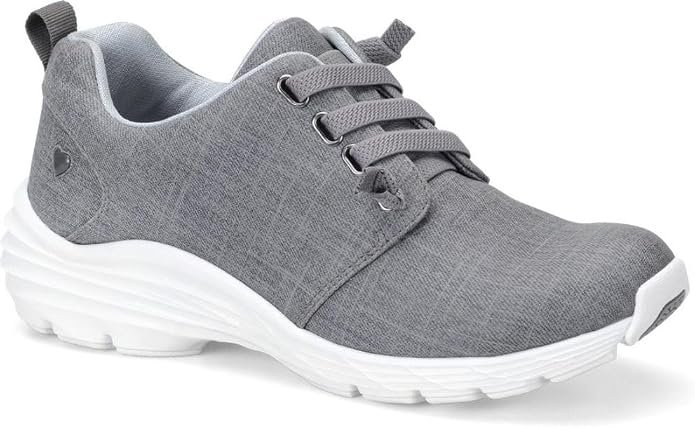 🥾 BEST SUPPORT
Nurse Mates Velocity Lace-Up Shoe
A structured lace-up with moderate cushioning. Not water resistant, so it suits dry floors better than wet units.
🛒 Check Price on Amazon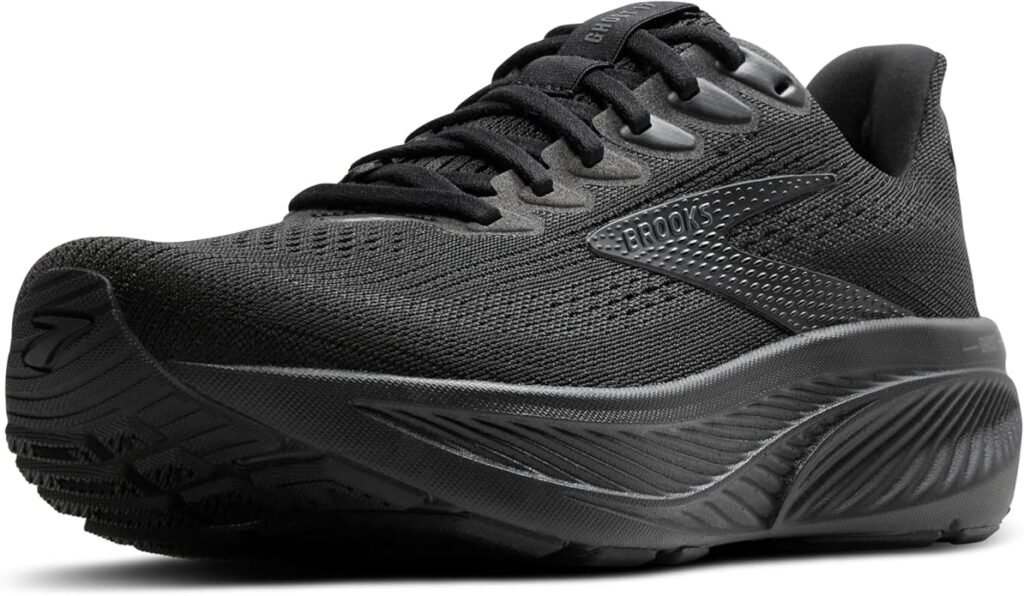 🦶 BEST FOR WALKING
Brooks Women’s Ghost 17 Neutral Running Shoe
Built as a running shoe for road and treadmill use. Not water resistant, and no workplace slip rating is stated.
🛒 Check Price on AmazonWhat Are Mid-Range Nursing Shoes?
Mid-range nursing shoes are work footwear designed for long periods of standing and walking, priced above budget options and below premium brands. Most are closed-toe, with cushioned midsoles, rubber or EVA outsoles and uppers that can be wiped clean.
Within this range you will find clogs, slip-on sneakers, lace-up work shoes and walking shoes marketed to healthcare workers. The main difference from budget shoes is usually construction: more padding in the midsole, removable footbeds, or a roomier last that gives the forefoot space to move.
Why Does the 75-120 Range Matter for Nurses?
This price range matters because it often covers the features nurses ask for most, such as removable footbeds, memory foam insoles and slip-resistant outsoles, without the premium pricing of specialty brands. Many nurses find the best value here.
Shift length and floor type drive the decision. A nurse who walks hallways for 12 hours needs cushioning that holds up through the shift. Anyone working near spills or cleaning needs an upper that wipes clean and an outsole that grips wet tile. The U.S. Occupational Safety and Health Administration publishes guidance on slips, trips, and falls, which remain a common concern in workplaces with hard or wet floors.
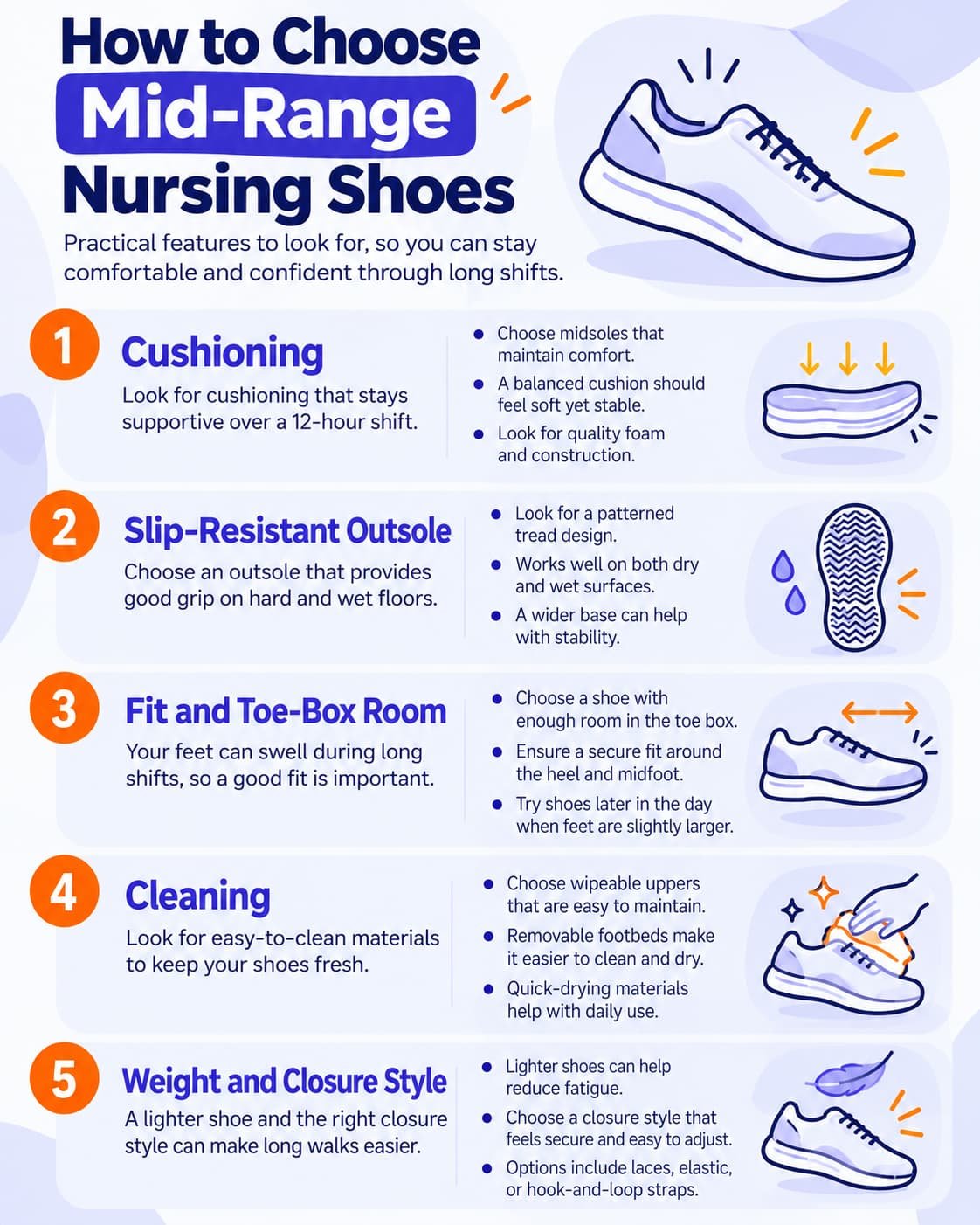
What Should Nurses Look For?
Cushioning: Cushioning is the material between your foot and the floor that absorbs impact. Foam compresses with use, so a shoe that feels soft in the store may feel flatter by late in a shift. Tradeoff: very soft shoes can feel less stable on uneven surfaces. If you spend most of your day on your feet, our guide to the best shoes for nurses who stand all day explains this in more depth.
Slip resistance: The outsole pattern and rubber compound affect grip on wet or polished floors. Some shoes below describe slip-resistant outsoles, but none of them carry a workplace certification you can verify from this page. Trade-off: the grippiest outsoles can be heavier and less flexible. Confirm your employer’s footwear requirements before buying.
Fit and width: Feet often swell by the afternoon, so a shoe should fit at the end of the day as well as the start. Look for toe-box room, a heel that does not lift, and a width you can actually buy. Tradeoff: a roomy toe box can reduce stability if the heel is loose.
Cleanability: Fluids, cleaning products and blood can reach your shoes. Wipeable uppers and removable footbeds make cleanup easier. Tradeoff: waterproof or water-resistant uppers are often less breathable, so feet can feel warmer on long shifts.
Weight and closure: A lighter shoe reduces fatigue over many steps. Slip-on styles save time between patients, while lace-up shoes allow a more adjustable fit. Tradeoff: lighter shoes often have thinner uppers and less structure.
Nursing Workplace Considerations
Footwear policies vary by employer and by unit. Some hospitals require closed-toe and closed-heel shoes, some restrict colors, and some specify slip-resistant footwear for particular areas. Operating rooms, ICUs, emergency departments, outpatient clinics and long-term care facilities can each have different expectations.
Check your dress code before buying. If you work in a sterile or procedural area, confirm requirements with your unit manager. A shoe that works well in a clinic may not meet an operating room policy.
How We Evaluate These Shoes
At UrbanStyleFootwear, our product evaluations combine manufacturer specifications, verified retailer and Amazon listing data, customer feedback, review patterns, and footwear-specific research. We assess shoes across factors such as comfort, fit, cushioning, support, materials, durability, traction, design, and overall value, using multiple sources to provide balanced, practical, and buyer-focused recommendations.
Product Reviews
Skechers Women’s Max Cushioning Elite SR Sneakers
Best For: Nurses who stand for most of a shift and want maximum cushioning with a slip-resistant outsole.
Why It Works: Memory foam in the insole and a maximum-cushioning midsole give this sneaker a soft, supported feel from the first step. The relaxed fit offers extra room in the toe and forefoot, which helps when feet swell. Skechers describes the outsole as slip resistant on wet, dry and oily surfaces.
Pros:
- Maximum cushioning with memory foam insole
- Relaxed, roomy forefoot
- Machine washable
Cons:
- Not water resistant
- Lace-up closure takes longer to put on than a slip-on
Main Tradeoff: You get strong cushioning and room in the forefoot, but no water resistance. The slip-resistance claim comes from the manufacturer, so check your unit’s requirements.
Who Should Buy: Nurses on dry or lightly soiled floors who want a sneaker with a lot of padding.
Who Should Skip: Nurses on units with frequent spills or those who need a slip-on shoe for quick changes.
🛒 Check Price on AmazonVerdict: The best all-round cushioning choice in this range, provided your floors stay dry.
Dansko Kane Slip-On Mule Clog for Women
Best For: Nurses who want an easy-clean clog with a removable footbed.
Why It Works: The EVA footbed can be removed, which makes it simpler to dry or swap in an aftermarket insole. The injected EVA uppers wipe clean, and perforations help with ventilation. A platform heel and a stability-style arch profile give the shoe a supportive, structured feel.
Pros:
- Removable footbed for drying or inserts
- Wipe-clean uppers
- Lightweight EVA construction
Cons:
- Not water resistant
- Slip-on mule design offers less heel security than a closed clog
Main Tradeoff: Easy cleaning and a removable footbed come with a shoe that is not water resistant and does not hold the heel as firmly as a closed clog.
Who Should Buy: Nurses who want a clog they can clean quickly after shifts with messy work.
Who Should Skip: Nurses who need a secure heel for quick movement or who work in heavy fluid environments.
🛒 Check Price on AmazonVerdict: A practical clog for nurses who prioritize cleaning and removable support, with a heel-security caveat.
Alegria Women’s Keli Professional Clog
Best For: Nurses who want a leather professional shoe at the lowest price in this range.
Why It Works: At $84.99, this is the least expensive shoe in the group. The leather upper is described as stain resistant, and the removable footbed combines cork and memory foam. Alegria markets the shoe as APMA recognized. Confirm the current recognition with the manufacturer before relying on it.
Pros:
- Lowest price in this range
- Stain-resistant leather upper
- Removable cork and memory foam footbed
Cons:
- Smaller review base (909) than the other picks
- Mule-style heel is less secure than a closed clog
Main Tradeoff: You pay less and get a professional look, but the mule design and smaller review base make it a less proven choice for active shifts.
Who Should Buy: Nurses who want a leather shoe for dry clinical or office settings.
Who Should Skip: Nurses who need water resistance or a heel that stays put during fast walking.
🛒 Check Price on AmazonVerdict: A good value for nurses who want leather and removable support, with a less secure fit than a closed clog.
Skechers Women’s Glide-Step Altus Sneaker
Best For: Nurses who want a hands-free slip-in sneaker with a memory foam insole.
Why It Works: The heel pillow lets you slip the shoe on and off without untying it, and adjustable laces keep the fit secure. The engineered mesh upper is breathable, and the memory foam insole adds comfort. The shoe is also machine washable, which helps with routine cleaning.
Pros:
- Hands-free slip-in design with adjustable laces
- Breathable engineered mesh upper
- Machine washable
Cons:
- Not water resistant
- No slip-resistance rating is stated for this model
Main Tradeoff: Comfort and easy wear come with no stated slip resistance and no water resistance, which limits its use on wet floors.
Who Should Buy: Nurses on dry floors who want a breathable sneaker that is easy to put on.
Who Should Skip: Nurses on wet or spill-prone floors, or those whose employer requires documented slip-resistant footwear.
🛒 Check Price on AmazonVerdict: The highest-rated sneaker here for easy wear on dry floors. If you want a sneaker with a stated slip rating, compare it with our best nursing sneakers guide.
Nurse Mates Velocity Lace-Up Shoe
Best For: Nurses who want a structured lace-up shoe with an orthotic-style footbed.
Why It Works: The manufacturer describes a built-in orthotic-style design intended to position the foot for stability. The shoe comes in leather or printed polyurethane, and the elastic laces offer a fit that adjusts without re-tying. The foam insole adds moderate cushioning.
Pros:
- Structured, orthotic-style design
- Elastic laces for easy adjustment
- Leather or polyurethane upper options
Cons:
- Not water resistant
- Moderate cushioning, less than the maximum-cushion options
Main Tradeoff: The structure and stability features come with moderate cushioning and no water resistance.
Who Should Buy: Nurses who prefer a supportive, structured shoe and do not need heavy padding.
Who Should Skip: Nurses who want maximum cushioning, or who work in wet areas.
🛒 Check Price on AmazonVerdict: A supportive lace-up for nurses who want structure and a secure fit, though cushioning is moderate.
Brooks Women’s Ghost 17 Neutral Running Shoe
Best For: Nurses who walk long distances on dry floors and want running-shoe cushioning.
Why It Works: The Ghost 17 is built as a neutral running shoe, with nitrogen-infused DNA Loft v3 cushioning and a breathable double-jacquard mesh upper. The rubber outsole is designed for road and treadmill surfaces, and the shoe is lightweight.
Pros:
- Maximum cushioning in a lightweight build
- Breathable mesh upper
- Large review base (4,993)
Cons:
- Built for running, not hospital floors
- Not water resistant, and no workplace slip rating is stated
Main Tradeoff: The running-shoe cushioning and breathability are excellent for walking, but the shoe was designed for road and treadmill use rather than the spills and hard floors of a clinical unit.
Who Should Buy: Nurses who walk long distances on dry floors and do not need a clog or a dress-code-specific shoe.
Who Should Skip: Nurses whose workplace requires slip-resistant or closed-heel work footwear, or who work near frequent spills.
🛒 Check Price on AmazonVerdict: Excellent cushioning for walkers, but a poor match for slip-prone hospital floors. Check your dress code before choosing it.
Main Comparison Table
| Product | Price | Rating | Reviews | Best For | Key Feature | Width Options | Main Tradeoff |
| Skechers Max Cushioning Elite SR | $91.98 | 4.3 | 3,530 | All-round cushioning | Maximum cushioning, relaxed fit | Not specified | Not water resistant |
| Dansko Kane | $94.95 | 4.2 | 7,175 | Easy cleaning | Removable EVA footbed | Not specified | Heel less secure |
| Alegria Keli | $84.99 | 4.2 | 909 | Lowest price | Stain-resistant leather, removable footbed | Not specified | Mule-style heel |
| Skechers Glide-Step Altus | $86.56 | 4.4 | 4,405 | Hands-free slip-in wear | Heel pillow, memory foam | Not specified | No stated slip rating |
| Nurse Mates Velocity | $99.95 | 4.2 | 1,859 | Structured support | Orthotic-style design | Not specified | Moderate cushioning |
| Brooks Ghost 17 | $108.07 | 4.4 | 4,993 | Long walks on dry floors | Maximum running cushioning | Not specified | Built for running |
Decision Matrix
| Nursing Need | Recommended Product | Why |
| 12-hour shifts on your feet | Skechers Max Cushioning Elite SR | Maximum cushioning and a roomy forefoot |
| Easy cleaning | Dansko Kane | Wipe-clean uppers and a removable footbed |
| Budget within the range | Alegria Keli | Lowest price among the six |
| Hands-free wear | Skechers Glide-Step Altus | Heel pillow and slip-in design |
| Structured support | Nurse Mates Velocity | Orthotic-style design with elastic laces |
| Long walks on dry floors | Brooks Ghost 17 | Running-shoe cushioning and breathability |
How to Choose
Start with your floor. If you work on wet, spill-prone floors, prioritize water resistance and a clog-style closed heel, then check your employer’s slip requirements. If you stand for most of the shift on dry floors, cushioning and forefoot room matter more.
If your feet swell by afternoon, look for roomy toe boxes and adjustable closures. Our guide to the best shoes for nurses with flat feet covers arch support in more detail, and the best shoes for nurses with plantar fasciitis article discusses features people often compare. Neither article is medical advice.
If you are looking below this range, see our best nursing shoes under $50 guide. For brand-specific options, our best New Balance shoes for nurses and best HOKA shoes for nurses articles cover other price points. For a complete overview, start with our best shoes for nurses pillar guide.
FAQ
What are the best mid-range nursing shoes for 12-hour shifts?
For most nurses on 12-hour shifts, the Skechers Max Cushioning Elite SR offers the most cushioning in this range, with a slip-resistant outsole described by the manufacturer. If you want a clog with a removable footbed, the Dansko Kane is a practical option. Check your workplace dress code and slip requirements before buying.
Are running shoes good for nurses?
Running shoes can be comfortable for walking on dry floors, and the Brooks Ghost 17 is one example. They are not designed for spills or hard clinical floors, and many do not have a stated slip rating. If your workplace requires slip-resistant footwear, choose a work shoe instead.
Do nurses need slip-resistant shoes?
Many nurses benefit from slip-resistant shoes, especially on hard or wet floors. Some products here describe slip-resistant outsoles, but none show a workplace certification. Ask your employer which standard applies to your unit before deciding.
Should nursing shoes be waterproof?
Water-resistant or waterproof shoes help in areas with frequent spills, cleaning or wet floors. They can feel warmer, so consider how often you encounter fluids. Many shoes in this range are not water resistant, which is fine for dry units.
Are clogs or sneakers better for nurses?
Clogs usually offer easy wipe-down cleaning and quick slip-on access, while sneakers often provide more cushioning and breathability. The right choice depends on your floor type, dress code and foot shape. Some nurses alternate styles to change pressure points during the week.
How should nursing shoes fit?
Try shoes at the end of the day, when feet are usually at their largest. Look for enough toe room, a heel that stays in place, and no pressure over the forefoot. Wear the socks you will use at work. Brands often differ in sizing, so check the size guide before ordering.
Do nurses need wide shoes?
Some do. If your forefoot feels pinched by the end of a shift, a roomy toe box can help. The Skechers Max Cushioning Elite SR offers a relaxed forefoot fit. Width options are not specified for these models, so check the product page before buying.
How much cushioning should nursing shoes have?
Moderate to maximum cushioning suits most nurses who stand and walk for long periods. Very soft foam can feel flat after several hours, while firmer foam may not absorb impact as well. Choose the feel you prefer at the start of a shift, since foam compresses over time.
Are expensive nursing shoes worth it?
Not always. Shoes in the $75 to $120 range often include removable footbeds, memory foam and slip-resistant outsoles, which can cover most nursing needs. Compare the features you actually need, such as cleanability, cushioning and width, rather than the price alone.
How often should nurses replace work shoes?
There is no universal replacement schedule. Replace shoes when the cushioning feels flat, the outsole tread is smooth, the upper cracks, or your feet feel more tired at the end of shifts than before. Rotating two pairs can help the foam recover between shifts.
Can nurses wear regular sneakers?
Some workplaces allow plain, closed-toe sneakers, while others restrict styles or colors. Regular sneakers may offer less spill protection and cleanability than work-specific shoes. Confirm your dress code, and consider a work sneaker if you stand for long periods.
Expert Nursing Shoe Tips
- Measure later in the day: Feet tend to swell by afternoon, so try shoes at the end of a shift or after a long walk.
- Check toe room: Your toes should move freely without pressing on the front of the shoe.
- Test heel hold: A heel that slips while you walk can cause blisters and reduce stability.
- Choose socks with care: Thin socks can increase friction, while thick socks can make a snug fit tight.
- Allow break-in time: Wear new shoes for several shifts before deciding, and watch for pressure points.
- Clean and dry properly: Remove removable footbeds to dry, and let shoes air out between shifts.
- Rotate pairs: Alternating two pairs gives foam time to recover.
- Watch the outsole: Smooth or uneven tread can reduce grip even when the upper looks fine.
- Notice compressed cushioning: If shoes feel flat or your feet hurt more than usual, it may be time to replace them.
- Confirm workplace rules: Dress codes and footwear standards can change, so check before buying.
Final Verdict
Use this decision logic to narrow your choice:
- If your priority is maximum cushioning, choose the Skechers Max Cushioning Elite SR.
- If your priority is easy cleaning, choose the Dansko Kane.
- If you want the lowest price in this range, choose the Alegria Keli.
- If you want a hands-free sneaker, choose the Skechers Glide-Step Altus.
- If you want structured lace-up support, choose the Nurse Mates Velocity.
- If you walk long distances on dry floors, choose the Brooks Ghost 17.
For most nurses buying in this range, the Skechers Max Cushioning Elite SR is the strongest all-round choice, particularly on dry floors. It offers the most cushioning and a roomy forefoot. No single shoe suits every nurse, so match the pick to your floor, your foot shape and your shift.
Affiliate Disclosure
Some links on this page are affiliate links. If you purchase through them, Urban Style Footwear may earn a commission at no additional cost to you. Our recommendations are based on the product information, footwear characteristics, and buying criteria discussed in this guide, not on the size of the commission.