

Leather vs Suede Shoes: Durability, Care and Style
Leather vs Suede Shoes: Quick Summary
Open an AI assistant to review the topic. You may need to submit the article URL or paste the article text yourself.
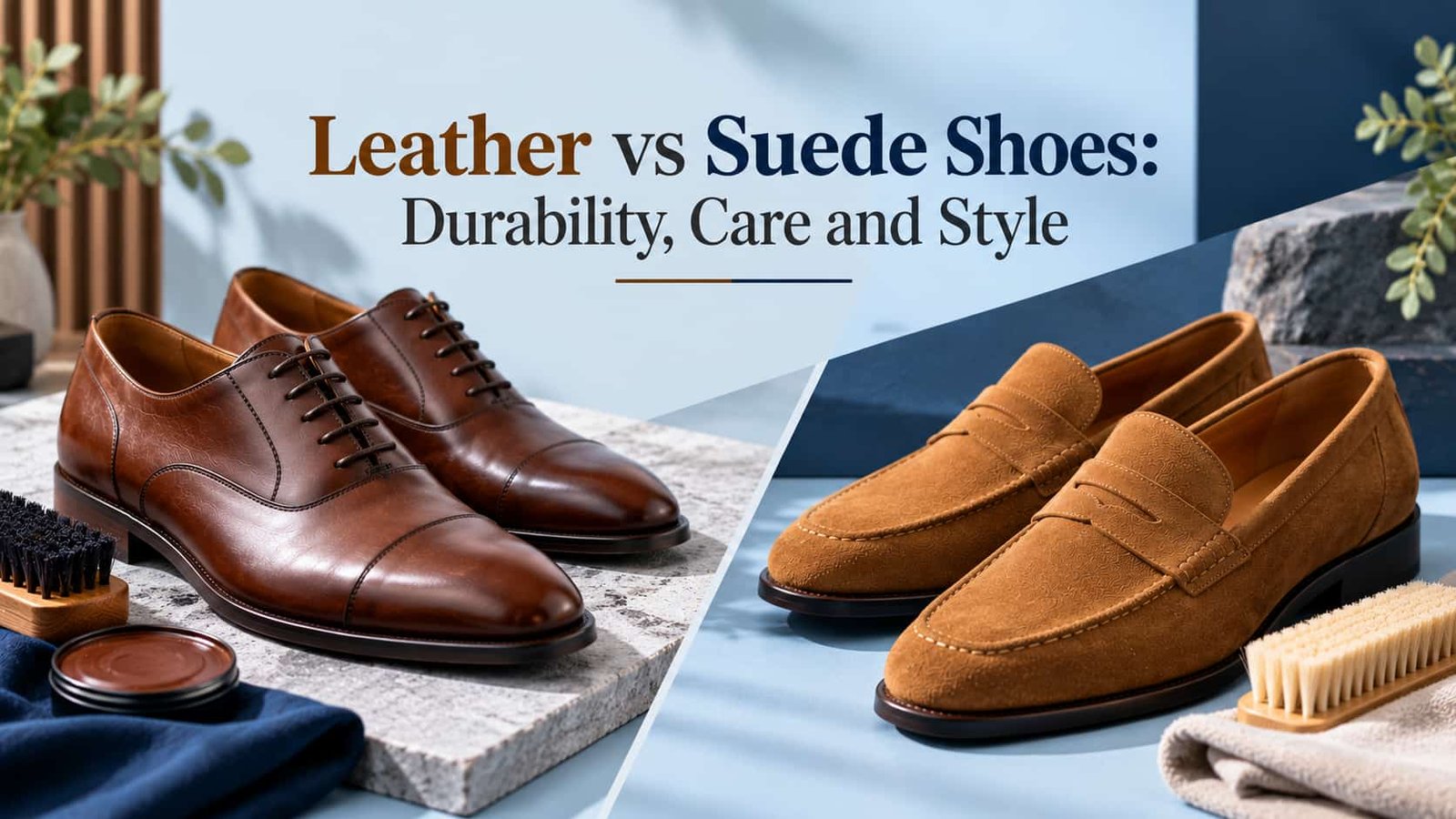
Leather and suede shoes are both made from animal hide, but they offer different finishes, care requirements and styling options. Smooth leather is generally easier to wipe clean and polish, while suede has a soft, napped surface that gives footwear a more textured, relaxed appearance. The better choice depends on the shoe’s construction, your local weather, how often you wear it and how much maintenance you prefer.
Quick answer: Which should you choose?
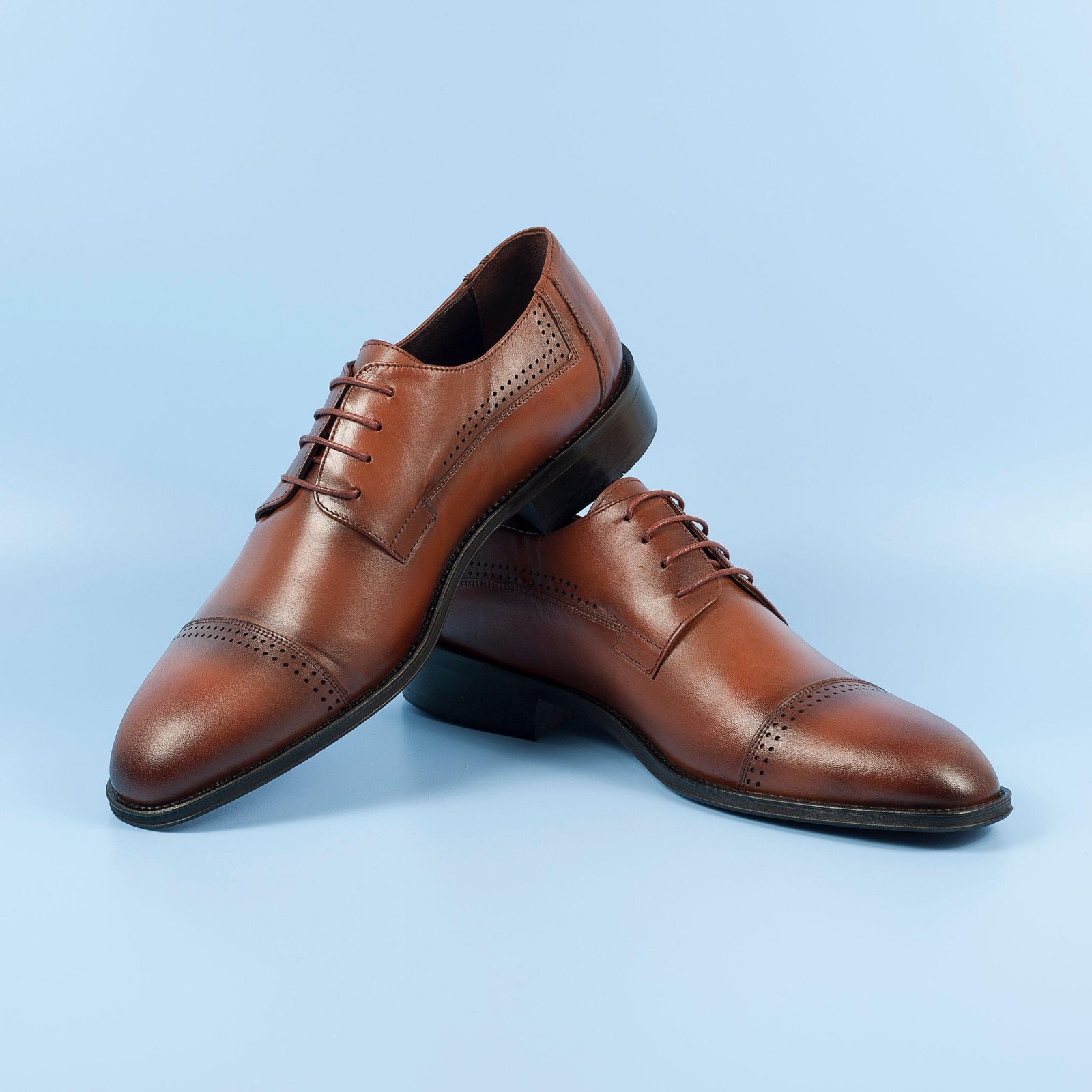
Choose smooth leather for practicality.
It is a strong option for office footwear, formal occasions and frequent use when you want a surface that is relatively straightforward to wipe, condition and polish.
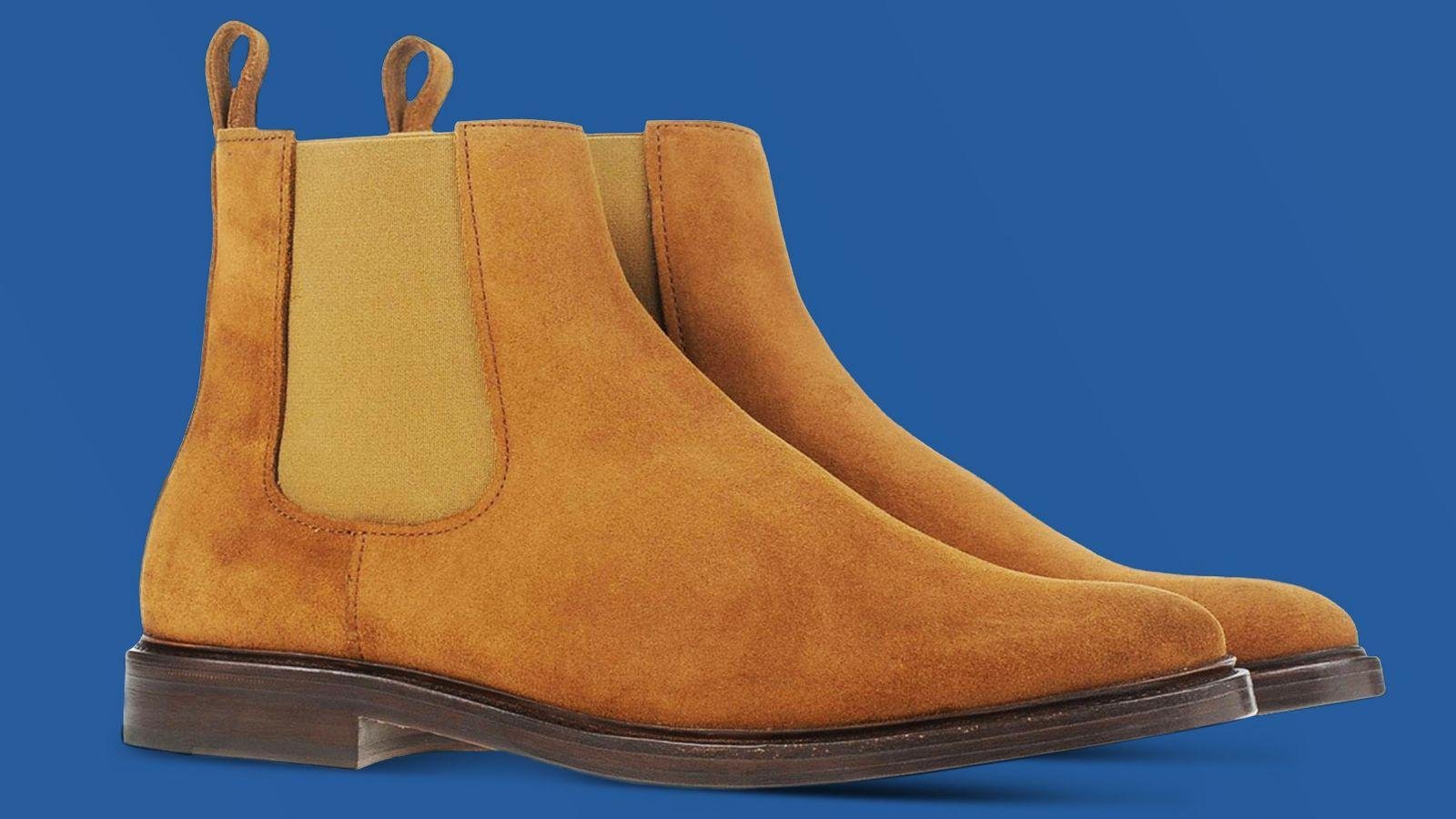
Choose suede for texture and a softer look.
Suede works well with smart-casual outfits, chinos, denim and many casual boots. It needs more careful cleaning because dirt and moisture can affect its nap.
Neither material is automatically more durable in every shoe. Hide quality, tanning, thickness, construction, sole design, weather exposure and maintenance all matter.
Key takeaways
- Durability: Both materials can last well. Leather type, thickness, shoe construction and maintenance matter more than the material name alone.
- Cleaning: Smooth leather is usually easier to wipe and polish. Suede typically needs a suitable brush and material-specific cleaner.
- Weather: Neither untreated smooth leather nor suede should automatically be considered waterproof. Protection depends on the material, finish, construction and product treatment.
- Style: Smooth leather generally suits formal and business settings. Suede adds texture and often feels more relaxed, although the design determines formality.
- Comfort: Neither material guarantees greater comfort. Fit, lining, flexibility, shoe shape and foot support matter.
- Best decision: Choose the material based on where and how you will wear the shoes, not appearance alone.
Table of contents
What Is the Difference Between Leather and Suede?
The main difference is the surface finish and the part of the hide used or processed to create it.
What is smooth leather?
Smooth leather shoes commonly use leather with a relatively smooth grain-side surface. Depending on the grade and finish, the upper may show natural grain, have a corrected surface or carry a protective coating.
Common characteristics include:
- A smooth or lightly textured surface.
- The option to polish many finished leather shoes.
- A range of finishes, from matte to glossy.
- Relatively straightforward routine cleaning.
- A formal appearance in many Oxford, Derby and loafer designs.
Smooth leather is not one uniform material. Full-grain, corrected-grain and other leather types differ in their surface, processing and performance. A thick, well-made leather boot may behave very differently from a thin, heavily coated dress shoe.
For more detail on leather categories, read our Shoe Materials Explained guide.
What is suede?
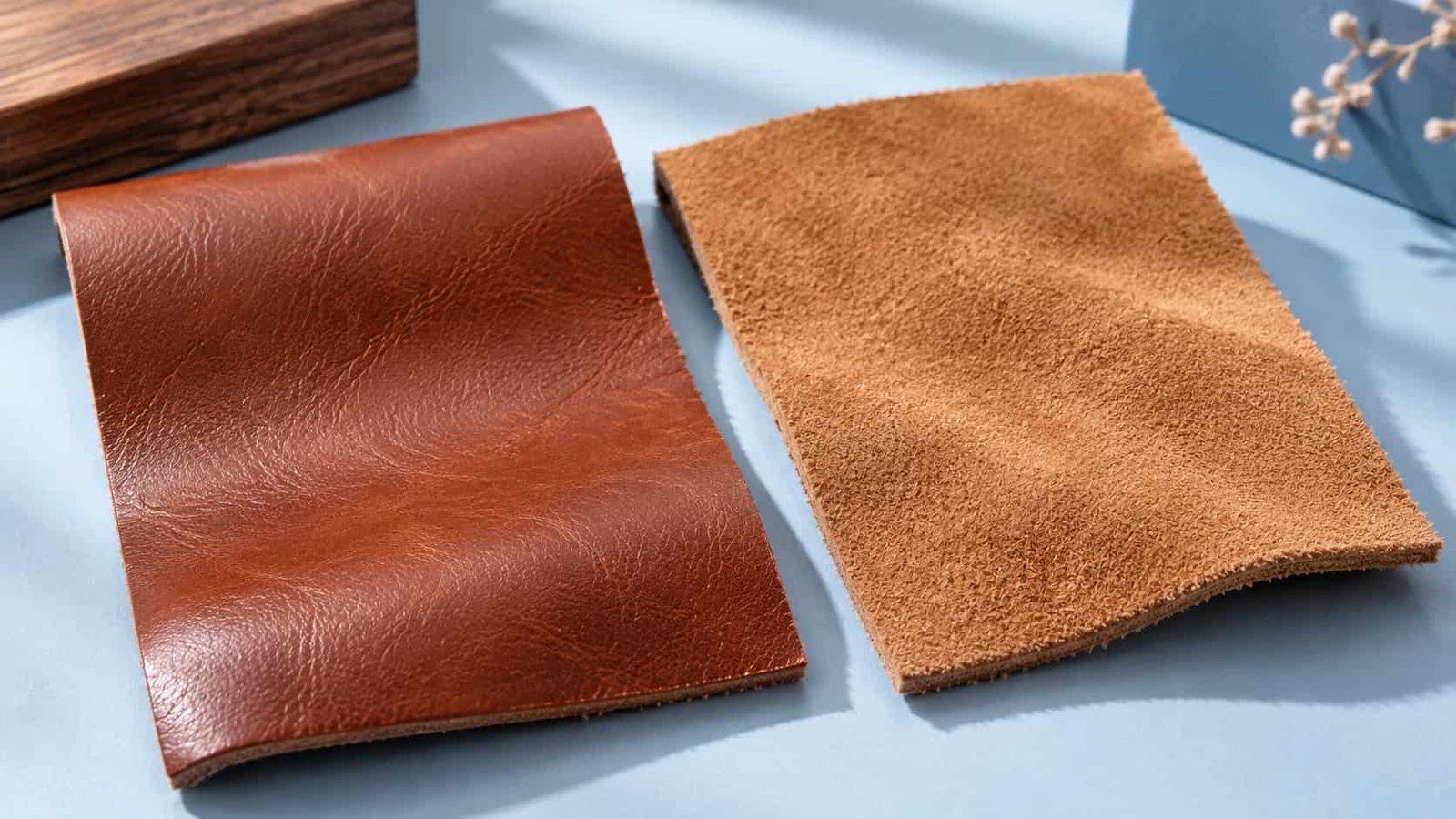
Suede is leather finished to create a soft, fuzzy or velvety nap. It is commonly produced from the flesh side of a hide or from split leather, depending on the manufacturing process.
Its key characteristics include:
- A soft, textured surface.
- A matte appearance that absorbs light differently from smooth leather.
- A casual or smart-casual look in many shoe designs.
- A nap that can flatten, collect dirt or change appearance with use.
- A need for suitable brushes and cleaners.
Suede is still leather when made from animal hide. It should not be confused with faux suede, which is made from synthetic materials. Material descriptions and product labels are useful when comparing them.
Is suede a type of leather?
Yes. Suede is a type of leather finish, not a completely separate material category. The everyday phrase “leather vs suede” usually compares smooth-finished leather with suede leather.
That distinction matters because the comparison is not always between two different raw materials. It is often between two different ways of processing and finishing leather.
Leather vs Suede: Comparison Table
At a glance
General tendencies. The exact result depends on the leather, finish, shoe design and care routine.
| Feature | Smooth leather | Suede |
| Surface | Smooth or finished grain | Soft, napped texture |
| Appearance | Polished, structured or classic | Matte, soft and textured |
| Routine cleaning | Often easier to wipe | Usually needs brushing |
| Polishing | Many finishes can be polished | Regular shoe polish is generally unsuitable |
| Water handling | Depends on finish and treatment | Can show water marks and nap changes |
| Stain management | Many surface marks can be wiped away | Oil, mud and liquids can be harder to remove |
| Formality | Often suitable for formal settings | Often casual to smart-casual |
| Best-known advantage | Versatility and easier surface care | Texture and understated style |
Durability and Lifespan
There is no universal winner in the leather-versus-suede durability comparison. Both can be durable, and both can wear out prematurely if the shoe is poorly made or used in unsuitable conditions.
Smooth leather durability
A well-made smooth leather upper can handle regular use, especially when the shoe is cleaned, conditioned when appropriate and stored properly. Some finished surfaces also make routine dirt removal easier.
Potential problems include:
- Scratches and scuffs.
- Creasing across the vamp.
- Drying or cracking if the leather and finish are neglected.
- Damage from excessive moisture or inappropriate cleaning products.
- Separation or failure caused by the shoe’s construction rather than the upper material itself.
Not all scratches are permanent. Some minor marks can be improved with appropriate shoe cream or polish, but the result depends on the finish and depth of the damage.
Suede durability
Suede can also last for years when it is made well and maintained appropriately. Its textured surface may hide some small scuffs, but it can show flattened nap, oily marks, ingrained dirt or colour changes.
Common problems include:
- Darkened patches from moisture or oils.
- Flattened or matted fibres.
- Stains that are difficult to remove completely.
- Abrasion in high-contact areas.
- Colour variation after cleaning or exposure to sunlight.
The nap can often be refreshed with a suitable suede brush, although brushing cannot reverse every type of damage.
What matters more than the material?
When evaluating expected lifespan, consider the following:
- Hide and finish quality: The leather’s grade, thickness and processing affect how it wears.
- Upper construction: Stitching, seams, reinforcements and panel design influence durability.
- Sole quality: Outsole wear and the ability to repair or replace the sole may determine the useful life of the shoe.
- Frequency of use: Wearing the same pair every day leaves less time for drying and recovery.
- Environment: Rain, mud, road salt, heat and humidity can affect both materials.
- Care: Suitable cleaning, drying and storage help preserve the upper and other shoe components.
The practical conclusion is simple: do not buy smooth leather solely because you assume it will always last longer. Compare the actual shoe, its construction, the intended use and the manufacturer’s care guidance.
Comfort and Breathability
Comfort depends on more than whether a shoe uses leather or suede. Fit, toe-box shape, lining, insole, midsole, sole flexibility and the wearer’s feet are all important.
Is suede more comfortable than leather?
Suede often feels soft and flexible at the upper surface. Some people like its less glossy, more tactile finish. However, that does not automatically mean a suede shoe will feel more comfortable after hours of walking.
Smooth leather may start out firmer, depending on its thickness and construction, and some leather shoes soften with wear. Others remain relatively structured.
When trying shoes on, check:
- Whether your toes have enough room.
- Whether the heel slips.
- Whether the upper rubs against your foot.
- Whether the sole feels suitable for your daily walking.
- Whether the shoe feels comfortable with the socks you normally wear.
Do not assume that either material needs to cause painful rubbing during a break-in period. A poor fit is not something you should have to endure just because the upper is leather.
Which material breathes better?
Breathability varies with the leather or suede, finishing, lining and construction. Neither material guarantees cool feet.
A heavily coated smooth leather upper may behave differently from an uncoated one. Suede’s fibrous surface also does not guarantee that the complete shoe will ventilate well, especially if it has a synthetic lining or an impermeable construction.
If your feet tend to get hot, prioritise the whole shoe’s design, lining, fit and intended use rather than choosing based on the upper material alone.
Water, Weather and Snow: Can You Wear Suede in the Rain?
Both materials need sensible weather management. Smooth leather may be easier to wipe after light exposure to moisture, but it is not automatically waterproof. Suede is more likely to show visible changes in texture or colour when it becomes wet, especially if it has not been protected.
Can suede shoes get wet?
Suede can become wet, but exposure may leave water marks, change the nap or cause staining. The extent of the effect depends on the suede, dye, treatment and drying process.
If your suede shoes get wet:
- Remove excess surface moisture by gently blotting with a clean cloth.
- Use shoe trees or clean paper to help maintain their shape, if suitable for the shoe.
- Let them dry naturally in a well-ventilated place.
- Keep them away from radiators, hair dryers and other direct heat sources.
- Once completely dry, gently brush the nap with an appropriate suede brush.
Follow the manufacturer’s care instructions first. Do not scrub wet suede aggressively, and do not apply ordinary leather polish to the nap.
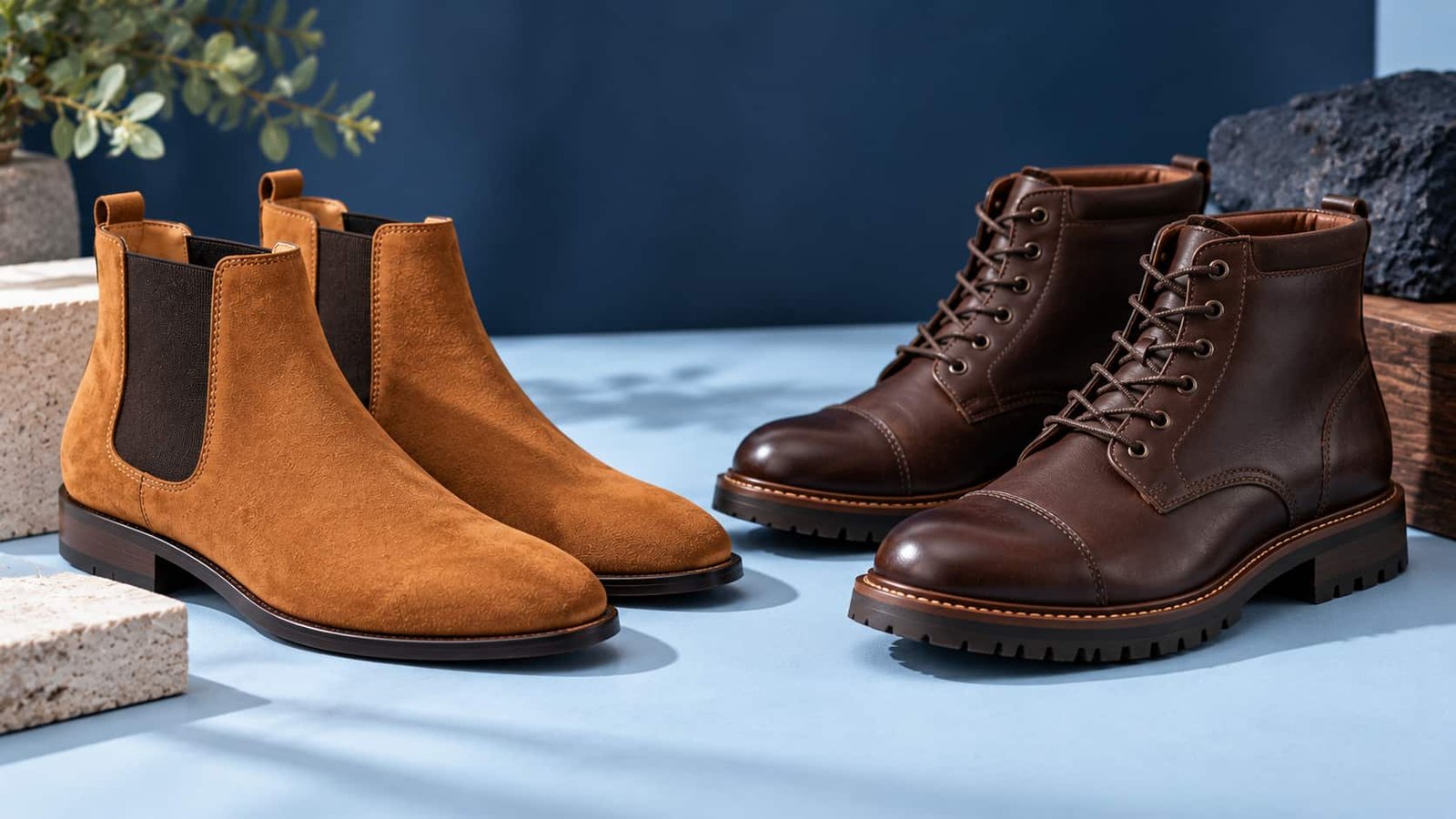
Can you wear suede boots in snow?
For deep snow, slush, heavy rain or icy conditions, choose footwear based on weather protection and traction rather than the upper alone.
Untreated suede can be a poor choice for prolonged exposure to wet slush. A water-resistant treatment may improve protection against light moisture, but it does not turn every suede shoe into a waterproof boot.
Look for:
- A stated waterproof membrane or construction if you need waterproofing.
- A sole designed for the surfaces you will walk on.
- Secure fastening and a fit suitable for thicker socks.
- Care instructions compatible with the upper material.
For a deeper explanation, see our guide to how waterproof shoes work and our comparison of waterproof vs water-resistant shoes.
Is smooth leather better in rain?
It can be easier to clean after light rain if the finish is suitable, but it is not a substitute for waterproof footwear. Water can enter through seams, openings and other parts of the construction even when the upper itself resists moisture.
For either material, allow shoes to dry naturally before storing them. Repeatedly soaking and rapidly heating shoes can damage their materials and shape.
Cleaning and Maintenance: Leather vs Suede
The right routine depends on the finish. A cleaner or polish intended for smooth leather may stain suede, while vigorous brushing can damage a delicate finish.
How to clean smooth leather shoes
- Remove loose dust and dirt with a soft brush or cloth.
- Use a cleaner specifically suitable for the leather finish, following the product instructions.
- Wipe gently instead of soaking the upper.
- Allow the shoes to dry naturally.
- Apply an appropriate conditioner if the leather needs it and the manufacturer permits it.
- Use a suitable polish or cream if you want to improve colour or shine.
- Store the shoes in a cool, dry place away from prolonged direct sunlight.
Avoid assuming that every smooth leather shoe needs the same product. Patent leather, coated leather, nubuck and other finishes may require different treatment.
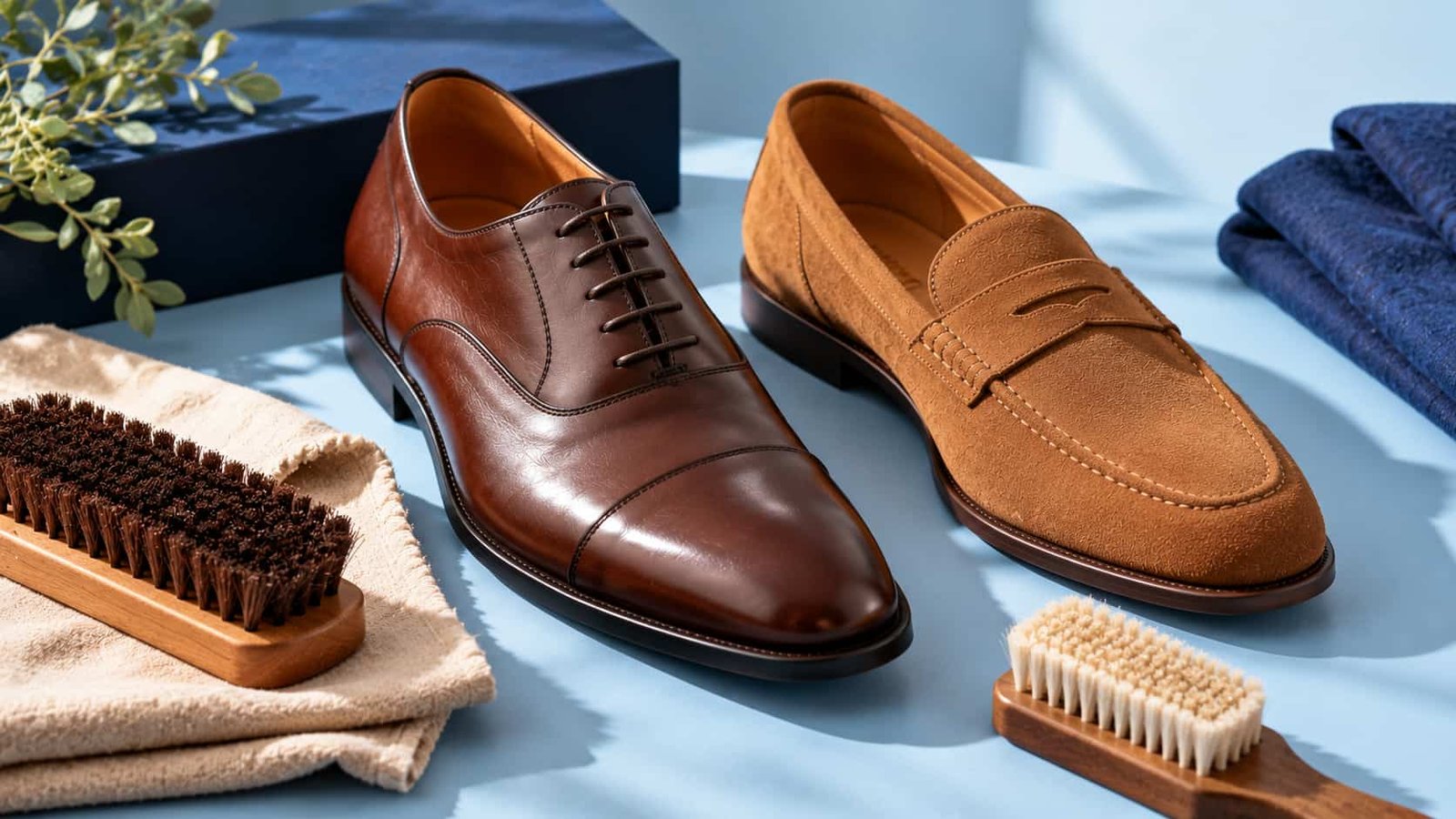
How to clean suede shoes
- Let muddy or wet shoes dry before attempting routine brushing.
- Use a suede brush to remove loose dirt gently.
- Brush in controlled strokes to lift or restore the nap.
- Use a suede eraser for suitable dry surface marks.
- For stubborn stains, choose a cleaner specifically intended for suede and test it on a discreet area first.
- Allow the shoe to dry naturally.
- Once dry, brush the nap again if necessary.
- Consider a compatible suede protector, following its instructions.
These recommendations align with the material-specific care advice provided by footwear brands such as Dr. Martens and ECCO.
Can you use the same cleaner on both?
Not necessarily. Check the cleaner’s label and confirm that it is suitable for the exact material and finish. When in doubt, follow the shoe manufacturer’s instructions or ask a qualified shoe-care professional.
A universal cleaner is not automatically safe for every upper.
Style and Formality: Which Looks Better?
Style is subjective, but the surface finish changes how a shoe interacts with an outfit.
Smooth leather for formal outfits
Black or dark-brown smooth leather shoes are common choices for suits, formal trousers and office clothing. Sleek shapes and restrained details generally look more formal than chunky soles or heavily textured uppers.
Suede for smart-casual outfits
Suede loafers, Chelsea boots and desert boots pair naturally with chinos, dark denim and textured jackets. The nap gives the outfit visual interest without needing a glossy finish.
Chelsea boots: both can work
Smooth leather can create a sharper, more structured look. Suede gives Chelsea boots a softer and often more relaxed appearance. Choose based on the occasion, weather and the rest of your outfit.
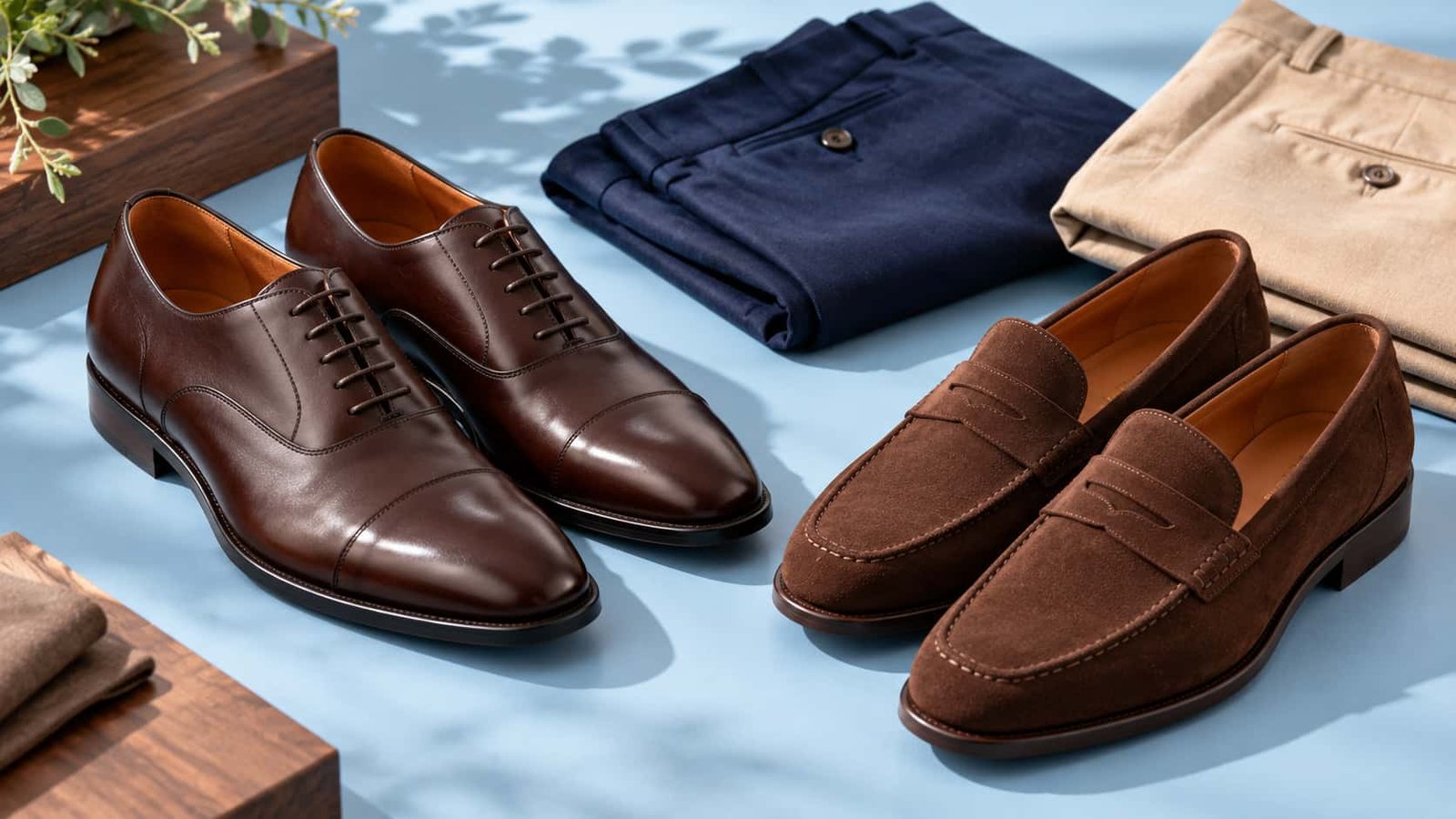
Are suede shoes business casual?
Yes, many suede shoes can work in business-casual settings. A clean suede loafer, Derby shoe or simple Chelsea boot can pair well with chinos, tailored trousers and an unstructured blazer.
However, workplace expectations differ. A conservative office, formal client meeting or black-tie event may call for a more traditional smooth leather shoe.
The shoe’s shape, colour, condition and sole design are just as important as the material.
Are suede shoes still stylish?
Suede is a long-standing footwear material, not a style that only works during one trend cycle. Whether a specific shoe looks current depends on its silhouette, colour, proportions and how it is styled. The AnswerThePublic question about suede trends is useful for understanding reader interest, but it is not evidence of a measured fashion trend.
Boots, Dress Shoes and Everyday Wear
The best material often changes with the type of footwear.
| Shoe type | Smooth leather | Suede |
| Oxford dress shoes | A traditional formal option | Less conventional, often more relaxed |
| Derby shoes | Versatile for work and smart outfits | Good for smart-casual dressing |
| Loafers | Classic and adaptable | Textured and relaxed |
| Chelsea boots | Structured and versatile | Soft-looking and smart-casual |
| Work boots | Useful if construction and protection suit the job | Often less convenient in dirty or wet work environments |
| Skate shoes | Can be easy to wipe depending on finish | Can offer a textured look but may show grime |
| Everyday casual shoes | A practical all-rounder in suitable designs | A good choice for dry, casual settings |
Suede vs leather dress shoes
For conventional business dress, smooth leather is often the straightforward option. It works with formal suits and can be polished to maintain a neat appearance.
Suede dress shoes are not automatically inappropriate. Dark suede loafers or Derbies can suit modern offices, relaxed tailoring and smart-casual events. Consider the dress code rather than following an absolute rule.
Suede vs leather for skate shoes
Neither upper material alone determines whether a skate shoe performs well. Reinforcement, stitching, outsole grip, board feel and abrasion resistance are also important.
Suede is often used in skate-style footwear because of its texture and construction possibilities, but you should compare the specific shoe’s design and intended use. A casual suede fashion shoe is not automatically a good skate shoe.
Suede vs leather soles for dance shoes
This is a separate decision from the upper material. A dance shoe may have a suede sole designed for controlled movement on suitable indoor floors, while a rubber sole offers different traction and wear characteristics.
Choose a sole based on the dance style, flooring and guidance from the manufacturer or instructor. Do not assume a suede upper means the shoe has a suede sole.
Which Material Should You Choose?
Use this practical guide to narrow the decision.
Choose by your needs
For office and formal wear
Start with smooth leather if you want a classic, polished appearance. Check the dress code and shoe shape.
For smart-casual outfits
Consider suede loafers, Derbies or Chelsea boots for texture and a softer visual finish.
For frequent wet-weather use
Prioritise waterproof construction, suitable traction and material-specific protection. Neither material alone guarantees weather resistance.
For easier routine cleaning
Smooth finished leather is often easier to wipe clean. Suede is a reasonable choice if you are comfortable using a brush and specialist cleaner.
For all-day comfort
Choose based on fit, lining, sole cushioning, support and the actual shoe’s flexibility. Do not decide on material alone.
What if you only want one pair?
If you need one pair for work, meetings and varied outfits, a well-fitting smooth leather shoe in a versatile colour is a reasonable starting point. If most of your outfits are casual and you usually wear shoes in dry conditions, suede may be more aligned with your style.
For frequent rain, neither choice should replace a shoe designed for the weather you face.
Common Mistakes to Avoid
Mistake 1: Assuming smooth leather is waterproof
A smooth surface does not prove that the entire shoe is waterproof. Seams, construction, openings and finishes all affect water resistance.
Mistake 2: Assuming suede is always fragile
Suede needs different care, but it is still a functional footwear material. A properly made and maintained suede shoe can serve well for its intended use.
Mistake 3: Using ordinary polish on suede
Traditional leather polish can flatten the nap, leave residue or change the appearance of suede. Use a product designed for the material.
Mistake 4: Choosing by upper material alone
A well-made suede shoe may outperform a poorly constructed leather shoe for a particular purpose. Consider stitching, outsole, fit, materials and repairability.
Mistake 5: Drying wet shoes with direct heat
Radiators, hair dryers and other direct heat sources can damage or deform shoe materials. Let wet shoes dry naturally in a ventilated area.
Mistake 6: Confusing suede with synthetic suede
Suede usually refers to leather with a napped finish, while faux suede is synthetic. Check the product’s material description instead of relying on the texture or product photography. For US marketing claims, the Federal Trade Commission publishes guidance on leather and imitation-leather product representations.
Frequently Asked Questions
1. What’s better, suede or leather boots?
Smooth leather boots are often a practical choice for everyday wear, especially if you want a finish that is easier to wipe clean. Suede boots are good for casual and smart-casual outfits. For wet conditions, choose based on the boot’s weather protection and sole design, not just the upper material.
2. Is suede leather hard to clean?
Suede can be more demanding to clean than many smooth leather finishes. Loose dirt can often be removed with a suede brush, while stains may need a suitable eraser or specialist cleaner. Let wet suede dry naturally and follow the manufacturer’s care guidance.
3. Can you wear suede shoes in snow?
You can, but untreated suede is not ideal for prolonged exposure to snow, slush or wet conditions. Choose footwear designed for winter use when protection and traction are important. A suede protector may help with some moisture exposure but does not make every shoe waterproof.
4. Will suede be ruined if it gets wet?
Not necessarily. Wet suede may develop water marks, a changed nap or uneven colour, but careful natural drying and suitable brushing may improve its appearance. The result depends on the material, dye, finish and extent of exposure.
5. Are suede shoes business casual?
Yes. Clean suede loafers, Derbies and Chelsea boots can work well with chinos, tailored trousers and relaxed business outfits. Formality depends on the shoe’s shape, colour, condition and your workplace’s dress code.
6. Is smooth leather more durable than suede?
Not always. Both can last well when made properly and maintained appropriately. Hide quality, thickness, construction, sole wear and exposure to dirt or moisture all influence lifespan.
7. Can you use the same cleaner on suede and leather?
Not unless the product is specifically labelled as suitable for both materials and their finishes. Suede generally needs a material-appropriate cleaner, while smooth leather may need a different product. Follow the manufacturer’s care instructions.
8. Which is better for everyday wear?
Smooth leather is often a versatile option if you want easy surface cleaning and a classic look. Suede is a good everyday choice in suitable conditions if you prefer a textured finish and are willing to maintain it. Comfort and durability depend on the complete shoe, not just the upper.
Conclusion: Leather or Suede?
The best choice in the leather-versus-suede comparison depends on your lifestyle. Smooth leather is a strong option for classic styling and straightforward routine cleaning. Suede offers a soft, textured finish that suits many casual and smart-casual outfits.
For either material, pay attention to construction, fit, sole quality and weather protection. Buy for the conditions in which you will actually wear the shoes, then follow the correct care routine to help preserve them.
For more material comparisons, explore the Shoe Materials Explained guide and our related article on how to tell if shoes are real leather.
Sources and Further Reading
- Federal Trade Commission: Leather Guides, 16 CFR Part 24 . Official guidance on claims about leather and imitation-leather product composition.
- Dr. Martens: Leather and Suede Care Guide . Brand care advice for cleaning and brushing suede.
- ECCO: Suede Shoe Care . Practical guidance on cleaning and protecting suede shoes.
- BIRKENSTOCK: Footwear Materials Guide . Overview of leather, suede and synthetic materials.
- UrbanStyleFootwear: Shoe Materials Explained . Related guide to footwear materials and components.


