
Best Nursing Shoes Under $50 in 2026 for Long Shifts
✅ Expert Footwear Analysis | 🛒 Amazon US Options | 📅 Updated October 2026
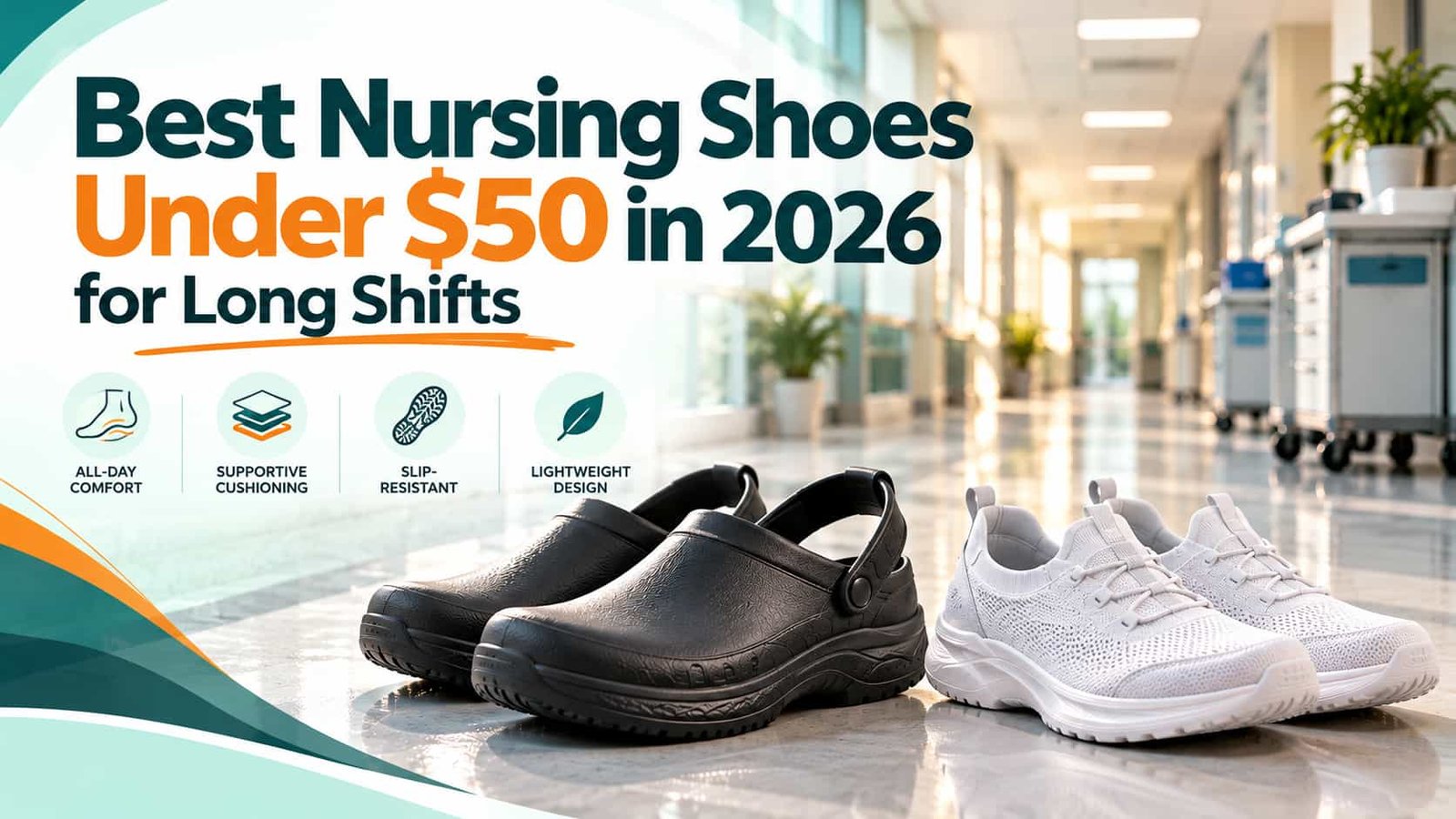
The best nursing shoes under $50 in 2026 are slip-resistant clogs and sneakers that balance cushioning, fit and easy cleaning for 8 to 12 hour shifts. Standouts include NITTI garden clogs at $25.99, YUNG work shoes at $43.99 and the Crocs Neria Pro II at $44.95, while wide-fit and sneaker options suit other needs.
Picture a nurse finishing a 12-hour shift on a med-surg floor in Chicago. She has walked the hallways most of the day, stepped around a few spills, and her feet ache in the same spot they did at hour four. Her everyday sneakers have foam that flattens quickly, and the mesh upper soaked through the last time a line leaked near the bed.
Spending more is not always the answer, but a cheap pair that does not fit or grip can make the day harder. This guide compares eight nursing shoes priced under $50 on Amazon US. We look at what matters on hard, sometimes wet floors, where clogs and sneakers differ, and who each pair suits.
You will find a comparison table, a decision matrix, and an FAQ to narrow the list quickly. Prices and ratings reflect what was listed at the time of writing and may change.
 🏆 BEST OVERALL
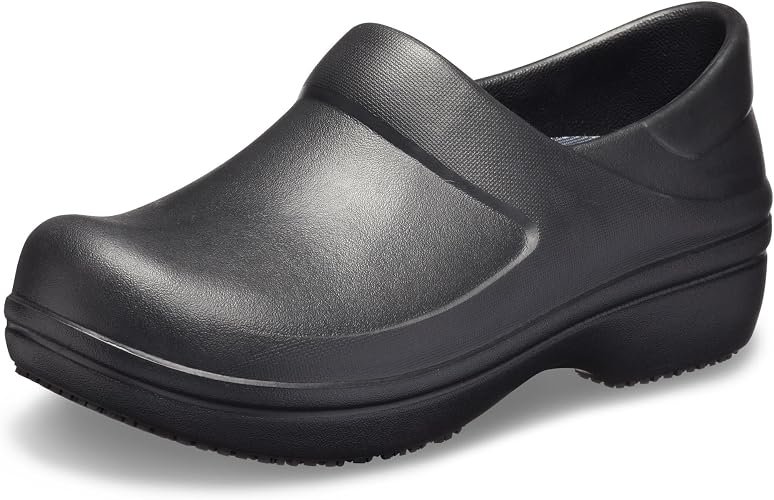
The most balanced pick for hospital floors: waterproof, easy to wipe, and a clog many nurses already know. It runs large, so most people should size down.
 🦶 BEST FOR WIDE FEET
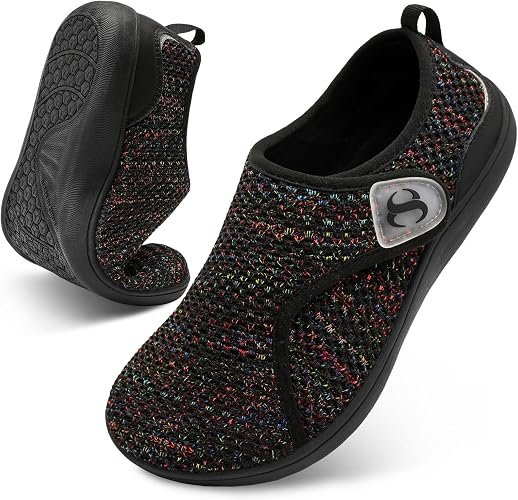
The best fit for nurses who need extra room in the forefoot. It is a sneaker, not a clog, and it is not water resistant.
 💰 BEST VALUE
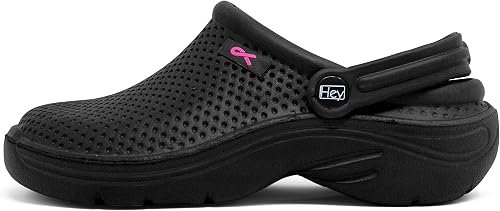
The lowest price in this group, with an adjustable strap. It suits dry floors and short shifts better than heavy spill work.
🛒 Check Price on Amazon 🧼 EASY-CLEAN PICK
A waterproof EVA clog that wipes clean easily, with a deep heel cup. Width options and workplace slip ratings are not specified.
🛒 Check Price on Amazon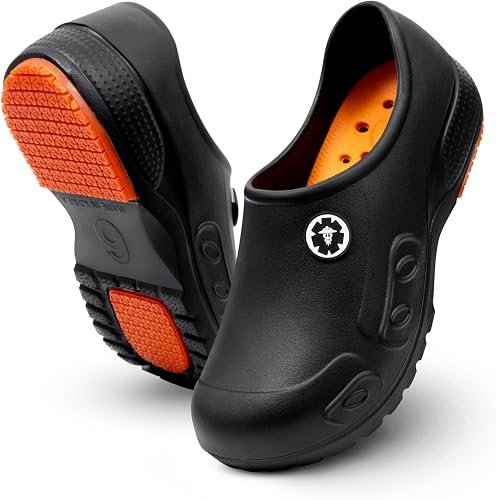 ⏱️ LONG-SHIFT PICK
One of the lighter options, which helps on 12-hour days. The rating is lower than the leaders, and the listing suggests ordering one size up between sizes.
🛒 Check Price on Amazon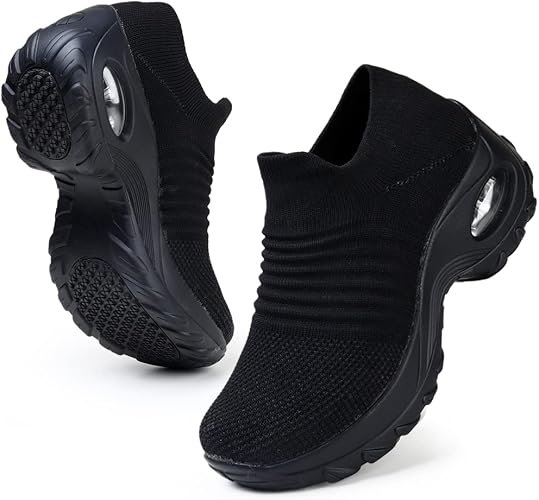 👟 BEST SNEAKER
The sneaker option with the largest review base in this group. It is not water resistant, so it suits dry floors better than spill-heavy units.
🛒 Check Price on Amazon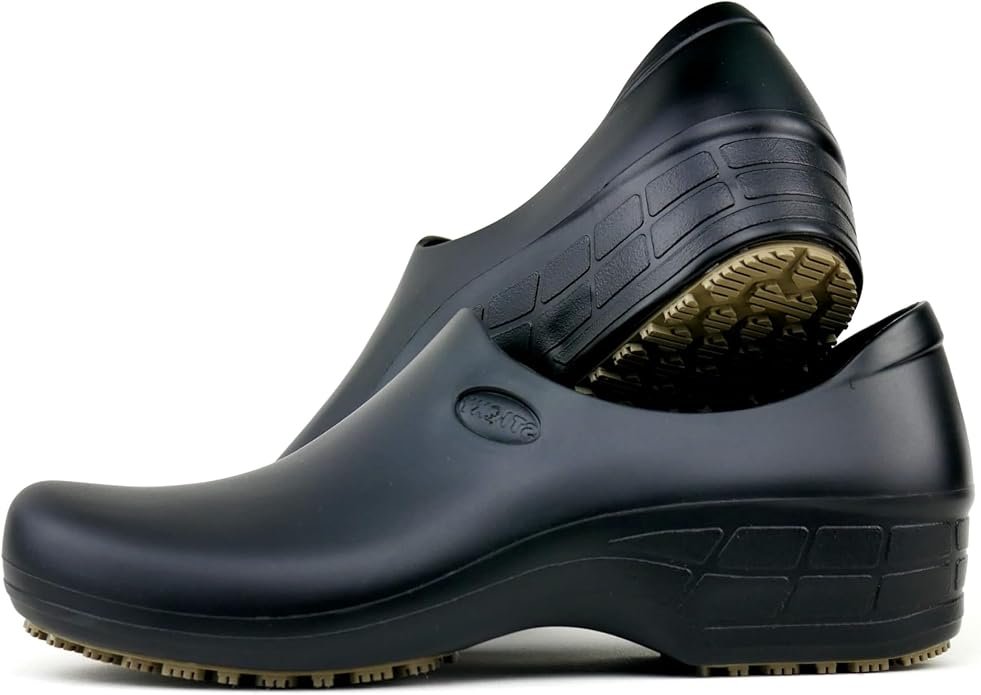 💧 BEST FOR SPILLS
Built for wet work, with a waterproof upper and outsole. Cushioning is minimal, and the listing recommends it mainly for concrete and tile.
🛒 Check Price on Amazon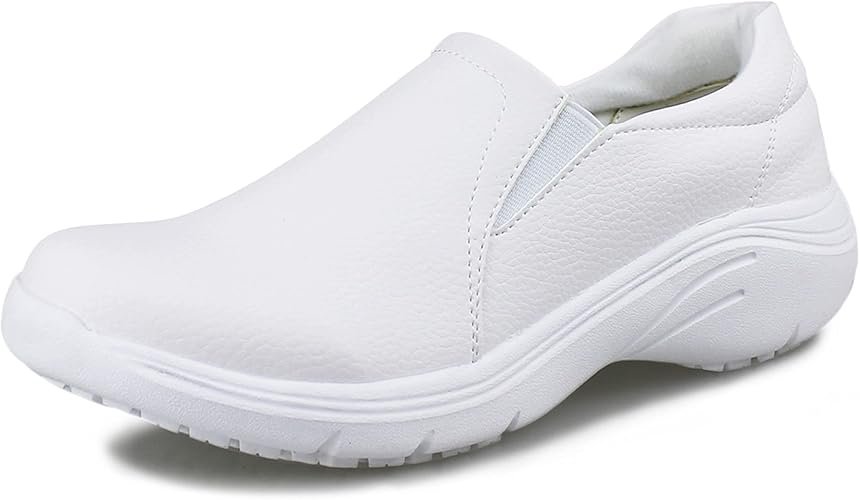 🏥 BEST FOR HOSPITALS
A heeled slip-on with a soft upper that wipes clean. It runs large for sizes 6.5 to 9, so the listing suggests sizing down.
🛒 Check Price on AmazonWhat Are Nursing Shoes Under $50?
Nursing shoes are work footwear built for long periods of standing, walking and bending on hospital and clinic floors. Most are closed-toe or enclosed, relatively lightweight, and easy to wipe clean. Many use slip-resistant outsoles.
At this price, you will mostly find clogs, slip-on sneakers and walking shoes marketed to healthcare workers. They differ from ordinary footwear in purpose. A running shoe is designed for forward motion on pavement. A nursing shoe is designed for hours on hard floors, with spills, cleaning and workplace rules in mind.
Why Do Budget Nursing Shoes Matter for Nurses?
Budget nursing shoes matter because fit, floor type and shift length affect comfort more than brand name does. A pair with the right fit and grip can make a 12-hour shift more manageable, while a poor fit can concentrate pressure on the forefoot or heel by late in the day.
Slips are a real concern. The U.S. Occupational Safety and Health Administration publishes guidance on slips, trips, and falls, which remain common workplace injury concerns across many industries. Footwear is one factor, alongside floor conditions and cleanup practices.
What Should Nurses Look For?
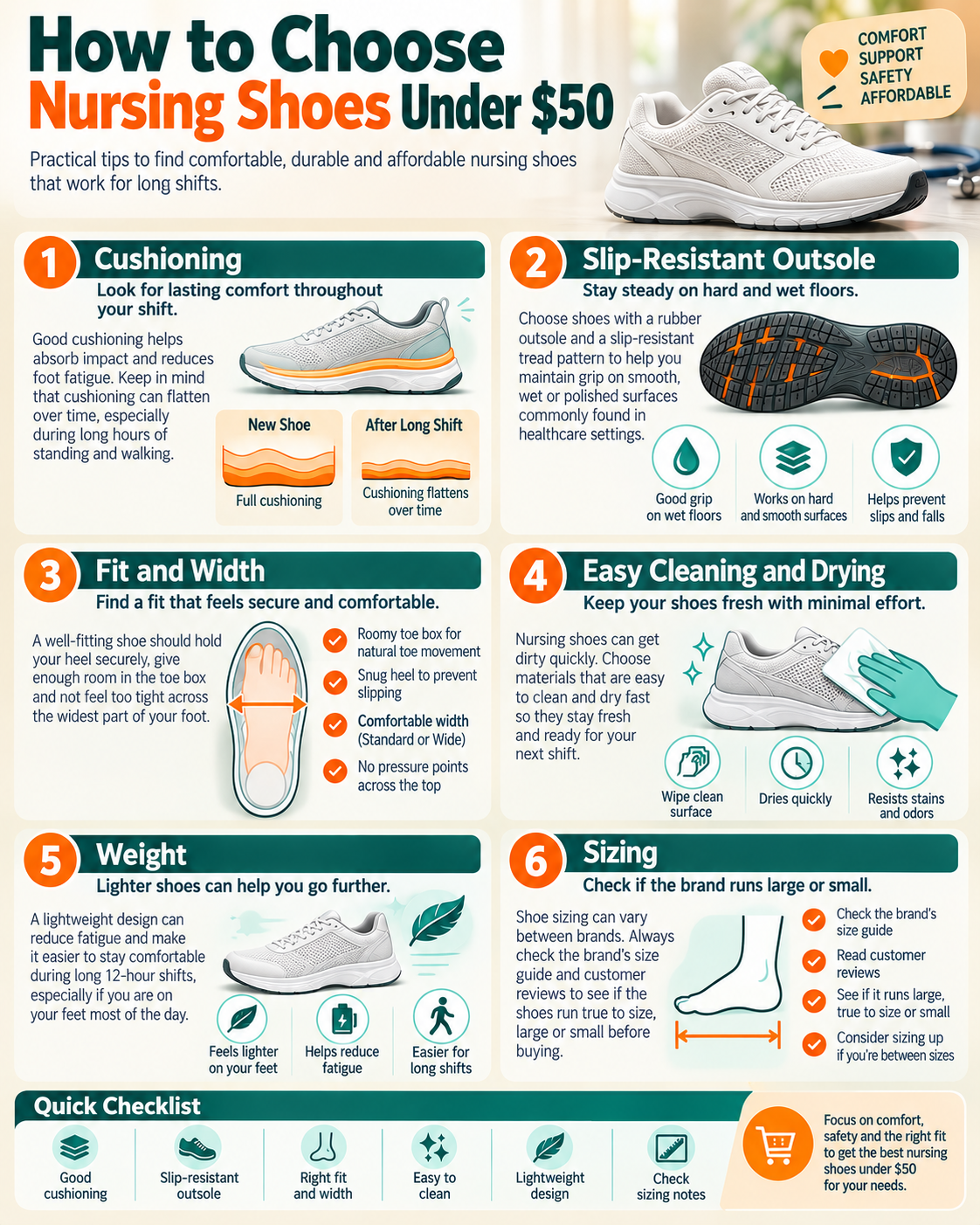
Cushioning: Cushioning absorbs impact, but foam compresses over time. Softer foam feels good at the start of a shift and can feel flat by hour ten. Moderate cushioning often suits nurses who walk and stand in equal measure. Nurses who spend most of the day at a station may prefer a firmer platform. Trade-off: very soft shoes can feel less stable on uneven surfaces. If you stand for most of your shift, our guide to the best shoes for nurses who stand all day covers this in more depth.
Slip resistance: The outsole pattern and rubber or foam compound determine grip on wet or polished floors. Several shoes below describe slip-resistant outsoles, but none of the listings here show a certified slip rating for workplace use. Trade-off: the most grippy outsoles can be heavier and less flexible. Check your employer’s requirements before buying.
Fit and width: Nurses often have swelling in the afternoon, so fit should work with changing foot volume. Look for enough toe-box room, a heel that does not lift, and a width you can actually buy. Many budget shoes come in one width only. Trade-off: a roomy toe box can reduce stability if the heel is loose. For foot swelling and general foot health, the American Podiatric Medical Association offers public resources.
Cleanability: Fluids, cleaning agents and blood can all reach your shoes. Waterproof or water-resistant uppers and removable insoles make cleanup easier. Tradeoff: Waterproof shoes are often less breathable, so feet can feel warm during long shifts.
Weight: A lighter shoe reduces fatigue on long walks, especially if you walk 5 to 6 miles on some shifts. Heavier shoes can feel more supportive, but for many nurses the difference adds up over 12 hours. Tradeoff: the lightest shoes often have thinner uppers and less structure.
How We Evaluated These Shoes
At UrbanStyleFootwear, our product evaluations combine manufacturer specifications, verified retailer and Amazon listing data, customer feedback, review patterns, and footwear-specific research. We assess shoes across factors such as comfort, fit, cushioning, support, materials, durability, traction, design, and overall value, using multiple sources to provide balanced, practical, and buyer-focused recommendations.
Nursing Workplace Considerations
Workplace rules vary. Some hospitals require closed-toe and closed-heel shoes, some restrict colors, and some specify slip-resistant footwear for particular units. Operating rooms, ICUs, emergency departments, outpatient clinics, long-term care facilities and nursing homes can each have different expectations.
Before buying, check your employer’s dress code and, if you work in a sterile or procedural area, confirm footwear requirements with your unit manager. A shoe that suits a clinic may not meet an operating room policy.
Product Reviews
Hey Medical Uniforms Women’s Lightweight EVA Clogs
Best For: Nurses who want the lowest price and a closed-toe clog with an adjustable strap.
Why It Works: At $16.99, this is the least expensive option here. The EVA construction is lightweight and soft, and the hook-and-loop slingback lets you adjust fit across the day. The listing describes the cushioning as moderate and the pronation support as neutral.
Pros:
- Lowest price in this group
- Adjustable hook-and-loop slingback
- Listed as water resistant and easy to wipe
Cons:
- Lower rating (3.8) than most options here
- EVA can feel firmer than memory foam on long days
Main Tradeoff: You pay less, and you get fewer confirmed performance details, including no clearly stated slip rating.
Who Should Skip: Nurses who need a waterproof shoe for frequent spills.
🛒 Check Price on AmazonVerdict: A sensible budget choice for dry floors and short-term use.
Scurtain Women’s Wide Toe Walking Shoes
Best For: Nurses who need extra room in the forefoot and want an adjustable fit.
Why It Works: The wide toe box and adjustable hook-and-loop straps give you room to adapt the fit, and the knitted upper stretches. The zero-drop sole means heel and forefoot sit at the same height, which some people find more natural and others find unfamiliar. The listing describes medium arch support and moderate cushioning.
Pros:
- Wide toe box
- Adjustable straps
- Low price with a listed 31% saving
Cons:
- Not water resistant
- Zero drop can feel unfamiliar for people used to heeled footwear
Main Tradeoff: The wide fit and flexibility come at the cost of spill protection. This is a sneaker, so it may not fit every dress code.
Who Should Skip: Nurses on units with frequent wet floors, or anyone whose workplace requires a clog.
This guide does not make medical claims about foot conditions. If you have a specific foot condition, speak with a clinician before changing shoes.
🛒 Check Price on AmazonVerdict: The strongest pick for wide forefoot needs, with the trade-off of less spill protection.
NITTI Women’s Garden Clogs with Arch Support
Best For: Budget-conscious nurses who want a waterproof clog with a deep heel cup.
Why It Works: At $25.99, this clog has the largest value gap among the clogs. The waterproof EVA body, deep heel cup and slip-resistant sole make it a practical choice for wet floors. The listing describes maximum cushioning and medium arch support.
Pros:
- Waterproof EVA construction
- Deep heel cup and pull-on design
- Affordable entry point for a clog
Cons:
- Width options are not specified
- Listing is thinner on verified materials and certifications than premium options
Main Tradeoff: You get a low price and a waterproof clog, but fewer documented details for workplace requirements.
Who Should Skip: Nurses who need documented slip ratings or multiple width options.
🛒 Check Price on AmazonVerdict: A strong value clog for dry and wet floors, best if your workplace does not require documented slip ratings.
HKR Women’s Slip-On Cushioned Walking Sneakers
Best For: Nurses who prefer a sneaker look and a no-lace slip-on.
Why It Works: The elastic slip-on closure and pull tab make the shoe fast to put on, and the cushioned insole and breathable mesh suit long walks. With more than 46,000 reviews, it has the largest sample in this group, though that doesn’t guarantee performance on your floor.
Pros:
- Easy slip-on design
- Breathable mesh upper
- Large review base
Cons:
- Not water resistant
- The listing gives conflicting heel information, so check the heel height before buying
Main Tradeoff: It is comfortable and easy to wear, but it is not built for spill-heavy environments.
Who Should Skip: Nurses who need waterproof footwear or whose workplace dress code excludes athletic-style sneakers.
🛒 Check Price on AmazonVerdict: A comfortable sneaker for dry floors. If you prefer a sneaker from a specific brand, see our guides to the best nursing sneakers and best New Balance shoes for nurses.
YUNGPRIME Men’s and Women’s Slip-Resistant Work Clogs
Best For: Nurses who want a light, waterproof clog with a patented outsole.
Why It Works: The EVA and rubber blend keeps the shoe light, and the listing gives a weight of about 0.5 lb for size 9, which is useful for long shifts. The outsole is described as slip-resistant, water resistant and oil resistant.
Pros:
- Light for its category
- Waterproof, with an outsole described as oil resistant
- Designed for men and women
Cons:
- Lowest rating in this group (3.9)
- The listing suggests ordering one size up between sizes, which may affect fit
Main Tradeoff: The shoe is light and practical, but the rating and sizing advice mean you should check the return policy before buying.
Who Should Skip: Nurses who need a clog with a deeper heel cup or a lower-volume fit.
🛒 Check Price on AmazonVerdict: A lightweight, waterproof choice for shifts with frequent walking, with a sizing caution.
Sticky Nursing Shoes Women’s Waterproof Clogs
Best For: Nurses in kitchens, cleaning-heavy areas or wet environments who need a waterproof clog.
Why It Works: The waterproof upper and outsole, TPR rubber and moisture-absorbing insole make this a practical option for wet work. The listing recommends concrete and tile surfaces.
Pros:
- Waterproof upper and outsole
- Rubber outsole for wet floors
- Large review base (17,071)
Cons:
- Minimal cushioning per the listing
- Listing recommends it mainly for concrete and tile
Main Tradeoff: Strong on water protection, lighter on cushioning. Pairing with an insole may help on long shifts.
Who Should Skip: Nurses who stand for most of a 12-hour shift on carpet or padded floors and want more cushioning.
🛒 Check Price on AmazonVerdict: A good choice for wet floors, not the best option for maximum cushioning.
Crocs Women’s Neria Pro II Work Clogs
Best For: Nurses who want a well-known clog with waterproof construction and a high review count.
Why It Works: The Croslite foam, enclosed toe and waterproof build suit hospital floors. The listing says the shoe runs large, and it describes a relaxed fit with extra heel room. The listing also names several standards, including ASTM F2913-24 and F3445-24, which you should verify against current manufacturer documentation if your employer requires them.
Pros:
- Waterproof with a moderate cushioning level
- Large review base (24,645)
- Relaxed fit with extra heel room
Cons:
- Runs large, so most people should size down
- Low arch profile may not suit every foot
Main Tradeoff: The shoe is well-known and practical, but the price is the highest among the clogs here, and fit depends on sizing down.
Who Should Skip: Nurses with high arches, or anyone who prefers a snug heel.
🛒 Check Price on AmazonVerdict: The most balanced choice in this group for hospital floors, with careful sizing.
Hawkwell Women’s Slip-On Lightweight Nursing Shoes
Best For: Nurses who want a slip-on shoe with a low heel and memory foam.
Why It Works: The 1.5-inch heel and 0.75-inch platform give a different feel from flat clogs. The memory foam insole and cushioned lining support all-day comfort, and the synthetic leather upper wipes clean with soap and water.
Pros:
- Memory foam insole
- Low heel height, listed at 1.5 inches
- Listed as water resistant and stain resistant
Cons:
- Runs large for sizes 6.5 to 9, so the listing suggests ordering half to one size down
- Heel adds height, which some nurses find less stable on long walks
Main Tradeoff: The heel and memory foam feel different from flat, grippy clogs. It is the highest priced option here.
Who Should Skip: Nurses who want a flat, grippy clog for wet floors or who find heels tiring.
🛒 Check Price on AmazonVerdict: A good option for nurses who want a heeled slip-on. Size down with care.
Main Comparison Table
| Product | Price | Rating | Reviews | Best For | Key Feature | Width Options | Main Tradeoff |
| Hey Medical EVA Clog | $16.99 | 3.8 | 3,649 | Lowest price | Adjustable slingback | Not specified | Fewer verified details |
| Scurtain Wide Toe Walker | $25.64 | 4.2 | 4,035 | Wide forefoot | Wide toe box | Wide toe design | Not water resistant |
| NITTI Garden Clog | $25.99 | 4.0 | 1,642 | Budget waterproof clog | Deep heel cup | Not specified | Thin spec details |
| HKR Slip-On Sneaker | $36.88 | 4.0 | 46,133 | Sneaker style | Slip-on, mesh upper | Not specified | Not water resistant |
| YUNG Work Clog | $43.99 | 3.9 | 6,729 | Lightweight waterproof clog | About 0.5 lb (size 9) | Not specified | Lower rating, size up |
| Sticky Nursing Shoe | $44.90 | 4.1 | 17,071 | Wet floors | Waterproof rubber outsole | Not specified | Minimal cushioning |
| Crocs Neria Pro II | $44.95 | 4.0 | 24,645 | Well-known hospital clog | Croslite foam, waterproof | Not specified | Runs large |
| Hawkwell Slip-On | $49.99 | 4.1 | 2,782 | Heeled slip-on | Memory foam insole | Not specified | Heel and platform |
Decision Matrix
| Nursing Need | Recommended Product | Why |
| 12-hour shifts | YUNG Work Clog | Light weight and waterproof construction |
| Wide feet | Scurtain Wide Toe Walker | Wide toe box and adjustable straps |
| Slip resistance on wet floors | Crocs Neria Pro II or YUNG | Waterproof builds with slip-resistant outsoles |
| Easy cleaning | Sticky Nursing Shoe | Waterproof upper and outsole |
| Budget | Hey Medical EVA Clog | Lowest price in this group |
| Maximum cushioning | NITTI Garden Clog | Listed as maximum cushioning, with a waterproof build |
| Lightweight feel | YUNG Work Clog | Listed at about 0.5 lb for size 9 |
| Sneaker preference | HKR Slip-On Sneaker | Cushioned slip-on with a large review base |
How to Choose
Start with your floor. If you work on wet or spill-prone floors, prioritize waterproof uppers and rubber outsoles. If your feet swell by afternoon, prioritize width and an adjustable closure.
If you already have heel pain or a foot condition, the shoe is only one part of the picture. Our guide to the best shoes for nurses with plantar fasciitis discusses features people often compare, but it is not medical advice. If you have flat feet, our best shoes for nurses with flat feet guide covers arch support in more detail.
If you want more cushioning for long walks, our best HOKA shoes for nurses and best Skechers nursing shoes articles cover higher-priced options. For a complete overview across categories, start with our best shoes for nurses pillar guide.
FAQ
What are the best nursing shoes under $50 for 12-hour shifts?
For most nurses on 12-hour shifts, the YUNG work clog and the Crocs Neria Pro II are the strongest starting points, because both are waterproof and have moderate cushioning. The YUNG is lighter, while the Crocs has a much larger review base. If you need wider room, the Scurtain is the better fit. Check your workplace dress code before you buy.
Do nurses need slip-resistant shoes?
Many nurses benefit from slip-resistant shoes, particularly on hard or wet floors. No product in this list shows a certified workplace slip rating in its listing, so verify any requirement with your employer. Treat the outsole as one factor, and keep floors clean and dry where you can.
Should nursing shoes be waterproof?
Waterproof shoes help if you work in environments with frequent spills, cleaning or wet floors. They can be warmer and less breathable, so consider the tradeoff. If your work is mostly dry, a water-resistant or mesh sneaker may feel more comfortable through a long shift.
Are clogs or sneakers better for nurses?
Clogs are easy to slip on and off, and many are easy to wipe clean. Sneakers often have more cushioning and breathability. The better choice depends on your floor, dress code and foot shape. Some nurses alternate between styles to vary pressure points.
How should nursing shoes fit?
Try shoes later in the day, when feet are usually at their largest. Look for enough room in the toe box, a heel that stays put, and no pressure points over the forefoot. Consider the socks you will wear at work. If a brand runs large, the listing guidance usually suggests sizing down.
Do nurses need wide shoes?
Some do. If your forefoot feels pinched or your toes feel crowded by the end of a shift, a wide or roomy toe box can help. The Scurtain is the most clearly wide-toed option here. Many budget shoes are sold in one width only, so check width availability before buying.
How much cushioning should nursing shoes have?
Moderate cushioning suits most nurses who alternate between walking and standing. Very soft foam can feel flat after several hours, while very firm foam may not absorb impact well. Cushioning compresses over time, so it helps to choose a shoe whose feel you like at the start of the shift.
Are expensive nursing shoes worth it?
Not always. Several options under $50 perform well for specific needs. Higher prices often bring more specifications, a more established brand or a wider range of widths. Compare the features you actually need, such as waterproofing, width, or heel height, rather than the price alone.
How often should nurses replace work shoes?
There is no universal replacement schedule. Replace shoes when the cushioning feels flat, the outsole tread is worn smooth, the upper is cracked, or your feet feel more fatigued at the end of shifts than they used to. Rotating two pairs can help extend the life of each pair.
Can nurses wear regular sneakers?
Some workplaces allow plain, closed-toe sneakers, while others restrict styles or colors. Regular sneakers may not offer the same spill protection or cleanability as work-specific shoes. Check your dress code, and consider a sneaker designed for work if you stand for long periods.
Expert Nursing Shoe Tips
- Measure later in the day: Feet tend to swell by afternoon, so try shoes at the end of a shift or after a long walk.
- Check toe room: Your toes should have space to move without pressing on the front of the shoe.
- Test heel hold: A heel that slips while you walk can cause blisters and reduce stability.
- Pick socks with intent: Thin socks can increase friction, while thick socks can make a snug fit tight.
- Allow break-in time: Wear new shoes for a few shifts before you judge them, and keep an eye on pressure points.
- Clean and dry properly: Remove insoles to dry them, and let shoes air out between shifts.
- Rotate pairs: Alternating two pairs gives foam time to recover between shifts.
- Watch for outsole wear: Smooth or uneven tread may reduce grip, even if the upper still looks fine.
- Notice compressed cushioning: If the shoe feels flat or your feet hurt more than usual, it may be time to replace them.
- Check your workplace rules: Dress codes can change, so confirm before buying.
Final Verdict
Use this decision logic to narrow your choice:
- If your priority is maximum cushioning, choose the NITTI Garden Clog for a budget option, or the Hawkwell for a heeled slip-on.
- If your priority is slip resistance on wet floors, choose the Crocs Neria Pro II or the YUNG Work Clog.
- If you have wide feet, choose the Scurtain Wide Toe Walker.
- If your priority is easy cleaning, choose the Sticky Nursing Shoe.
- If you want the lowest price, choose the Hey Medical EVA Clog.
- If you prefer a clog, choose the Crocs Neria Pro II for balance, or the YUNG for weight.
- If you prefer a sneaker, choose the HKR Slip-On Sneaker.
For most nurses buying under $50, the Crocs Neria Pro II is the most balanced choice for hospital floors, with waterproof construction, a large review base and moderate cushioning. It runs large, so size down and confirm your workplace rules. No single shoe fits every nurse, so match the pick to your floor, your foot shape and your shift.
Affiliate Disclosure
Some links on this page are affiliate links. If you purchase through them, Urban Style Footwear may earn a commission at no additional cost to you. Our recommendations are based on the product information, footwear characteristics, and buying criteria discussed in this guide, not on the size of the commission.