
Best Shoes for Plantar Fasciitis & Wide Feet 2026
✅ Expert Footwear Guide | 🛒 Amazon US Picks | 📅 Updated September 2026
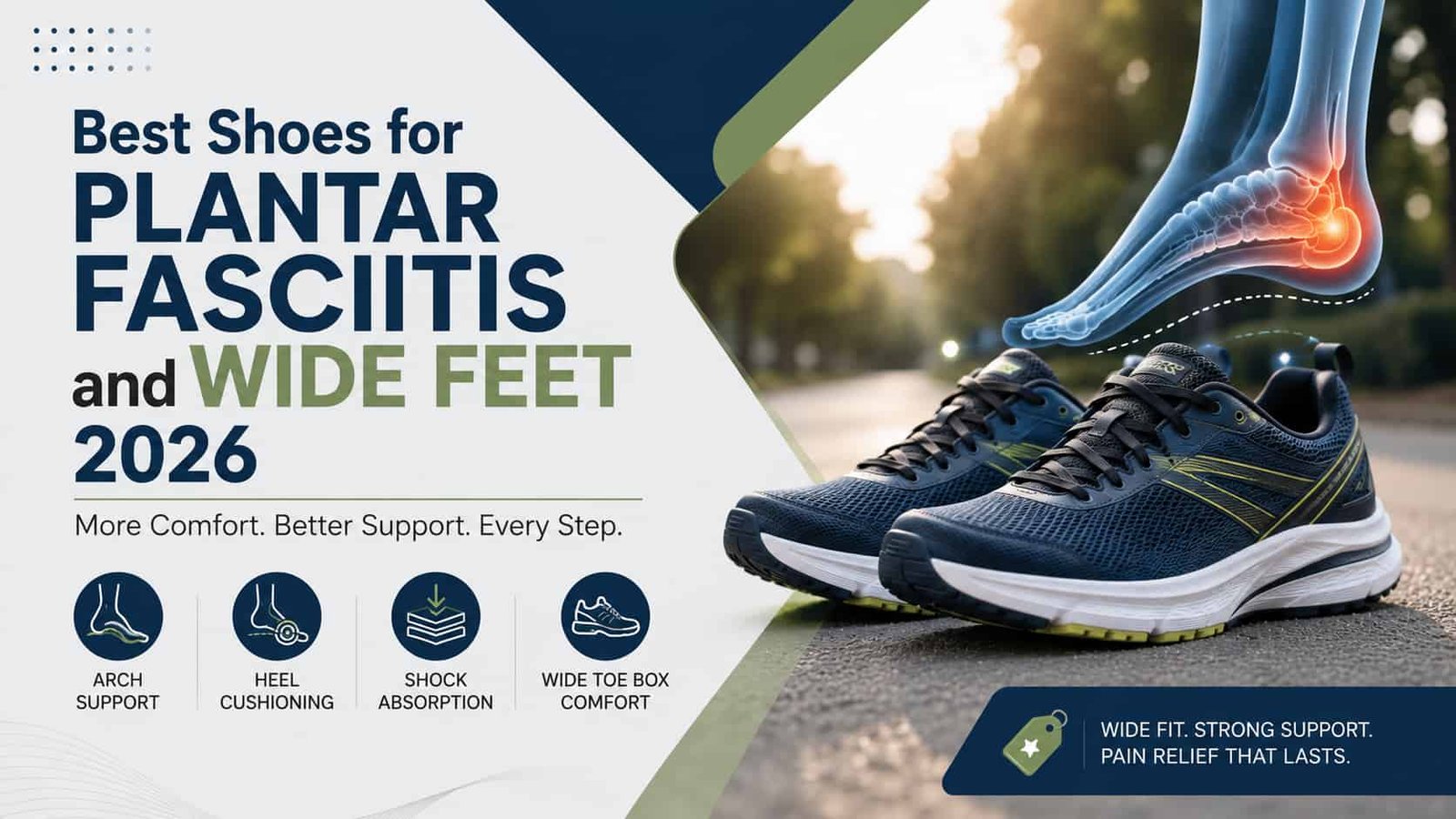
The best shoes for plantar fasciitis and wide feet combine enough forefoot and toe-box room with supportive cushioning, a stable platform, and a comfortable heel fit. The goal isn’t simply to buy the widest shoe available. A good pair should reduce pressure from a cramped fit while giving the heel and arch a consistent, comfortable base for walking or standing.
⭐ Top Picks for Wide Feet & Plantar Fasciitis
Five standout options selected for different needs, from extra-wide everyday walking to maximum cushioning and easy slip-on comfort.
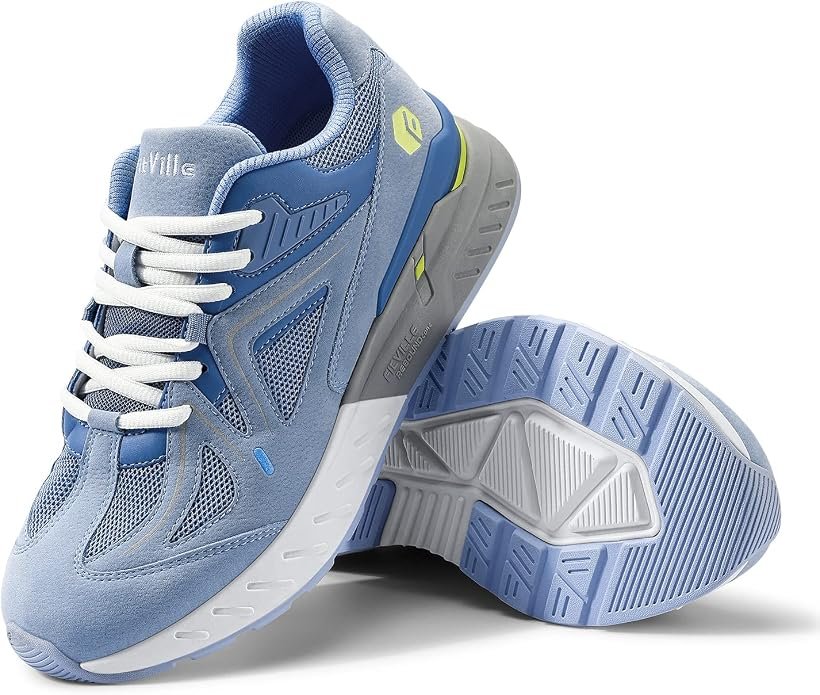
FitVille Women’s Extra Wide Walking Shoes
★ 4.0/5 · 4,841 reviewsA particularly useful choice when standard shoes feel cramped across the forefoot. The wide-toe-box and high-instep construction create more usable space while the PropelCore sole adds cushioning for long walking days.
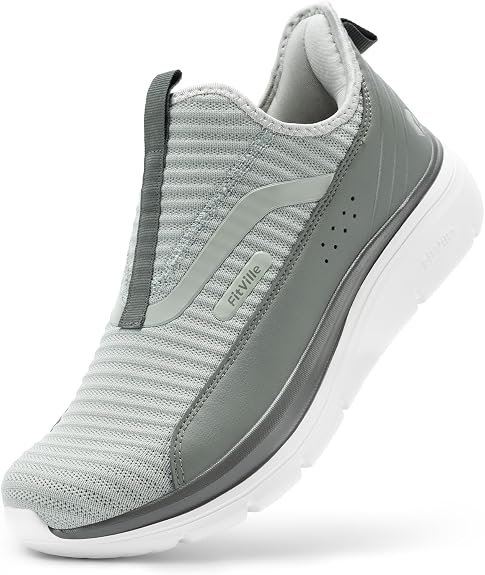
FitVille Men’s Stepease V2
★ 4.4/5 · 2,605 reviewsThe hands-free design is the main attraction here. Its stretch upper, wide platform and anatomical ArchCore insole make it convenient for men who need extra room and easy on-and-off.
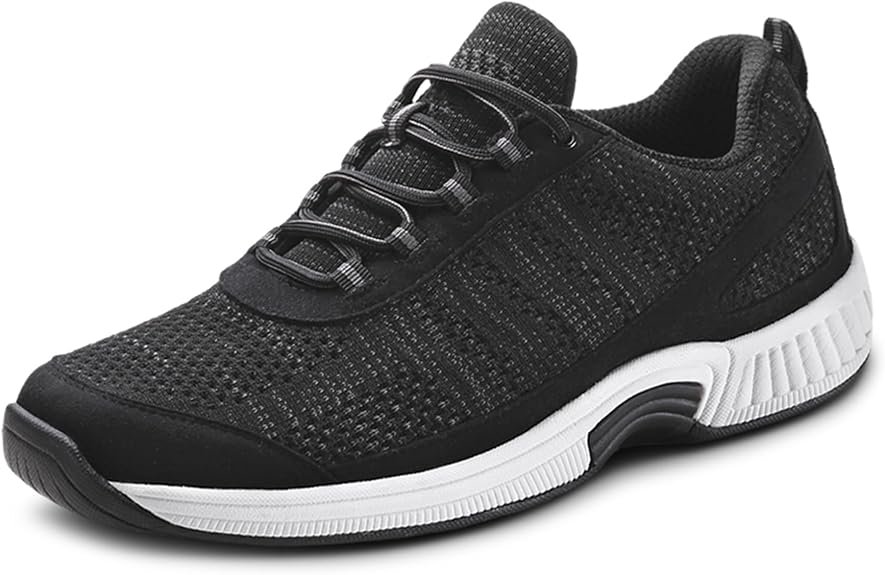
Orthofeet Lava Men’s Walking Shoes
★ 4.3/5 · 4,398 reviewsThis is the more specialized option for men who want a pressure-conscious interior. The stretch upper, seam-free interior and anatomical arch-support insole are useful when conventional footwear creates pressure points.
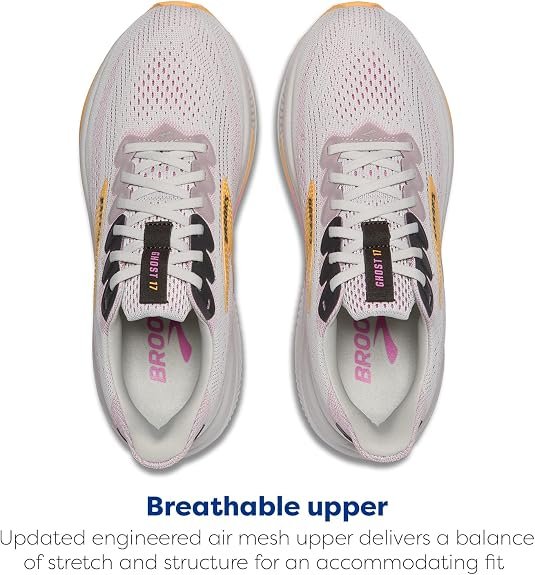
Brooks Women’s Ghost 17
★ 4.4/5 · 4,658 reviewsA good fit for women who want a traditional running-shoe feel rather than an orthopedic-looking shoe. Its DNA LOFT v3 cushioning works well for everyday walking, travel, treadmill sessions and road running.
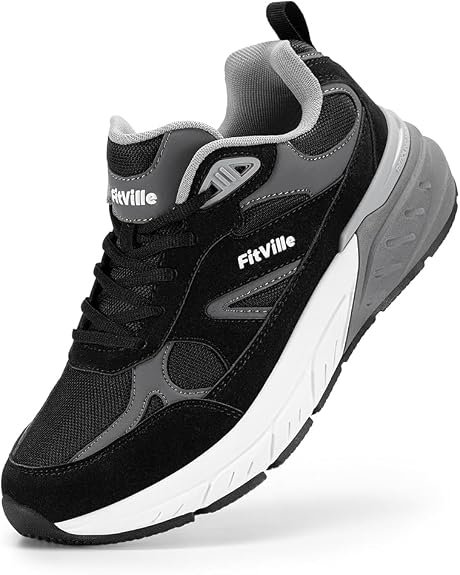
FitVille Rebound NEO V1
★ 4.3/5 · 2,103 reviewsA sensible middle-ground pick for men who want a roomy forefoot, substantial cushioning and a removable insole. It offers more structure than many inexpensive wide casual shoes.
More Recommended Wide-Fit Shoes
These additional options are worth considering if your priorities are a specific toe-box shape, slip-on convenience, adjustable fit or a lower price.
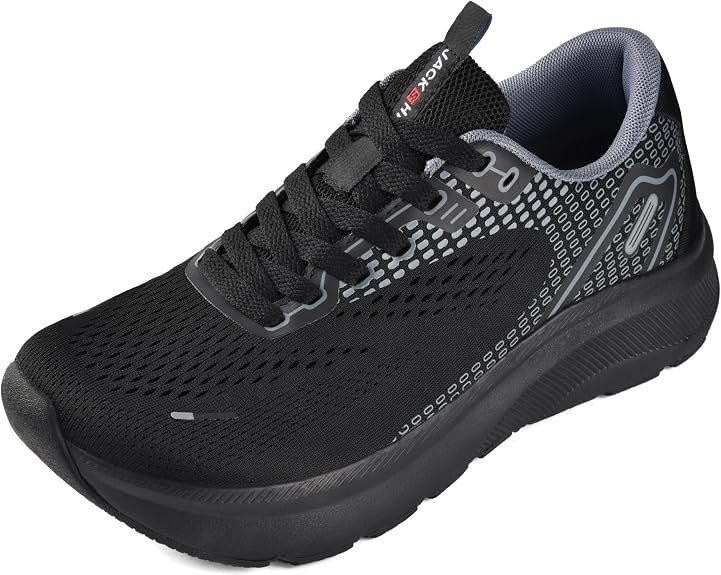
JACKSHIBO Wide Toe Box Shoes
★ 4.1/5 · 1,647 reviewsA zero-drop option with an anatomical forefoot shape for men who prefer plenty of toe freedom.
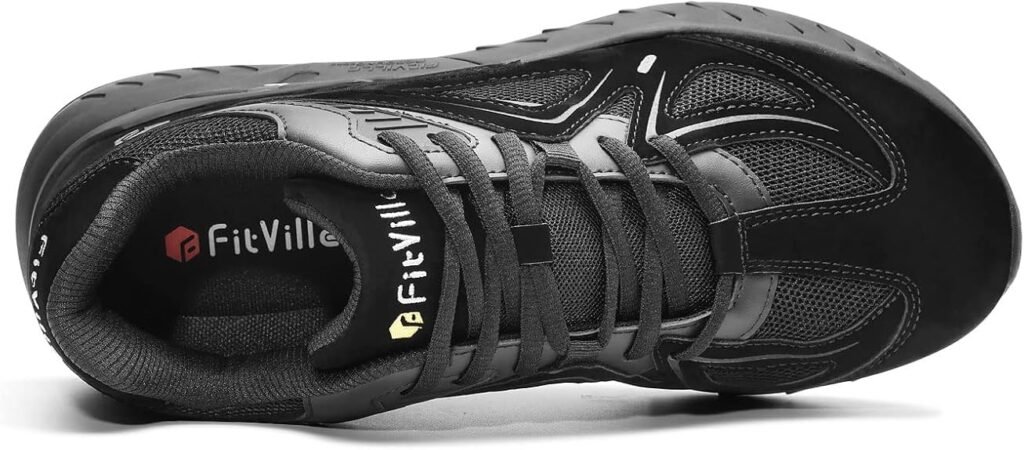
FitVille Rebound Core
★ 4.2/5 · 12,635 reviewsA long-running wide-fit option with a roomy toe box, heel shock absorption and a rigid rubber outsole.
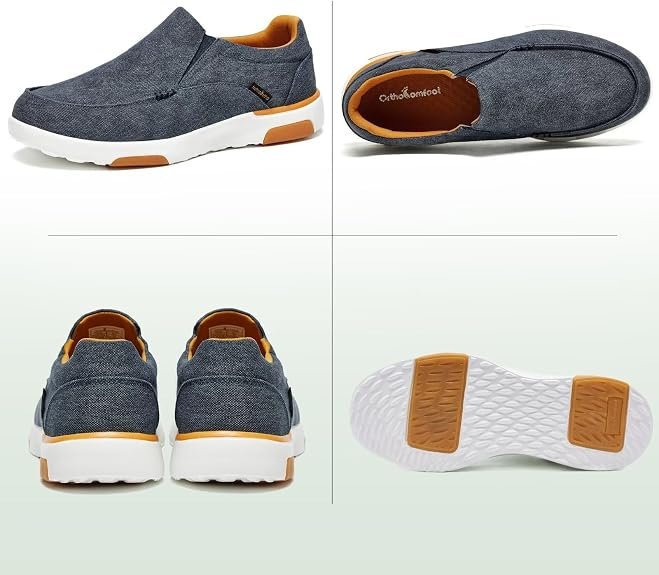
OrthoComfoot Men’s Slip-On
★ 4.2/5 · 11,254 reviewsA casual slip-on with a structured orthotic insole, metatarsal pad and EVA-rubber sole.
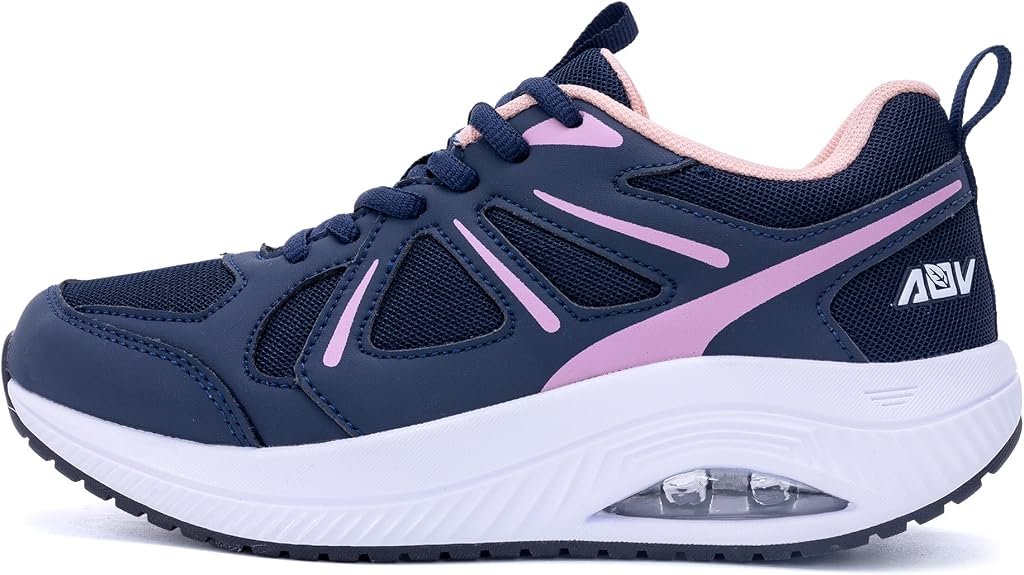
AOV Women’s Arch Support Walking Shoes
★ 4.0/5 · 1,753 reviewsA budget-friendly women’s option with a roomy toe box, removable footbed and adjustable arch pads.
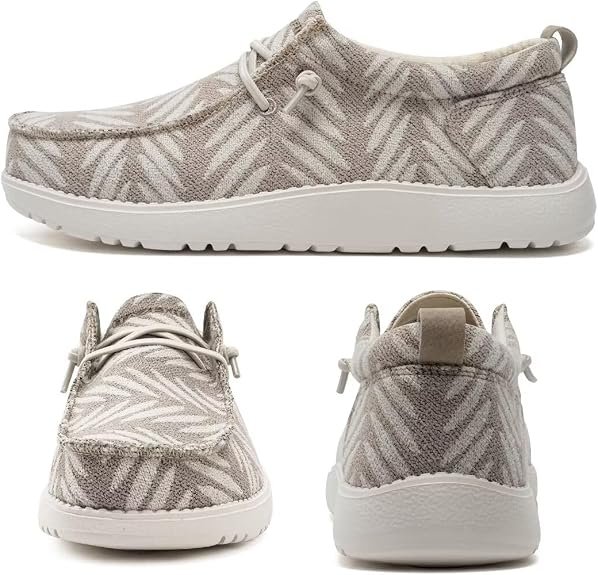
ITAZERO Women’s Wide Width Slip-On
★ 4.3/5 · 1,529 reviewsA lightweight slip-on designed around a roomy fit and lower-arch support for casual everyday walking.
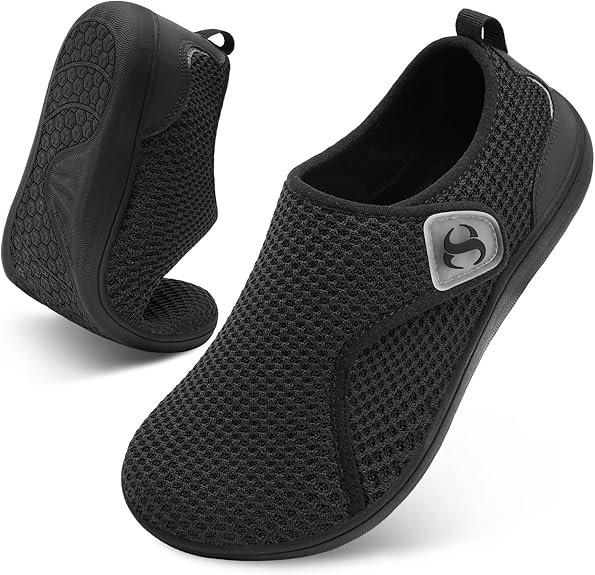
Adjustable Zero-Drop Wide Walking Shoes
★ 4.2/5 · 3,679 reviewsThe hook-and-loop closure makes this useful when foot volume changes during the day or when a conventional lace-up feels restrictive.
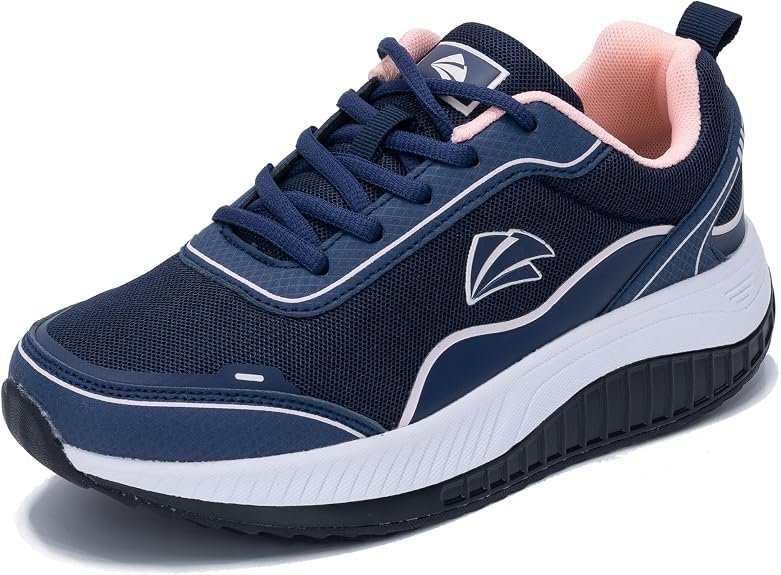
IIV Women’s Walking Shoes
★ 4.2/5 · 1,295 reviewsA lower-cost walking sneaker with removable insoles and repositionable arch pads for women who want adjustable support.
Introduction
A wide foot and plantar fasciitis create a frustrating combination: the shoe may feel comfortable around the heel but squeeze the forefoot, or it may have plenty of width but lack the cushioning and support your feet need after several hours.
Picture Sarah walking through Chicago’s Lincoln Park neighborhood. She buys a standard-width walking shoe because the length feels correct, but by the end of the afternoon her toes feel compressed and the bottom of her heel is sore. Going up another size doesn’t solve the problem because the shoe becomes too long without becoming proportionally wider.
That’s the sizing mistake this guide is designed to prevent.
For wide feet, width, interior volume, toe-box shape, and heel security have to work together. A shoe can be technically labeled “wide” and still feel restrictive if the last is narrow through the forefoot or the upper pulls across the instep.
For plantar fasciitis, cushioning is only one part of the equation. The midsole needs to provide a reasonably stable platform, while the heel and arch areas should feel supported without creating a hard pressure point.
We’ve selected men’s and women’s options ranging from premium orthopedic-style footwear to affordable walking shoes. The list includes extra-wide designs, roomy toe boxes, removable insoles, arch-support options, cushioned midsoles, and shoes suited to everyday walking.
If you want a broader list focused specifically on plantar fasciitis, see our guide to Best Shoes for Plantar Fasciitis in 2026. If width is your biggest problem, our Best Wide Width Shoes for Plantar Fasciitis guide goes deeper into width-specific choices.
What Are Shoes for Plantar Fasciitis and Wide Feet?
Shoes for plantar fasciitis and wide feet are footwear designed to provide more usable space around the forefoot while maintaining enough cushioning, support, and stability for a painful heel and arch.
The important word is “usable.”
A shoe can have a wide outsole but still feel tight because the upper slopes inward over the toes. Likewise, simply sizing up can create excess length while leaving pressure across the widest part of the foot.
For wide feet, look at the shoe’s last shape, toe-box volume, upper flexibility, and available width choices. A rounded or anatomical forefoot generally gives the toes more functional space than a tapered fashion-oriented shape.
For plantar fasciitis, look at the relationship between the heel, midsole and arch. A cushioned heel can reduce the harsh feel of repeated contact with hard surfaces, while a supportive footbed can provide a more consistent platform through the middle of the foot.
The ideal combination depends on how you walk, your arch shape, how wide your foot actually is, and whether you spend two hours or ten hours on your feet.
Why Do Wide Feet Need Different Plantar Fasciitis Shoes?
Wide feet need more than a larger shoe size because length and width aren’t interchangeable measurements.
If your foot is wide at the ball of the foot, moving from a US 9 to a US 9.5 may give you a little more internal volume, but it also moves the flex point and toe position forward. That’s why a properly sized wide or extra-wide shoe is usually a better starting point.
For someone working an eight-hour shift at a hospital in Houston, this distinction becomes even more important. Feet often feel larger later in the day, and a shoe that feels acceptable at 7 a.m. can become restrictive by 3 p.m.
Look for:
- A roomy forefoot that doesn’t squeeze the toes
- Enough depth for the top of the foot
- Cushioning that doesn’t bottom out quickly
- A stable heel platform
- An upper that doesn’t create pressure points
- A removable footbed if you use custom orthotics
- A secure heel that prevents excessive sliding
Our guide on What to Look for in Plantar Fasciitis Shoes explains these construction details in more depth.
Are Wide-Width Walking Shoes Worth It?
Yes, if the shoe’s extra width corresponds to where your foot actually needs space. A wider shoe is useful when the standard width creates pressure across the ball of the foot, toes, bunions, or instep.
The mistake is assuming “wide” automatically means better.
Some people need additional forefoot width but don’t need a very loose heel. Others need extra depth because their foot is both wide and high-volume. A shoe with a broad platform and adjustable upper can be more useful than simply going up a full size.
For example, FitVille’s wide-foot models in this guide emphasize a roomy toe box and high-instep construction. Orthofeet’s Lava goes further with a stretchable upper, wide toe box and extra-depth construction.
If you routinely feel your toes touching the sides of the shoe, see the upper bulging outward, or develop pressure at the fifth metatarsal area, your current shoe may be too narrow.
How Much Room Should a Wide Shoe Have?
Your longest toe should have roughly 3/8 to 1/2 inch of space in front of the shoe, while the widest part of your foot should sit comfortably within the shoe without being squeezed by the upper.
Don’t judge fit while sitting down.
Stand up and put your full weight on both feet. Walk several steps. Your feet spread under load, and many people need slightly more room than they expect when measured while seated.
Check these four areas:
- Toe length: Your toes shouldn’t touch the front.
- Forefoot width: The upper shouldn’t pinch the sides.
- Instep depth: The laces or upper shouldn’t create a pressure ridge.
- Heel security: Your heel should stay reasonably stable without being clamped.
For a more precise starting point, use our shoe size conversion chart and calculator before ordering.
What Should You Look for in Wide Shoes for Plantar Fasciitis?
1. Width and Toe-Box Shape
Width is the first filter, but toe-box shape determines how that width is distributed.
A good wide shoe should let the toes sit naturally instead of forcing them together. This matters particularly for people with bunions, hammertoes, swollen feet, or a naturally broad forefoot.
Look for:
- Wide or extra-wide sizing
- Rounded or anatomical toe shape
- Extra depth when needed
- Stretch or flexible upper materials
- A secure heel despite the roomy forefoot
A common mistake is choosing a wide shoe with a very soft upper but no heel structure. It may feel fantastic for 20 minutes and sloppy after several hours.
2. Midsole Cushioning
Cushioning controls how the shoe feels under repeated impact.
EVA-based foams are common because they’re lightweight and relatively easy to tune for different densities. More cushioning isn’t automatically better. An excessively soft midsole can feel comfortable initially but may lack the stable platform some walkers prefer.
For plantar fasciitis, the useful target is consistent cushioning that doesn’t collapse noticeably under your heel.
That’s one reason maximum-cushion models and structured walking shoes serve different buyers.
3. Arch and Heel Support
Arch support should match your foot rather than simply being as aggressive as possible.
A low or flexible arch may benefit from a more supportive footbed, while someone with a high arch may prefer cushioning combined with anatomical support rather than a rigid arch bump.
Heel security matters because excessive movement inside the shoe can create friction and make a wide shoe feel less stable.
If you’re considering insoles, compare them with supportive footwear in our guide to Plantar Fasciitis Insoles vs. Supportive Shoes.
4. Upper and Interior Volume
The upper is where many wide-foot shoppers discover the real difference between shoes.
A stretch mesh or fabric upper can accommodate changing foot volume better than a rigid leather upper. On the other hand, too much stretch can allow the foot to move laterally.
If your feet swell during long shifts, an adjustable or stretchable upper can be particularly useful.
For someone walking around Dallas in summer heat, breathability also matters. For someone dealing with wet Pacific Northwest weather, water resistance and outsole traction become more important.
Best Shoes for Plantar Fasciitis Wide Feet
1. FitVille Women’s Extra Wide Walking Shoes
Best for: Women with wide or high-volume feet
Amazon rating supplied: 4.0/5 from 4,841 reviews
Price supplied: $59.40
Sale shown: 15% off
Expert Take
This is one of the strongest women’s choices in the supplied lineup because it addresses the two issues together: wide-foot fit and plantar-fasciitis-oriented cushioning.
The wide-toe-box and high-instep design are particularly relevant for women whose standard shoes feel tight across the forefoot. The PropelCore sole adds cushioning, while the rubber outsole gives the shoe a more substantial walking platform.
The product also recommends ordering a half-size larger than the regular size, so buyers shouldn’t automatically assume their normal size will be the best choice.
Why It Works
The combination of a roomy forefoot, cushioning and a structured rubber outsole makes this a sensible everyday walking shoe rather than a minimalist option.
Best For
- Wide feet
- High insteps
- Everyday walking
- Plantar fasciitis
- Flat feet
- Long periods on your feet
Pros
- Roomy toe box
- High-instep design
- Strong cushioning
- Rubber outsole
- Available at a relatively accessible price
Cons
- Sizing advice means your normal size may not be ideal
- The design is more functional than fashion-focused
- Not water resistant
Verdict
Choose this if your biggest problem is finding enough room without giving up cushioning.
🛒 Check Price on Amazon2. FitVille Men’s Stepease V2
Best for: Men who want extra-wide, easy-on footwear
Amazon rating supplied: 4.4/5 from 2,605 reviews
Price supplied: $39.89
Sale shown: 13% off
Expert Take
The Stepease V2 is one of the easiest recommendations for men who need a roomy shoe but don’t want to fight with laces.
Its wide-toe and high-instep design gives the foot more space, while the stretchable upper accommodates changes in foot volume. The cushioned wide platform is particularly useful for walking and standing.
The slip-on construction is also practical for people who find bending down uncomfortable.
Why It Works
The combination of a wide platform, stretch upper, heel support and anatomical footbed gives the shoe a useful balance between room and stability.
Best For
- Extra-wide feet
- High insteps
- Everyday walking
- Standing jobs
- Easy slip-on access
Pros
- 4.4-star supplied rating
- Wide toe area
- Stretchable upper
- Slip-on construction
- Cushioned platform
- Affordable
Cons
- Slip-on fit isn’t ideal for people who need highly precise lockdown
- Not water resistant
- Maximum cushioning can feel more substantial than a traditional lightweight trainer
Verdict
This is my men’s value pick when width and convenience matter more than running performance.
🛒 Check Price on Amazon3. Orthofeet Lava
Best for: Men wanting premium orthopedic-style wide footwear
Amazon rating supplied: 4.3/5 from 4,398 reviews
Price supplied: $99.99
Sale shown: 31% off
Expert Take
The Lava is one of the more specialized options here. Its stretchable upper, wide toe box, extra-depth interior and anatomical arch support are aimed at people who struggle with pressure points as much as they struggle with heel discomfort.
Orthofeet also offers the Lava in multiple width categories, including Wide and X-Wide, with the brand’s men’s width system identifying 2E as Wide and 4E as X-Wide.
This makes it particularly interesting for genuinely wide feet rather than people who simply prefer a little extra room.
Why It Works
The important construction feature is the combination of extra depth and width. A foot can be wide and high-volume, and solving only one of those dimensions doesn’t necessarily solve the fit problem.
Best For
- Wide and extra-wide feet
- High-volume feet
- Sensitive feet
- Long walking days
- People using orthotic insoles
Pros
- Wide and extra-wide options
- Stretchable upper
- Extra-depth interior
- Anatomical arch support
- Removable orthotic design
Cons
- More expensive than the FitVille options
- Orthopedic appearance isn’t for everyone
- Stretch upper may feel less locked-in for aggressive activity
Verdict
Spend more on the Lava if conventional wide shoes still feel restrictive around your forefoot or instep.
🛒 Check Price on Amazon4. Brooks Women’s Ghost 17
Best for: Women who want a running/walking shoe with wide sizing
Amazon rating supplied: 4.4/5 from 4,658 reviews
Price supplied: $109.95
Sale shown: 27% off
Expert Take
The Ghost 17 is the strongest choice here for someone who wants a traditional performance running shoe rather than an orthopedic-looking walking shoe.
Brooks describes the Ghost 17 as a neutral shoe with balanced cushioning, a 10 mm drop and smooth transitions. Current Brooks listings also show women’s Wide and Extra Wide configurations.
The important caveat is support. This isn’t the shoe I’d choose simply because someone says they overpronate heavily. It’s a better match for someone whose primary requirements are cushioning, walking comfort and wide sizing.
Why It Works
Its nitrogen-infused DNA LOFT v3 cushioning provides a softer ride while the upper gives the shoe more structure than a basic casual sneaker.
Best For
- Walking
- Running
- Travel
- Women who dislike orthopedic-looking footwear
- Wide-foot shoppers who prefer a performance trainer
Pros
- Wide-size availability
- 10 mm drop
- Balanced cushioning
- APMA Seal of Acceptance listed by Brooks
- Good walking/running versatility
Cons
- Neutral rather than strong motion-control support
- More expensive than budget wide walking shoes
- Fit can differ between width and color/size combinations
Verdict
Choose the Ghost 17 if you want wide-foot comfort without giving up a conventional running-shoe feel.
🛒 Check Price on Amazon5. FitVille Rebound NEO V1
Best for: Men who want a wide everyday walking shoe
Amazon rating supplied: 4.3/5 from 2,103 reviews
Price supplied: $69.89
Expert Take
The Rebound NEO V1 sits between the budget FitVille models and premium orthopedic footwear.
Its wide toe box and high-instep construction are designed around forefoot room, while the PropelCore midsole and removable Ortholite insole provide cushioning and support.
The 30% increase in rubber content claimed in the supplied product information also points toward a more substantial outsole than some lightweight walking shoes.
Why It Works
The combination of a broad platform, removable insole and neutral support makes it a flexible everyday shoe.
Best For
- Wide feet
- Heel pain
- Plantar fasciitis
- Walking
- Hiking and casual activity
Pros
- Wide toe box
- High instep
- Removable insole
- Rubber outsole
- Maximum cushioning listed
Cons
- Heavier-looking construction
- Neutral support may not satisfy severe overpronation needs
- Not water resistant
Verdict
A strong middle-ground choice when you want more structure than a cheap walking sneaker but don’t want to spend premium orthopedic prices.
🛒 Check Price on Amazon6. JACKSHIBO Wide Toe Box Shoes
Best for: Men who want maximum forefoot room on a budget
Amazon rating supplied: 4.1/5 from 1,647 reviews
Price supplied: $35.99
Sale shown: 22% off
Expert Take
JACKSHIBO takes a different approach from Brooks and Orthofeet. Instead of traditional structured stability, it emphasizes a very roomy toe box, zero-drop platform, thick cushioning and a more natural-foot shape.
That can be attractive to someone who hates conventional tapered shoes. But zero-drop construction isn’t automatically the right answer for plantar fasciitis.
If you’re accustomed to a traditional 8-12 mm running-shoe drop, moving immediately to zero drop can change calf and Achilles loading. I’d transition gradually rather than wearing this for an eight-hour shift on day one.
Why It Works
The wide forefoot can reduce toe compression, while the thick midsole provides more cushioning than many minimalist-style shoes.
Best For
- Wide forefeet
- Toe freedom
- Casual walking
- Gym use
- Budget shoppers
Pros
- Very wide toe box
- Zero-drop design
- Thick cushioning
- Low price
- Versatile athletic styling
Cons
- Zero-drop isn’t ideal for every plantar-fasciitis sufferer
- Less conventional stability than Brooks
- Not water resistant
Verdict
Buy it for forefoot freedom, but don’t assume zero drop is automatically better for heel pain.
🛒 Check Price on Amazon7. FitVille Rebound Core
Best for: Men seeking a lower-cost wide walking shoe
Amazon rating supplied: 4.2/5 from 12,635 reviews
Price supplied: $69.89
Expert Take
The Rebound Core is interesting because it has one of the largest review counts in the supplied product set. Its wide toe box, high-instep design, PropelCore sole and heel-support features make it a sensible everyday walking option.
It isn’t the most technically specialized shoe in this list, but that’s part of its appeal.
Why It Works
The shoe focuses on the basics that matter most for long walking days: room, cushioning, traction and a stable heel area.
Best For
- Everyday walking
- Wide feet
- Heel discomfort
- Standing
- Casual use
Pros
- 12,000+ supplied reviews
- Wide toe box
- High instep
- Cushioned sole
- Non-slip outsole
Cons
- Moderate rather than maximum cushioning in the supplied specs
- Neutral pronation correction
- Less refined than premium running shoes
Verdict
A practical value choice for everyday walking when width matters more than high-performance running features.
🛒 Check Price on Amazon8. OrthoComfoot Men’s Slip-On
Best for: Casual wear and built-in orthotic support
Amazon rating supplied: 4.2/5 from 11,254 reviews
Price supplied: $69.99
Expert Take
OrthoComfoot is more casual than the Brooks and FitVille athletic models. Its biggest selling point is the orthotic insole, which uses a hard TPU support structure with cushioning and a metatarsal pad.
The slip-on design is convenient, but the fit is less customizable than a properly laced walking shoe.
Why It Works
The combination of a supportive insole and EVA/rubber outsole provides a more structured feel than a basic canvas loafer.
Best For
- Casual walking
- Home-to-office wear
- Arch support
- People who prefer slip-ons
Pros
- Strong supplied review volume
- Orthotic insole
- TPU arch structure
- Memory foam cushioning
- Lightweight slip-on design
Cons
- Less athletic than the running/walking options
- Canvas isn’t ideal for wet conditions
- Slip-on fit offers less lockdown
Verdict
Choose this for casual daily use, not as your first choice for serious walking or running.
🛒 Check Price on Amazon9. AOV Women’s Arch Support Walking Shoes
Best for: Budget-conscious women
Amazon rating supplied: 4.0/5 from 1,753 reviews
Price supplied: $56.98
Expert Take
AOV is a budget-oriented women’s option that focuses on a wide toe box, built-in arch support and cushioning.
The removable or repositionable support components give buyers some flexibility, which is useful when standard fixed footbeds don’t line up with the arch.
Why It Works
The combination of a roomy forefoot, cushioning and adjustable support is useful for people who need more space without spending $100 or more.
Pros
- Wide toe box
- Built-in arch support
- Removable/repositionable support components
- Slip-resistant outsole
- Good price
Cons
- 4.0-star supplied rating is lower than some alternatives
- Less established construction than Brooks
- Not water resistant
Verdict
A reasonable budget choice when wide fit and basic arch support are the priority.
🛒 Check Price on Amazon10. ITAZERO Women’s Wide Width Slip-On
Best for: Lightweight everyday use
Amazon rating supplied: 4.3/5 from 1,529 reviews
Price supplied: $45.99
Expert Take
ITAZERO is aimed at shoppers who value a lightweight slip-on more than a rigid stability platform.
The elastic upper and low-weight construction can be comfortable for long casual days, while the built-in arch support adds structure that many inexpensive slip-ons lack.
Pros
- Wide design
- Lightweight
- Slip-on convenience
- Arch support
- Low price
Cons
- Moderate rather than maximum cushioning
- Less secure than a lace-up for active walking
- Not water resistant
Verdict
A good low-cost option for casual walking, errands and lighter daily use.
🛒 Check Price on Amazon11. Adjustable Zero-Drop Wide Walking Shoes
Best for: Women needing adjustable forefoot volume
Amazon rating supplied: 4.2/5 from 3,679 reviews
Price supplied: $23.74
Sale shown: 36% off
Expert Take
This is the specialist budget option in the group. The hook-and-loop closure makes it easier to adjust the fit when foot volume changes during the day.
It’s particularly interesting for shoppers who need a very accommodating upper, but the zero-drop construction deserves caution if you’re not accustomed to minimalist-style footwear.
Pros
- Adjustable closure
- Wide toe design
- Very low price
- Lightweight
- Slip-resistant outsole
Cons
- Zero drop isn’t suitable for everyone
- Less cushioning than the premium picks
- Not water resistant
Verdict
Choose this for adjustability and price rather than maximum plantar-fasciitis cushioning.
🛒 Check Price on Amazon12. IIV Women’s Walking Shoes
Best for: Low-cost cushioned walking
Amazon rating supplied: 4.2/5 from 1,295 reviews
Price supplied: $27.99
Sale shown: 50% off
Expert Take
IIV is the budget play. The removable insole and adhesive-backed arch pads provide more adjustability than the price suggests.
The main reason I wouldn’t rank it above FitVille or Brooks is that inexpensive cushioning and support components generally don’t provide the same level of long-term refinement as higher-end footwear.
Pros
- Very low sale price
- Removable insole
- Adjustable arch pads
- Rubber outsole
- Moderate cushioning
Cons
- Less premium construction
- Limited evidence from the supplied data about long-term durability
- Not water resistant
Verdict
A sensible trial pair if your budget is tight, but I’d spend more for frequent long-distance walking.
🛒 Check Price on AmazonWhich Wide Shoes Should You Buy?
Best Shoes for Plantar Fasciitis and Wide Feet: Comparison
Compare the top men’s and women’s wide-foot options by price, rating, cushioning, width-friendly design, and intended use before choosing your pair.
| Product | Price | Rating | Key Feature | Width / Fit | Best For | Reviews |
|---|---|---|---|---|---|---|
|
FitVille Women’s Extra Wide Walking Shoes
WOMEN
|
$59.40
SAVE 15% |
4.0/5 ★★★★☆ | PropelCore cushioning, wide toe box, high instep, non-slip outsole |
Extra wide Wide toe box High instep | Wide feet, plantar fasciitis, flat feet, bunions | 4,841 |
|
JACKSHIBO Wide Toe Box Shoes
MEN
|
$35.99
SAVE 22% |
4.1/5 ★★★★☆ | Zero-drop platform, wide toe box, thick cushioned midsole, arch support |
Wide toe box 20% wider forefoot Zero drop | Wide feet, standing, walking, gym | 1,647 |
|
FitVille Men’s Stepease V2
MEN
|
$39.89
SAVE 13% |
4.4/5 ★★★★★ | Hands-free slip-on, wide platform, ArchCore insole, stretch upper |
Extra wide Wide toe box High instep | Men needing easy-on shoes and wide fit | 2,605 |
|
FitVille Men’s Rebound NEO V1
MEN
| $69.89 |
4.3/5 ★★★★☆ | PropelCore sole, Ortholite insole, wide toe box, rubber traction |
Extra wide Wide toe box High instep | Heel pain, plantar fasciitis, all-day walking | 2,103 |
|
Orthofeet Lava Men’s Walking Shoes
PREMIUM
|
$99.99
SAVE 31% |
4.3/5 ★★★★☆ | Seam-free interior, anatomical arch support, padded cushioning, stretch upper |
Wide toe box Extra-depth design | Sensitive feet, wide feet, heel pain | 4,398 |
|
Skechers GO WALK Arch Fit
MEN
| $69.99 |
4.5/5 ★★★★★ | Arch Fit insole, ULTRA GO cushioning, removable insole, traction outsole |
X-Wide listing Roomier fit | Walking, everyday comfort, arch support | 11,859 |
|
FitVille Men’s Rebound Core
MEN
| $69.89 |
4.2/5 ★★★★☆ | Wide toe box, PropelCore sole, heel ring, non-slip outsole |
Extra wide High instep | Flat feet, heel pain, wide feet | 12,635 |
|
OrthoComfoot Men’s Orthopedic Slip-On
MEN
| $69.99 |
4.2/5 ★★★★☆ | TPU orthotic insole, metatarsal pad, memory foam, EVA outsole |
Roomy slip-on Check individual sizing | Casual wear, heel pain, arch support | 11,254 |
|
AOV Women’s Arch Support Walking Shoes
WOMEN
| $56.98 |
4.0/5 ★★★★☆ | Wide toe box, built-in arch support, removable insole, slip-resistant outsole |
Wide width Roomy toe box | Nurses, teachers, retail workers, standing | 1,753 |
|
Women’s Wide Zero-Drop Walking Shoes
WOMEN
|
$23.74
SAVE 36% |
4.2/5 ★★★★☆ | Adjustable closure, zero drop, stretchy knit upper, slip-resistant sole |
Wide toe design Adjustable fit Zero drop | Budget shoppers, swollen feet, adjustable fit | 3,679 |
|
Brooks Women’s Ghost 17
PREMIUM
|
$109.95
SAVE 27% |
4.4/5 ★★★★★ | DNA LOFT v3, APMA Seal of Acceptance, PDAC A5500, smooth transitions |
Available in wide options Check current listing | Walking, running, premium cushioning | 4,658 |
Are More Expensive Wide Shoes Actually Better?
Not always. A $100-plus shoe can have better materials, more refined cushioning and more sophisticated fit options, but a $40 FitVille can be the better purchase if its shape matches your foot.
The bigger difference is often fit specialization.
Orthofeet Lava is worth considering when extra depth, wide sizing and orthotic compatibility are the main problems. Brooks Ghost 17 makes more sense when you want a conventional running shoe. FitVille becomes attractive when you want a roomy walking shoe without spending premium prices.
For an office worker in New York who walks a mile to the subway, the best shoe may be different from the best shoe for a nurse working a 12-hour shift in Phoenix.
What About Wide Feet and Flat Feet?
Wide feet and flat feet often overlap, but they’re separate fitting characteristics.
A person can have a wide foot with a high arch. Another can have a narrow heel, wide forefoot and low arch. That’s why simply buying an extra-wide shoe isn’t enough.
If flat feet are part of your problem, compare this guide with our article on Best Shoes for Plantar Fasciitis and Flat Feet.
Look for a shoe that gives you:
- Enough forefoot room
- A stable heel
- Appropriate arch support
- Consistent cushioning
- A footbed that doesn’t create a painful pressure ridge
How Should You Break In Plantar Fasciitis Shoes?
Don’t wear a new pair for an entire workday immediately.
Start with 30-60 minutes at home. Check for pressure around the toes, heel counter, arch and instep. Increase wear time gradually if everything feels comfortable.
A shoe that causes rubbing on day one shouldn’t be “broken in” through severe pain. Material may soften, but a fundamentally wrong width won’t become the correct width.
For someone working in a Chicago hospital or walking around Seattle, test the shoes indoors first so you can identify fit problems before committing to a full day.
When Should You Replace Wide Walking Shoes?
Replace them when the cushioning, outsole or upper has visibly deteriorated or when the shoe no longer feels as stable and supportive as it did originally.
Watch for:
- A visibly compressed heel
- Uneven outsole wear
- Midsole creasing with permanent compression
- Heel movement that wasn’t present when new
- New pressure points
- Reduced cushioning
- A stretched upper that no longer holds your foot securely
Don’t judge replacement only by mileage. Someone working retail for 10 hours a day may wear a walking shoe differently from someone using the same pair for two weekend walks.
Does a Bigger Size Fix Wide Feet?
Usually not. Going longer doesn’t necessarily give your foot the width it needs, and an oversized shoe can cause heel movement.
If your length is correct but your forefoot is squeezed, try a wide or extra-wide width first. If the foot is both broad and high-volume, look for extra depth as well.
Always measure both feet while standing and use the larger foot when choosing your starting size.
Can I Use Orthotics in These Shoes?
Some of them are better suited to orthotics than others.
A removable insole is useful because it gives you the option of replacing the stock footbed with a prescribed or aftermarket orthotic. Models such as the FitVille Rebound NEO V1 and several Orthofeet designs are particularly interesting for this reason.
Check the thickness of your orthotic before buying. A shoe that fits perfectly with its original insole may become too tight when a thick custom insert is added.
Are Zero-Drop Shoes Good for Plantar Fasciitis?
Not automatically. Zero-drop shoes can provide a natural-foot feel, but changing suddenly from a traditional raised heel to zero drop can alter how your ankle, calf and foot work.
JACKSHIBO and the adjustable women’s zero-drop option in this guide should therefore be considered based on your current footwear and tolerance rather than as a universal plantar-fasciitis solution.
If you’re already accustomed to zero-drop shoes, the transition is less of a concern.
What Is Better: Cushioning or Arch Support?
Neither wins by itself. Plantar fasciitis footwear generally works best when cushioning and support are appropriate for the wearer’s foot and activity.
A highly cushioned shoe with poor fit can still create pressure. A strongly supportive shoe with a painful arch bump can be equally problematic.
Think of the shoe as a system: width + heel fit + cushioning + support + flexibility.
Which Shoes Are Best for Standing All Day?
For long standing, I’d prioritize the FitVille Stepease V2, Orthofeet Lava, FitVille Women’s Extra Wide and FitVille Rebound Core from this list.
The reason is simple: all-day standing rewards stable platforms, comfortable cushioning and enough interior room for feet that naturally become more swollen during the day.
For a teacher in Boston or a retail worker in Los Angeles, comfort at hour eight matters more than how the shoe feels during the first ten minutes.
Which Are the Best Wide Shoes for Running?
Among the supplied products, the Brooks Ghost 17 is the most obvious running-oriented choice.
It’s designed as a road-running shoe with balanced cushioning and smooth transitions rather than as a dedicated orthopedic walking shoe.
For someone whose main goal is running and who also needs more width, it’s a more natural choice than a heavy walking shoe.
Are Slip-On Shoes Good for Wide Feet?
They can be excellent when the upper is stretchy and the shoe provides enough structure around the heel.
The problem is that slip-ons don’t allow the same degree of fit adjustment as laces. If your foot is wide but your heel is narrow, a lace-up shoe may hold the rearfoot more securely.
FitVille Stepease V2 is the strongest slip-on choice in this list because its design specifically combines a wide platform with a stretchable upper.
Expert Fit Tips Before You Buy
Measure at the end of the day
Feet can expand after hours of standing and walking. Measuring later in the day gives you a better idea of the volume your shoe needs during real use.
Wear your normal socks
If you normally wear thick athletic socks, don’t measure or test shoes in thin dress socks.
Measure both feet
Small differences between left and right feet are common. Fit the larger foot.
Don’t ignore width markings
In U.S. men’s sizing, width letters differ from women’s conventions. Orthofeet, for example, lists men’s D as Medium, 2E as Wide, 4E as X-Wide and 6E as XX-Wide.
Check the heel
A roomy toe box shouldn’t mean a loose heel. Your heel should stay reasonably planted as you walk.
Test stairs and turns
Walk, turn, climb stairs and stand still. These movements reveal whether the foot is sliding inside the shoe.
Give your feet time to adapt
Especially when changing heel-to-toe drop or moving to a different support geometry, increase wear gradually.
Final Verdict: Which Wide Plantar Fasciitis Shoe Is Best?
If you want the best overall women’s wide-foot choice, start with the FitVille Women’s Extra Wide Walking Shoes. They’re focused directly on wide feet, high insteps and cushioning at a much lower price than premium orthopedic footwear.
If you’re a man who needs extra width and easy entry, the FitVille Stepease V2 is the standout value.
If you want premium men’s wide-foot support and extra depth, choose the Orthofeet Lava.
If you’re a woman who wants a proper running and walking shoe, rather than an orthopedic-style shoe, the Brooks Ghost 17 is the strongest choice.
If your priority is maximum forefoot freedom at a low price, consider JACKSHIBO, but be cautious with zero-drop footwear if you’re not already accustomed to it.
If you need a middle-ground men’s walking shoe, the FitVille Rebound NEO V1 is a strong option.
And if your budget is the deciding factor, the AOV, ITAZERO and IIV options provide inexpensive ways to test different wide-foot constructions before spending more.
The most important point is this: don’t buy a shoe just because it says “wide.” Check where the width occurs, how much depth the shoe provides, how your heel is held, and whether the cushioning remains comfortable after hours rather than minutes.
If your plantar-fasciitis symptoms persist, worsen, or significantly limit your activity, footwear alone may not address the underlying problem. A podiatrist or other qualified healthcare professional can help determine whether you need a different treatment approach or custom orthotic.
Affiliate Disclosure: Urban Style Footwear may earn a commission when you purchase through qualifying Amazon links. This doesn’t affect the price you pay or how we select the products featured in this guide. Prices, discounts, ratings, availability and product configurations can change on Amazon.