
Hiking Boots or Hiking Shoes? How to Choose by Load, Terrain and Ankles

Quick answer: REI says longer treks, rugged ground and heavier packs call for boots, while shorter, moderate hikes suit hiking shoes and faster trips suit trail runners. CleverHiker estimates about 1,000, 750 and 500 trail miles of life for boots, shoes and trail runners. Several outlets say a taller boot does not reliably prevent sprains.
You also get a decision table, the outlets’ disagreements and six models that show the range.
Six Models That Show the Boots vs Shoes Range
These six models show the choice in practice: boots on the left of the range, shoes and trail-runner styles on the right. Tap a photo or the button to see the model on Amazon. Each card explains which side of the choice it represents.
| Boot | Best for | Price category | Named by | Buy |
|---|---|---|---|---|
 Salomon Quest 5 GTX | Boot: heavy packs | Premium | Treeline Review, OutdoorGearLab | Check on Amazon |
 Salomon X Ultra 5 Mid GTX | Light mid-cut boot | Mid-range | Treeline Review, CleverHiker | Check on Amazon |
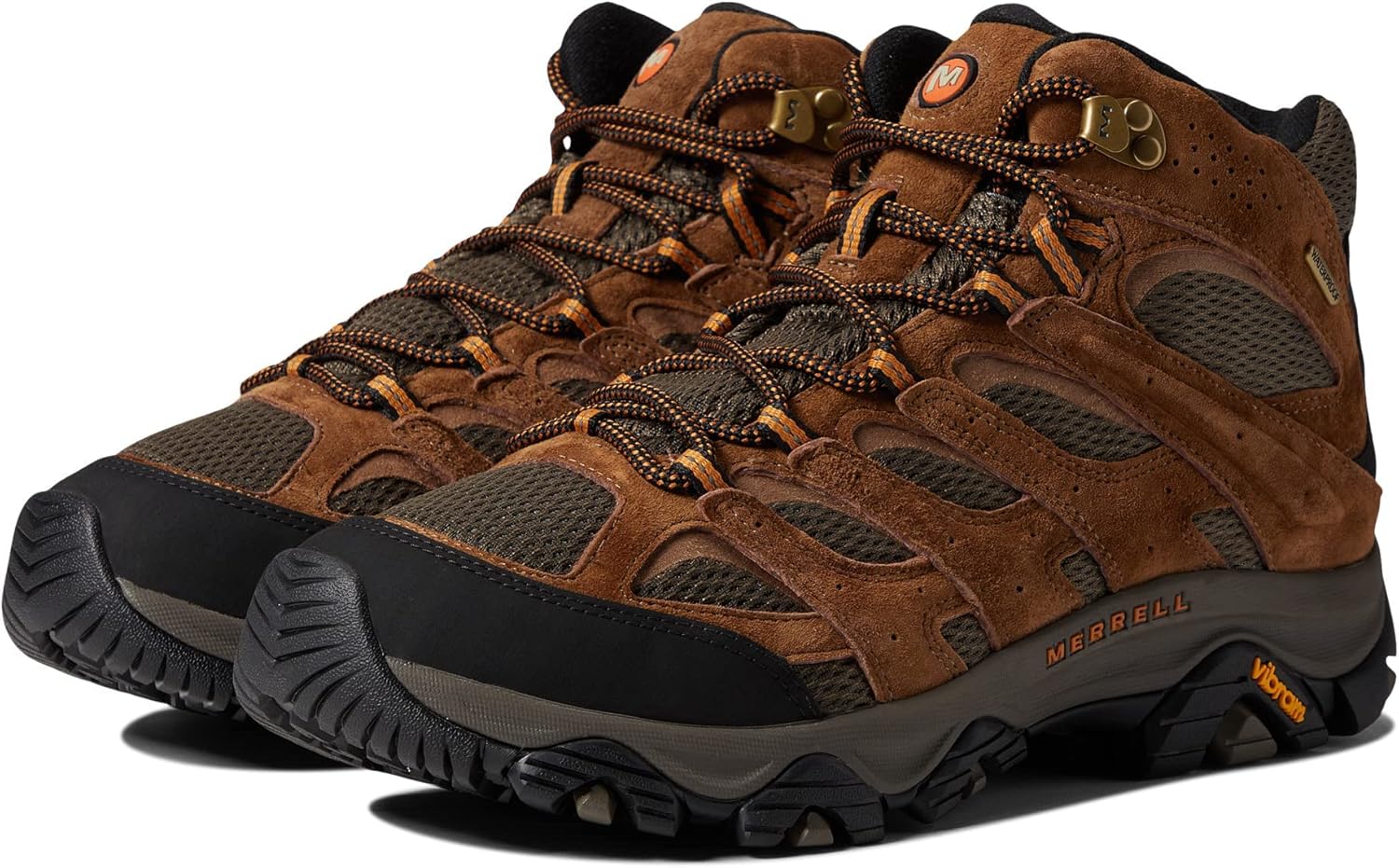 Merrell Moab 3 Mid Waterproof | Budget boot | Budget | Treeline Review, CleverHiker | Check on Amazon |
 Merrell Moab 3 (Low) | Budget shoe | Budget | CleverHiker, Treeline Review | Check on Amazon |
 HOKA Anacapa 2 Low GTX | Cushioned waterproof shoe | Mid-range | Treeline Review, CleverHiker | Check on Amazon |
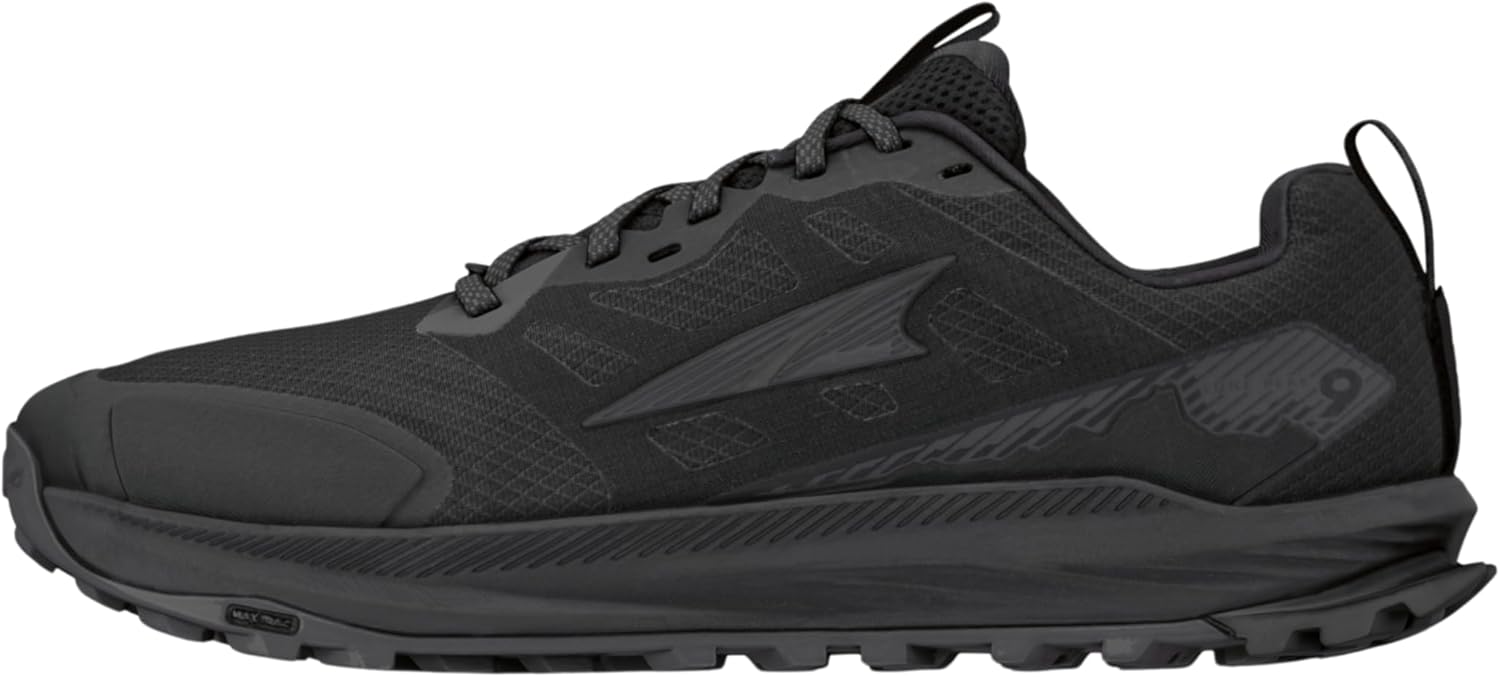 Altra Lone Peak 9 | Light trail-runner style | Budget | CleverHiker, Switchback Travel | Check on Amazon |
Price category reflects current US listings: budget is roughly under $150, mid-range roughly $150 to $200, premium above $200. Prices change, so confirm on the product page.

Hiking Boots vs Hiking Shoes vs Trail Runners
Every outlet draws the line a little differently, so here is what REI, CleverHiker and Gear Patrol each say side by side.
| Factor | Hiking boots | Hiking shoes | Trail runners |
|---|---|---|---|
| Cut height | Mid to high, often above the ankle (REI) | At or below the ankle (REI) | Low-cut (REI) |
| Ankle support | Most (REI, CleverHiker) | Less, no boot-style support (CleverHiker) | Least (CleverHiker) |
| Weight | Heaviest (CleverHiker) | Middle ground (CleverHiker) | Lightest (CleverHiker) |
| Water protection | Strongest, many dry slowly (CleverHiker) | Many waterproof, good for light rain (CleverHiker) | Most non-waterproof, dry quickly (CleverHiker) |
| Break-in | Requires it (REI) | Flexible models generally need none (REI) | Generally none (REI) |
| Durability estimate | About 1,000 trail miles (CleverHiker) | About 750 trail miles (CleverHiker) | About 500 trail miles (CleverHiker, REI) |
| Best for | Longer treks, rugged terrain, heavier loads (REI) | Day hikes, light to moderate terrain (REI) | Faster hikes, fastpacking, thru-hiking (REI) |
CleverHiker presents its mileage estimates as general observations and cites no test data, and REI says its article rests on expert opinion rather than data.
Which Should You Buy? (and Who Should Skip Each)
| Your situation | Lean toward | What the sources say |
|---|---|---|
| Heavy pack or backpacking | Boots | REI says boots suit heavier loads, and Gear Patrol says boots suit heavy loads on rugged terrain. |
| Off-trail or rugged ground | Boots | CleverHiker says choose boots for off-trail travel or maximum support. |
| Day hikes on maintained trails | Hiking shoes | REI says day hikes and light to moderate terrain suit hiking shoes. |
| Wet spring and fall days | Waterproof hiking shoes | CleverHiker says durable waterproof shoes suit wet spring and fall weather. |
| Big miles and low weight | Trail runners | REI and CleverHiker say thru-hikers favor them for long distances. |
| Sensitive ankles or past injuries | Boots, then ask a clinician | Gear Patrol advises against low-profile shoes in that case. |
| Beginners with a pack | Boots | REI says boots give stability for beginners carrying packs. |
Who should skip each type
| Type | Skip it if | Because |
|---|---|---|
| Hiking boots | You hike fast on easy trails or in heat | REI and CleverHiker call them heavier and bulkier, and they dry slowly |
| Hiking boots | You want zero break-in | REI says they require break-in time |
| Hiking shoes | You carry heavy loads | REI says shoes are not built for heavy packs |
| Hiking shoes | You want boot-level ankle support | CleverHiker says less ankle support than boots |
| Trail runners | You want durability | REI says they typically break down after roughly 500 miles |
| Trail runners | You hike slowly with a pack | REI says traction can drop at slower paces |
Do Boots Really Protect Your Ankles?
The biggest reason people choose boots is ankle support, so it is worth checking what the sources actually claim.
| Source | What it says |
|---|---|
| REI | Credits boots with ankle protection and stability, especially with a heavy pack, and notes that high-top trail runners can offer more ankle protection. |
| Gear Patrol | Says shoes give less ankle protection and advises against low-profile shoes with sensitive ankles or past injuries. |
| Switchback Travel | Says boots do not reliably prevent sprains because collars are not braces and stability comes mainly from the platform. |
| Treeline Review | Says a higher-cut boot may feel more secure on rough trails but will not automatically keep you from rolling an ankle. |
| SectionHiker | The author found no research supporting the idea and suggests lower, softer shoes can give better feedback about the terrain. |
General advice from us: treat ankle height as one factor, not a guarantee. If you have a history of ankle injuries, ask a clinician or physical therapist. See our hiking boots with ankle support guide for the boots outlets name for stability.
How Much Heavier Are Boots?
Outlets also weigh the same model in different heights. These figures come from the outlets, each of which weighs its own test pair, so treat the gap as a rough guide rather than a measurement.
| Model | Low-cut weight | Mid-cut weight | Source |
|---|---|---|---|
| Salomon X Ultra 5 GTX | 1 lb 10.8 oz (Treeline Review), 1 lb 11 oz (CleverHiker) | 1 lb 14.4 oz (Treeline Review), 1 lb 15 oz (CleverHiker) | Treeline Review, CleverHiker |
| HOKA Anacapa 2 GTX | 1 lb 14.7 oz (Treeline Review), 1 lb 14.6 oz (CleverHiker) | 2 lb 4 oz (CleverHiker) | Treeline Review, CleverHiker |
Our arithmetic from those figures: the mid versions run roughly 4 oz heavier for the X Ultra 5 and about 5 oz heavier for the Anacapa 2 per CleverHiker. CleverHiker says heavier footwear means you expend more energy per step, but it presents that as a general observation and cites no studies, and REI says it cites no fatigue data either.
Models From Each Part of the Range
One model from each part of the range, with what the outlets say about it.
Salomon Quest 5 GTX
Best for: the boot side of the choice: heavy packs and rough ground
Salomon Quest 5 GTX
Price category: Premium
A GORE-TEX backpacking boot from Salomon.
Check it on AmazonTreeline Review lists it at 2 lb 9.3 oz as stable without feeling stiff, and OutdoorGearLab gives it its Best Ankle Support pick. REI says boots suit heavier loads and rugged terrain.
What this means for you: if your trips look like the boot column of the table, this is a reference point.
Fit and sizing: Treeline Review says the toe box runs narrow.
Men’s and women’s versions: Separate women’s model, the Quest Echo, covered in our best hiking boots for women guide.
Watch for: OutdoorGearLab calls it overkill for casual hikes and warm.
Skip it if: you stick to day hikes on groomed trails.
Salomon X Ultra 5 Mid GTX
Best for: a light mid-cut that sits between the two camps
Salomon X Ultra 5 Mid GTX
Price category: Mid-range
A lightweight GORE-TEX mid hiking boot from Salomon.
Check it on AmazonTreeline Review lists it at 1 lb 14.4 oz with solid lateral stability for a lightweight boot but less ankle support than heavier boots. CleverHiker lists the mid at 1 lb 15 oz.
What this means for you: a way to get a bit of collar without boot weight.
Fit and sizing: Sources disagree on sizing, so try before you buy.
Watch for: Treeline Review and CleverHiker both note less ankle support than heavier boots.
Skip it if: you carry heavy loads.
Merrell Moab 3 Mid Waterproof
Best for: a budget boot to compare with the low-cut Moab
Merrell Moab 3 Mid Waterproof
Price category: Budget
A leather and mesh waterproof mid hiking boot from Merrell.
Check it on AmazonTreeline Review lists it at 2 lb 2.9 oz and does not recommend it for heavy loads or long hauls because it offers less rigidity and cushioning. CleverHiker lists it at 2 lb 4 oz and calls it bulky.
What this means for you: the mid version of the same family as the low-cut Moab 3 below.
Watch for: Treeline Review and CleverHiker both note bulk and limited rigidity.
Skip it if: you carry heavy loads.
Merrell Moab 3 (Low, Men’s)
Best for: the low-cut side of the same budget family
Merrell Moab 3 (Low, Men’s)
Price category: Budget
A leather and mesh low hiking shoe from Merrell.
Check it on AmazonCleverHiker names it Best Budget Hiking Shoes at 1 lb 9 oz, citing value, comfort and little break-in. Treeline Review names the GORE-TEX low version Best Budget.
What this means for you: a low-cut alternative to the mid boot above.
Men’s and women’s versions: A waterproof version is also sold.
Watch for: CleverHiker says it is heavier and less flexible than trail runners and the standard version is not waterproof.
Skip it if: you want maximum ankle height.
HOKA Anacapa 2 Low GTX (Men’s)
Best for: a cushioned waterproof hiking shoe
HOKA Anacapa 2 Low GTX (Men’s)
Price category: Mid-range
A cushioned GORE-TEX low hiking shoe from HOKA.
Check it on AmazonTreeline Review lists it at 1 lb 14.7 oz and names it Most Comfortable. CleverHiker lists the Mid GTX at 2 lb 4 oz while its shoes guide lists the low at 1 lb 14.6 oz.
What this means for you: a matched-model look at low versus mid, with the caveat that outlets weigh different pairs.
Fit and sizing: Treeline Review says slightly narrow.
Men’s and women’s versions: Separate women’s shoes are covered in our best hiking shoes for women guide.
Watch for: Treeline Review lists the price and bulk that takes getting used to.
Skip it if: you want a minimal shoe.
Altra Lone Peak 9 (Men’s)
Best for: the light, trail-runner-style end of the range
Altra Lone Peak 9 (Men’s)
Price category: Budget
A zero-drop trail hiking shoe from Altra.
Check it on AmazonCleverHiker lists it at 1 lb 6.4 oz with a roomy toe box and rock plate, while Switchback Travel says its structure wears faster than more rigid shoes.
What this means for you: a reference for the lightest, most flexible choice, which REI says suits faster hikes.
Fit and sizing: Switchback Travel says roomy and suited to wide feet.
Watch for: CleverHiker says it is less durable and not weather resistant. Switchback Travel notes little arch support.
Skip it if: you carry heavy loads.
Our Footwear Evaluation Framework
We score each footwear type on five questions using only what the named outlets published.
- Support. Ankle and underfoot stability.
- Weight. How heavy it feels over a day.
- Weather. Waterproofing and drying.
- Durability. Estimated lifespan.
- Break-in and fit. Comfort out of the box.
| Type | Support | Weight | Weather | Durability | Break-in |
|---|---|---|---|---|---|
| Hiking boots | Highest | Heaviest | Strongest, slow to dry | About 1,000 miles | Required |
| Hiking shoes | Moderate | Middle | Many waterproof | About 750 miles | Often none |
| Trail runners | Lowest | Lightest | Mostly not waterproof, quick drying | About 500 miles | Generally none |
The scores restate what REI, CleverHiker and Gear Patrol wrote. They are not measurements.
How to Choose Between Boots and Shoes
- Start with load and terrain. REI says longer treks, rugged ground and heavier packs call for boots, while shorter, moderate hikes suit shoes.
- Prioritize fit over category. Gear Patrol stresses that fit matters more than marketing.
- Try more than one type. CleverHiker and Gear Patrol both suggest trying different types to see what works.
- Consider a middle option. Light mid-cut boots and waterproof hiking shoes sit between the extremes. See our best lightweight hiking boots for men guide.
- Check the product guides. See our best hiking shoes for men, best hiking shoes for women and best hiking boots guide for named picks.
Where the Expert Reviews Disagree
Do shoes match boots on waterproofing? Gear Patrol says shoes have the same waterproofing and durability as boots, while CleverHiker says shoes are not as dry in wet conditions as a high-collar boot and estimates lower mileage for shoes.
Does ankle height prevent injury? REI and Gear Patrol credit boots with ankle protection, while Switchback Travel, Treeline Review and SectionHiker say boots do not reliably prevent sprains.
Do heavier shoes tire you out? CleverHiker says they expend more energy per step, while REI says it never claims boots cause more fatigue and only that lighter footwear helps maintain a brisk pace.
Questions About Boots vs Shoes, Answered
“Should beginners buy boots or shoes?”
REI says boots give stability for beginners carrying packs, while Treeline Review names the Merrell Moab Speed 2 GTX Best for Beginners among shoes. It depends on your load and terrain.
“Are hiking shoes as good as boots?”
CleverHiker says shoes balance support, weight, water protection and durability, with less ankle support than boots.
“Are trail runners enough for hiking?”
REI and CleverHiker say they suit fast, light hiking and thru-hiking, but they are the least durable and supportive.
“Do I need waterproof footwear?”
CleverHiker says its team prefers non-waterproof trail runners for big-mile trips, while REI recommends waterproof boots for cold, wet hiking.
“How long do they last?”
CleverHiker estimates about 1,000, 750 and 500 trail miles for boots, shoes and trail runners.
Mistakes to Avoid When Buying
- Buying height for safety. Switchback Travel and Treeline Review say a taller boot does not reliably prevent sprains.
- Skipping break-in. REI says boots require break-in time.
- Carrying a heavy pack in light shoes. REI says shoes and trail runners are not built for heavy packs.
- Ignoring fit. Gear Patrol says fit matters more than marketing.
How we checked this
- UrbanStyleFootwear compared six outlets: REI, CleverHiker, Gear Patrol, SectionHiker, Switchback Travel and Treeline Review.
- We built the comparison from what each outlet wrote about support, weight, weather, durability and break-in, and scored each type on those five questions. Every claim is attributed to the outlet that published it. Several outlets say their conclusions rest on expert opinion rather than test data.
- Price categories reflect current US listings.
Frequently Asked Questions
Are hiking boots better than hiking shoes?
REI says boots suit longer treks, rugged terrain and heavier loads, while shoes suit day hikes.
Do hiking boots prevent ankle sprains?
Switchback Travel and Treeline Review say not reliably.
How long do hiking boots last?
CleverHiker estimates about 1,000 trail miles.
Do hiking shoes need break-in?
REI says flexible models generally need none.
Are trail runners good for hiking?
REI and CleverHiker say they suit fast, light trips.
Are hiking shoes waterproof?
CleverHiker says many are, and good for light rain.
Which is better for beginners?
REI says boots give stability for beginners carrying packs.
Which is lightest?
CleverHiker says trail runners are the lightest.
The Short Version
Choose boots for heavy packs and rugged ground, hiking shoes for day hikes on moderate trails, and trail runners for fast, light miles. Fit and your trip matter more than the category.
Keep Reading
Sources
- REI: How to choose hiking boots
- REI: Hiking boots vs trail runners
- CleverHiker: Hiking boots vs hiking shoes vs trail runners
- Gear Patrol: Hiking shoes vs hiking boots
- SectionHiker: Do hiking boots prevent sprained ankles
- Switchback Travel: Best hiking boots
- Treeline Review: Best hiking boots
- Treeline Review: Best hiking shoes
- CleverHiker: Best hiking boots for men
- CleverHiker: Best hiking shoes for men