
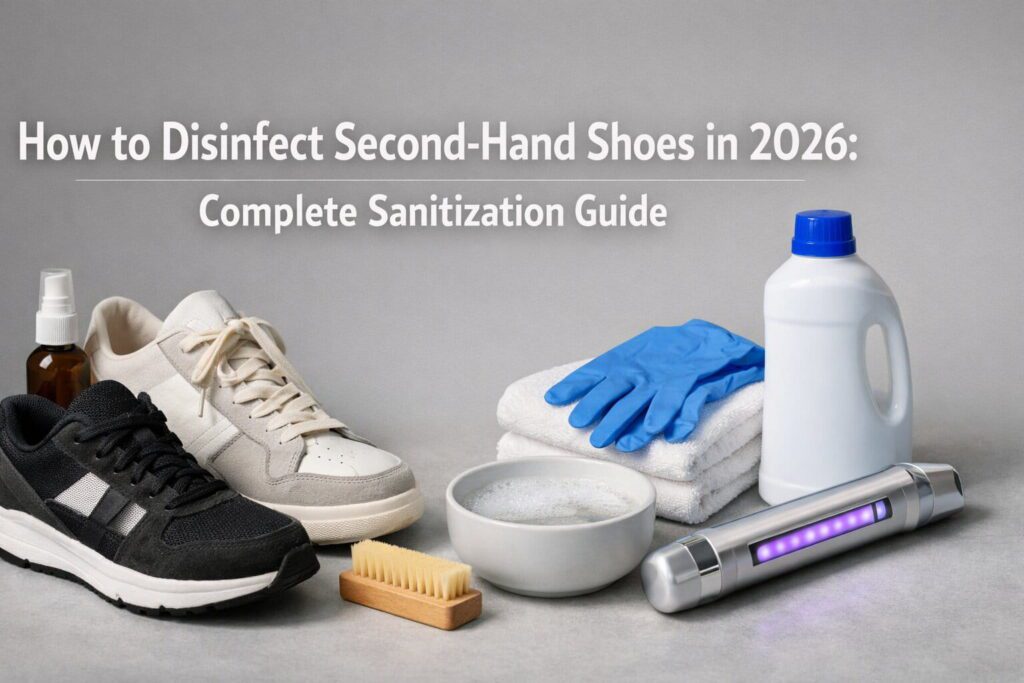
How to Disinfect Second-Hand Shoes in 2026: Complete Sanitization Guide
The thrill of finding a rare pair of vintage sneakers, snagging premium leather boots at a thrift store, or scoring a massive discount on lightly worn running shoes online is unmatched. The global resale footwear market is booming. But let’s address the elephant in the room: wearing someone else’s shoes means stepping into whatever bacteria, sweat, and fungi they left behind.
In my two decades running a bustling physical shoe store in Chennai, I’ve handled thousands of pairs of shoes—both fresh out of the box and completely worn down. Customers constantly ask me how to deal with foot odor, hygiene, and the “ick” factor of pre-owned footwear. Whether you’re buying budget-friendly work shoes or premium vintage kicks, knowing how to disinfect shoes properly is non-negotiable for your foot health.
If you want to know how to safely clean and wear thrifted footwear without destroying the materials or risking a fungal infection, you are in the right place.
TLDR: Quick Answer Box how to disinfect used shoes
To properly disinfect second-hand shoes, first remove and wash the insoles and laces separately. Next, wipe the interior and exterior with a 70% isopropyl alcohol solution to kill surface bacteria. Finally, apply a high-quality shoe disinfectant spray deep into the footbed to eliminate remaining fungi, bacteria, and odor-causing microbes before wearing.
Why This Topic Matters: The Global Pre-Owned Footwear Reality
Buying used shoes online or from thrift stores presents unique challenges. You are saving money, but you are also inheriting the previous owner’s foot biome. Fungal spores (like those that cause Athlete’s Foot) can survive inside the dark, damp environment of a shoe for months.
Over the last 20+ years of inspecting, repairing, and selling footwear, I’ve seen buyers make the same catastrophic mistakes worldwide. They buy a beautiful pair of used shoes and immediately toss them into a washing machine on a hot cycle, or they drench them in harsh household bleach. The result? Melted glue, ruined leather, and warped soles.
Understanding how to sanitize used shoes isn’t just about making them smell nice; it’s about protecting your skin and preserving the structural integrity of the shoe. When you learn how to balance aggressive hygiene with material care, you unlock the ability to confidently buy high-quality second-hand footwear at a fraction of the retail price.
Understanding Shoe Materials Before You Disinfect
Before you reach for the nearest chemical cleaner, you need to know what you are working with. Different materials react wildly to different cleaning agents. Here is a breakdown of common shoe materials and how they handle sanitization:
- EVA (Ethylene Vinyl Acetate): Commonly used in running shoe midsoles. It’s incredibly comfortable and lightweight, but it is highly porous. Heavy soaking in harsh chemicals will degrade the foam, killing its bounce.
- TPR (Thermoplastic Rubber): Often used in casual shoe outsoles. It’s durable and handles alcohol wipes well, but high heat (like a hot washing machine cycle) can cause it to deform.
- PU (Polyurethane) Leather: Synthetic leather used in budget-to-midrange shoes. It’s water-resistant, making it easy to wipe down with antibacterial wipes, but harsh solvents can strip its top coat, causing peeling.
- Full-Grain Leather: Premium, natural material. Alcohol and traditional household disinfectants will aggressively dry out the natural oils, leading to cracking. You must use specialized leather cleaners and follow up with a leather conditioner.
- Breathable Mesh: Found on running and gym shoes. Mesh traps dirt and bacteria easily. It usually requires a liquid shoe disinfectant spray and gentle scrubbing with a soft-bristle brush.
Step-by-Step: How to Sanitize Used Shoes Like a Pro
Here is the exact framework we recommend for deeply sanitizing second-hand footwear, balancing maximum hygiene with material safety.
Step 1: The Teardown (Insoles and Laces)
Never try to disinfect a shoe with the laces tied and the insole still inside.
- Remove the laces: Wash them in a laundry bag with your regular clothes, or simply buy a fresh pair. Replacing laces instantly makes a used shoe look 50% newer.
- Remove the insoles: This is where 90% of the sweat and bacteria live. Honestly, if the shoes are heavily used, throw the insoles away. What do most people regret after buying cheap shoes online? Wearing the flattened, bacteria-ridden old insoles. Buy a fresh pair of replacement Ortholite or gel insoles. If you must keep them, scrub them with hot soapy water and let them air dry in direct sunlight.
Step 2: The Deep Clean (Dirt Removal)
Disinfectants cannot penetrate thick layers of mud or grime. Use a dry brush to knock off loose dirt. Then, use a mild shoe cleaning solution (or a drop of dish soap in warm water) to gently scrub the upper and the outsole. Wipe away the suds with a microfiber cloth.
Step 3: Chemical Sanitization (The Interior)
This is the most critical step for your health.
- For Canvas and Mesh: Lightly mist the inside of the shoe with a 70% isopropyl alcohol spray. Alcohol evaporates quickly, taking bacteria with it.
- For Leather and Suede: Avoid spraying alcohol directly on the upper. Instead, dampen a cloth with alcohol and carefully wipe the inside lining of the shoe.
- The Toe Box: The darkest, tightest part of the shoe is the toe box. Ensure your wipe or spray reaches all the way to the front.
Step 4: Using a Dedicated Shoe Disinfectant Spray
To finish the job, you need a specialized product. A high-quality shoe disinfectant spray is formulated with antifungal and antibacterial agents specifically designed for footwear.
- Spray a generous amount inside the shoe.
- Let the shoes sit in a well-ventilated area for at least 24 to 48 hours. Do not wear them while damp. Fungi thrive in moisture; wearing damp shoes defeats the entire purpose of sanitizing them.
Is this actually comfortable for all-day wear after treating them? Yes! As long as you allow the chemicals to completely evaporate, your shoes will be safe, odor-free, and perfectly comfortable.
How to Disinfect Used Shoes
Disinfecting used shoes is important to remove bacteria, fungi, and unpleasant odors. Start by cleaning off visible dirt with a soft brush and mild soap. Remove the insoles and laces, and wash them separately.
Next, spray the inside of the shoes with a disinfectant spray or a mixture of water and white vinegar (1:1 ratio). You can also use hydrogen peroxide for deeper sanitizing. Let the shoes air dry completely in a well-ventilated area—avoid direct sunlight to prevent damage.
For extra freshness, sprinkle baking soda inside overnight to absorb moisture and odors. Regular shoe disinfection helps prevent foot infections like athlete’s foot and keeps footwear hygienic and safe to wear.
Pro-Tip Section: Retailer-Only Insights
After handling thousands of shoes, here are the insider quality checks I perform when assessing used footwear:
- The “Squish and Sniff” Test: Press hard on the heel counter and the midsole. If it crumbles or feels sticky, the PU or EVA is experiencing “hydrolysis” (chemical breakdown due to age and humidity). No amount of cleaning will fix this. Pass on the shoes. Also, if a shoe smells sweet but musty, that is often a sign of deep-rooted mold, not just foot odor.
- The UV Light Trick: If you are serious about thrifting, invest in a cheap UV flashlight. Shining it inside the shoe can reveal biological stains or mold spores that the naked eye misses.
- Beware the “Febreze Cover-up”: Many online sellers heavily spray used shoes with basic air fresheners before shipping. Air fresheners mask odors; they do not kill the bacteria causing them. Always do your own disinfection routine upon arrival.
Comparison Table: Shoe Disinfection Methods
| Sanitization Method | Best For | Pros | Cons |
|---|---|---|---|
| Shoe Disinfectant Spray | All shoe types (Interior) | Kills 99.9% of bacteria/fungi; formulated for shoes. | Can be expensive; requires 24hr drying time. |
| 70% Isopropyl Alcohol | Mesh, Canvas, Rubber | Dries incredibly fast; cheap and readily available. | Will dry out and crack natural leather over time. |
| UV Shoe Sanitizers | Premium Shoes, Leather | Zero chemicals used; highly effective against odors. | High upfront cost; doesn’t remove physical dirt. |
| Washing Machine | Cheap canvas/mesh beaters | Effortless; deep cleans the fabric. | Destroys glue, warps soles, ruins leather/suede. |
Common Mistakes to Avoid When Cleaning Used Shoes
- Choosing Looks Over Hygiene: Spending two hours scrubbing the white outsoles with a toothbrush, but completely ignoring the interior footbed where the actual bacteria live.
- Using Household Bleach: Bleach is too harsh for footwear. It turns white canvas yellow, melts synthetic meshes, and destroys the stitching threads.
- Ignoring the Insoles: Keeping the original, flattened insoles. Always replace them to instantly upgrade the shoe’s comfort and hygiene profile.
- Drying in the Dryer or Near a Heater: Extreme heat melts the industrial adhesives holding the sole to the upper. Always air-dry shoes in a shaded, well-ventilated area.
People Also Ask
Can you get a foot infection from used shoes? Yes. Fungi that cause Athlete’s foot and bacteria that cause severe odor can live dormant in the dark, moist environment of an uncleaned used shoe for months.
What is the best way to disinfect shoes without washing them? The best method is to wipe the interior with 70% isopropyl alcohol, let it dry, and follow up with a targeted antibacterial shoe disinfectant spray.
Does Lysol spray ruin shoes? Standard household Lysol can leave a sticky residue and may discolor certain fabrics or dry out leather. It is better to use a disinfectant spray specifically formulated for footwear.
How do you sanitize second-hand leather shoes? Never submerge them. Wipe the interior lining with antibacterial wipes, use a cedar shoe tree to absorb moisture, and clean the exterior with saddle soap and leather conditioner.
Can I put second-hand shoes in the freezer to kill bacteria? Freezing shoes may make odor-causing bacteria go dormant, but it does not reliably kill fungal spores. Once the shoes thaw and warm up on your feet, the smell and bacteria will return.
Ready to Upgrade Your Shoe Care Routine?
Don’t leave your foot health to chance. If you’ve just picked up a great pair of second-hand shoes, make sure you have the right tools to make them safe and fresh.
[Check today’s best-rated shoe disinfectant sprays on Amazon] [Compare top-reviewed replacement Ortholite insoles from trusted brands] [See the best prices on UV Shoe Sanitizers for chemical-free cleaning]
(Investing in a good disinfectant and fresh insoles usually costs less than $20 and makes a used shoe feel brand new.)
FAQs how to disinfect used shoes
1. How long should a shoe disinfectant spray sit before wearing? Allow the spray to sit for at least 24 to 48 hours in a well-ventilated area until the interior is completely bone-dry.
2. Is baking soda effective for sanitizing used shoes? Baking soda is excellent for absorbing odors and moisture, but it is not a registered disinfectant and will not kill fungal spores.
3. Can I use hand sanitizer to clean the inside of my shoes? While hand sanitizer contains alcohol, the added gels and moisturizers will leave a sticky, uncomfortable residue inside your shoe. Stick to liquid rubbing alcohol.
4. How do you clean the insoles of second-hand shoes? Remove them from the shoe, scrub them with a mix of warm water and mild detergent, rinse thoroughly, and air dry them in direct sunlight.
5. Does hydrogen peroxide work for disinfecting footwear? Yes, a 3% hydrogen peroxide solution kills bacteria and fungi, but it can act as a mild bleach and may discolor dark fabrics. Use with caution.
6. Should I wash used sneakers in the washing machine? Only as a last resort for cheap canvas or synthetic mesh shoes. Always use a delicate, cold-water cycle and place them in a mesh laundry bag. Never machine-wash leather or suede.
7. How do I get the thrift store smell out of shoes? The “thrift store smell” is usually a mix of old dust, mold, and cleaning chemicals. A deep clean with alcohol wipes, followed by a deodorizing shoe spray and a few days airing out outdoors, will eliminate it.
8. Can UV light really sanitize shoes? Yes, UVC light damages the DNA of bacteria and fungi, killing them without the use of harsh liquid chemicals. It is highly effective for premium shoes.
9. Why do my shoes still smell after disinfecting them? If they still smell, bacteria are likely trapped deep within the foam of the old insoles. Replacing the insoles entirely is usually the only fix.
10. Is it safe to buy second-hand running shoes? From a hygiene standpoint, yes, if you sanitize them. However, from a structural standpoint, the EVA foam midsoles may already be compressed by the previous owner, offering reduced shock absorption.