
How to Remove Smell from Birkenstocks 2026: Easy Guide
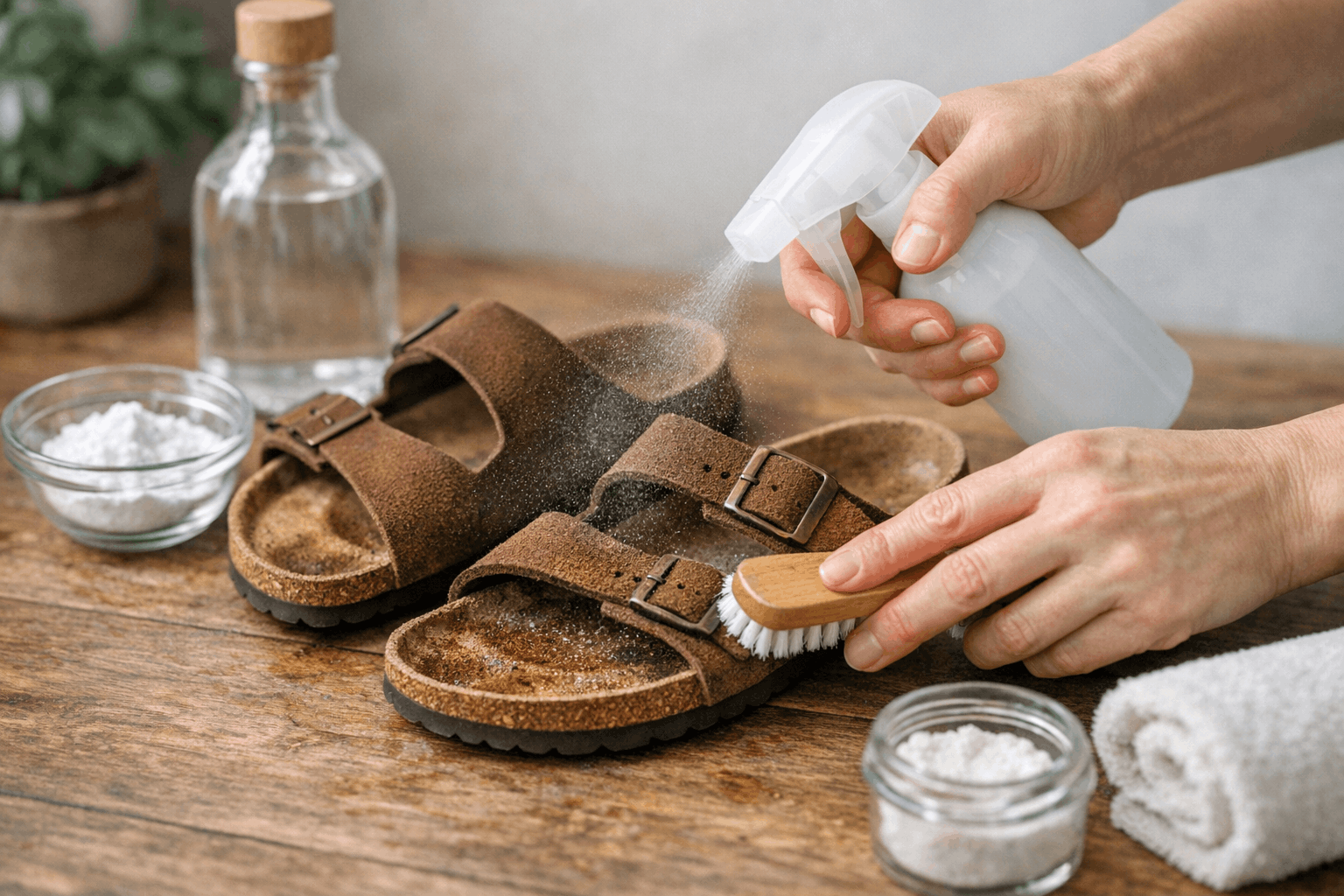
To remove smell from Birkenstocks, start by cleaning the footbed according to its material, removing excess moisture, and allowing the sandals to air dry slowly away from direct heat. Once completely dry, brush suede or nubuck footbeds to restore their texture. Avoid soaking, machine washing, or using direct heat to speed up drying. If odor keeps returning, also focus on keeping your feet dry and allowing your footwear to air out between wears.
Our Product Picks
A few footwear-care and odor-control options to consider after your Birkenstocks have been cleaned and dried.
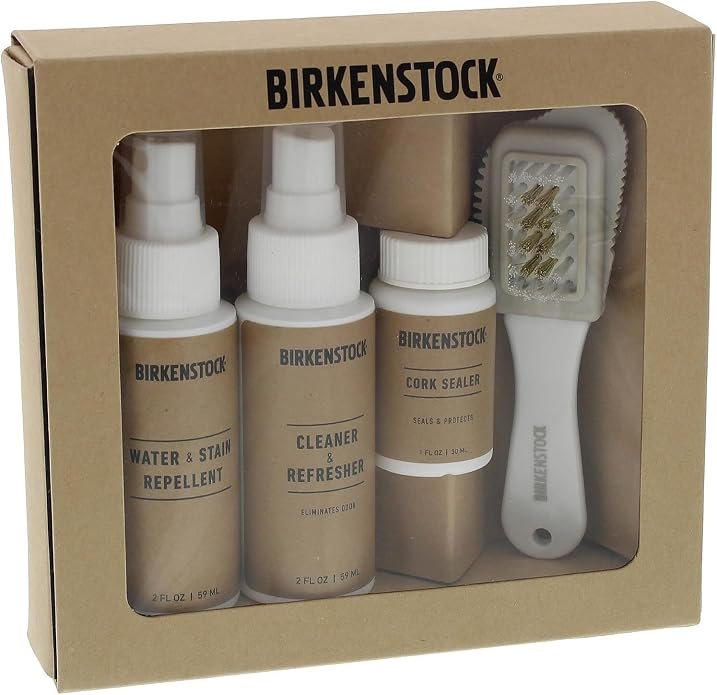
Birkenstock Deluxe Shoe Care Kit
A brand-specific care option for routine Birkenstock footwear maintenance.
View Product
Lumi Outdoors Natural Shoe Deodorizer Spray
A general footwear deodorizer option for lingering odor after cleaning and drying.
View Product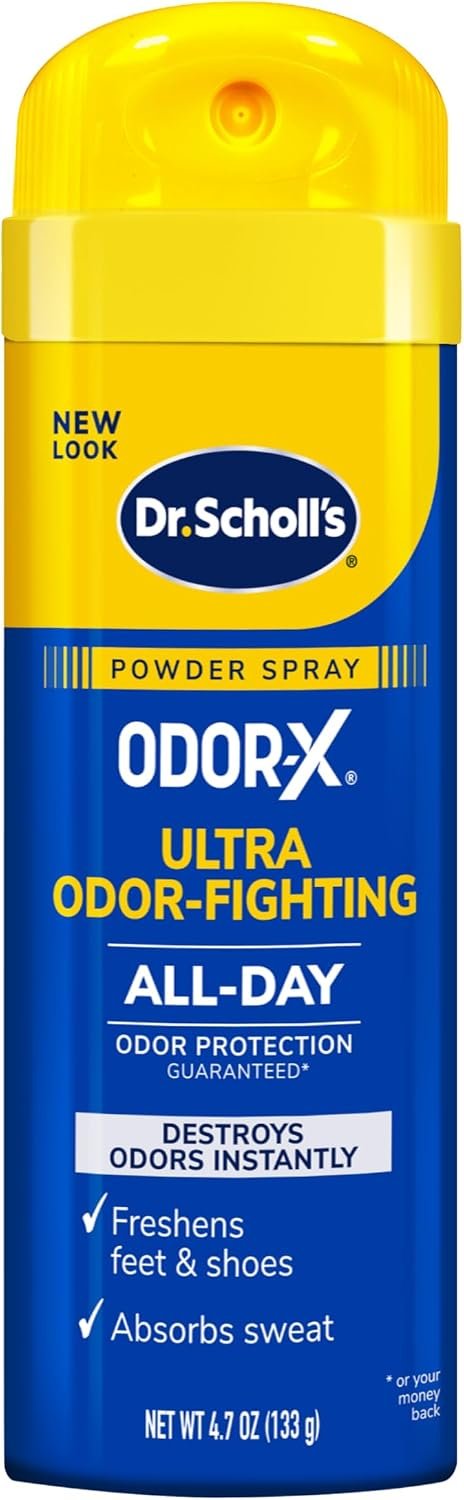
Dr. Scholl’s Odor-X Foot Powder Spray
A spray-powder option designed for foot and footwear odor control.
View Product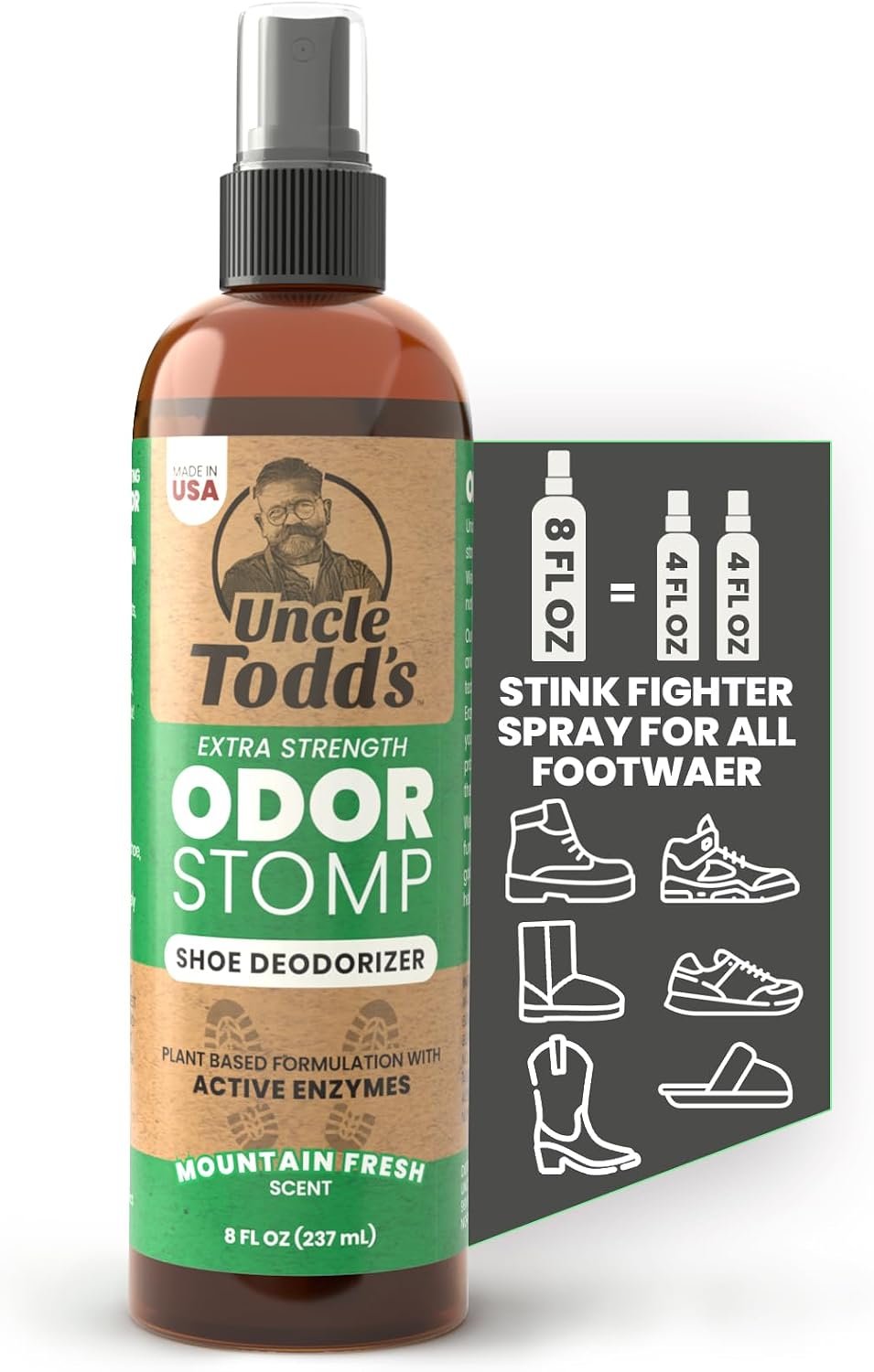
Uncle Todd’s Shoe Deodorizer Spray
A general footwear odor-control option for everyday shoes and sandals.
View Product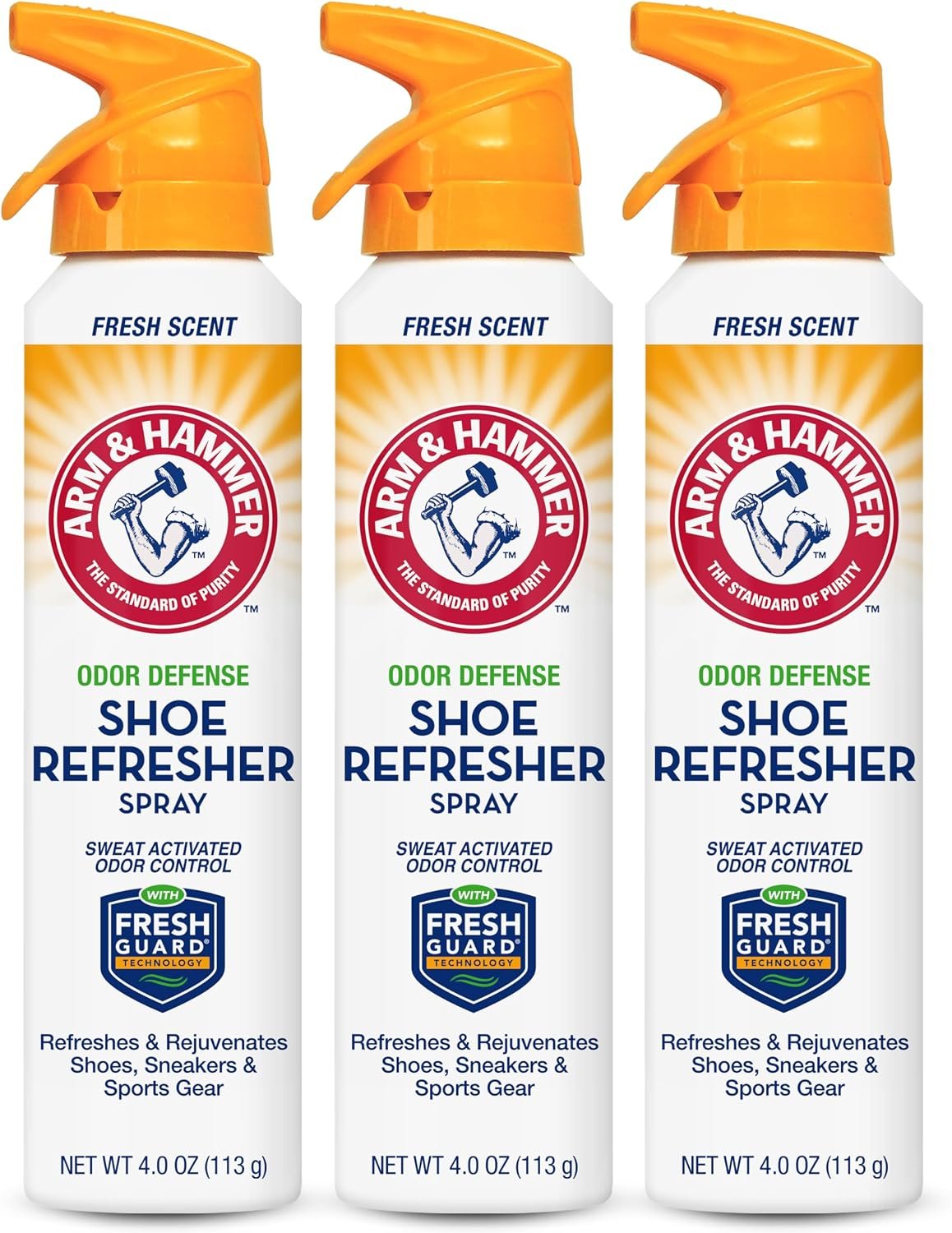
ARM & HAMMER Shoe Refresher Spray
A general shoe-refreshing option for managing everyday footwear odor.
View Product
Note: These products are included as options, not as a
ranking. Always follow the product label and Birkenstock’s care guidance.
Do not apply a deodorizer directly to suede, nubuck or cork unless the
product instructions specifically allow it. Prices and product
availability may change.
Affiliate disclosure: Some links above are affiliate
links. UrbanStyleFootwear may earn a commission if you make a purchase
through an affiliate link, at no additional cost to you.
Birkenstocks are designed for repeated wear, but the footbed can develop a noticeable odor when sweat, moisture, skin oils, and dirt build up. The good news is that a smelly footbed does not automatically mean your sandals are ruined. The right approach is to clean the footbed according to its material, dry it slowly, and keep moisture under control.
Birkenstock’s own care guidance says most styles should not be immersed in water and recommends keeping cork and EVA away from concentrated heat. For suede and nubuck footbeds, the brand recommends suitable cleaning products and a suede/nubuck brush.
Quick Answer: How Do You Remove Smell from Birkenstocks?
For most suede-lined Birkenstock footbeds, start with a dry cleaning approach rather than soaking the sandal. Remove loose dirt with a suitable suede or footbed brush, use a material-appropriate cleaner when needed, wipe away excess moisture, and let the sandals air dry slowly away from direct heat. For regular upkeep, keep the footbed dry between wears and clean it before odor becomes heavy.
Important: Do not treat every Birkenstock model the same way. Materials and footbed finishes differ, so check the care guidance for your specific pair first.
Why Do Birkenstocks Smell?
Foot odor is not simply a problem with the sandal. Sweat itself has little odor, but bacteria on the skin can break down sweat and produce odor. Cleveland Clinic describes this as bromodosis and notes that heat, moisture, and enclosed footwear can encourage the conditions associated with foot odor. Cleveland Clinic’s foot-odor guide gives useful background on the process.
Sweat and moisture accumulate around the foot during wear.
Skin oils, dirt, and dead skin can build up on the footbed.
A warm, damp environment can make odor more noticeable.
A dark or shiny footbed may indicate that the surface has accumulated oils and dirt and has become flattened from repeated use.
If odor returns quickly even after cleaning, the source may include foot sweating or a skin condition rather than the sandal alone.
What Makes the Birkenstock Footbed Different?
Many Birkenstock sandals use a cork-latex footbed with a suede lining, although materials vary by model. The brand’s care guidance specifically discusses suede and nubuck footbeds and recommends brushing them to restore the nap. See Birkenstock’s care guidance Because the footbed is made from materials that require controlled moisture, aggressive soaking is not a good default cleaning method.
How to Remove Smell from Birkenstocks Step by Step
Step 1: Let the Footbed Dry Completely
Before cleaning, remove loose dirt and allow the sandal to become fully dry. If the sandal has become wet, Birkenstock recommends slow air drying away from direct heat. Do not place it on a radiator, use concentrated heat, or leave it in intense direct sunlight for extended periods.
Step 2: Brush Away Surface Dirt
Use a suitable suede or footbed brush with gentle, controlled strokes. The goal is to remove loose dirt and lift the surface fibers without aggressively grinding debris deeper into the material.
Birkenstock’s official suede brush is specifically intended for dry cleaning suede and for fluffing the fibers after care.
Step 3: Use a Footbed-Safe Cleaner for Deeper Cleaning
For a heavily soiled footbed, use a cleaner designed for the material instead of a household chemical chosen at random. Birkenstock’s care instructions recommend its Cleaner & Refresher for keeping footwear fresh and say to wipe away excess moisture and dirt with a cloth.
Birkenstock also states that its footbed can be cleaned using leather shampoo and a little water, followed by brushing once dry.
Step 4: Dry Slowly and Thoroughly
This step is easy to underestimate. After cleaning, place the sandals in a well-ventilated indoor area and let them dry naturally. Avoid hair dryers, radiators, heaters, and prolonged direct sunlight. Birkenstock specifically warns that concentrated heat can damage cork footbeds and EVA soles.
Step 5: Protect the Cork Edge if It Is Drying Out
If the exposed cork edge looks dry or brittle, inspect it before your next wear. Birkenstock recommends a thin coat of its Cork Sealer & Protector when the cork needs protection from drying out. Apply it only to the appropriate cork edge and follow the product instructions.
See Birkenstock Cork Sealer & Protector for the manufacturer’s application guidance.
Should You Use Baking Soda on Birkenstocks?
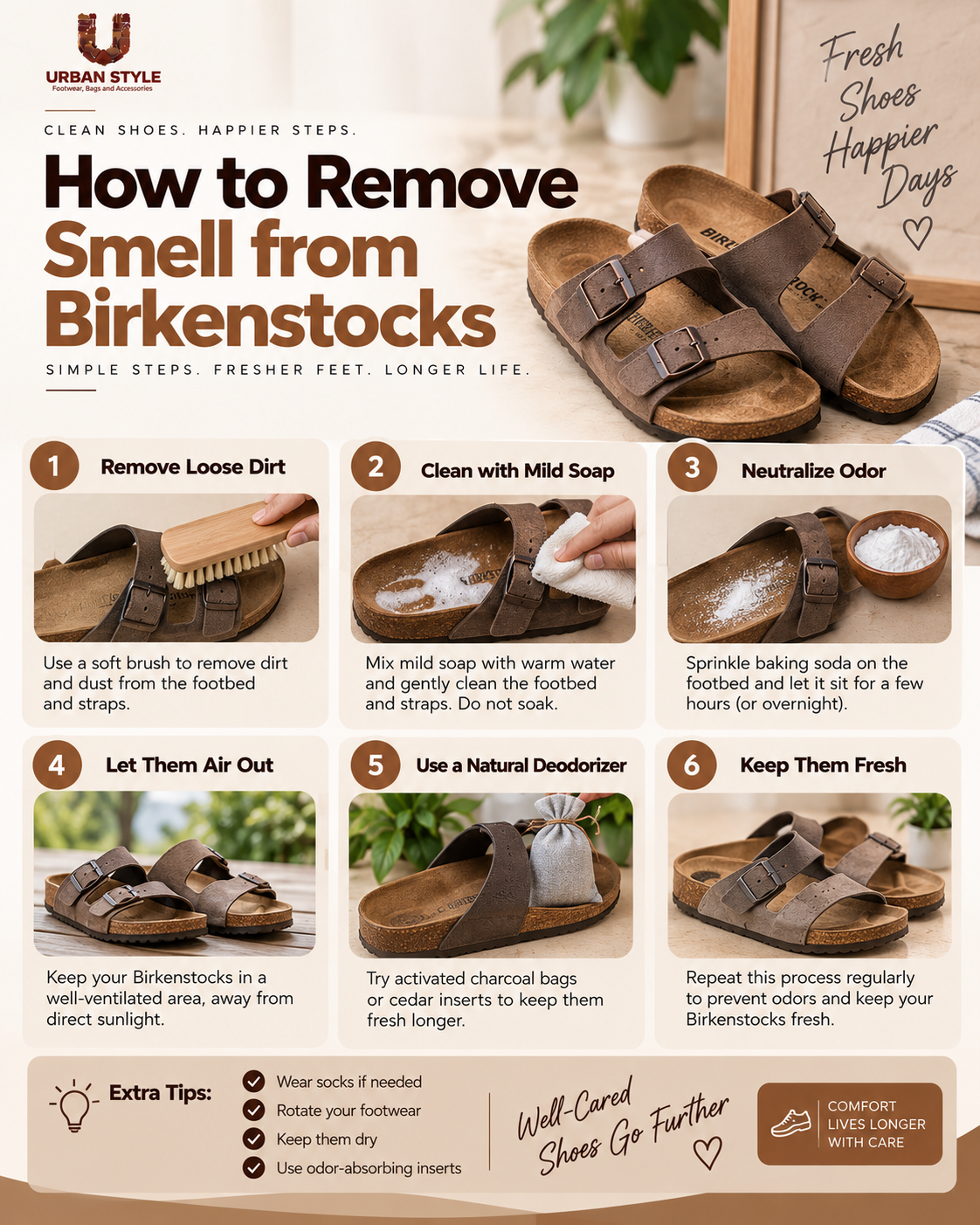
Baking soda is widely suggested for shoe odor, and competitor and forum discussions commonly mention leaving a light layer on a dry footbed overnight. However, it is not the primary cleaning method in Birkenstock’s official care guidance. For a premium suede-lined footbed, a material-specific cleaning routine is the safer starting point.
If you choose to test baking soda: use a small amount on a completely dry, inconspicuous area first, avoid aggressive scrubbing, and remove all residue before wearing. Stop if the finish changes or the material reacts poorly.
Birkenstock’s official care guidance should remain the reference point for material-specific cleaning: Birkenstock Care Tips.
What About Vinegar, Alcohol, Lemon Juice, or Dish Soap?
| Method | How to treat it | Why |
| White vinegar | Not a default footbed cleaner | Can alter smell and moisture balance; official Birkenstock care guidance does not make diluted vinegar the standard footbed method. |
| Rubbing alcohol | Avoid as a routine suede treatment | Can dry or alter leather finishes and is unnecessary when a material-specific cleaner is available. |
| Lemon juice | Avoid as a routine footbed treatment | Acidic household treatments are not the manufacturer’s standard care method. |
| Dish soap | Do not use as the default suede-footbed cleaner | Use a product intended for the material instead. |
| Material-specific cleaner | Preferred for deeper cleaning | Designed for the relevant footwear material and easier to use consistently. |
How to Clean a Very Dark or Shiny Birkenstock Footbed
A dark, shiny footbed usually means the surface has accumulated oils, sweat, dirt, and wear. Do not try to strip the footbed aggressively in one session. Start with dry brushing, then use the appropriate cleaner for the material, allow it to dry completely, and brush again.
For a deeper home-cleaning routine, see Deep Clean Birkenstocks at Home and How to Clean Birkenstocks.
How to Stop Birkenstocks from Smelling Again
- Let the sandals dry fully between heavy-wear sessions.
- Avoid wearing the same pair continuously when the footbed is still damp.
- Brush away surface dirt regularly.
- Clean the footbed before odor becomes severe.
- Keep feet clean and dry, especially during hot weather.
- If your feet sweat heavily, consider rotating footwear and using a foot-care product appropriate for your skin.
- Store the sandals in a dry, ventilated location rather than a sealed, humid space.
The American Academy of Dermatology recommends changing footwear often and taking shoes off when possible to help reduce odor, irritation, and some foot infections in people with sweaty feet. AAD guidance on excessive sweating.
Can Foot Odor Be Coming From Your Feet?
Yes. Cleaning the sandal may not solve the problem if the main source is persistent foot sweating or a skin condition. Cleveland Clinic notes that bacteria interact with sweat and that persistent foot odor can sometimes need medical attention, particularly when home measures do not help.
Cleaning Method Comparison
| Method | Best use | Main advantage | Main caution |
| Dry suede/footbed brushing | Routine maintenance | Removes loose dirt and restores surface fibers | Use controlled pressure |
| Material-specific cleaner | Deeper cleaning | Designed for the footwear material | Follow the product instructions |
| Baking soda | Odor absorption test | Common low-cost odor-control approach | Not the manufacturer’s primary footbed method |
| Vinegar mixture | General household odor advice | Commonly discussed online | Not a default Birkenstock footbed treatment |
| Cork sealer | Dry cork edges | Helps protect exposed cork from drying | Apply only to suitable cork areas |
| Direct heat | Not recommended | None | Can damage cork and EVA |
Products That Can Help With Footwear Odor
If your Birkenstocks have been cleaned and are completely dry, a suitable footwear-care or odor-control product may help with lingering smells. The options below are included for comparison. Always check the product label before applying anything directly to suede, nubuck, cork or other Birkenstock materials.
Birkenstock Deluxe Shoe Care Kit
Use case: Brand-specific footwear care with brush-based cleaning and material maintenance.
Supplied price: $20.00
Check product
Lumi Outdoors Natural Shoe Deodorizer Spray
Use case: General shoe odor control after footwear has been cleaned and fully dried.
Supplied price: $13.95
Check product
Dr. Scholl’s Odor-X Foot Powder Spray
Use case: Foot and shoe odor control in a spray-powder format.
Supplied price: $4.97
Check product
Uncle Todd’s Shoe Deodorizer Spray
Use case: General footwear odor control for shoes and sandals.
Supplied price: $13.49
Check product
ARM & HAMMER Shoe Refresher Spray
Use case: General shoe odor refreshing for everyday footwear.
Supplied price: $14.37
Check productImportant: Product ratings, prices and purchase counts can change. The information shown above was supplied for this article and should be checked against the current product page before publishing.
Affiliate disclosure: Some links on this page are affiliate links. If you purchase through these links, UrbanStyleFootwear may earn a commission at no additional cost to you.
Product Options to Consider
| Product | Supplied data | Best fit in the article |
| Birkenstock Deluxe Shoe Care Kit | 4.4/5, 7,321 reviews, $20.00, 5K+ bought in past month | Material-specific care and brush-based maintenance |
| Lumi Outdoors Natural Shoe Deodorizer Spray | 4.4/5, 27,707 reviews, $13.95, 7K+ bought in past month | General shoe odor control, not a substitute for cleaning a suede footbed |
| Dr. Scholl’s Odor-X Foot Powder Spray | 4.5/5, 27,790 reviews, $4.97, 40K+ bought in past month | Foot and shoe odor control |
| Uncle Todd’s Shoe Deodorizer Spray | 4.3/5, 3,446 reviews, $13.49, 700+ bought in past month | General footwear odor control |
| ARM & HAMMER Shoe Refresher Spray | 4.6/5, 2,580 reviews, $14.37, 9K+ bought in past month | General shoe odor refresh |
30-Second Birkenstock Odor Check
Choose the description that sounds most like your sandals, then follow the matching next step.
My footbed is mostly clean, but it smells.
My footbed is dark, shiny, and smells.
My sandals were soaked in rain.
The smell returns very quickly after cleaning.
The cork edge looks dry or brittle.
How Often Should You Clean Birkenstocks?
There is no single schedule that fits every wearer. Daily summer wear, heavy sweating, wet conditions, and visible dirt may require more frequent care than occasional use. A practical approach is to brush away surface dirt regularly, clean when the footbed becomes visibly soiled or develops odor, and make sure the sandals are fully dry before storing them.
Occasional wear: inspect and brush as needed.
Frequent summer wear: inspect the footbed weekly.
Heavy sweating or daily use: clean sooner when odor or visible buildup appears.
After getting wet: dry slowly before storing or wearing again.
Common Mistakes That Can Make the Problem Worse
- Soaking cork-lined sandals in water.
- Using a hair dryer, radiator, heater, or concentrated heat to speed drying.
- Scrubbing suede aggressively with a stiff household brush.
- Applying multiple household chemicals at the same time.
- Using a deodorizer to mask odor without cleaning the footbed.
- Storing damp sandals in a closed bag or humid space.
- Ignoring persistent foot odor when the sandal itself has already been cleaned.
When Should You Replace or Repair Birkenstocks?
Odor alone is not automatically a reason to replace a pair. First inspect the cork, footbed, upper, and outsole. If the cork is severely cracked or crumbling, the outsole is badly worn, or the footbed has structural damage, a repair assessment may make more sense than repeated cleaning.
FAQs
Why do my Birkenstocks smell so bad?
Foot odor can develop when sweat, moisture, skin oils, dirt, and bacteria interact around the foot and footwear. A frequently worn footbed can accumulate these materials over time.
How do I remove smell from Birkenstocks?
Let the sandals dry, brush the footbed, use a material-specific cleaner when needed, wipe away excess moisture, and let the sandals air dry slowly. Avoid soaking and concentrated heat.
How do I stop Birkenstocks from smelling?
Keep the footbed dry, rotate footwear when possible, brush away dirt regularly, clean the footbed when odor appears, and address excessive foot sweating if it is contributing to the problem.
Can I wash Birkenstocks with water?
Avoid soaking most Birkenstock styles. The brand says most footwear should not be immersed in water and recommends slow air drying if the shoes become wet.
Can I use baking soda on Birkenstocks?
Baking soda is commonly suggested for odor absorption, but it is not the primary method in Birkenstock’s official care guidance. If you test it, use a small amount on a dry, inconspicuous area first and remove all residue.
Can I use vinegar to remove Birkenstock odor?
Vinegar is a common household odor remedy, but it is not the standard footbed treatment in Birkenstock’s official care guidance. A material-specific cleaner is the better default.
Why did my Birkenstock footbed turn black?
Repeated contact with sweat, skin oils, dirt, and normal wear can darken and flatten the footbed surface. Gentle brushing and appropriate cleaning can help improve its appearance.
Can I dry wet Birkenstocks in the sun?
Avoid prolonged direct sunlight and concentrated heat. Birkenstock recommends slow air drying away from direct heat because cork and EVA can be damaged by excessive heat.
What should I do if the cork looks dry?
Inspect the exposed cork edge and use a suitable cork sealer according to the manufacturer’s instructions if it is drying out or becoming brittle.
Why does the smell return after cleaning?
The odor may be coming partly from persistent foot sweating. Cleaning the sandal, keeping feet dry, rotating footwear, and addressing excessive sweating can all matter.
When should I replace Birkenstocks because of smell?
Odor alone does not automatically mean replacement is necessary. Inspect the cork, footbed, upper, and outsole for structural damage or severe wear.
What is the best product for Birkenstock odor?
For the footbed itself, start with a material-appropriate cleaning product and brush. General shoe deodorizer sprays can be considered after cleaning, but they should not replace material-safe cleaning.
Final Takeaway
The most reliable way to deal with smelly Birkenstocks is to treat the footbed as a material-care problem, not simply a fragrance problem. Dry the sandals properly, brush away buildup, use a suitable cleaner for the footbed material, and protect the cork when necessary. If the odor repeatedly returns, look at foot moisture and sweating as well as the sandal itself.
Affiliate disclosure: Some product links may be affiliate links. If a qualifying purchase is made, UrbanStyleFootwear may earn a commission at no additional cost to the reader.
Related UrbanStyleFootwear Guides
Deep Clean Birkenstocks at Home | How to Clean Birkenstocks | Best Cleaner for Birkenstocks | Clean Suede Birkenstocks