

How to Remove Shoe Smell Instantly: 7 Methods That Actually Work (No Baking Soda Lectures)
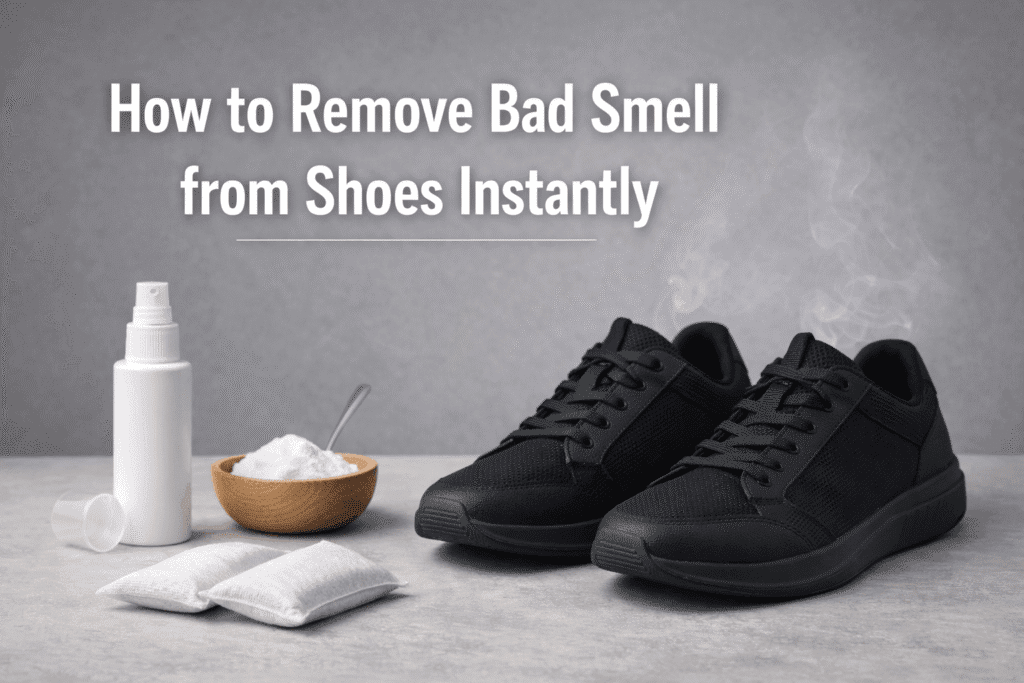
- For an overnight fix, sprinkle baking soda inside the shoe to absorb moisture and neutralize pH levels.
- If the odor is persistent, remove the insoles and wash them separately.
- You can also freeze the shoes in a sealed bag for 24 hours to halt bacterial growth.
Introduction: The Universal Struggle of “The Stink”
We have all been there. You kick off your sneakers after a long day at work, a heavy gym session, or a day of travel, and suddenly the room clears out. It’s embarrassing, it’s frustrating, and frankly, it happens to the best of us.
Whether you are wearing high-end full-grain leather boots or budget-friendly canvas sneakers, odor is the great equalizer. In my 20+ years running a footwear business, handling thousands of pairs and speaking with just as many customers, I have learned that “smelly shoes” is one of the top three complaints buyers have—right alongside durability and sizing issues.
But here is the secret most retailers won’t tell you: the smell rarely means the shoe is “bad quality.” It usually means the biology of your foot is clashing with the chemistry of the shoe materials.
In this guide, we are going to move past the myths. I will share the exact methods—both instant fixes and deep-cleaning rituals—that I’ve recommended to customers for two decades to get rid of shoe odor effectively.
Why This Topic Matters (And Why Your Shoes Smell)
Before we fix the problem, we need to understand the enemy. In the industry, we call it bromodosis (foot odor), but it’s simpler than that.
Your feet have roughly 250,000 sweat glands. When that sweat gets trapped inside a shoe, it creates a warm, dark, damp environment—the perfect breeding ground for bacteria (specifically Brevibacteria, which actually feeds on dead skin cells). The smell isn’t the sweat itself; it is the waste gas produced by the bacteria eating your sweat.
From my experience behind the counter: I’ve seen customers return perfectly good shoes claiming they were “defective” because they smelled after a week. The reality?
- Material Trap: Synthetic materials often trap heat more than natural fibers.
- Overuse: Wearing the same pair every day doesn’t give the EVA or PU foam time to dry out.
- The “Sockless” Trend: Going sockless in loafers or sneakers is the fastest way to ruin a shoe’s interior.
Let’s look at how to remove odor from shoes using methods that actually work, separating the old wives’ tales from the science.
Instant Fixes: How to Get Rid of Smelly Shoes NOW
If you have a date, a meeting, or a flight in an hour, you don’t have time to wash your shoes. You need speed. Here are the fastest ways to neutralize odor.
1. The Rubbing Alcohol Spray (The “Retailer’s Secret”)
This is my number one recommendation for how to get rid of smelly shoes instantly.
- What to do: Fill a small spray bottle with 70% Isopropyl Alcohol (Rubbing Alcohol). Mist the inside of the shoe lightly.
- Why it works: Alcohol is an antiseptic. It kills the bacteria immediately and evaporates quickly, taking the moisture with it.
- Caution: Don’t soak the leather exterior; keep it to the inner lining.
2. The Tea Bag Hack
If you don’t have alcohol, check your pantry.
- What to do: Place dry, unused black tea bags inside your shoes. If you have time, steep them first, let them cool/dry slightly (damp, not wet), and place them in for an hour.
- Why it works: Black tea contains tannins, which are effective at killing bacteria and closing pores.
3. The “Freezer” Method (With a Caveat)
- What to do: Place your shoes in a sealed Ziploc bag and put them in the freezer overnight.
- The Expert Verdict: This is a temporary fix. It puts the bacteria to sleep (dormancy) but doesn’t kill all of it. However, it will reduce the smell significantly for a day or two. Warning: Do not do this with patent leather or cheap vinyl, as the cold can crack the material.
Overnight Solutions: The “Set It and Forget It” Methods
If you have until tomorrow morning, these smelly shoes home remedies are more effective than the instant sprays because they tackle the root cause: moisture.
1. Baking Soda & Coffee Filters
Directly dumping powder into your shoes can get messy and cake up in the crevices.
- The Pro Way: Fill a coffee filter or a thin sock with baking soda (sodium bicarbonate). Tie it off and stuff it deep into the toe box.
- Why it works: Baking soda is amphoteric—it reacts with both acidic and basic bacterial byproducts to neutralize the pH and absorb the smell.
2. Kitty Litter (Yes, Really)
- What to do: Fill an old sock with clean kitty litter and place it in the shoe.
- Why it works: Kitty litter is engineered specifically to absorb moisture and trap odors. It is arguably the most powerful shoe odor eliminator you can buy at a grocery store.
3. Citrus Peels
- What to do: Place fresh orange, lemon, or grapefruit peels inside the shoes overnight.
- Why it works: The natural oils in the skin provide a fresh scent, while the acidity helps create an environment hostile to bacteria.
Material Deep-Dive: Knowing Your Shoe Composition
After selling footwear for 20 years, I can tell you that treating a mesh running shoe the same way you treat a leather boot is a recipe for disaster.
Mesh & Knit (Running Shoes)
- The Problem: These trap dead skin cells deep in the weave.
- The Fix: These are usually the only shoes safe for a gentle machine wash (cold water, air dry).
- Expert Tip: Remove the laces and insoles before washing. Wash them in a pillowcase to protect the glue from the machine’s agitation.
Leather & Suede (Boots/Loafers)
- The Problem: Leather is skin. It has pores. If you soak it, it rots or cracks.
- The Fix: Never submerge leather. Use the Alcohol Spray method or a dedicated charcoal insert.
- Prevention: Use cedar shoe trees. Cedar wood naturally absorbs moisture and imparts a pleasant scent. It extends the life of a leather shoe by years.
Synthetics (PU / Faux Leather)
- The Problem: These are essentially plastic. They don’t breathe. They turn your foot into a sauna.
- The Fix: You need aggressive drying. Use newspaper stuffing or silica gel packets (save them when you buy new electronics!) to dry them out completely between wears.
Pro-Tip Section: Retailer-Only Insights
Here are three things I learned managing stockrooms that general articles won’t tell you.
- The “Insole Swap” Rule: 90% of the bad smell lives in the insole, not the shoe upper. If your favorite sneakers stink, try ripping out the factory insole and replacing it with an aftermarket charcoal or cork insole. It costs a fraction of the price of new shoes and resets the “odor clock.”
- Sunlight is a Double-Edged Sword: UV rays kill bacteria (great!). UV rays also degrade the glue holding your sole to the upper (bad!). If you sun-dry your shoes, do it for 30 minutes max, or keep the soles covered.
- The Rotate Rule: The most common mistake buyers make is wearing the same pair of shoes two days in a row. It takes 24–48 hours for the foam inside a shoe to fully dry out from a day’s wear. If you interrupt that drying cycle, you are locking in moisture. Buy two pairs and rotate them.
Comparison Table: Odor Removal Methods
| Method | Cost | Speed | Effectiveness | Best For |
|---|---|---|---|---|
| Rubbing Alcohol | Low | Instant | High | Sneakers, Canvas |
| Baking Soda | Very Low | Overnight | Medium | General Maintenance |
| Cedar Shoe Trees | High | Ongoing | High | Leather, Boots |
| Washing Machine | Low | 24 Hours | High | Mesh, Knit Runners |
| Freezing | Free | Overnight | Low (Temporary) | Synthetics |
| Enzyme Sprays | Medium | Instant | Very High | Stubborn Odors |
Common Mistakes to Avoid
When trying to figure out how to remove shoe smell, avoid these common pitfalls that damage footwear:
- Using Heat to Dry: Never put shoes in the dryer or directly on a radiator. The heat will warp the rubber soles and delaminate the glue (sole separation). Always air dry.
- Masking Instead of Removing: Spraying perfume or cologne into a dirty shoe just results in a smell I call “flowery garbage.” You must kill the bacteria, not just cover the smell.
- Bleach: Never use bleach on the inside of a shoe. It can eat away at the cushioning foam and irritate the skin on your feet later.
People Also Ask (PAA)
Does putting tea bags in shoes work for smell? Yes. Tea bags contain tannins which kill bacteria and absorb moisture. Dry, unused tea bags are best for absorbing odors overnight.
Why do my shoes smell even after washing them? This usually happens because they didn’t dry fast enough. If shoes stay damp for too long, mildew forms. Dry them in a well-ventilated area with a fan.
Does baking soda ruin shoes? No, but it can dry out leather if used directly too often. It is safer to put the baking soda in a sock or coffee filter rather than dumping it directly into the shoe.
What is the best homemade shoe deodorizer? A mixture of baking soda, cornstarch, and a few drops of tea tree oil creates a powerful powder that absorbs moisture and kills fungus naturally.
How do I clean smelly insoles? Remove them from the shoe, scrub them with a mixture of vinegar and warm water, and let them air dry completely before putting them back.
Conclusion & Next Steps
Dealing with shoe odor isn’t about hygiene; it’s about maintenance. Just like you wash your clothes, your shoes require care to handle the moisture and bacteria they encounter daily.
If you have tried the baking soda and alcohol hacks and the smell persists, it might be time to retire that pair. Sometimes, the bacteria have penetrated too deep into the midsole foam to be removed.
Ready to upgrade your rotation? If your current shoes are beyond saving, it’s time to invest in breathable footwear.
- Check out today’s best-rated breathable sneakers on Amazon.
- Browse top-reviewed moisture-wicking socks to prevent the problem before it starts.
Remember, the best way to stop the stink is to let your feet breathe.
Pingback: How to Clean White Sneakers with Toothpaste 5-Minute Hack - Urban Style
Pingback: How to Measure Foot Size at Home: 2026 Size Chart & Guide
Pingback: How to Whiten Yellow Soles on Sneakers (2026 Guide): Remove Stains & Restore Your Kicks
Pingback: How to Store Shoes to Prevent Fungus & Mold: Best Designs 2026
Pingback: Can You Wash Skechers in a Washing Machine? 2026 Safe Care Guide
Pingback: How to Fix Scuffed Leather Shoes: Expert Repair Guide (2026)