

How to Prepare for Marathon India (2026): Complete Training & Gear Guide

🕒 30-Second Summary — TL;DR
- Best Overall Marathon Trainer: Brooks Glycerin 22 – Plush DNA Tuned cushioning that protects joints across 20+ km training runs.
- Best for Speed & Long Runs: Saucony Endorphin Trainer – Responsive foam that delivers excellent energy return while reducing fatigue.
- Best for Joint Protection: ASICS Gel-Nimbus 28 – PureGEL cushioning built for superior shock absorption on hard Indian roads.
- Best for Daily Training Sessions: Mizuno Wave Lightrevo – Stable, durable design that performs well across roads, tracks, and training surfaces.
The Retailer’s Reality: Why Marathon Prep in India Is Different
How to Prepare for Marathon India is one of the most common questions among first-time runners. This complete training and gear guide covers everything you need, from marathon training plans and nutrition to the best running shoes and recovery tips.
I’ve fitted hundreds of first-time marathoners across my shop counters, and I’ll tell you the truth nobody puts in generic training PDFs — training for a marathon in India is not the same as training in Berlin or Boston.
You’re dealing with humidity that soaks your shirt by kilometre 3, roads that are uneven or half-under-construction, and a sizing chart that lies to you half the time. Most runners don’t get injured because of bad willpower. They get injured because they bought the wrong shoe for the wrong terrain and pushed mileage too fast in Indian heat. Here’s how to actually prepare — the training side and the gear side — without ending up on a physio’s table two weeks before race day.
How to Prepare for a Marathon in India: The Training Framework
Whether you’re running your first half marathon or building up to a full 42.2 km, the framework stays the same. What changes is how you adapt it to Indian conditions.
1. Build Your Base Before You Chase Speed
Most Indian runners jump into speed work too early because a friend on Strava is doing intervals. Don’t. Spend the first 3–4 weeks just building a comfortable weekly mileage base — 3 to 4 runs a week, all at a conversational pace. Your joints and tendons need time to adapt before you load them harder, especially if you’re running on Indian city roads with camber and potholes.
2. Follow the 10% Rule — Strictly
Increase your total weekly distance by no more than 10% week over week. Skip this and you’re inviting shin splints or IT band issues, which I see constantly in runners training through Delhi’s and Mumbai’s uneven pavements.
3. Train for Heat, Not Just Distance
This is the part most Western training plans completely ignore. Indian marathon training happens in 28–38°C heat with high humidity for most of the year. Run your long runs early morning (before 6 AM ideally), hydrate every 20–25 minutes on runs over 45 minutes, and add electrolytes — not just water — once you cross 60 minutes of continuous running.
4. Respect the Taper
Two to three weeks before race day, cut your mileage by 40–60%. Runners who ignore taper week because they feel “under-trained” almost always run their worst race. Trust the process.
5. Break In Your Shoes Properly
Never, ever wear brand new shoes on race day. I’ve had customers walk in a week before their marathon wanting a new pair “because the old one looks worn out” — that’s exactly the wrong instinct. A shoe needs 60–80 km of easy running to mould to your foot. Read our full breakdown on how to break in running shoes in India before race week.
If you’re new to distance running altogether, our running tips for beginners in India guide covers pacing, form, and common early mistakes in more depth. And don’t skip your warm-up — a rushed cold start is one of the most common causes of early-run injuries; here’s our full warm-up routine before running in India.
The Gear Buying Guide: What Actually Matters
Once your training plan is sorted, gear is where most runners either save their race or sabotage it. Here are the three things I check first when someone walks into my shop asking for marathon shoes.
Midsole: EVA vs TPU
EVA foam is lighter and more common in training shoes — good cushioning-to-weight ratio, but compresses faster over high mileage. TPU-based foams (like PEBA blends in premium shoes) return more energy and last longer under heavy training loads, but cost more. For marathon training in India, where you’re logging 300–500+ km before race day, I generally push people toward higher-rebound foams — your knees will thank you by week 10.
Heel-to-Toe Drop
Drop is the height difference between heel and forefoot. An 8–10mm drop suits most Indian runners moving from walking shoes into running shoes — it reduces Achilles and calf strain. Lower drop (4mm or less) demands stronger calf muscles and a more experienced running form, which most beginner Indian marathoners haven’t built yet.
Arch Support & Stability
Indian feet, especially those used to chappals and flat sandals for years, often have collapsed or under-developed arches. Neutral shoes with a wide platform work for most runners, but if you notice your shoes wearing unevenly on the inner edge (overpronation), you need a stability shoe with a medial post, not a neutral trainer. When in doubt, get gait-checked at a proper running store — don’t self-diagnose off Instagram reels.
Quick tip: if you’re buying your very first pair of proper running shoes for this training block, our complete guide on choosing running shoes in India walks through fit, sizing, and terrain-specific picks in detail. Also — Amazon regularly runs flash deals on running gear, so if a shoe you like isn’t discounted today, add it to cart and check back in a few days; it’s common to see it drop another 5% within a week.
Marathon Training Shoes I’d Actually Recommend
Here are four shoes I’ve personally tested or fitted repeatedly for marathon-training customers. Every one of them has a flaw — I’ll tell you what it is so you’re not surprised later.
how to prepare for marathon india : Reviews
1. Saucony Men’s Endorphin Trainer Sneaker
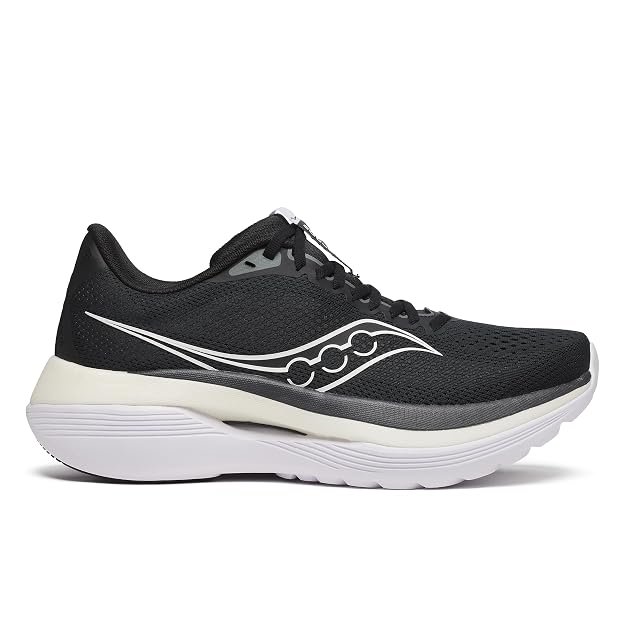
The Shop Owner’s Take: This is the shoe I point speed-focused runners toward. The responsive foam midsole gives genuine energy return on tempo runs, and at roughly 280g it’s light enough that fatigue doesn’t build up the way it does in bulkier trainers. The engineered mesh breathes well, which matters a lot once Mumbai humidity kicks in mid-run. One thing to note — it runs slightly narrow through the midfoot, so if you have a wider Indian foot shape, size up half a size.
Best For: Runners doing tempo and speed sessions as part of their marathon block, narrower foot shapes.
Pros:
- Excellent energy return for the weight class
- Breathable mesh handles Indian heat well
- Smooth transitions during long training runs
Cons:
- Narrow fit through midfoot — not ideal for wider Indian feet without sizing up
2. Brooks Men’s Glycerin 22 Neutral Running Shoe
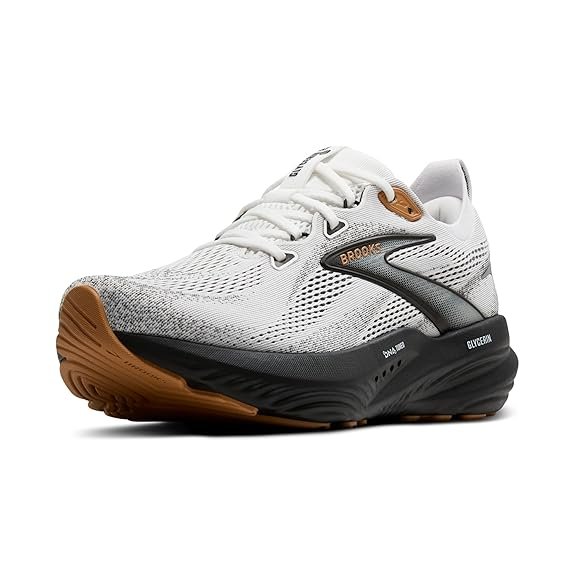
The Shop Owner’s Take: If I had to put one pair on every first-time marathoner in my shop, it’s this one. The DNA Tuned cushioning is genuinely plush without feeling mushy or unstable, and it soaks up impact beautifully on hard concrete stretches — which is most of urban India. At around 289g it’s not the lightest shoe here, but the joint protection it offers over a 4-hour long run makes that trade-off worth it. Durability has also held up well across high-mileage training blocks.
Best For: First-time marathoners and anyone prioritising joint comfort over pure speed.
Pros:
- Outstanding cushioning for long-distance comfort
- Reduces joint impact on hard Indian roads
- Breathable for extended training sessions
Cons:
- Slightly heavier build — not the choice if you’re chasing a fast finish time
3. ASICS Gel-Nimbus 28
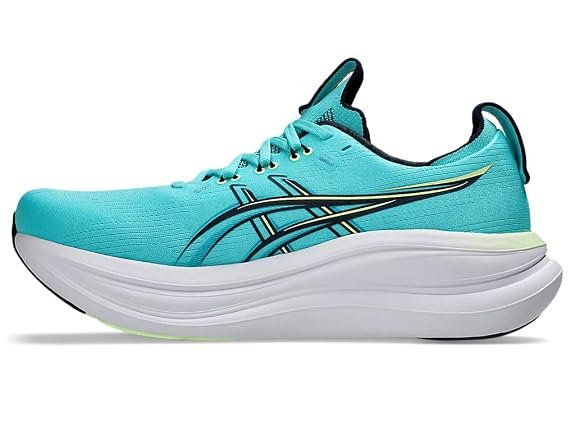
The Shop Owner’s Take: The FF BLAST PLUS ECO midsole combined with PureGEL cushioning makes this one of the most forgiving shoes on the list for shock absorption — I recommend it constantly to runners with knee or ankle sensitivity training on Chennai’s and Bengaluru’s harder road surfaces. It’s the heaviest shoe in this lineup at ~305g, and you’ll notice that extra weight if you’re doing back-to-back speed sessions, but for steady long runs it’s excellent.
Best For: Runners with joint sensitivity, heavier training blocks on hard road surfaces.
Pros:
- Outstanding shock absorption for marathon distances
- Stable, smooth ride reduces foot fatigue
- Breathable fit for extended long runs
Cons:
- Heaviest option here — not built for speed days
4. Mizuno Unisex Adult Wave Lightrevo
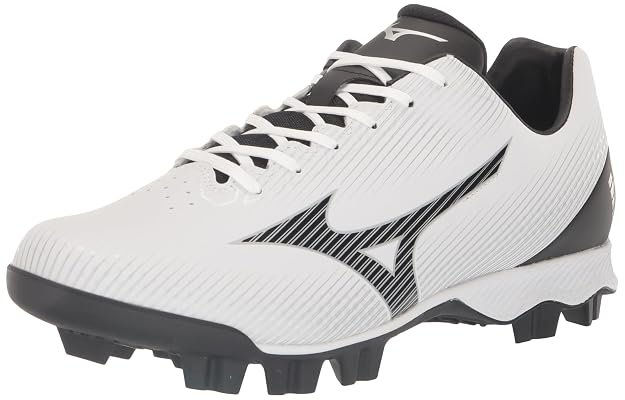
The Shop Owner’s Take: This is my go-to recommendation for the everyday training grind — not race day, but the Tuesday and Thursday sessions that actually build your fitness. Mizuno’s Wave technology gives a stable, controlled ride, and the outsole grips well across multiple surfaces, including tracks and turf, which matters if your training plan mixes road running with track intervals. It’s unisex sizing, so double-check width before ordering online.
Best For: Daily training sessions, runners who train across mixed surfaces (road, track, turf).
Pros:
- Stable, dependable cushioning for regular training
- Good grip across multiple surfaces
- Durable enough for a full training cycle
Cons:
- Feels less premium than the others for actual race day — better suited to training runs
Head-to-Head Comparison Table
| Shoe | Weight | Support Type | Rating | Best Use Case |
|---|---|---|---|---|
| Saucony Endorphin Trainer | ~280g | Neutral | 4.4/5 | Tempo & speed sessions |
| Brooks Glycerin 22 | ~289g | Neutral | 4.9/5 | Long runs, first-time marathoners |
| ASICS Gel-Nimbus 28 | ~305g | Neutral | 4.5/5 | Joint protection, hard roads |
| Mizuno Wave Lightrevo | ~300g | Neutral | 4.7/5 | Daily training, mixed surfaces |
how to prepare for marathon india : FAQ
1. How many months does it take to prepare for a marathon in India?
For a full marathon, plan 16–20 weeks. For a half marathon, 10–12 weeks is realistic if you already run casually.
2. Should I train early morning or evening in India?
Early morning, ideally before 6 AM. Indian heat and pollution levels climb sharply after sunrise, especially in Delhi and Mumbai.
3. How much water should I drink during long training runs?
Roughly 150–200ml every 20 minutes on runs over 45 minutes, with electrolytes added once you cross an hour, given Indian humidity levels.
4. Do I need different shoes for road and track training?
Not strictly, but a shoe with a durable, grippy outsole like the Mizuno Wave Lightrevo handles both better than a pure road-racing shoe.
5. What heel-to-toe drop is best for beginners?
8–10mm is generally safer for beginners transitioning from casual footwear, reducing Achilles and calf strain.
6. How do I know if I need a stability shoe instead of neutral?
Check the wear pattern on your old shoes — uneven wear on the inner edge suggests overpronation and a need for stability support. A gait analysis at a running store is more reliable than guessing.
7. Is it okay to run a marathon in India during monsoon season?
Yes, but grip matters more than usual — prioritise a shoe with a durable rubber outsole and avoid worn-out treads on wet or tiled surfaces.
8. How many kilometres should my longest training run be before the marathon?
Most plans cap the longest run at 32–35 km, about 3 weeks before race day, followed by taper.
9. Are expensive marathon shoes actually worth it in India?
For high-mileage training (300+ km), yes — better foam retains cushioning longer, which matters more here given how much of that mileage is on hard concrete.
10. Can I wear the same shoes for training and race day?
Yes, as long as they’re broken in with 60–80 km on them and still have adequate tread left — don’t switch to a brand new pair on race day.
Final Verdict
If you’re a first-time marathoner prioritising comfort and joint protection over speed, go with the Brooks Glycerin 22. If you’re chasing a faster finish and doing serious tempo work, the Saucony Endorphin Trainer is the better fit. Runners with joint sensitivity training on hard Indian roads should look at the ASICS Gel-Nimbus 28, and if you need one dependable shoe for your everyday training grind across mixed surfaces, the Mizuno Wave Lightrevo won’t let you down.
Whichever pair you pick, don’t skip the training fundamentals — heat management, the 10% rule, and proper taper matter just as much as the shoe on your feet. Check the latest prices and deals on Amazon.in before you commit.