
Flyknit vs Primeknit: Nike and Adidas Knits Compared
Editorial Guide | Footwear Materials |
Summarise this Flyknit vs Primeknit guide with AI
Open an assistant and submit the prefilled request. The assistant reads the page only after you submit it.
Flyknit and Primeknit are two knitted shoe uppers, from Nike and Adidas respectively. Both are knitted to shape rather than cut from panels, and both aim for a close, lightweight fit with airflow. They differ in how the knit is engineered, what it is bonded to, and how each brand builds its models. Neither is a fixed winner, so the right choice depends on fit, activity and the shoe as a whole.
Key Takeaways
- Both are knitted uppers, not fabrics you buy by the yard. Each is made on machines programmed for a specific shoe shape.
- The fit is close in both, but models differ. Judge the shoe in person or by its sizing guidance rather than the knit name.
- Breathability is generally good in both. Density, lining and overlays change how much air moves through.
- Durability depends on the model, not the brand name. Midsoles often wear before uppers.
- The midsole and heel decide support as much as the knit. Choose by use and fit, not by which brand “wins.”
Flyknit vs Primeknit at a Glance
| Feature | Nike Flyknit | Adidas Primeknit |
| Maker | Nike | Adidas |
| How it is made | Digitally engineered knitting, often one piece | Knitted upper, engineered for shape and support |
| Fit | Close, sock-like | Close, with stretch through the upper |
| Breathability | Generally good | Generally good |
| Durability | Varies by model | Varies by model |
| Water | Not waterproof | Not waterproof |
| Typical use | Running, training, lifestyle | Running, training, lifestyle |
| Care | Hand wash, air dry | Hand wash, air dry |
These are general tendencies rather than guarantees. Both brands produce many models, so the specific shoe matters more than the technology name.
What Nike Flyknit Is
Flyknit is Nike’s name for a digitally engineered knitting process. Nike describes it as a knitting process best known for lightweight, form-fitting and virtually seamless shoe uppers. It first appeared with the Nike Flyknit Racer, which Nike introduced around the 2012 London Olympics. Nike has described the aim as placing yarn only where it is needed, so that support, flexibility and breathability sit in the right zones of a single layer.
For a fuller definition, read what is Nike Flyknit. The point to keep in mind here is that Flyknit is a shoe-specific upper, not a generic fabric.
What Adidas Primeknit Is
Primeknit is Adidas’s knitted upper technology. It is used across many running, training and lifestyle models, and Adidas describes it as a way of knitting the upper to shape with a close fit. Like Flyknit, it is a knitted upper rather than a cut-and-stitched panel.
Primeknit is often discussed alongside Flyknit as the two main knitted uppers in mainstream sport. For background on Adidas’s version, see what is Adidas Primeknit. Both brands market their technology heavily, so when comparing, look at the product’s construction rather than the marketing terms.
How Each Knit Is Made
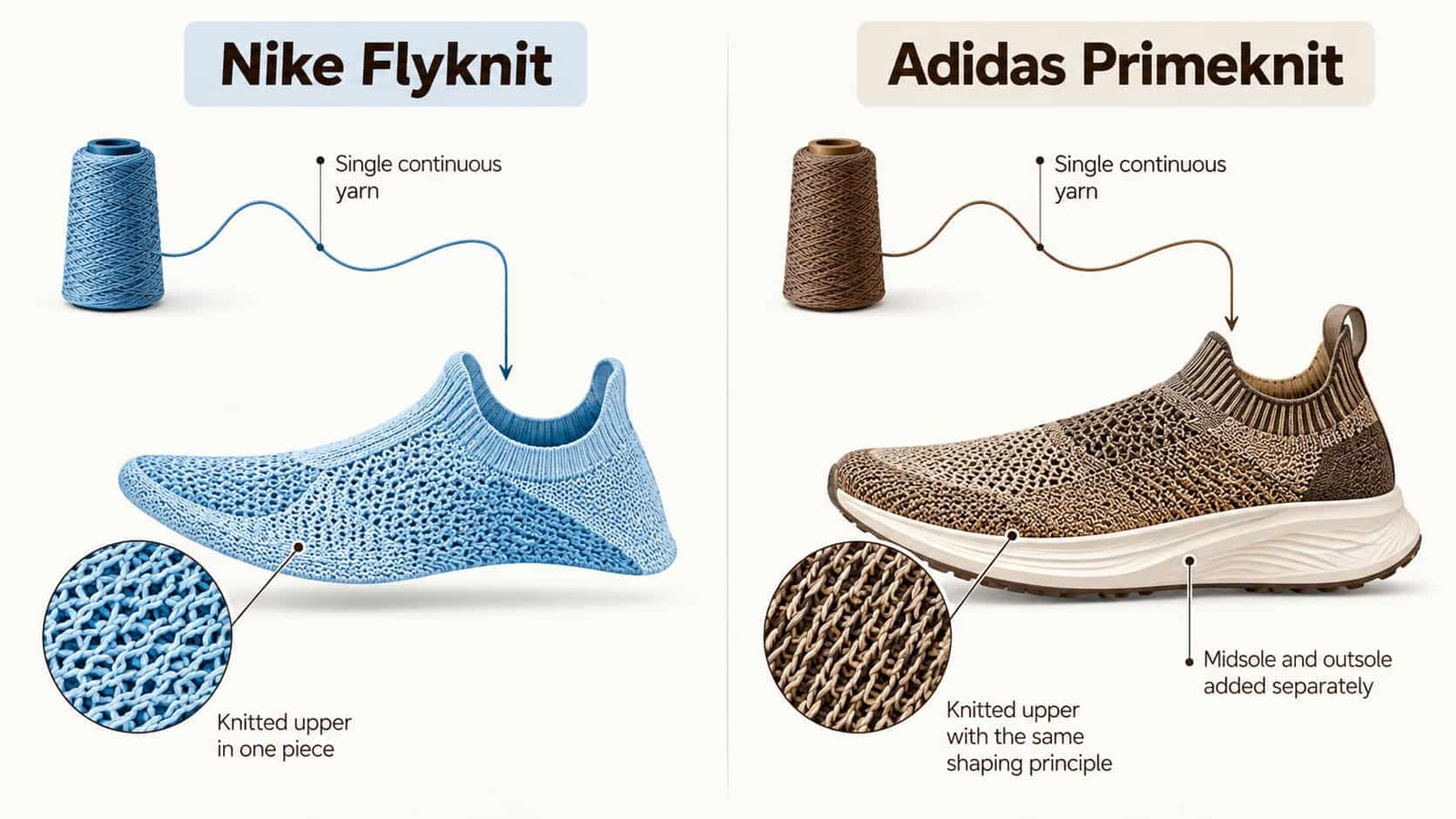
Flyknit. Yarn is knitted on machines programmed to place fibres in specific zones. Nike has described the process as digitally engineered, and later versions have produced a 360-degree upper that is thermoformed to add shape. Just Style, reporting Nike’s announcement of the Flyknit 360 construction, says the process uses complex knitting structures to create a closed anatomical form, then thermoforms it for shape and underfoot support.
Primeknit. Primeknit is also knitted to shape, but the specifics of each model’s construction vary. Adidas describes the upper as knitted for a close fit, with different yarn and density across the foot depending on the model.
For both, the upper is usually bonded or attached to a midsole and heel structure. The knit does not provide cushioning or support alone, so the sole matters as much as the upper.
Where the two differ in practice, the difference is often in how each model is designed rather than in a single technical rule. Comparing two specific shoes will tell you more than comparing the labels.
Fit and Stretch
Both knits aim for a close, sock-like fit. The stretch follows the foot, and many wearers find that the upper feels secure without a tight lacing system. Nike’s own language describes a second-skin feel, and Adidas positions Primeknit as a precision, close-fitting upper.
Because each model shapes its knit differently, fit can vary from one shoe to the next, even within the same brand. Some people find the upper snug from the first wear, while others need a size check or a few runs to settle in.
If you have a wide or narrow foot, check the fit guidance for the specific shoe and, where possible, try it on or use a retailer’s return policy.
Breathability
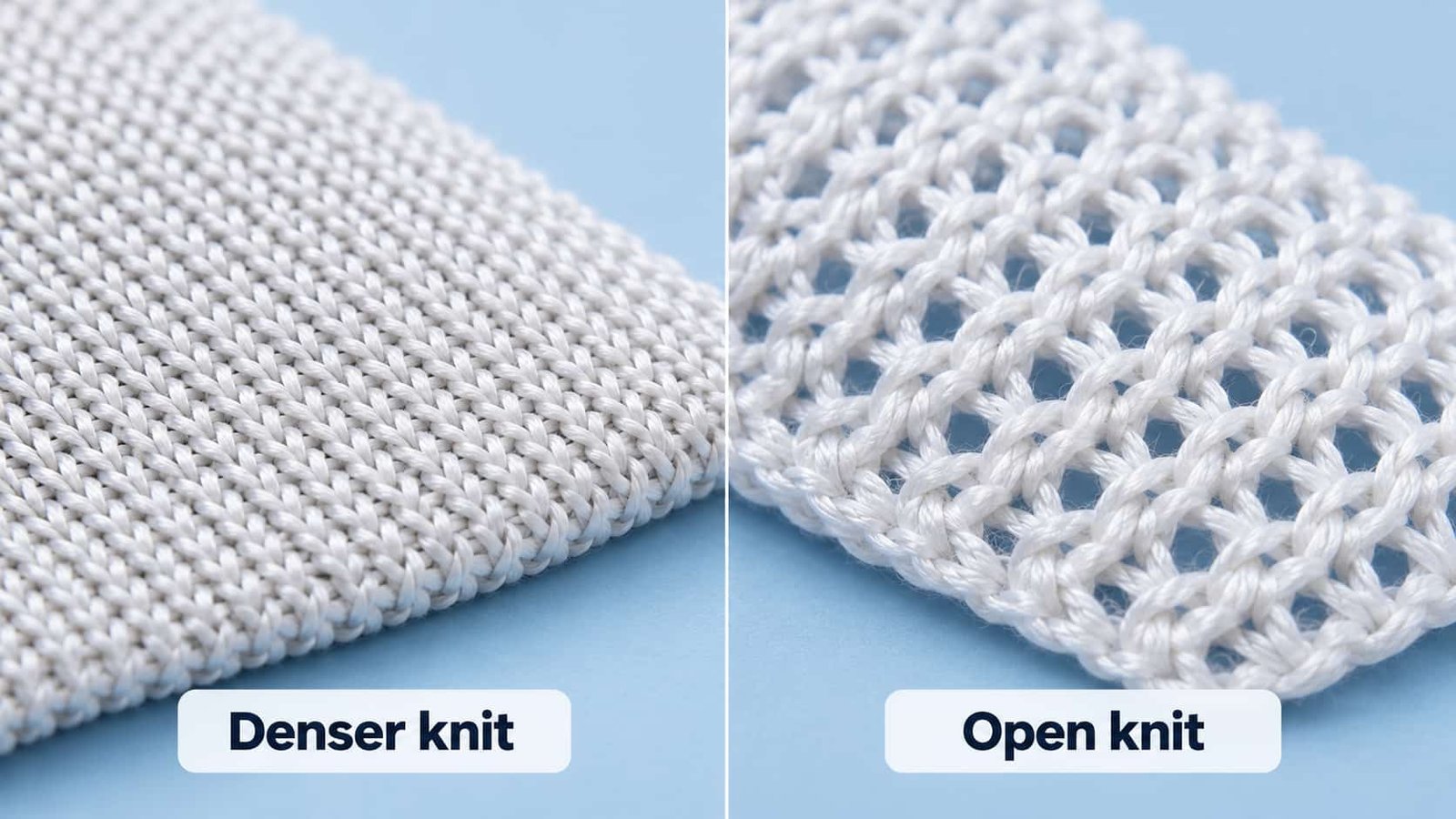
Both knits are generally breathable. The open structure allows air to move through, which suits running and warm weather. Compared with a sealed leather or coated synthetic upper, a knit usually feels cooler.
Breathability still depends on density, lining, insole and overlays. A dense knit, a heavy lining or a thick insole can trap heat, and sweaty feet will feel warmer in any upper. Comparing the two technologies in the abstract is less useful than checking the specific model’s lining and design.
This is an editorial judgment based on how open knits behave. It is not a standardised test result.
Durability and Wear
Durability is one of the most common questions, and the honest answer is that it depends on the model, not on the brand name. Yarn choice, knit density, bonding, stress points and how the shoe is used all matter.
Both knits can show wear at the toe, heel and sides, through pilling, stretching or bond failures. Midsole foam often wears out before the upper, so a shoe can look fine but feel flat. There is no reliable fixed lifespan for either.
Reports from runners and sneaker forums are mixed, and they tend to describe individual pairs rather than a clear winner. Treat them as anecdotes rather than evidence of general durability.
Which Is Better for Running?
Neither is better for every runner. The choice depends on how the shoe fits your foot, your cushioning and stability needs, and the activity.
- If you want a snug, sock-like fit, try both models in your size and see which feels more secure.
- If you run warm, look for an open knit and a breathable lining, and check the insole.
- If you need support or stability, the midsole and heel counter matter more than the upper. Choose the shoe for its support features.
- If you are unsure, a fitting by a running-shoe specialist can help you choose between the two.
Running footwear advice varies, and this article does not diagnose foot conditions. For foot-specific questions, a podiatrist or qualified running-shoe fitter is the right source.
Care for Both
Both knits need gentle care. The aim is to clean the upper without stretching it or weakening the bond to the sole.
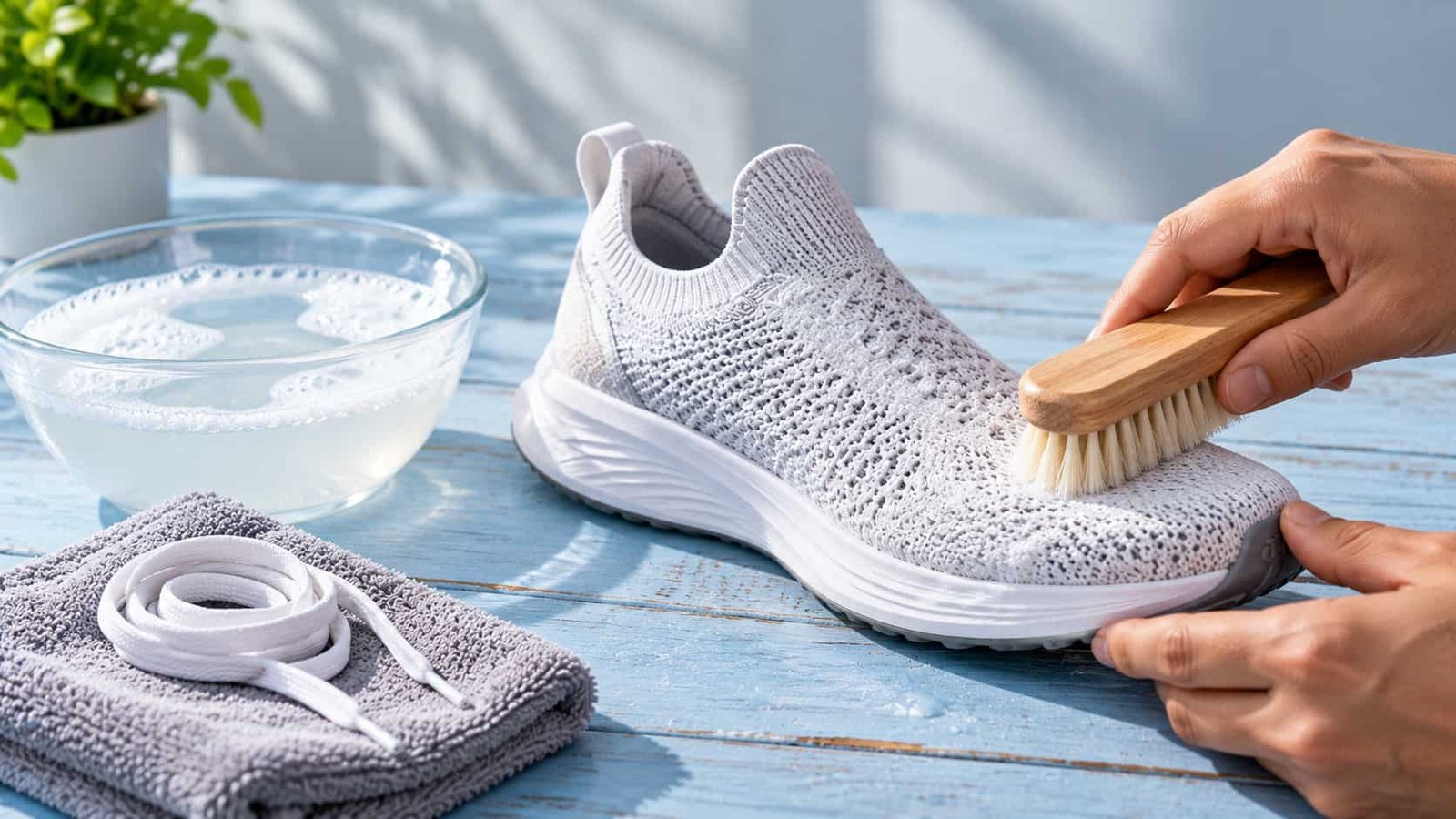
- Remove the laces and insoles and wash them separately.
- Brush off dry dirt with a soft brush, moving in the direction of the knit.
- Use mild soap and cool water on a soft brush, working gently.
- Keep the upper damp, not soaked.
- Air dry away from heat, stuffed with paper to keep the shape.
Avoid tumble dryers, bleach and harsh solvents. Nike’s cleaning guidance for Flyknit and mesh recommends hand washing and air drying, and Adidas care advice for its knit shoes is also generally gentle, so check the product’s care label. For a full routine, see how to clean shoes and maintain them.
Choosing Between Them
| Your situation | Flyknit may suit you if | Primeknit may suit you if |
| Fit | You like the Flyknit fit in the specific model | You like the Primeknit fit in the specific model |
| Use | You want a light running or training shoe | You want a light running or training shoe |
| Style | You prefer Nike’s look and models | You prefer Adidas’s look and models |
| Climate | You want airflow in warm weather | You want airflow in warm weather |
| Support | You get support from the midsole and heel | You get support from the midsole and heel |
For help narrowing options by use and style, the shoe finder is a useful next step. If you want a different knit with a different feel, see merino wool shoes.
Myths Worth Dropping
- “Flyknit and Primeknit are the same technology.” They are different brand technologies, though both are knitted uppers.
- “One of them is always more durable.” Durability depends on the model.
- “Knit always breathes better than mesh.” Density, lining and overlays matter more than the category.
- “A knit upper provides support.” The midsole and heel structure provide most support.
- “The brand that is more popular has the better knit.” Popularity is not a measure of construction or fit.
Frequently Asked Questions
What is the difference between Flyknit and Primeknit?
Both are knitted shoe uppers from different brands. Flyknit is Nike’s digitally engineered knitting process, and Primeknit is Adidas’s knitted upper technology. Both aim for a close, lightweight fit, and the specific shoe model matters more than the name.
Which is better, Flyknit or Primeknit?
Neither is better in every case. The better choice is the shoe that fits your foot, suits your activity and has the midsole and heel you need. Try both models if you can.
Does Nike still make Flyknit?
Nike continues to use Flyknit in a range of models, although the models and availability change over time. Check Nike’s current product pages for the models on sale in your market.
Is Adidas Primeknit durable?
Durability depends on the model, the yarn, the knit density and how the shoe is used. There is no reliable fixed lifespan, and midsole foam often wears before the upper.
Is Flyknit or mesh better?
It depends on the shoe. Flyknit is a close-fitting knit, while mesh is usually more open and more structured. Choose by fit, activity and climate rather than the category alone.
Are Flyknit and Primeknit breathable?
Generally yes. Both are open structures that allow air to move through. Breathability also depends on the lining, insole and the density of the knit in each model.
Are knit shoes waterproof?
No. Neither Flyknit nor Primeknit is waterproof by default. Both absorb water, so for wet weather look for a membrane or a water-resistant treatment in the product details.
How do I clean Flyknit or Primeknit shoes?
Remove the laces and insoles, brush off dry dirt, and wash the upper gently with mild soap and cool water. Air dry away from heat, stuffed with paper. Avoid tumble drying and bleach.
Final Thoughts
Flyknit and Primeknit are two knitted uppers from Nike and Adidas. Both aim for a close, lightweight, breathable fit. Neither is a fixed winner, and the better shoe depends on the model, your foot and how you will use it.
Before buying, try the models in your size, check the midsole and heel, and read the product’s construction. For a deeper look at each technology, start with what is Nike Flyknit and what is Adidas Primeknit.
External References
- Just Style, “Nike develops Flyknit 360 footwear construction” (reports Nike’s statements on the 360 construction): just-style.com/news/nike-develops-flyknit-360-footwear-construction
- Nike, “How to clean Flyknit and mesh shoes”: nike.com/a/how-to-clean-flyknit-mesh
- Sneaker Freaker-style forum discussion is not cited, as it is anecdotal; see Reddit, “Discussion: Flyknit vs Primeknit” for context only: reddit.com/r/Sneakers/comments/4fjud0