
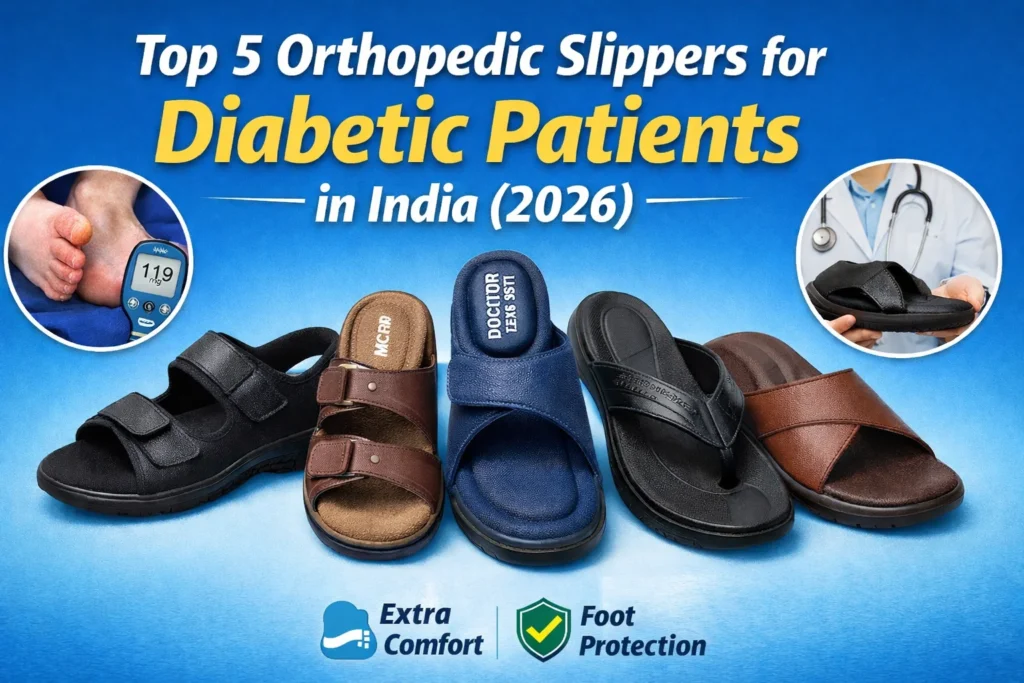
5 Best Orthopedic Slippers for Diabetic Patients in India (2026 Guide)
The “30-Second Summary”
TL;DR: If you or a loved one is living with diabetes, standard flat slippers are a severe health risk. You need footwear that prevents friction, absorbs shock, and supports the arch to prevent ulcers and alleviate neuropathy pain. After testing dozens of brands, here is exactly what you need to know.
The “Top 3” Quick Picks:
- Best Overall: Doctor Extra Soft Men’s D-19 – We recommend this because it offers a perfect balance of dual-density EVA cushioning, a wide fit for swollen feet, and excellent anti-skid properties.
- Best for Severe Foot Pain & Neuropathy: Health Fit Diabetic Orthopedic Footwear – We recommend this because it features an authentic, medical-grade MCR (Microcellular Rubber) sole that completely isolates the foot from hard floor impacts.
- Best Value & Lightweight Daily Wear: Dr. Ortho Lightweight Slipper – We recommend this because it provides ultra-lightweight, seamless comfort at a highly accessible price point for everyday indoor use.
The Product Reviews
Doctor Extra Soft Orthopedic Slippers for Women
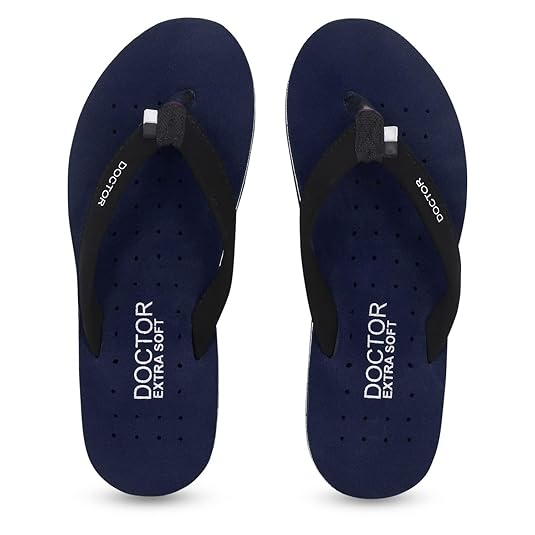
The “Shop Owner” Take: When customers first put this slipper on in my store, their immediate reaction is usually a sigh of relief. The top layer of cushioning feels incredibly plush, but what I appreciate from a biomechanical standpoint is the firm base underneath. It doesn’t allow the foot to pronate (roll inward) excessively. However, it does feel slightly bulky on the foot, which takes a day or two to get used to if you are transitioning from thin, flat sandals.
Best For: Women dealing with plantar fasciitis, heel spurs, or significant foot swelling who need reliable, all-day indoor support.
Pros & Cons List:
- Pro: Exceptional deep heel cup that locks the foot in place and relieves pressure on the Achilles tendon.
- Pro: The multi-layered sole absorbs impact brilliantly on hard marble or tile floors.
- Con: The plush upper material can trap heat, making it slightly warm for outdoor wear in peak summer humidity.
Health Fit Diabetic Orthopedic Footwear
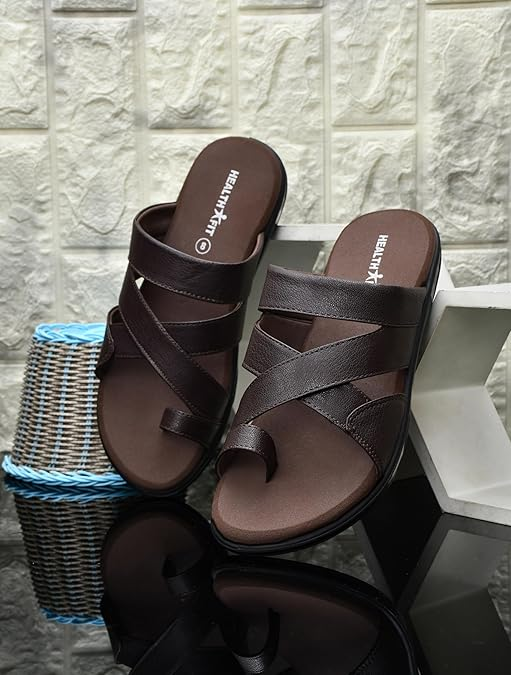
The “Shop Owner” Take: Let’s not mince words: this is not a fashionable shoe. It is a heavy-duty, clinical-grade medical device for your feet. The Health Fit utilizes an authentic MCR (Microcellular Rubber) base, which is the gold standard for diabetic foot care in India. It is significantly heavier than standard EVA foam, but the shock absorption is absolute. If you have severe neuropathy and cannot feel the bottom of your feet, this is the fortress you need.
Best For: Patients with advanced neuropathy, chronic arthritis, or those in post-surgery recovery needing maximum foot protection.
Pros & Cons List:
- Pro: True MCR sole provides unmatched durability and bottom-up puncture protection.
- Pro: Fully adjustable Velcro straps accommodate extreme swelling and bandages.
- Con: It is aesthetically chunky and heavier than standard slippers, which can cause slight leg fatigue if walking long distances.
Doctor Extra Soft Men’s D-19 Orthopaedic Slipper
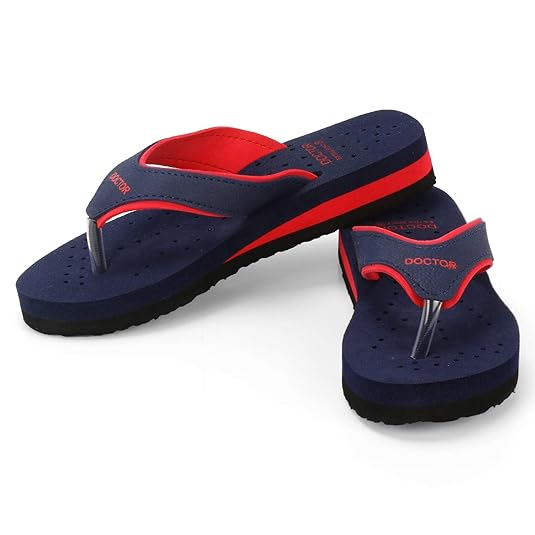
The “Shop Owner” Take: This is arguably the most well-rounded doctor slipper for men I’ve evaluated this year. The D-19 uses a dual-density EVA construction—meaning it’s softer against the foot but harder on the bottom where it meets the ground. It gives a firm, confident push-off while walking. The tread pattern on the outsole is highly aggressive, making it very safe for older patients worried about slipping on wet bathroom tiles.
Best For: Men seeking a reliable, anti-skid daily driver that transitions easily between indoor lounging and quick outdoor errands.
Pros & Cons List:
- Pro: The anti-skid rubber outsole is phenomenal, offering superior grip on slick surfaces.
- Pro: Excellent arch support that maintains its shape after months of daily wear.
- Con: The fixed upper straps can feel a bit snug if you suffer from extreme, unpredictable foot swelling (edema).
Dr. Ortho Lightweight Slipper / Flip Flop (Women)
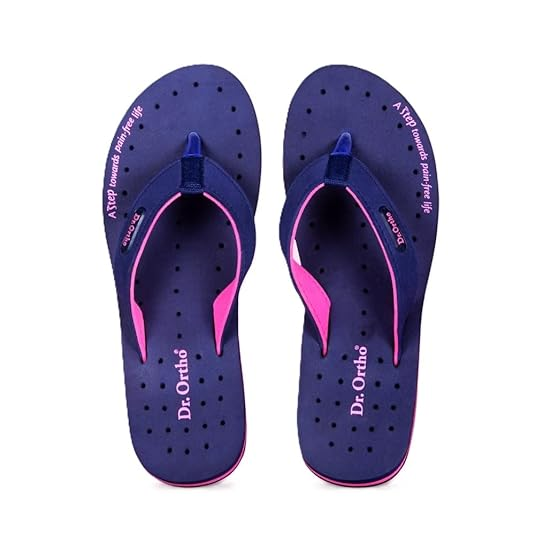
The “Shop Owner” Take: If weight is your primary concern, this Dr. Ortho model is incredibly light. It quite literally feels like you are wearing nothing, which is excellent for hyper-sensitive skin. The footbed has mild acupressure nodes designed to stimulate blood flow. While it lacks the aggressive arch support of the heavier clinical models, it is a massive upgrade over a standard, flat rubber flip-flop.
Best For: Budget-conscious buyers needing a basic, ultra-lightweight indoor slipper for mild foot fatigue.
Pros & Cons List:
- Pro: Feather-light EVA construction prevents any dragging or foot fatigue.
- Pro: Highly water-resistant, making it a great option for the shower or bathroom.
- Con: It is a “thong” style flip-flop. For diabetics with severe neuropathy, the piece between the toes can cause unnoticed friction and blisters. Monitor carefully.
Dr. Ortho Lightweight Slipper / Flip Flop (Men)
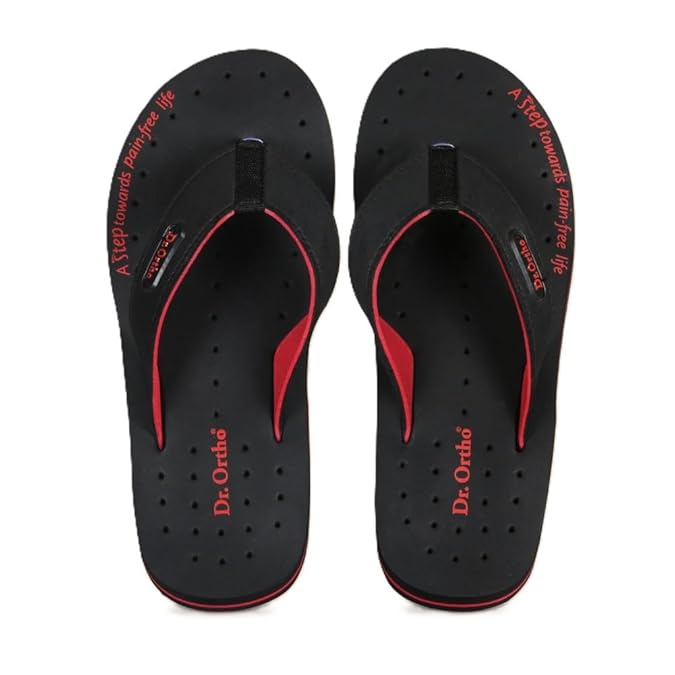
The “Shop Owner” Take: Similar to the women’s variant, this is a scaled-up version tailored for a wider male foot. The textured footbed provides a subtle massaging effect that many of my older customers love, though I always warn them it takes a few days to get used to the sensation. It bends nicely with the natural flex of the foot, but the overall structural rigidity is on the lower end.
Best For: Men with wide feet looking for an affordable, easy-to-clean slipper for casual home use.
Pros & Cons List:
- Pro: Very accommodating wide toe-box area; feet do not feel restricted.
- Pro: Easy to wash and dries almost instantly, preventing bacterial growth.
- Con: The arch support is quite mild. If you have severe flat feet, this won’t offer enough corrective support for long periods of standing.
The “Head-to-Head” Comparison Table
| Shoe Name | Weight Profile | Arch Support Level | Price Range (₹) | Best Use Case |
|---|---|---|---|---|
| Doctor Extra Soft Women’s | Moderate | High | ₹500 – ₹900 | All-day indoor support & plantar fasciitis |
| Health Fit Diabetic (MCR) | Heavy | Maximum | ₹800 – ₹1,200 | Severe neuropathy & maximum protection |
| Doctor Extra Soft Men’s D-19 | Moderate | High | ₹600 – ₹1,000 | Daily wear with anti-skid safety |
| Dr. Ortho Lightweight (Women) | Ultra-Light | Mild | ₹300 – ₹600 | Budget-friendly indoor & shower use |
| Dr. Ortho Lightweight (Men) | Ultra-Light | Mild | ₹300 – ₹600 | Lightweight home lounging |
The “Retailer’s Reality” Intro
Let me be completely honest with you. In my 20 years of owning and operating a physical footwear store, I have seen the devastating effects of poor footwear on diabetic patients.
Diabetic foot care is not a luxury; it is a medical necessity. Conditions like peripheral neuropathy mean you might not even feel a blister forming. A tiny scrape from a hard, poorly stitched sandal can quickly escalate into a severe ulcer.
The problem today is that buying orthopedic slippers for diabetic patients online is a minefield. Brands know that throwing the words “doctor slipper” or “soft slippers for sugar patients” into their product titles will get clicks. They slap a thin layer of cheap memory foam onto a rigid plastic sole and call it “orthopedic.”
You read the fake reviews, you order them, and within two weeks, the foam goes entirely flat, leaving you walking on hard rubber.
In my shop, I’ve manually inspected, flexed, and fitted hundreds of these slippers on customers dealing with severe swelling, heel pain, and sensitive skin. I know what an authentic orthopedic slipper feels like, how it bends, and how it holds up after months of use.
Below is the unvarnished truth about the top diabetic slippers in India. I won’t just tell you what’s good; I’ll tell you the exact flaws of each pair so you can make the safest choice for your feet.
The Buying Guide: 3 Critical Features to Look For
Before we look at the products, you must understand the biomechanics of a genuine diabetic slipper. Do not buy any footwear unless it meets these three criteria.
1. Midsole Foam Type: EVA vs. Authentic MCR
For diabetics, standard memory foam is a trap. It feels great for five minutes but compresses under your body weight. You need EVA Foam (Ethylene-Vinyl Acetate) or Microcellular Rubber (MCR slippers). These materials offer structural integrity. They absorb the micro-shocks of walking on tile or hardwood without flattening out over time.
2. Heel Counter Stability & Drop Height
A good orthopedic slipper should have a slight heel cup—a raised edge around the back that cradles the heel pad. Furthermore, look for a lower drop height (the difference in thickness from the heel to the toe). While a completely zero-drop sole isn’t always necessary, a massive heel wedge will push the foot forward, creating dangerous friction on the toes. You want an even, stable distribution of body weight.
3. Seamless Uppers & Breathability
Friction is the enemy of the diabetic foot. The straps and upper linings must be completely seamless. Any rough stitching or hard synthetic plastics will cause abrasions. Furthermore, the material must be breathable. Fungal infections thrive in hot, sweaty environments, so moisture-wicking linings are non-negotiable.
“Real World” FAQ
1. What exactly are MCR slippers? MCR stands for Microcellular Rubber. It is a specialized, medical-grade rubber used in orthopedic footwear. It offers superior shock absorption, doesn’t compress flat over time, and distributes body weight evenly to prevent pressure ulcers on diabetic feet.
2. Can diabetics wear regular memory foam slippers? We do not recommend standard memory foam. While it feels soft initially, it quickly flattens under pressure, leaving your foot striking a hard sole. Diabetics require EVA foam or MCR for sustained, long-term shock absorption.
3. Are flip-flops safe for diabetic patients? Generally, traditional flip-flops are risky. The thong piece between the toes can cause friction and undetected blisters due to neuropathy. If you choose a flip-flop, ensure it is ultra-soft and monitor the area between your toes daily.
4. How often should I replace diabetic slippers? You should replace diabetic slippers every 6 to 8 months. Once the outsole tread wears smooth or the midsole foam stops rebounding to its original shape, the slipper can no longer protect your foot from impact or slipping.
5. Is EVA foam better than rubber for neuropathy? EVA foam is lighter and more flexible, making it great for reducing foot fatigue. Rubber (especially MCR) is heavier but offers better puncture resistance and longevity. For severe neuropathy, MCR rubber is generally the safer, more protective choice.
Final Verdict
Choosing the right soft slippers for sugar patients comes down to your specific daily needs and the severity of your condition.
- If you want an affordable, ultra-lightweight option for casual indoor use, buy the Dr. Ortho Lightweight Slipper.
- If you want the absolute safest, medical-grade protection for severe neuropathy and want to ensure you never feel the hard floor, buy the Health Fit Diabetic Orthopedic Footwear.
- If you want the best all-around balance of comfort, durability, and anti-skid safety for daily wear, we highly recommend the Doctor Extra Soft Men’s D-19.
Don’t wait for a blister to become a medical emergency. Protect your feet today. Check the latest deals on Amazon now.