
How to Choose Gym Shoes India – Expert Buying Guide (2026)
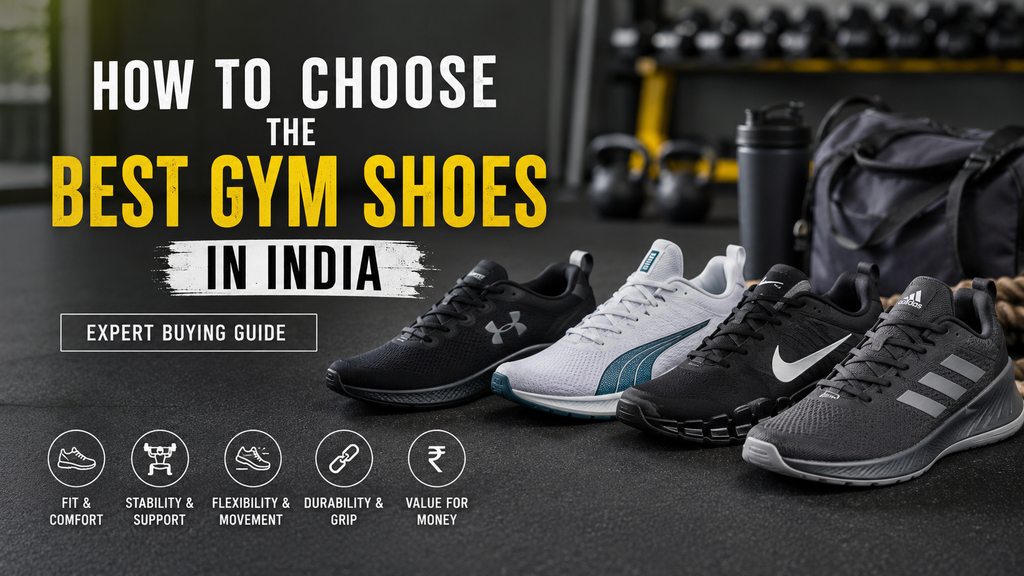
30-Second Summary — Quick Picks
- Best for Running-Style Gym Sessions: Under Armour Infinite – HOVR cushioning that also holds up on the treadmill
- Best for Fast-Paced Cardio/HIIT: Puma Deviate Nitro 4 – lightweight with a carbon plate for quick direction changes
- Best for Multi-Directional Gym Training: Adidas Amplimove Trainer – built for lateral movement and HIIT circuits
- Best for Strength Training & Cross-Training: Nike Free Metcon 6 – stable heel platform for lifting, flexible front for movement
The Retailer’s Reality: Why “Any Shoe” Doesn’t Work for the Gym
I’ve had customers walk into my shop wearing worn-out running shoes for their deadlift sessions, wondering why their ankles feel unstable. I’ve also had customers buy a stiff cross-trainer to run 5K on a treadmill, and come back a week later with shin pain. Here’s the truth: a gym shoe isn’t one category — it’s a decision that depends on what you actually do in the gym.
Online shopping makes this worse. Product listings throw around words like “training shoe” or “gym shoe” without telling you whether it’s built for lifting, HIIT, treadmill cardio, or all three badly. In my shop, I’ve had hundreds of customers try on dozens of these shoes side by side. This guide is the same advice I’d give you standing at my counter.
Step 1: Know What You Actually Do at the Gym
Before you even look at a shoe, be honest about your gym routine. This single decision eliminates 80% of the wrong purchases I see.
- Mostly weight training (squats, deadlifts, presses): You need a flat, stable, low-cushion base. Too much foam under your heel makes heavy lifts feel wobbly.
- Mostly HIIT/circuit training (jumps, lateral shuffles, burpees): You need a shoe with lateral support and a grippy outsole — running shoes tend to feel unstable here.
- Mostly treadmill/cardio machines: You need cushioning and forward flexibility, closer to a running shoe than a lifting shoe.
- A mix of everything (most Indian gym-goers): You need a “hybrid” cross-trainer — a stable heel with enough flexibility up front, which is where most modern training shoes are designed to sit.
If you’re someone who also runs outdoors on weekends, it’s worth reading our guide to choosing running shoes in India separately — gym shoes and running shoes solve different problems, even if a few models try to do both.
Step 2: Understand the Midsole (EVA vs TPU vs Foam Blends)
The midsole is the part between your foot and the outsole, and it decides how the shoe actually feels underfoot. In Indian gym conditions often warm, sometimes humid, and on hard rubber-matted floors midsole choice matters more than most buyers realize.
- EVA foam: Lightweight, decent cushioning, softer underfoot. Common in cross-trainers like the Adidas Amplimove. Good all-round choice, but softer EVA can compress faster with daily heavy use in India’s heat.
- TPU-reinforced overlays: Used for structural support rather than cushioning you’ll see this in the upper of shoes like the Amplimove to lock the foot down during lateral movement.
- Proprietary responsive foams (like HOVR or NITROFOAM): Firmer, more energy-return focused. Good for shoes that double up as cardio/running shoes, less ideal if your priority is flat lifting stability.
Shop owner’s note: if you lift heavy 3+ times a week, avoid anything with thick, soft foam under the heel it feels good in the store, but under a loaded barbell your ankles will wobble.
Step 3: Heel-to-Toe Drop and Why It Matters in the Gym
Heel-to-toe drop is the height difference between the heel and forefoot of the shoe. It’s a term borrowed from running shoe design, but it applies directly to gym footwear too.
- Low drop (0–4mm): Closer to barefoot, more stable for squats and deadlifts, better ground feel.
- Moderate drop (6–8mm): A reasonable middle ground you’ll see this on hybrid trainers like the Deviate Nitro 4 (8mm), which leans more toward cardio and running.
- Higher drop (10mm+): More common in pure running shoes, generally not ideal for lifting-focused gym work.
On Indian gym floors tiled or rubber-matted, often slightly uneven in smaller local gyms a moderate drop with a wide, stable base tends to work best for most people who aren’t specialized powerlifters.
Step 4: Outsole Grip and Indian Gym Floor Conditions
This is the part most online buying guides skip, and it’s the part that actually causes injuries. Indian gyms vary wildly a premium gym in Mumbai or Bengaluru might have proper rubber flooring, while a local gym in a smaller city or a housing society gym might have tiled or painted concrete floors.
- On tiled or polished floors, look for a multidirectional rubber outsole with a textured tread pattern smooth-soled running shoes can slip during lateral or explosive movements.
- On rubber gym mats, grip is less of an issue, but outsole durability against friction (from lunges, burpees, and drags) becomes more important.
- Humidity and sweat also affect grip a shoe with a breathable upper (mesh, like most shoes in this list) keeps your foot drier, which indirectly helps traction too.
Step 5: Arch Support and Stability
Arch support in gym shoes isn’t about correcting your gait like a running shoe would it’s about preventing your foot from collapsing inward (overpronating) during lateral movement or under load.
- If you have flatter feet or your knees tend to cave in during squats, prioritize shoes with a firmer medial (inner) side and a wider base, rather than a plush, soft one.
- If you have a naturally higher arch, a touch more cushioning in the midfoot helps with comfort during longer sessions.
- When in doubt, try the shoe and do a bodyweight squat in the store (or in your living room within the return window) if your ankle wobbles, it’s not the right shoe for lifting.
4 Gym Shoes Worth Considering
I don’t believe in recommending blindly every shoe below has a genuine flaw along with its strengths. Use the “best for” tag to match it to your own gym routine from Step 1.
how to choose gym shoes india’S reVIEW AND TESTED
1. Under Armour Men’s Infinite Running Shoes
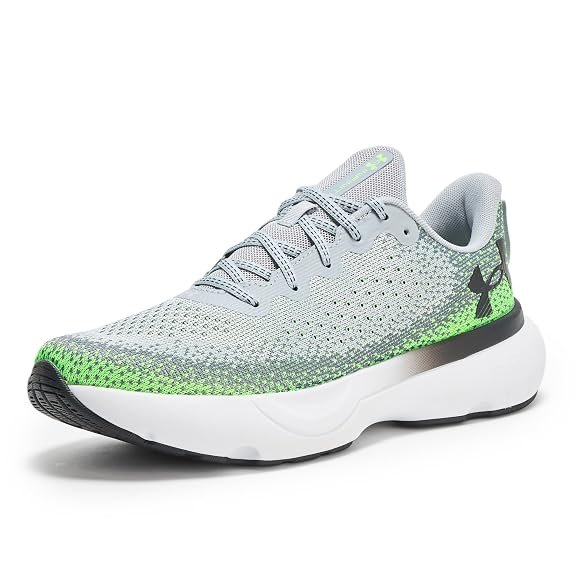
The Shop Owner’s Take: This is built as a running shoe first, and it shows — the UA HOVR cushioning absorbs impact well and gives a noticeably responsive feel on the treadmill or during cardio circuits. The breathable upper handles Indian gym heat reasonably well, and the heel construction feels supportive during forward movement. Where it falls short is stability during heavy lifting the cushioned heel isn’t ideal if squats or deadlifts are your main focus.
Best For: Gym-goers who spend a good chunk of their session on the treadmill or in cardio-heavy classes.
Pros:
- Strong impact absorption from HOVR cushioning
- Breathable mesh upper suited to Indian gym conditions
- Stable heel for running and forward motion
- Durable rubber outsole for daily use
Cons:
- Too much heel cushioning for serious barbell lifting not the shoe I’d recommend for heavy squat days
2. Puma Deviate Nitro 4
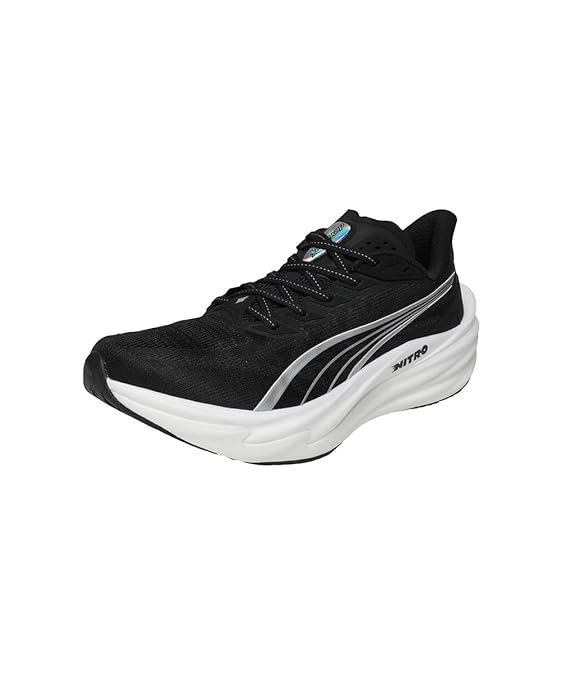
The Shop Owner’s Take: This is a road running shoe at heart, with NITROFOAM cushioning and a PWRPLATE carbon-composite plate that makes it feel light and quick underfoot. At around 250g, it’s noticeably lighter than most cross-trainers, and the PUMAGRIP outsole holds up well on gym floors and outdoor pavement alike. The 8mm drop and propulsive feel make it better suited to cardio and fast-paced movement than to static lifting, where the plate can feel oddly rigid.
Best For: Gym goers who mix cardio intervals with their strength sessions, or who want one shoe for both the gym and occasional outdoor runs.
Pros:
- Lightweight (250g) good for HIIT and interval work
- Responsive NITROFOAM cushioning with good energy return
- PUMAGRIP outsole grips well across surfaces
- Breathable mesh construction
Cons:
- The carbon plate feels rigid and unnatural during static lifts like squats not built for that purpose
3. Adidas Men Amplimove Trainer M Training Shoe
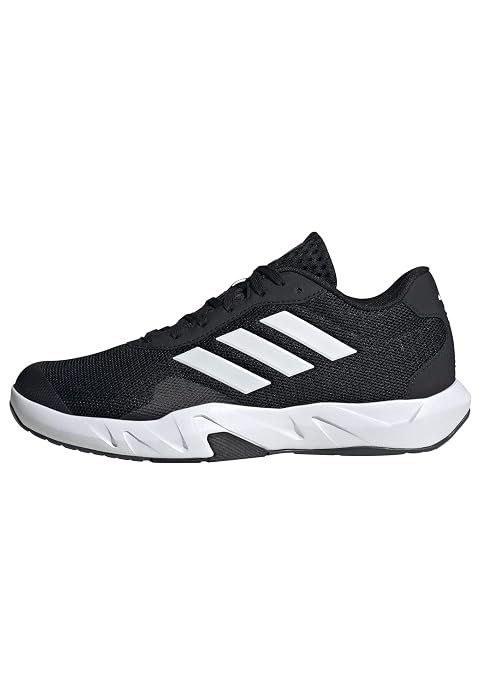
The Shop Owner’s Take: This is one of the few shoes on this list actually designed for gym training rather than adapted from a running shoe. The zoned TPU overlays lock your foot down during lateral shuffles and direction changes, and the multidirectional outsole grips well on tiled and matted gym floors useful for Indian gyms with inconsistent flooring. The Vis-Tech EVA midsole gives decent cushioning without being unstable. It’s not a specialist lifting shoe, though under very heavy barbell loads, the midsole still gives slightly more than a dedicated flat-soled lifting shoe would.
Best For: HIIT classes, circuit training, and gym goers who do a genuine mix of lifting and cardio in the same session.
Pros:
- TPU overlays provide real lateral support
- Multidirectional outsole grips well on Indian gym floors
- Breathable mesh upper, made with recycled content
- Versatile across most gym activities
Cons:
- Not stiff enough underfoot for max-effort powerlifting sessions
4. Nike Men’s Free Metcon 6 Fitness/Workout Shoes
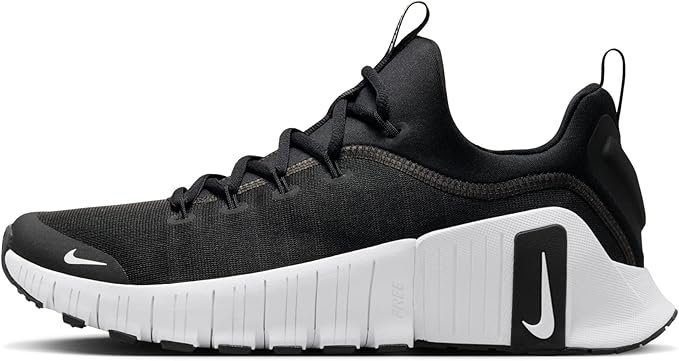
The Shop Owner’s Take: Of the four shoes here, this comes closest to a true hybrid gym shoe. The stable heel platform gives a genuinely flatter, firmer base for strength work, while the Nike Free-inspired flexible forefoot allows natural foot movement during dynamic exercises like lunges or box jumps. The cushioned midsole is moderate enough for comfort, not so much that it feels unstable under load. The trade-off is that it’s not as plush for long cardio sessions as the Under Armour or Puma options.
Best For: Gym-goers who want one shoe for strength training, HIIT, and general cross-training without switching pairs.
Pros:
- Stable heel platform genuinely helps during weight training
- Flexible forefoot allows natural movement in dynamic exercises
- Durable rubber outsole
- Well-rounded for mixed workout styles
Cons:
- Cushioning is noticeably firmer than dedicated cardio shoes less comfortable for long treadmill sessions
Quick Comparison Table
| Shoe Name | Weight |
Arch/Stability Level | Rating | Best Use Case |
|---|---|---|---|---|
| Under Armour Infinite | Standard running-shoe weight | Moderate cushioning, low lateral stability | 4.5/5 | Treadmill & cardio-heavy gym sessions |
| Puma Deviate Nitro 4 | ~250g (UK 8) | Firm plate, low lateral stability | 4.4/5 | HIIT, tempo cardio, interval training |
| Adidas Amplimove Trainer | Standard training-shoe weight | High lateral support (TPU overlays) | 4.4/5 | HIIT, circuit training, multidirectional gym work |
| Nike Free Metcon 6 | Standard training-shoe weight | Stable flat heel, flexible forefoot | 4.4/5 | Strength training, cross-training, mixed workouts |
how to choose gym shoes india’S Frequently Asked Questions
1. Can I use running shoes for gym workouts?
You can, but they’re not ideal for heavy lifting since the cushioned heel reduces stability. They work fine for treadmill and cardio-focused sessions.
2. Do I need different shoes for lifting and cardio?
Ideally yes. Lifting needs a flat, stable base; cardio needs cushioning and flexibility. A hybrid trainer is a reasonable middle ground if you don’t want two pairs.
3. What heel-to-toe drop is best for gym shoes?
A low-to-moderate drop (0–8mm) generally works best for gym use, offering more ground stability than the higher drops common in running shoes.
4. Are training shoes necessary, or can I just wear casual sneakers?
Casual sneakers usually lack the outsole grip and midsole support needed for gym movements, and can slip on tiled or matted gym floors.
5. How important is grip for Indian gym floors?
Very important, especially in gyms with tiled or polished flooring rather than rubber matting. A multidirectional outsole reduces slip risk during lateral movement.
6. Should I size up for gym shoes like I do for running shoes?
Not necessarily. Gym shoes benefit from a snugger, more secure fit for lateral stability, unlike running shoes where a little extra toe room helps with swelling.
7. Do EVA foam midsoles wear out faster in Indian heat and humidity?
Softer EVA compounds can compress a bit faster with heavy daily use in warm, humid conditions compared to firmer foams, though normal 3–4x weekly use shouldn’t cause noticeable issues within the first year.
8. Are expensive gym shoes worth it for a beginner?
Not necessarily at first. A mid-range hybrid trainer with decent lateral support is usually enough until your routine (lifting-heavy vs cardio-heavy) becomes clearer.
9. Can the same gym shoe work for both men’s and women’s foot shapes?
The core features (grip, stability, midsole) apply to both, but fit and width vary by brand’s gender-specific lasts, so always try both if unsure.
10. How often should I replace my gym shoes?
For regular gym-goers (4–5 sessions a week), most midsoles start losing cushioning and support after roughly 8–12 months of consistent use, even if the outsole still looks fine.
Final Verdict
If your gym time is mostly cardio and treadmill work, go with the Under Armour Infinite. If you want something light for HIIT and interval-style training, the Puma Deviate Nitro 4 fits well. If your sessions are genuinely multidirectional — circuits, HIIT, mixed movement — the Adidas Amplimove Trainer is built exactly for that. And if you split your time between lifting and general training and want one shoe that does both reasonably, the Nike Free Metcon 6 is the most balanced pick here.
Related Reading
- How to Choose Running Shoes in India
- How to Break In Running Shoes in India
- How to Warm Up Before Running in India
- Complete Running Gear Guide for India
- Marathon Prep Guide for Indian Runners