
How Long Do Walking Shoes Last? (When to Replace)
✅ Expert Verified | 🛒 Live Amazon Prices | 📅 Updated July 2026
👟 Best Walking Shoes for Women – Our Top Recommendations
These four walking shoes deliver the best balance of comfort, durability, and support for every walking style.
More Walking Shoes We Recommend
4 additional picksIntroduction
I have fitted thousands of walking shoes over the years, and the question I hear most often is simple: “How long should these last?”
The honest answer is not as straightforward as most people think. A pair of walking shoes does not come with an expiration date stamped on the tongue. But here is what I can tell you from real experience: most women keep their walking shoes far too long. They wear them until the sole is smooth, the cushioning is flat, and their feet start aching by noon. By that point, the damage is already done.
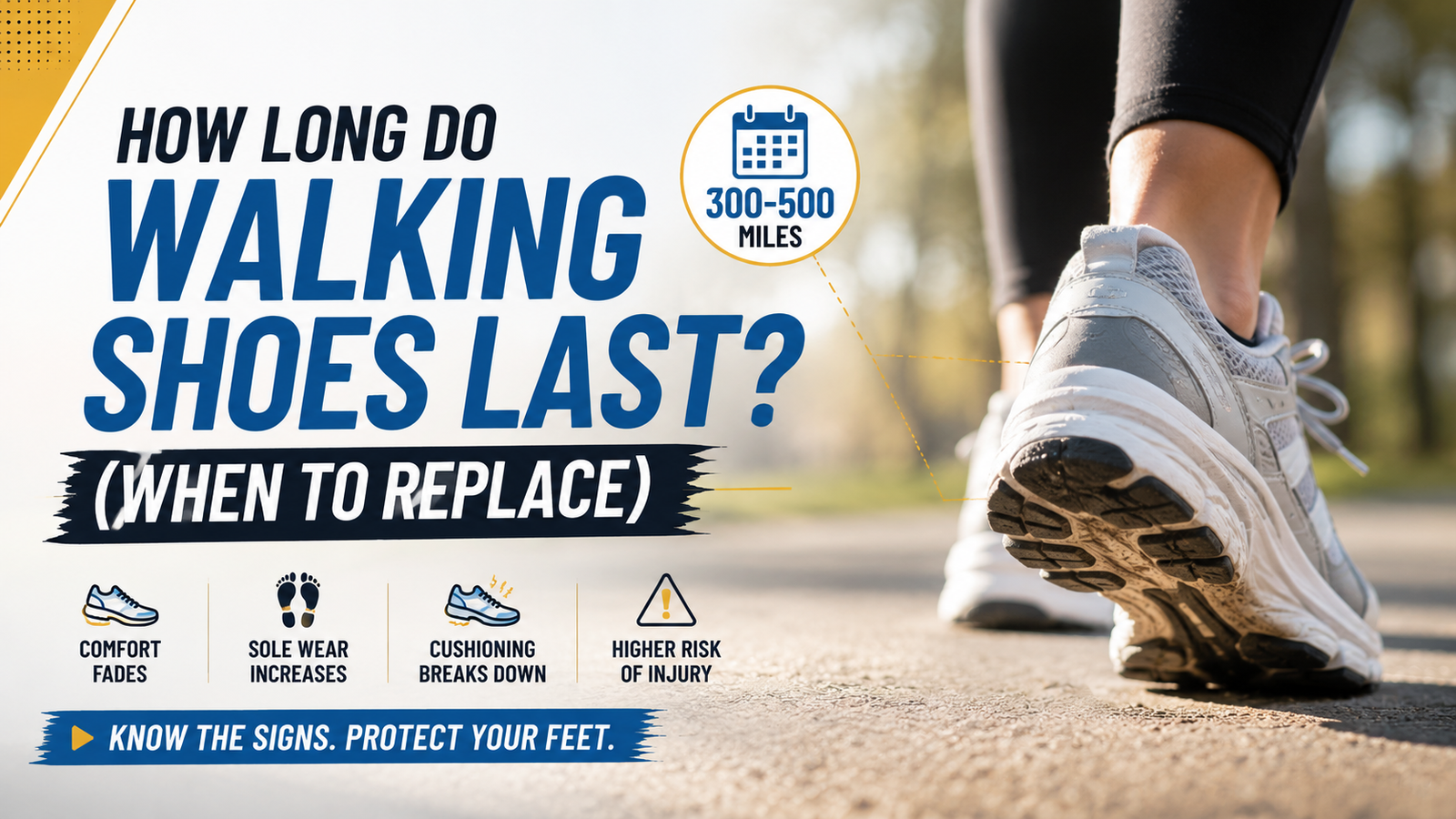
Walking shoes typically last between 300 and 500 miles. For the average walker who logs about 30 minutes a day, that translates to roughly six to twelve months of regular use. But mileage is just one piece of the puzzle. Your body weight, walking surface, gait pattern, and even the climate you live in all affect how quickly a shoe breaks down.
This guide walks you through exactly when to replace your walking shoes, what signs to look for, and which shoes will actually last. Because the right shoe is not just about comfort today — it is about protecting your feet for years to come.
For a deeper dive into selecting the right pair, check out our guide on how to choose walking shoes for women .
How Long Do Walking Shoes Actually Last?
The short answer: 300 to 500 miles.
But let me break that down in a way that actually makes sense for your daily life.
| Your Walking Routine | Approximate Lifespan |
| 30 minutes per day (casual walking) | 6 to 12 months |
| 1 hour per day (fitness walking) | 3 to 6 months |
| 2+ hours per day (walking-intensive job) | 2 to 4 months |
| Weekend walker (occasional use) | 12 to 18 months |
These numbers are averages. Some shoes will last longer. Some will wear out faster. What matters more than the number is how the shoe actually feels on your feet.
The midsole is the first thing to break down, even when the upper still looks fine. EVA foam compresses over time and loses its ability to absorb shock. You might not see it, but your knees and lower back will feel it.
5 Signs It Is Time to Replace Your Walking Shoes
I have seen women walk into my store wearing shoes that are two years old, wondering why their feet hurt. The shoes look fine on the outside. But the support is gone.
Here are the five signs I tell every customer to watch for:
1. New Aches and Pains
If your knees, hips, or lower back have started hurting during or after walks, your shoes are likely the culprit. When cushioning compresses, your joints absorb more impact with every step.
2. Flattened or Compressed Cushioning
Press your thumb into the midsole. If it feels hard or does not bounce back, the foam is done. New walking shoes should have some give.
3. Worn-Down Tread
Look at the outsole. If the tread pattern is smooth in any area, especially the heel or forefoot, you have lost traction and stability.
4. Visible Creases or Wrinkles
Vertical creases on the midsole are a sign that the foam is breaking down. The shoe is no longer providing the support it once did.
5. You Have Had Them for More Than a Year
Even if you do not walk every day, the materials break down over time. EVA foam degrades even when shoes sit in your closet.
If any of these signs sound familiar, it is time to start shopping for a new pair.
What Makes a Walking Shoe Last Longer?
Not all walking shoes are built the same. Here is what I look for when I want a shoe that will hold up over time:
EVA vs TPU Midsole
EVA foam is lightweight and soft, but it compresses faster. TPU is denser and more durable. Many premium walking shoes combine both.
Outsole Rubber Density
A harder rubber outsole will last longer on pavement. Softer rubber gives better traction but wears down faster.
Stitched vs Glued Construction
Shoes with stitched overlays tend to hold up better than shoes held together with glue alone.
Heel Counter Rigidity
A firm heel counter keeps your foot stable and prevents the shoe from collapsing inward over time.
💡 Expert Tip: Rotate Your Shoes
If you walk every day, buy two pairs and rotate them. The foam needs time to decompress between uses. Rotating shoes can extend the lifespan of each pair by up to 30 percent. It also gives you a backup pair when one needs replacing.
Best Walking Shoes for Women – 8 Top Picks
I have selected eight walking shoes that offer the best combination of durability, comfort, and value. Every shoe on this list is built to last, but some will outlast others depending on your walking habits.
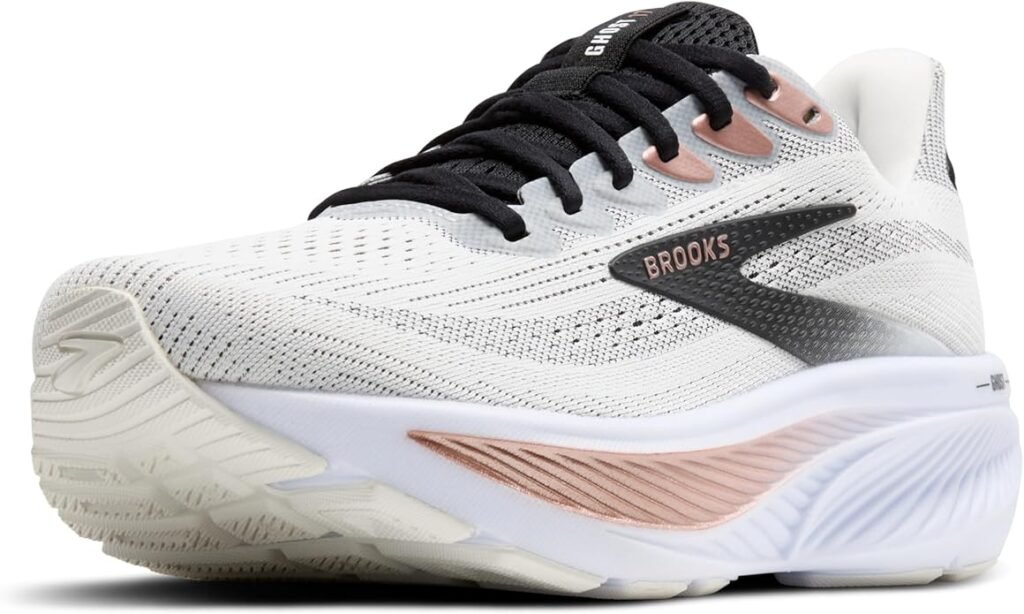
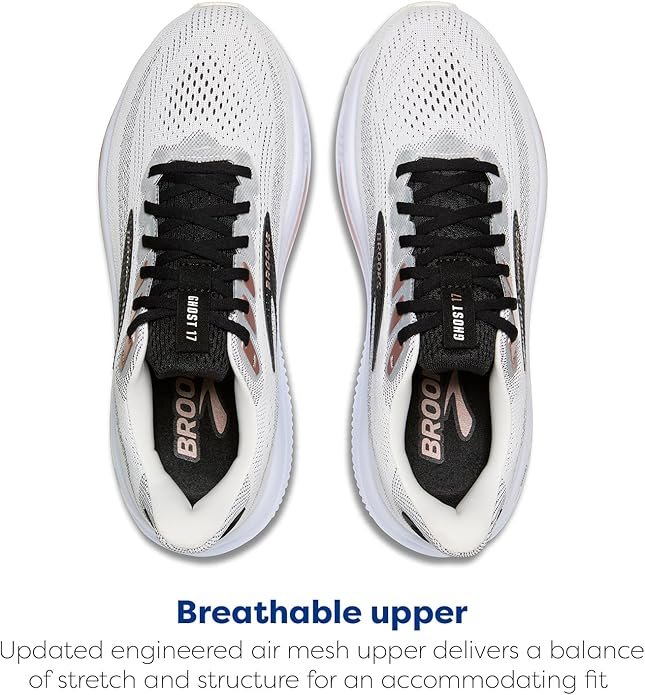
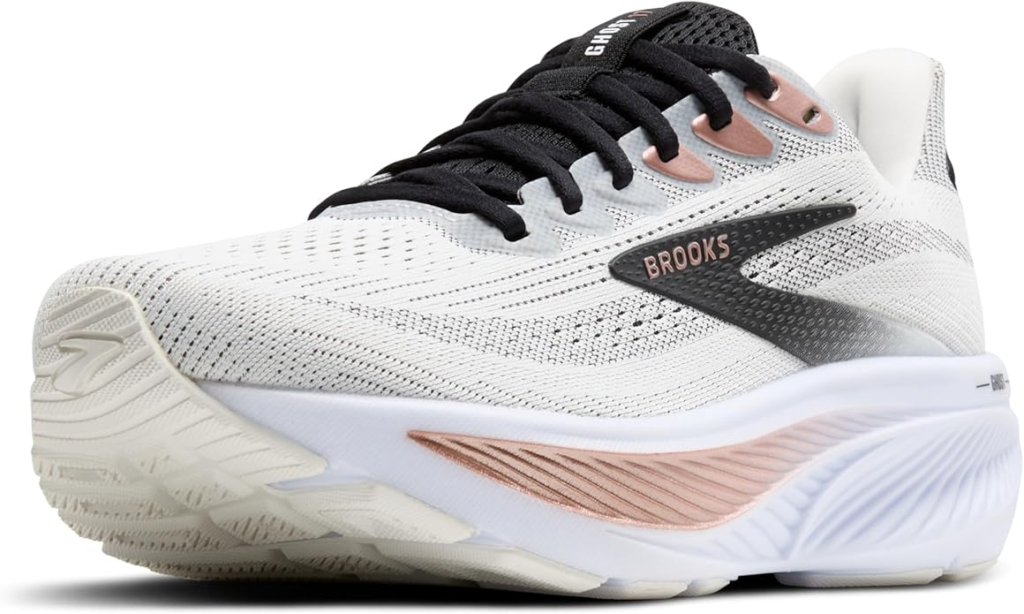
1. Brooks Ghost 17 – Best Overall Walking Shoe
⭐ 4.4 · 3,914 Reviews 💲 $109.95
Expert Take
The Ghost 17 is the shoe I recommend more than any other. It works for almost every foot type and requires zero break-in. The DNA Loft v3 cushioning is soft without being mushy, and it stays soft longer than most EVA foams. I have seen customers get 500 miles out of this shoe easily. The double jacquard mesh upper breathes well and holds its shape over time. If you want one shoe that does everything well, this is it.
Best For
Everyday walkers, first-time buyers, women with neutral arches, anyone who wants a shoe that lasts.
Why It Works
The nitrogen-infused DNA Loft v3 midsole provides lightweight softness that does not pack down quickly. The flex grooves in the forefoot promote smooth transitions, which reduces strain on your knees and hips.
Pros
- Proven durability
- Zero break-in period
- APMA Seal of Acceptance
- PDAC A5500 diabetic-certified
- Breathable upper
Cons
- Does not offer aggressive stability correction
- Neutral support only – not for significant overpronation
Verdict
Buy this if you want the safest, most reliable walking shoe on the market. Skip it if you need serious motion control.
2. Brooks Adrenaline GTS 25 – Best for Overpronation
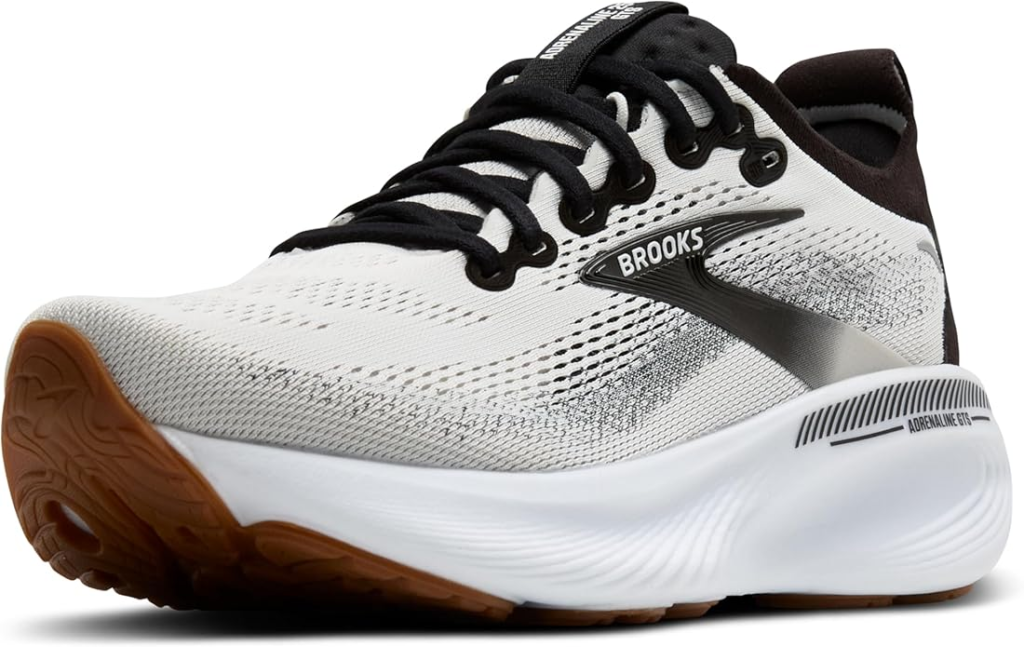
⭐ 4.6 · 2,137 Reviews 💲 $146.00
Expert Take
This is the shoe I recommend when a customer tells me their ankles roll inward or their knees ache after walking. The GuideRails system is not marketing fluff – it actually keeps excess motion in check. The shoe feels firmer than the Ghost, which some people mistake for being less comfortable. But that firmness is what controls overpronation. This shoe is built to last, and the PDAC A5500 certification means it meets diabetic footwear standards.
Best For
Women with overpronation, flat feet, chronic ankle or knee pain, anyone who needs motion control.
Why It Works
The GuideRails holistic support system keeps your body in its natural motion path while limiting excess side-to-side movement. The DNA Loft v3 cushioning still delivers softness despite the added structure.
Pros
- Real corrective support
- Durable mesh upper
- PDAC A5500 diabetic-certified
- APMA Seal of Acceptance
- Smooth transitions
Cons
- Most expensive shoe on this list
- Feels firmer than neutral options
Verdict
Worth every penny if you have documented overpronation. Skip if your feet are neutral – you are paying for support you do not need.
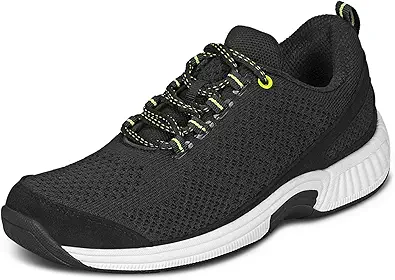
3. Orthofeet Orthopedic Coral Stretch Knit – Best for Foot Pain
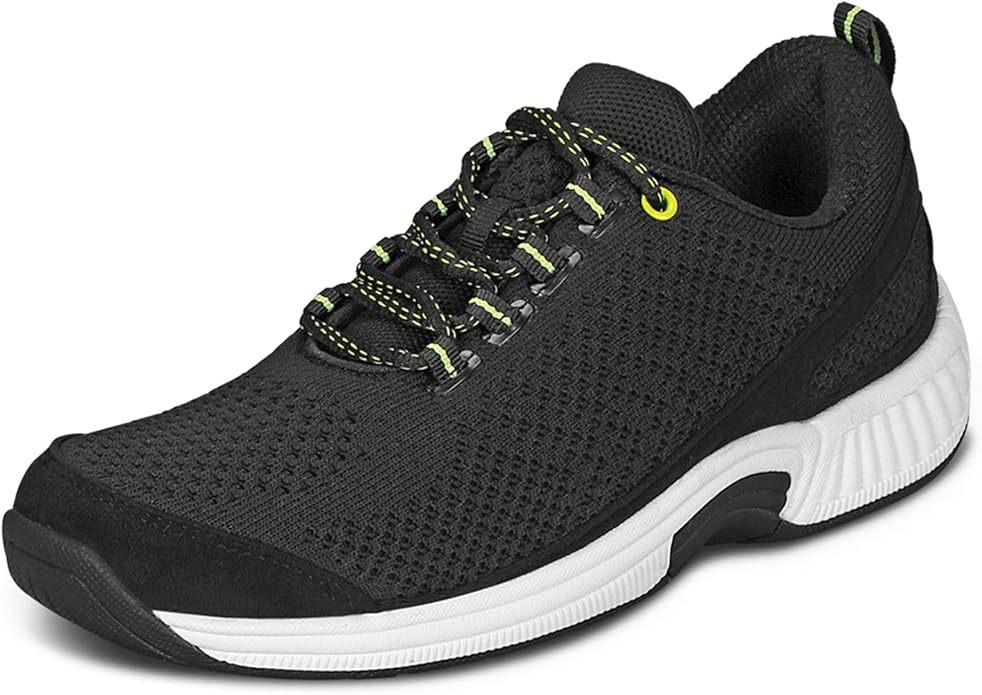
⭐ 4.1 · 5,749 Reviews 💲 $119.00
Expert Take
Orthofeet builds shoes for people in pain, not for athletes. The seam-free interior is the detail that matters most – nothing rubs against bunions, hammertoes, or sensitive spots. The orthotic insole has real anatomical arch support, not just a soft foam pad. The stretch knit upper flexes with your foot instead of fighting it. This is the shoe I suggest when someone has already tried regular sneakers and still hurts by midday.
Best For
Plantar fasciitis, bunions, flat feet, diabetes, anyone who has been told to prioritize arch support.
Why It Works
The multilayered orthotic insole distributes weight evenly across the foot. The wide toe box lets toes spread naturally. The stretch upper reduces pressure points.
Pros
- Designed specifically for pain relief
- Wide toe box
- Seam-free interior
- Easy on and off
- True to size
Cons
- The look is clinical, not athletic
- Not designed for running or intense activity
Verdict
If foot pain is your main problem, buy this before anything flashier. It solves the actual problem.
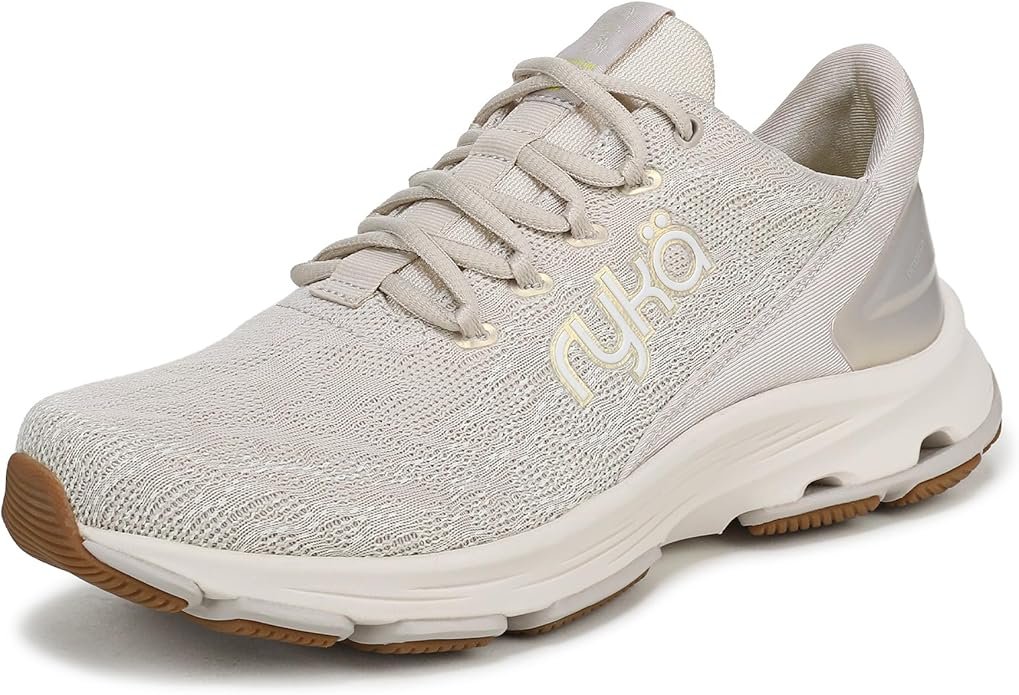
4. Ryka Devotion X – Best Women-Specific Fit
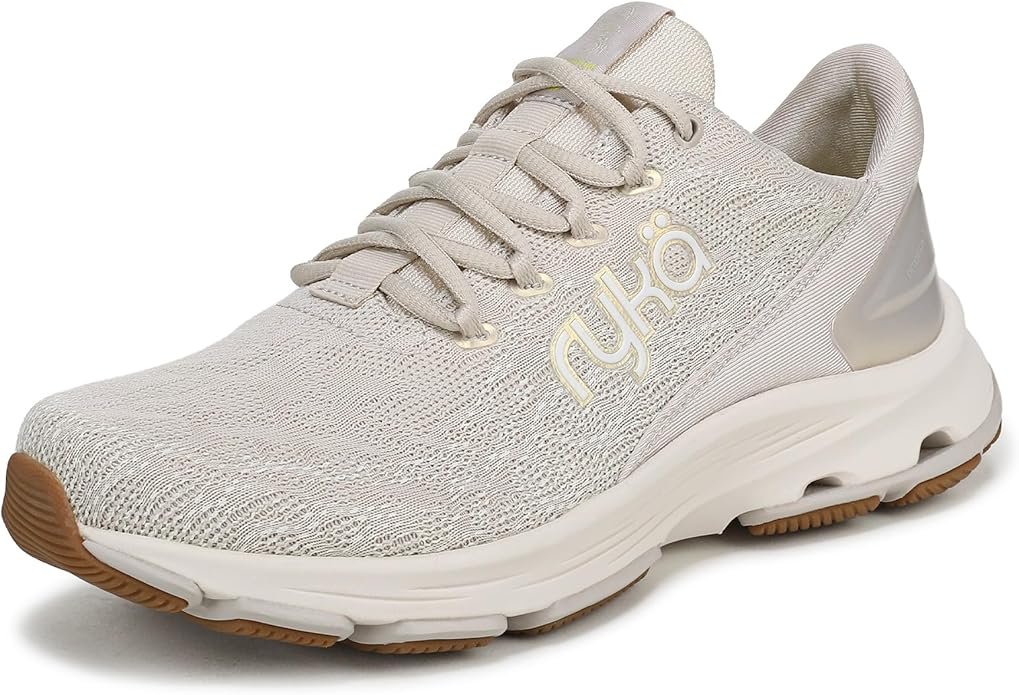
⭐ 4.2 · 3,690 Reviews 💲 $79.95
Expert Take
Ryka is one of the few brands that designs shoes specifically for women’s feet, not just scaled-down men’s shoes. The heel is narrower, which stops the heel slip that plagues many women in unisex shoes. The forefoot has more room. The RE-ZORB cushioning takes a walk or two to break in, but once it does, it delivers consistent comfort. This shoe is not going to last as long as the Brooks Ghost, but at this price point, it is a solid value.
Best For
Women with narrow heels and wider forefeet, all-day walkers, anyone tired of heel slip.
Why It Works
The anatomical last reduces friction and slipping. The full-length RE-ZORB cushioning absorbs shock without bouncing you around.
Pros
- Purpose-built for women’s feet
- Affordable price
- Solid traction
- Comfortable from day one
Cons
- Durability concerns after six months of heavy use
- Does not last as long as premium options
Verdict
A smart buy if heel slip has been your recurring problem. If longevity is your top priority, choose the Ghost 17 instead.
5. Hoka Clifton 10 – Best Max Cushioning
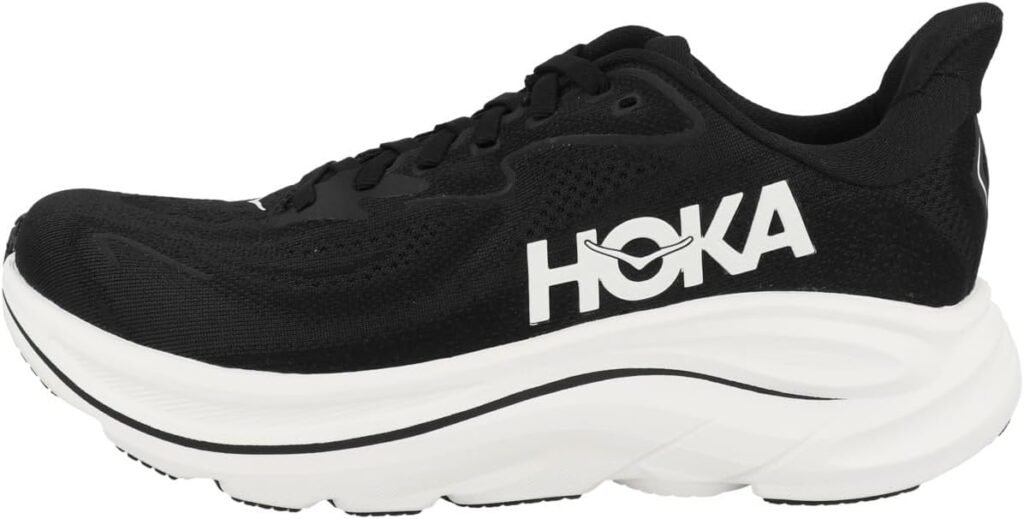
⭐ 4.6 · 2,202 Reviews 💲 $123.94
Expert Take
The Clifton 10 is for walkers who want maximum cushioning without feeling like they are walking on marshmallows. The EVA foam is thick but responsive. The meta-rocker sole promotes a smooth heel-to-toe transition, which reduces strain on your feet and ankles. This shoe is lighter than it looks, and the jacquard knit upper breathes well. It is not the most durable shoe on this list, but the comfort is hard to beat.
Best For
Walkers with joint sensitivity, heavier women, anyone who wants plush cushioning.
Why It Works
The thick EVA midsole absorbs impact effectively. The meta-rocker geometry reduces the work your feet have to do with each step.
Pros
- Excellent shock absorption
- Lightweight for the stack height
- Breathable upper
- Smooth transitions
Cons
- The cushioning compresses faster than some competitors
- Not as stable as firmer options
Verdict
Buy this if maximum cushioning is your priority. Skip if you need stability or prefer a firmer feel.
6. ASICS Gel-Nimbus 27 – Best Plush Running-Walking Hybrid
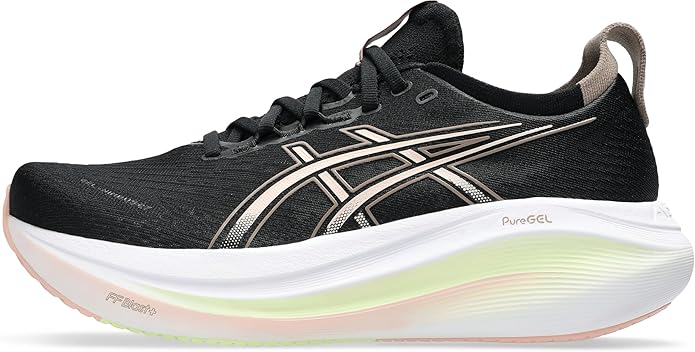
⭐ 4.5 · 2,492 Reviews 💲 $109.95
Expert Take
The Gel-Nimbus 27 is technically a running shoe, but it works beautifully for walking. The FF Blast Plus ECO cushioning is soft and responsive, and the PureGEL in the heel absorbs impact effectively. The engineered jacquard mesh upper wraps the foot comfortably. This shoe is ideal for walkers who occasionally jog or want a shoe that can do both.
Best For
Walkers who also run occasionally, women who want premium cushioning.
Why It Works
The FF Blast Plus ECO foam provides a soft landing and responsive toe-off. The PureGEL technology adds extra shock absorption in the heel.
Pros
- Excellent cushioning
- Breathable upper
- Sustainable materials
- APMA-approved
Cons
- Runs slightly narrow
- Not as durable as Brooks options for daily walking
Verdict
A great choice if you want a shoe that works for both walking and light running. Skip if you walk exclusively and want maximum durability.
7. New Balance Fresh Foam X 1080 V14 – Best Premium Cushion
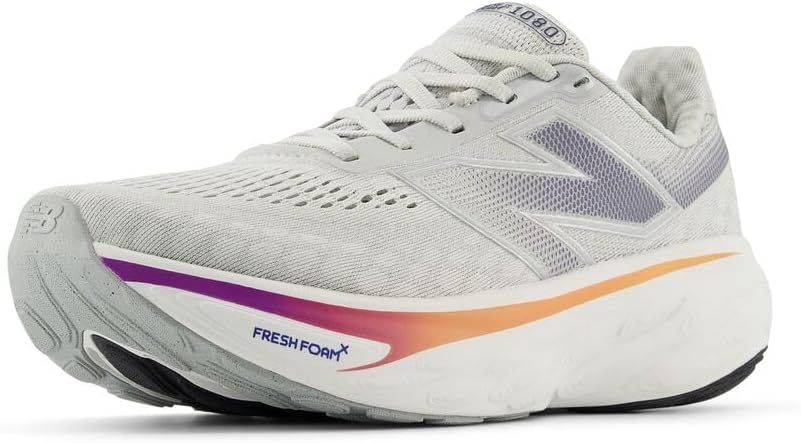
⭐ 4.5 · 2,782 Reviews 💲 $160.00
Expert Take
The 1080 V14 is New Balance’s most cushioned shoe, and it shows. The Fresh Foam X midsole is plush without being unstable. The gusseted tongue keeps debris out, and the engineered mesh upper breathes well. This shoe is built for road running but works just as well for long walks. The price is high, but the comfort and durability justify it for serious walkers.
Best For
Serious walkers who log high mileage, women who want premium comfort.
Why It Works
The Fresh Foam X midsole with bio-based content delivers our most cushioned experience. The no-sew overlays reduce pressure points.
Pros
- Maximum cushioning
- Breathable upper
- Durable outsole
- Gusseted tongue
Cons
- Expensive
- Too much cushion for some walkers
Verdict
Buy this if you walk high mileage and want premium comfort. Skip if you are on a budget or prefer a firmer shoe.
8. Skechers Go Walk Joy – Best Budget Walking Shoe
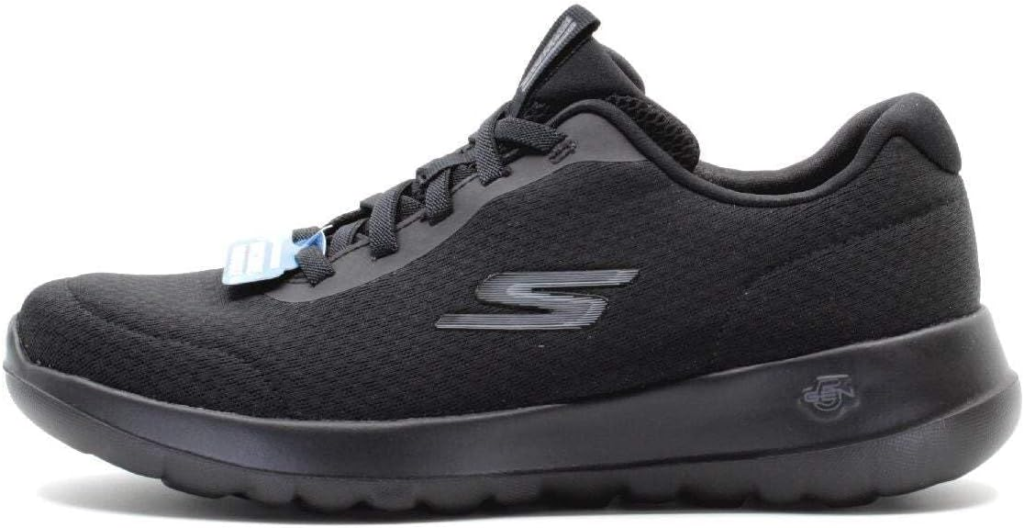
⭐ 4.5 · 8,462 Reviews 💲 $71.00
Expert Take
At seventy-one dollars, the Go Walk Joy is the cheapest entry to a real walking shoe on this list. The 5GEN cushioning gives genuine comfort, not just thin foam. The Air-Cooled Goga Mat insole is soft and breathable. The slip-on design means no bending down on rush mornings. It is machine washable, which is a practical bonus. This shoe will not last as long as the Brooks or New Balance options, but for the price, it delivers real value.
Best For
Budget walkers, daily casual wear, anyone who wants slip-on convenience.
Why It Works
The 5GEN cushioning adapts to your walking pace. The Goga Mat insole rebounds and breathes.
Pros
- Affordable
- Genuine cushioning
- Slip-on convenience
- Machine washable
- Huge review volume
Cons
- Cushioning wears out faster than premium options
- Less ankle structure than a laced shoe
Verdict
Best value for casual daily walking. If you walk serious mileage daily or need extra support, upgrade to the Ghost 17.
Walking Shoes Comparison Table
| Product | Price | Arch Support | Cushioning | Best For | Key Feature |
| Brooks Ghost 17 | $109.95 | Neutral | High | Everyday walkers | DNA Loft v3 |
| Brooks Adrenaline GTS 25 | $146.00 | Stability | High | Overpronators | GuideRails system |
| Orthofeet Orthopedic | $119.00 | Orthotic | High | Foot pain relief | Seam-free interior |
| Ryka Devotion X | $79.95 | Anatomical | High | Women’s fit | Narrower heel |
| Hoka Clifton 10 | $123.94 | Neutral | Maximum | Joint sensitivity | Meta-rocker sole |
| ASICS Gel-Nimbus 27 | $109.95 | Neutral | High | Running-walking hybrid | FF Blast Plus |
| NB Fresh Foam X 1080 | $160.00 | Neutral | Maximum | High mileage | Premium cushion |
| Skechers Go Walk Joy | $71.00 | Moderate | Moderate | Budget shoppers | Machine washable |
How to Extend the Life of Your Walking Shoes
I have seen customers get 600 miles out of a pair of shoes that should have lasted 400. Here is how they do it:
Rotate between two pairs. This is the single most effective thing you can do. The foam needs time to decompress. Give it 24 hours between wears.
Do not wear walking shoes for casual errands. Save them for walking. Wearing them to the grocery store or around the house adds unnecessary wear.
Air them out after each use. Remove the insoles if possible. Moisture breaks down foam faster.
Clean them properly. Machine washing is convenient but harsh on adhesives. Hand wash with mild soap and air dry.
Replace the insoles. If the upper and outsole still look good but the cushioning feels flat, try replacing the insole before buying a whole new shoe.
Frequently Asked Questions
How many miles do walking shoes last?
alking shoes typically last between 300 and 500 miles. For the average walker, that translates to about six to twelve months of daily use.
When should I replace my walking shoes?
Replace them when you notice new aches and pains, flattened cushioning, worn-down tread, or visible creases in the midsole[reference:14]. Even if they look fine, most shoes lose impact protection after 300 to 400 miles[reference:15].
Can I use running shoes for walking?
Technically yes, but not optimally. Running shoes are tuned for forward speed and impact at pace. For daily walking, a dedicated walking shoe is better. If you want a shoe that works for both, consider the Brooks Ghost 17 or ASICS Gel-Nimbus 27.
Do expensive walking shoes last longer?
Not always. Price often reflects technology and certifications, not just durability. A $70 shoe with decent EVA foam may last just as long as a $150 shoe for a light walker. The key is matching the shoe to your activity level and foot type.
How do I know if I overpronate?
Check the wear pattern on an old pair of shoes. If the inner edge of the sole is more worn than the outer edge, that is a sign of overpronation. A podiatrist or specialty store fitting can confirm it[reference:16].
What is the best walking shoe for plantar fasciitis?
A shoe with a moderate heel-to-toe drop (8-12mm) and structured arch support works best. The Orthofeet Orthopedic and Brooks Adrenaline GTS 25 are both excellent choices for plantar fasciitis.
Are Skechers good for standing all day?
The Skechers Go Walk Joy holds up well for standing and light movement thanks to its memory foam insole. For constant walking on hard surfaces, the Brooks Ghost 17 or Hoka Clifton 10 will hold up better.
What is the difference between EVA foam and TPU?
EVA is a lightweight foam used in midsoles for cushioning. TPU is a firmer, denser material typically used in outsoles or support shanks for durability. A good walking shoe usually combines both.
Do I need arch support if I don’t have flat feet?
Even neutral arches benefit from mild support, especially on long walks. It helps distribute pressure evenly across the foot. You do not need the same level of support as flat feet require, but a completely flat insole is not ideal for anyone walking long distances.
Can walking shoes help with bunions?
Yes. A shoe with a wide toe box and a stretchable upper reduces pressure on the bunion joint. The Orthofeet Orthopedic is a good example. It will not reverse a bunion, but it can meaningfully reduce daily pain.
What is a wide toe box and who needs one?
A wide toe box gives your toes room to spread naturally instead of being pinched together. It matters most for women with bunions, wider feet, or swelling by the end of the day. A cramped toe box is one of the most common causes of ongoing foot pain.
Are APMA-approved shoes better?
APMA approval (American Podiatric Medical Association) means the shoe has been tested and shown to support foot health[reference:17]. It is a meaningful certification, especially if you have existing foot issues.
Should I buy the cheapest option to save money?
Not always. A $40 shoe that wears out in two months costs more per mile than a $100 shoe that lasts a year. Think in terms of cost per wear, not initial price.
Related Reading
Final Recommendation
If you walk regularly and want a shoe that will last: Buy the Brooks Ghost 17. It is the gold standard for a reason.
If you overpronate or have ankle issues: Buy the Brooks Adrenaline GTS 25. The stability correction is worth the extra cost.
If you have foot pain: Buy the Orthofeet Orthopedic. It is built for relief, not style.
If budget is your main concern: Buy the Skechers Go Walk Joy. It delivers real comfort at a price that won’t hurt.
If you want maximum cushioning: Buy the Hoka Clifton 10 or New Balance Fresh Foam X 1080 V14. Your joints will thank you.
The right shoe is not the most expensive or the most popular. It is the one that matches your actual activity, your foot type, and your walking habits. Replace your shoes when they show signs of wear, not when they look old. Your feet will tell you when it is time.
We may earn a small commission at no extra cost to you if you purchase through the links in this article.