

How to Break In New Running Shoes India – Blister-Free Guide (2026)
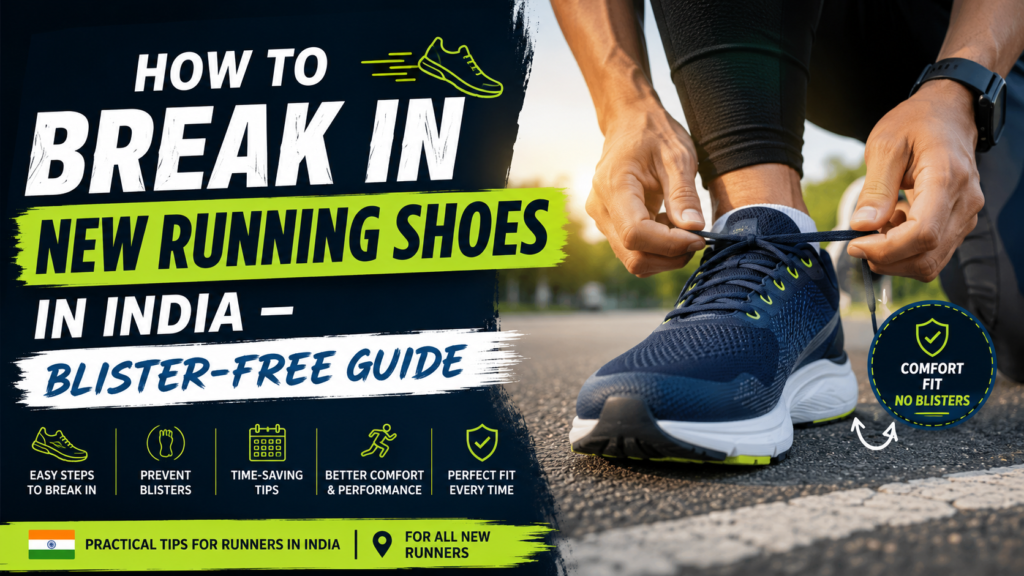
30-Second Summary — TL;DR
- Golden Rule: Never run a full 5K on Day 1. Break in every new pair over 7–10 days of short walks and runs.
- Biggest India-specific risk: Sweat + humidity softens skin faster, so blisters form quicker here than in drier climates. Shoes like Adidas Duramo SL 2 and ASICS Gel-Excite 10 offer breathable uppers that help improve comfort.
- Best Fix for Hotspots: A thin liner sock + petroleum jelly on heel and toes before every break-in walk. Pair it with Puma Velocity Nitro 3 for a softer, more comfortable ride.
- Easiest Shoes to Break In (from this list): Skechers Go Run Supersonic Max – near-zero break-in needed thanks to the lightweight cushioning and flexible upper.
How to Break In New Running Shoes India: Step-by-Step Guide
Learn how to break in new running shoes in India without blisters. Follow proven tips for better comfort, fit, and a smoother running experience.
The Retailer’s Reality: Why Your New Shoes Are Hurting You
I’ve had customers walk back into my shop three days after buying a “perfect fitting” pair, limping, with a blister the size of a coin on their heel. It happens every single week, especially in the humid months.
Here’s the truth: no running shoe, however expensive, is ready to run 10km on day one. The foam hasn’t compressed to your foot’s shape yet, the upper mesh hasn’t stretched to your specific width, and your skin hasn’t adjusted to the new contact points. In India, add sweaty feet, humidity, and long walks on hot tar roads, and you’ve got the perfect recipe for blisters. This guide is exactly what I tell customers across the counter — no fluff, just what actually works.
Why Break-In Matters More in Indian Conditions
Three factors make break-in tougher here than in cooler, drier countries:
- Humidity and sweat: Wet skin is softer and blisters far more easily than dry skin — this is basic skin friction physics, not shoe quality.
- Wider forefoot on average: Many Indian feet are wider through the forefoot than the shoe lasts (the foot-shaped mold) that most global running shoe brands design around. This means the upper mesh needs more stretching time before it stops rubbing.
- Monsoon and heat cycles: Repeated wet-dry cycles (rain one day, blazing heat the next) can make synthetic uppers stiffen and soften unpredictably during the first few wears, unlike a climate with more stable humidity.
If you haven’t picked your shoe yet, our detailed guide on choosing running shoes in India covers fit and sizing before you even get to break-in.
The Science of a Blister (In Plain Language)
A blister isn’t random bad luck — it’s a predictable mechanical response. When skin rubs repeatedly against a rough or stiff surface (a new shoe’s mesh or a seam that hasn’t softened yet), the outer and inner layers of skin start to separate. Fluid rushes into that gap to cushion the friction, and that’s the blister you feel forming.
Three things drive how fast this happens:
- Friction force: Stiffer, unbroken-in uppers create more friction against the skin than a softened, worn-in upper.
- Moisture: Wet skin has a higher coefficient of friction than dry skin up to a point, which is exactly why humid Indian conditions accelerate blister formation compared to drier climates.
- Repetition: A single short walk rarely causes a blister. It’s the repeated rubbing over a run or long walk that builds up enough friction and heat to separate the skin layers.
This is why the break-in method below works: shorter, controlled sessions reduce total friction cycles per day, giving the upper material time to physically stretch and soften (the mesh fibers relax and mold to your foot shape) before you subject it to the higher friction load of a full run.
The 7–10 Day Break-In Method (Step by Step)
Day 1–2: Around the House
Wear the shoes indoors for 30–45 minutes while doing normal chores. Lace them exactly as you would for a run — don’t skip this because “it’s just walking around the house.” This is where the insole and midsole start taking your foot’s shape.
Day 3–5: Short Outdoor Walks
Take 15–20 minute walks on flat pavement or a park path. Watch closely for hot spots — areas that feel warm or slightly raw. Stop the moment you feel one; don’t push through it hoping it’ll “toughen up.” That’s how blisters actually start.
Day 6–8: Walk-Run Mix
Alternate 2 minutes of light jogging with 3 minutes of walking, for about 20–25 minutes total. By now the upper should be flexing naturally with your foot, and the midsole foam should feel noticeably softer underfoot than it did on Day 1.
Day 9–10: First Real Run
Attempt a slow, short 2–3km run. If you feel zero rubbing, hot spots, or pressure points, the shoe is broken in. If something still feels off at this stage, it’s usually a sizing issue, not a break-in issue — go back to our running shoe fit guide and double-check your size.
New to running altogether? Our beginner running tips for Indian conditions pairs well with this break-in schedule.
How Shoe Construction Affects Break-In Time
Not all running shoes break in at the same speed, and it comes down to three build factors worth understanding before you buy:
Midsole foam type: EVA foam midsoles (used in most of the shoes below) compress and mold to your foot’s pressure points within the first few wears, which is why the break-in window is fairly short. Firmer, more performance-oriented foams — the kind used in racing-style shoes — take longer to soften and often need the full 7–10 days before they feel “yours.”
Heel-to-toe drop: A higher drop (the height difference between heel and forefoot cushioning, usually 8–10mm in these shoes) shifts more pressure to the heel initially, which is where a lot of first-week blisters show up. A lower-drop shoe distributes pressure more evenly across the foot but can feel unfamiliar to your calves if you’re used to a higher drop — that adjustment is separate from, but often confused with, break-in discomfort.
Arch support and medial post: Shoes with a firmer medial post (the denser foam wedge on the inner side of the midsole that controls inward foot roll, or pronation) can feel restrictive for the first few wears if you have a neutral or supinated foot strike. This is a fit-and-gait issue, not something break-in fixes — it’s part of why we stress getting your foot type checked before buying, not after.
Blister Prevention: What Actually Works
- Thin liner socks under your running socks: Reduces direct skin-to-mesh friction — this is the single most effective fix I recommend at the shop.
- Petroleum jelly or anti-chafe balm: Apply on heels, toes, and any known hotspot before every break-in session.
- Lace lock (heel lock) technique: Prevents heel slip, which is the #1 cause of heel blisters, especially in shoes with a slightly roomier heel cup.
- Break in during cooler hours: Early morning or evening — less sweat build-up than a midday walk in Indian summer heat.
- Never wear cotton socks for break-in walks: Cotton holds moisture against the skin; a synthetic or merino blend sock wicks sweat away and reduces friction.
- Talcum powder inside the shoe: An old shop-owner trick — a light dusting reduces moisture and friction in the first few wears.
Signs a Shoe Won’t Break In (Return It)
Not every discomfort is a break-in issue. Some are sizing or fit issues that no amount of wearing will fix:
- Sharp pain (not just pressure) in the toe box after Day 3
- Persistent heel slip even after lacing adjustments
- Numbness or tingling across the top of the foot
- Arch pain that gets worse, not better, over the break-in period
If you’re seeing any of these, it’s a sizing or arch-support mismatch, not a “give it more time” situation. Check our guide on ASICS vs New Balance fit differences if you’re comparing brands with different lasts.
How to Break In New Running Shoes India : City-by-City Break-In Notes
Break-in isn’t just about the shoe — the ground and climate you’re breaking it in on matters too. A few things I tell customers depending on where they’re running:
- Mumbai and coastal cities: High humidity year-round means sweat build-up starts faster. Break in during early morning hours when possible, and carry a spare pair of socks if you’re doing back-to-back sessions.
- Delhi and North India: Dry heat in summer can actually dry out synthetic uppers, making them stiffer for the first few wears. A slightly longer break-in window (closer to 10 days) is safer here than 7.
- Bengaluru and Pune: Milder climate generally means fewer sweat-related blisters, but broken pavement and mixed terrain mean the outsole itself needs a few walks to “read” the surface properly.
- Chennai and Hyderabad: Heat plus humidity is the toughest combination for new shoes. Stick to indoor or early-morning break-in sessions and prioritize the more breathable options on this list.
Common Break-In Mistakes I See at the Shop
Most blister complaints trace back to one of these avoidable mistakes:
- Buying online without trying a half size: Indian foot width varies a lot, and many global shoe lasts run narrow. If you’re between sizes, size up rather than down — a slightly loose shoe is easier to fix with a better lacing technique than a tight one.
- Wearing brand-new shoes for a big event without testing them first: I’ve seen runners save a new pair for race day “to keep them fresh.” That’s the single worst thing you can do — race day is not the time to discover a hotspot.
- Ignoring early warning signs: A little warmth or redness on Day 2 is your body telling you to stop. Pushing through “to toughen the skin” almost always ends in an open blister by Day 4.
- Skipping sock strategy: Buyers spend hours picking the “perfect” shoe and then wear whatever socks are in the drawer. The sock matters almost as much as the shoe during break-in.
- Not re-lacing for a snugger heel: Most heel blisters aren’t a sizing problem at all — they’re a lacing problem. Learning the heel-lock lacing technique fixes this in minutes, free of cost.
Shoes That Are Easier to Break In (Tested)
How to Break In New Running Shoes India, Some shoe constructions genuinely need less break-in time than others — softer knit uppers, slip-in designs, and pre-molded heel counters all reduce the adjustment period. Here are four I’ve personally handled at the shop, rated on break-in friendliness along with the usual honest pros and cons.
1. ASICS Gel-Excite 9 (Men’s Running Shoes)
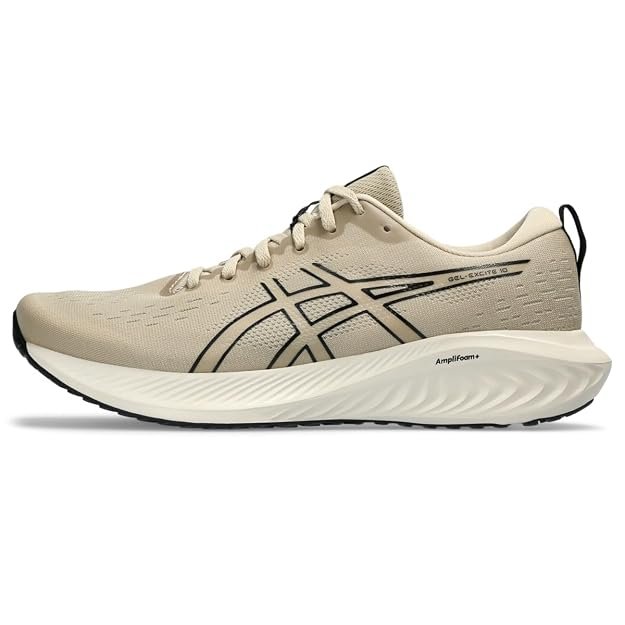
The Shop Owner’s Take: The sandwich mesh upper is soft out of the box and needs minimal stretching — most customers report zero hotspots by Day 4. The padded collar helps with heel comfort early on, though the outsole itself needs a few walks to grip confidently on tiled or polished floors.
Best For: First-time runners in Delhi and Bengaluru doing daily jogs or gym sessions who want a low-fuss break-in.
Pros:
- Breathable mesh softens quickly against the foot
- Lightweight, doesn’t feel bulky during walk-run sessions
- Comfortable padded collar reduces early heel rubbing
Cons: The outsole feels a touch stiff for the first 2–3 wears on hard concrete, so keep early sessions short.
2. adidas Duramo SL 2 (Men’s Running Shoes)
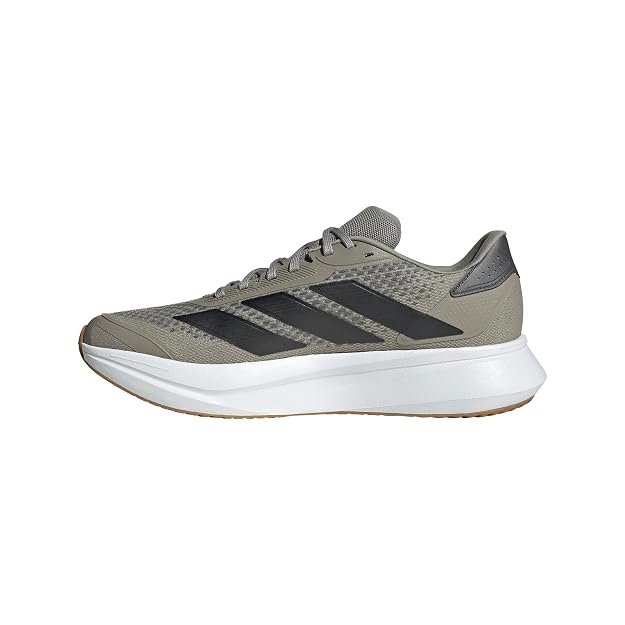
The Shop Owner’s Take: The engineered mesh flexes well from the first wear, and the lightweight build means less foot fatigue while you’re still in the “getting used to it” phase. Heel cushioning is soft enough that heel slip blisters are rare, even for wider Indian feet.
Best For: Daily walkers and joggers in humid coastal cities like Mumbai or Chennai who sweat more and need a breathable break-in period.
Pros:
- Excellent breathability keeps feet drier during break-in walks
- Soft heel cushioning reduces early heel blisters
- Good traction on wet and dry roads once broken in
Cons: Runs slightly narrow in the midfoot for the first week — wider-footed buyers should size up half a size if between sizes.
3. PUMA Deviate Nitro 4 (White-Fresh Water)
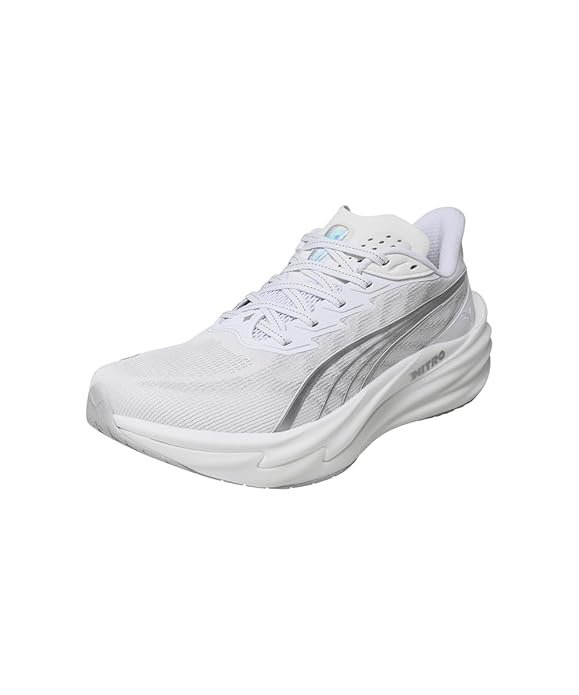
The Shop Owner’s Take: This one has plush, high-rebound cushioning that feels good almost immediately, but it’s a performance shoe — the snugger midfoot fit means it genuinely needs the full 7–10 day break-in before a long run. Rushing this one is where I see the most blister complaints.
Best For: Experienced runners training for 10K+ distances who are willing to be patient with the break-in period for a performance payoff.
Pros:
- Plush, responsive cushioning reduces joint stress on longer runs
- Stable, smooth ride once fully broken in
- Reliable road grip after the first few sessions
Cons: Snugger fit means beginners often skip break-in and get blisters on the first long run — don’t be that customer.
4. Skechers Max Cushioning Glide-Step Slip-Ins
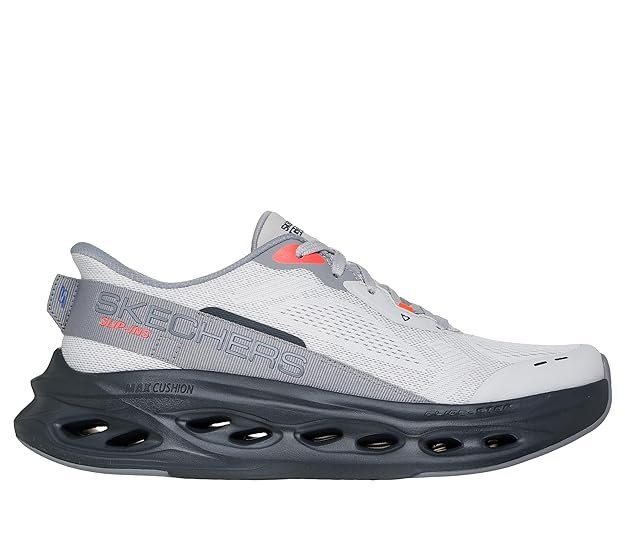
The Shop Owner’s Take: This is the one I recommend when someone tells me they’ve had bad blister experiences before. The slip-in heel design and soft jacquard mesh mean there’s almost no traditional “break-in” — most people are comfortable within a day or two. The rearfoot gel cushioning also softens the very first few impacts, which matters a lot on hot tar roads.
Best For: Beginners, people with a history of blisters, or anyone in cities like Chennai or Hyderabad who wants comfort from Day 1 with minimal fuss.
Pros:
- Near-instant comfort thanks to the slip-in design
- Soft, breathable upper reduces friction from the start
- Great for beginners easing into running
Cons: The slip-in fit means slightly less lockdown for fast-paced or long-distance runs — better suited to daily jogs and walks than serious training.
Break-In Comparison Table
Break-In Comparison Table
| Shoe | Weight | Break-In Time Needed | Rating | Best Use Case |
|---|---|---|---|---|
| ASICS Gel-Excite 10 | ~260g | 3–4 days | 4.2/5 | Daily jogging, gym |
| Adidas Duramo SL 2 | ~285g | 4–5 days | 4.3/5 | Daily training, humid cities |
| Puma Velocity Nitro 3 | ~264g | 7–10 days | 4.4/5 | Long-distance training |
| Skechers Go Run Supersonic Max | ~270g | 1–2 days | 4.7/5 | Beginners, blister-prone feet |
Prices change frequently on Amazon.in — click “Check Price” on each product above for the current rate.
Frequently Asked Questions
1. How long does it take to break in new running shoes in India?
Most shoes need 7–10 days of gradual wear — short walks first, then walk-run sessions, before your first real run. Humidity can make skin more blister-prone, so don’t rush it.
2. Can I just wear new running shoes straight for a 5K run?
You can, but you’re risking blisters and midsole discomfort. Even a well-fitted shoe needs a few short sessions to mold to your foot shape.
3. Why do I get blisters faster in Indian summers?
Heat and sweat soften skin and increase friction against the shoe’s upper, so blisters form quicker than in cooler, drier climates.
4. Does talcum powder actually help with new shoe blisters?
Yes — a light dusting inside the shoe reduces moisture and friction during the first few wears, which is one of the oldest tricks in Indian shoe shops.
5. Should I buy a half size bigger to avoid blisters?
Not necessarily. A shoe that’s too loose causes its own friction from foot movement inside the shoe. Correct sizing plus proper break-in is the real fix — see our sizing guide.
6. Are slip-on or slip-in running shoes easier to break in?
Generally yes — designs like the Skechers Glide-Step Slip-Ins need very little break-in time because of their soft, pre-shaped heel construction.
7. What socks should I wear while breaking in new shoes?
Synthetic or merino wool blend socks that wick moisture. Avoid pure cotton, which stays damp and increases friction.
8. Is it normal for new shoes to feel tight on Day 1?
Some snugness is normal, especially around the midfoot. Sharp pain or numbness is not — that signals a sizing issue, not a break-in issue.
9. Can I speed up the break-in process?
You can wear them longer indoors on Day 1–2 to speed up midsole compression, but don’t skip straight to a long outdoor run — that’s how most blisters happen.
10. How do I know if a shoe will never break in properly?
If you still have heel slip, toe-box pain, or numbness after 5–7 days of gradual wear, it’s a fit problem, not a break-in problem, and it’s worth returning or exchanging.
Final Verdict
If you want the easiest possible break-in with almost zero blister risk, go with the Skechers Glide-Step Slip-Ins. If you’re training for longer distances and don’t mind a proper 7–10 day break-in for better long-run performance, the PUMA Deviate Nitro 4 is worth the patience. For daily joggers in humid cities, the adidas Duramo SL 2 hits a good breathability-to-comfort balance, and for an all-round budget-friendly daily trainer, the ASICS Gel-Excite 9 is a safe pick.
Whichever shoe you pick, follow the 7–10 day break-in schedule above and you’ll avoid 90% of the blister complaints I see at the shop every week.
🛒 Check Latest Deals on Amazon.in
Related Reads
- How to Choose Running Shoes in India
- Running Tips for Beginners in India
- Skechers vs Nike Running Shoes in India
- ASICS vs New Balance in India
- Best Adidas Running Shoes in India
Disclosure: We may earn a small commission if you buy through the Amazon.in links above, at no extra cost to you. This helps us keep testing and reviewing shoes for Indian buyers.