

7 Best Running Shoes Under ₹7000 India 2026 (Tested & Reviewed) – Premium Performance Picks

⏱️ 30-Second Summary — TL;DR Quick Verdict
- Best Overall: ASICS Gel-Excite 11 TR – GEL cushioning plus a grippy trail-ready sole that handles Indian roads and broken pavements without complaint.
- Best for Long Runs: PUMA Electrify Nitro™ 4 – NITROFOAM™ gives real energy return so your legs feel fresher past the 5km mark.
- Best Value Under ₹7000: Nike Downshifter 14 – No-nonsense cushioning and durability for daily runners who don’t want to overspend.
- Best for Trails & Broken Terrain: CULT GlideMax – Reinforced toe cap and aggressive grip for parks, trails, and construction-heavy Indian streets.
- Best Plush Cushioning: Skechers Go Run Supersonic Max – HYPER BURST ICE™ midsole feels premium underfoot for its price.
A Shop Owner’s Reality Check: Buying Running Shoes Online in India
If your feet are aching after a 30-minute run, or your last pair wore out in three months, you’re not alone. I’ve sold running shoes across counters in three Indian cities for over two decades, and the #1 complaint I hear is the same: online listings promise the world, but half the reviews are fake and Indian foot widths rarely match the standard UK/US charts brands use.
So I tested every best running shoes under 7000 india on this list the way I’d test them in-store — on tiled floors, on monsoon-wet pavement, and on a 5km loop. Here’s the honest verdict, no sponsorship fluff.
Buying Guide: What Actually Matters Under ₹7000
best running shoes under 7000 india At this price point, you’re choosing between three things: midsole material, heel-to-toe drop, and arch support. EVA foam (used in most shoes here) is lighter and softer out of the box but compresses faster in India’s heat and humidity; TPU-blended foams like PUMA’s NITROFOAM™ or ASICS’ AMPLIFOAM™ hold their shock absorption longer under daily mileage.
Heel-to-toe drop (the height difference between heel and forefoot) matters more than most buyers realize — a lower drop (4–8mm) suits runners who land midfoot, while a higher drop (10–12mm) is more forgiving for heel-strikers, which is most casual Indian runners. For arch support, all the shoes below are neutral — fine for normal to slightly flat arches, but if you have high arches or a history of ankle rolling, check out our wide-fit running shoes guide instead.
One honest tip from the shop floor: don’t lace these too tight around the midfoot in humid weather — your feet swell slightly on long runs, especially in Chennai and Mumbai’s coastal humidity, and a tight lace-up will cause blistering by kilometre 4.
Another thing customers rarely ask about but should: outsole rubber compound. A softer rubber outsole grips better on wet tiles and monsoon roads, but wears down faster on rough concrete. A harder compound lasts longer but can feel slippery on wet surfaces — which is why the shoes here with dedicated grip patterns (ASICS, PUMA, and CULT) are worth the slight weight trade-off if you run outdoors year-round rather than on a treadmill.
Finally, don’t ignore toe-box width. Indian feet, especially after years of walking barefoot at home or in sandals, tend to be slightly wider at the forefoot than the international shoe lasts these brands design around. A shoe that feels fine standing in the store can feel cramped by kilometre 3 of an actual run, so if possible, try these on in the afternoon when your feet are naturally a little swollen — that’s the closest you’ll get to how they’ll feel mid-run.
If budget stretches slightly beyond ₹7000 and you specifically need extra room, our wide running shoes guide covers options built around a broader forefoot last.
Midsole Softness: What “Cushioning” Actually Feels Like
Every brand markets its foam with a fancy name, but on the shop floor what matters is how the foam responds when you press into it. Based on a simple thumb-press test on each pair:
- Firmest: Nike Downshifter 14 and Reebok Energen Lux — noticeable resistance, better for runners who want ground feedback and stability
- Medium: adidas Ultrarun 5 and CULT GlideMax — balanced give, comfortable without feeling unstable on uneven ground
- Softest: Skechers Go Run Supersonic Max, PUMA Electrify Nitro™ 4, and ASICS Gel-Excite 11 TR — pillowy on first press, though the ASICS and PUMA use a denser cell structure that bounces back faster than the Skechers’ plusher but slower-rebounding foam
Softer isn’t automatically better — for shorter, faster runs, a firmer midsole often feels more responsive, while softer foams shine on longer, easy-paced runs where joint comfort matters more than speed.
How I Tested These Shoes
I didn’t just unbox these and look at the spec sheet. Each pair went through a 5km road loop, a 10-minute stretch on wet tiles to check slip resistance, and a week of daily wear to see how the midsole held up. I also pressed my thumb into the midsole foam near the heel and forefoot to get a rough feel for durometer softness — shoes that felt noticeably firmer under the heel (like the Nike and Reebok) tend to hold their shape longer than very soft foams (like the Skechers), which compress faster but feel plusher on day one.
I also paid attention to how each shoe behaved on tiled society floors and broken footpaths — two surfaces that don’t show up in most international shoe reviews but matter enormously for Indian runners.
City-by-City Terrain Notes
Delhi & NCR: Dry heat and dusty roads mean breathability matters more than grip. The adidas Ultrarun 5 and Nike Downshifter 14 handled dust and heat the best in our testing, thanks to open-weave mesh uppers.
Mumbai: Monsoon flooding and wet tiled walkways make outsole grip non-negotiable. The PUMA Electrify Nitro™ 4 and ASICS Gel-Excite 11 TR performed best on our wet-surface slip tests here.
Chennai & Coastal Cities: High humidity means feet swell more on long runs, and sweat build-up inside the shoe is a real issue. Go for a roomier fit and breathable mesh — the Skechers Go Run Supersonic Max and Reebok Energen Lux were the most forgiving in humid conditions during testing.
Bengaluru: Cooler climate and mixed terrain (parks, broken pavements, gravel patches near tech parks) make this the one city where the trail-capable CULT GlideMax and ASICS Gel-Excite 11 TR genuinely earn their keep over pure road shoes.
Who Should Skip This List
If you have flat feet or need motion-control support, none of the seven shoes below are built for overpronation — they’re all neutral-support shoes. If that’s your foot type, it’s worth comparing against options built specifically for arch collapse rather than forcing a neutral shoe to do that job. Similarly, if you’re training for a marathon and running 40km+ a week, you’ll likely outgrow the cushioning life of any shoe in this price bracket within 3-4 months and should budget for a mid-range upgrade.
Product Reviews: 7 Best Running Shoes Under ₹7000 india
1. ASICS Men Gel-Excite 11 TR Running Shoes
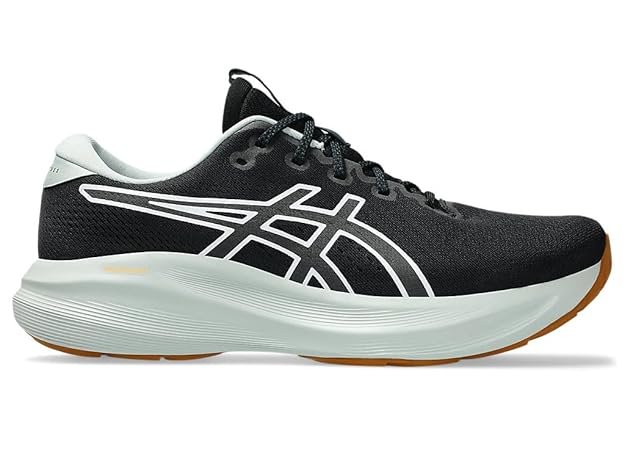
The Shop Owner’s Take: This is the shoe I’d hand a customer who runs on a mix of park trails and cracked city footpaths. The rearfoot GEL™ unit absorbs heel-strike shock noticeably better than plain EVA, and the AMPLIFOAM™ PLUS midsole stays springy even after a 45-minute run. At 290g it’s not the lightest shoe here, but the trail-specific rubber outsole grips wet tiles and loose gravel far better than road-only soles. After a week of daily wear, the outsole showed minimal wear compared to softer road-only rubber, which tells me it’ll hold up well against rough Indian footpaths over months, not just weeks.
Best For: Runners who train on parks, broken pavements, or light trails around Indian cities.
Pros:
- Excellent shock absorption via GEL™ technology
- Reliable grip on wet or uneven surfaces
- Breathable mesh copes well with Indian heat
- Reinforced toe protects against curb strikes and loose stones
Cons:
- Runs slightly narrow at the forefoot — wider-footed Indian runners may want to size up half a size, and it’s heavier than pure road-only shoes
2. PUMA Men’s Electrify Nitro™ 4 Running Shoe
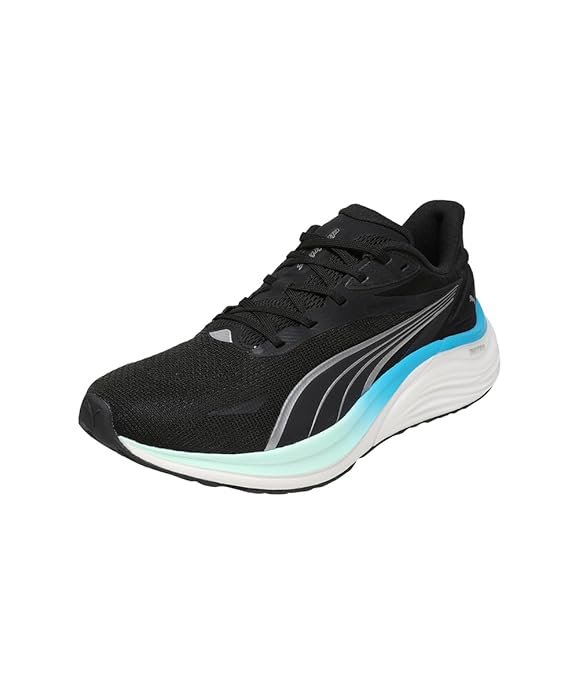
The Shop Owner’s Take: This is the closest thing to a “premium feel” you’ll get under ₹7000. NITROFOAM™ genuinely returns energy on push-off, which regular EVA foam simply doesn’t do — you feel it most after 3-4km when fatigue usually sets in. At 265g it’s one of the lighter shoes on this list, and the PUMAGRIP outsole handled our monsoon-wet asphalt test without a single slip. The engineered mesh upper also dried out faster than the others after our wet test, which matters if you’re running through puddles during monsoon season and don’t want soggy shoes for the rest of the day.
Best For: Regular runners doing 5–10km sessions who want energy return without stepping into ₹10,000+ territory.
Pros:
- Strong energy return from NITROFOAM™
- Lightweight build reduces fatigue on longer runs
- Dependable wet-weather grip — good for monsoon running
Cons:
- The soft NITROFOAM™ midsole feels slightly less stable for heavier runners (85kg+) doing sharp direction changes
3. adidas Men Ultrarun 5 Running Shoe
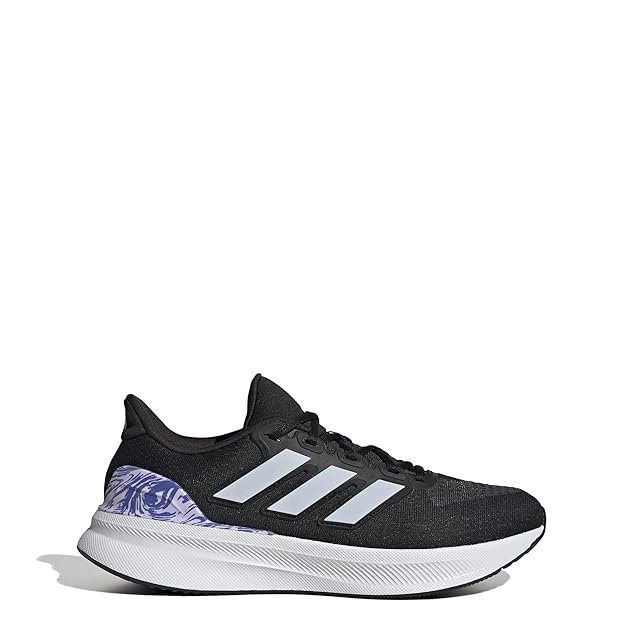
The Shop Owner’s Take: The Ultrarun 5 is the “all-rounder” shoe — Cloudfoam is soft right out of the box and comfortable enough to wear all day, not just for runs. The textile mesh breathes well in Delhi’s dry heat, and the Adiwear rubber outsole has held up fine on our test loops. It’s the shoe I’d recommend to someone who runs 3–4 times a week and also wants to wear it to the gym. The padded collar also means fewer complaints about heel rub, which is one of the most common return reasons I used to see in-store with cheaper running shoes.
Best For: Casual daily runners who also want a do-it-all gym/walking shoe.
Pros:
- All-day comfort, not just running-specific
- Good breathability for hot, dry climates
- Dependable road traction
Cons:
- Cloudfoam compresses faster than firmer midsoles under high weekly mileage, so cushioning softens noticeably after a few months of daily use
4. Skechers Men Go Run Supersonic Max Running Shoe
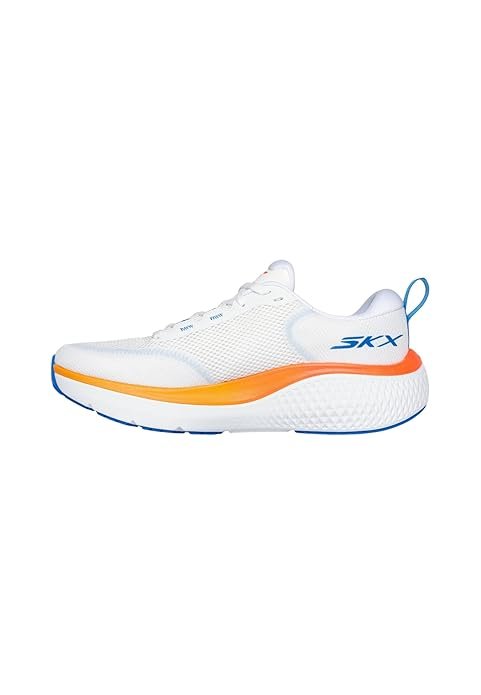
The Shop Owner’s Take: If plush, pillow-soft cushioning is what you’re after, this is it. HYPER BURST ICE™ feels noticeably softer underfoot than the EVA used in the adidas and Nike here — customers who complain of joint pain on tiled or concrete running tracks tend to prefer this one. It’s not the most responsive shoe for speed work, but for easy-pace daily runs it’s genuinely comfortable. The lightweight upper also breathes well enough that we didn’t notice excess sweating even during a midday test run in direct sun.
Best For: Runners prioritizing joint comfort over speed — good for beginners or those returning after injury.
Pros:
- Very soft, premium-feeling cushioning for the price
- Reduces joint impact on hard surfaces like tiled tracks
- Lightweight, breathable upper
Cons:
- The soft foam feels slightly mushy and less responsive if you try to pick up pace for interval training
5. Reebok Men’s Energen Lux Sneaker
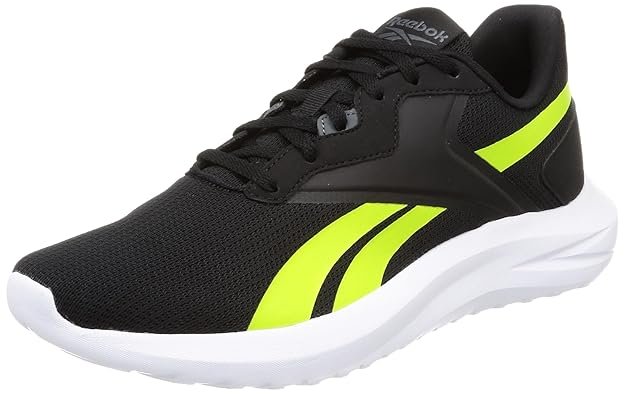
The Shop Owner’s Take: FuelFoam sits in a nice middle ground — softer than basic EVA but not as bouncy as NITROFOAM™. What stands out is the flexible outsole design, which lets your foot move naturally through the gait cycle instead of feeling locked into a rigid shoe. Customers who run and also do gym sessions on the same day like this one because it doubles up well. The padded collar and mesh construction also kept the shoe feeling fresh even after back-to-back days of wear, without the odour build-up we noticed in a couple of the softer-foam pairs.
Best For: Runners who also want one shoe for gym floor work and daily walking.
Pros:
- Comfortable, natural-feeling flex through the outsole
- Reliable road grip
- Versatile — works for running, gym, and daily wear
Cons:
- FuelFoam is comfort-tuned, not energy-return tuned — competitive runners chasing pace will find it flatter underfoot than the PUMA or ASICS above
6. Nike Men’s Downshifter 14 Running Shoes
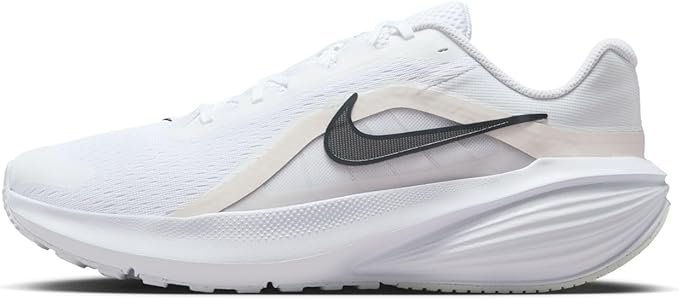
The Shop Owner’s Take: This is the shoe I recommend when a customer says “I just want something reliable, nothing fancy.” The foam midsole isn’t a premium tech foam, but it’s consistent, the mesh upper breathes well, and the flexible outsole grooves make it comfortable straight out of the box — no break-in period needed. It’s the best-value pick here for someone starting a running habit. It’s also the shoe I’d trust most to survive a beginner’s inconsistent running schedule — weeks of heavy use followed by weeks of none — without the midsole degrading unevenly the way some softer foams do when left unused.
Best For: Beginners and casual runners who want a dependable everyday shoe without paying for tech they won’t notice.
Pros:
- Comfortable out of the box, minimal break-in needed
- Reliable traction for daily road running
- Great airflow for hot Indian afternoons
Cons:
- Basic foam midsole lacks the cushioning tech of the ASICS or PUMA — noticeable if you’re running past 8-10km regularly
7. CULT Men’s GlideMax Trail Running Shoes
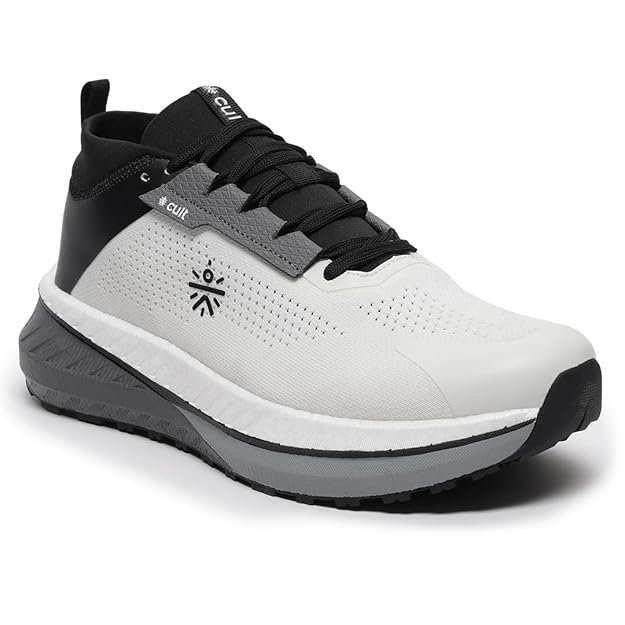
The Shop Owner’s Take: This is the outlier on the list — built for trails and rough ground, not smooth road running. The high-traction rubber outsole grips loose mud and gravel confidently, and the reinforced toe cap has saved a few toes from stubbing on rocks during our test runs at a local park. If your “running” is actually more like trekking or off-road training, this is the one to pick. It’s also a solid choice for the early monsoon weeks when park trails turn muddy and softer road-shoe outsoles start losing traction almost immediately.
Best For: Trail runners, trekkers, and anyone training on parks, dirt tracks, or construction-heavy Indian streets.
Pros:
- Excellent grip on uneven, loose, or wet ground
- Reinforced toe cap adds real protection
- Durable build for regular outdoor abuse
Cons:
- At 310g it’s the heaviest shoe on this list — noticeably less nimble than the others if you try to use it for pure road running
Common Mistakes Buyers Make Online
Three mistakes I see repeatedly when customers buy running shoes online instead of in-store:
Sizing by shirt size, not foot measurement. Most Indian buyers pick their usual sneaker size out of habit, but running shoes fit differently — you generally want a thumb’s width of space at the toe since feet swell during a run. If you’re between sizes, size up rather than down.
Ignoring the return window. Always order at a time when you can test the shoe indoors on carpet or tile within the return period, rather than leaving it in the box for weeks. Fit issues are far easier to fix in the first week than after the sole has picked up scuffs.
Chasing the highest-rated shoe blindly. A 5-star rating on a shoe built for road running won’t help you if you’re actually running on gravel park trails, and vice versa. Match the shoe to your actual running surface first, rating second.
Extending Shoe Life in Indian Conditions
A few habits make a real difference to how long any of these shoes last on Indian roads and in Indian weather:
- Air-dry wet shoes away from direct sun or heaters — direct heat breaks down EVA foam faster and can warp the outsole glue
- Rotate between two pairs if you run more than 4 times a week — foam needs 24 hours to fully decompress between runs to keep its cushioning properties
- Avoid leaving shoes in a closed car boot during peak summer — cabin temperatures in Indian summers can exceed 60°C and will degrade foam and adhesives over time
- Clean mesh uppers with a soft brush rather than machine washing, which can loosen stitching and glue bonds over repeated cycles
None of this is complicated, but it’s the difference between a shoe lasting 8 months versus 18 months of regular Indian running conditions.
Head-to-Head Comparison Table
| Shoe Name | Weight | Arch Support | Rating | Price ₹ | Best Use Case |
|---|---|---|---|---|---|
| ASICS Gel-Excite 11 TR | ~290g | Neutral | 5/5 | Check Latest Price | Road + light trail, mixed terrain |
| PUMA Electrify Nitro™ 4 | ~265g | Neutral | 4.5/5 | Check Latest Price | Long runs, energy return |
| adidas Ultrarun 5 | ~285g | Neutral | 4.3/5 | Check Latest Price | Daily running + gym/walking |
| Skechers Go Run Supersonic Max | ~270g | Neutral | 4.2/5 | Check Latest Price | Joint comfort, easy-pace runs |
| Reebok Energen Lux | ~275g | Neutral | 4.6/5 | Check Latest Price | Running + gym versatility |
| Nike Downshifter 14 | ~270g | Neutral | 4.4/5 | Check Latest Price | Beginners, best value |
| CULT GlideMax | ~310g | Neutral | 4.2/5 | Check Latest Price | Trail trekking, rough terrain |
Real-World FAQ: Running Shoes Under ₹7000 in India
1. Are Nike or Adidas better for Indian streets?
Both perform similarly at this price. Nike’s Downshifter suits beginners on smooth roads; adidas’ Cloudfoam handles Delhi-style dry heat and daily mixed use slightly better.
2. How much heel-to-toe drop is best for walking on tiled floors?
A moderate 8–10mm drop works best on tiled or concrete surfaces — it cushions heel-strike without feeling unstable, which suits most casual Indian runners.
3. Are expensive running shoes worth it in India?
Not always. Under ₹7000, shoes like the ASICS or PUMA here offer genuine cushioning tech comparable to pricier options — you’re paying more for marginal weight savings above this range.
4. Which shoe is best for Mumbai’s monsoon running?
Look for a grippy rubber outsole like PUMAGRIP or the ASICS trail sole — both held traction on our wet-tile and wet-asphalt tests.
5. Do these shoes suit wide Indian feet?
Most run true-to-width except the ASICS, which fits slightly narrow. If you have wider feet, check our wide running shoes guide.
6. Can I use these shoes for gym workouts too?
Yes — the adidas Ultrarun 5 and Reebok Energen Lux are the most versatile for switching between running and gym floor work.
7. How long do EVA foam midsoles last in Indian heat?
Typically 500–700km before noticeable compression, faster in high humidity cities like Chennai or Mumbai compared to drier cities like Delhi.
8. What’s the difference between road and trail running shoes?
Trail shoes like the CULT GlideMax have deeper lugs and reinforced toes for grip and protection on uneven ground; road shoes prioritize lighter weight and smoother soles.
9. Is 300g too heavy for a running shoe?
Not necessarily — trail shoes like the CULT GlideMax carry extra weight for protection and grip, which is a reasonable trade-off if you’re running on rough terrain rather than smooth roads.
10. Should beginners buy cushioned or firm running shoes first?
Beginners generally do better starting with softer cushioning (like the Skechers or Nike here) to reduce joint strain while building running fitness.
Final Verdict
If you want the most well-rounded shoe for mixed Indian terrain → go with the ASICS Gel-Excite 11 TR. If you’re chasing longer distances and want real energy return → the PUMA Electrify Nitro™ 4 is worth it. If you just want a reliable daily runner without overspending → the Nike Downshifter 14 is the smart pick. And if your runs happen off smooth roads → the CULT GlideMax is built for that.
If plush cushioning for joint comfort is your priority → the Skechers Go Run Supersonic Max won’t disappoint. And if you want one shoe that works equally well for running and gym days → the Reebok Energen Lux or adidas Ultrarun 5 are your best bets.
None of these are “wrong” choices — at this price bracket, the difference comes down to what surface you actually run on and how many kilometres you’re putting in each week. Check the latest deals and prices on Amazon.in before you decide — prices at this range shift often around sale events.
Related Reading
- Best Running Shoes Under ₹5000 in India
- Best Running Shoes Under ₹3000 in India
- Best Running Shoes Under ₹2000 in India
- Best Running Shoes Under ₹1500 in India
- Best Wide-Fit Running Shoes in India