
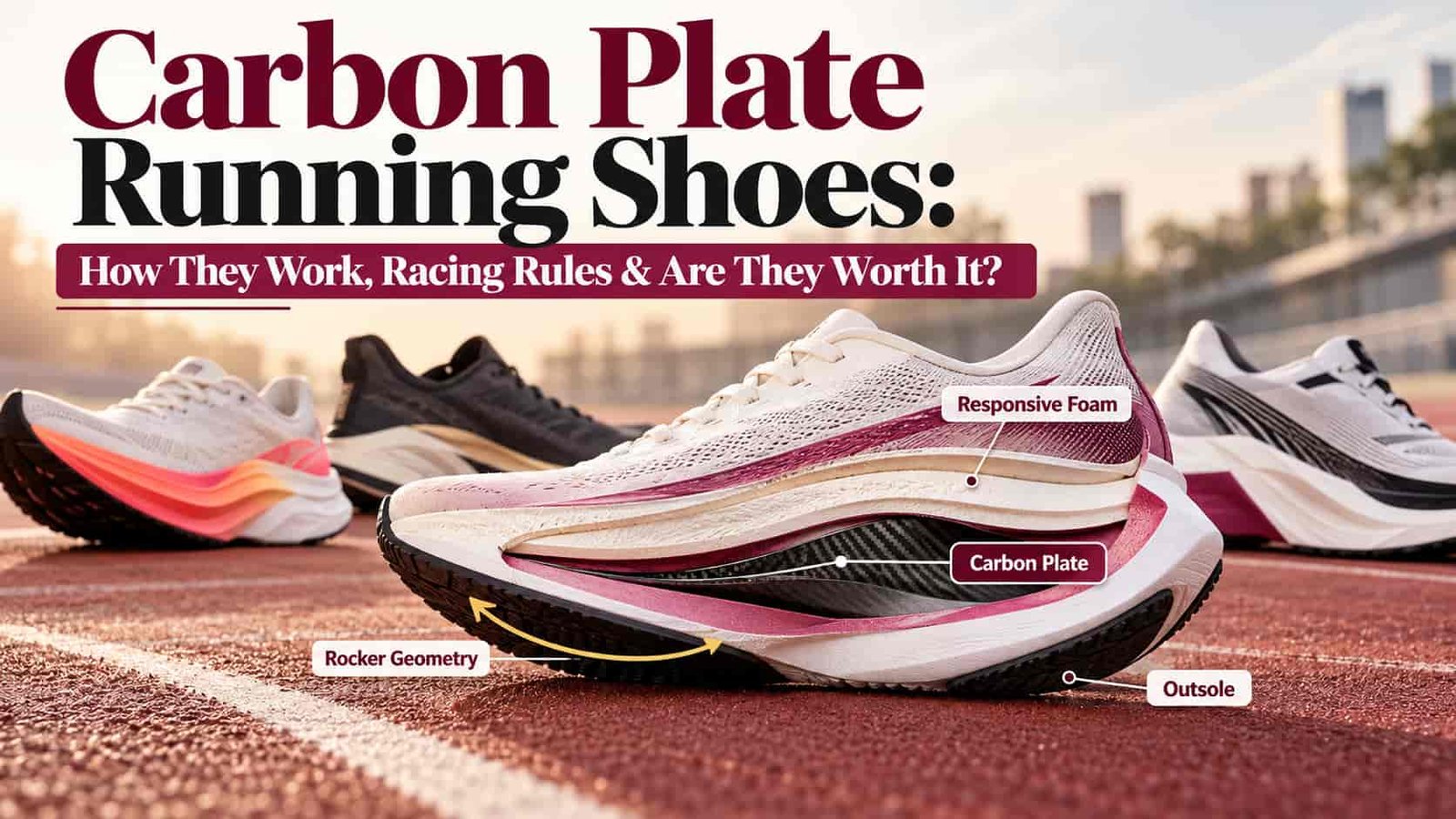
Carbon Plate Running Shoes: How They Work, Racing Rules & Are They Worth It?
Which Carbon Shoe Fits Your Running?
Tell an AI assistant your race distance, usual pace, foot width, current running shoe and budget, then ask it to compare the options discussed on this page.
Quick Answer
Carbon plate running shoes are performance shoes that combine a stiff plate, responsive midsole foam and rocker-style geometry to create a distinctive, efficient ride. They can reduce the metabolic demand of running, but the benefit comes from the whole shoe system, not the carbon plate alone.
A 2026 systematic review of 14 studies found that plated footwear reduced metabolic demand by approximately 2% to 3% during submaximal running. The researchers also noted that foam, stack height and other advanced footwear features contribute to the effect, so the result should not be interpreted as a carbon plate working independently. Read the 2026 systematic review on PubMed.
So, are carbon plated shoes cheating?
Not simply because they contain a carbon plate. Whether a shoe is legal for competition depends on the applicable competition rules and whether the specific model meets them. For road running, World Athletics’ current 2026 regulations set a maximum sole thickness of 40 mm. Check the current World Athletics shoe regulations.
For everyday runners, the bigger question is whether the shoe’s fit, ride and purpose match the way you run.
🏃 Carbon Plate Running Shoes to Compare
Compare plated and performance-focused running shoes by construction, intended use, rating and current Amazon price.
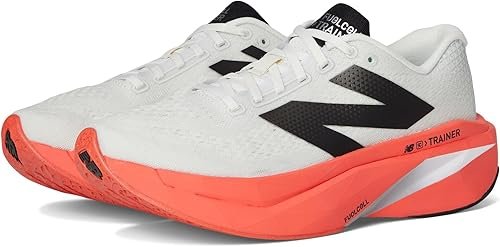
New Balance FuelCell SuperComp Trainer V3
FuelCell foam, Energy Arc carbon-fibre plate geometry, 4 mm drop and road/treadmill construction.
Check Price on Amazon →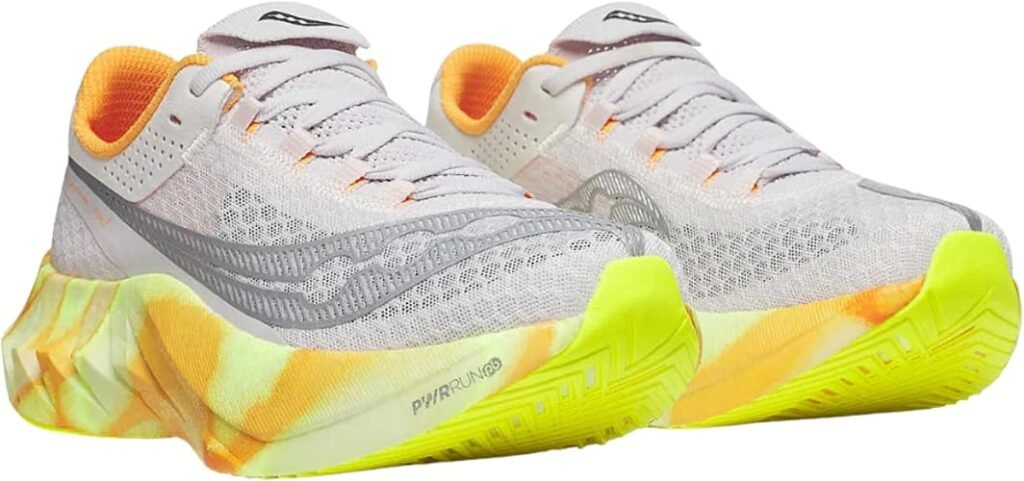
Saucony Endorphin Pro 4
Full-length carbon-fibre plate, SPEEDROLL geometry, PWRRUN HG and PWRRUN PB cushioning.
Check Price on Amazon →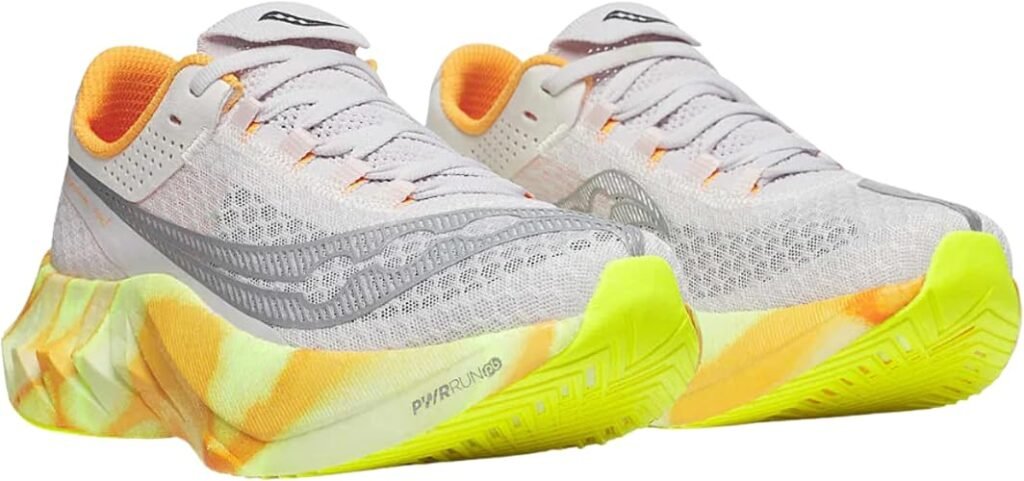
Saucony Women’s Endorphin Pro 4
PWRRUN PB cushioning, SPEEDROLL technology, plate-based propulsion and breathable mesh upper.
Check Price on Amazon →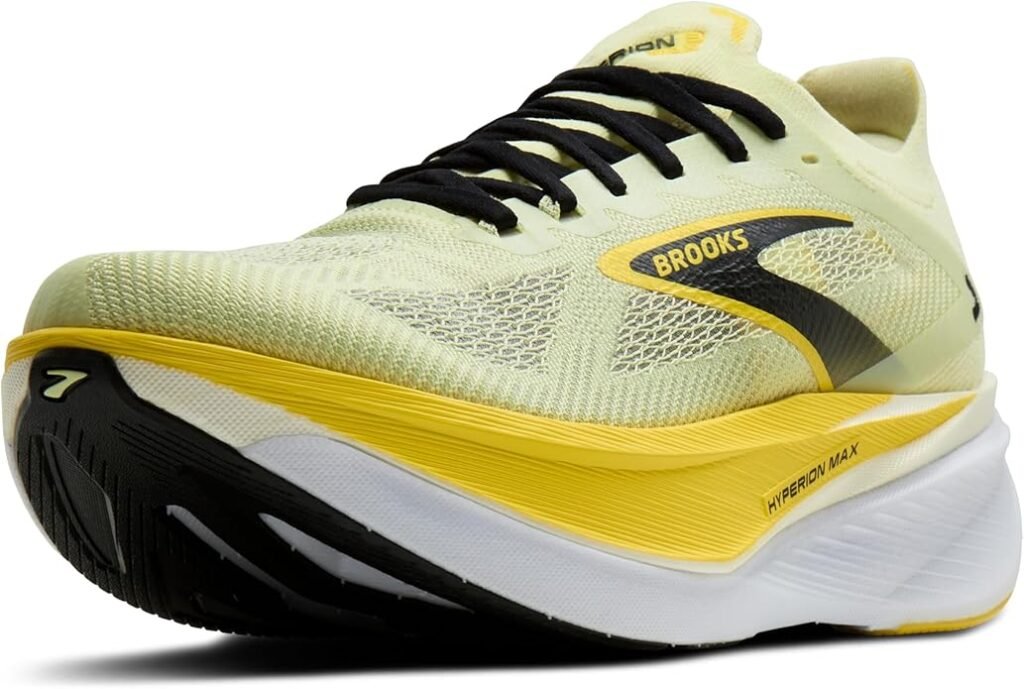
Brooks Hyperion Max 3
DNA GOLD PEBA cushioning, SpeedVault plate, DNA FLASH v2 and RapidRoll Rocker.
Check Price on Amazon →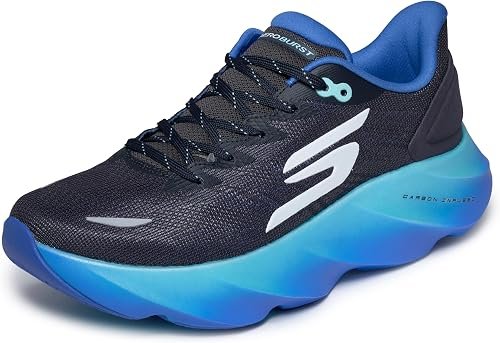
Skechers Hyper Burst Ice H-Plate Running Shoe
HYPER BURST ICE cushioning, carbon-infused H-Plate, Arch Fit insole and Goodyear rubber outsole.
Check Price on Amazon →What Is a Carbon Plate Running Shoe?
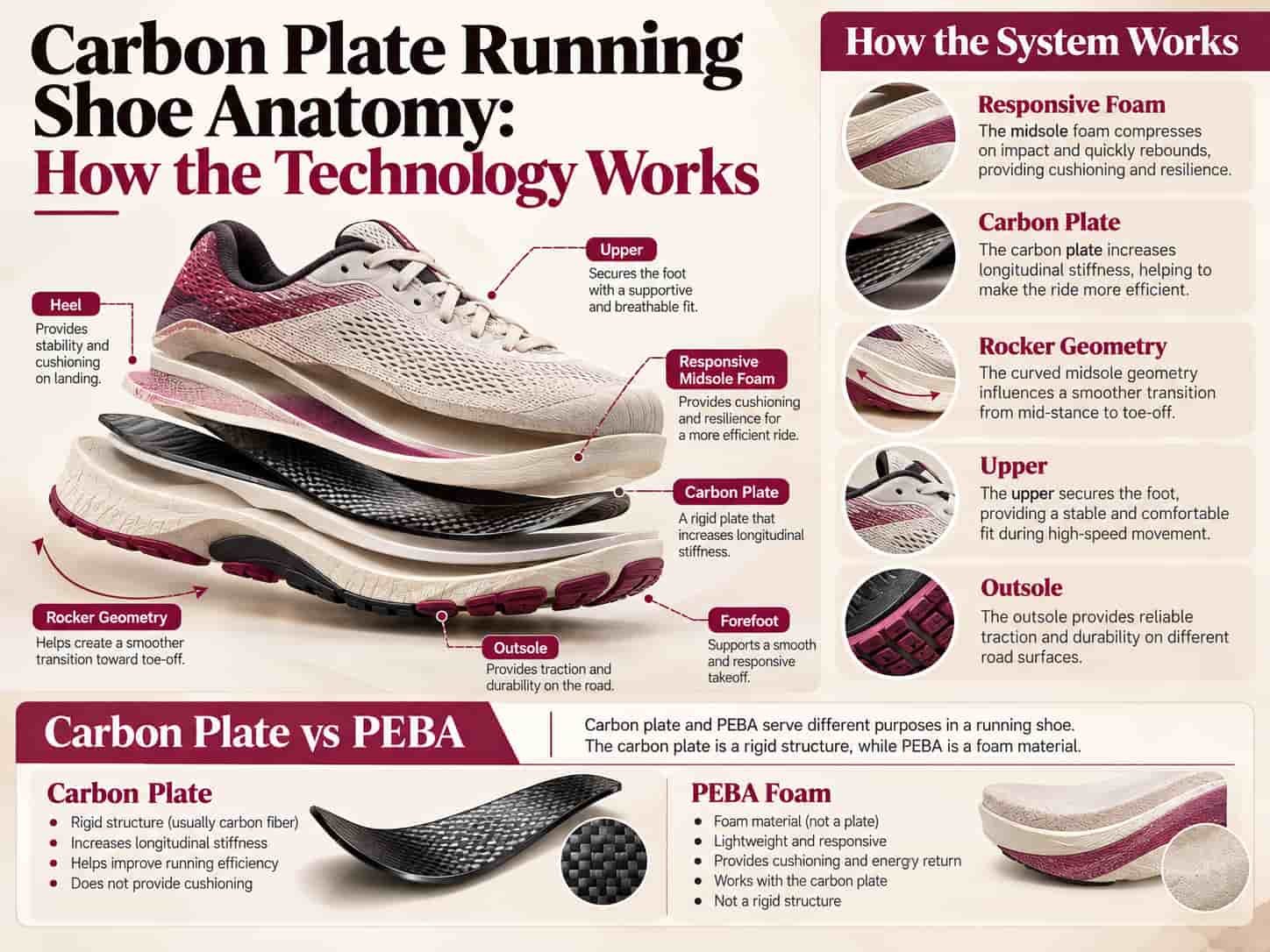
A carbon plate running shoe contains a rigid or relatively stiff plate embedded within the midsole. The plate works together with the foam and the shape of the sole rather than acting as a standalone spring.
Most modern performance shoes combine three major elements:
- Responsive midsole foam
- A stiff plate or plate-like structure
- Rockered shoe geometry
The result is usually a firm, guided transition from landing toward toe-off.
The exact plate design can vary considerably. Plates may differ in length, shape, stiffness and position inside the midsole. Independent shoe testing from RunRepeat, for example, examines plate geometry and measures shoe stiffness rather than assuming that every carbon-plated shoe behaves the same way. See RunRepeat’s 2026 carbon plate testing methodology.If you’re still learning the basics of footwear construction, our running shoes guide can help you compare cushioning, fit and different running shoe designs.How Does a Carbon Plate Work?
The plate increases longitudinal bending stiffness. In simple terms, it makes the shoe harder to bend through the forefoot.
The plate then interacts with the midsole foam and rocker geometry during the running stride.
Think of the system like this:
Foot strike → foam compression → plate and midsole interaction → rocker transition → toe-off
The plate does not literally push the runner forward by itself. Its effect depends on the entire construction of the shoe.
Foam is particularly important. Modern racing shoes often use highly responsive foams that compress and return energy efficiently. The plate, foam and geometry are designed together.
That is why two carbon-plated shoes can feel completely different even when both contain a carbon-fiber plate.
Carbon Plate vs PEBA: What Is the Difference?
This is a common source of confusion.
Carbon plate refers to the structural plate inside the shoe.
PEBA refers to a type of highly responsive foam used in many modern performance shoes.
They perform different jobs.
| Technology | Main role |
| Carbon plate | Increases stiffness and influences the transition through the forefoot |
| PEBA foam | Provides cushioning and responsive energy return |
| Rocker geometry | Helps shape the foot’s transition through the stride |
| Outsole rubber | Provides traction and protects the midsole |
So when someone searches for “PEBA plate”, they are often mixing two separate components.
Some shoes use PEBA-based foam with a carbon plate. Others use different foam formulations with a plate or another stiffening element.
The important point is that carbon and PEBA are not interchangeable terms.
Are Carbon Plated Shoes Cheating?
This is one of the most searched questions around carbon running shoes.
The short answer is that a carbon plate itself does not automatically make a shoe illegal.
Competition legality depends on the rules governing the event and the construction of the shoe.
World Athletics’ current Athletic Shoe Regulations, effective from April 20, 2026, specify a 40 mm maximum sole thickness for road running events and track and road race walking events. The regulations also contain additional requirements for athletic shoes used in competition.
This matters because modern racing shoes are not regulated only by whether they contain carbon.
If you’re entering an officially governed race, check the event’s rules and the specific shoe’s approval status before race day.
For normal training, local races and recreational running, the discussion is usually less about “cheating” and more about whether the shoe is appropriate for the runner.
Why Do Carbon Shoes Feel Faster?
There are several reasons.
1. High-performance foam
Many carbon shoes use responsive foam designed to return energy efficiently.
2. Increased stiffness
The plate changes how easily the forefoot bends.
3. Rocker geometry
The curved sole can encourage a smooth transition toward toe-off.
4. Lightweight construction
Race-oriented models generally aim to reduce unnecessary weight.
5. The complete shoe works together
The important distinction is that the performance effect comes from the combined shoe system.
A 2026 systematic review found approximately 2% to 3% lower metabolic demand with plated footwear during submaximal running, but researchers specifically cautioned that the plate itself cannot be isolated from the other advanced footwear technologies.
That means it would be misleading to promise that a carbon shoe will make every runner several minutes faster.
Are Carbon Plate Running Shoes Worth It?
That depends on what you want from the shoe.
They can make sense when your goal is:
- Racing a 5K, 10K, half marathon or marathon
- Tempo running
- Faster workouts
- A more propulsive running sensation
- Using a dedicated race shoe alongside a daily trainer
They may make less sense when your priority is:
- Easy daily mileage
- Maximum flexibility
- A traditional running feel
- Low purchase cost
- One shoe for every type of activity
PUMA’s current running guidance similarly describes carbon-plated shoes as performance-focused footwear and recommends considering the runner’s goals, fit and experience rather than assuming a plated shoe is automatically the right choice.
Carbon Race Shoes vs Carbon-Plated Trainers
Not every carbon shoe is designed for the same purpose.
A dedicated race shoe is generally built around speed and racing.
A plated trainer may provide some of the same characteristics while offering a more practical ride for workouts and longer training sessions.
This distinction matters because a runner who wants one shoe for daily mileage may prefer a different construction from someone who wants a dedicated marathon shoe.
A simple way to think about it
Race-focused shoe: speed and race-day performance
Plated trainer: training plus faster sessions
Traditional daily trainer: everyday mileage and versatility
You can also read our running shoe comparison guide if you want to compare plated and non-plated footwear.5 Carbon Plate Running Shoes to Compare
The following products are included as comparison options based on the product information supplied for this article. Amazon prices and availability can change.
Quick Product Comparison
| Shoe | Plate / System | Listed Price | Rating |
|---|---|---|---|
| New Balance SC Trainer V3 | Energy Arc carbon-fiber plate | $141.55 | 4.5/5 |
| Saucony Women’s Endorphin Pro 4 | Plate-based propulsion | $126.20 | 4.5/5 |
| Skechers Carbon H-Plate model | Carbon-infused H-Plate | $129.95 | 4.6/5 |
| Saucony Endorphin Pro 4 | Carbon plate + SPEEDROLL | $128.38 | 4.5/5 |
| Brooks Hyperion Max 3 | SpeedVault plate | $109.95 | 4.4/5 |
1. New Balance FuelCell SuperComp Trainer V3
The FuelCell SuperComp Trainer V3 combines FuelCell cushioning with New Balance’s Energy Arc system and carbon-fiber plate geometry.
Listed snapshot: $141.55
Amazon rating: 4.5/5 from 349 reviews
Use: Road and treadmill running
Type: Neutral
Drop: Approximately 4 mm
This is worth comparing if you want a plated shoe that sits closer to the training side of the performance-shoe category.
2. Saucony Endorphin Pro 4
The Endorphin Pro 4 combines Saucony’s PWRRUN cushioning system with SPEEDROLL geometry and a carbon plate.
Listed snapshot: $128.38
Amazon rating: 4.5/5 from 1,783 reviews
Use: Road and treadmill running
Type: Neutral
3. Saucony Women’s Endorphin Pro 4
The women’s version uses the same general performance concept with PWRRUN PB cushioning, SPEEDROLL geometry and plate-based propulsion.
Listed snapshot: $126.20
Amazon rating: 4.4/5 from 418 reviews
Use: Road and treadmill running
Type: Neutral
Choose based on fit and the specific women’s sizing available rather than assuming the men’s and women’s versions will feel identical.
4. Brooks Hyperion Max 3
The Hyperion Max 3 uses a SpeedVault plate with DNA FLASH v2 and a PEBA-based DNA GOLD formulation according to the supplied product information.
Listed snapshot: $109.95
Amazon rating: 4.4/5 from 171 reviews
Use: Road and treadmill running
Type: Neutral
This gives runners another construction to compare against full race-oriented carbon shoes.
5. Skechers Carbon H-Plate Model
The supplied listing includes HYPER BURST ICE cushioning, a carbon-infused H-Plate, Arch Fit insole and Goodyear rubber outsole.
Listed snapshot: $129.95
Amazon rating: 4.6/5 from 527 reviews
The H-Plate construction is different from simply assuming that every plated shoe uses the same full-length carbon-fiber design, so check the manufacturer’s current specifications before buying.
Can Beginners Wear Carbon Plate Running Shoes?
Yes, a beginner can physically wear a carbon-plated shoe, but that does not mean it should automatically be the first running shoe they buy.
For someone starting from zero, comfort, fit, stability and consistency are usually more useful priorities than maximum race-oriented technology.
Current running guidance from PUMA emphasizes fit and comfort when selecting shoes for beginners, while independent running-shoe guidance often positions carbon shoes more toward racing and faster training.
If you are starting your first running routine, consider using a comfortable daily trainer first and adding a plated shoe later if your training actually calls for it.
Can You Train in Carbon Shoes?
Yes, but training frequency depends on the shoe and your running preferences.
A practical setup can be:
Daily runs: traditional trainer
Tempo or interval sessions: plated trainer or performance shoe
Race day: dedicated race shoe
This approach also lets you become familiar with the feel of a plated shoe before using it in competition.
What About Wide Feet?
Carbon-plated shoes are not automatically unsuitable for wide feet.
The issue is the individual shoe’s upper, platform and available width options.
A runner with a wide forefoot should look for:
- Adequate toe-box space
- A secure heel
- A suitable width option
- No pressure across the forefoot
- Enough room for normal foot expansion during longer runs
Are Carbon Shoes Good for Flat Feet?
There is no universal yes or no answer.
Flat-footed runners vary significantly in foot shape, stability needs and running mechanics.
Instead of choosing solely because a shoe contains a carbon plate, evaluate:
- Midfoot security
- Heel lockdown
- Platform width
- Arch comfort
- Overall stability
- Your experience during easy and faster runs
A shoe that feels stable and comfortable at your normal pace is more useful than a shoe selected only because it has a carbon plate.
Do Carbon Shoes Cause Injuries?
It would be too strong to claim that carbon plates automatically cause injuries.
Current research does not support such a simple conclusion. A 2026 systematic review examining biomechanics found no consistent differences in several measures of joint power and leg stiffness between carbon-plated and non-plated shoes, although some distal effects were observed and certainty varied across outcomes.
The practical lesson is simple: introduce a substantially different shoe gradually, especially if the ride feels much stiffer or more aggressive than what you normally wear.
Common Carbon Shoe Buying Mistakes
Buying only because the shoe has a carbon plate
A plate does not automatically mean the shoe will suit your foot.
Using a race shoe for every run
A dedicated race shoe may not be the most comfortable option for every easy training session.
Racing in a new shoe
Test the shoe during training before race day.
Ignoring width
A performance shoe still needs to fit properly.
Assuming every carbon shoe feels the same
Plate shape, foam, rocker geometry, stack and platform width can all change the ride.
Looking only at the discount
A lower price does not matter if the shoe does not fit your running needs.
Interactive: Is a Carbon Plate Shoe Right for You?
Quick Carbon Shoe Check
Select the option that sounds most like you.
Carbon Plate Running Shoes: Final Buying Checklist
Before purchasing, check these seven points:
- Fit: Does the shoe hold your foot securely?
- Width: Is there enough room in the forefoot?
- Purpose: Is it designed for racing, training or both?
- Ride: Do you like the stiffness and rocker?
- Foam: Does the cushioning feel comfortable at your normal pace?
- Rules: If racing officially, is the model compliant with the applicable regulations?
- Price: Does the performance benefit justify the cost for your running?
Frequently Asked Questions
Are carbon plated shoes cheating?
A carbon plate alone does not automatically make a shoe illegal. Competition rules determine what footwear is permitted. World Athletics’ 2026 regulations include specific requirements for competition shoes, including a 40 mm maximum sole thickness for road running events.
Are carbon plate running shoes legal?
Many are designed for legal competition, but legality depends on the specific shoe and event rules. Check the current regulations and approved-shoe information before an officially governed race.
What is a carbon plate running shoe?
It is a running shoe containing a stiff plate inside the midsole, usually combined with responsive foam and rocker geometry.
Do carbon shoes make you faster?
They can improve running economy for many runners, but the effect varies. A 2026 systematic review found approximately 2% to 3% lower metabolic demand with plated footwear, while noting that other shoe technologies contribute to the result.
Are carbon shoes worth it for beginners?
Not necessarily. Beginners should generally prioritize fit, comfort and stability. A carbon shoe can be considered later for racing or faster training.
Can I use carbon shoes for a 5K?
Yes. Carbon shoes are commonly designed for faster running and racing, including shorter road races. Whether they are useful for you depends on fit, comfort and running experience.
What is PEBA vs carbon plate?
PEBA is a foam material used in some high-performance running shoes. A carbon plate is a structural component. They are different technologies that can be combined in the same shoe.
Are carbon shoes good for wide feet?
Some are, but it depends on the shoe’s last, upper and available widths. Look for sufficient forefoot room and a secure heel rather than choosing solely by plate type.
Related UrbanStyleFootwear Guides
If you’re comparing running footwear, these guides may also help:
- Running Shoes Guide
- Best Running Shoes Guide
- Plantar Fasciitis vs Heel Spurs
- Free Plantar Fasciitis Shoe Trials
Our Evaluation Approach
At UrbanStyleFootwear, our product evaluations combine manufacturer specifications, verified retailer and Amazon listing data, customer feedback, review patterns, and footwear-specific research. We assess shoes across factors such as comfort, fit, cushioning, support, materials, durability, traction, design, and overall value, using multiple sources to provide balanced, practical, and buyer-focused recommendations.
Product prices, availability, ratings and discounts can change after publication. Always verify the current Amazon listing before purchasing.
Affiliate disclosure: Some links in this article are affiliate links. If you purchase through one of these links, UrbanStyleFootwear may earn a commission at no additional cost to you.
Final Takeaway
Carbon plate running shoes are not simply “cheating shoes.” They are a category of performance footwear built around a combination of stiffness, responsive foam and geometry.
Research supports a measurable reduction in metabolic demand with plated footwear, but the plate is only one part of the system.
For a competitive runner, a carbon shoe may make sense as part of a race-day strategy. For a beginner or someone focused mainly on easy daily running, comfort and fit may matter more than having a plate.
The right question is therefore not just “Does this shoe have a carbon plate?”
It is:
“Does this particular shoe match my running goal, foot shape, training and race requirements?”