

How to Dye Faded Shoes Like a Pro: 2026 DIY Restoration Guide
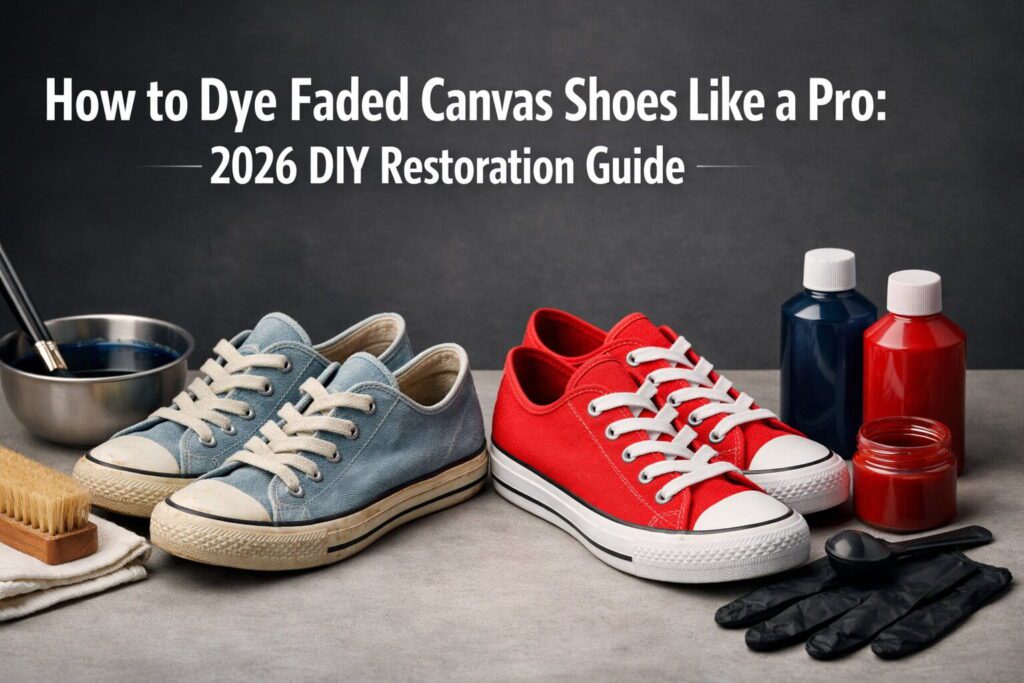
TL;DR: Quick Answer (How to Dye Faded Shoes)
To dye canvas shoes effectively: Clean the shoes thoroughly to remove dirt and factory finishes. Tape off the rubber soles with masking tape or apply a thin layer of petroleum jelly. Mix your chosen fabric dye for shoes with hot water and salt (fixative). Apply the dye using a sponge brush for precision or a submersion bath for even coverage. Rinse until water runs clear, air dry away from direct sunlight, and heat set if required by the dye manufacturer.
Introduction: Don’t Toss Them, Dye Them
We all have that one pair. Maybe it’s a classic pair of high-tops or trusty slip-ons that have molded perfectly to the shape of your feet over thousands of steps. The rubber soles are still grippy, the stitching is intact, but the color? The color has seen better days. Sun exposure, dust, and repeated washing turn vibrant blacks into sad greys and crisp navy blues into a washed-out purple.
In my 20+ years of running a shoe store, I have seen countless customers throw away perfectly structural footwear simply because the color faded. It is a massive waste of money and material. The canvas used in shoes (usually cotton or a cotton-blend) is actually one of the easiest materials to manipulate.
Whether you want to restore a faded favorite to its original glory or customize a white pair with a brand new color, learning how to dye canvas shoes is a skill that saves your wallet and your wardrobe.
In this guide, we are going to walk through the exact process I recommend. We will move beyond the basic instructions on the bottle and look at the “retailer secrets”—the prep work and finishing touches—that ensure your dye shoe project looks factory-finished, not like a messy arts-and-crafts experiment.
Why This Matters: The Economics of Restoration
Why bother dyeing shoes when you can just buy new ones? In the global sneaker market, prices are climbing. A quality pair of canvas sneakers isn’t the budget item it used to be.
From my experience on the shop floor, the most common mistake buyers make is equating “faded” with “broken.” High-quality canvas is durable. When you toss a pair just because of aesthetics, you are often throwing away the most comfortable stage of the shoe’s life cycle—the broken-in phase.
Furthermore, finding the exact replacement for a beloved style is getting harder. Brands discontinue colorways seasonally. If you love that specific shade of olive green you bought three years ago, dyeing a white pair or restoring your old ones might be the only way to get it back.
Using the right cloth shoe dye allows you to:
- Extend Lifespan: Get another 1-2 years out of a pair.
- Customization: Create colors that don’t exist on the shelf.
- Sustainability: Keep perfectly good rubber and fabric out of landfills.
US vs UK vs Euro Shoe Size: The Ultimate Conversion Guide & Feet Size Chart (2026)
Understanding Your Material: Will It Dye?
Before we open the dye packet, we need to talk about material science. Not all “cloth” shoes are the same, and assuming they are is the quickest way to ruin a pair.
1. Cotton Canvas (The Best Candidate)
Classic sneakers (think Chuck Taylors, Vans, Superga) are typically made of cotton canvas. Cotton is a natural fiber that is highly absorbent. It loves water, and it loves dye. Standard all-purpose dyes work beautifully here.
2. Synthetic Mesh and Polyesters
Modern running shoes or “knit” style sneakers are often synthetic. Polyester is essentially plastic thread. Standard cotton dyes will wash right off it. If your shoe is synthetic, you need a specific dye formulated for synthetics (often labeled as “Poly” or “Synthetic”).
3. The Stitching Trap
Here is a detail most blogs miss: The thread. Even on a 100% cotton canvas shoe, the stitching is often polyester thread for strength. If you dye a white shoe black using standard dye, the canvas will turn black, but the stitching might remain bright white.
- Expert Note: Many people actually love this “contrast stitch” look. But if you want a solid color (monochromatic), you must use a dye that targets both cotton and polyester.
The Gear: What You Need
Don’t start until you have the setup. This is a messy process.
- The Shoes: Clean, dry, and laces removed.
- The Dye:
- Powder Dye: Good for immersion/dipping (e.g., Rit, Dylon).
- Liquid Dye: Easier for mixing small batches.
- Fabric Paint: An alternative if you want to change a dark shoe to a light color (dye cannot lighten shoes, only darken them).
- Application Tools:
- Small sponge brush or paintbrush (for precision).
- Large plastic bucket or stainless steel sink (for dipping).
- Protection:
- Masking tape (high quality) or Electrical tape.
- Vaseline (Petroleum Jelly).
- Rubber gloves (non-negotiable, unless you want stained hands for a week).
- Old newspapers or a drop cloth.
- The Fixatives: Salt and dish soap (check dye instructions).
Step-by-Step: How to Dye Faded Shoes
This is the method we recommend for the most professional, even finish.
Phase 1: The Deep Clean (Critical)
You cannot dye dirt. If there is an invisible layer of oil, silicone spray, or fabric protector on the shoe, the fabric dye for shoes will not penetrate evenly, resulting in a blotchy mess.
- Remove laces and insoles (if removable).
- Scrub the shoes with warm water and a mild detergent or sneaker cleaner.
- Use a stiff brush to get dust out of the canvas weave.
- Crucial: Let them dry damp—not soaking wet, but slightly humid. Damp fabric absorbs dye more evenly than bone-dry fabric.
Phase 2: Protecting the Sole
This is where amateurs fail and pros succeed. You want the rubber sidewalls (foxing) to stay white (or their original color).
- Tape Method: Carefully apply masking tape over the rubber soles. Press the edges down firmly with your fingernail to seal the gap between the rubber and the fabric.
- The Vaseline Hack: If the sole is textured and tape won’t stick, smear a medium layer of petroleum jelly over the rubber. The dye will sit on top of the jelly and wipe right off later. Be careful not to get jelly on the canvas!
Phase 3: The Dye Bath vs. The Brush Method
Method A: The Immersion (Best for solid, all-over color)
- Fill a plastic bucket with very hot water (check dye packet for temp, usually around 140°F/60°C).
- Dissolve the dye. Add 1 cup of salt (for cotton) to help the color fix. Add a drop of dish soap to break surface tension.
- Submerge the shoes. Stir them constantly for the first 10 minutes to prevent splotches.
- Let them soak for 30–60 minutes depending on how deep you want the color.
Method B: The Brush-On (Best for saving dye and precision)
- Mix the dye in a smaller container with hot water (highly concentrated ratio).
- Dip your sponge brush and apply it to the canvas.
- Work the dye into the fabric in circular motions. Don’t just paint the surface; saturate the fibers.
- Pay extra attention to the seams and the area near the toe cap.
Phase 4: Rinse and Set
- Once the color looks slightly darker than you want (it dries lighter), rinse the shoes in cool water.
- Keep rinsing until the water runs clear. This might take a while.
- The Fixative Soak (Optional but Recommended): Use a commercial dye fixative or a vinegar/water soak to lock in the color.
Phase 5: Drying
- Stuff the toes with paper towels to help them hold their shape.
- Air dry in a warm, shady spot. Never dry dyed shoes in direct sunlight, as UV rays will fade the fresh dye immediately.
- Wait 24 hours before wearing.
Pro-Tips: Retailer Secrets for a Better Finish
After handling thousands of shoes, you pick up a few tricks that aren’t on the box.
- The “Toothbrush” Detail: When brushing on dye, use an old toothbrush for the area right where the canvas meets the rubber sole. The bristles can push dye into that tight crevice without getting it all over the rubber.
- The Black Dye Dilemma: Black cloth shoe dye often has a base of blue or purple. If you don’t use enough dye or rinse it too early, your shoes will look navy. For a “Midnight Black,” use double the concentration and let it sit twice as long.
- Sole Cleanup: If you messed up and got dye on the rubber sole, don’t panic. Make a paste of baking soda and water, or use a “Magic Eraser” melamine sponge. Scrub it immediately. If that fails, a little nail polish remover (acetone) on a cotton swab usually does the trick—but be gentle, as acetone can melt glue.
- Re-Waterproofing: Dyeing strips the factory protection. Once your shoes are dry, apply a fresh coat of fabric protector spray (like Scotchgard or Crep Protect) to seal the color and repel water.
Comparison: Which Dye Method is Right for You?
| Feature | Immersion (Bucket) Method | Paintbrush/Sponge Method |
|---|---|---|
| Best For | Total color change, heavy restoration | Touch-ups, conserving dye, multi-color designs |
| Effort Level | Medium (lots of rinsing) | High (requires patience and steady hand) |
| Risk | Dyeing the soles/insides accidentally | Uneven or streaky finish if rushed |
| Material Usage | Uses more dye and water | Uses very little dye |
| Finish Quality | Factory-like uniformity | Can look custom/textured |
Common Mistakes to Avoid
- Dyeing Dirty Shoes: I cannot stress this enough. If there is a mud stain, the dye will stick to the mud, not the fiber. When the mud eventually flakes off, you’ll have a white spot.
- Ignoring the “Material Mix”: Trying to dye a shoe that is 50% leather and 50% canvas with a canvas dye. The canvas will take the color, but the leather will look stained and messy.
- Rushing the Rinse: If you don’t rinse until the water is clear, your new dye will bleed onto your socks and your feet the first time you sweat or step in a puddle.
- Wrong Expectations: You cannot dye a black shoe yellow. Dye is transparent; it adds to the existing color. You can only go darker (e.g., grey to black, pink to red, white to blue). If you want to go lighter, you need fabric paint (which sits on top), not dye.
People Also Ask (PAA) on How to Dye Faded Shoes
Can I dye my shoes in the washing machine? Technically yes, but we don’t recommend it. It can stain your machine’s plastic parts and rubber seals, risking color transfer to your next load of laundry.
Does vinegar set dye on shoes? Yes, white vinegar works as a mordant (fixative) for many dyes, especially on cotton canvas, helping to lock the color molecules to the fabric fibers.
How long does shoe dye last? If done correctly with high-quality fabric dye for shoes, the color is permanent. However, like any fabric, it will naturally fade over time with sun exposure and washing.
Can I use acrylic paint instead of dye? Yes, but you must mix it with a “textile medium.” Straight acrylic paint will dry hard and crack when the shoe flexes. Dye penetrates; paint sits on top.
Will the dye rub off on my socks? If you rinse thoroughly until the water runs clear and use a fixative, the transfer should be minimal to none. Always wear dark socks for the first wear, just in case.
Why Trust This Guide?
The advice in this article isn’t scraped from a forum; it’s born from the back room of a shoe store.
- Experience: Over two decades of analyzing shoe construction, materials, and wear patterns.
- Testing: We have seen which dyes ruin adhesives and which ones preserve the integrity of the canvas.
- Global Standard: We recommend techniques and materials (like Rit and Dylon) that are safety-standard compliant and available globally.
- Foot Health: We emphasize rinsing because residual harsh chemicals trapped in canvas can cause contact dermatitis on the top of the foot.
Ready to Refresh Your Kicks?
Don’t let a little fading force you into early retirement for your favorite shoes. With a few dollars and an afternoon of work, you can double the lifespan of your footwear.
If your shoes are structurally too far gone (holes in the sole, collapsed heel counters), then dyeing won’t save them—it might be time to upgrade.
- [Check out the top-rated Canvas Shoes on Amazon]
- [Browse Best-Selling Fabric Dyes & Fixatives]
- [See 2026’s Most Durable Walking Shoes]
FAQs on How to Dye Faded Shoes
1. What is the best fabric dye for canvas shoes?
The best fabric dyes for cotton canvas shoes are fiber-reactive dyes like Rit All-Purpose Dye or Dylon Hand Dye. For synthetic canvas or mesh, use Rit DyeMore (specifically for synthetics).
2. Can you dye shoes black that are already colored?
Yes, black is the most effective color for over-dyeing. You can successfully use black cloth shoe dye over almost any other color to restore them or change the look entirely.
3. How do you dye rubber soles?
Most fabric dyes will not permanently dye rubber soles; they will only stain them temporarily. To change the color of rubber soles, you need a specialized “Sole Dye” or leather paint like Angelus with a hardener additive.
4. How to fix sun-faded black Vans?
To fix sun-faded Vans, clean them thoroughly, mask off the white rubber sole, and use a sponge brush to apply a concentrated black fabric dye directly to the faded canvas.
5. Will bleach ruin canvas shoes before dyeing?
Bleach can weaken cotton fibers and cause yellowing and holes if used undiluted. If you need to lighten shoes before dyeing, use a designated “Color Remover” product instead of household bleach.
6. Do I need to remove the old finish before dyeing shoes?
Yes, if the shoes have a water-repellent coating (DWR), the dye won’t penetrate. Scrub the shoes with warm soapy water and a stiff brush to break down this barrier before dyeing.
7. How long does it take for dyed shoes to dry?
Dyed shoes typically take 24 to 48 hours to dry completely. Drying time depends on humidity and airflow. Do not use a tumble dryer, as the heat and tumbling can warp the rubber soles.
8. Can I use hair dye on canvas shoes?
We do not recommend using hair dye. It is not formulated for cotton fibers, may smell strong, can damage the glue holding the shoe together, and often results in unpredictable colors that fade quickly.
9. How do I stop dye from bleeding on shoes?
To stop bleeding, ensure you rinse the shoes until the water is 100% clear. Afterward, soak the shoes in a mixture of cool water and white vinegar or a commercial dye fixative for 20 minutes.
10. Is tie-dye possible on canvas shoes?
Absolutely. Tie-dye works great on white canvas shoes. Use the “Sharpie method” with rubbing alcohol for a controlled effect, or use liquid dye with droppers for traditional tie-dye patterns.
- The Ultimate Amazon Fashion Find: POYOIOR Cowgirl Western Pattern Embroidered Review
- 7 Best Safety Shoes for Construction Workersin India
- 7 Best Safety Shoes for Construction Workers in India 2026
- 5 Best Orthopedic Slippers for Diabetic Patients in India (2026 Guide)
- What is TPR Sole? The Ultimate Guide to Durable Shoe Soles (2026)


Pingback: What Is Shoe Bite? Treatment, Causes & Prevention Guide (2026)
Pingback: How to Stop Heels from Clicking: Expert Quiet Walking Guide (2026)