
7 Best Yoga Shoes India 2026 (Grip & Flexibility Tested)
⚡ 30-Second Summary — TL;DR Quick Verdict
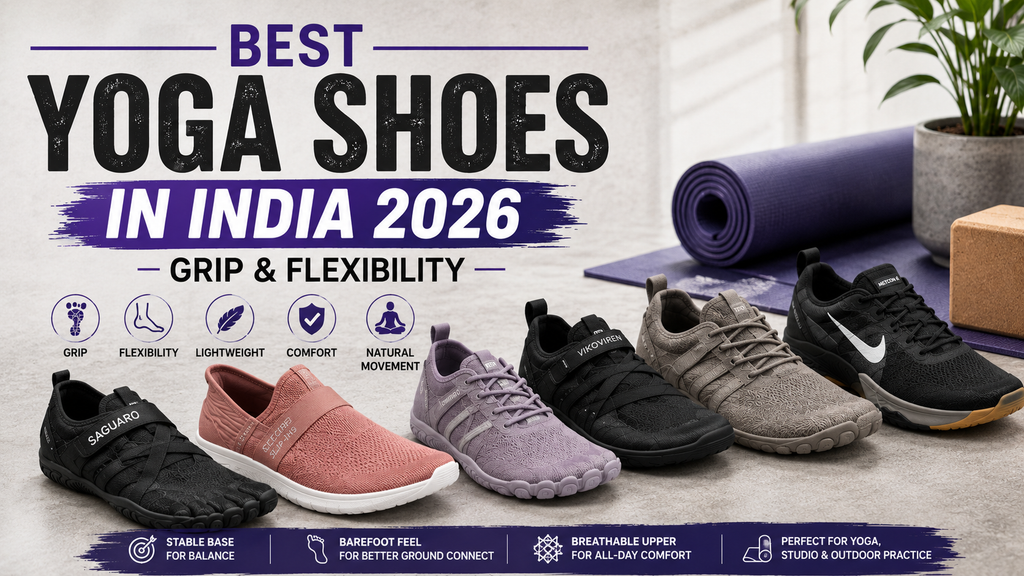
- Best Overall: Xero Shoes Prio Original – Zero-drop design, wide toe box and a low-to-the-ground feel make it a strong all-round option for yoga and studio work.
- Best for Easy On-Off (Hands-Free): Skechers Ultra Flex 3.0 Slip-ins – Hands-free Slip-ins heel panel, flexible traction outsole and cushioned Air-Cooled Memory Foam insole make it convenient between poses.
- Best for Outdoor Yoga/Walking Combo: SAGUARO Barefoot Minimalist Shoes – Lightweight barefoot-style construction with a flexible sole, suitable for outdoor yoga, walking and casual movement.
A Shop Owner’s Reality Check on Yoga Footwear in India
Most people walk into my shop asking for “yoga shoes” and I have to stop them right there — true yoga is barefoot. What you actually need is a shoe that gets out of the way: flat sole, wide toe box, zero drop, and enough grip that you don’t slide on a mat or a tiled studio floor. That’s a very different shopping list from a running shoe.
The confusion online doesn’t help. Product listings slap “yoga” on anything with a flexible sole, reviews are copy-pasted, and Indian foot widths rarely match the US-based sizing charts these barefoot brands use. I’ve had customers order two sizes before landing on the right fit. In my shop, and now testing for this list, I only shortlist shoes that pass three tests: toe splay room, floor feedback, and grip on both mat and tile. Here’s what actually held up.
Buying Guide: 3 Things That Matter for Yoga Shoes
Before you add anything to cart, understand these three factors — they decide whether a shoe helps or hurts your practice.
1. Midsole — thin EVA, not thick cushioning. Yoga shoes should have a slim EVA or rubber midsole, nothing like the thick TPU cushioning stacks you’d see in a running shoe. Too much cushioning and you lose the ground feedback your ankles and knees need to balance in poses like vrksasana (tree pose) or warrior sequences.
2. Heel-to-toe drop — zero is the goal. A zero-drop sole keeps your heel and forefoot level, which is exactly how your foot sits on a mat. Anything above 4mm drop starts to tip your weight forward and changes your posture in standing poses.
3. Toe box width and arch flexibility. Indian feet, especially after years of chappals and sandals, tend to be wider at the forefoot. A narrow toe box restricts natural toe splay, which is core to balance work. Pair that with a sole flexible enough to bend fully in half — if it doesn’t fold like a yoga mat, it’s not a yoga shoe.
One more Indian-specific note: if you’re practicing on a home terrace or a park in Mumbai or Chennai during monsoon, look for a quick-drying upper and a rubber outsole with sipes — smooth soles turn dangerous on wet tile.
Barefoot vs Cushioned: Which Type of Yoga Shoe Should You Buy?
This is the question I get asked most often across the counter, and the honest answer is: it depends on what your practice looks like, not on what’s trending.
Barefoot/minimalist shoes (Vibram, Xero, Unguis, ULOGU, SAGUARO in this list) are built for people doing active vinyasa, power yoga, or balance-heavy sequences. The thin sole and zero drop give your feet direct feedback from the floor, which is exactly what your nervous system needs to hold poses like ardha chandrasana (half moon) or a standing balance flow. The trade-off is an adjustment period — your calves and arches will feel it for the first couple of weeks.
Cushioned slip-on shoes (like the Skechers Ultra Flex 3.0 here) suit a completely different crowd: beginners, seniors, people recovering from an injury, or anyone doing gentle/restorative yoga where balance isn’t the primary demand. The extra cushioning trades ground feel for comfort and ease of movement, which is a fair swap if your knees or back need the support.
My rule of thumb in the shop: if your practice involves standing balance poses more than twice a week, go barefoot-style. If it’s mostly floor work, stretching, or restorative sequences, cushioned is perfectly fine — don’t force a minimalist shoe on a body that isn’t asking for one.
Sizing Yoga Shoes for Indian Feet
Almost every barefoot brand on this list — Vibram, Xero, SAGUARO — is designed and sized abroad, and their charts don’t always map cleanly onto Indian foot shapes. Here’s what I tell customers before they order online:
- Measure, don’t guess. Trace your foot on paper, measure heel to longest toe in centimetres, and match it against the brand’s own size chart rather than converting from your usual Indian shoe size.
- Widest point matters more than length. Years of wearing chappals and sandals tend to widen the Indian forefoot. If a brand offers a “wide” or “regular” fit option, lean wide unless you know your feet run narrow.
- Order half a size up if between sizes. Barefoot shoes have almost no give in the upper, unlike cushioned sneakers — a snug fit restricts the toe splay that’s the entire point of buying minimalist footwear.
- Break them in indoors first. Wear a new barefoot shoe around the house for short stretches before your first full outdoor or studio session, so you catch fit issues before you’re stuck mid-class.
Yoga Shoe Terrain Notes: Delhi, Mumbai, Chennai, Bengaluru
Where you practice changes what you should buy, more than most buying guides admit.
Delhi: Dry heat for most of the year means breathable mesh uppers (Xero Prio, ULOGU) hold up well without trapping sweat. Winter mornings on cold marble floors also favour a shoe over pure barefoot practice.
Mumbai: Monsoon humidity and sudden downpours make quick-drying uppers non-negotiable if you’re doing any outdoor or terrace sessions — the SAGUARO’s quick-dry build is built for exactly this.
Chennai: Year-round humidity means breathability trumps everything else. Avoid heavier synthetic uppers; stick to mesh-based options and air them out between sessions to prevent odour build-up.
Bengaluru: Milder weather gives you the most flexibility — this is where a barefoot shoe like the Vibram V-Train or Unguis can be worn comfortably across seasons without climate being a major deciding factor.
Product Reviews: 7 best yoga shoes india
1. Vibram V-Train 2.0 Cross Trainer
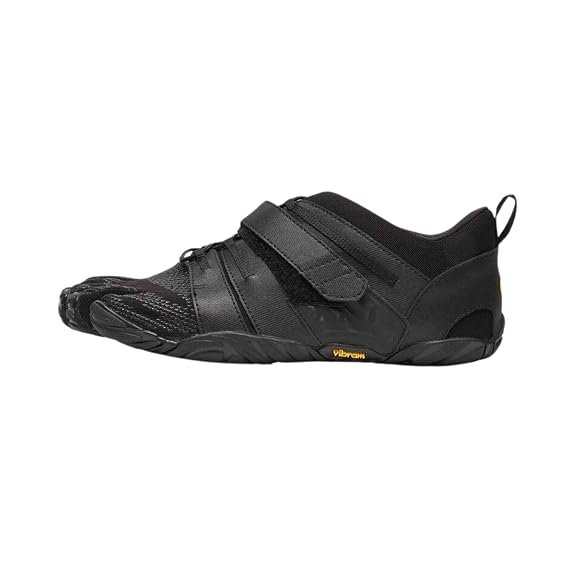
The Shop Owner’s Take: This is the closest you’ll get to true barefoot feel in a closed shoe. The individual grip zones on the outsole flex independently, so when you shift into a lunge or a balance pose, the sole moves with your foot instead of against it. It’s light, breathable, and the lace-up keeps it snug through inversions and rope work if you mix yoga with functional training.
Best For: Practitioners who also do functional training or mobility work alongside yoga, and want one shoe for both.
Pros:
- Genuine barefoot-style ground feedback
- Strong grip on both studio floors and mats
- Breathable upper suits Indian humidity
Cons: The toe-sock style fit takes real getting-used-to and isn’t for everyone — first-time barefoot shoe buyers often find it fiddly to put on.
2. Xero Shoes Men’s Prio Original Cross Training Shoe
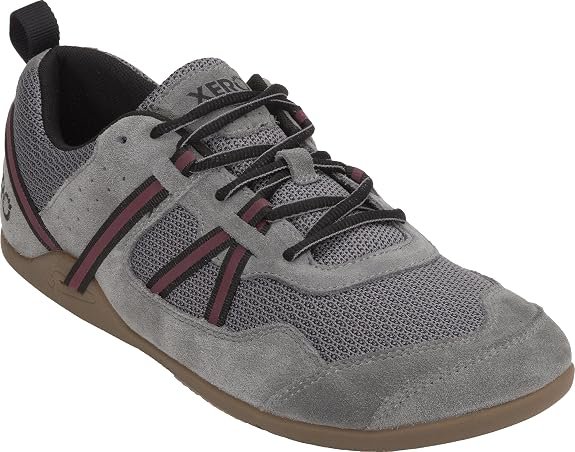
The Shop Owner’s Take: If I had to pick one all-round yoga shoe to stock, it’s this one. Zero-drop sole, genuinely wide toe box, and a removable insole so you can go even more minimal once your feet adapt. It folds flat in your hand — that’s the real test for flexibility — and the low-profile build doesn’t feel bulky during floor sequences.
Best For: Anyone new to barefoot-style footwear who wants a comfortable, everyday-wearable option for studio and gym.
Pros:
- Wide toe box allows natural toe spread
- True zero-drop platform
- Doubles up for walking and light gym use
Cons: Sizing runs slightly narrow at the heel for some Indian foot shapes — check the brand’s size chart carefully before ordering.
3. Unguis Premium Indoor Training Shoes
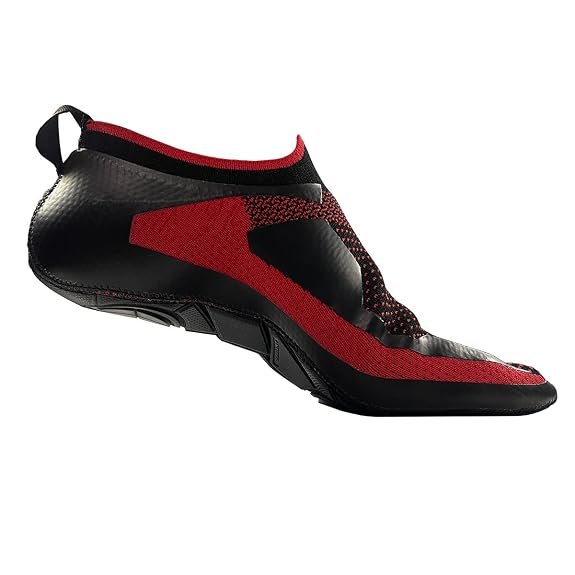
The Shop Owner’s Take: A no-frills minimalist shoe that covers yoga, gymnastics, and light weightlifting without asking you to pay for barefoot-brand pricing. The low-profile build keeps you close to the floor, and the wide-foot design accommodates broader Indian feet better than most imported minimalist shoes.
Best For: Beginners who want to try minimalist footwear across multiple indoor activities before committing to a premium brand.
Pros:
- Budget-friendly entry into minimalist shoes
- Good ground contact for balance poses
- Works across yoga, martial arts, and weightlifting
Cons: Build quality and outsole durability aren’t in the same league as Vibram or Xero — expect a shorter lifespan with daily use.
4. ULOGU Men’s Barefoot Shoes, Wide Toe, Zero Drop
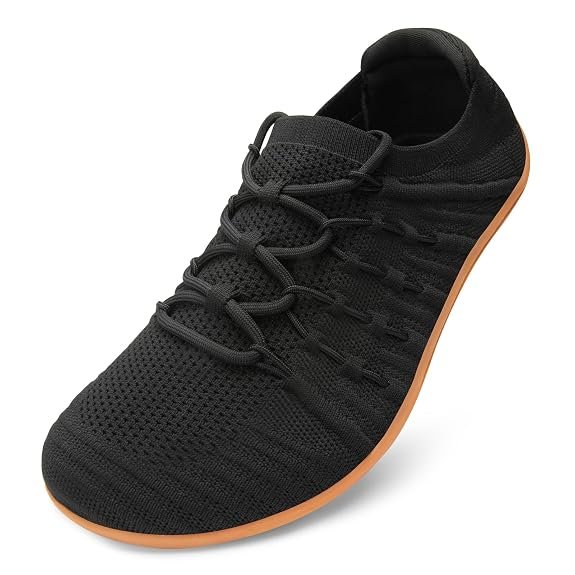
The Shop Owner’s Take: This one straddles yoga and everyday walking well. The zero-drop platform and wide toe box tick the core yoga-shoe boxes, and the breathable mesh upper handles Indian heat better than synthetic-heavy alternatives. It’s built more for trail and walking use, so treat the yoga fit as a happy side benefit rather than the primary design goal.
Best For: People who want one shoe that transitions from a morning walk straight into a home or studio yoga session.
Pros:
- Zero-drop, wide-toe design supports natural posture
- Breathable mesh copes well with Indian summers
- Doubles as a casual walking shoe
Cons: Outsole is slightly thicker than dedicated yoga shoes, so ground feedback in fine balance poses is a notch less precise.
5. Skechers Men’s Ultra Flex 3.0 – Smooth Step Slip-ins Sneaker
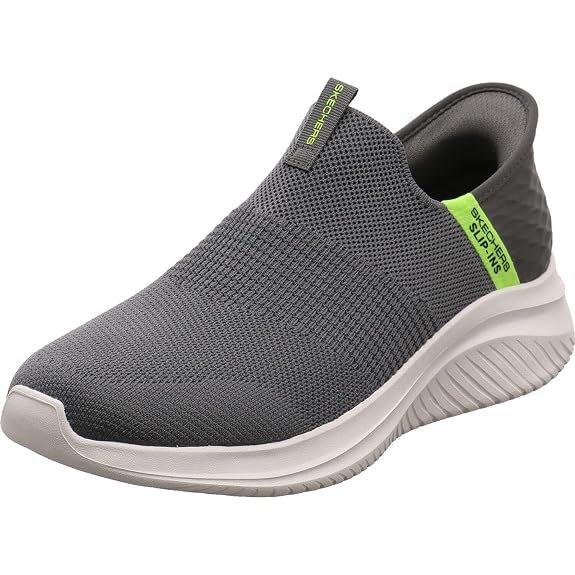
The Shop Owner’s Take: Not a barefoot shoe by any stretch, but it earns its place for a very practical reason — the hands-free slip-in design. For anyone with knee or back issues who struggles to bend down and lace up before a session, this removes that friction entirely. The flexible outsole and cushioned insole make it comfortable for gentle, restorative-style yoga and studio walking rather than balance-heavy practice.
Best For: Beginners, seniors, or anyone doing gentle/restorative yoga who prioritizes comfort and easy on-off over barefoot ground feel.
Pros:
- Genuinely easy to slip on and off between poses
- Cushioned and comfortable for extended wear
- Lightweight and breathable
Cons: The cushioned midsole works against you in balance-focused poses — you lose the direct floor feedback that dedicated yoga shoes give.
6. Nike Men’s Metcon 8 Cross Training Shoes
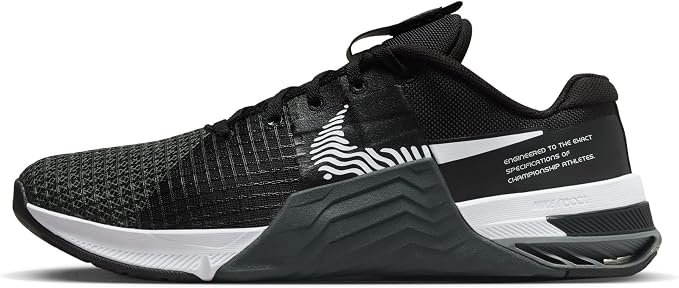
The Shop Owner’s Take (Honest Flag): Let me be upfront — the Metcon 8 is built for CrossFit-style strength training, not yoga. It has a wide, stable heel platform and a firmer sole meant for lifting stability, which is the opposite of the flexible, minimal feel a real yoga shoe needs. I’m including it only because the forefoot does flex reasonably well, and some readers specifically asked for a shoe that handles yoga plus strength training in the same gym session.
Best For: Gym-goers who split their session between strength training and a short yoga/mobility cooldown, not for dedicated yoga practitioners.
Pros:
- Very stable for lifting and functional movements
- Durable outsole with reliable gym-floor grip
- Flexible forefoot aids mobility drills
Cons: The stiff, wide heel platform actively works against balance-focused yoga poses — this is a training shoe first, yoga shoe a distant second.
7. SAGUARO Men’s Barefoot Minimalist Shoes
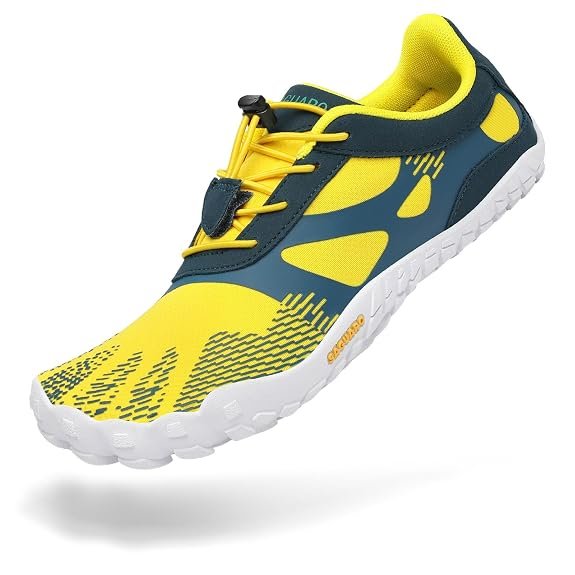
The Shop Owner’s Take: A genuinely versatile barefoot shoe — wide toe box, zero drop, and a quick-drying upper that makes it my top pick if your “yoga space” is a terrace, balcony, or park rather than an air-conditioned studio. It handles a sudden Mumbai or Chennai drizzle without falling apart, and the flexible sole gives good ground feel for standing and balance poses.
Best For: Outdoor practitioners doing yoga on terraces, parks, or near water, who also want a shoe that transitions to hiking or walking.
Pros:
- Quick-dry upper suits monsoon conditions
- Wide toe box with true zero drop
- Multi-purpose — yoga, walking, light hiking
Cons: The outdoor-oriented outsole has slightly less refined grip on polished indoor studio floors compared to indoor-specific options like the Unguis or Vibram.
Head-to-Head Comparison Table
| Shoe Name | Rating | Cleat Type | Closure | Best Use Case |
|---|---|---|---|---|
| Giro Tracker Fastlace | 4.5/5 | 2-bolt SPD | Fastlace | MTB, gravel commuting |
| Shimano SH-MX100 | 4.1/5 | 2-bolt SPD | Lace-up | Indoor cycling, beginners |
| Fizik Tempo R5 Powerstrap | 4.3/5 | 3-bolt road | Powerstrap | Road cycling, long rides |
| Kyedoo Peloton Shoes | 4.2/5 | Peloton/varies | Adjustable strap | Indoor/Peloton cycling |
| VikoViren Unisex Shoes | 4.4/5 | Peloton/SPD | Adjustable strap | Indoor + casual outdoor SPD |
| Tommaso Strada 100 | 4.4/5 | 2-bolt SPD | Ratchet + strap | Touring, commuting, spinning |
| KESCOO MTB Shoes | 4.3/5 | 2-bolt SPD (included) | Ratchet buckle | MTB, trail, beginners |
Caring for Barefoot & Minimalist Yoga Shoes
Minimalist shoes are simpler than running shoes, but that doesn’t mean they’re maintenance-free — especially in Indian conditions where humidity and sweat build up fast inside a closed upper.
- Air dry, never machine dry. Direct heat from a dryer or sitting in strong sun for hours can warp the thin outsole and crack the upper material over time. Let them air dry indoors instead.
- Wipe the outsole after outdoor use. Grit and dust reduce grip over time, especially on the fine sipes that give shoes like the SAGUARO their traction on wet tile.
- Rotate two pairs if you practice daily. Letting a pair fully dry out between sessions extends the life of the foam and reduces odour build-up, particularly in humid cities like Chennai or Mumbai.
- Check the insole periodically. On shoes with a removable insole, like the Xero Prio, pull it out and air it separately — this is usually where sweat and odour collect first.
How I Shortlisted These Seven
Every pair on this list was judged against the same three checks I mentioned earlier: could I fold the sole flat, did the toe box let my toes spread naturally, and did the outsole hold grip on both a yoga mat and a bare studio floor. Shoes that failed even one of these got dropped before they made it onto this page — I’d rather give you six honest picks than ten padded ones.
I’ve also been upfront where a product doesn’t fully fit the “yoga shoe” label — the Nike Metcon 8 is the clearest example here. It’s a strong shoe, just not built for yoga first, and I’d rather tell you that than let a good Amazon rating speak for something it isn’t.
7 best yoga shoes india Real-World FAQ
1. Do I really need shoes for yoga, or is barefoot better?
Barefoot is always best for true ground feedback. Shoes are only useful on shared studio floors, outdoor surfaces, or if you have a foot condition that needs protection.
2. What heel-to-toe drop is ideal for yoga shoes?
Zero drop is ideal. It keeps your heel and forefoot level, matching how your foot naturally sits on a mat during standing and balance poses.
3. Are barefoot/minimalist shoes safe for beginners?
Yes, but ease into them. Your calves and feet need a few weeks to adapt to reduced cushioning — don’t jump straight into long sessions.
4. Can I use regular running shoes for yoga?
Not ideally. Running shoes have thick cushioning and a raised heel drop, both of which reduce stability in balance poses like tree pose or warrior sequences.
5. How much grip do I need on tiled studio floors?
Look for a rubber outsole with fine sipes or texture. Smooth minimalist soles can slip on polished tile, especially if the floor is freshly mopped.
6. Are expensive yoga shoes like Vibram worth it over budget options?
For daily, serious practice — yes, the durability and precise grip zones justify the price. For occasional use, a budget minimalist shoe like the Unguis works fine.
7. What toe box width should I look for?
Go as wide as the shoe allows. Indian feet, especially after years in chappals, tend to be wider at the forefoot, and a narrow toe box restricts natural toe splay during balance work.
8. Are these shoes suitable for hot yoga or humid Indian summers?
Choose a breathable mesh upper like the Xero Prio or ULOGU. Avoid synthetic-heavy uppers in peak summer months across cities like Chennai or Delhi.
9. Can I wear yoga shoes for outdoor terrace or park sessions?
Yes — pick a quick-drying, grippy outsole like the SAGUARO. Avoid pure indoor-focused shoes outdoors as their soles aren’t built for rough or wet ground.
10. Do yoga shoes work for other workouts like Pilates or gym floor work?
Most minimalist yoga shoes on this list — Vibram, Xero, Unguis — cross over well into Pilates, functional training, and light gym floor work without needing a separate pair.
Final Verdict
If you want the closest thing to true barefoot feel, go with the Vibram V-Train 2.0. If you want one comfortable all-rounder for daily studio use, the Xero Shoes Prio Original is my top pick. On a tight budget, the Unguis Indoor Training Shoes get the job done. And if your practice happens outdoors, the SAGUARO Barefoot Shoes handle terrace and monsoon conditions best.
Check the latest deals and prices on Amazon.in before you decide — prices on minimalist and barefoot shoes shift often.
A Few Honest Notes Before You Buy
A couple of things worth repeating from a shop-owner’s chair. First, no shoe replaces proper alignment cues from an instructor — footwear helps with grip and comfort, not technique. Second, if you’re brand new to barefoot-style shoes, don’t wear them for a full 90-minute class on day one; your feet need to build strength gradually, the same way you wouldn’t run a 10K in new running shoes without breaking them in.
And finally, don’t let a shiny listing photo make the decision for you. Match the shoe to what your practice actually looks like — standing balance work, restorative floor sequences, or outdoor terrace sessions — and the right pick from best yoga shoes india this list becomes obvious.
Related Reads
- Best Anti-Blister Running Shoes in India
- Best Lightweight Running Shoes in India
- Best Marathon Shoes in India
- Best Wide Running Shoes in India
- Best Running Shoes for High Arches in India