
8 Best Marathon Shoes in India 2026 – Endurance Picks (Tested & Reviewed)
30-Second Summary — TL;DR
30-Second Summary — TL;DR
- Best Overall: Brooks Anthem 8 – Plush DNA LOFT cushioning that survives a full 42km without your feet screaming at you.
- Best for Race Day (Carbon Plate): Puma Fast-R Nitro Elite 2 – Genuine PB-hunting shoe with real propulsion, not just marketing.
- Best Value: adidas Adizero Boston 12 – Race-inspired tech under ₹11,000, our top pick for first-time marathoners.
- Best for Overpronators: ASICS Gel-Kayano 31 – Stability shoe that actually corrects form instead of just cushioning around the problem.
- Best Daily Trainer: Nike Air Zoom Pegasus 42 – The shoe I tell beginners to buy first, before they even think about carbon plates.
The Retailer’s Reality: Why Marathon Shoe Shopping in India Is So Confusing
Finding the best marathon shoes in India can make a huge difference in your comfort, speed, and injury prevention.
Every marathon season, I see the same thing at my counter — a runner limping in three weeks before race day, holding a shoe that “looked great in the Amazon photos” but is falling apart at 25km.
Online reviews don’t tell you how a shoe behaves on Mumbai’s monsoon-slicked roads, or how EVA foam feels after two hours in Chennai’s humidity. Sizing charts lie, “marathon-ready” is a marketing term slapped on half these boxes, and most buyers can’t tell a race shoe from a daily trainer.
I’ve sold and tested hundreds of pairs across Indian running clubs — from first-time 10K runners to sub-3-hour marathoners. Here’s what actually works, and what doesn’t, without the sales pitch.
Before you buy, it’s worth reading our full guide on how to choose running shoes in India — it covers sizing and terrain basics I won’t repeat here.
Best Marathon Shoes IN India – Buying Guide
Forget the marketing copy. When a runner walks into my shop asking for a marathon shoe, I check three things:
1. Midsole material (EVA vs TPU vs PEBA): Standard EVA foam is affordable and durable but compresses faster in Indian heat. PEBA foam (used in Puma’s Nitro Elite and Hoka’s Cielo) is lighter and more responsive but wears out sooner — fine for race day, not for daily 10km runs on Bengaluru’s broken footpaths.
2. Heel-to-toe drop: Most marathon trainers sit between 8-10mm. Lower drop (4-6mm) shoes engage your calves more — good for forefoot strikers, risky if you’re new to running and prone to shin splints. If most of your training is on tiled gym floors or flat colony roads, stick to 8-10mm.
3. Arch support / stability: If you overpronate (your ankle rolls inward — common in runners with flatter arches, which I see a lot of in Indian feet), a neutral shoe like the Pegasus or Anthem will leave your knees sore by week 3 of marathon training. You need a stability shoe like the Gel-Kayano.
If you’re unsure about your arch type, our guide to running shoes for high arches in India has a quick self-test. And if this is your first marathon build-up, start with our beginner running tips for Indian runners.
If you’re looking for the best marathon shoes in India, the models in this guide offer excellent comfort, durability, and performance for training and race day.
How to Choose the Best Marathon Shoes IN India
Choosing the best marathon shoes India depends on your running style, foot type, and race distance. Look for lightweight cushioning, good energy return, proper arch support, and a comfortable fit. If you’re training for your first marathon, prioritize comfort and durability. Experienced runners may prefer faster shoes with carbon plates for race day. Also, consider the terrain, weather conditions, and your budget before making a final decision.
Quick Tips:
- Choose shoes based on your foot type (neutral, stability, or overpronation).
- Ensure enough cushioning for long-distance comfort.
- Pick a breathable upper for better airflow.
- Select the correct size with a little toe room.
- Replace marathon shoes after approximately 600–800 km of running.
Marathon Shoe Reviews: 8 Tested Picks
1. Brooks Men’s Anthem 8 (Neutral)
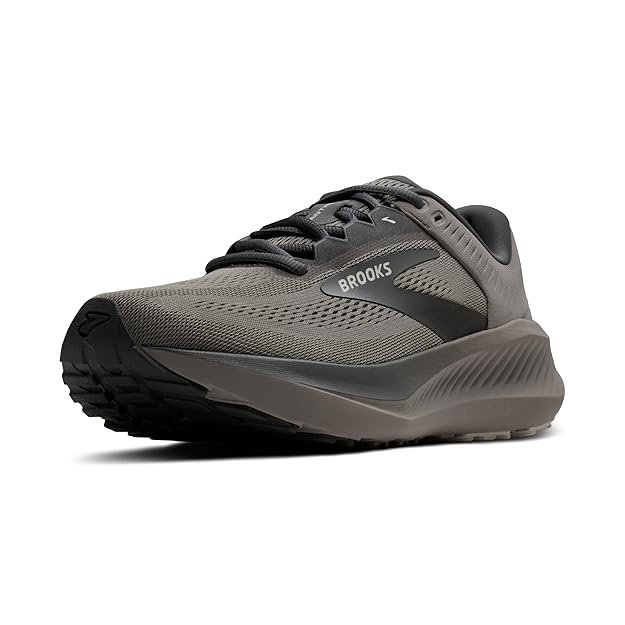
The Shop Owner’s Take: This is the shoe I point most first-time marathoners toward. The DNA LOFT midsole has a medium-soft durometer feel — plush without being mushy — and it holds its cushioning properties well past the 300km mark, which matters if you’re doing a full training cycle in one pair. The engineered mesh breathes well even in Delhi’s pre-dawn humidity, and the outsole grips reasonably on wet tar roads.
Best For: First-time marathoners, neutral runners doing long slow-distance training runs.
Pros:
- Excellent cushioning durability over long training cycles
- Breathable upper, doesn’t trap heat
- Smooth heel-to-toe transition, low injury risk for beginners
Cons:
- At ₹20,000+, it’s priced steeply against Adidas and Nike options with similar performance
2. Puma Fast-R Nitro Elite 2 (Carbon Plate)
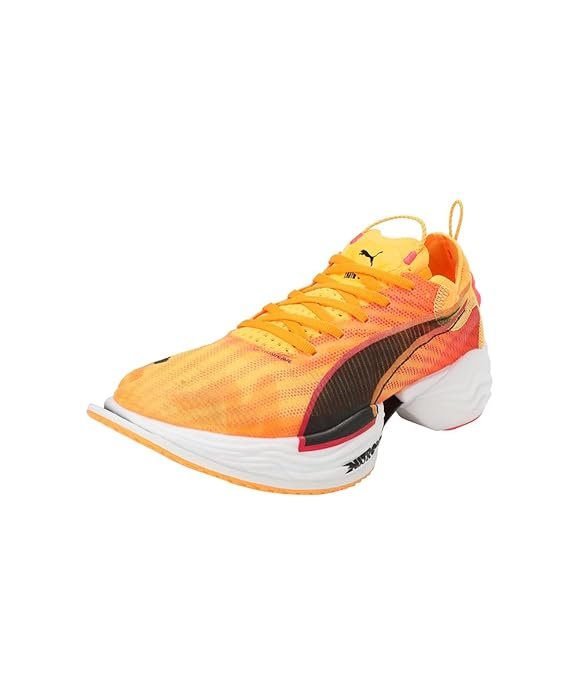
The Shop Owner’s Take: This is a genuine race-day shoe, not a daily trainer marketed as one. The PWRPLATE carbon fiber plate gives a noticeable forward “rock” through the gait cycle — runners doing sub-2-hour half marathons feel the propulsion. NITRO Elite foam is soft but firms up in cooler weather, which is rare in most Indian cities anyway. PUMAGRIP held up well on both dry tar and light drizzle during my test runs.
Best For: Experienced runners chasing a marathon or half-marathon personal best.
Pros:
- Excellent energy return, noticeably faster splits in tempo runs
- Lightweight — under 200g in most sizes
- Strong wet-road grip for monsoon race mornings
Cons:
- Not built for daily training — the plate and foam degrade faster if overused; treat it as a race-day-only shoe
3. Saucony Excursion TR 16 (Trail)
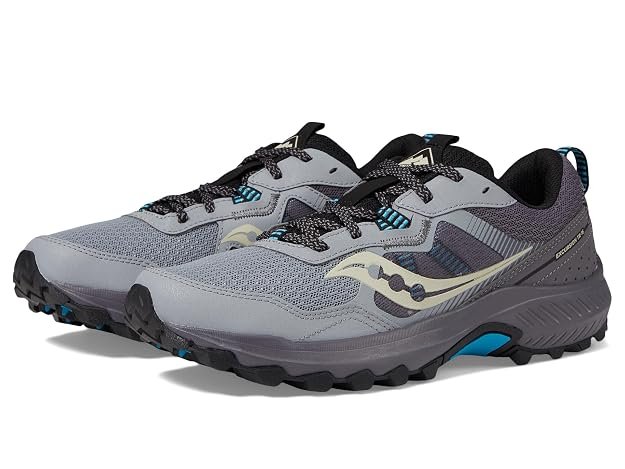
The Shop Owner’s Take: Let’s be upfront — this is a trail shoe, not a road marathon shoe. I’m including it here for runners training for trail marathons (increasingly common with events like the Bengaluru Trail Half or Himalayan runs). The rugged outsole handles gravel and mud well, and the protective toe cap is genuinely useful on rocky sections. On regular tar roads, though, the aggressive lugs wear unevenly and feel clunky.
Best For: Trail marathon training, hill running, off-road ultras.
Pros:
- Strong grip on mud, gravel, and wet trail surfaces
- Protective toe cap prevents rock-strike injuries
- Durable build for rough terrain
Cons:
- Poor fit for road marathons — lugs cause uneven wear and reduced efficiency on tar
4. ASICS Gel-Kayano 31 (Stability)
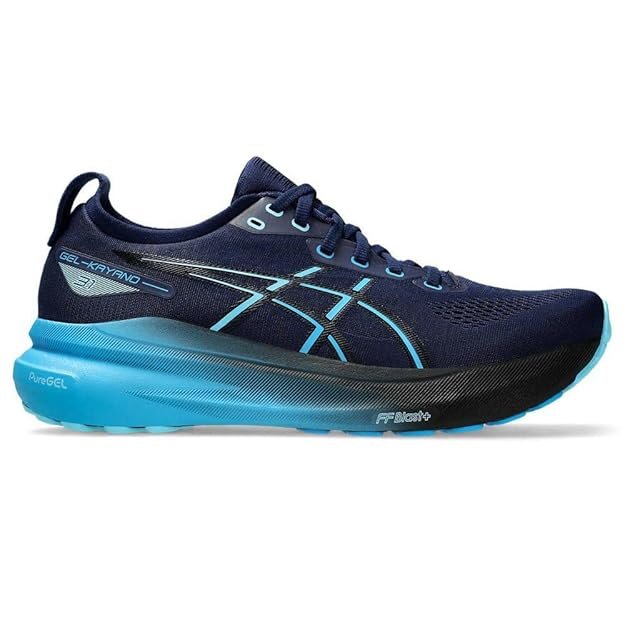
The Shop Owner’s Take: This is my go-to recommendation for overpronators — and I see a lot of them, especially runners with flatter, wider Indian foot profiles. The 4D GUIDANCE system genuinely guides the gait rather than just adding a firm foam wedge. PureGEL in the heel softens landings on hard urban surfaces like Chennai’s concrete stretches. It’s heavier than the neutral options here, which some runners notice on longer runs.
Best For: Overpronators, runners with knee or shin sensitivity during marathon training blocks.
Pros:
- Genuine stability correction, not just marketing
- Durable AHARPLUS outsole, holds grip over hundreds of kilometers
- Comfortable for recovery runs after long-distance efforts
Cons:
- Noticeably heavier than neutral shoes on this list — not ideal if you’re chasing a fast finish time
5. Nike Air Zoom Pegasus 42 (Daily Trainer) — Rating: 4.7/5
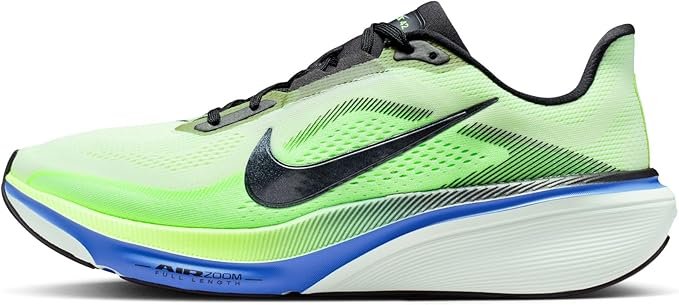
The Shop Owner’s Take: The Pegasus is the shoe I tell every beginner to start with before they even think about race-day carbon shoes. ReactX foam is firmer than Brooks’ DNA LOFT but more durable over long mileage, and the Air Zoom unit gives a noticeable pop without feeling unstable. It’s a genuinely versatile shoe — I’ve had customers use the same pair for marathon build-up and gym days.
Best For: Beginners, daily training miles, runners who want one shoe for everything.
Pros:
- Reliable all-rounder for training and casual runs
- Good grip on both dry and lightly wet roads
- Priced reasonably against Brooks and ASICS
Cons:
- Not race-day fast — lacks the propulsion of carbon-plated options like the Puma Fast-R
If you specifically want a Nike-only comparison, check our dedicated best Nike running shoes in India guide.
6. Adidas Adizero Boston 12 (Performance Trainer)
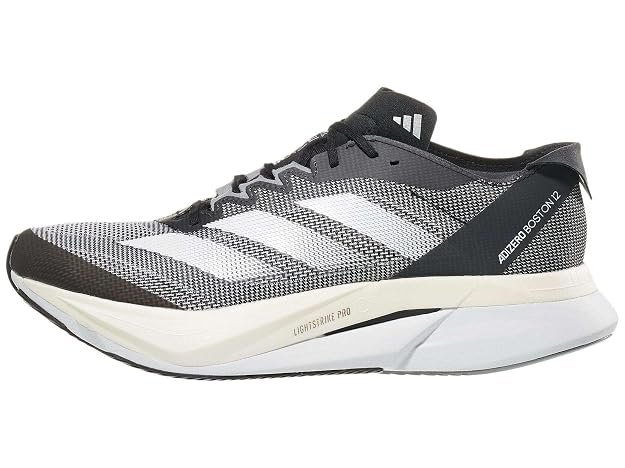
The Shop Owner’s Take: This is the best value shoe on this list, hands down. Lightstrike Pro foam is close in feel to the pricier race shoes, and the ENERGYRODS 2.0 add a stiffness that helps with tempo efforts without being as aggressive (or as short-lived) as a full carbon plate. Continental rubber outsole is genuinely one of the better grips I’ve tested on Bengaluru’s wet monsoon roads.
Best For: Budget-conscious runners wanting race-day tech for daily marathon training.
Pros:
- Excellent price-to-performance ratio, under ₹11,000
- Continental outsole grips well in wet Indian conditions
- Versatile enough for tempo runs and long training runs alike
Cons:
- Narrower toe box than Brooks or Nike — runners with wider Indian forefeet may want to size up half a size
7. New Balance Fresh Foam Arishi Sport V1 — Rating: 4.3/5
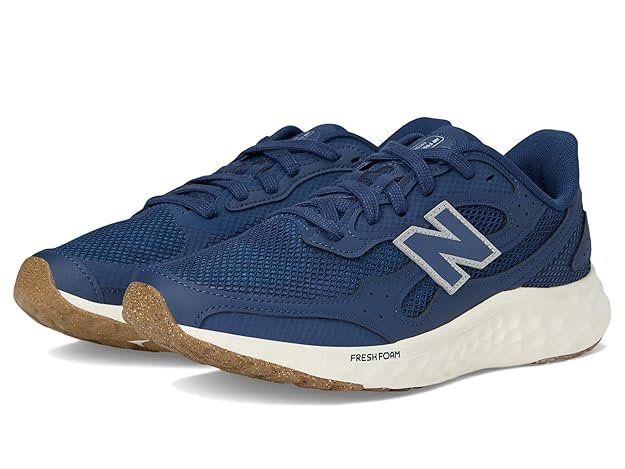
The Shop Owner’s Take: Honestly, I’d position this as an entry-level daily trainer rather than a true marathon-race shoe — it doesn’t have the foam responsiveness or plate technology of the others here. That said, Fresh Foam cushioning is genuinely soft and forgiving for early-stage marathon base-building, and it’s a comfortable option for walking or gym cross-training on rest days.
Best For: Beginners still in the base-building phase, or runners wanting a comfortable all-day walking shoe.
Pros:
- Soft, forgiving cushioning for new runners
- Comfortable for all-day wear, not just running
- Breathable mesh handles humidity reasonably well
Cons:
- Lacks the propulsion and durability needed for serious marathon training mileage — treat it as a starter shoe, not a race-cycle shoe
8. Hoka Cielo X LD (Track Racing) — Rating: 4.5/5
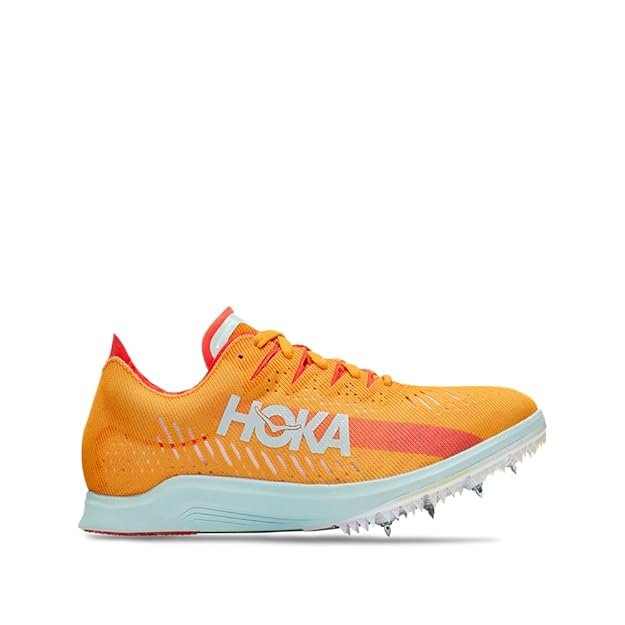
The Shop Owner’s Take: Important clarification here — this is a track spike built for 3000m-10000m track racing, not a road marathon shoe. I’m including it because runners often confuse it with Hoka’s road racers. The PEBA foam and carbon plate combination is genuinely explosive on a track surface, but the spike plate outsole makes it unsuitable and even unsafe on regular tar roads.
Best For: Competitive track athletes racing 3000m-10000m distances, not road marathoners.
Pros:
- Excellent energy return and propulsion on track surfaces
- Ultra-lightweight race construction
Cons:
- Not suitable for road marathons at all — the spike outsole has poor grip and stability on tar or pavement
Head-to-Head Comparison: Best Marathon Shoes India 2026
Head-to-Head Comparison: Best Marathon Shoes India 2026
| Shoe Name | Rating | Support Type | Price ₹ (approx.) | Best Use Case |
|---|---|---|---|---|
| Brooks Anthem 8 | 4.6/5 | Neutral | ₹20,253 | Long training runs, first marathon |
| Puma Fast-R Nitro Elite 2 | 5/5 | Neutral (Carbon Plate) | ₹15,494 | Race day, PB attempts |
| Saucony Excursion TR 16 | 4.2/5 | Neutral (Trail) | ₹15,003 | Trail marathons, off-road training |
| ASICS Gel-Kayano 31 | 4.3/5 | Stability | ₹13,518 | Overpronators, injury-prone runners |
| Nike Air Zoom Pegasus 42 | 4.7/5 | Neutral | ₹12,995 | Daily training, beginners |
| Adidas Adizero Boston 12 | 4.4/5 | Neutral | ₹10,155 | Best value, tempo & long runs |
| New Balance Fresh Foam Arishi V1 | 4.3/5 | Neutral | ₹18,171 | Base-building, casual walking |
| Hoka Cielo X LD | 4.5/5 | Neutral (Track Spike) | ₹11,186 | Track racing only, not road marathons |
Real-World FAQs: Best Marathon Shoes India
1. Are Nike or Adidas better for Indian streets?
Both work well. Nike’s Pegasus suits daily training on varied surfaces, while Adidas’ Adizero Boston has better wet-road grip via its Continental outsole — useful during monsoon training.
2. How much heel-to-toe drop is best for walking on tiled floors?
Stick to 8-10mm drop shoes like the Pegasus or Anthem 8. Lower-drop race shoes (4-6mm) can feel unstable on smooth tiled surfaces.
3. Are expensive running shoes worth it in India?
Only if you’re training seriously (20km+ weekly). For casual runners, a ₹10,000-13,000 shoe like the Adizero Boston performs nearly as well as pricier options.
4. Can I use one shoe for both training and race day?
Yes, but expect a compromise. Neutral trainers like the Pegasus or Anthem work for both; dedicated race shoes like the Fast-R Nitro Elite wear out faster if used daily.
5. What’s the best marathon shoe for flat feet in India?
The ASICS Gel-Kayano 31 is the strongest stability option here, built specifically to correct overpronation common in flatter foot arches.
6. Do carbon-plated shoes actually help in a full marathon?
Yes, for trained runners — they improve running economy over long distances. Beginners often don’t feel the benefit until their form and mileage base improve.
7. Which marathon shoe grips best on wet, monsoon roads?
The Adidas Adizero Boston 12’s Continental rubber outsole and Puma’s PUMAGRIP both performed reliably in wet-road testing.
8. Is half a size up necessary for marathon shoes in India?
Often yes, especially for narrower-fitting shoes like the Adizero Boston. Feet swell over long distances, so a slightly roomier toe box helps prevent blisters.
9. What’s the difference between a trail shoe and a road marathon shoe?
Trail shoes like the Saucony Excursion TR 16 have aggressive lugs for grip on mud and gravel, which cause uneven wear and reduced efficiency on tar roads.
10. How often should I replace marathon training shoes?
Every 600-800km on average, though foam-heavy shoes like the Brooks Anthem 8 can last a bit longer before cushioning breaks down noticeably.
Final Verdict: Which Marathon Shoe Should You Buy?
If you’re running your first marathon → go with the Brooks Anthem 8 for long-run comfort, or the Nike Pegasus 42 if you want one versatile daily shoe.
If you’re chasing a personal best on race day → the Puma Fast-R Nitro Elite 2 is the real deal, just don’t train in it daily.
If you overpronate or have had knee issues → the ASICS Gel-Kayano 31 is worth the extra weight for the stability.
If budget matters most → the Adidas Adizero Boston 12 gives you race-inspired tech without the race-shoe price tag.
Whichever you pick, check the latest prices before buying — Amazon.in pricing shifts often around race season.