

Running Tips for Beginners India – How to Start Running Safely (2026 Guide)

⚡ 30-Second Summary
- Best First Step: Walk-run intervals for 2 weeks before continuous running – protects joints unused to impact.
- Best Time to Run in India: 5:30–6:30 AM – lower pollution, cooler weather, and less traffic.
- Best Neutral Shoe for New Runners: Brooks Glycerin StealthFit 22 – Plush cushioning that forgives early form mistakes.
- Best Premium Cushioning: ASICS Gel-Nimbus 28 – Soft, stable ride for long-distance comfort and daily training.
- Best Daily Trainer: Nike Air Zoom Pegasus 40 – Responsive cushioning for versatile everyday running.
- Best Lightweight Pick: New Balance FuelCell Rebel v4 – Lightweight and energetic ride for beginners and tempo runs.
A Shop Owner’s Reality Check on Beginner Running in India
Every week someone walks into my shop with the same story — knee pain after week two, shin splints after week three, or blisters that put them off running entirely. Most of it isn’t bad luck. It’s starting too fast, on the wrong surface, in the wrong shoes.
Running in India comes with its own hurdles: heat, humidity, broken pavements, monsoon puddles, and traffic that doesn’t care about your pace. Add fitness influencers pushing 5K-in-a-week plans, and it’s no wonder beginners burn out. Here’s what I actually tell people who walk into my shop asking how to start running safely.
How to Start Running in India: running tips for beginners india Step-by-Step
If you’re searching for running tips for beginners India, the biggest mistake I see is skipping the walk-run phase. Your muscles adapt to running faster than your tendons and joints do — that mismatch is where injuries come from.
Step 1: Start With Walk-Run Intervals
Alternate 1 minute of slow jogging with 2 minutes of brisk walking, for 20 minutes total, 3 days a week. Do this for the first 2 weeks before attempting a continuous run.
Step 2: Build Time, Not Speed
In weeks 3–6, gradually stretch your running intervals and shrink your walking breaks. Ignore your pace completely at this stage — you’re training your joints and cardiovascular system to handle load, not chasing a finish time.
Step 3: Add One Rest Day Between Runs
Running tips for beginners india beginners often run daily because they’re excited, then quit in week 4 from fatigue or a niggling injury. Three runs a week with rest days between is plenty to build a base.
Step 4: Get Your Shoes Right Before You Get Serious
This is the part people skip. running tips for beginners india in old sneakers or cheap canvas shoes on Indian roads — broken tiles, cambered edges, gravel patches — is asking for shin splints. If you’re just getting into it, our guide on how to choose running shoes in India covers fit and sizing basics before you spend money.
Sample 4-Week Beginner Running Plan for India
Follow this simple 4-week beginner running plan to gradually build stamina, improve endurance, and reduce the risk of injuries.
| Week | Session Structure | Total Time | Focus |
|---|---|---|---|
| Week 1 | 1 min jog / 2 min walk, repeat 6–7 times | 20 min, 3×/week | Getting joints and lungs used to impact |
| Week 2 | 2 min jog / 2 min walk, repeat 5–6 times | 22–24 min, 3×/week | Extending jogging intervals slightly |
| Week 3 | 3 min jog / 1.5 min walk, repeat 5–6 times | 25–27 min, 3×/week | Shrinking walk breaks and building rhythm |
| Week 4 | 5 min jog / 1 min walk, repeat 4 times | 24–28 min, 3×/week | Approaching continuous running |
Tip: By the end of week 4, most beginners should be able to jog continuously for 15–20 minutes comfortably. If a workout feels unusually difficult due to heat, poor sleep, or fatigue, repeat the same week’s plan instead of pushing ahead.
Essential Running Tips for Beginners: What Actually Matters
These are the fundamentals I repeat to every first-time runner who comes through my shop, adapted for Indian conditions.
1. Warm Up for 5 Minutes, Every Time
Brisk walking or leg swings for 5 minutes before you run wakes up the muscles and reduces strain, especially important on cooler mornings.
2. Breathe Through Both Nose and Mouth
Don’t force nose-only breathing in Indian humidity. A relaxed rhythm — in for 2 steps, out for 2 steps — keeps you from gasping within the first kilometre.
3. Hydrate Before, Not Just During
In Indian heat, dehydration starts before you even feel thirsty. Drink a glass of water 30 minutes before an early morning run — not right before, or you’ll run with a heavy stomach.
4. Respect the Surface You’re Running On
Tiled park paths get slippery in dew or light rain. Broken city pavements twist ankles. If you can, alternate between a park track and a treadmill during monsoon months rather than forcing it on wet roads.
5. Don’t Increase Distance by More Than 10% a Week
This is the single most reliable rule against overuse injuries — shin splints, runner’s knee, IT band pain. If you ran 5 km last week, cap this week at roughly 5.5 km.
6. Land Under Your Body, Not Ahead of It
Overstriding — reaching your foot too far forward — is a major cause of knee and shin pain among new runners. Aim for shorter, quicker steps landing close to your centre of gravity.
Morning Run Guide for India: Timing, Heat, and Air Quality
A proper morning run guide for India has to account for what most Western running advice ignores: pollution and heat load.
- Best window: 5:30–6:30 AM in most Indian cities, before traffic and heat peak.
- Delhi & NCR: Check the AQI before heading out in winter months; indoor treadmill running is often the safer call on high-pollution days.
- Mumbai & coastal cities: Humidity stays high even early morning — slow your pace by 30–60 seconds per km compared to what feels natural elsewhere.
- Chennai & Hyderabad: Heat builds fast after 7 AM in summer; keep runs under 30 minutes if you’re running past sunrise.
- Bengaluru: Generally the most forgiving climate for beginner runners year-round, but watch for uneven footpaths in older neighbourhoods.
- Pune: Cooler than most Indian cities in early mornings, but Pune’s broken side-lane pavements catch a lot of new runners off guard — stick to main roads or parks with even surfaces.
- Kolkata: High humidity persists even in winter mornings; hydrate more than feels necessary and expect a slower natural pace than you’d run elsewhere.
- Ahmedabad & Jaipur: Summer heat arrives early — by 7 AM the tarmac is already noticeably warmer, so treat May–June as an indoor-treadmill season if you can.
One more thing I tell every beginner: evening runs (around 6:30–7:30 PM) work fine too if mornings don’t suit your schedule — just avoid running within an hour of a heavy meal, and stick to well-lit, familiar routes.
Common Beginner Mistakes to Avoid
Jogging tips for beginners usually focus on what to do. Just as important is what not to do:
- Running in gym shoes or casual sneakers: They lack the cushioning and heel-to-toe support for repeated impact.
- Skipping strength training: Weak glutes and core are behind most beginner knee issues.
- Comparing your pace to Strava averages: Most beginners run too fast because they’re chasing someone else’s numbers.
- Ignoring pain that lingers past a day: Soreness is normal; sharp or one-sided pain that doesn’t fade is a sign to rest and reassess your shoes.
- Buying shoes based on looks alone: If you have flatter arches, general “running shoes” won’t cut it — see our best running shoes for flat feet in India roundup for arch-specific picks.
Running Gear Beyond Shoes: What Actually Helps
Shoes get all the attention, but a few cheap additions make a bigger difference to comfort than people expect, especially in Indian heat.
- Moisture-wicking socks: Cotton socks stay wet with sweat and cause blisters faster in humidity. A synthetic or merino-blend running sock is a small cost that prevents a common early complaint.
- Lightweight, breathable clothing: Loose cotton t-shirts chafe when soaked. Polyester or dri-fit blends handle Indian humidity noticeably better over a 20–30 minute run.
- A cap or visor for morning sun: Even at 6 AM, Indian sun is strong enough to matter on longer runs — a light cap helps more than sunglasses alone.
- A basic fitness tracker or phone app: Not essential, but useful for beginners to track the 10% weekly distance rule instead of guessing.
- A small water bottle or hydration belt: For runs over 25–30 minutes in Indian heat, carrying water becomes genuinely useful rather than optional.
Nutrition and Hydration Tips for Indian Runners
What you eat around a run matters more in Indian heat than in cooler climates, simply because you lose fluids and electrolytes faster.
Before Your Run
A light snack 45–60 minutes before running — a banana, a few dates, or a slice of toast — gives you steady energy without weighing you down. Avoid heavy, oily, or spicy food within 2 hours of running.
During Your Run
For runs under 30 minutes, plain water is enough. Past 45 minutes in Indian heat, a pinch of salt and a bit of sugar or jaggery in water (a simple homemade electrolyte mix) helps replace what you’re sweating out.
After Your Run
Rehydrate first, then eat within 30–45 minutes — a combination of carbs and protein (like a banana with peanut butter, or dal-chawal later in the day) supports muscle recovery better than skipping the post-run meal.
Why Your First Running Shoe Matters More Than You Think
I always tell beginners: your body is adapting to a completely new stress. Cheap or worn-out shoes remove the one buffer you have while your joints catch up. Three things to check before buying:
Midsole (EVA vs TPU): EVA foam is lighter and softer — good for most beginners running on roads and parks. TPU-based midsoles (like Nike’s React or PU-based foams) last longer under heavier mileage but feel firmer initially.
Heel-to-toe drop: A drop of 8–10mm is generally more forgiving for new runners transitioning from walking, since it reduces strain on the Achilles and calves compared to low-drop or zero-drop shoes.
Arch support and stability: Most beginners in India do fine with a neutral shoe, but if your shoes wear unevenly on the inner edge, you may need a stability shoe. When unsure, our best running shoes in India guide breaks down neutral vs stability options in more depth.
Below are four neutral running shoes I’d point a genuine beginner toward, based on what holds up on Indian roads and parks.
Beginner-Friendly Running Shoes: Tested Picks
1. Brooks Men’s Glycerin Stealthfit 22 Neutral Running Shoe
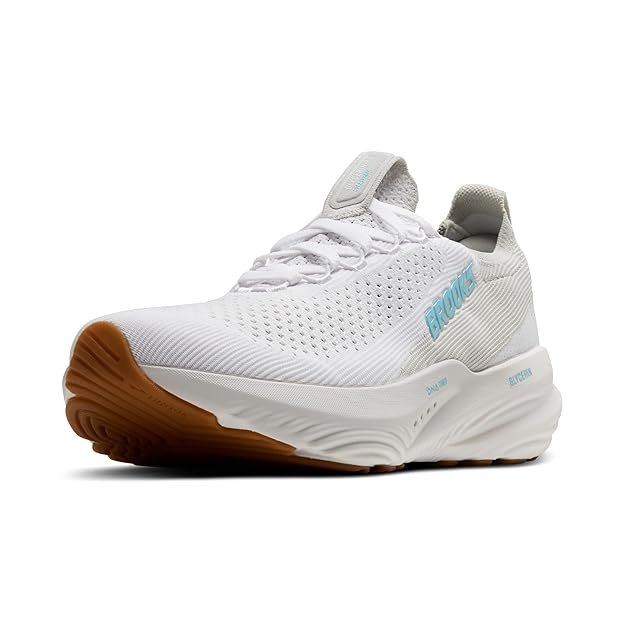
The Shop Owner’s Take: This is the shoe I hand to nervous first-time runners. The DNA Tuned cushioning is genuinely plush — it forgives the heavier heel-strike most beginners have before their form settles. The StealthFit knit upper wraps snugly without pinching, which matters on longer walk-run sessions where feet swell slightly in the heat. It’s a touch heavier than performance-focused shoes, but for someone building a base, that trade-off is worth it.
Best For: First-time runners, walk-run beginners, and anyone prioritising joint comfort over speed.
Pros:
- Excellent shock absorption for beginner joints
- Breathable knit construction handles Indian humidity well
- Smooth heel-to-toe transition reduces overstriding impact
- Durable outsole grips well on park tracks and pavements
Cons:
- On the heavier side for runners who later want to pick up pace or race
2. New Balance Men Propel Running Shoe
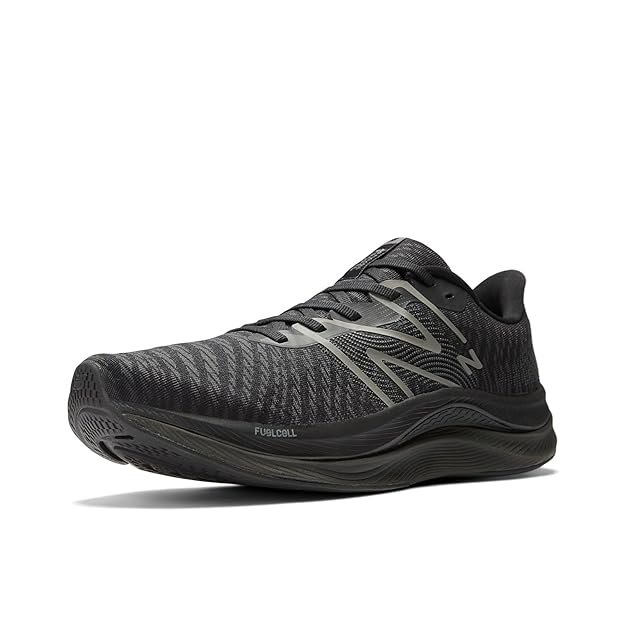
The Shop Owner’s Take: The FuelCell midsole gives this shoe a springy, energetic feel that’s rare at this price point. It’s noticeably lighter than the Brooks, which some beginners love and others find slightly less cushioned on longer runs. The engineered mesh breathes well, and the outsole has held up fine on the rough patches I’ve tested it on around local roads.
Best For: Beginners who want a lighter, more responsive feel and plan to progress into tempo running sooner.
Pros:
- Lightweight — reduces fatigue on longer walk-run sessions
- Responsive FuelCell foam feels energetic, not dead underfoot
- Good value relative to premium neutral shoes
- Breathable mesh upper suited to Indian heat
Cons:
- Less plush than the Brooks — heavier beginners may want more cushioning
3. ASICS Gel-Nimbus 28
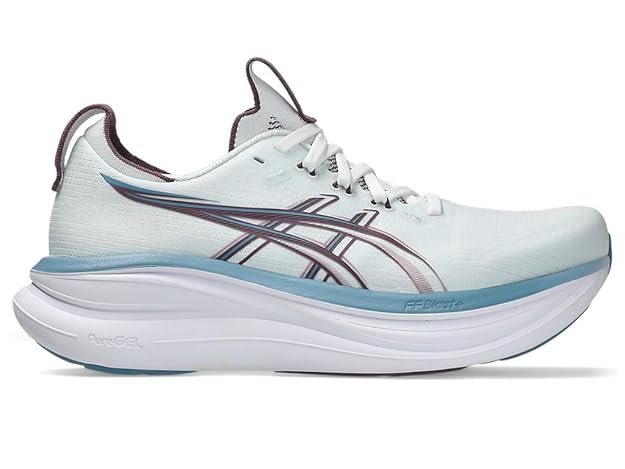
The Shop Owner’s Take: This is the shoe I recommend to beginners with knee sensitivity or a few extra kilos to manage during their running journey. The FF BLAST Plus ECO midsole combined with PureGEL cushioning noticeably softens impact on knees and shins — customers specifically come back to tell me their joint pain reduced after switching. The hybrid outsole grips confidently on both smooth park paths and slightly uneven pavement.
Best For: Beginners prioritising joint protection, recovery runs, and longer walking-to-running transitions.
Pros:
- Best-in-test shock absorption for knees and joints
- Breathable mesh keeps feet cool in Indian summers
- Reliable grip on roads and paved surfaces
- Smooth, stable ride reduces fatigue
Cons:
- Priced higher than the other options here (around ₹16,999, may vary)
4. Nike Men’s Air Zoom Pegasus 40 Shoes
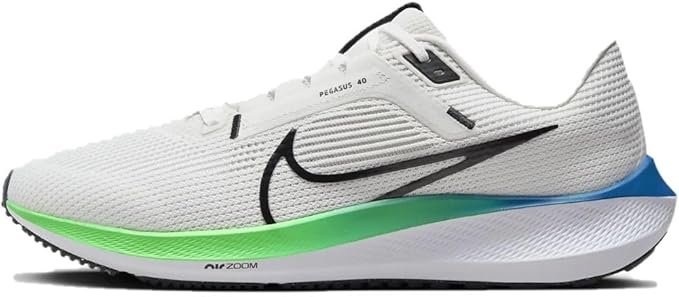
The Shop Owner’s Take: The Pegasus has been a go-to daily trainer for years, and this version’s dual Air Zoom units give a lively, responsive ride without being harsh. It suits beginners who want one shoe that can handle running, gym sessions, and casual walking. It runs slightly firmer than the Brooks or ASICS, so if you’re heavier or have sensitive knees, break it in gradually.
Best For: Beginners who want a versatile shoe for running, gym, and daily wear rather than a dedicated running-only pair.
Pros:
- Versatile enough for running, walking, and gym workouts
- Breathable mesh upper suited to Indian conditions
- Durable waffle-pattern outsole grips well on roads
- Widely available with easy exchanges in most Indian cities
Cons:
- Firmer ride than the Brooks or ASICS — less forgiving for very early beginners
Injury Prevention and Recovery for Beginner Runners
Head-to-Head Comparison Table
| Shoe Name | Rating | Weight | Arch Support | Best Use Case |
|---|---|---|---|---|
| Brooks Glycerin StealthFit 22 | 4.6/5 | Moderate-Heavy | Neutral | First-time runners, joint comfort |
| New Balance FuelCell Rebel v4 | 4.4/5 | Light | Neutral | Lighter feel, progressing to tempo runs |
| ASICS Gel-Nimbus 28 | 4.5/5 | Moderate | Neutral | Joint protection, recovery runs |
| Nike Air Zoom Pegasus 40 | 4/5 | Moderate | Neutral | Versatile daily trainer, gym + running |
Most beginner injuries in India come down to three things: too much distance too soon, poor surface awareness, and skipping recovery. A few habits that make a real difference:
- Stretch calves and hamstrings post-run, not before — cold stretching before a run can actually reduce power output.
- Ice sore knees or shins for 10–15 minutes if you feel unusual soreness after a run.
- Rotate two pairs of shoes once you’re running regularly — it lets cushioning foam recover between runs and extends shoe life.
- Replace shoes every 600–800 km, not by how they look — worn-out midsole cushioning is a common hidden cause of new aches.
A Simple Post-Run Stretching Routine
Do these while your muscles are still warm, right after your run — not the next morning:
- Calf stretch: Hands on a wall, one leg back with heel pressed down, 20–30 seconds each side.
- Quad stretch: Standing, pull one ankle toward your glutes, holding balance, 20–30 seconds each side.
- Hamstring stretch: Seated or standing, hinge forward from the hips with a straight leg, 20–30 seconds each side.
- Hip flexor stretch: Half-kneeling lunge position, gently pressing hips forward, 20–30 seconds each side.
Five minutes of this after every run does more to prevent the tight, achy feeling beginners often blame on “just being unfit” than most people expect.
If you eventually move off tarmac onto dirt trails or hilly terrain, note that neutral road shoes like the ones above aren’t built for that — check our best trail running shoes in India guide before heading off-road. And if you find standard running shoes feel tight across the forefoot, our best wide running shoes in India roundup covers wider-fit options.
Real-World FAQ for Beginner Runners in India
1. How do I start running as a complete beginner in India?
Start with walk-run intervals (1 minute jog, 2 minutes walk) for 20 minutes, 3 times a week, before attempting continuous running.
2. What is the best time to run in Indian cities?
Generally 5:30–6:30 AM, when temperatures and pollution levels are lowest and roads are quieter.
3. How many days a week should a beginner run?
Three days a week with rest days between is enough to build a base without overloading joints unused to impact.
4. Do I need special running shoes, or will gym shoes work?
Dedicated running shoes are strongly recommended — gym shoes lack the cushioning and heel-to-toe support needed for repeated road impact.
5. How much heel-to-toe drop is best for beginners?
A drop of 8–10mm is generally more forgiving for new runners, reducing strain on the Achilles compared to low-drop shoes.
6. Is running safe during Indian monsoon season?
It can be, but wet tiles and slippery park paths increase fall risk — consider a treadmill or well-drained track on heavy rain days.
7. Why do my shins hurt when I start running?
Shin splints in beginners usually come from increasing distance too fast or running in worn/unsupportive shoes — the 10% weekly rule helps prevent this.
8. Are expensive running shoes worth it for beginners in India?
Not necessarily — a well-fitted neutral shoe in the ₹5,000–₹12,000 range covers most beginner needs; premium cushioning helps more for high weekly mileage.
9. How do I know if I have flat feet or high arches?
A simple wet-foot test on paper shows your arch type; if unsure, a shop fitting is more reliable than guessing online.
10. When should I replace my first pair of running shoes?
Around 600–800 km of use, or sooner if you notice uneven sole wear or returning joint soreness during runs.
Final Verdict
If you’re a nervous first-timer prioritising comfort, go with the Brooks Glycerin StealthFit 22. If you want something lighter to grow into faster running, the New Balance Propel is the better call. Runners with knee sensitivity should lean toward the ASICS Gel-Nimbus 28, and if you want one versatile shoe for running plus gym, the Nike Pegasus 40 covers both.
But the shoe is only half the job — starting slow, respecting rest days, and running at the right time of day matter just as much on Indian streets. For a deeper look at shoe selection specifically, see our how to choose running shoes in India guide.
🛒 Check Latest Deals on Amazon.in
Disclosure: We may earn a small commission on purchases made through Amazon.in links in this post, at no extra cost to you.