
7 Best Running Shoes for High Arches in India (2026) – Tested & Reviewed
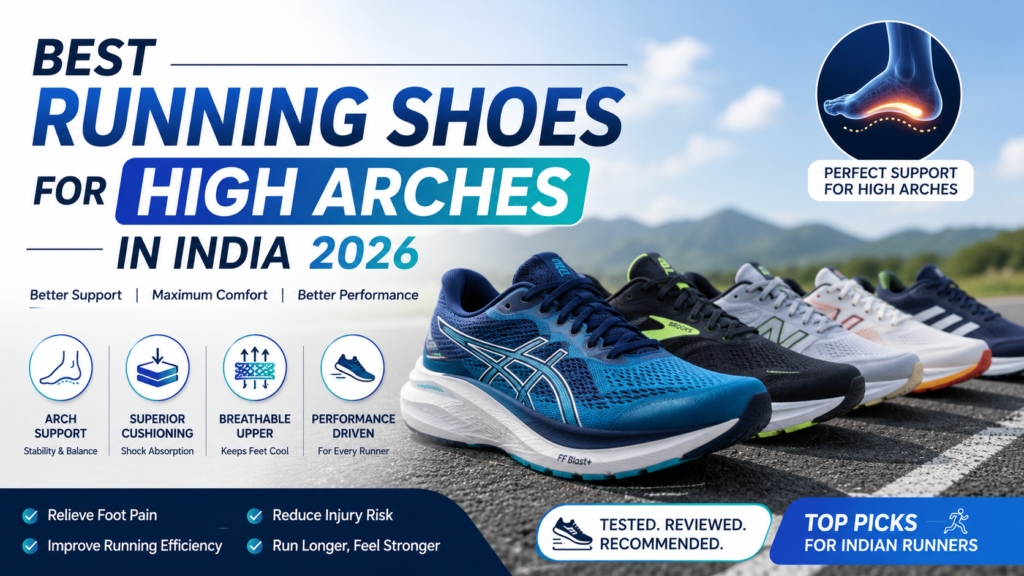
⚡ 30-Second Summary — TL;DR Quick Verdict
- Best Overall: Brooks Glycerin 20 D Wide – Nitrogen-infused DNA LOFT v3 foam delivers plush cushioning and excellent comfort for runners with high arches and supination tendencies.
- Best Value: Saucony Kinvara 14 – Lightweight PWRRUN cushioning with responsive performance at a more affordable price.
- Best for Long Runs: ASICS Gel-Nimbus 28 – PureGEL™ cushioning provides premium shock absorption and lasting comfort during long-distance runs.
- Best for Wide + High Arch Feet: Nike Vomero 18 Wide – ZoomX cushioning with a wider fit offers excellent support and comfort for high-arched runners.
The Retailer’s Reality: Why High Arches Need Special Shoes
Best running shoes for high arches in India can reduce foot fatigue, improve cushioning, and provide better comfort for daily runs and long-distance training.
I’ve had customers walk into my shop clutching X-rays, convinced something is “wrong” with their feet — when really, they just have a high arch (pes cavus). In my 20+ years fitting Indian runners, I’ve seen this foot type get punished the most by generic “best running shoes” lists.
High-arch feet don’t roll inward enough to absorb shock naturally — this is called supination (or underpronation). Without the right cushioning, that impact travels straight up into your knees and shins. Add Indian running conditions — cracked pavements in Delhi, uneven tracks in Chennai, monsoon-slick roads in Mumbai — and a badly-cushioned shoe becomes an injury waiting to happen.
Online reviews rarely mention arch type at all, and Indian shoe sizing is inconsistent enough to make things worse. So here’s the truth, Best running shoes for high arches in India from someone who has actually laced up hundreds of these pairs for real customers, not just photographed them for a listing.
Most “best running shoes” articles are written for a generic, neutral-arch reader — which means the advice quietly fails a big chunk of buyers. In my shop, roughly 1 in 5 customers who complain about calf tightness, outer-heel wear, or repeated ankle rolls turn out to have a high arch they never knew about. The fix isn’t a fancy shoe — it’s the right cushioning philosophy, which I’ll break down product by product below.
Buying Guide: What Actually Matters for High Arches
1. Midsole Cushioning (EVA vs Nitrogen-Infused Foam): High-arch runners need maximum shock absorption, not stability control. Look for soft, high-rebound foams — nitrogen-infused compounds (like DNA LOFT v3) or high-density EVA blends (PWRRUN, Fresh Foam) outperform basic TPU-based midsoles for this foot type.
2. Heel-to-Toe Drop: A drop of 8–10mm works well for most supinators, as it reduces strain on the Achilles and calf. Too low a drop (under 4mm) can overload muscles that high-arch feet already stress more.
3. Flexibility Over Stability Posts: Unlike flat-feet shoes that use medial posts to control overpronation, high-arch shoes should have neutral, flexible outsoles that allow the foot to move naturally and encourage inward roll rather than restrict it.
4. Upper Breathability and Fit: High-arch feet often sit slightly higher off the ground at the midfoot, so a snug but non-restrictive engineered mesh upper matters — too tight across the instep, and you’ll feel pressure exactly where the arch peaks. Look for uppers with some stretch panels near the laces.
One more honest tip from the shop floor: if you’re buying during a sale event, add the shoe to your cart and wait — Amazon.in often drops the price by another 5% within a few days as part of rotating discounts. Worth the patience if you’re not in a rush.
City-Wise Terrain Notes for High-Arch Runners
Delhi & NCR: Cracked and uneven footpaths are common, so shoes with a bit more midsole protection (ASICS Gel-Nimbus, Brooks Glycerin) help absorb the unpredictable impact of potholes and broken pavement edges. Winter months also mean cooler mornings — breathable mesh is still fine since Delhi rarely gets cold enough to need insulation.
Mumbai: Monsoon season is the big factor here. Wet, slick roads demand better outsole grip — the AHAR™ rubber on the ASICS and PUMAGRIP on the Puma handle standing water and painted road markings noticeably better than harder, flatter compounds.
Bengaluru: Mixed terrain — some smooth tech-park pavements, some broken residential lanes — means flexibility matters more than raw cushioning. The Saucony Kinvara’s flexible outsole adapts well here.
Chennai: Heat and humidity are constant, so breathability becomes a priority alongside cushioning. Engineered mesh uppers with more ventilation (Adidas Supernova, ASICS Gel-Nimbus) keep feet cooler on long runs.
Product Reviews: Best running shoes for high arches in India
1. Saucony Kinvara 14
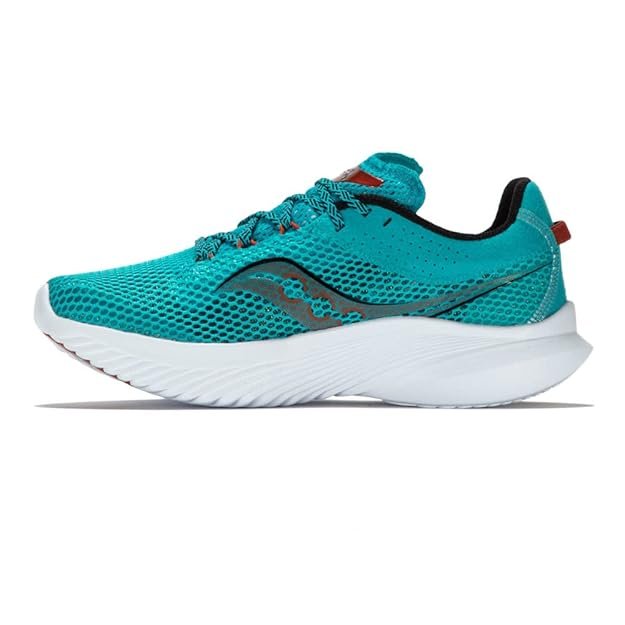
The Shop Owner’s Take: This is the shoe I recommend to customers who want a lightweight daily trainer without sacrificing cushioning. The PWRRUN foam has a soft, springy feel underfoot — noticeably softer than most shoes in this weight class. It handles Delhi and Bengaluru road runs well, though the outsole isn’t the most durable I’ve tested for high-mileage weeks. What stands out for Best running shoes for high arches in India high-arch runners specifically is how the flexible forefoot lets the foot move through its natural stride pattern instead of fighting it, which is exactly what a supinating gait needs. I’ve had customers switch from stiffer, stability-oriented shoes to the Kinvara and immediately notice less calf tightness after their evening runs. It’s also one of the more affordable options here, which makes it an easy first recommendation for someone testing whether a neutral, flexible shoe actually helps their arch discomfort.
Best For: Runners with high arches doing tempo runs and daily training who want a lighter shoe.
Pros:
- Very lightweight at ~200-220g
- Responsive, energetic ride
- Breathable mesh, great for humid Chennai summers
- Flexible forefoot suits natural supination movement
Cons: Cushioning is softer, not the most durable outsole for very high weekly mileage.
2. ASICS Gel-Nimbus 28
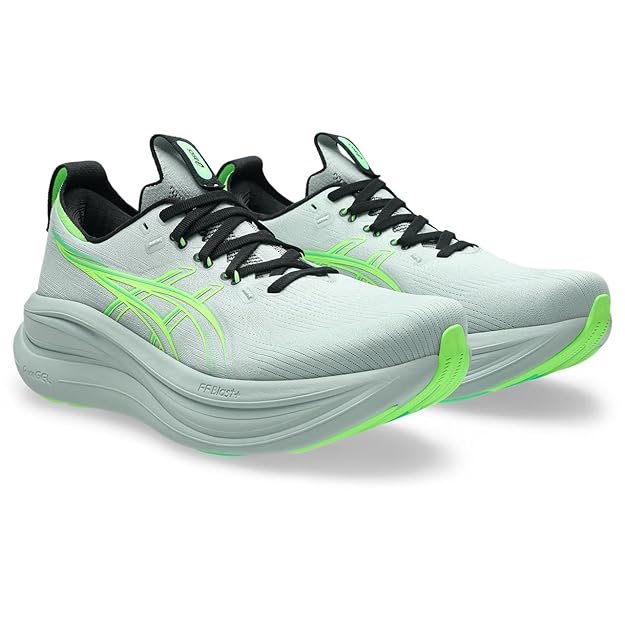
The Shop Owner’s Take: This is the pair I point long-distance runners toward. The FF BLAST™ PLUS midsole combined with PureGEL™ tech gives one of the softest landings I’ve felt in a neutral running shoe — ideal for high arches that need maximum shock absorption over 10K+ distances. It’s a bit heavier, which some customers notice on faster-paced runs. For someone with a high arch training for their first half-marathon in India’s heat, this is often the safest pick — the extra cushioning genuinely reduces the joint fatigue that builds up over long weekend runs on Mumbai’s uneven mixed surfaces. The PureGEL™ pods specifically target heel and forefoot impact zones, which matters more for supinators who tend to load the outer edge of the foot unevenly. I’ve also found the toebox roomy enough for Indian foot shapes that run slightly wider at the front, without feeling sloppy.
Best For: High-arch runners training for half-marathons or doing long weekend runs.
Pros:
- Excellent shock absorption for joints
- Durable AHAR™ outsole, good for Mumbai’s mixed road surfaces
- Smooth heel-to-toe transition
- Roomy toebox suits Indian foot shapes
Cons: Heavier build (~300-320g) makes it less snappy for speed sessions.
3. Adidas Supernova Rise M
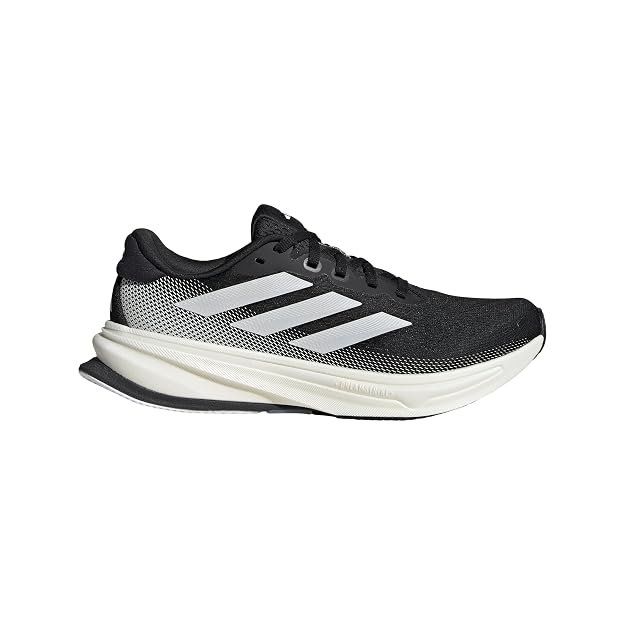
The Shop Owner’s Take: The Dreamstrike+ midsole surprised me — it’s plush without feeling mushy, and the Support Rod System genuinely smooths out the stride for supinators who tend to land hard on the outer foot. Grip on Adiwear rubber has held up well on Chennai’s warmer, humid roads in my testing. What I like most about recommending this one is Best running shoes for high arches in India its versatility — it doesn’t scream “running shoe,” so customers who want something they can wear to work, on errands, and for their morning run don’t feel like they’re compromising on either use case. The engineered mesh upper breathes well even in Chennai’s high humidity, and I haven’t had a single complaint about hot-spots or rubbing after long walks. It’s a shoe that quietly does its job well rather than trying to impress with flashy tech.
Best For: Daily trainers and walkers with high arches who want a balanced, everyday shoe.
Pros:
- Soft yet responsive cushioning
- Reliable grip on paved Indian roads
- Comfortable for all-day wear, not just running
- Versatile enough for work, errands, and runs
Cons: Not the most exciting shoe for faster training paces — built more for comfort than speed.
4. Brooks Glycerin 20 D Wide
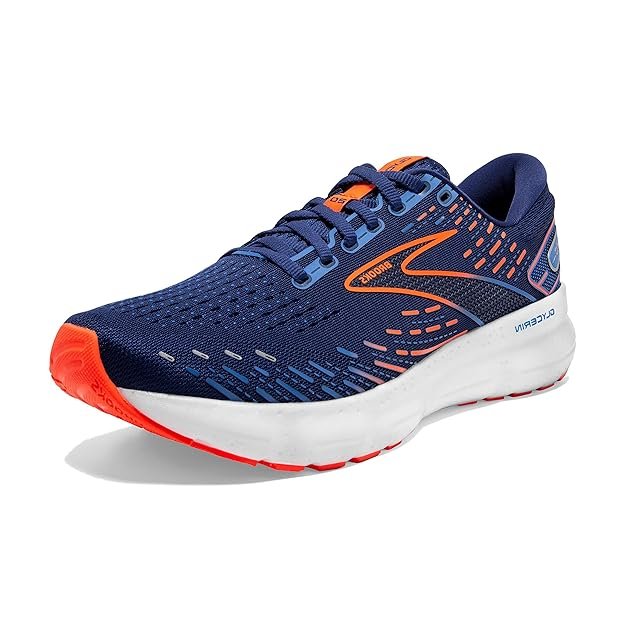
The Shop Owner’s Take: If a customer with a high arch and a wider forefoot walks in, this is what I hand them first. The nitrogen-infused DNA LOFT v3 foam is the softest cushioning I’ve tested in this whole lineup — genuinely feels like walking on a cloud, and the D-width fit accommodates Indian foot shapes that standard-width shoes often pinch. This is the shoe I’d call the “safe recommendation” for anyone with a high arch and no idea where to start — the cushioning is forgiving enough to mask minor gait inefficiencies while still letting the foot move naturally. Customers who’ve dealt with plantar fasciitis flare-ups in the past have specifically come back to tell me this pair reduced their heel pain on longer runs. The only real hesitation I give people is the price point — it sits at the premium end of this list, but for a high-arch runner logging serious weekly mileage, it’s usually worth it.
Best For: High-arch runners who also need extra width, doing daily training or long-distance runs.
Pros:
- Best-in-class cushioning softness
- Wide fit reduces pressure points
- Excellent for long-distance comfort
- Helps reduce heel strain for plantar fasciitis-prone runners
Cons: Premium pricing compared to the rest of this list.
5. New Balance Fresh Foam 520 v9
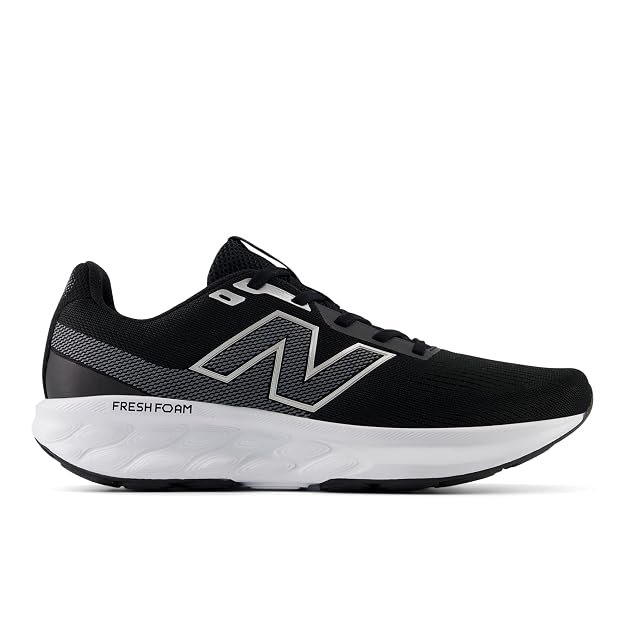
The Shop Owner’s Take: This is my go-to recommendation for someone new to running who also has a high arch and wider feet. The Fresh Foam midsole is soft and forgiving without being expensive, and the 2E wide fit works well for Indian foot shapes. It’s not the flashiest shoe here, but it does the basics right. What I appreciate about recommending this to first-time buyers is that it doesn’t require any real “adjustment period” — the cushioning is immediately comfortable straight out of the box, which matters when someone is already anxious about switching shoe types. It’s also priced sensibly enough that I don’t feel like I’m pushing a beginner into an expensive commitment before they know if running is something they’ll stick with.
Best For: Beginners with high arches and wide feet who want an affordable daily shoe.
Pros:
- Comfortable, cushioned ride at a reasonable price
- 2E wide fit suits broader Indian feet
- Good grip on paved surfaces
- Comfortable immediately, no break-in period needed
Cons: Less premium cushioning feel compared to Brooks or ASICS at higher mileage.
6. Nike Vomero 18 Wide
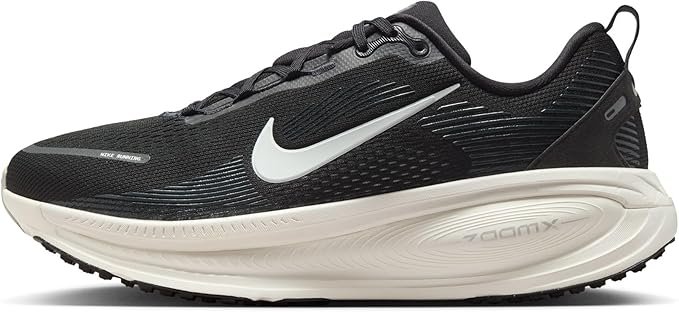
The Shop Owner’s Take: ZoomX foam is normally reserved for Nike’s racing line, so seeing it in a wide-fit daily trainer is a nice surprise. For high-arch runners with broader feet, this gives premium-level energy return without the narrow, race-shoe fit. It runs a touch heavier due to the wide construction. What I tell customers is that this shoe rewards a slightly faster cadence — the ZoomX foam has a springy, propulsive feel that some runners with high arches genuinely enjoy on tempo days, rather than a purely cushioned, “soft landing” ride like the Brooks or ASICS. It’s a good middle ground if you want both daily-training comfort and a bit of race-day energy return in one pair.
Best For: Long-distance runners with high arches and wide feet who want premium cushioning tech.
Pros:
- ZoomX foam offers excellent energy return
- Wide fit reduces pressure on broader feet
- Reliable outsole traction for daily roads
- Springy feel suits faster tempo-run cadences
Cons: Heavier than standard-fit trainers at ~300-315g.
7. Puma Magnify Nitro 2
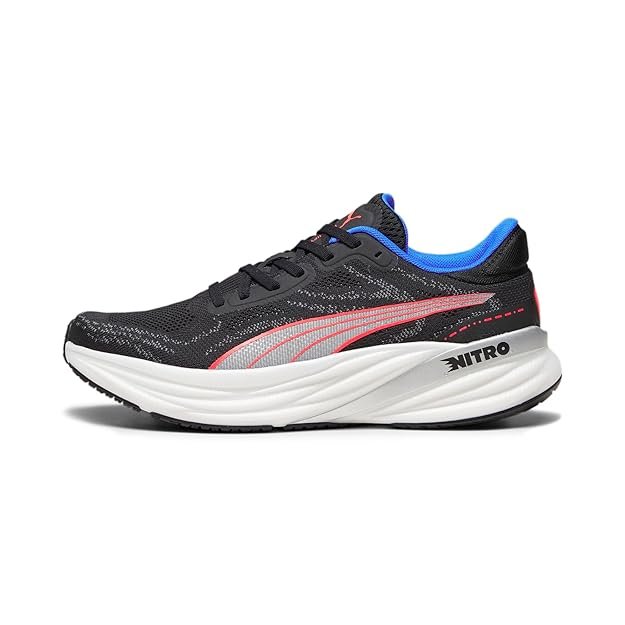
The Shop Owner’s Take: NITRO™ foam gives this shoe a light, bouncy feel that customers with high arches have responded well to on recovery runs. It’s a solid all-rounder, though I’ll be honest — the grip pattern isn’t the best I’ve tested on wet, monsoon-slick Mumbai roads. I usually position this as the “easy day” shoe in someone’s rotation — the softness in the NITRO™ foam is great for easing joint stress after a hard workout, but I’d steer customers toward the ASICS or Brooks if their weekly mileage is heavy, since the durability doesn’t quite match those two over the long run. Still, at this price point, it’s a genuinely comfortable option for someone building a two-shoe rotation.
Best For: High-arch runners looking for a lightweight recovery-run and daily-training option.
Pros:
- Lightweight with responsive NITRO™ foam
- Comfortable padded collar
- Good for daily training and recovery runs
- Solid value pick for a two-shoe rotation
Cons: Traction could be better in wet, monsoon conditions.
Head-to-Head Comparison Table
| Shoe Name | Weight | Arch Support Level | Price ₹ | Best Use Case | Rating |
|---|---|---|---|---|---|
| Saucony Kinvara 14 | 200–220g | Neutral / Flexible | Check Latest Price | Tempo & Daily Runs | 4.3★ |
| ASICS Gel-Nimbus 28 | 300–320g | Neutral / Max Cushion | Check Latest Price | Long-Distance Running | 4.5★ |
| Adidas Supernova Rise M | 275–285g | Neutral / Balanced | Check Latest Price | Daily Training & Walking | 4.5★ |
| Brooks Glycerin 20 D Wide | 290–305g | Neutral / Max Cushion | Check Latest Price | Long-Distance & Wide Feet | 4.7★ |
| New Balance Fresh Foam 520 v9 | 270–285g | Neutral / Cushioned | Check Latest Price | Beginners & Wide Feet | 4.6★ |
| Nike Vomero 18 Wide | 300–315g | Neutral / Max Cushion | Check Latest Price | Long-Distance & Wide Feet | 4.2★ |
| Puma Magnify Nitro 2 | 280–295g | Neutral / Cushioned | Check Latest Price | Recovery Runs & Daily Training | 4.1★ |
Common Mistakes Indian Buyers Make with High Arches
Buying a “stability” shoe because it’s the bestseller: The most common mistake I see is customers grabbing whatever stability shoe is trending, assuming it’s universally “better” for support. Stability shoes are engineered for the opposite problem — overpronation — and can actually make a high arch feel more rigid and uncomfortable.
Ignoring the wet-foot test at home: Most people have never checked their arch type. It takes thirty seconds — wet your foot, step onto a dry surface, and look at the print. A thin connecting strip between heel and forefoot usually signals a high arch.
Choosing based on brand loyalty alone: I get it — everyone has a favorite brand. But cushioning technology varies wildly even within one brand’s lineup. A customer’s old pair of a certain brand being great doesn’t mean every shoe from that brand suits a high arch equally well.
Skipping the break-in period: Even soft, well-cushioned shoes benefit from a short adjustment period — wear them around the house or on short walks before committing to a long run in a brand-new pair.
Real-World FAQ: High Arch Running Shoes in India
1. What is a high arch, and how do I know if I have one?
A high arch (pes cavus) means less of your foot touches the ground when standing. The simple wet-foot test — where only your heel, outer edge, and toes leave a print — is a quick way to check at home.
2. Do high-arch feet need stability shoes?
No — that’s a common mistake. Stability shoes are built for overpronation (flat feet). High arches need neutral, well-cushioned shoes that absorb shock instead of controlling foot roll.
3. What heel-to-toe drop is best for high arches?
Generally 8-10mm works well, as it reduces strain on the Achilles tendon and calf muscles that already work harder with a high arch.
4. Are Nike or Adidas better for Indian streets with high arches?
Both work — Nike’s ZoomX (as in the Vomero 18) leans softer and bouncier, while Adidas’s Dreamstrike+ (Supernova Rise) is more balanced for everyday Indian road conditions. It comes down to personal cushioning preference.
5. Can high arches cause running injuries?
Yes — untreated, high arches can lead to plantar fasciitis, shin splints, iliotibial (IT) band irritation, and ankle instability due to poor shock absorption. Since the foot doesn’t roll inward enough to disperse impact naturally, that stress travels upward through the lower leg and knee over time. The right cushioned shoe significantly reduces this risk, but if pain persists beyond a few weeks of switching shoes, it’s worth seeing a podiatrist or sports physiotherapist.
6. Are expensive running shoes worth it for high arches in India?
Often yes, since premium cushioning foams (like nitrogen-infused DNA LOFT or ZoomX) genuinely absorb more shock than basic EVA — which matters more for high arches than for neutral feet. That said, “expensive” doesn’t always mean “right” — a ₹5,000 shoe with the correct neutral cushioning will serve a high-arch runner better than a ₹12,000 stability shoe built for the opposite foot type.
7. How much grip do I need for monsoon running in Mumbai or Chennai?
Look for rubber outsoles with multidirectional lugs (like AHAR™ or PUMAGRIP). Avoid smooth-soled racing shoes during monsoon months, regardless of arch type.
8. Can I use these shoes for walking on tiled floors too?
Yes, most shoes on this list — especially the Adidas Supernova and New Balance 520 — double well as daily walking shoes on tiled or paved Indian surfaces.
9. Do wide-fit shoes work for high arches with narrow feet?
Not ideally — wide-fit options (Brooks D, Nike Wide, New Balance 2E) are best if you also have a broader foot. Narrow high-arch feet may find standard-width shoes like the Saucony Kinvara a better match.
10. How often should I replace running shoes with high arches?
Every 500-700 km, or sooner if you notice the midsole cushioning feels flatter — high arches lose shock absorption benefits faster once foam compresses.
11. Should I use insoles or orthotics along with these shoes?
Many high-arch runners benefit from an additional cushioned insole, especially in shoes with a firmer stock footbed. It’s not mandatory with any of the shoes on this list, but if you already own custom orthotics, most of these models have removable insoles to accommodate them.
12. Do these shoes work for walking or gym training too, not just running?
Yes, particularly the Adidas Supernova, New Balance 520, and Puma Magnify — their balanced cushioning makes them comfortable for all-day wear, standing jobs, or light gym sessions, not just structured runs.
Final Verdict
If you want the softest, most protective daily ride → go with the Brooks Glycerin 20 D Wide. If you’re after lightweight speed without losing cushioning → the Saucony Kinvara 14 is your pick. Training for a half-marathon or longer → the ASICS Gel-Nimbus 28 won’t let you down.
Whichever you choose, check the best running shoes in India guide for more options, or compare against our flat feet running shoes guide if you’re unsure of your arch type. For distance runners, our best marathon shoes in India post pairs well with this list, and if you’re torn between brands, see our Nike vs Adidas comparison. Sticking to paved city routes? Check our best road running shoes in India guide too.
Check the latest deals on Amazon.in above — prices and stock change often, so grab your size while it’s available.