
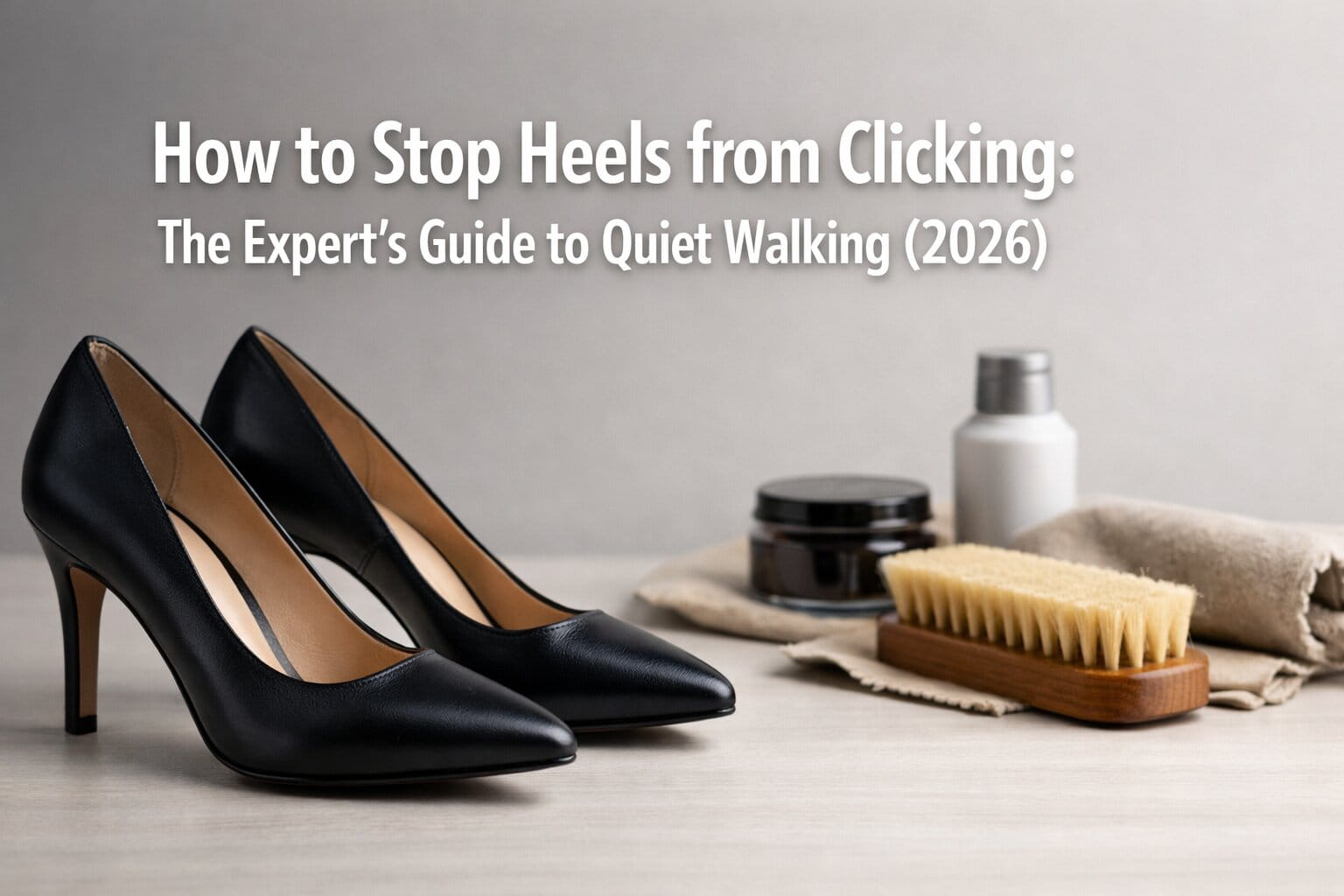
How to Stop Heels from Clicking: The Expert’s Guide to Quiet Walking (2026)
The Quick Answer
To stop heels from clicking or making noise when you walk, the most effective fix is to replace hard plastic heel tips with rubber heel caps, which absorb impact and dampen sound. For a quick DIY fix, apply self-adhesive anti-slip pads or heavy-duty felt to the bottom of the heel. If the clicking or clacking is caused by an exposed metal nail head (the pin), visit a cobbler immediately to prevent slipping and permanent heel block damage.
Free Returns
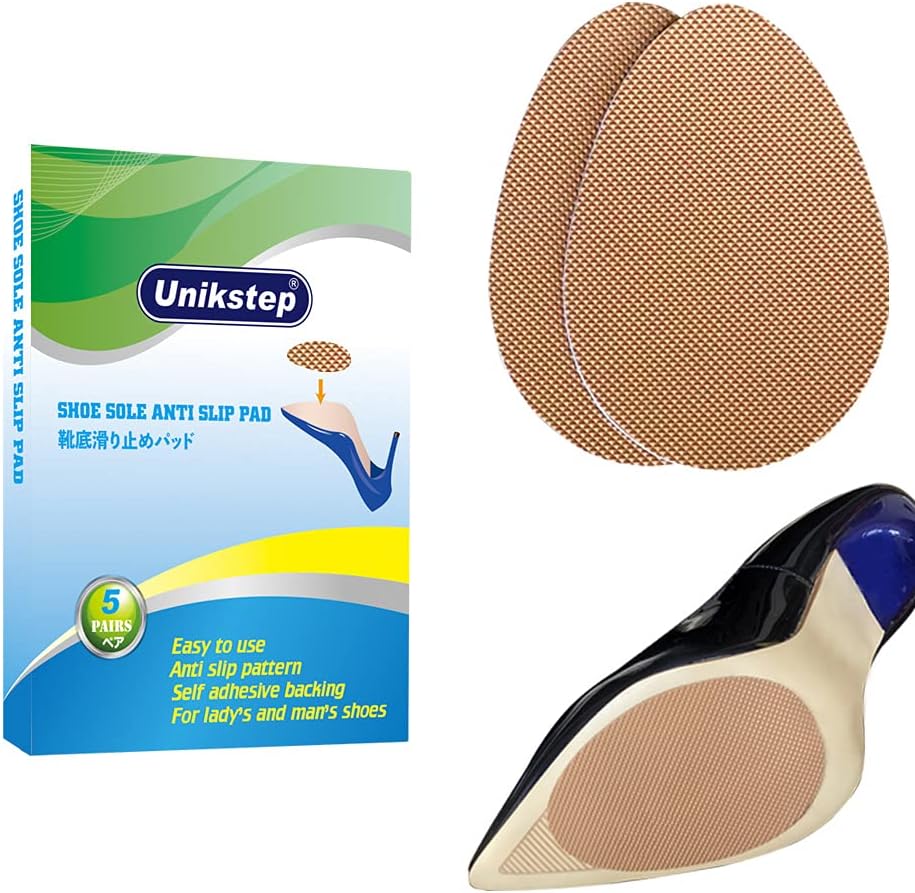
Free Returns
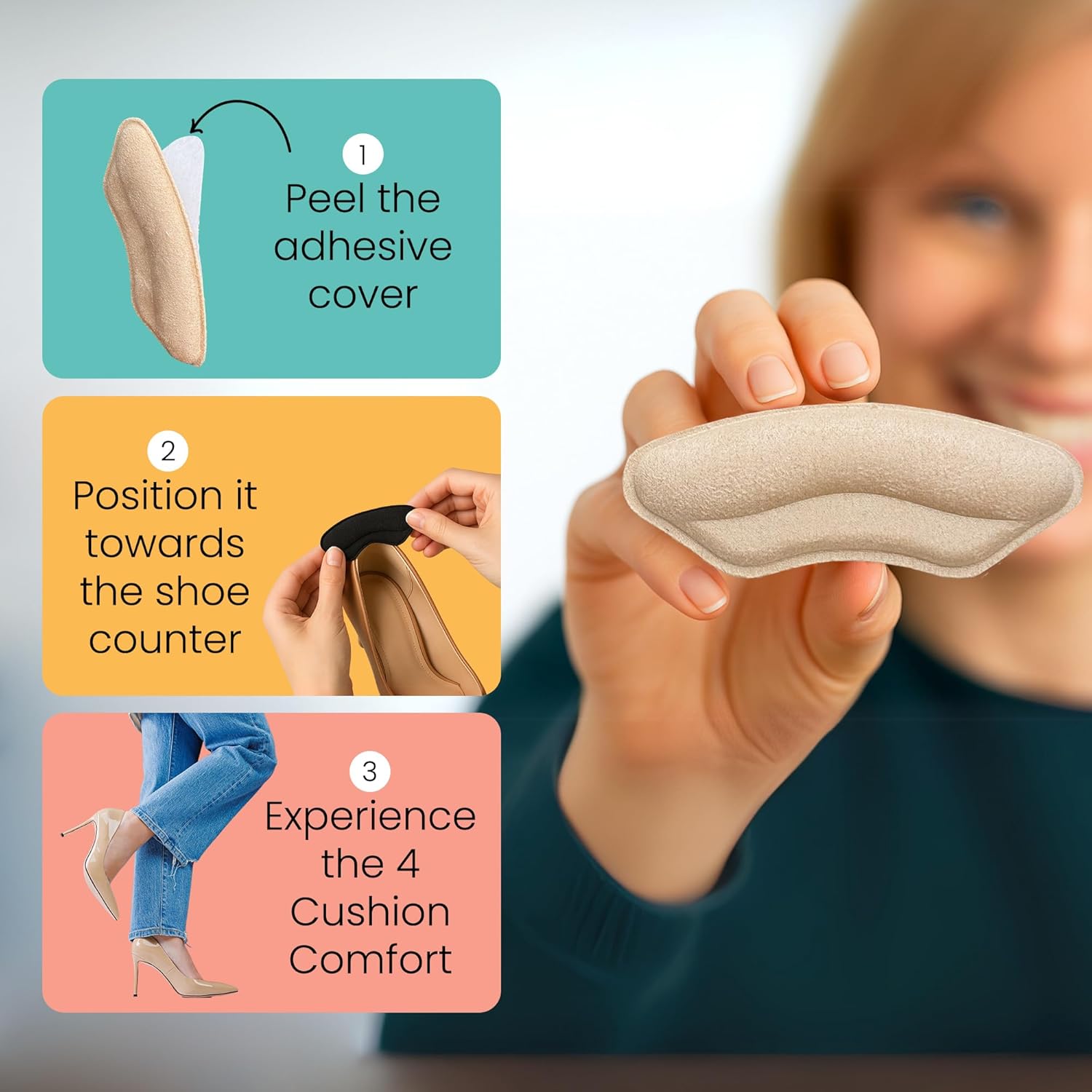
Limited deal · Free Returns
We may earn a small commission at no extra cost to you · Prices verified on Amazon
Introduction: The “Hallway Echo” Embarrassment
We have all been there. You are walking into a quiet office, a library, or a place of worship, and suddenly, you realize you are the loudest thing in the room. Click-clack, click-clack. Every step sounds like a hammer hitting an anvil.
It’s not just annoying for the people around you; it is often a sign that your shoes need attention.
In my 20+ years running a footwear retail store in Chennai, handling thousands of pairs from global brands to local makes, I’ve realized that “noise” is one of the top three complaints customers return with—right behind “pinching” and “lack of arch support.” While I cut my teeth in the Indian market, this is a universal issue. Whether you are walking on the marble floors of a Dubai mall or the hardwood of a New York loft, the physics of a noisy heel remains the same.
In this guide, I’m going to share the exact advice I give my customers to silence their steps. Plus, because a quiet shoe should also be a clean shoe, I’ll cover some essential maintenance tips like how to clean the insole of shoes and keep those soles bright white.
Why Do Shoes Click? (The Mechanics of Noise)
Before we fix it, we have to understand why it’s happening. In my shop, I usually identify the culprit within seconds of inspecting a customer’s shoe. It usually comes down to three things:
- The Material Mix: Most budget-to-mid-range shoes come with “top lifts” (the bit at the very bottom of the heel) made of hard plastic or poor-quality rigid nylon. These materials don’t absorb shock; they deflect it, creating sound.
- The “Nail” Factor: If you wear your shoes often, the plastic tip wears down. Eventually, the metal pin that holds the tip into the heel block gets exposed. Metal on stone or wood is the loudest click you will ever hear—and it’s dangerous because it offers zero traction.
- Hollow Heel Construction: Some chunky heels are hollow inside to save weight. This acts like a drum, amplifying the sound of the impact.
Best Heel Pads & Anti-Slip Grips — Full Reviews 2026
Three products. Three different problems. Here’s exactly which one to grab based on what’s actually happening with your shoes.
We may earn a small commission at no extra cost to you · Prices on Amazon change frequently — verify before purchase
How to Stop Heels from Clicking: 5 Proven Methods
Here is the hierarchy of solutions, ranging from “do it yourself right now” to “professional intervention.“
1. High-Heel Caps (The Gold Standard)
If you wear stilettos or pumps, this is the non-negotiable fix. Heel caps are flexible rubber covers that slide over your existing heel tip.
- Why they work: Rubber absorbs sound waves rather than reflecting them.
- Expert Insight: Always measure the diameter of your heel tip in millimeters before ordering online. A cap that is too loose will fall off in the street; one that is too tight will split.
2. Anti-Slip Rubber Pads
For block heels, loafers, or men’s dress shoes, you need surface area coverage. Adhesive rubber pads (often sold as “sole protectors”) are excellent.
- Application: Clean the bottom of the heel thoroughly (rubbing alcohol helps). Peel the back, stick it on, and let it cure overnight.
- Bonus: These add significant grip, which changes your walking gait to be more confident and naturally quieter.
3. The “Cobbler” Solution (Topy/Vibram Lifts)
This is what I recommend for shoes you plan to keep for years. Take them to a shoe repair shop and ask for a “rubber topy” or a “Vibram lift.”
- The Process: The cobbler sands down the noisy plastic layer and glues/nails on a dense, high-quality rubber piece.
- Longevity: This will last 10x longer than any stick-on pad.
4. Duct Tape or Felt (The Emergency Fix)
I’m including this because sometimes you have a job interview in an hour and you are desperate.
- The Hack: A small square of heavy-duty duct tape or adhesive furniture felt (the kind used for chair legs) placed on the heel can dampen the sound temporarily.
- Warning: This is not a permanent solution. The tape will wear through in a day of heavy walking, but it works in a pinch.
5. Change Your Gait
Sometimes, it’s not the shoe; it’s the walk. Heavy heel strikers generate more noise.
- Technique: Try to distribute your weight more evenly from mid-foot to toe rather than striking hard with the heel first. It’s better for your knees and significantly quieter.
20-Year Retailer Insight: The “Tap Test”
In my shop, I never let a customer buy a work shoe without the ‘Tap Test’.
When you are shopping online, you can’t do this, but as soon as the box arrives, take the shoe out. Find a hard surface (tile or wood) and firmly tap the heel against it.
- Dull Thud: This is good. It means the heel is solid rubber or high-quality TPR (Thermoplastic Rubber).
- Sharp Click: This is hard plastic. It will be noisy.
- Hollow Echo: The heel is empty inside.
If you hear the sharp click or hollow echo, you have two choices: return them, or budget an extra $15 to get them rubberized immediately. Don’t wait for them to “break in.” Hard plastic does not get softer; it just gets worn.
Comparison: DIY vs. Professional Fixes
| Feature | Rubber Heel Caps (DIY) | Adhesive Pads (DIY) | Cobbler Re-Heeling (Pro) |
|---|---|---|---|
| Cost | Low ($5 – $10) | Low ($5 – $8) | Mid-High ($15 – $30) |
| Noise Reduction | High | Medium | Very High |
| Durability | 3-6 Months | 1-3 Months | 1-2 Years |
| Aesthetic | Can look bulky if not sized right | Invisible | Seamless/Professional |
| Best For | Stilettos / Thin Heels | Block Heels / Flats | Expensive Leather Shoes |
Beyond the Noise: Total Shoe Maintenance Guide
If you are concerned about the noise your shoes make, you likely care about how they look and smell, too. A quiet shoe is great, but a clean shoe is essential. Here is how to handle the three most common cleaning queries I get from customers globally.
1. How to Clean the Insole of Shoes (General)
The insole absorbs sweat, which breeds bacteria. This isn’t just about hygiene; dirty insoles can become slippery, affecting how you walk and potentially making your heels strike harder.
- The Mix: Create a paste using warm water and baking soda.
- The Scrub: Use an old toothbrush to gently scrub the paste into the insole. Do not soak the shoe.
- The Dry: Wipe away the residue with a damp cloth and let them air dry away from direct sunlight. Sunlight can warp the insole shape, ruining the fit.
2. How to Clean Birkenstock Insole (The Specifics)
Birkenstocks use a suede-lined cork footbed that turns dark over time. This is my most requested maintenance tip.
- Step 1: Brush off loose dirt with a stiff suede brush.
- Step 2: Use a dedicated “Suede Cleaner” or a drop of mild baby shampoo mixed with water.
- Step 3: Crucial Pro Tip: Do not saturate the cork! If the cork gets too wet, it will crumble. Gently scrub in circles until a lather forms, then wipe with a towel.
- Step 4: Once dry, use a leather brush to raise the nap of the suede so it feels soft again.
3. How to Clean White Shoe Sole (The TPR/Rubber Edge)
You have silenced the heel, now brighten the rim. Yellowing or dirty white soles kill the vibe of a smart-casual outfit.
- The Magic Eraser: For light scuffs, a melamine foam sponge (Magic Eraser) works wonders on rubber.
- The Heavy Duty: For deep stains/yellowing on white soles, use hydrogen peroxide (cream developer, volume 40) often found in hair supply stores. Paint it on the rubber (avoid the fabric!), wrap the sole in plastic wrap to keep it moist, and leave it in the sun for an hour. The UV light reacts with the peroxide to reverse oxidation.
Common Mistakes to Avoid When Fixing Noisy Heels
- Using Superglue incorrectly: Never superglue a heel cap on unless you never plan to change it again. When that cap wears out, a cobbler will have to drill it out, which might destroy the heel block.
- Ignoring the “Metal Pin”: If your clicking is metal-on-stone, stop wearing the shoes immediately. Walking on the metal pin can drive it up into the heel, splitting the heel structure. Once that happens, the shoe is often trash.
- Assuming expensive means quiet: I have sold luxury Italian leather shoes that came with hard plastic heel lifts. Price does not always guarantee rubber soles. Always check the bottom.
People Also Ask (Quick Answers)
Why do my flat shoes make a clicking noise? Flat shoes often click because of air pockets trapped between the insole and the outsole (squeaking) or because the heel block, though short, is made of rigid plastic rather than rubber.
Can I fix clicking heels with duct tape? Yes, but only temporarily. A layer of duct tape on the heel will dampen sound for a few hours, but the abrasive nature of concrete will shred the tape quickly.
Does walking on carpet damage heels? No, carpet is the safest surface for heels. However, very plush carpet can make thin stilettos unstable, risking a rolled ankle, though it is perfectly silent.
How much does a cobbler charge to fix clicking heels? Globally, prices range from $15 to $30 (approx. £12–£25 or €14–€28) to replace plastic tips with high-quality rubber lifts.
Why are my new boots so loud? New boots often use stiff, synthetic composite materials for the sole to ensure shelf durability. These need to be “broken in” or have a rubber sole protector added to dampen the noise.
Conclusion & Recommendations
Silence is sophistication. Whether you are navigating a corporate boardroom or a quiet museum, your shoes should carry you, not announce you.
Stopping heels from clicking is usually a cheap and easy fix. Start with rubber heel caps or stick-on pads. If you love the shoes, invest in a visit to a professional repair shop. And while you are at it, take ten minutes to clean those insoles and scrub those white edges—your feet (and your wallet) will thank you in the long run.
Ready to silence your step?
- Unikstep Anti-Slip Rubber Pads — Best for Clicking Noise
- Riootlnm Heel Pads — Best for Loose or Too-Big Shoes
- Walkize Cushioned Heel Grips — Best Budget Pick
- For deeper stains and soles: our guide on how to clean insoles of smelly shoes
FAQs
1. What is the best material to stop heels from clicking? Rubber is the superior material for noise reduction. Unlike plastic or metal, soft rubber and Polyurethane (PU) absorb the shock of impact, effectively muting the sound of the heel strike.
2. Can I replace heel tips myself? Yes, especially for high heels. Most heel tips can be removed with pliers and replaced with a new “push-fit” tip. However, for broad block heels, professional gluing by a cobbler is recommended for longevity.
3. How to clean the inside of sandals without ruining them? Use a paste of baking soda and water, or a mild soap. Use a toothbrush to gently scrub the footbed, wipe with a damp cloth, and let them air dry. Never put leather sandals in a washing machine.
4. Why do my shoes sound hollow when I walk? A hollow sound indicates the manufacturer used a hollow heel block to save weight and cost. The only way to fix this is to have a cobbler fill the void with epoxy or add a thick rubber sole to the bottom.
5. How do I stop my heels from slipping on tiles? Clicking and slipping often go hand-in-hand. Applying an adhesive anti-slip rubber pad to the sole will solve both problems by providing traction and dampening the sound.
6. Does the “hair spray hack” stop shoes from slipping? Hairspray provides a very temporary stickiness that might help for an hour or two, but it attracts dirt and eventually makes the sole slippery again. Rubber pads are a much safer solution.
7. How often should I clean my shoe insoles? For daily-wear shoes, clean the insoles once every two weeks. This prevents odor buildup and keeps the material from compressing too quickly due to sweat and bacteria.
8. Can you change the sound of a shoe heel? Yes. By replacing a hard nylon top lift with a softer rubber compound, you can change the acoustic signature of the shoe from a sharp “click” to a soft, dull “thud.”
9. Is it worth repairing cheap shoes to stop noise? If the repair costs less than 50% of the shoe’s replacement value, it is worth it. A $10 rubber heel cap can make a $40 shoe feel and sound like a $100 shoe.
10. What causes the squeaking noise in shoes? Squeaking is different from clicking. It is usually caused by friction between internal layers of the shoe. Sprinkling baby powder under the insole is the most effective quick fix for squeaking.